
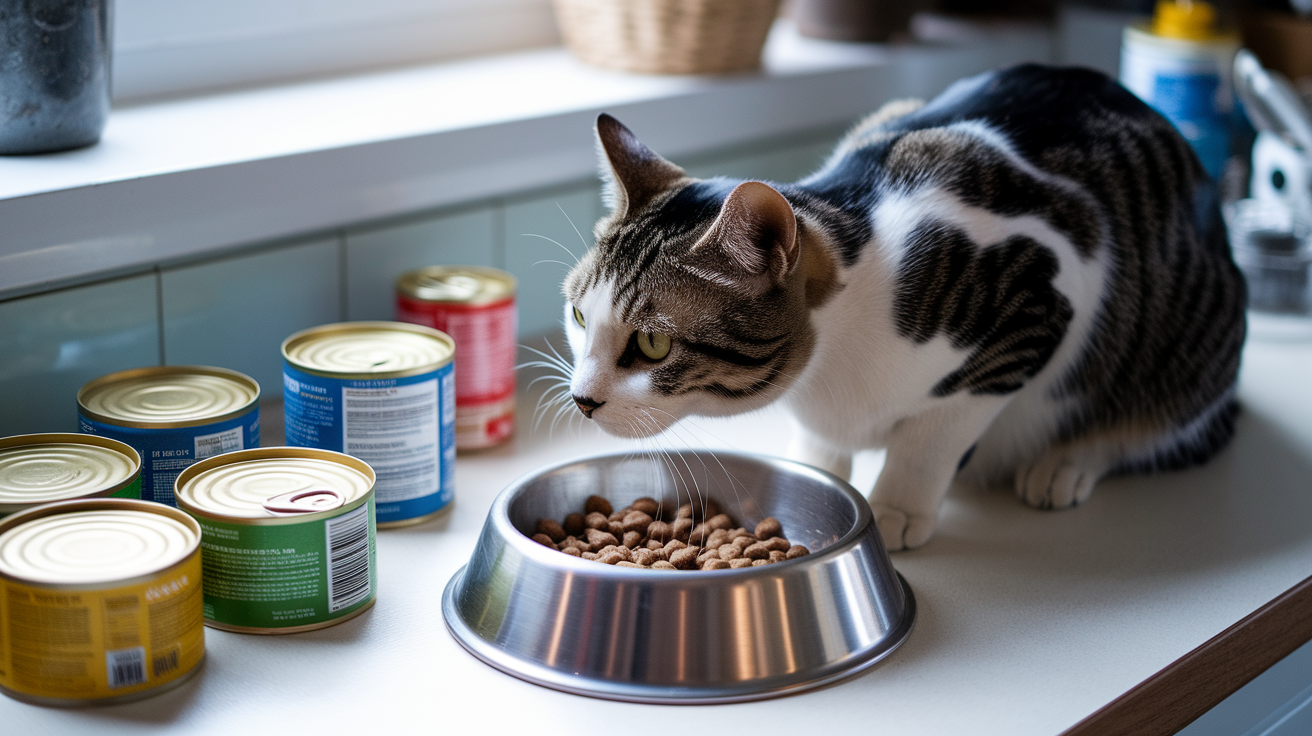
Is dry kibble overrated when cats are built to eat meat and moisture-rich meals?
High-protein wet food mirrors a cat’s natural diet, giving more real meat, more water, and fewer carbs than most kibbles.
That matters for muscle, weight, and urinary health.
In this post, we’ll compare top high-protein wet picks, explain how to read protein numbers, and match recipes to life stage, sensitivities, and budget.
You’ll finish knowing which cans are worth your money and what to watch for during a safe switch.
Understanding High-Protein Wet Cat Food and What Makes It Beneficial
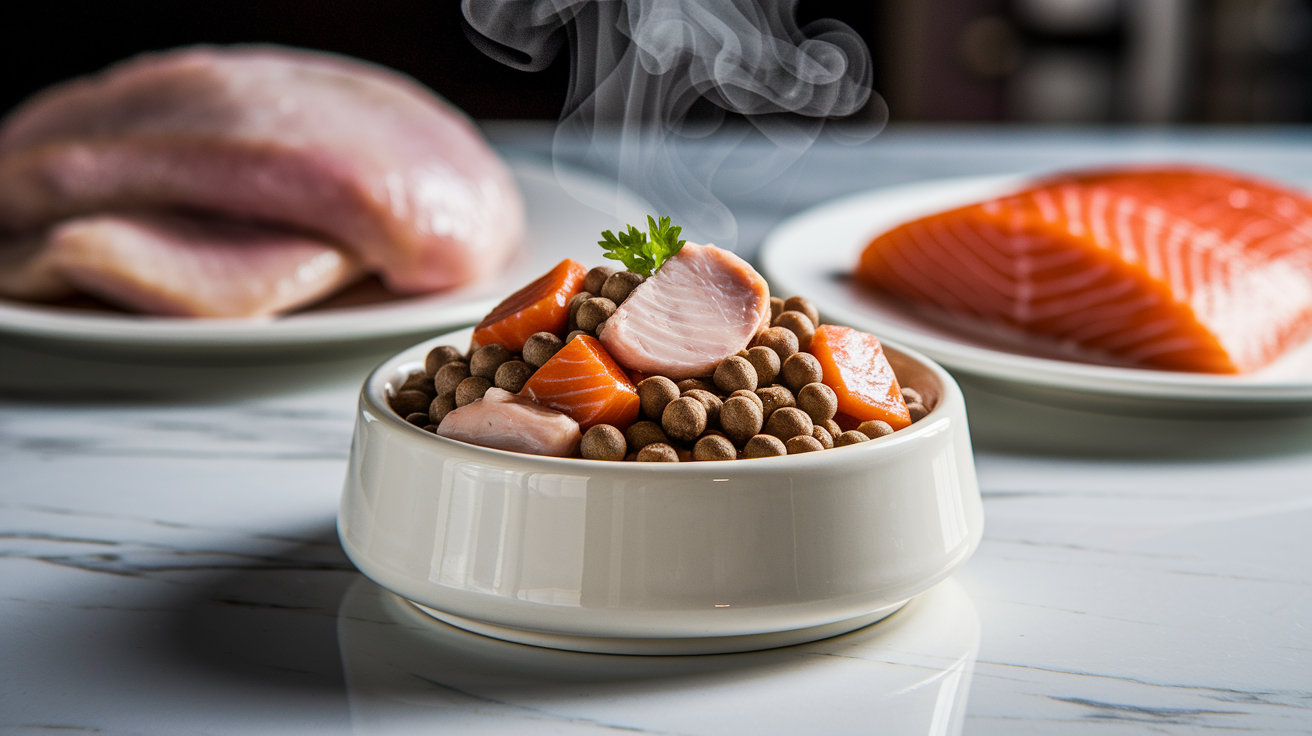
High-protein wet cat food is pretty much what you’d expect. Canned or pouched cat food with elevated protein levels and moisture-rich formulas that match how a cat’s body actually works. Cats are obligate carnivores. Their bodies depend on nutrients found primarily in animal tissue. Unlike dogs or humans, they can’t thrive on plant-heavy diets. Their digestive systems, metabolisms, and nutritional requirements evolved for hunting and eating prey. A high-protein wet food typically contains 10–16% protein on an as-fed basis, though that doesn’t tell the full story. When you remove the moisture (wet food is about 75–80% water), the dry matter protein percentage jumps much higher, often reaching 45–68% depending on the formula.
Wet cat food offers superior hydration and typically lower carbohydrate levels than dry food. Cats have low natural thirst drives, making moisture-rich diets beneficial for urinary tract health. Most grocery-store wet foods outperform dry kibble in nutritional composition due to higher animal protein. Even a basic wet food from the supermarket usually edges out most dry kibble in terms of real meat content and fewer starches or fillers. High-protein wet formulas take this a step further by centering the recipe around whole meats like chicken, turkey, salmon, or even novel proteins like venison or lamb.
Choosing a high-protein wet food doesn’t just add variety to your cat’s bowl. It supports their overall health in ways that align with how their bodies actually work. Protein supplies amino acids needed to preserve lean muscle mass at every age. High moisture content encourages fluid intake, reducing the risk of feline lower urinary tract disease. Animal-based proteins deliver all essential amino acids cats can’t produce themselves. Wet formulas naturally include fewer starches and plant ingredients than kibble. Meat-heavy recipes tend to be gentler on feline digestive systems. And protein-rich meals help cats feel fuller longer, supporting healthy weight management.
Key Protein Sources in Wet High-Protein Cat Food
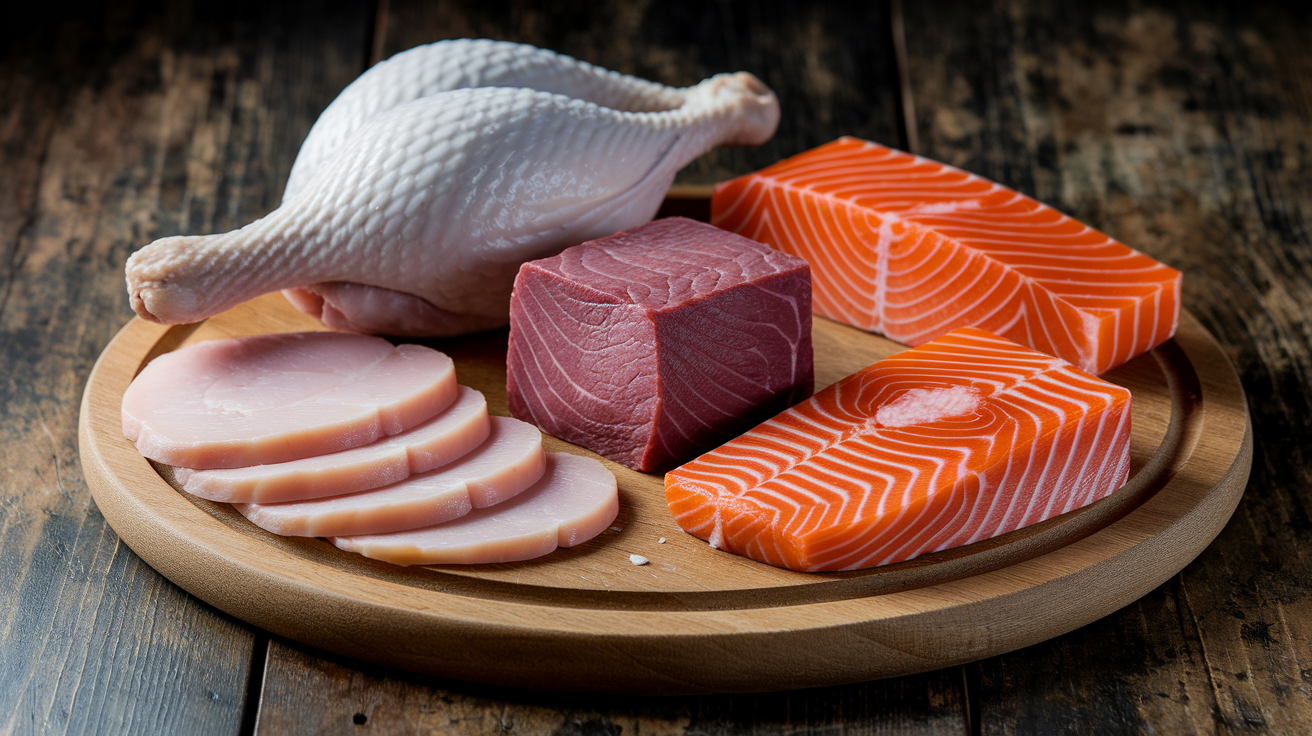
The best high-protein wet foods start with recognizable animal ingredients. You’ll see whole chicken, turkey, beef, fish, or organ meats listed first on the label, not vague terms or plant proteins. Top formulas use whole meat, poultry, or fish as first ingredients. Examples include Smalls Ground Bird (chicken), Weruva Chicken Frick ‘A Zee (shredded chicken), and Open Farm Rustic Blend (chicken with broth). These real-meat-first recipes give your cat what their bodies are built to digest and use efficiently.
Some brands go even further by including organs, bone content, or unique additions that mimic what a cat might eat in the wild. Products like Ziwi Peak Venison include 92% meat/organs/bone with unique additions like venison tripe. Novel proteins like lamb, duck, or rabbit show up in formulas designed for variety or food sensitivities.
When you’re scanning labels, focus on these common and beneficial protein sources. Chicken is the most widely available protein source. Easy to digest and palatable for most cats. Turkey is lean, nutrient-dense, and ideal for cats needing lower-fat options. Salmon and other fish are rich in omega-3 fatty acids for skin and coat health. Beef is a solid red meat option with strong flavor appeal. Novel proteins like venison, rabbit, duck, and lamb are helpful for cats with common protein allergies or those needing ingredient variety.
Comparing Protein Levels in Popular High-Protein Wet Cat Foods
Protein percentages can look confusing at first glance because labels show as-fed values, which include all the water. A food with 10% protein might sound low until you realize it’s mostly moisture. When you calculate dry matter protein (what’s left after removing water), you get a clearer picture of nutrient density. A 10% as-fed protein wet food often translates to 40–50% dry matter protein, comparable to or better than many dry kibbles.
| Brand/Recipe | As-Fed Protein % | Dry Matter Protein % | Notable Ingredients |
|---|---|---|---|
| Smalls Ground Bird Fresh Cat Food | 13% | ~40% | Chicken, chicken liver, green beans, kale |
| Weruva Chicken Frick ‘A Zee | 10% | 67% | Shredded chicken in gravy with gums |
| Dave’s Naturally Healthy Turkey Formula | 10% | 45.45% | Turkey, no legumes, no artificial additives |
| Ziwi Peak Venison Recipe | 10% | ~50% | 92% meat/organs/bone, venison tripe, green-lipped mussel |
| Tiki Cat Baby Chicken, Salmon & Chicken Liver | 15% | 68% | Chicken, salmon, mousse texture, salmon oil |
| Tiki Cat Succulent Chicken in Consommé | 16% | ~64% | Shredded chicken in broth with supplements |
Understanding guaranteed analysis versus dry matter helps you compare products fairly. The guaranteed analysis on the label reflects the food as it comes out of the can, water included. To find dry matter protein, you subtract the moisture percentage from 100, then divide the as-fed protein by that number. For example, a food with 10% protein and 78% moisture has 10 ÷ (100 minus 78) = 10 ÷ 22 = roughly 45% dry matter protein. This calculation lets you line up wet and dry foods side by side, or compare one wet formula to another, without moisture skewing the numbers.
Health Benefits of High-Protein Wet Cat Food for Different Life Stages
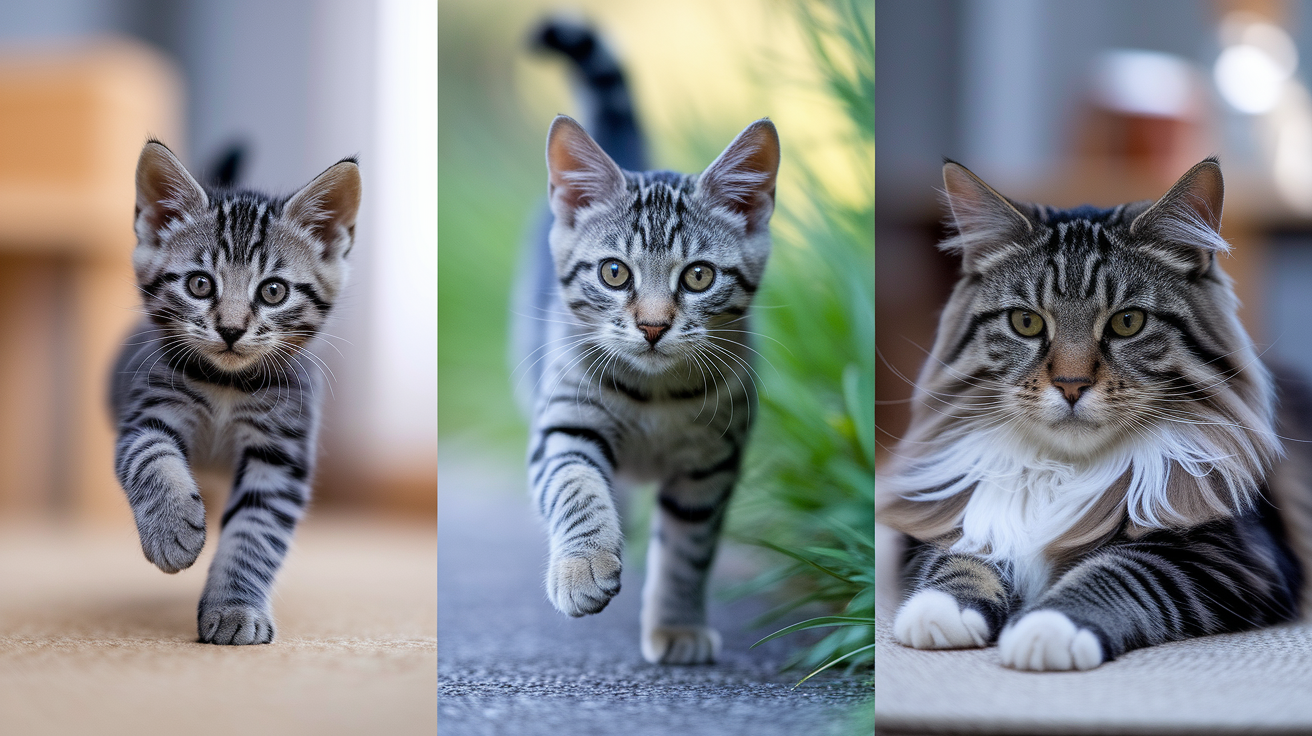
High-protein wet foods adapt to the changing needs of cats as they age. Kittens burn through calories and protein at a rapid pace while building their bodies. Kitten formulas like Tiki Cat Baby contain 68% dry matter protein and high fat for growth. That extra protein fuels muscle development, organ health, and energy for all that pouncing and climbing. The added moisture also helps kittens stay hydrated as they transition from nursing to solid food.
Adult cats need protein to maintain lean muscle mass, support immune function, and keep their metabolism humming. High-protein wet food helps cats avoid the gradual muscle loss that can creep in with age or inactivity. Wet food hydration supports FLUTD prevention. Cats don’t naturally drink much, so getting moisture through meals reduces the risk of urinary crystals, blockages, and kidney strain. Even a healthy adult cat benefits from the extra fluid intake that wet food provides.
Senior cats often face muscle wasting, joint stiffness, and slower metabolisms. Senior-friendly recipes like Halo Turkey & Duck have added taurine, L-carnitine, and salmon oil. These targeted nutrients help preserve muscle, support heart function, and reduce inflammation. High protein keeps older cats strong and mobile, and the soft texture makes eating easier for cats with dental issues or missing teeth.
Here’s how different life stages benefit. Kittens get high protein and fat to fuel rapid growth, muscle development, and boundless energy. Adults use protein to maintain lean muscle, support immune health, and encourage healthy weight. Seniors preserve muscle mass, support joint and heart health, and enjoy easier-to-chew textures. And at all ages, moisture content promotes hydration and helps prevent urinary tract problems.
High-Protein Wet Cat Food for Sensitive Stomachs, Allergies, and Special Diets
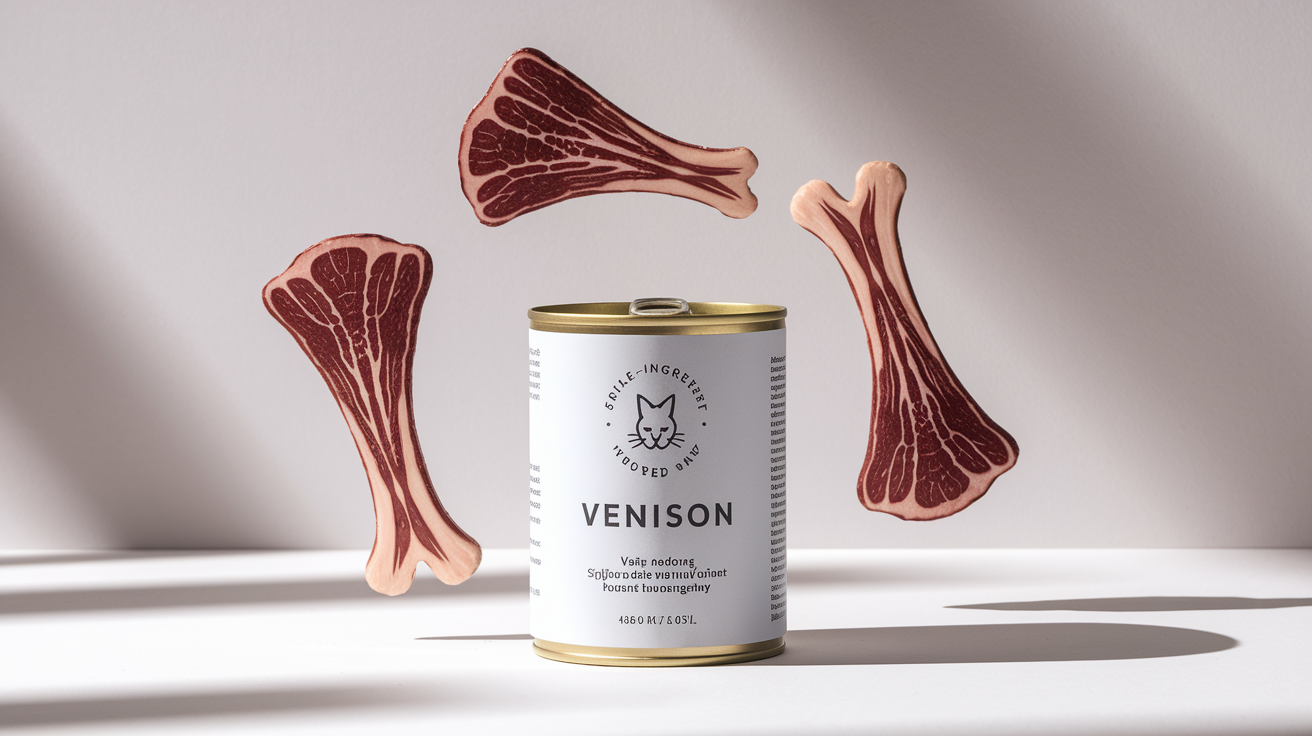
Some cats struggle with digestive upset, food sensitivities, or ingredient intolerances. High-protein wet foods with limited ingredients or novel proteins can help. Feline Natural Chicken & Lamb is 99% animal ingredients and free from gums, beneficial for digestion. Foods without thickeners like carrageenan, guar gum, or xanthan gum tend to be gentler on cats prone to loose stools or vomiting. Single-source protein formulas (where one type of meat is the only protein) make it easier to identify and avoid allergens.
Caru Classics Turkey Stew uses single-source turkey and no gums. Ziwi Peak uses venison and green-lipped mussel for joint support, though there’s a small chickpea content. Novel proteins like venison, duck, or rabbit work well for cats with chicken or fish sensitivities. Grain-free options eliminate common fillers, though most cats tolerate whole grains fine. The real key is keeping carbohydrates low and avoiding unnecessary additives.
If your cat has a sensitive stomach or confirmed food allergy, here’s what to look for. Single-protein formulas are easier to pinpoint allergens and avoid cross-reactions. No gums or thickeners reduces risk of digestive upset in sensitive cats. 99–100% animal ingredients minimizes plant-based fillers that some cats can’t handle well. Novel or uncommon proteins (venison, rabbit, duck, or lamb) work for cats with chicken or beef sensitivities.
Texture and Palatability Options in High-Protein Wet Cat Foods
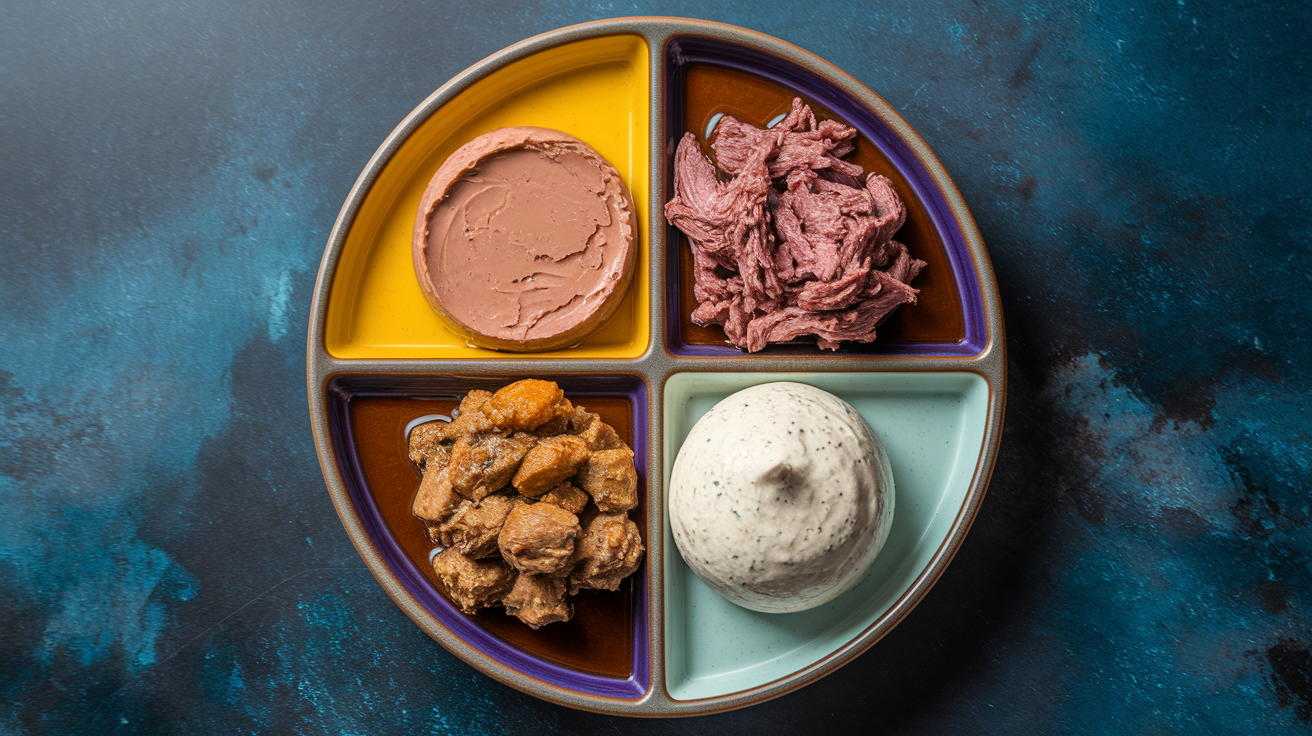
Cats can be surprisingly picky about texture. Some love smooth pate they can lick off a spoon. Others prefer shredded meat they can chew. Smalls offers minced and pate textures. Weruva is shredded meat in gravy. Tiki Cat Baby is a mousse with shreds. Tiki Succulent Chicken is shredded in consommé. The right texture can make the difference between a cat devouring dinner and walking away.
Caru Classics offers stew-like, soupy textures ideal for picky eaters. Gravies and broths add flavor and moisture, making meals more appealing. Mousse and pate work well for kittens, seniors, or cats recovering from dental work. Shredded varieties satisfy cats who like to chew or play with their food. If your cat turns up their nose at one texture, try another before switching proteins or brands.
Pate is smooth, dense, and easy to portion. Good for cats who prefer licking or have dental issues. Shreds in gravy or broth appeal to cats who like chewing, and add extra moisture and flavor. Mousse or stew offers soft, soupy textures that work as toppers or standalone meals for picky or senior cats.
Price, Value, and Cost Per Day for High-Protein Wet Cat Food
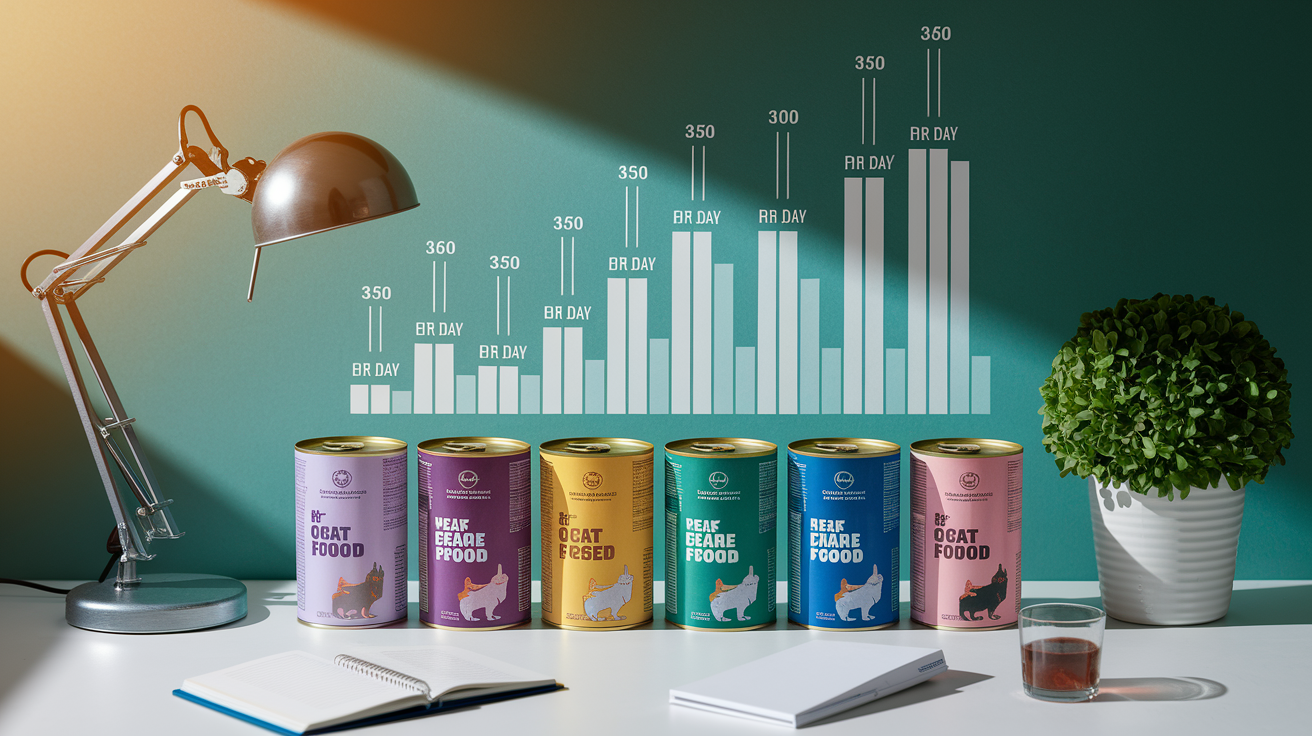
High-protein wet food ranges from budget-friendly to premium, and cost often reflects ingredient sourcing, protein density, and production methods. Daily cost estimates for 200-calorie diets show the spread. Smalls runs about $4 per day on subscription. Weruva around $4.29 per day. Dave’s sits at $1.64 per day thanks to larger 12.5-ounce cans. Ziwi Peak, a premium New Zealand brand, costs roughly $8 per day. Open Farm lands around $3.60 per day, and Tiki Cat Succulent Chicken (despite being lower in calories per ounce) comes in at about $6.61 per day.
Larger cans reduce cost per ounce. Dave’s 12.5-ounce cans drop the price to under $0.30 per ounce, making it a solid pick for multi-cat homes or tight budgets. Subscription services like Smalls offer convenience and sometimes discounts, though the frozen delivery model isn’t for everyone. Premium brands often include human-grade ingredients, traceable sourcing, or unique proteins that justify the higher price. Budget options can still deliver strong nutrition if you focus on real meat, low carbs, and minimal fillers.
| Brand | Cost per Day | Cost per Ounce | Notes |
|---|---|---|---|
| Dave’s Pet Food Turkey Formula | $1.64 | Under $0.30 | Budget pick, 12.5-oz cans, grain-free |
| Open Farm Harvest Chicken | $3.60 | ~$0.45 | Human-grade, single-protein chicken |
| Smalls Ground Bird | $4.00 | ~$0.50 | Subscription, ships frozen, human-grade |
| Weruva Chicken Frick ‘A Zee | $4.29 | ~$0.55 | Shredded chicken in gravy, made in Thailand |
| Tiki Cat Succulent Chicken | $6.61 | ~$0.80 | Very low calorie, shredded in consommé |
| Ziwi Peak Venison | $8.06 | ~$0.95 | Premium, 92% meat/organs/bone, New Zealand sourced |
Feeding Guidelines and Transitioning to High-Protein Wet Food
Most high-protein wet foods range from 25 to 40 calories per ounce, so portion sizes vary by formula. A typical healthy 10-pound adult cat needs roughly 200 calories per day, which might mean 5–8 ounces of wet food depending on calorie density. Always check the feeding guide on the can and adjust for your cat’s age, activity level, and weight goals. Foods like Smalls ship frozen and require thawing, so plan ahead for meal prep.
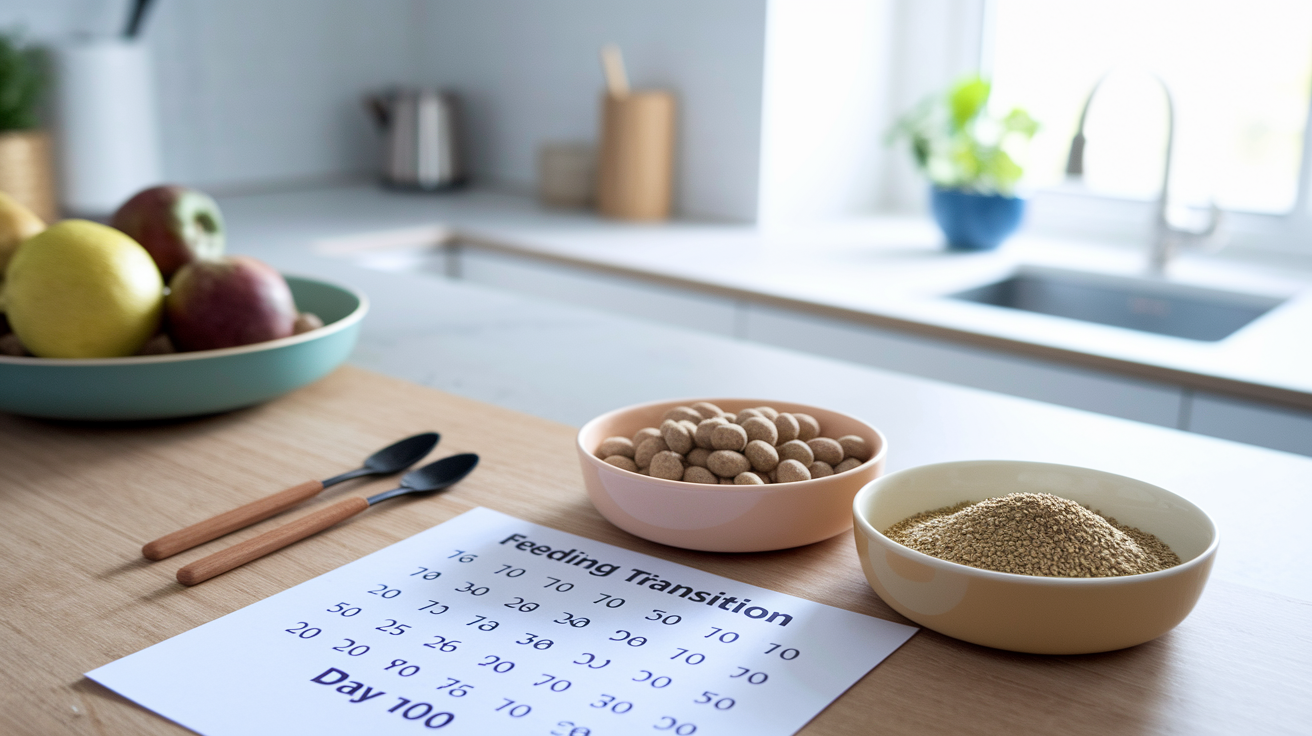
Switching foods too quickly can lead to vomiting, diarrhea, or refusal to eat. Gradual transitions are needed to avoid GI upset. Foods like Smalls ship frozen, and texture shifts may require a slow introduction. Start by mixing a small amount of the new food with your cat’s current diet, then slowly increase the ratio over 7 to 10 days.
Days 1–3, mix 25% new food with 75% old food. Days 4–6, go to a 50/50 mix of new and old. Days 7–9, shift to 75% new food and 25% old. By day 10, feed 100% new food and monitor stool, appetite, and energy.
Final Words
You learned what makes high-protein wet cat food beneficial, which protein sources work best, how to compare protein percentages, and how it helps kittens, adults, seniors, and sensitive stomachs.
We also covered texture choices, price and value, and step-by-step feeding and transition tips so you can try a change without stress.
Choosing the right high protein cat food wet is mostly about fit and consistency. Pick one small, sustainable change this week and watch your cat’s energy, coat, and digestion improve.
FAQ
Q: Which wet cat food has the highest protein?
A: The wet cat food with the highest protein is Tiki Cat Succulent Chicken, about 16% as-fed, with Tiki Cat Baby close behind at roughly 15%—check labels for exact numbers.
Q: What food is high in protein for cats?
A: Foods high in protein for cats include wet formulas with real meat first (chicken, turkey, salmon, beef), novel proteins like venison, and kitten or high-protein labeled recipes.
Q: What cat food reduces allergies?
A: Cat food that may reduce allergies uses limited ingredients or a single novel protein with minimal additives; examples include Caru Turkey, Feline Natural Chicken & Lamb, and venison formulas—consult your vet.
Q: Is high protein cat food good for cats?
A: High-protein cat food can be good for cats, supporting lean muscle, satiety, and hydration; match it to age, activity, and health, transition slowly, and check with your vet if needed.