
Looking for the best dog food for allergies?
Think grain-free food will stop your dog’s itching? Not always.
If your dog has itchy skin, chronic ear infections, or soft stools, food might be the trigger—but the right diet depends on severity, budget, and how picky your pet is.
This guide ranks top hypoallergenic picks across limited-ingredient, novel-protein, and hydrolyzed prescription formulas, plus solid budget options.
You’ll get clear pros and cons, who each food is best for, and simple next steps for a safe switch.
Top Dog Food Recommendations for Allergies: Ranked Picks with Pros and Cons
These recommendations span limited ingredient, novel protein, hydrolyzed, and prescription categories to address different allergy severities and budgets. Whether your dog’s dealing with mild sensitivities or confirmed food allergies that need therapeutic intervention, the following options reflect veterinary evaluation of ingredient quality, manufacturing standards, and real world performance.
Limited Ingredient Commercial Options
Purina Pro Plan FOCUS Sensitive Skin & Stomach Salmon & Rice Formula – Single protein (salmon), single carbohydrate (rice), mid range pricing. Pros: you can grab it at major retailers without hunting specialty stores, consistent manufacturing standards, high digestibility rating, most dogs actually eat it without fuss. Cons: contains fish meal as secondary protein source (some dogs react to this), rice might not work for rare grain sensitive dogs, less exotic looking than boutique brands. Best for: dogs with mild sensitivities needing accessible, reliable options without prescription requirements.
Natural Balance L.I.D. Limited Ingredient Diets Duck & Potato Formula – Novel protein (duck), single carb (potato), mid range pricing. Pros: genuinely limited ingredient count (under ten total ingredients), grain free without being legume heavy, manufactured in company owned facilities with allergen protocols, works well for dogs who’ve already eaten common proteins. Cons: duck fat can cause loose stool during transition in some dogs, premium price compared to mainstream brands, availability varies by region. Best for: dogs with chicken or beef sensitivities who tolerate poultry adjacent proteins.
Wellness CORE RawRev Grain Free Wild Game Recipe with Freeze Dried Turkey – Turkey base with freeze dried components, premium pricing. Pros: combines kibble with freeze dried raw pieces for palatability, single animal protein source, includes probiotics and omega fatty acids for skin support, appeals to picky eaters who reject boring kibble. Cons: higher cost per serving, freeze dried components can crumble messily, turkey isn’t truly novel for many dogs. Best for: dogs who reject standard kibble during elimination attempts but need commercial convenience.
Novel Protein Options
Farmina N&D Quinoa Venison & Coconut Recipe – Venison primary protein, quinoa and coconut as carb sources, premium pricing. Pros: truly novel protein for most dogs, low glycemic carbohydrate blend, European manufacturing standards with detailed sourcing transparency, added botanical extracts for skin health. Cons: expensive per pound cost, limited retail availability (mostly specialty stores), coconut might cause digestive adjustment in some dogs. Best for: dogs with multiple protein failures needing genuinely unfamiliar meat sources.
Addiction Viva La Venison Grain Free Recipe – New Zealand venison, premium pricing. Pros: single wild source protein from antibiotic free farms, manufactured in New Zealand with strict export standards, includes green lipped mussel for joint support, works for severe multi allergen cases. Cons: highest price tier, international sourcing creates occasional supply inconsistency, some dogs find gamey flavor unappealing. Best for: dogs who’ve reacted to conventional novel proteins like duck or salmon.
Hydrolyzed Prescription Formulas
Hill’s Prescription Diet z/d Original Skin/Food Sensitivities – Hydrolyzed chicken liver protein, prescription required, premium pricing. Pros: proteins broken to molecular weight below immune recognition threshold, manufactured in allergen controlled facilities preventing cross contamination, extensive feeding trial validation, works for dogs with severe or unknown allergens. Cons: requires veterinary authorization and purchase through vet clinics or approved pharmacies, less palatable than whole protein foods (some dogs resist initially), highest cost category. Best for: dogs with confirmed allergies to multiple proteins or severe reactions requiring guaranteed hypoallergenic formulation.
Purina Pro Plan Veterinary Diets HA Hydrolyzed – Hydrolyzed soy protein, prescription required, premium pricing. Pros: soy base eliminates common animal protein triggers, proven efficacy in elimination trials with published research backing, fortified with omega 3s for skin health, complete nutrition for long term feeding. Cons: soy protein might cause gas during initial weeks, prescription procurement requirement, cost factor for large dogs. Best for: dogs unresponsive to novel protein trials who need therapeutic grade intervention.
Budget Friendly Quality Option
Diamond Naturals Skin & Coat Real Meat Recipe Salmon & Potato – Salmon primary protein, potato carb, budget tier pricing. Pros: affordable per pound cost suitable for larger dogs or tighter budgets, simple ingredient list without unnecessary additives, AAFCO complete and balanced for all life stages, decent palatability ratings. Cons: manufactured in facilities processing multiple proteins (cross contamination risk), less stringent sourcing transparency than premium brands, might not work for true allergies versus sensitivities. Best for: owners testing limited ingredient approach before committing to premium options, or dogs with environmental allergies needing supportive (not therapeutic) nutrition.
You can purchase these foods through veterinary suppliers, major pet retailers like Chewy or Petco, and manufacturer websites for current pricing and availability. Prescription options require veterinary authorization based on diagnosis.
Product selection should align with veterinary diagnosis. Dogs with mild sensitivities or environmental allergy support needs often do well with commercial limited ingredient or novel protein diets. Confirmed food allergies (diagnosed through elimination trials) typically require prescription hydrolyzed formulas manufactured with cross contamination safeguards that commercial brands can’t guarantee.
Recognizing Food Allergy Symptoms in Your Dog

Symptom recognition helps you figure out whether dietary changes might help your dog and whether you need veterinary consultation. Many owners assume their itchy dog has food allergies, but environmental triggers or fleas are actually more common culprits.
Primary symptoms to watch for include:
Persistent scratching, especially around face, paws, and belly. Chronic ear infections with noticeable odor or dark discharge. Excessive paw licking that leaves fur stained brown or creates raw spots. Red or inflamed skin, particularly in skin folds and warm areas. Gastrointestinal issues like soft stools, gas, or occasional vomiting. Hot spots (moist, painful skin lesions) from self trauma. Hives or facial swelling appearing within hours of eating. Recurrent skin infections requiring repeated antibiotic treatment.
Itchy skin points to environmental allergens or fleas more often than food. Dogs reacting to pollen, dust, or mold typically show seasonal patterns (worse in spring or fall), while flea allergies intensify during warmer months. Food allergies present year round with no seasonal fluctuation.
When digestive symptoms appear alongside skin issues, food allergies become more likely. A dog with chronic soft stools plus constant ear infections has a higher probability of food triggers than one with only seasonal itching.
Secondary complications develop from scratching, biting, and licking. Broken skin invites yeast and bacterial infections that create worse discomfort than the original allergy. These infections smell musty or yeasty and often require medical treatment before you can properly address the underlying allergy.
Veterinary diagnosis distinguishes food allergies from environmental or flea causes through history taking, physical examination, and sometimes blood or skin testing. Don’t change your dog’s diet based on symptoms alone. Many expensive food switches happen unnecessarily when fleas or grass pollen are the actual problems.
Understanding Allergens and Ingredients: What Triggers Reactions and How to Read Labels
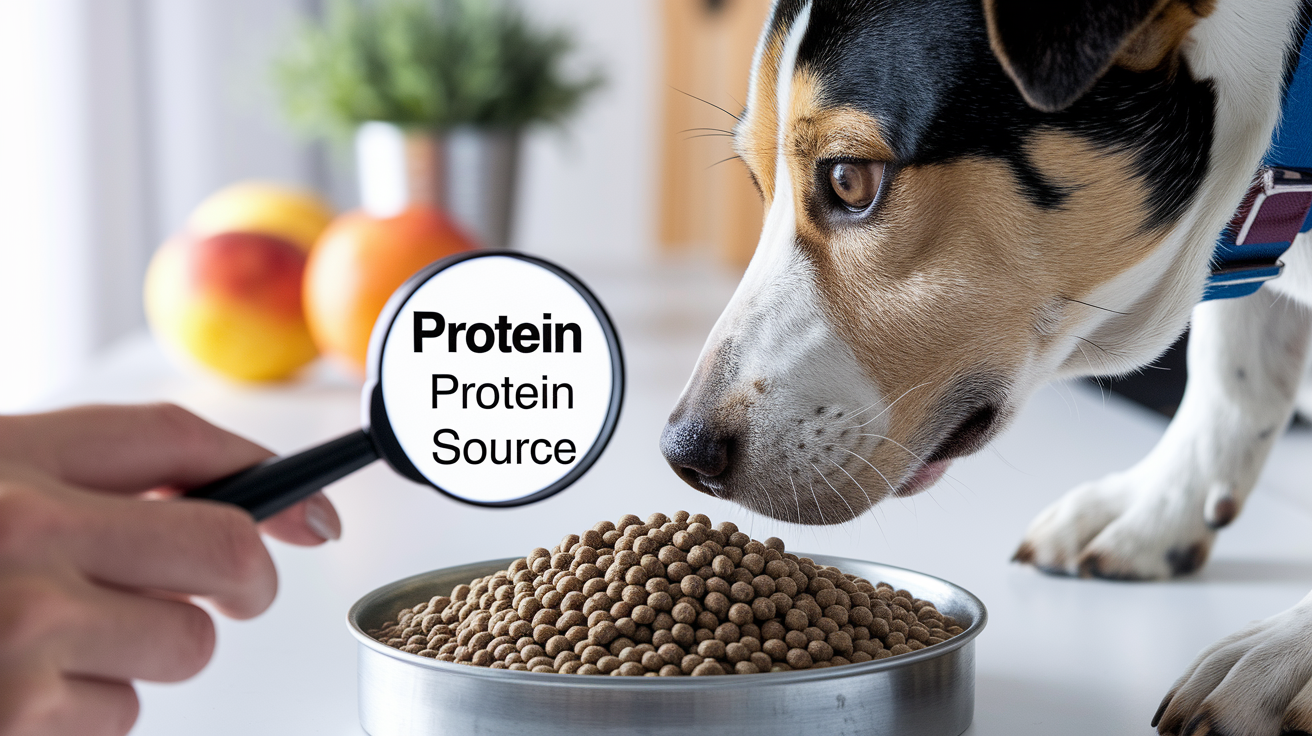
Protein sources (not grains) trigger most dog food allergies, and learning to read labels prevents costly trial and error with foods that contain hidden problem ingredients. The most common allergens rank as follows:
- Chicken (most frequent trigger due to widespread use in dog foods)
- Beef (second most common, found in many treats and chews)
- Dairy (milk proteins, cheese, whey in some formulas)
- Eggs (whole eggs, egg product, egg powder)
- Wheat (less common than believed)
- Soy (occasional trigger, often used as protein filler)
The grain free trend misses the point. Rice and oats digest well for most dogs and rarely cause allergies. Grains became scapegoats through marketing rather than science. Dogs evolved eating varied diets, and their digestive systems handle carbohydrates efficiently. Whole grains provide fiber, B vitamins, and steady energy without triggering immune reactions in the vast majority of dogs.
Practical label reading prevents mistakes. Start by verifying the AAFCO complete and balanced statement, which confirms the food meets basic nutrition needs. Identify the primary protein source listed as the first ingredient (this is what your dog eats most of). Count total protein sources in the ingredient list. Fewer is better for allergy management. Watch for vague terms like “meat meal” or “animal by products,” which could contain multiple protein types your dog might react to. Look for allergen free facility statements or cross contamination warnings if your dog has severe allergies. Confirm life stage appropriateness. Puppy, adult, or senior formulas have different nutrient profiles.
Ingredient transparency separates reputable brands from questionable ones. Good manufacturers provide detailed sourcing information, manufacturing location, quality control measures, and third party testing results on their websites or through customer service. Red flags include frequent recalls in company history, generic ingredient descriptions (“poultry meal” instead of “chicken meal”), excessive fillers (corn, wheat middlings in top five ingredients), and artificial preservatives like BHA, BHT, or ethoxyquin.
Premium pricing doesn’t guarantee allergy safety. Some boutique brands charge more for marketing and packaging than ingredient integrity. Focus on ingredient simplicity and manufacturing standards (especially allergen free facilities that prevent cross contamination) rather than trendy claims about “human grade” or “ancestral diet.”
Elimination Diet Trials: The Gold Standard for Allergy Diagnosis

Elimination trials are the diagnostic gold standard because blood and skin tests for food allergies are notoriously unreliable in dogs. Only strict feeding trials accurately identify food triggers.
The protocol requires feeding one novel or hydrolyzed protein source plus one carbohydrate for eight to twelve weeks with zero exceptions. Your vet will help you select a protein your dog has never eaten (venison, rabbit, kangaroo, or a prescription hydrolyzed formula where proteins are broken into pieces too small for the immune system to recognize). The carbohydrate is typically potato, sweet potato, or rice.
Trial requirements include:
Veterinary supervision throughout the process. Strict compliance with absolutely no cheating (even one treat invalidates results). Symptom tracking through weekly logs noting scratching frequency, stool quality, ear condition. Gradual improvement timeline understanding. Digestive symptoms resolve faster than skin issues. Controlled reintroduction after trial completion to confirm specific triggers.
Most dogs show improvement within six to eight weeks, though timelines vary. Digestive symptoms like soft stool or gas often improve within two to three weeks. Skin healing lags significantly. Expect six to eight weeks before itching noticeably decreases and eight to twelve weeks for complete coat recovery. This delay happens because skin cell turnover is slow and accumulated inflammation takes time to resolve.
Prescription therapeutic diets work best for elimination trials because manufacturing safeguards prevent cross contamination. Regular commercial foods (even limited ingredient ones) are often made in facilities that also process chicken, beef, and other common allergens. Tiny amounts of cross contamination can trigger reactions in sensitive dogs, creating false negatives during trials. Veterinary dermatologists often get involved in complex cases where multiple elimination attempts have failed or when dogs show severe or unusual reactions.
Diet Types Explained: Limited Ingredient, Novel Protein, and Hydrolyzed Formulas
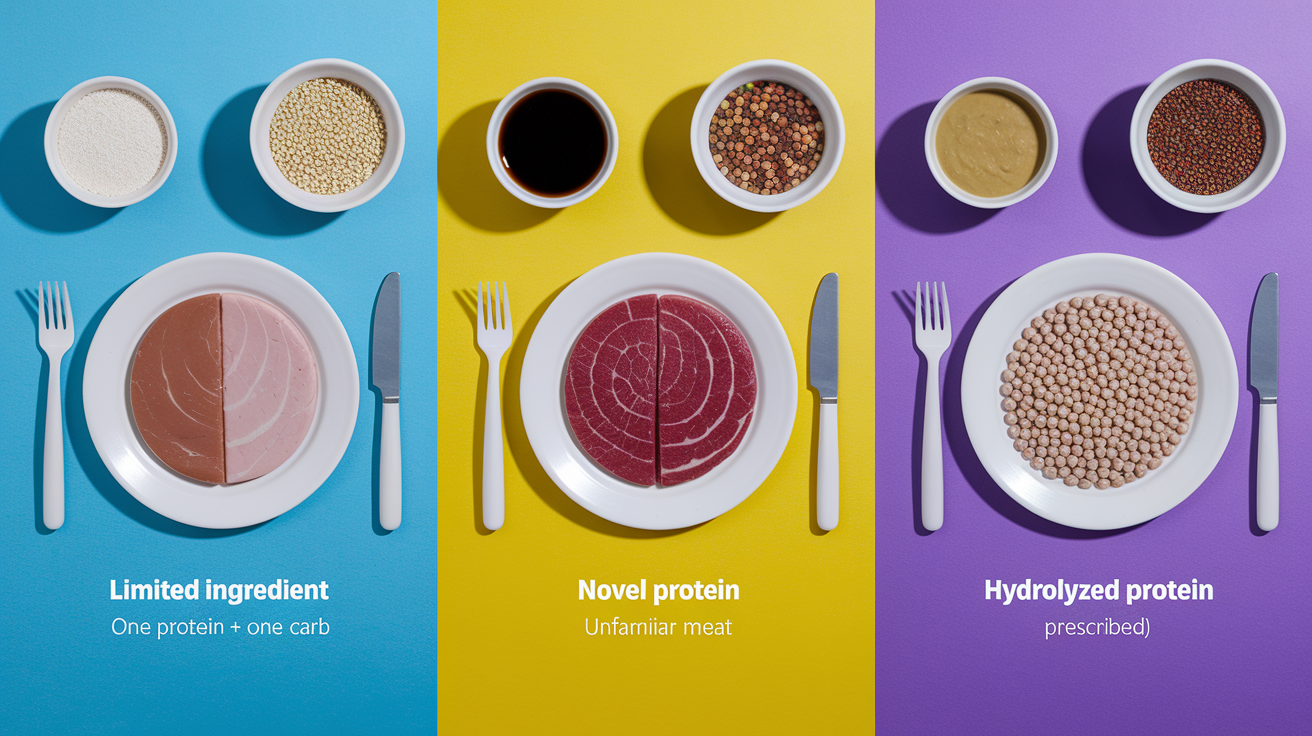
Understanding the three primary allergy diet approaches helps you select options based on your dog’s allergy severity, previous food exposure, and response to earlier dietary attempts.
Limited Ingredient Diets
Limited ingredient diets contain one protein and one carbohydrate source to reduce complexity and isolate potential triggers. Common pairings include salmon with potato, lamb with rice, or duck with pea. These foods eliminate unnecessary ingredients (no chicken fat, beef meal, or multiple carbohydrate sources), making it easier to identify what your dog reacts to if symptoms continue.
They work well for mild sensitivities and initial dietary simplification when you’re not sure whether food is actually the problem. Many dogs with environmental allergies improve on these diets simply because ingredient quality is higher than grocery store brands, even though food wasn’t the trigger. Limited ingredient options are widely available in commercial formats meeting AAFCO complete and balanced standards, making them accessible without prescription requirements.
Novel Protein Options
Novel proteins are meat sources your dog has never consumed. Venison, duck, rabbit, kangaroo, or even insect protein. The logic is simple: your dog can’t be allergic to something it’s never eaten. These diets reduce immune reaction risk for dogs with multiple sensitivities or who’ve failed previous diet trials with common proteins.
Success requires verification of zero prior exposure. Lamb and rice were once considered novel, but they’re now so common in commercial foods that many dogs have eaten them and developed sensitivities. Check your dog’s complete food history, including treats, chews, and table scraps, before selecting a novel protein. If your dog ate chicken jerky treats for years, switching to chicken free kibble won’t help. The sensitization already happened.
Hydrolyzed Protein Formulas
Hydrolyzed protein formulas use processing to break proteins into molecular fragments too small for the immune system to recognize. Think of it like taking a whole chicken and splitting it into pieces so tiny that your dog’s body can’t identify it as chicken anymore. This prevents allergic reactions regardless of the original protein source.
These formulas are reserved for severe or multi allergen cases where dogs have reacted to multiple novel proteins or where owners need guaranteed results. They’re manufactured as prescription options in allergen free facilities to prevent cross contamination (a critical safeguard when reactions are severe). Despite the processing, hydrolyzed diets are formulated to meet complete and balanced AAFCO standards and can be fed long term.
| Diet Type | Best For | Availability | Typical Cost |
|---|---|---|---|
| Limited Ingredient | Mild sensitivities, initial simplification, environmental allergy support | Commercial, widely available | Mid range |
| Novel Protein | Confirmed protein allergies, multiple sensitivities, previous diet failures | Commercial and prescription | Mid to premium |
| Hydrolyzed Protein | Severe allergies, multi allergen cases, guaranteed hypoallergenic needs | Prescription only | Premium |
Veterinary guidance determines which approach fits your dog based on symptom severity, diagnostic results, and response to previous diet attempts. Starting with limited ingredient commercial food makes sense for mild cases, while confirmed severe allergies usually require jumping straight to prescription hydrolyzed formulas.
Grain Free Dog Food and Allergy Myths Explained

Grain free marketing often misleads owners into thinking grains cause allergies, but the science doesn’t support this assumption. Most allergic reactions come from proteins, not carbohydrates.
Proteins (chicken, beef, dairy, eggs) cause the vast majority of canine food allergies. Grains like rice, oats, and barley are well tolerated by most dogs and rarely trigger immune responses. The grain free trend started partly from human diet fads (gluten free for people) and partly from marketing strategies that positioned grain free as premium or “natural,” even though dogs have eaten grains alongside humans for thousands of years.
Appropriate carbohydrate sources include sweet potato, regular potato, brown rice, and limited use of peas or lentils. Sweet potato and potato provide easily digestible carbohydrates with decent nutrient density. Rice (especially brown rice) offers fiber and B vitamins. Peas and lentils work but should be used cautiously due to recent FDA investigations into potential links between legume heavy grain free diets and dilated cardiomyopathy (DCM), a serious heart condition.
Grain free makes sense when:
Your dog has confirmed wheat or corn sensitivity (rare but real). Digestive issues improve noticeably after grain removal (may indicate sensitivity). Veterinary guidance specifically recommends grain elimination based on diagnostic testing. Alternative carbohydrates like sweet potato suit your dog’s tolerance and energy needs better.
Risks of unnecessary grain free diets include potential nutritional imbalances from heavy legume reliance, higher cost with no allergy benefit, and eliminating perfectly good ingredients based on marketing hype rather than your dog’s actual needs. Complete nutrition matters more than trendy exclusions.
Carbohydrate choice matters less than protein selection and ingredient simplicity unless specific grain sensitivities are diagnosed. If your dog’s itching stems from chicken protein, switching to grain free chicken food accomplishes nothing. Focus on the protein source first.
Transitioning Your Dog to a New Diet: Step by Step Protocol
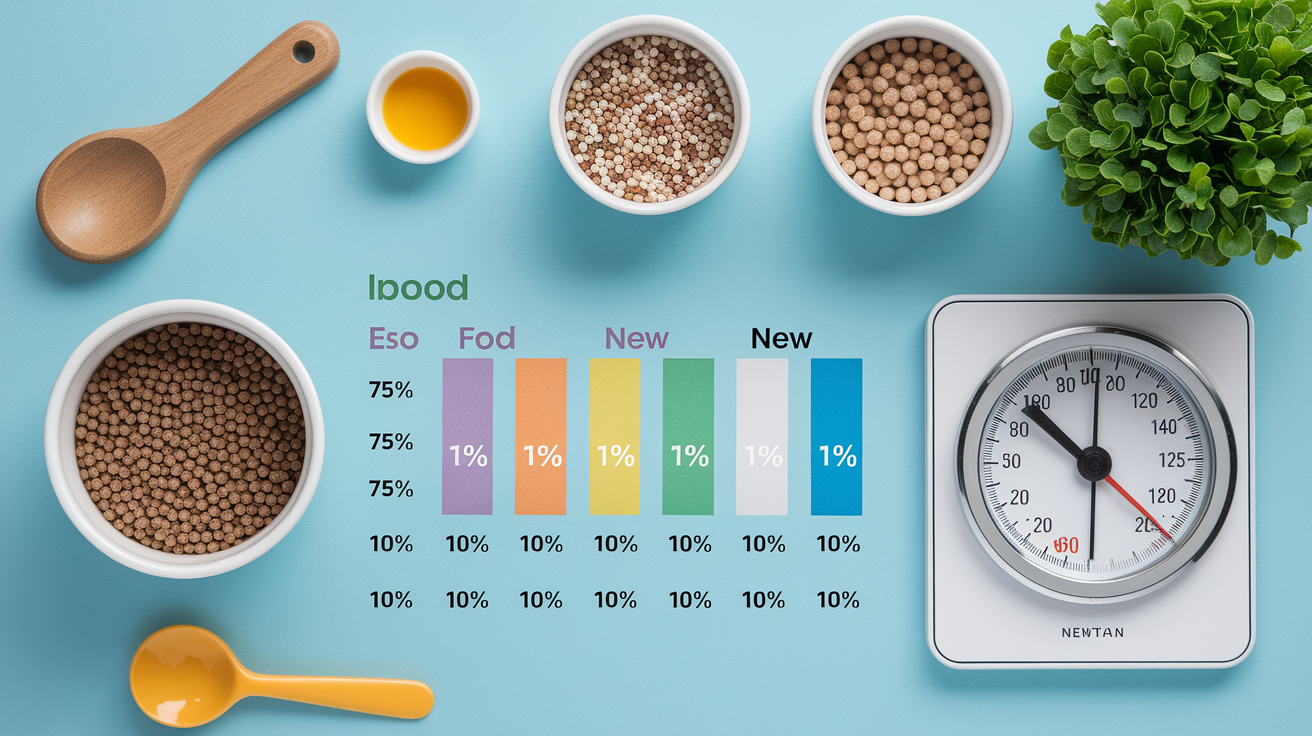
Abrupt diet changes cause gastrointestinal distress and confuse symptom tracking when you’re trying to assess allergy improvement. Gradual transitions prevent digestive upset and help you separate normal adjustment from true reactions.
| Day | Old Food % | New Food % |
|---|---|---|
| 1-2 | 75% | 25% |
| 3-4 | 50% | 50% |
| 5-6 | 25% | 75% |
| 7-10 | 0% | 100% |
Monitoring protocols ensure you catch problems early and accurately assess improvement. Measure portions precisely using a measuring cup or kitchen scale. Eyeballing creates inconsistency that makes symptom tracking useless. Track daily symptoms including scratching frequency (how many times per hour you notice scratching), stool quality (firmness, color, frequency), and ear condition (odor, discharge, redness). Photograph skin conditions weekly for comparison. It’s hard to remember whether that red patch on the belly looked better or worse three weeks ago without visual records. Maintain a feeding journal noting exactly what went into your dog’s bowl each day, including any treats or table scraps.
What to expect during transition: digestive symptoms may improve within two to three weeks as ingredient quality impacts gut function, but skin healing takes six to eight weeks because skin cell turnover is slow and inflammation doesn’t resolve overnight. Temporary mild diarrhea during the transition itself is normal. The digestive system is adjusting to new protein and carbohydrate ratios. This should resolve within a few days. If diarrhea persists beyond one week or includes blood or mucus, contact your vet.
Precise portion control and consistent feeding schedules establish baseline symptom assessment. Feed at the same times daily, measure every meal, and resist the urge to add variety during the evaluation period. Consistency is the only way to know whether the new food is helping.
Food Formats: Dry, Wet, Freeze Dried, and Fresh Options for Allergic Dogs
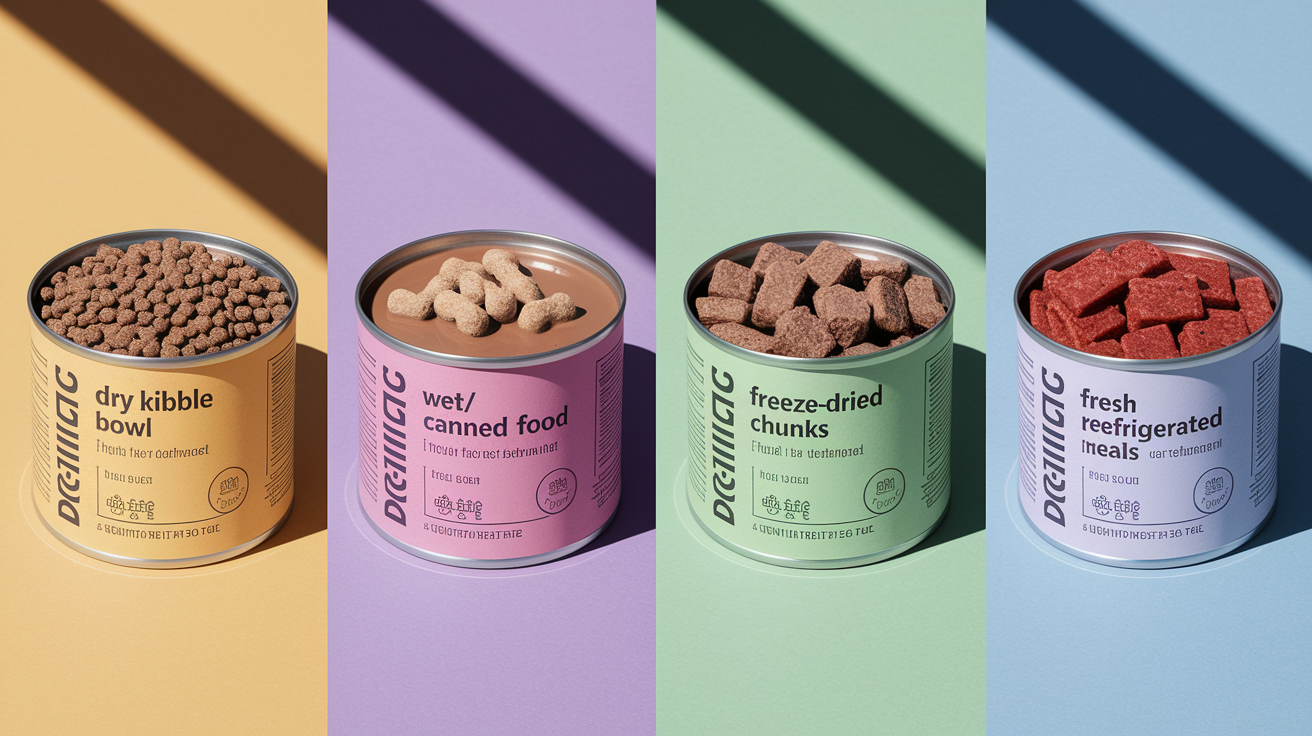
Format choice depends on budget, convenience, and your dog’s preferences, but all options must meet AAFCO complete and balanced standards to ensure proper nutrition during allergy management.
Dry Kibble
Dry kibble is the most affordable format with long shelf life and easy storage. It requires careful label reading to find single protein formulas without hidden allergens in flavor coatings or fat sources. Kibble works well for most dogs and suits multi dog households where separate feeding is impractical. The main challenge is palatability. Some allergic dogs develop picky eating habits after feeling sick, and kibble may be less appealing than other formats during initial acceptance.
Wet and Canned Food
Wet food offers higher palatability and more moisture, making it easier to find limited ingredient options that dogs actually eat. The texture appeals to picky eaters and senior dogs with dental issues. Moisture content benefits dogs who don’t drink enough water. Canned food costs more per serving than kibble and requires refrigeration after opening, but the palatability boost during elimination trials often justifies the expense.
Freeze Dried and Air Dried
Freeze dried and air dried formats use minimal processing to retain nutrients through low heat or frozen drying methods. These products typically have excellent ingredient transparency. You can literally see whole meat pieces. Dogs find them highly palatable. They require rehydration before feeding in most cases, adding a preparation step. Premium pricing puts them in the highest cost category, though some owners use them as toppers on kibble rather than complete meals to manage expense.
Fresh and Gently Cooked
Fresh and gently cooked diets gained popularity in 2026 for their low heat processing that protects nutrients and high ingredient quality using human grade sourcing. Limited ingredient options are increasingly available from subscription services that deliver refrigerated meals. These require consistent refrigeration or freezing and have shorter shelf life than shelf stable options, but ingredient simplicity and palatability often make them worth the logistics for allergic dogs who refuse other formats.
Practical considerations include storage requirements (freezer space for fresh/freeze dried, pantry for kibble), serving convenience (kibble wins for busy mornings), cost per serving (kibble most economical, fresh most expensive), and dog acceptance rates (wet and fresh usually win for palatability). Many owners combine formats. Kibble base with wet or freeze dried topper to improve palatability during elimination trials while managing costs.
Format matters less than ingredient integrity. A limited ingredient kibble with single protein source is more useful for allergy management than a fresh food with five different proteins, regardless of processing methods.
Life Stage and Size Considerations for Allergy Prone Dogs

Allergy safe foods must still meet age appropriate and size appropriate nutritional requirements. Managing allergies doesn’t override basic nutrition needs for growth, maintenance, or senior health.
Puppies can develop allergies early, though it’s less common than in adult dogs. When it happens, finding appropriate food becomes tricky because puppies require higher protein and calcium levels for bone and muscle development. Limited ingredient puppy formulas exist but are less common than adult versions. Work with your vet to ensure any allergy safe food meets AAFCO growth standards. Early single protein exposure helps establish baseline tolerance. Feeding one primary protein during puppyhood makes it easier to identify true allergens if issues develop later.
Adult and senior dogs have different needs despite both potentially having allergies. Adult dogs need maintenance level calories with allergy accommodations, balancing energy needs with symptom control. Senior dogs require lower calorie formulas to prevent weight gain as metabolism slows, plus joint supporting ingredients like glucosamine. Both needs are available in hypoallergenic formats. You can find limited ingredient senior formulas with joint support and controlled calories alongside allergy safe proteins.
Size considerations include:
Small breeds need smaller kibble pieces to prevent choking and aid chewing and digestion. Large breeds benefit from joint supporting ingredients like glucosamine and chondroitin added to allergy safe formulas. Activity level affects caloric needs even within allergy diets. Working dogs need more calories than couch potatoes, regardless of protein source. Breed specific predispositions mean some breeds (Bulldogs, Retrievers, Terriers) are more allergy prone and may need earlier dietary intervention.
AAFCO statements must specify life stage. Look for “formulated to meet AAFCO nutrient profiles for growth” for puppies, “for maintenance” for adults, or “for all life stages” for foods safe across ages. This ensures allergy safe food doesn’t compromise growth in puppies or contribute to weight gain in seniors.
Omega Fatty Acids, Probiotics, and Supportive Nutrition for Allergic Dogs

Supplements support symptom relief and skin health but can’t cure food allergies or replace proper elimination diets. They work best as complementary strategies alongside appropriate food selection.
Omega fatty acids, particularly EPA and DHA from fish oil, reduce skin inflammation and improve coat condition by supporting the skin’s barrier function. They may decrease itching intensity, which is especially helpful for dogs with concurrent environmental allergies who scratch from multiple triggers. Fish oil won’t eliminate food allergy symptoms, but it helps manage the skin damage that results from allergic reactions. Look for high quality fish oil that’s molecularly distilled to remove mercury and other contaminants.
Probiotics support digestive health by maintaining beneficial gut bacteria populations. They may reduce gut inflammation, aid nutrient absorption, and help during diet transitions when digestive upset is common. Evidence for direct allergy relief from probiotics is limited. They’re not allergy treatments. But digestive support benefits dogs experiencing gastrointestinal symptoms alongside skin issues. Probiotic strains matter. Look for products with multiple strains and guaranteed live cultures at time of consumption.
Supplement considerations include:
Appropriate dosing based on dog weight. Too much fish oil causes diarrhea. Quality markers like third party testing, mercury free certification for fish oil, and guaranteed CFU counts for probiotics. Timing with meals to improve absorption and reduce digestive upset. Veterinary consultation before adding supplements during elimination trials. You don’t want multiple variables complicating diagnosis. Realistic expectations. Supplements complement dietary changes, they don’t replace them.
Many premium allergy focused foods already include omega 3 fatty acids from fish sources and prebiotics or probiotics in formulation. Check your food’s ingredient list before adding separate supplements to avoid excessive amounts that could cause loose stools or other issues.
Treats and Snacks: Safe Options for Dogs with Food Allergies
Treats are a major source of hidden allergens and the number one reason elimination trials fail. That jerky stick or dental chew might contain chicken, beef, or multiple proteins that undermine weeks of careful feeding.
During elimination trials, absolutely no treats, table scraps, or flavored medications are allowed for eight to twelve weeks. Even tiny amounts (a small training treat, a bit of cheese to hide a pill) invalidate results by exposing your dog to potential allergens. If your dog needs medication, ask your vet for unflavored options or pills that can be hidden in limited amounts of the test diet food.
Post diagnosis treat selection requires matching the diet’s protein source exactly. If your dog does well on salmon and potato food, treats must be pure salmon with no hidden ingredients. Verify ingredient lists thoroughly. Many “salmon treats” contain chicken fat or other proteins for flavoring or binding. Cross contamination warnings matter here too. Treats made in facilities that process multiple proteins carry risk for highly sensitive dogs.
Safe treat alternatives include:
Freeze dried single protein treats that match the primary diet (pure salmon, pure venison, etc.). Small pieces of the regular allergy safe kibble used as training rewards. Plain vegetables if tolerated by your dog. Carrots, green beans, small amounts of sweet potato. Ice cubes for teething puppies or hot weather refreshment. Praise and play as non food rewards for training. Effective and allergen free.
Dental health needs attention because dental chews often contain multiple proteins and additives. Discuss veterinary dental cleaning or non protein chew alternatives like specific rubber toys or vegetable based chews with your vet. Some dogs do well with raw carrots or frozen green beans as chewing satisfaction without allergen exposure.
Commercial Versus Prescription Diets: When Each Is Appropriate
Not all allergy related feeding issues require prescription food, but understanding when to use which level of intervention saves time and money while protecting your dog’s health.
Commercial foods work for several situations. Mild food sensitivities (digestive upset or minor itching from low quality ingredients rather than true immune reactions) often improve with high quality limited ingredient commercial diets. Dogs with environmental allergies benefit from supportive nutrition in commercial formats even though food isn’t the trigger. Omega 3s and quality protein support skin health. Digestive upset from low quality ingredients (excessive fillers, artificial additives) resolves with better commercial food. Prevention strategies for breeds prone to allergies sometimes involve feeding limited ingredient diets proactively.
Prescription diet indicators include confirmed food allergies via elimination trials showing true immune reactions, severe or life threatening responses like facial swelling or anaphylaxis, multiple failed commercial diet attempts where limited ingredient options didn’t help, need for hydrolyzed protein when novel proteins aren’t working, and cross contamination concerns for highly sensitive dogs. These situations require therapeutic diets manufactured in allergen controlled facilities where no other proteins are processed.
| Situation | Diet Type | Why |
|---|---|---|
| Mild itching, occasional soft stool | Commercial limited ingredient | Likely sensitivity, not true allergy; commercial options adequate |
| Confirmed chicken allergy only | Commercial novel protein | Single identified trigger; avoid chicken, use duck or venison |
| Multiple protein allergies | Prescription hydrolyzed | Need proteins broken beyond immune recognition |
| Severe GI reactions, vomiting | Prescription therapeutic | Requires manufacturing controls and veterinary monitoring |
| Environmental allergies only | Commercial supportive | Food not the trigger; quality nutrition supports skin health |
Veterinary consultation determines appropriate dietary intervention. As Dr. Molly Price from Chewy notes, there’s no one size fits all solution. Individual diagnosis based on symptom severity, elimination trial results, and response to previous foods guides whether commercial or prescription options are needed.
Budget Friendly Allergy Management: Balancing Cost and Quality
Premium allergy diets cost more than standard foods, but smart strategies help budget conscious owners provide effective allergy solutions without compromising dog health.
Cost effective approaches start with buying larger bags when possible. Per pound pricing drops significantly in 20 to 30 pound bags versus small trial sizes. Use limited ingredient commercial foods instead of prescription when appropriate. Mild sensitivities often respond to commercial options at half the cost of prescription. Supplement with safe whole foods like plain cooked protein (whatever matches your dog’s diet) and vegetables to extend premium food further. Focus on fewer but higher quality ingredients rather than boutique marketing. A simple salmon and potato formula from a mid tier brand often performs as well as expensive boutique versions with the same core ingredients.
Budget management strategies include:
Calculate cost per serving rather than per bag. A larger bag of quality food may cost less daily than cheap food eaten in higher volumes. Avoid wasted food by transitioning properly. Rushed transitions cause rejection and wasted bags. Prevent expensive vet visits through consistent diet adherence. The cost of allergy safe food is far less than repeated vet visits for infections and medications. Compare online versus retail pricing. Auto ship subscriptions often include 5 to 15% discounts. Enroll in auto ship programs through major retailers for automatic discounts and delivery convenience. Prioritize ingredient integrity over brand prestige. Reputation matters less than actual ingredient quality and manufacturing standards.
“Budget friendly” doesn’t mean cheap fillers or questionable sourcing. It means smart selection of commercial limited ingredient options from reputable manufacturers with good quality control, as evaluated by veterinary panels based on ingredient quality, manufacturing process, and practical testing, not just marketing hype.
Initial investment in proper allergy food reduces long term costs significantly. Consistent feeding of appropriate food prevents recurring skin infections, ear problems, and digestive issues that require medications and vet visits. One bag of premium food costs less than a single vet visit with antibiotics and ear medication.
Homemade and Fresh Allergy Diets: Benefits and Risks
Owner interest in homemade diets for allergic dogs has increased due to desires for complete ingredient control, but serious formulation challenges require honest assessment before committing to this approach.
Benefits include complete ingredient transparency. You know exactly what goes into every meal. Single protein sourcing without cross contamination risk from manufacturing facilities. You eliminate preservatives and artificial additives entirely. Customization to individual tolerance becomes possible when you control every ingredient. Gentle cooking methods preserve nutrients compared to high heat commercial processing.
Serious risks demand attention. Nutritional imbalances without proper formulation are common. Calcium phosphorus ratios, vitamin and mineral profiles, fatty acid balances require precise calculation that most owners underestimate. Homemade diets lack AAFCO feeding trial validation showing long term safety and nutritional adequacy. Time and cost investment is significant. Shopping, preparing, and storing homemade meals takes substantially more effort than scooping kibble. Maintaining consistency batch to batch becomes challenging, creating nutrition variability. Missing complete nutrition requirements can worsen health long term, even if allergy symptoms improve. Dogs can develop deficiencies that cause bone problems, organ dysfunction, or immune suppression over months or years.
Safe homemade feeding requires:
Veterinary nutritionist consultation. This is essential, not optional. General vets often lack formulation expertise. Use of balanced recipe services that provide properly formulated recipes with supplement specifications. Rotation protocols to prevent new deficiencies from single ingredient reliance. Regular blood work monitoring to catch nutritional deficiencies before clinical signs appear. Realistic assessment of long term commitment. Can you prepare meals consistently for years?
Commercial fresh diet services bridge homemade control with commercial safety in 2026. Companies offer limited ingredient fresh recipes with nutritional balancing done by veterinary nutritionists, convenience of prepared meals delivered to your door, AAFCO compliant formulation, and refrigerated formats that maintain ingredient quality. These cost premium prices but eliminate formulation risk while preserving ingredient transparency and quality.
Multi Dog Households: Managing Allergies When Not All Dogs Are Affected
Households where only some dogs have allergies face logistical challenges, especially during strict elimination trials that allow zero cross contamination.
Separate feeding strategies include designated feeding areas in different rooms or using crates to prevent food stealing, scheduled meal times with direct supervision rather than free feeding, removing bowls immediately after eating to eliminate lingering temptation, and training “wait” commands to control which dog accesses which bowl. These methods work but require consistent enforcement and household cooperation.
Feeding
Final Words
We gave veterinary-curated picks across limited-ingredient, novel-protein, hydrolyzed, and prescription options, plus quick pros/cons and where to buy.
You also got practical how-tos: spot symptoms, read labels, run an elimination trial, transition slowly, and choose treats that won’t ruin results.
Use this as a simple checklist when choosing the best dog food for allergies: pick a goal, measure portions, track stool and skin for 6–8 weeks, and check in with your vet. Small, steady steps usually lead to big relief.
FAQ
Q: Which dog food is best for dogs with allergies and itchy skin?
A: The best dog food for dogs with allergies and itchy skin is a limited-ingredient or novel-protein formula (one protein + one carb) for mild cases; use hydrolyzed or prescription diets if your vet confirms true allergies.
Q: What protein is good for dogs with allergies?
A: Proteins good for dogs with allergies are novel proteins like venison, rabbit, duck, kangaroo, or salmon; hydrolyzed protein formulas are used for severe or multi-protein allergies under veterinary supervision.
Q: What foods are dogs most allergic to?
A: Dogs are most allergic to protein sources—commonly chicken, beef, dairy, and eggs; grains rarely cause allergies, though wheat and soy can trigger sensitivities in some dogs.