

Only about 0.2 percent of dogs truly have food allergies, but swapping food often still matters when your dog has itchy, red skin.
Limited-ingredient and novel-protein formulas, hydrolyzed prescription diets, plus omega-3s and probiotics can reduce inflammation and stop flare-ups.
This post shows which dog food approaches actually work, how to try them safely, and what to expect in the first few weeks.
Read on to learn the simple, step-by-step plan that vets and experienced pet parents use.
Key Dietary Solutions That Help With Dog Skin Allergies
Only 0.2 percent of dogs actually have food allergies. Environmental stuff like pollen, grass, dust, and mold cause skin reactions way more often. Flea allergies beat food allergies by a mile too. When food really is the problem, your dog’s immune system freaks out over specific proteins, dumps histamines everywhere, and you get intense itching, red skin, ear infections that won’t quit, and nonstop paw licking. Switching to a different brand with the same ingredients won’t do anything if beef or chicken is what’s causing the reaction.
Limited ingredient diets strip everything down to one protein and maybe one or two carbs. Makes it easier to figure out what’s driving the reaction. Novel protein sources like venison, duck, rabbit, kangaroo, or bison work because your dog’s probably never eaten them. No immune memory exists yet. Hydrolyzed protein diets break chicken or soy into amino acids and peptides so small the immune system can’t even recognize them. These prevent allergic reactions in dogs with severe or confirmed food allergies. Prescription diets follow strict manufacturing standards to avoid cross contamination, which matters when even tiny amounts of an allergen can set things off.
Omega 3 fatty acids from fish oil, flaxseed, or marine microalgal oil reduce inflammation and support skin barrier function. Probiotics improve digestion and immune response, calming flare ups over time. Biotin, zinc, and vitamin E promote coat quality and help repair dry, damaged skin.
Most effective dietary solutions for skin allergies:
- Limited ingredient diets with one protein and one carbohydrate
- Novel proteins your dog’s never been exposed to
- Hydrolyzed protein prescription formulas for severe cases
- Omega 3 fatty acids to reduce inflammation and support skin health
- Probiotics to improve immune function and reduce symptom severity
Understanding Food Allergies in Dogs and Their Impact on Skin
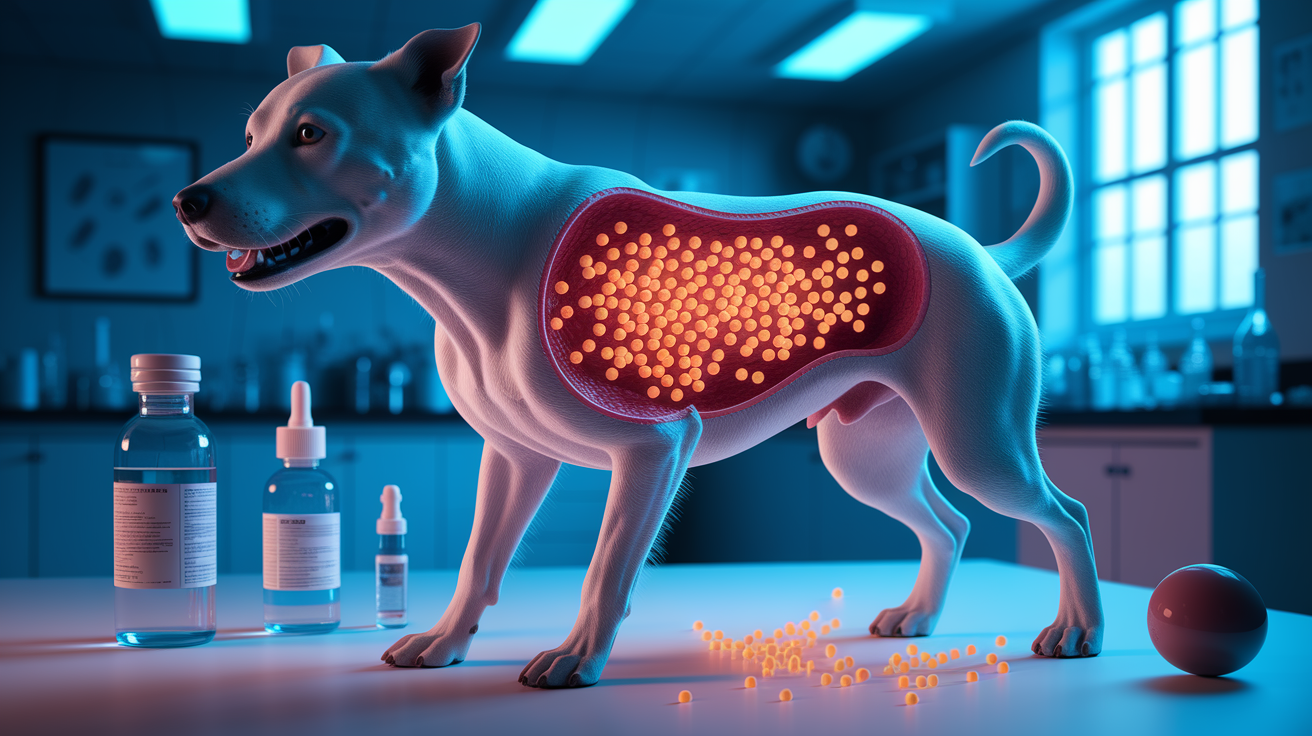
Food allergies happen when your dog’s immune system mistakes a harmless protein for a threat. Mast cells flood the body with histamines, causing itching, redness, and inflammation. Because dogs have more mast cells in their skin than humans do, the reaction shows up as intensely itchy skin, constant scratching, face rubbing, paw licking, and ear infections that keep coming back. Gastrointestinal symptoms like vomiting or diarrhea might show up too, though skin reactions are more common. Only about 10 percent of skin related allergies in dogs actually come from food. Environmental allergens (pollen, dust, mold) and flea allergies produce almost identical symptoms, so what looks like a food problem is often something else entirely.
True food allergies need strict elimination diets and veterinary guidance to identify the specific trigger. Dogs with food sensitivities (milder than allergies) might improve with a simple formula change, but full blown allergic reactions demand more precise intervention. Most allergic responses involve protein sources because proteins are large enough to trigger immune recognition. Carbs and grains can also cause reactions, but it’s less common.
Common symptoms of food allergies in dogs:
- Intensely itchy skin, especially around paws, ears, face, and belly
- Red, inflamed patches or hot spots that won’t heal
- Chronic ear infections with discharge or odor
- Constant licking or chewing at paws and legs
- Hair loss from scratching or rubbing
- Gastrointestinal upset like vomiting, diarrhea, or soft stools
Common Dog Food Allergens That Trigger Skin Problems
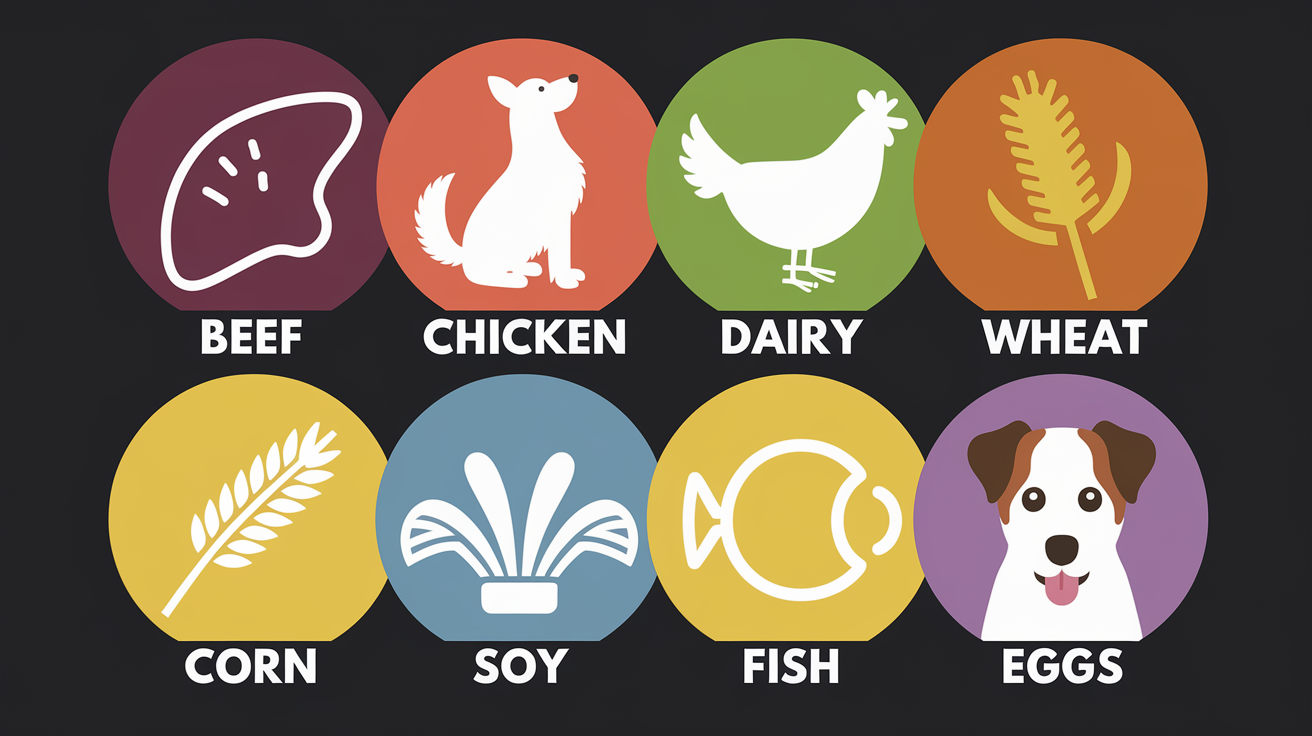
Beef and chicken cause more allergic reactions in dogs than anything else, even though they’re the most common proteins in commercial dog food. Lamb, pork, fish, dairy, eggs, wheat, corn, and soy round out the list of frequent offenders. Dogs don’t have the lactase enzyme needed to digest dairy, so milk, cheese, and yogurt can cause gastrointestinal upset and skin inflammation even in dogs without a true dairy allergy. Meat meals and by product meals might introduce additional allergen exposure because they contain mixed protein sources and bone. Makes it harder to pinpoint the exact trigger.
Grain allergies (wheat, corn) are uncommon but possible. Most dogs tolerate grains just fine. The 2018 FDA warning linking grain free diets to heart disease means you should check with your vet before eliminating grains entirely. If your dog does react to grains, wheat is usually the culprit.
Top allergens in order of prevalence:
- Beef (most common protein allergen)
- Chicken (frequently causes reactions despite widespread use)
- Dairy (dogs are lactose intolerant and lack digestive enzymes)
- Lamb, pork, and fish (less common but still trigger allergies)
- Wheat, corn, and soy (non protein allergens that affect select dogs)
Choosing Limited Ingredient and Novel Protein Dog Food for Skin Relief
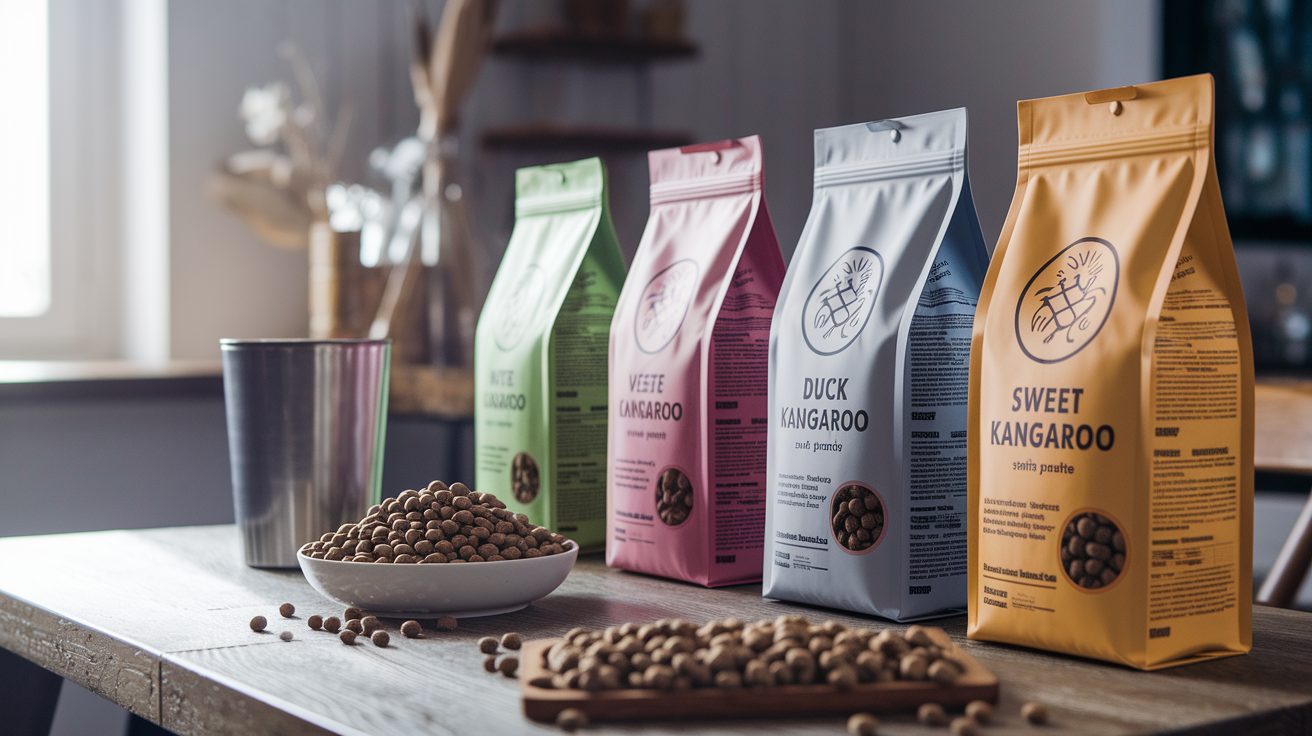
Limited ingredient diets contain a single animal protein source and one or two carbs, removing the guesswork when you’re trying to figure out what’s causing the reaction. If your dog improves on duck and sweet potato but flares up when you try chicken and rice, you’ve identified chicken as the problem. These formulas are essential for elimination diet trials, which involve feeding one novel protein for 8 to 12 weeks while monitoring symptoms. No treats, table scraps, or toppers allowed during the trial. Even a small amount of the allergen can restart the reaction.
Novel proteins like venison, bison, kangaroo, duck, and rabbit work because your dog’s likely never been exposed to them before. No prior exposure means no immune memory, so the body doesn’t recognize the protein as a threat. Dogs fed chicken based kibble for years may develop an allergy to chicken over time, but they won’t react to kangaroo if they’ve never eaten it. These diets reduce inflammation in dogs with sensitivities and help prevent new allergies from forming.
Sweet potato, pea, and potato are common carbohydrate sources in limited ingredient formulas. They provide energy without introducing wheat or corn, which some dogs react to. Always check the full ingredient list. Some “limited ingredient” foods still contain multiple protein sources or fillers that defeat the purpose.
| Protein Source | Why It Helps |
|---|---|
| Venison | Uncommon protein with low allergy risk; supports elimination trials |
| Duck | Novel protein that reduces exposure to common allergens like chicken |
| Rabbit | Rarely used in commercial food, making it ideal for dogs with multiple sensitivities |
| Kangaroo | Extremely rare protein source; helps dogs who’ve reacted to most standard meats |
When Hypoallergenic and Hydrolyzed Protein Prescription Food Is Necessary

Hydrolyzed diets break proteins into amino acids and peptides too small to trigger immune reactions. Your dog’s immune system can’t recognize these fragments as beef, chicken, or soy, so it doesn’t release histamines. These foods are essential for dogs with chronic skin conditions or confirmed allergies that don’t improve with limited ingredient or novel protein diets. They’re also the only option when you’ve tried multiple proteins and your dog still reacts, or when cross contamination in commercial facilities keeps introducing trace allergens.
Prescription diets follow strict manufacturing controls to avoid cross contamination. Brands make hydrolyzed formulas in dedicated facilities or clean equipment thoroughly between batches to prevent even microscopic amounts of allergens from contaminating the food. Over the counter hypoallergenic foods can help dogs with sensitivities, but they don’t meet the same standards. Vets rely on elimination diet trials and allergy testing to confirm a reaction before prescribing hydrolyzed food. These diets are expensive and unnecessary for dogs whose symptoms come from environmental allergens or fleas.
How Hydrolyzed Protein Reduces Immune Reactions
Hydrolyzed protein diets use enzymes to break chicken or soy into individual amino acids and short peptide chains. The immune system recognizes whole proteins by their shape and structure, but hydrolyzed fragments are too small and incomplete to trigger that recognition. Think of it like disassembling a puzzle. Your dog’s immune system can’t identify the picture if all the pieces are separated and scattered. This process makes hydrolyzed diets safe even for dogs with severe chicken or soy allergies, as long as the protein is broken down completely and the manufacturing process prevents contamination from intact proteins.
Skin Supporting Nutrients to Look For in Dog Food
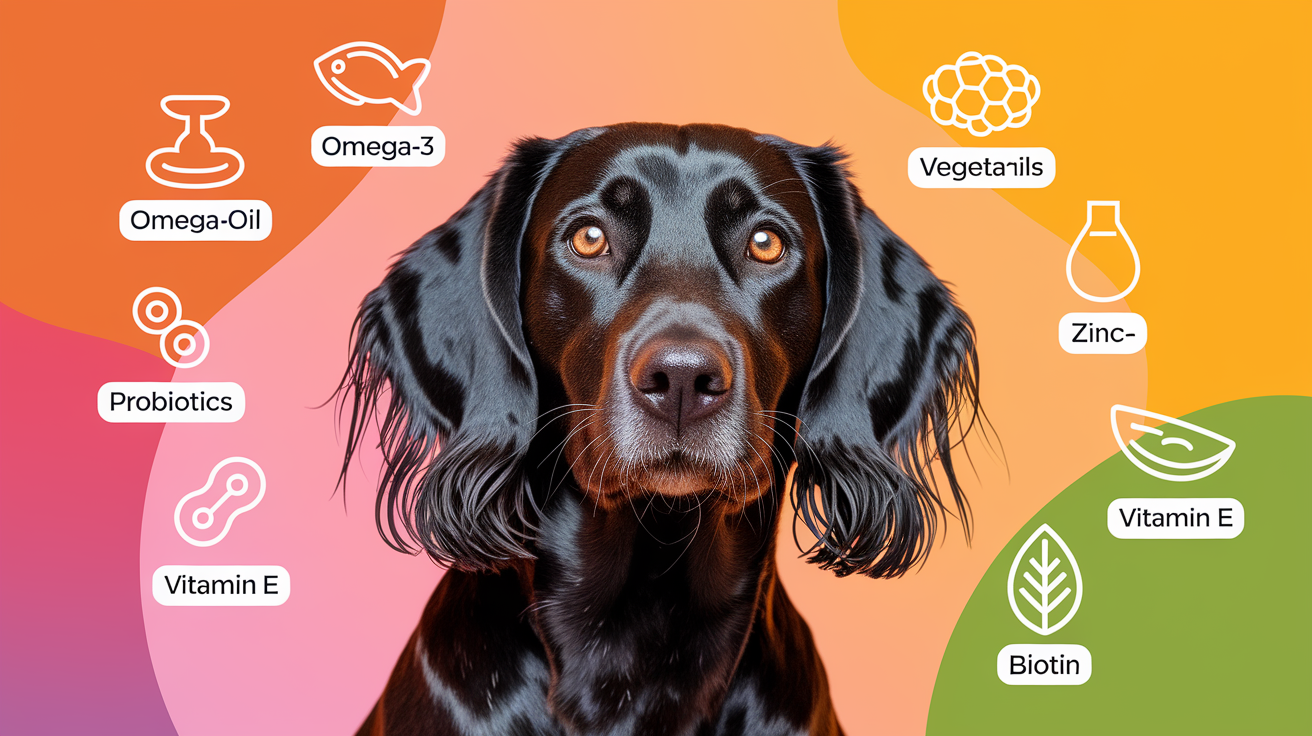
Omega 3 fatty acids from fish oil, flaxseed, and marine microalgal oil reduce inflammation and support skin barrier function. They calm the immune response driving itching and redness, and they help the skin repair itself after repeated scratching and licking. Omega 6 fatty acids maintain the skin’s natural moisture barrier, preventing dryness and cracking. Most commercial dog foods already contain omega 6s from chicken fat or vegetable oils, but omega 3s often need to be added through fish based ingredients or supplements.
Probiotics improve digestion and immune function, which reduces the severity of skin flare ups over time. A healthier gut means a more balanced immune response, so your dog’s body doesn’t overreact to harmless proteins. Prebiotics feed the beneficial bacteria in your dog’s digestive system, supporting long term gut health. Zinc, vitamin E, and biotin promote coat quality and reduce dryness, scaling, and thinning fur. These nutrients are especially helpful for dogs with chronic skin conditions or repeated infections.
Look for foods that list salmon, salmon oil, flaxseed, or fish meal in the first few ingredients. Avoid formulas where the only fat source is poultry fat or unspecified “animal fat.” Those don’t provide omega 3s. If your dog’s food doesn’t include omega 3s, ask your vet about adding a fish oil supplement. But check first if your dog’s on a prescription diet. Some already contain precise nutrient ratios that shouldn’t be altered.
Key nutrients that support skin health:
- Omega 3 fatty acids (fish oil, flaxseed, marine algae) reduce inflammation and itching
- Omega 6 fatty acids (chicken fat, vegetable oils) maintain skin barrier function
- Probiotics improve digestion and calm immune overreactions
- Zinc supports skin repair and reduces dryness
- Vitamin E acts as an antioxidant and promotes coat quality
- Biotin strengthens fur and reduces shedding from damaged skin
Transitioning a Dog to an Allergy Friendly Diet Safely
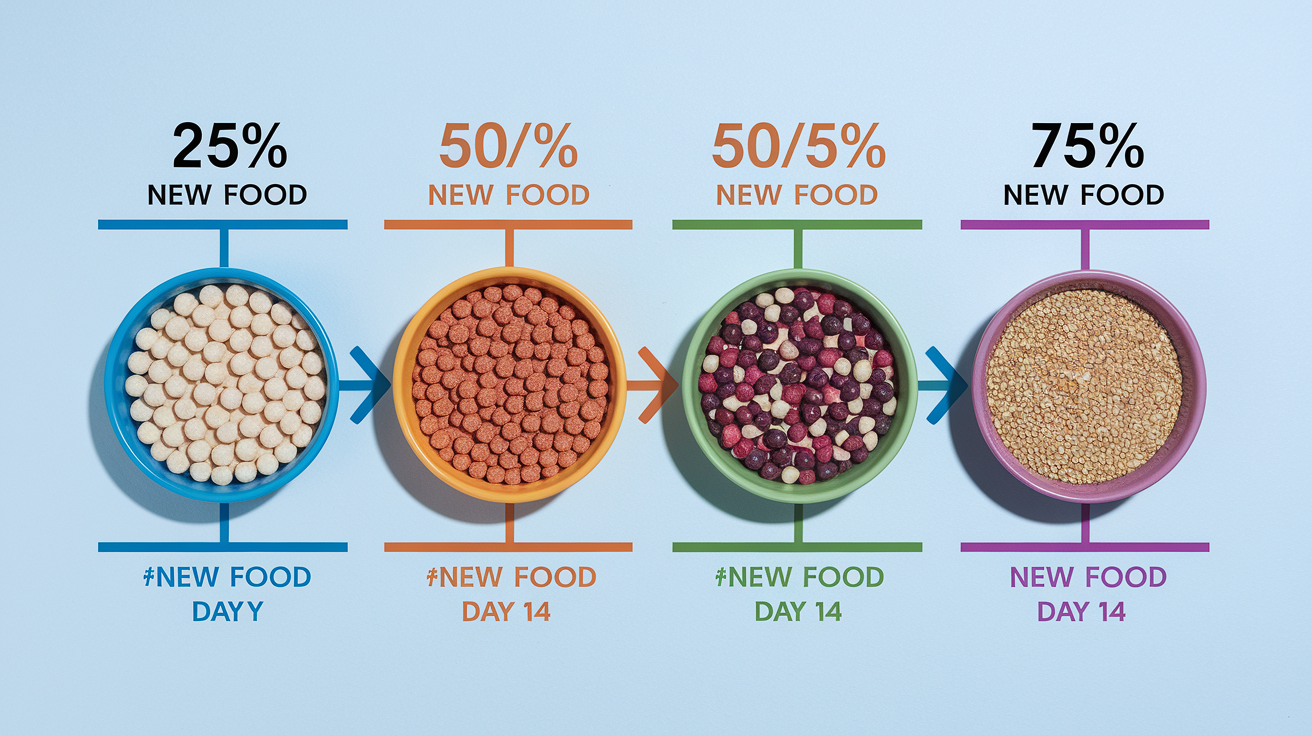
Switch foods gradually over 7 to 14 days to avoid digestive upset. Start by mixing 25 percent new food with 75 percent old food for the first few days, then move to a 50/50 split, then 75 percent new food, and finally 100 percent new food by the end of the second week. If your dog develops diarrhea or vomiting during the transition, slow it down and spend a few extra days at each ratio. Dogs with sensitive stomachs may need a longer transition period.
Elimination diets require strict adherence. No treats, table scraps, flavored medications, or meal toppers that contain potential allergens. Even a single piece of chicken jerky can restart the allergic reaction and invalidate weeks of progress. Symptoms often improve within 4 to 8 weeks, but some dogs take longer. Track your dog’s scratching, licking, stool quality, and energy level in a notebook or phone app so you can spot patterns and confirm whether the new food is working.
Step by step transition process:
- Mix 25 percent new food with 75 percent old food for 3 to 4 days
- Increase to 50 percent new food and 50 percent old food for 3 to 4 days
- Shift to 75 percent new food and 25 percent old food for 3 to 4 days
- Feed 100 percent new food by day 10 to 14
- Monitor stool quality, scratching, and energy for 4 to 8 weeks to assess improvement
Additional Relief Options Beyond Allergy Friendly Dog Food
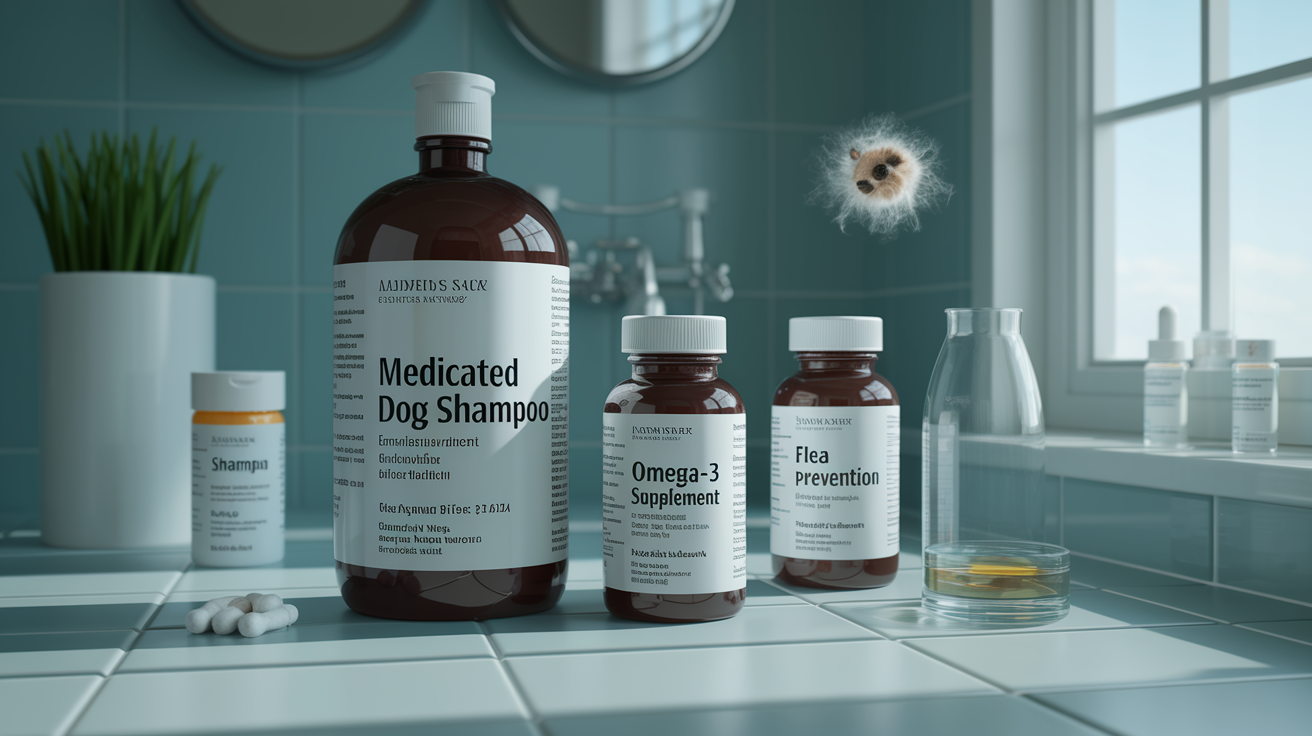
Medicated shampoos with ingredients like chlorhexidine, ketoconazole, or colloidal oatmeal soothe inflamed skin and reduce bacterial or yeast infections that develop from constant scratching. Bathing once or twice a week during flare ups helps remove environmental allergens from your dog’s coat and provides immediate itch relief. Omega fatty acid supplements can be added to food if your dog’s current formula doesn’t contain enough fish oil or flaxseed. Anti inflammatory medications and allergy shots prescribed by your vet help severe cases, especially when environmental allergens are the main trigger.
Seasonal patterns help identify the cause. If symptoms worsen in spring or summer, pollen from trees, grasses, and weeds is likely driving the reaction. Year round itching suggests mold, dust mites, or food allergies. Flea allergies flare up whenever fleas are active in your area, which may be seasonal or year round depending on your climate.
Complementary relief options:
- Medicated shampoos to reduce infection and soothe inflamed skin
- Omega 3 supplements if current food lacks fish oil or flaxseed
- Prescription allergy medications for severe or persistent reactions
- Flea prevention to eliminate flea allergies as a possible cause
Final Words
You learned which foods calm itchy skin, why proteins often trigger reactions, and how nutrients like omega‑3s help the skin barrier.
We covered limited‑ingredient and novel‑protein options, when hydrolyzed prescription diets are needed, and safe 7–14 day transitions plus tracking to spot improvement.
Choosing the right dog food for skin allergies and giving it time is the practical move. Stick with the plan, watch your dog’s stool and coat, and expect steady, positive change.
FAQ
Q: What dog food is good for skin allergies and what foods will help my dog stop itching?
A: Good dog food for skin allergies and foods that help stop itching include limited-ingredient or novel-protein diets, formulas with omega‑3s, and, for severe cases, a vet-prescribed hydrolyzed diet.
Q: What food should I avoid for a dog with skin allergies?
A: Foods to avoid for a dog with skin allergies include common allergens like beef, chicken, dairy, eggs, wheat, corn, soy, and mixed meat meals or by-products that can hide proteins.
Q: What do vets recommend for dogs with itchy skin?
A: Vets recommend an elimination diet trial with strict treat control, allergy testing if needed, prescription hydrolyzed or hypoallergenic foods, and topical or medical itch treatments when necessary.