
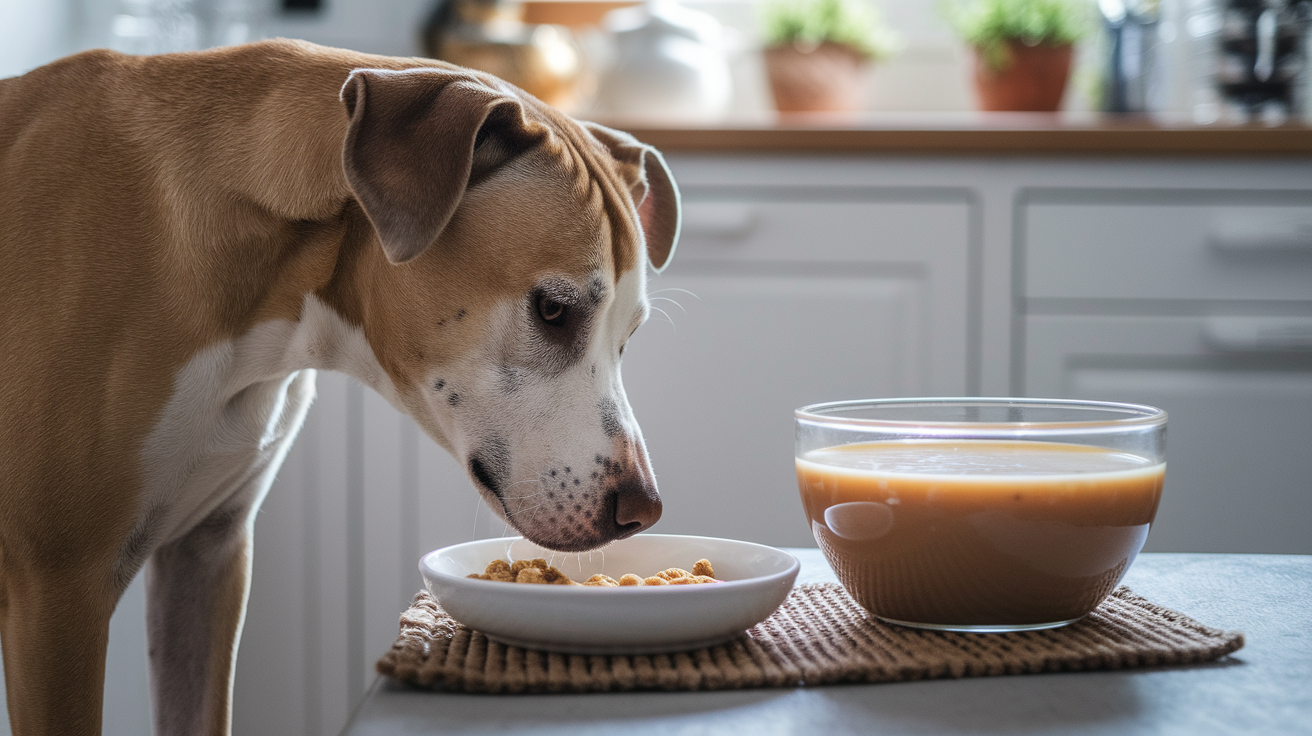
What do you do when your old dog refuses to eat and nothing seems to help?
Start here: getting safe, gentle calories into their tummy is the top priority.
Senior dogs stop eating for lots of reasons, like a lost sense of smell, sore teeth, medication side effects, or a sensitive tummy.
This post gives simple, vet-safe fixes you can try tonight (warm broth, soft chicken, smaller meals) and explains when you’ll need to call the vet.
Practical steps you can use now to spark an appetite and keep your senior steady while you figure out the cause.
Immediate Feeding Solutions for a Senior Dog That Won’t Eat
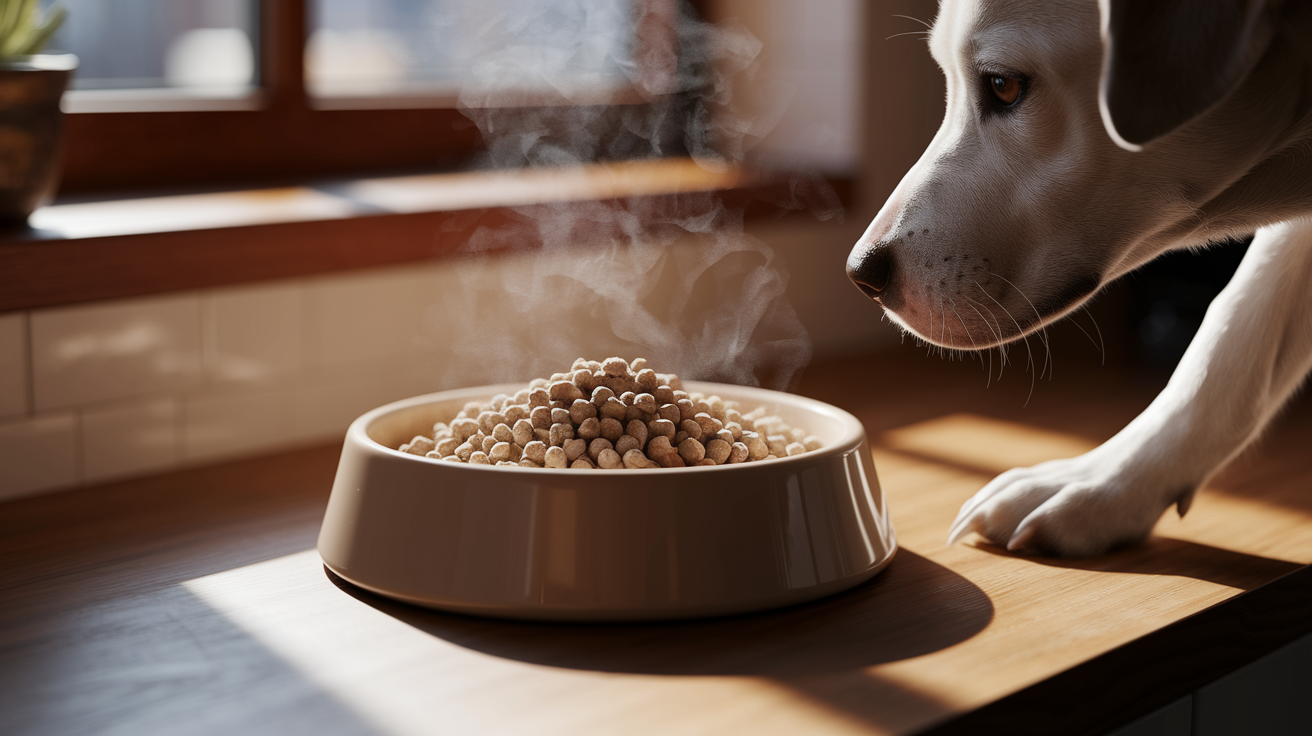
When your senior dog stops eating, you need to get something safe into their stomach. That’s priority one. Older dogs refuse food for a bunch of reasons. Their sense of smell fades, their stomachs get touchy, and their whole digestive system slows down. A meal that smelled incredible six months ago might barely register now.
Start with soft, warm, simple foods. Heat food for 10 to 15 seconds in the microwave or stir in warm water. This releases aroma and can wake up a fading appetite. Mix textures if you can. A spoonful of wet food stirred into kibble works. So does a splash of low sodium broth poured over whatever they usually eat. Even picky eaters often respond when food feels easier to chew and smells stronger.
If your dog hasn’t eaten in 12 to 24 hours, try one of these safe options:
- Boiled chicken (plain, no seasoning, shredded into small pieces)
- White rice (cooked soft, easy to digest)
- Plain pumpkin puree (not pie filling, just pure pumpkin from a can)
- Scrambled eggs (cooked plain, no butter or oil)
- Wet food (any brand, ideally with a single protein like chicken or turkey)
- Low sodium bone broth (warm, poured over kibble or served alone)
These aren’t long term meal plans. They work as immediate appetite triggers while you figure out what’s actually going on.
Understanding Why Senior Dogs Lose Appetite and Refuse Food
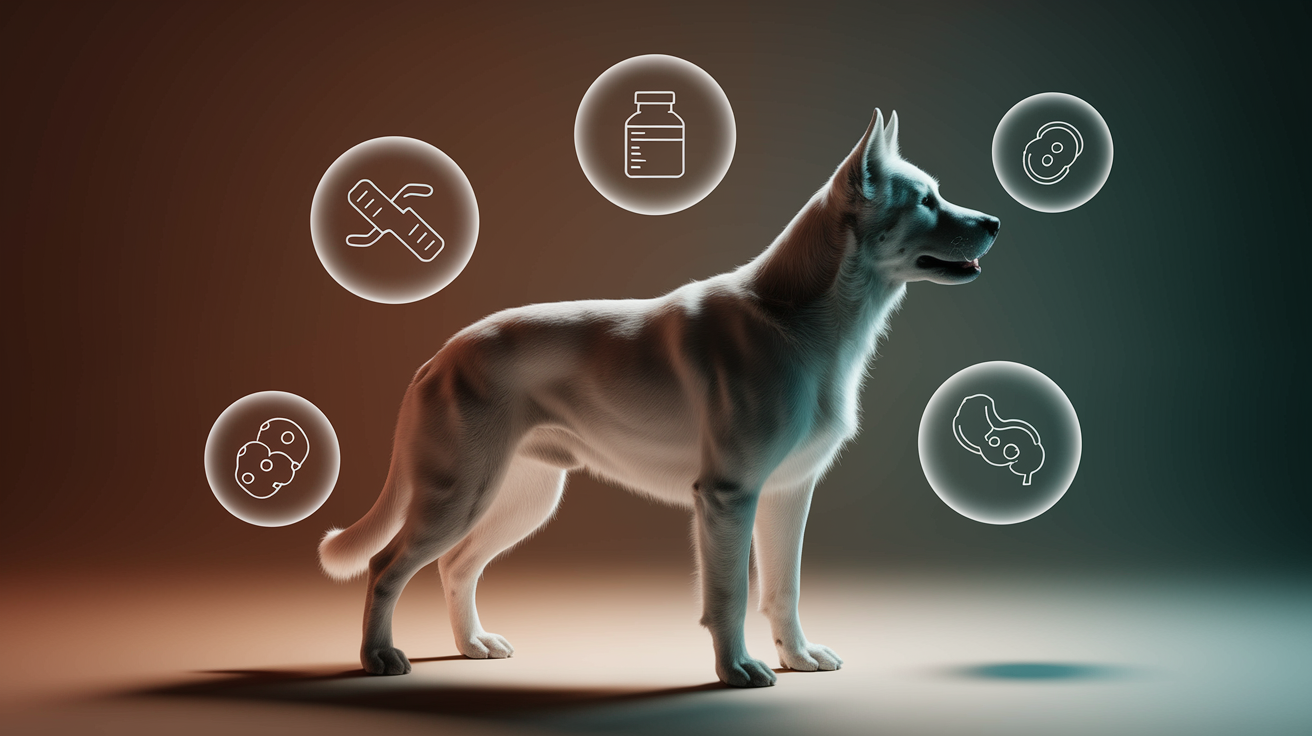
Appetite loss in older dogs usually comes down to one of four things. Pain, illness, medication, or age related sensory decline. Dental problems like cracked teeth, inflamed gums, or tooth decay make chewing painful. So dogs avoid their bowls. Chronic conditions like kidney disease, liver dysfunction, or gastrointestinal inflammation change how food feels in their system. What used to settle fine now causes nausea or discomfort.
Medications can suppress hunger as a side effect. Pain relievers, antibiotics, or chemotherapy drugs are common culprits. Cognitive dysfunction, similar to dementia in humans, sometimes makes dogs forget routines or feel too confused to eat on schedule. And even in healthy senior dogs, a weakened sense of smell and taste makes meals less interesting.
Watch for signs that point to something more serious than simple pickiness. Persistent vomiting, diarrhea that lasts more than a day, difficulty standing or walking, heavy or labored breathing, or extreme lethargy all suggest an underlying health issue that needs veterinary attention. If your dog refuses food and water for 24 hours, contact your vet immediately. Senior dogs dehydrate faster and can’t bounce back as easily as younger animals.
Gentle, Easy to Digest Foods and Safe Homemade Meal Options for Senior Dogs
Once you’ve ruled out an emergency, focus on foods that are soft, simple, and easy on a sensitive stomach. Wet food works well because it’s more aromatic than kibble and easier to chew, especially for dogs with dental issues. Look for formulas labeled for sensitive stomachs or senior dogs. These typically have limited ingredients (often 11 or fewer) and single protein sources like chicken, turkey, or salmon. Some older dogs do better on grain free options like pork and potato or turkey and yams, especially if they’ve developed sensitivities to wheat or corn.
If your dog tolerates commercial food but needs extra encouragement, fresh food toppers can make a big difference. Human grade toppers made from whole meats, vegetables, and grains add flavor and moisture without the preservatives or synthetic additives that can upset aging digestive systems. Beef and rice, chicken and yams, or salmon and rice work well. You can use these as mixers on top of kibble or rotate them as standalone meals if your dog prefers softer textures.
For dogs who need even gentler options, try these easy to digest foods:
- Sweet potato (cooked soft, mashed or diced)
- Green beans (steamed, plain, cut into small pieces)
- Limited ingredient fresh toppers (beef and rice, chicken and yams, salmon and rice)
- Fish based wet food (often gentler on stomachs than red meat)
- Novel protein sources (duck, rabbit, venison… proteins they haven’t eaten before)
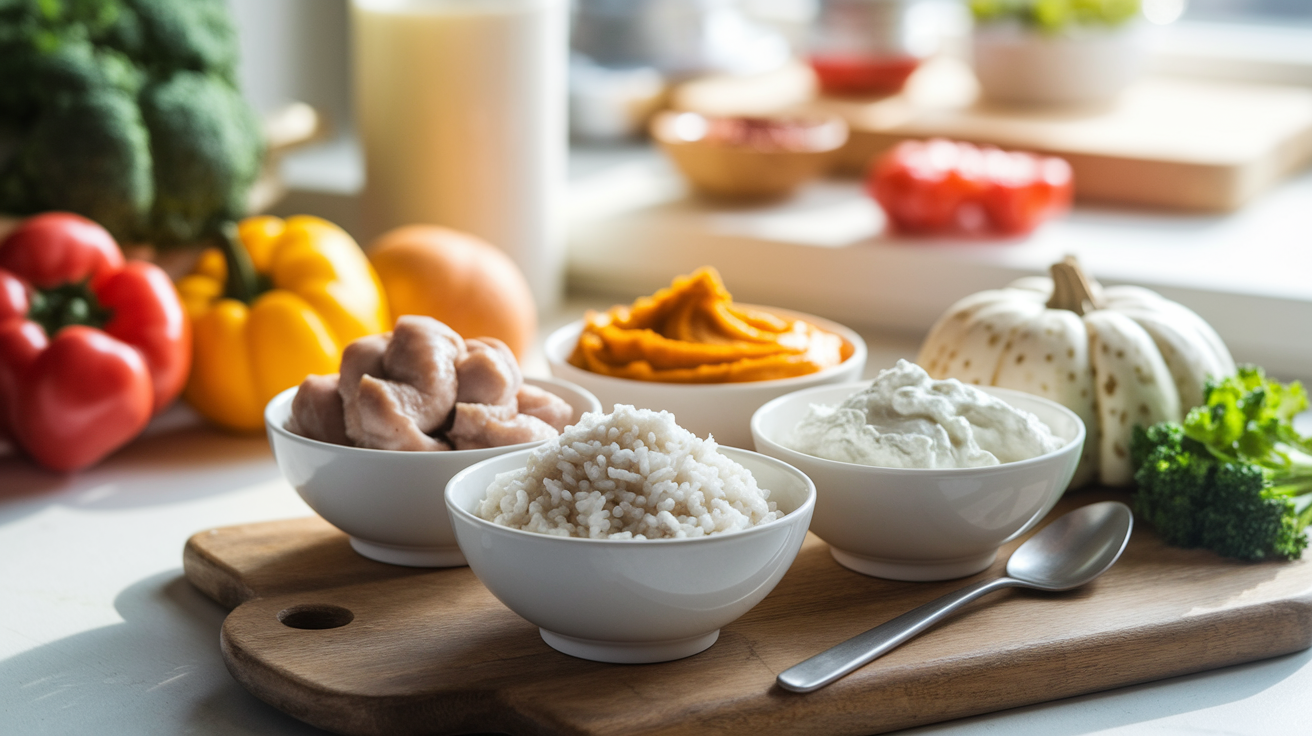
Homemade meals work when you need full control over ingredients. Especially if your dog has multiple sensitivities or refuses everything else. Homemade feeding isn’t a long term solution unless you work with your vet to ensure balanced nutrition, but short term use (a week or two) can reset appetite and give you time to find a commercial food that works.
Safe homemade meal components include:
- Boiled or baked chicken (skinless, boneless, plain)
- White or brown rice (cooked soft, easy to digest)
- Cooked vegetables (carrots, peas, sweet potato… steamed or boiled, no seasoning)
- Cottage cheese or plain yogurt (small amounts, good for dogs who tolerate dairy)
Feeding Techniques to Encourage an Older Dog to Eat Better
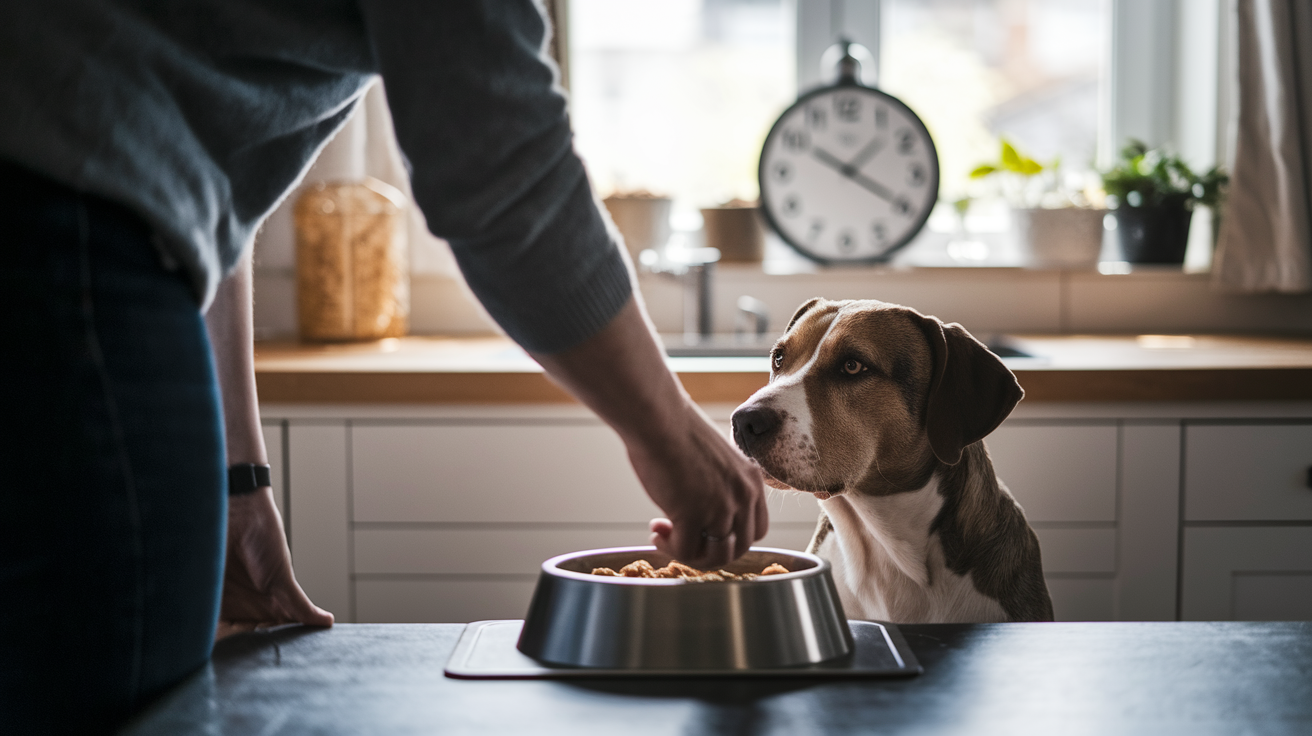
Small changes in how you feed can matter as much as what you feed. Many senior dogs eat better when meals come in smaller portions spread across the day. Three or four small meals instead of two large ones. This approach is easier on aging digestive systems and keeps energy more stable throughout the day.
Warm food before serving. Even 10 seconds in the microwave or a splash of warm water makes a noticeable difference in aroma, which is often the main trigger for a dog with reduced sense of smell. Feed in a quiet, low traffic area where your dog feels safe and won’t be interrupted by kids, other pets, or household noise. Some dogs, especially those with cognitive decline or anxiety, eat better when hand fed, at least for the first few bites. It creates a sense of security and reminds them that eating is safe.
Try these four feeding techniques:
- Stick to a consistent schedule. Offer food at the same times every day so your dog’s body anticipates meals.
- Remove uneaten food after 15 to 20 minutes. This creates a sense of urgency and prevents grazing, which can reduce appetite at the next meal.
- Use an elevated food bowl if your dog has arthritis or neck pain. Bending down to floor level can make eating uncomfortable.
- Hand feed the first few bites, then step back. This gentle start often gets a reluctant dog engaged.
Hydration, Broths, and Moisture Additions for Older Dogs Who Won’t Eat
Senior dogs need about one ounce of water per pound of body weight daily, and that amount increases in warm weather or after activity. When appetite drops, water intake usually follows, which leads to dehydration. It’s a serious risk for older dogs whose kidneys don’t function as efficiently. Dehydration makes them feel worse, which further suppresses appetite, creating a cycle that’s hard to break.
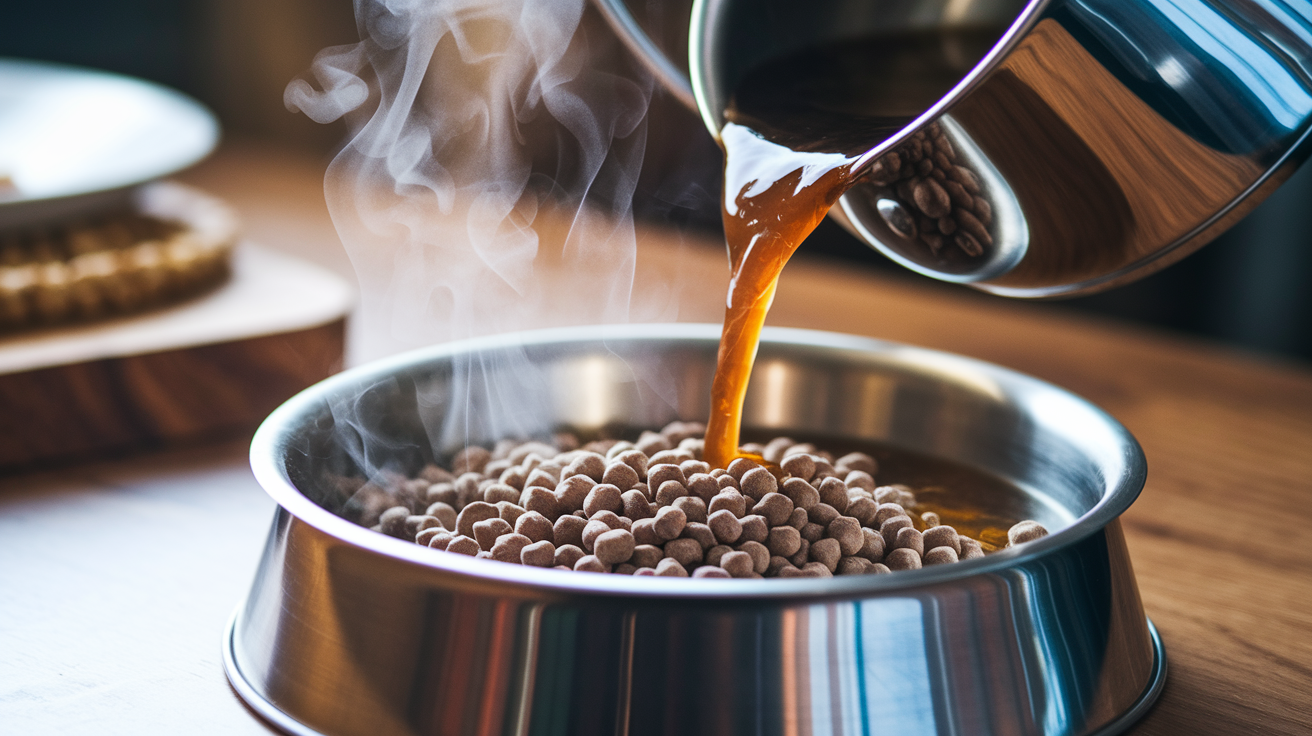
Bone broth and low sodium chicken broth add moisture and flavor without overwhelming a sensitive stomach. Pour a few tablespoons over kibble, mix it into wet food, or serve it on its own in a shallow bowl. The warm liquid releases scent, encourages licking, and helps rehydrate at the same time. Plain water poured over food works too, but broth adds a flavor boost that many picky senior dogs respond to.
| Moisture Source | Benefit |
|---|---|
| Low sodium bone broth | Adds aroma, hydration, and gentle flavor without upsetting stomach |
| Warm water mixed into food | Softens kibble, releases scent, increases moisture intake |
| Wet food or gravy toppers | Higher moisture content than dry kibble, easier to chew and digest |
Medical Red Flags When an Older Dog Refuses Food
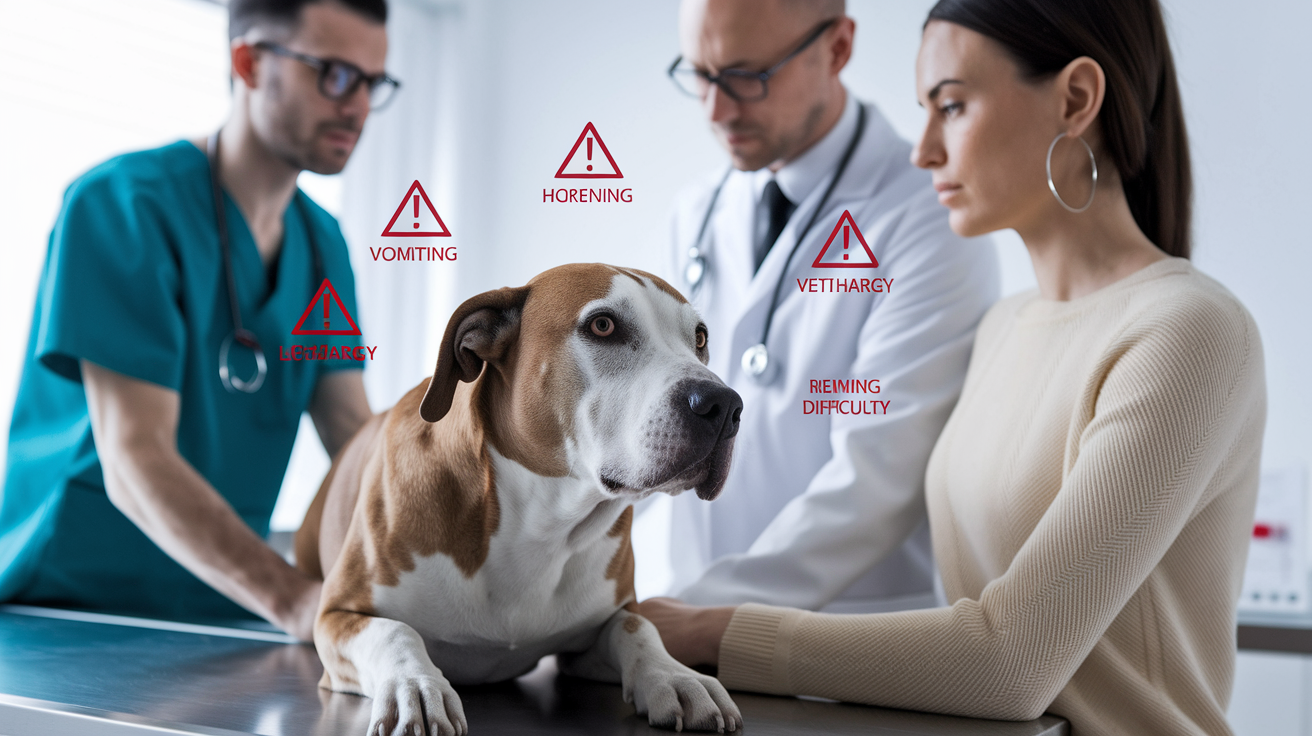
If your dog hasn’t eaten or drunk anything in 24 hours, call your vet. Senior dogs with kidney disease, liver issues, or other chronic conditions can’t go long without hydration. A day without food can quickly lead to dangerous blood sugar drops or electrolyte imbalances. Even in otherwise healthy older dogs, prolonged fasting weakens the immune system and makes recovery from any underlying issue much harder.
Watch for these signs that appetite loss is tied to a medical emergency. Vomiting that won’t stop, diarrhea (especially if it’s bloody or black), extreme lethargy where your dog won’t lift their head, heavy or labored breathing, difficulty standing or walking, or a bloated, hard abdomen. Any of these symptoms, combined with refusal to eat, means your dog needs veterinary care right away. Don’t wait to see if things improve on their own.
Appetite Stimulants, Supplements, and Prescription Options for Senior Dogs
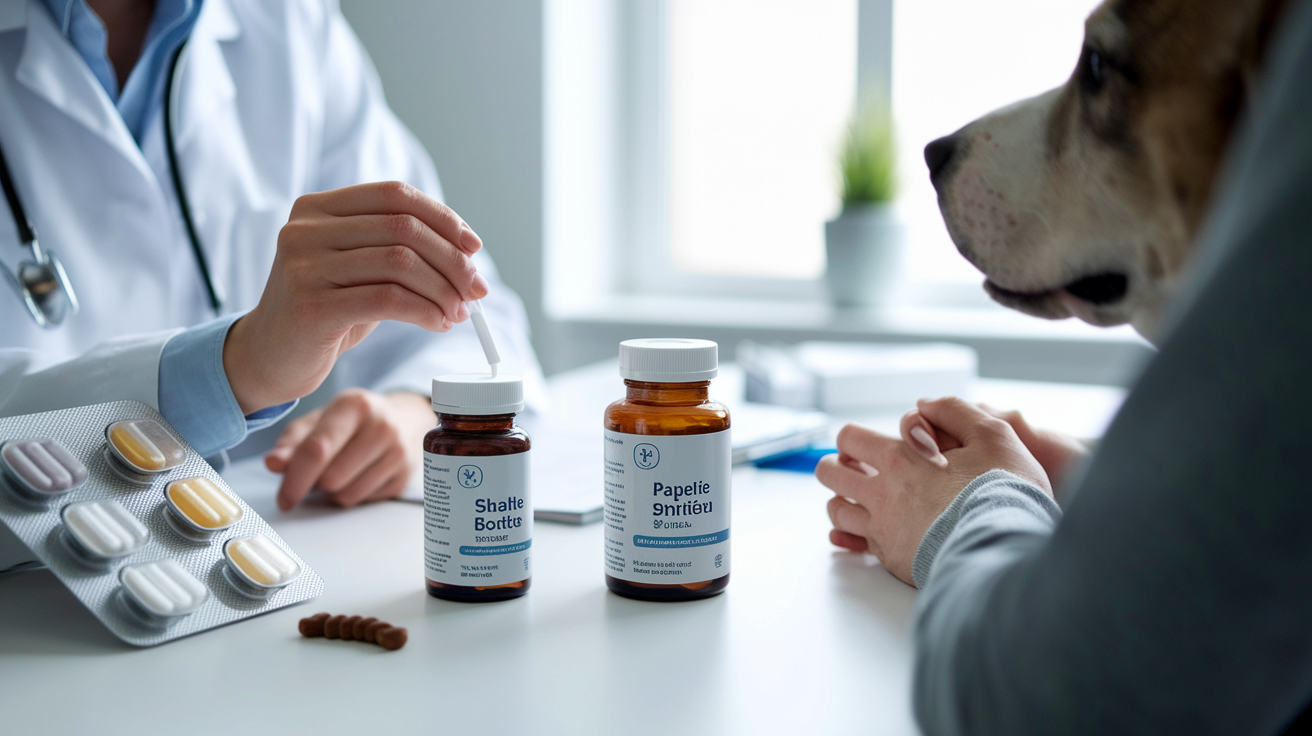
When behavioral changes and food adjustments don’t work, your vet may prescribe an appetite stimulant like Mirtazapine. It’s an antidepressant that triggers hunger as a side effect. It’s commonly used in senior dogs with chronic illness or nausea, and many owners notice their dog eating within hours of the first dose. Your vet can also run blood work to check for kidney function, liver health, thyroid levels, and anemia. All of which can suppress appetite when out of balance.
Supplements sometimes help, especially for dogs with sensitive stomachs or weakened immune systems. Probiotics support digestion and can reduce nausea or discomfort after meals. Digestive enzymes help break down food more efficiently, which matters when a senior dog’s pancreas isn’t producing enough on its own. Antioxidants like vitamins E and C (often listed as “mixed tocopherols” or extracted from blueberries and cranberries) protect aging cells and support immune function. This indirectly helps appetite by keeping your dog feeling better overall.
Three common appetite support options include:
- Prescription appetite stimulants (Mirtazapine, Maropitant for nausea)
- Digestive supplements (probiotics, digestive enzymes)
- Nutritional enhancers (vitamin E, vitamin C, omega 3 fatty acids for inflammation)
Final Words
You’ve got quick, practical steps to try right now: soft foods, warmed meals, broths, human-grade toppers, and gentle homemade options. Small tweaks, like adding moisture, shortening mealtimes, and hand-feeding, can make a real difference.
We also covered why appetite drops in seniors, signs that need a vet, and longer-term choices like wet or limited-ingredient diets and supplements.
If you’re wondering what to feed old dog that won’t eat, start with boiled chicken, rice, wet food, pumpkin, scrambled egg, or low-sodium bone broth, and watch appetite and stool. Be patient. Steady, simple changes often bring an older dog back to the bowl.
FAQ
Q: What should I feed a senior dog that won’t eat, including at the end of life?
A: A senior dog that won’t eat, even at the end of life, should be offered soft, highly palatable foods like warmed wet food, boiled chicken and rice, bone broth, pumpkin, or soft scrambled egg, and ask your vet about appetite support.
Q: What are end of life symptoms in elderly dogs?
A: End-of-life symptoms in elderly dogs include persistent appetite loss, rapid weight loss, extreme lethargy, labored breathing, incontinence, severe pain or confusion, and very poor mobility; contact your vet if you see these signs.
Q: How long can a senior dog go without eating?
A: A senior dog can sometimes go 3–5 days without food, but dehydration and complications occur sooner; call your vet if your dog isn’t eating or drinking for 24 hours, or earlier with worrying symptoms.