
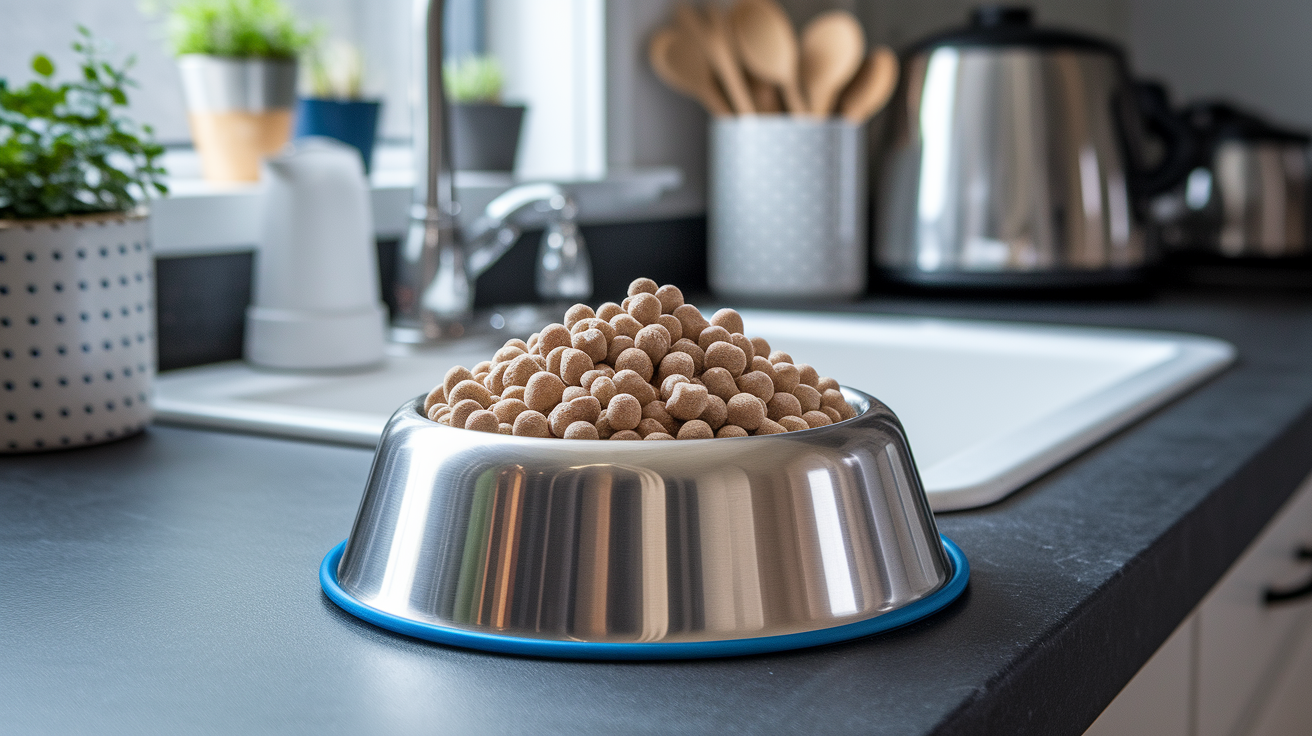
What if a tiny pouch could turn boring kibble into a crave-worthy, nearly raw meal in seconds?
Freeze-dried dog food toppers do exactly that by locking in protein and nutrients without messy thawing or refrigeration.
They add real meat-based nutrition, boost flavor for picky dogs, and let you control calories and ingredients easily.
This post compares top freeze-dried dog food toppers, explains why freeze-drying preserves nutrients, and gives a short checklist—protein, ingredient count, and portioning—so you can pick the right topper for your dog.
Top Freeze‑Dried Dog Food Toppers Compared
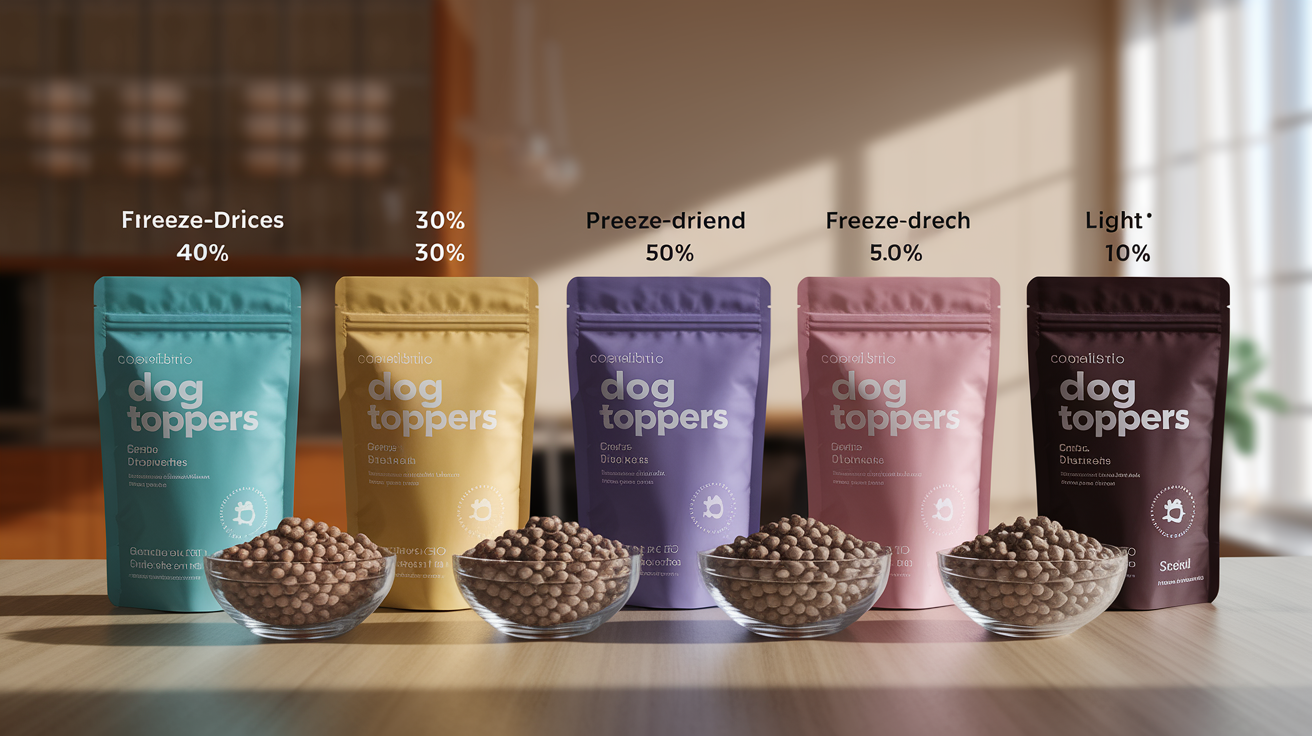
The best freeze dried dog food toppers combine high protein, minimal processing, and ingredient transparency. Unlike dehydration, freeze drying removes moisture at extremely low temperatures, which locks in enzymes, vitamins, and amino acids that cooking destroys. This preservation method means a raw chicken topper keeps nearly identical nutrient profiles to fresh raw chicken, but without refrigeration or the mess of thawing. Most premium toppers range from $15 for a 3.5 ounce pouch to $45 for a 16 ounce bag, with cost driven by protein type, sourcing standards, and whether the formula includes organ meat or added supplements like probiotics.
When comparing toppers, look at protein percentage, ingredient count, and whether the product is single protein or a blend. Single protein toppers (just chicken, just beef) work well for dogs with known sensitivities or when you’re using the topper as a diagnostic tool during an elimination trial. Multi protein blends often include organ meats and bone, which add minerals and amino acids but can complicate things if your dog reacts. Most quality toppers clock in between 40% and 60% protein, with the rest coming from fat and minimal carbohydrates. Price per ounce matters more than bag size, especially if you’re sprinkling a teaspoon over kibble rather than using it as a full meal replacement.
| Brand | Key Ingredients | Protein % | Bag Size | Approx. Price | Pros | Cons |
|---|---|---|---|---|---|---|
| Stella & Chewy’s Meal Mixers | Chicken, chicken liver, chicken gizzard | 45% | 3.5 oz / 18 oz | $17 / $60 | Widely available, includes organs, resealable pouch | Higher price per ounce, chicken may trigger some sensitivities |
| Primal Freeze-Dried Toppers | Beef, beef liver, beef heart | 50% | 5.5 oz / 14 oz | $22 / $48 | Organic produce add-ins, balanced meat-organ ratio | Needs full rehydration for best texture, pricey |
| The Honest Kitchen Boosts | Salmon, eggs, pumpkin | 38% | 5.5 oz | $20 | Lower protein for weight-watchers, includes fiber | Smaller bag, not purely single-protein |
| Northwest Naturals Nuggets | Turkey, turkey necks, turkey liver | 48% | 12 oz | $38 | Novel protein option, crumbles easily, USDA sourced | Limited retailer availability, turkey can be rich for sensitive tummies |
| Instinct Raw Boost Mixers | Lamb, lamb liver, lamb spleen | 42% | 6 oz / 16 oz | $19 / $45 | Good mid-tier price, lamb is gentler for some dogs | Contains added vitamins (less minimalist), some dogs dislike lamb flavor |
Choose based on your dog’s current diet and goals. If your dog eats chicken kibble, a beef or salmon topper adds variety without overwhelming their system. If you’re managing weight, pick a lower fat option like turkey or salmon. For picky eaters, organ heavy blends like Stella & Chewy’s or Primal often deliver the richest smell and flavor payoff. Start with a small bag, watch stool and energy for a week, then scale up if everything stays steady.
Ingredient Quality and Nutritional Breakdown

Freeze drying locks in nutrient integrity because it skips heat entirely. Water sublimates directly from ice to vapor at sub zero temperatures and low pressure, leaving behind a lightweight, porous structure that rehydrates quickly. This means a freeze dried chicken breast retains the same amino acid profile, B vitamins, and naturally occurring enzymes as raw chicken, something that traditional kibble extrusion at 300°F can’t match. The process also concentrates nutrients by weight, so one ounce of freeze dried meat delivers roughly four times the protein and minerals of an ounce of wet food.
Most toppers center on a single animal protein (chicken, beef, lamb, salmon, turkey, or duck) and add one or two organ meats like liver or heart. Liver provides Vitamin A, iron, and folate. Heart delivers taurine and CoQ10, both critical for cardiac function in dogs. Some formulas include ground bone, which adds calcium and phosphorus in ratios that mirror whole prey. Better brands disclose sourcing, like “humanely raised New Zealand lamb” or “wild caught Alaskan salmon,” which signals third party audits and cleaner supply chains. You’ll also see probiotic strains (like Lactobacillus or Bacillus coagulans) added post freeze drying to support gut flora, along with omega 3 rich fish oil or flaxseed for coat and skin.
Single protein toppers simplify troubleshooting. If your dog’s ears flare up or stool softens after you add a new topper, you know exactly what caused it. Mixed protein blends (chicken plus beef plus pork) offer broader amino acid diversity and often taste richer, which helps picky dogs, but they make it harder to pinpoint sensitivities. For dogs with no known issues, a blend works fine. For dogs with a history of itchy skin, chronic ear infections, or soft stool, start with a single novel protein you haven’t fed before, like duck or venison, and keep it simple for at least two weeks before layering in variety.
Feeding Amounts and Rehydration Instructions
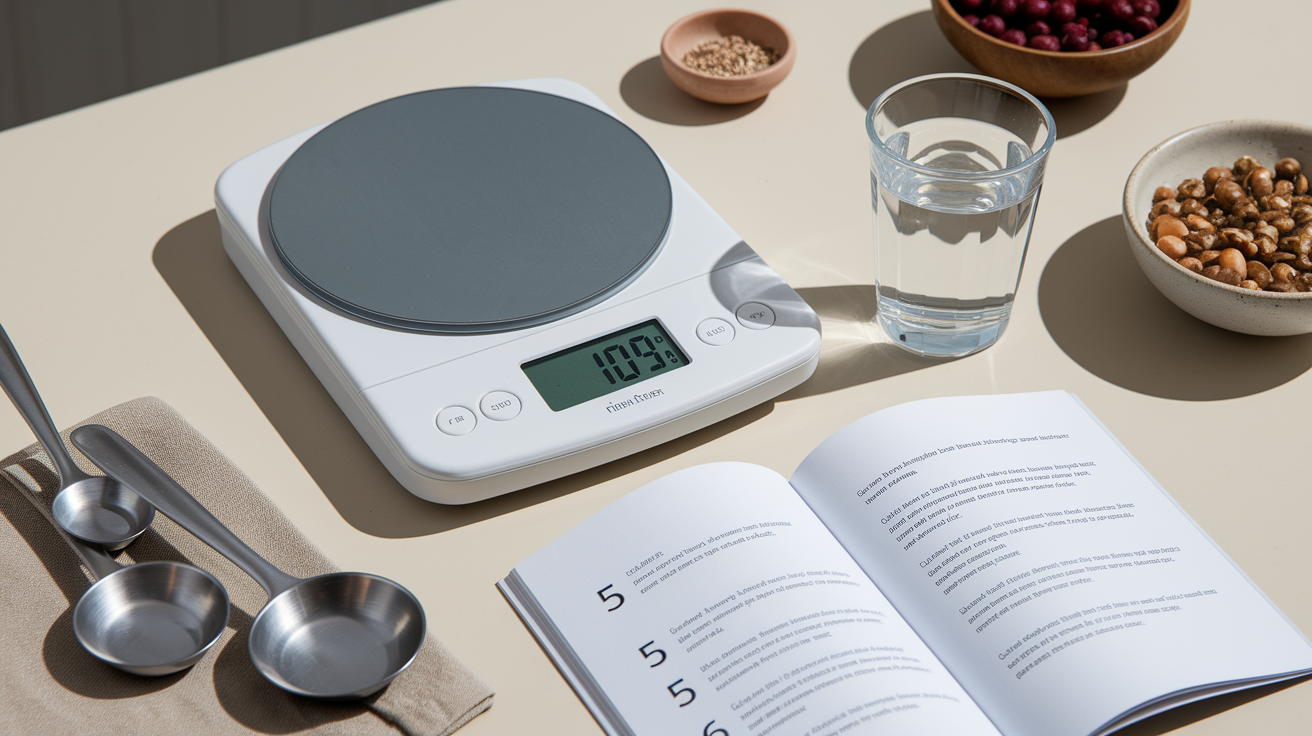
Most freeze dried toppers suggest feeding 10% of your dog’s daily calories as topper and 90% as their regular base food. For a 40 pound dog eating about 900 calories a day, that’s roughly 90 calories or about 1 to 1.5 tablespoons of freeze dried topper, depending on the specific product’s calorie density. If you’re using the topper to make kibble more appealing rather than boost nutrition, you can go lighter, maybe a teaspoon or two, just enough to coat the kibble and add moisture.
Here’s how to portion and prep:
-
Weigh or measure your dog’s regular meal first, so you know how much room you have for topper without overfeeding.
-
Scoop the recommended amount of freeze dried topper into a small bowl.
-
Add warm (not hot) water at a 1:1 ratio for a thick paste or 2:1 for a soupy consistency, depending on your dog’s preference and hydration needs.
-
Let it sit for 2 to 3 minutes until fully rehydrated and softened. Stir once to break up clumps.
-
Pour or spoon the rehydrated topper over kibble, stir gently, and serve immediately.
You can also feed freeze dried toppers dry if your dog likes the crunch and drinks plenty of water on their own. Some dogs prefer the texture of dry crumbles mixed into kibble, especially if they’re not big drinkers. Just make sure fresh water is always available, because freeze dried food contains almost zero moisture. Adjust portions if your dog is less active, recovering from illness, or gaining weight. A couch potato Corgi needs less topper than a young Border Collie running agility twice a week. Watch body condition and stool, and pull back slightly if stool gets too soft or your dog starts looking thick around the ribs.
Storage and Shelf‑Life Guidance
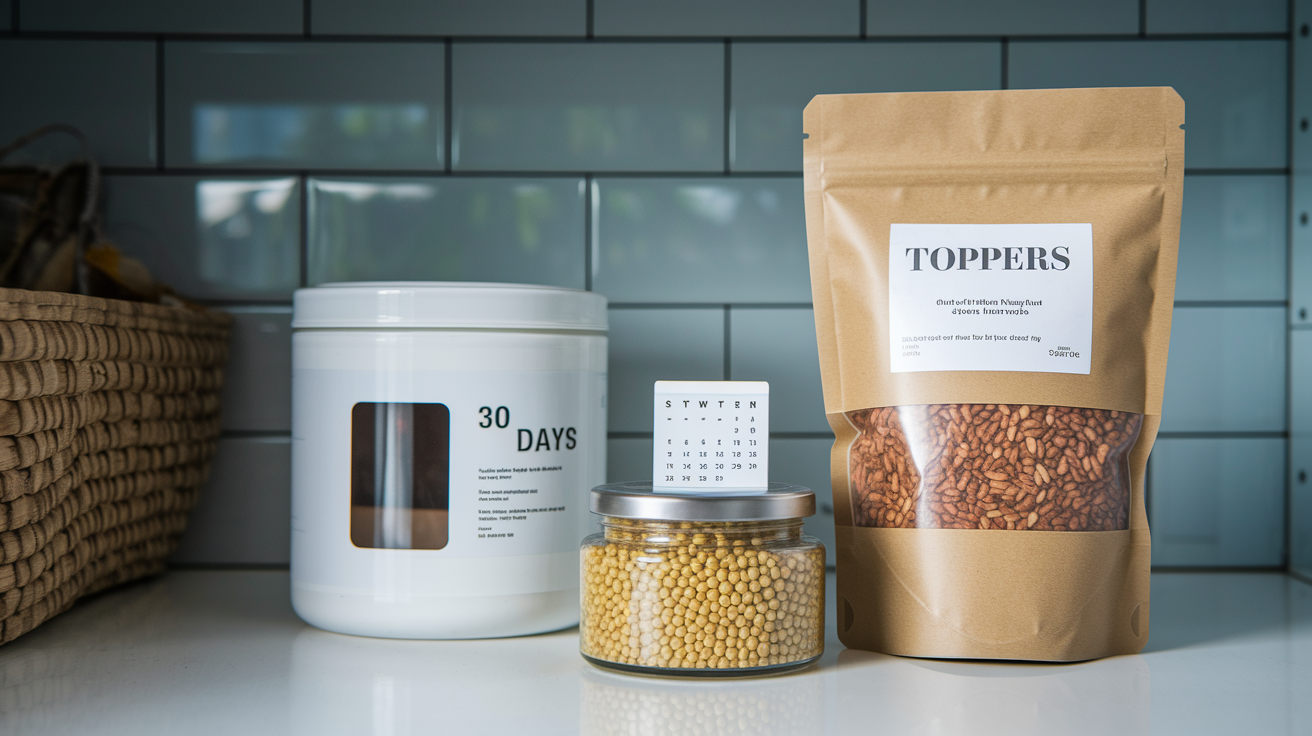
Unopened freeze dried toppers stay shelf stable for one to two years when stored in a cool, dry place away from direct sunlight. The removal of moisture means bacteria, mold, and yeast can’t grow, which is why these products don’t need refrigeration until you open them. Once you break the seal, exposure to air and humidity starts the clock. Most brands recommend using an opened bag within 30 days to maintain peak freshness and nutrient potency, though the food won’t suddenly spoil on day 31.
After opening, transfer the topper to an airtight container or reseal the original pouch tightly with a clip. Store it in a pantry or cupboard, not on top of the fridge or near the stove where temperature swings and steam can introduce moisture. If you live in a humid climate or notice the topper starting to clump or smell off, move it to the fridge in a sealed container. Refrigeration extends usability and prevents any chance of moisture reactivation. Never leave rehydrated portions sitting out for more than two hours. If your dog doesn’t finish a meal with rehydrated topper, toss the leftovers or refrigerate them immediately and use within 24 hours.
Quick storage tips:
- Use a dedicated scoop to avoid cross contamination from raw meat or other foods.
- Label the container with the date you opened the bag so you remember the 30 day window.
- Keep the topper away from direct pet access. Some dogs will tear into bags if they smell the concentrated protein.
Allergy and Sensitivity Considerations

Common dietary allergens in dogs include chicken, beef, dairy, wheat, soy, and corn. Because most kibble relies heavily on chicken or beef, switching to a freeze dried topper with a novel protein (duck, venison, rabbit, kangaroo) can reduce cumulative exposure and give your dog’s immune system a break. Limited ingredient toppers that contain only one protein and no fillers, grains, or added vegetables work best for dogs with confirmed sensitivities or those undergoing an elimination diet. Single protein also makes it easier to rotate proteins every few months, which some pet parents do to reduce the risk of developing new sensitivities over time.
Signs your dog might be reacting to a topper include itchy skin (especially paws, ears, or belly), red or waxy ears, hives, excessive licking, or changes in stool (diarrhea, mucus, or constipation). Digestive upset usually shows up within a few days, while skin issues can take one to two weeks of consistent exposure. If you see symptoms, stop the new topper immediately and return to your dog’s previous diet. Wait until everything settles, then try a different single protein option. Keep a simple food journal noting what you fed, portion size, and any symptoms, so patterns become obvious.
When choosing hypoallergenic formulas, read the full ingredient list, not just the front label. A “lamb” topper that also includes chicken fat or beef liver isn’t truly single protein. Look for products where the only animal source ingredients come from one species. Some brands also use hydrolyzed proteins, where protein molecules are broken down into smaller fragments that the immune system is less likely to flag. These can be helpful for dogs with severe or multiple sensitivities, though they’re usually pricier and less common in freeze dried toppers than in prescription diets.
Buying Considerations and Cost Breakdown

Price varies significantly based on protein type, sourcing, and brand positioning. Chicken and beef toppers tend to be the most affordable because these proteins have established supply chains and lower wholesale costs. Exotic or novel proteins (bison, venison, rabbit, wild boar) cost more due to limited availability and specialty farming or wild harvesting. Organic certification, humane handling claims, and third party testing for pathogens or heavy metals also push prices up, but these markers often correlate with cleaner ingredients and more transparent manufacturing.
Cost per meal matters more than sticker price. A $45 bag that lasts six weeks costs less per day than a $20 bag that’s gone in ten days. Divide the bag price by the number of servings to get your true daily cost. For a 40 pound dog eating one tablespoon per day, a 16 ounce bag delivering roughly 32 servings runs about $1.40 per meal at $45, versus $2 per meal for a smaller premium pouch. If you’re using toppers sparingly, just a teaspoon to entice a picky eater, even a pricey bag stretches much further.
| Protein Type | Typical Cost per Ounce | Value Notes |
|---|---|---|
| Chicken | $2.50–$3.50 | Affordable, widely available, good starting point for most dogs |
| Beef | $3.00–$4.00 | Mid-range, robust flavor, common allergen for some dogs |
| Salmon | $3.50–$5.00 | Higher omega-3s, good for coat, can be fishy-smelling |
| Exotic (venison, bison, duck) | $4.50–$6.50 | Novel proteins for sensitivities, limited supply drives cost up |
Buy from retailers with high turnover to ensure freshness, and check expiration dates before checkout. Some brands offer subscribe and save discounts or bulk pricing on multi bag packs, which can drop per ounce cost by 10% to 15%. If your dog does well on a specific formula, stocking up during sales makes sense, but don’t overbuy until you’re confident the topper agrees with your dog’s system. A freezer full of venison topper doesn’t help if your dog breaks out in hives after the first week.
DIY Freeze‑Dried Dog Food Toppers and Creative Uses

Home freeze drying requires a countertop freeze dryer, which runs between $2,000 and $3,500, making it a bigger investment suited to owners feeding multiple dogs or committed to long term raw feeding. If you have the equipment, you control sourcing, avoid preservatives, and customize blends to your dog’s exact needs. Oven drying at low temps (150°F to 170°F) mimics some benefits but doesn’t fully preserve enzymes or achieve the same lightweight crunch.
Safe DIY ingredients for homemade toppers:
Lean ground turkey, chicken breast, or beef heart, cooked or raw depending on your dog’s diet. Pumpkin puree, plain with no spices or added sugar. Sweet potato, diced small and steamed until soft. Blueberries or unsweetened cranberries for antioxidants and flavor. Plain Greek yogurt or kefir, frozen in thin layers then broken into bits.
For a simple homemade topper, dice two cups of cooked chicken breast into quarter inch cubes, toss with one tablespoon of fish oil and a quarter cup of mashed pumpkin, spread on a parchment lined tray, and freeze until solid. Break into chunks and store in a freezer bag. Thaw a tablespoon at a time and crumble over kibble. This method doesn’t match true freeze drying for shelf life or nutrient retention, but it adds moisture, protein, and a home cooked feel without complicated prep.
Freeze dried toppers also work as high value training treats because they’re lightweight, don’t crumble into pocket dust, and deliver intense flavor in tiny portions. Crumble them into puzzle feeders or snuffle mats for low impact enrichment that keeps senior dogs or recovering pets mentally engaged without heavy physical effort. Some owners rehydrate a tablespoon of topper into a paste and smear it inside a rubber toy, then freeze it for a longer lasting chew. These creative uses stretch a single bag further and give your dog variety beyond the food bowl, which helps reduce boredom and slow eating for dogs that inhale meals.
Final Words
Pick a high‑protein, single‑ingredient or limited‑ingredient topper that fits your dog’s size, activity, and sensitivities. Measure portions, transition slowly, and watch stool and energy.
You’ve seen side‑by‑side comparisons, why freeze‑drying preserves nutrients, rehydration ratios, storage tips, allergy guidance, cost notes, and a few DIY ideas to try.
Try one topper for two weeks and track how your dog does — freeze-dried dog food toppers often boost interest in meals without changing your routine. Small change, big payoff.
FAQ
Q: Are freeze-dried toppers good for dogs?
A: Freeze-dried toppers can be a great choice for dogs: they keep nutrients, are often single‑ingredient and high in protein, and work well to tempt picky eaters—try warm broth, a sprinkle of freeze‑dried meat, or canned fish.
Q: What is the healthiest topper for dog food and what can I put on top of my dog’s food to get them to eat?
A: The healthiest toppers are single‑ingredient, high‑protein options like freeze‑dried meat or salmon; to entice eating, add a small amount warmed broth, a meat sprinkle, or a bit of canned fish.
Q: What is the 95 rule for dog food?
A: The 95 rule for dog food means the named ingredient must make up at least 95% of that product (excluding water added for processing); it’s a labeling standard showing the ingredient mostly dominates the formula.