
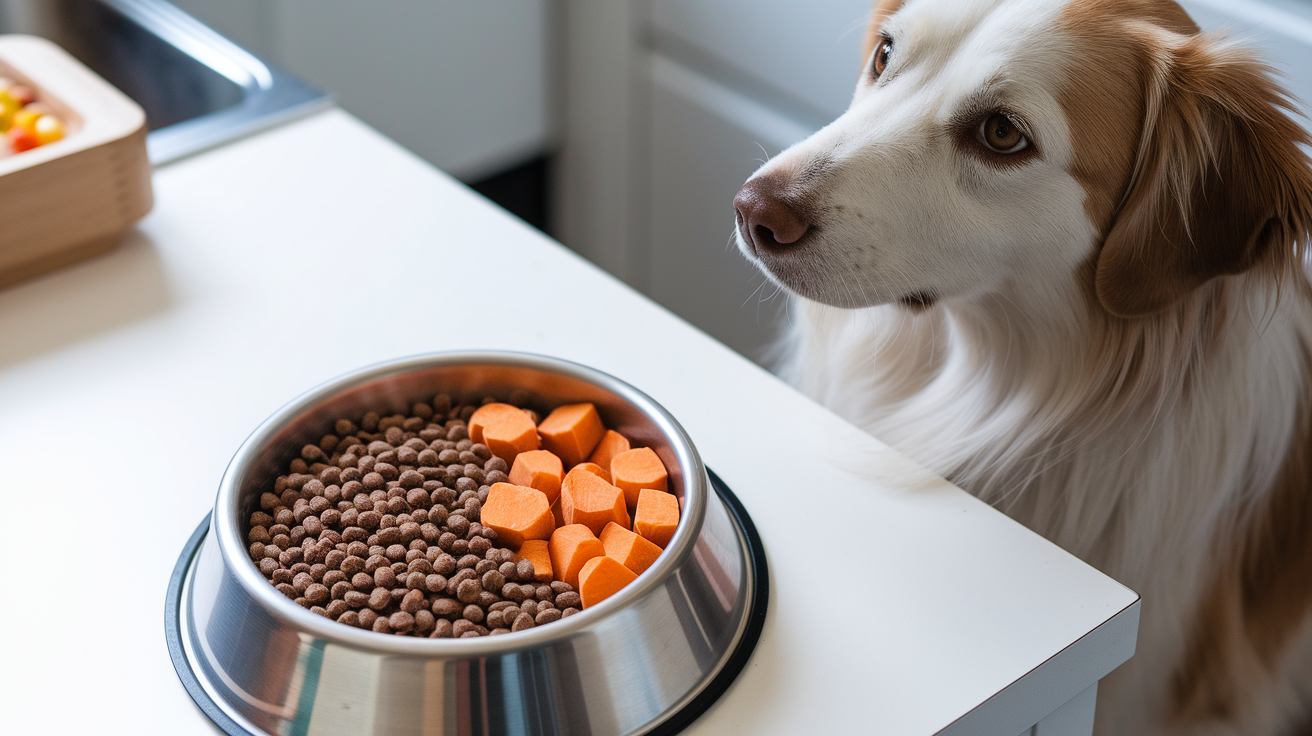
Grain-free dog food is everywhere — but is it better for your dog or just a trend?
Some dogs seem to do well on it, especially if grains were causing tummy trouble.
But growing research and vet reports have raised concerns about possible heart problems in dogs eating legume-heavy recipes.
And less than 1% of dogs actually have true grain allergies, which makes the craze worth questioning.
This post lays out the practical pros and cons and gives clear steps to decide if grain-free fits your dog’s needs.
Key Pros and Cons of Grain-Free Dog Food Explained
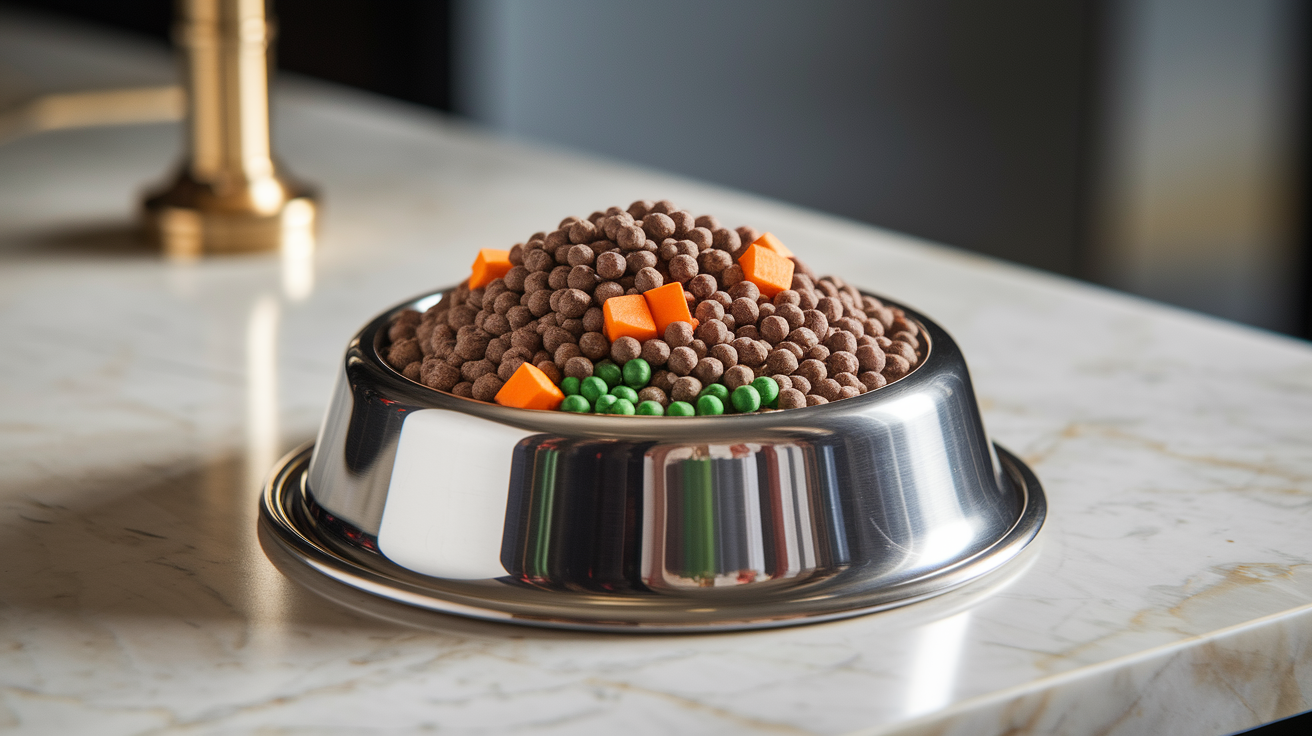
Grain-free dog food cuts out wheat, corn, rice, barley, and oats. It swaps them for sweet potatoes, peas, lentils, chickpeas, or tapioca to give kibble the carbs and starch it needs to stay together. The whole thing started when pet owners wanted to cut allergens and feed something closer to what they imagined wild dogs ate. But here’s the thing: grain-free doesn’t mean low-carb, and it’s not automatically better.
These recipes tend to pack more protein, which sounds great. They also lean hard on legumes and tubers, though, and newer research is raising flags about how those ingredients might affect heart health. Less than 1% of dogs actually have real grain allergies, but grain-free diets are everywhere now. That mismatch between the hype and what dogs actually need is something you should probably think about.
And then there’s the FDA thing. Studies out of UC Davis and ongoing FDA work found a possible connection between grain-free, legume-heavy diets and dilated cardiomyopathy (DCM), a type of heart disease. The disease makes it harder for the heart muscle to pump blood. Some affected dogs had low taurine levels, an amino acid their hearts need to function. The investigation’s still going, and nothing’s been proven for sure, but it’s made vets more careful about recommending these foods.
Pros:
- Can help with digestion in dogs that get gassy, bloated, or have loose stool from grains
- Might ease symptoms like itching, ear infections, and skin problems if wheat or corn is the culprit
- Usually has higher protein, which works well for active or working dogs
- Skips gluten, which matters for the small group of dogs sensitive to it
Cons:
- Tied to possible heart issues, especially taurine-deficient DCM in some dogs
- Often missing vitamins and minerals you’d normally get in fortified whole grains
- Costs more than regular grain-inclusive kibble
- Swaps grains for legumes or tubers that can still be high in carbs and sugar
Grain-free food isn’t right for every dog. Some do really well on it. Others are perfectly fine eating whole-grain formulas and don’t need to change anything. The choice comes down to your dog’s health, any known sensitivities, how active they are, and what your vet says after looking at bloodwork and symptoms.
Understanding Grain-Free Dog Food Ingredients and Nutrition
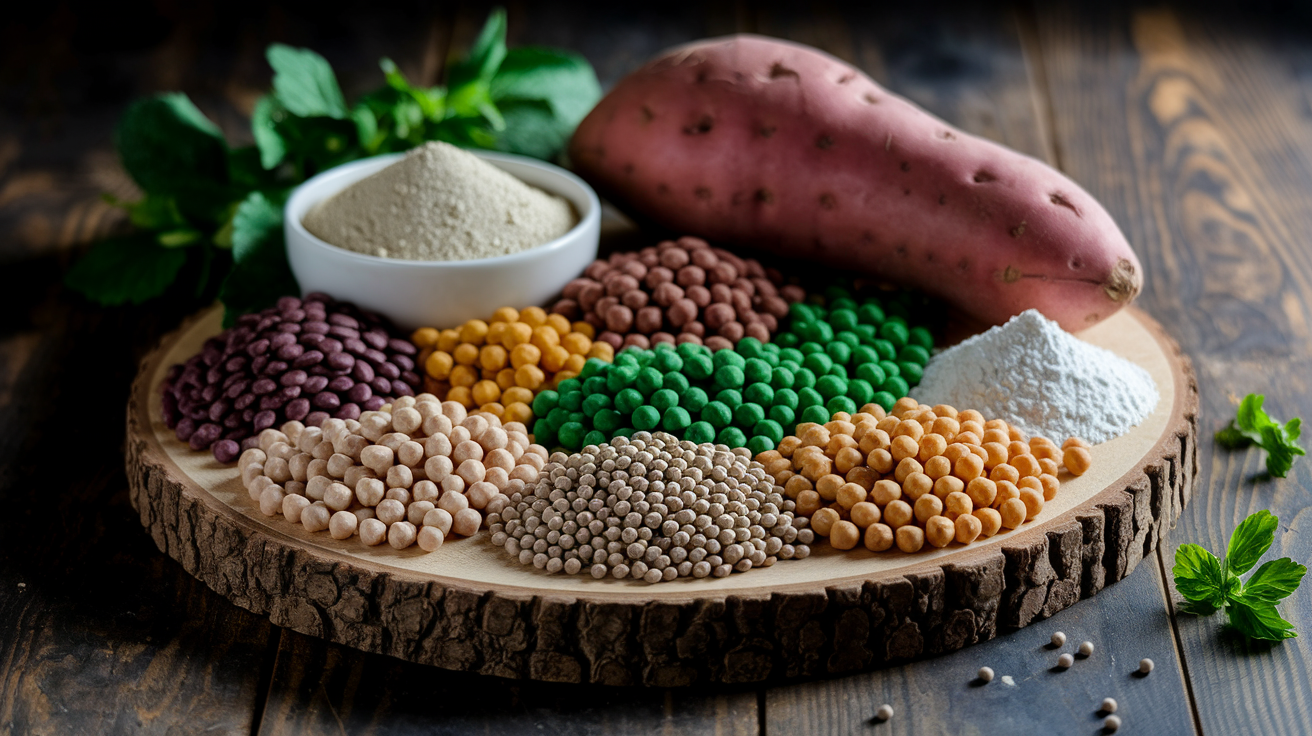
Every kibble needs some kind of starch to hold it together and keep it from falling apart. Traditional recipes use grains. Grain-free versions use sweet potatoes, peas, lentils, chickpeas, or tapioca instead. Those ingredients still give you carbohydrates, sometimes just as much or even more than grain-based foods.
Some grain-free brands go heavy on legumes. Peas and lentils add protein and fiber, but they also bump up the carb count. Sweet potatoes bring vitamins and won’t spike blood sugar as much as white potatoes, but they’re still starchy. Tapioca’s almost all starch with barely any nutrition beyond acting as a binder. The nutritional makeup changes depending on which alternatives the brand uses most.
A few recipes include millet, a grass seed wild carnivores might eat through the guts of their prey. It’s lower in sugar than potatoes or tapioca and doesn’t have gluten. Still a carb source, though, and most dogs don’t actually need grain-free unless there’s a specific sensitivity or digestive problem going on.
Common grain-free replacements:
- Sweet potatoes: fiber, vitamins A and C, moderate effect on blood sugar
- Peas: extra protein, fiber, possibly connected to DCM concerns
- Lentils: lots of fiber, plant protein, also showing up in DCM research
- Chickpeas: protein and carbs, not really part of what dogs ate historically
- Tapioca: binding starch with almost no nutrients, often used in limited-ingredient recipes
The ingredient list matters way more than the grain-free label. A food loaded with real meat, whole vegetables, and a reasonable starch source will beat a formula that’s mostly filler and cheap protein, grain-free or not.
Comparing Grain-Free vs Grain-Inclusive Dog Food
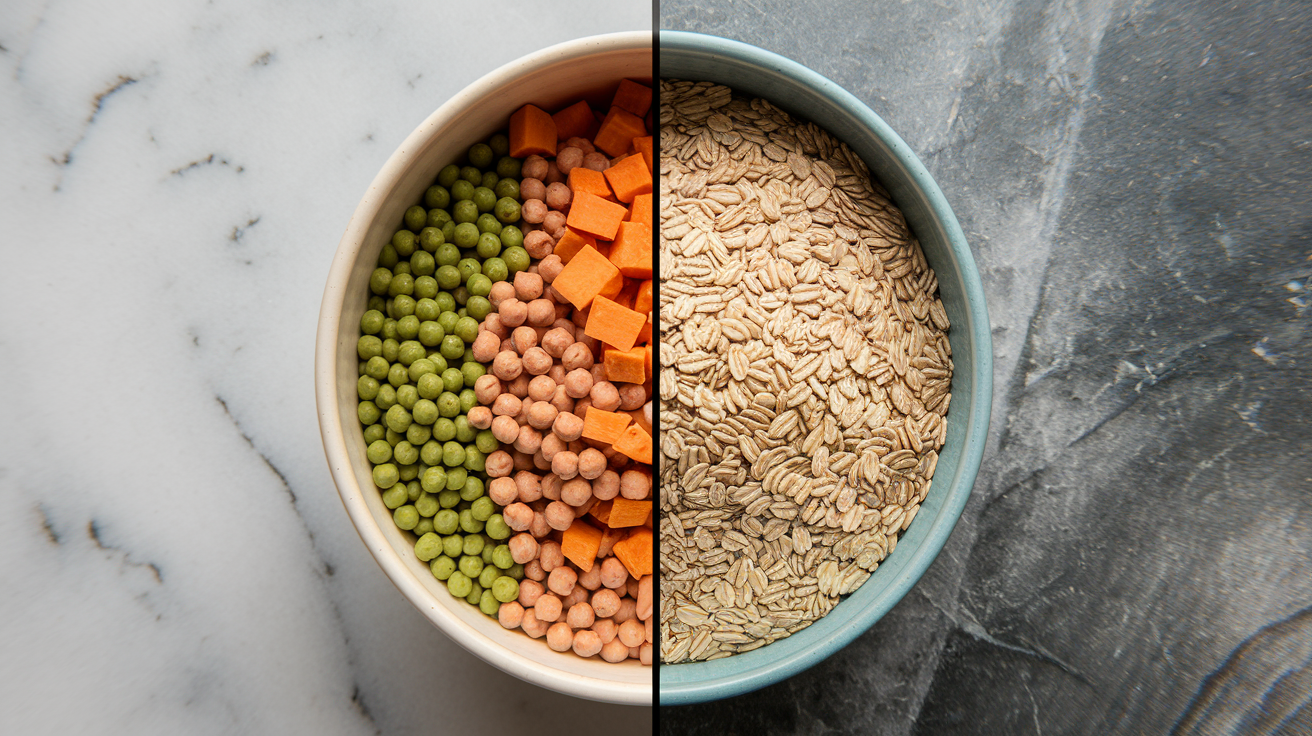
Dogs are omnivores. Their systems can handle carbs from grains, tubers, and legumes pretty easily, as long as the diet’s balanced. Whole grains like rice, oats, and barley give you fiber, B vitamins, and minerals that help with digestion, coat health, and energy.
Grain-inclusive diets use grains as the main carb source. They’re usually fortified with vitamins and minerals to hit AAFCO standards. Grain-free diets lean on legumes, potatoes, or other starches. Both can be complete and balanced, but the carb source changes how the food gets digested and how much of certain nutrients show up naturally.
| Diet Type | Primary Carbohydrate Sources | Key Considerations |
|---|---|---|
| Grain-Inclusive (Whole Grains) | Brown rice, oats, barley | Fiber-rich, fortified with vitamins, lower cost, rare allergen |
| Grain-Free (Legumes) | Peas, lentils, chickpeas | Higher protein, possible DCM link, moderate cost |
| Grain-Free (Tubers) | Sweet potatoes, white potatoes, tapioca | Gluten-free, sugar content varies, minimal allergen risk |
| Alternative Starch | Millet, quinoa | Lower sugar, gluten-free, less common, niche brands |
Actual grain allergies only affect less than 1% of dogs. Protein allergies, especially to chicken, beef, or lamb, happen way more often. If your dog’s got itchy skin, ear infections, or stomach issues, the protein’s usually the first place to look, not the grains. Switching to grain-free without figuring out what’s really causing the problem can waste both time and money.
Grain-Free Diets and Heart Health Concerns in Dogs

Taurine’s an amino acid that keeps heart muscle working right. Dogs typically make enough taurine from the protein they eat, but certain diets might mess with that. UC Davis researchers found some dogs on grain-free, legume-heavy diets developed dilated cardiomyopathy, even when taurine levels looked fine at first.
DCM weakens the heart’s ability to pump blood. You might see lethargy, coughing, trouble breathing, and fainting. In some cases, adding taurine supplements or changing the diet helped heart function improve, but not always. Research is still trying to figure out if it’s the legumes themselves, how they’re processed, or how they interact with certain breeds or protein sources.
The FDA started investigating in 2018 after seeing DCM cases in breeds that don’t usually get the disease. Most of the affected dogs were eating diets where peas, lentils, or other legumes were main ingredients. Potatoes showed up a lot too. The investigation’s ongoing, and there’s no confirmed cause yet.
Most veterinary cardiologists are being cautious with grain-free diets now, especially if your dog’s a breed with higher genetic risk for DCM, like Golden Retrievers, Dobermans, or Cocker Spaniels. They’re also suggesting you watch for early warning signs if you’re sticking with grain-free.
Signs that might point to heart issues:
- Less energy or not wanting to exercise
- Coughing that won’t quit, especially at night or after moving around
- Breathing faster or getting winded during normal activity
- Weakness, collapsing, or fainting episodes
If you’re feeding grain-free and notice any of this, call your vet. An echocardiogram and taurine test can rule out or catch early DCM. Finding it early makes a real difference.
When Grain-Free Dog Food May Be Helpful for Sensitivities

Some dogs do better without grains, but it’s usually because of one specific ingredient, not grains as a whole. If your dog’s been eating chicken-and-wheat kibble and can’t stop scratching, switching to salmon-and-sweet-potato might help. But it’s probably the chicken that’s the problem, not the wheat.
Real grain sensitivities show up as stomach trouble. Gas, bloating, soft stool. Wheat and corn get blamed most often, though actual reactions are still rare. Dogs with gluten sensitivity, an even smaller group, might improve on grain-free or gluten-free diets.
Limited-ingredient grain-free foods can work well during elimination trials. These recipes use one protein source and one or two carb sources, which makes it easier to track down what’s causing symptoms. You can run elimination trials with grain-inclusive foods too, though. Grain-free isn’t required unless you’ve confirmed grains are actually the issue.
Signs your dog might need grain-free:
- Chronic loose stool or diarrhea that gets better when you drop grains
- Gas or bloating after eating anything with wheat or corn
- Itching or skin inflammation that keeps happening without an environmental trigger
Signs grain-free probably won’t do much:
- Itching focused on paws, ears, or belly, which usually points to protein allergies
- Symptoms that started after you changed proteins, not carbs
- No stomach changes when you’ve tried different grains before
If you think there’s a sensitivity, work with your vet on a proper elimination diet. Guessing won’t solve anything and just leads to unnecessary food switches.
Cost and Value Considerations of Grain-Free Dog Food
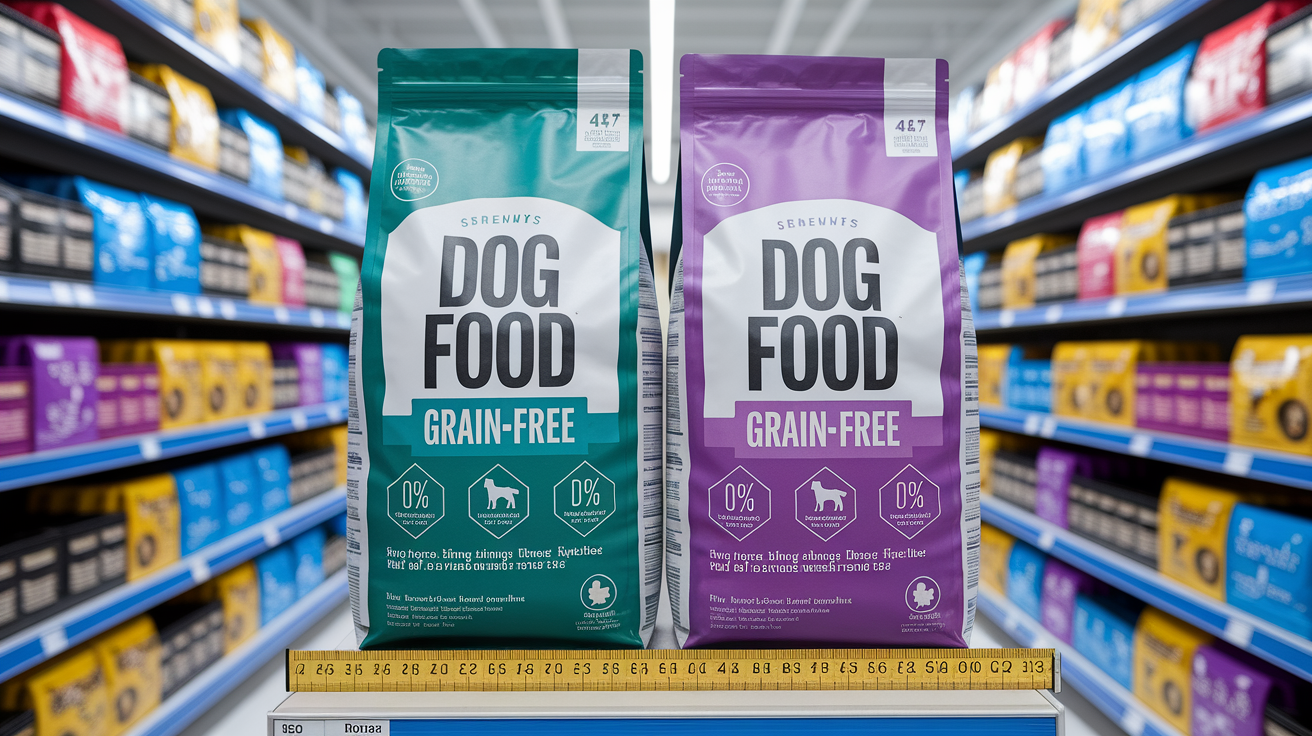
Grain-free formulas cost more most of the time. The alternative starches (sweet potatoes, peas, lentils) and higher protein content make the ingredients pricier. Some brands also market grain-free as premium, even when the formula’s not really that different quality-wise.
Not every grain-free food is worth the extra cash. Some use cheap proteins, filler ingredients, and barely any real vegetables, then charge a premium just because the bag says grain-free. You’re paying for the label, not better food.
| Type | Typical Cost Range (per lb) | Notes |
|---|---|---|
| Grain-Inclusive | $1.00–$2.50 | Whole grains, fortified, budget-friendly, widely available |
| Entry-Level Grain-Free | $2.00–$3.50 | Peas or potatoes as primary starch, moderate protein, mixed quality |
| Limited-Ingredient Grain-Free | $3.00–$5.00 | Single protein, minimal ingredients, helpful for sensitivities |
| Premium Grain-Free | $4.00–$7.00 | High meat content, novel proteins, freeze-dried or air-dried options |
If grain-free makes sense for your dog and fits your budget, go for a formula with named meat as the first ingredient, whole vegetables, and not much filler. If money’s tight and your dog doesn’t have grain issues, a good grain-inclusive food usually gives you better value and more complete nutrition anyway.
Feeding Guidance and Safe Transitioning to Grain-Free Diets
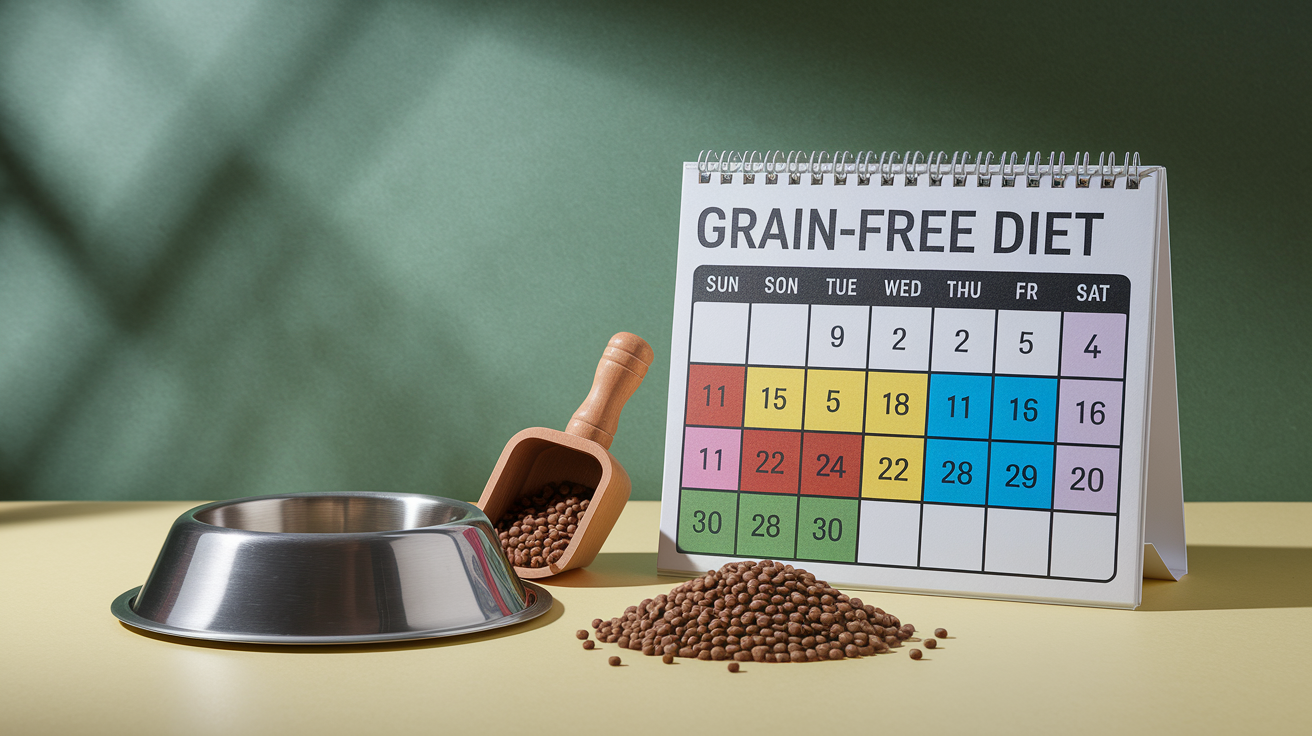
Switching foods too fast can make your dog throw up, get diarrhea, or just refuse to eat. A slow transition gives their digestive system time to adjust to new proteins, carbs, and fiber. Plan on one to two weeks, especially if your dog’s stomach is sensitive.
Start by mixing a little of the new grain-free food with what they’re eating now. Bump up the new food’s portion every few days while cutting back on the old stuff. Watch how their stool looks, their energy level, and whether they’re eating normally. If you see loose stool or gas, slow things down and give their gut more time.
Before switching, talk to your vet. They can look at your dog’s health history, current weight, activity, and any symptoms that might suggest a sensitivity or something else. If your dog’s had heart issues or is a breed with higher DCM risk, your vet might tell you to skip legume-heavy grain-free formulas completely.
Step-by-step grain-free transition schedule:
- Days 1–3: 75% old food, 25% new grain-free food
- Days 4–6: 50% old food, 50% new grain-free food
- Days 7–9: 25% old food, 75% new grain-free food
- Days 10–14: 100% new grain-free food
- Keep an eye on stool, energy, coat, and behavior the whole time
- Stretch the schedule out if stomach upset happens, or check with your vet
If you’ve got multiple dogs and only one’s transitioning, feed them separately. Mixing bowls makes it hard to track portions and slows everything down. If your dog’s had pancreatitis, inflammatory bowel disease, or frequent stomach trouble, stretch the transition to three weeks and go with a limited-ingredient formula to keep things simple.
Final Words
You now know what grain-free means: grains swapped for peas, lentils, sweet potatoes, or tapioca, and how those swaps change carbs and protein in kibble.
We covered clear pros — may help some sensitivities and often higher protein — and cons — true grain allergies are rare, cost is usually higher, and FDA/UC Davis research has raised possible links between legume-heavy diets and DCM.
When weighing grain free dog food pros and cons, focus on your dog’s needs, transition slowly, watch stool and energy, and check with your vet. You can find a safe, practical fit.
FAQ
Q: What are the disadvantages of grain-free dog food?
A: The disadvantages of grain-free dog food include higher cost, possible nutrient gaps if not well formulated, legume- or tuber-heavy recipes linked in some studies to taurine-related DCM, and often unnecessary for most dogs without sensitivities.
Q: Do vets recommend grain-free food for dogs? / Are dogs better on a grain-free diet?
A: Vets generally don’t recommend grain-free diets for all dogs; they may suggest them only for confirmed sensitivities, and many vets caution about legume-heavy formulas because of a possible link to DCM that needs vet evaluation.
Q: How to tell if a dog needs grain-free food?
A: You can tell if a dog needs grain-free food by persistent itching, repeated gas, vomiting, or loose stool tied to grain-containing meals, plus a vet-confirmed grain allergy or a clear improvement during an elimination trial.