
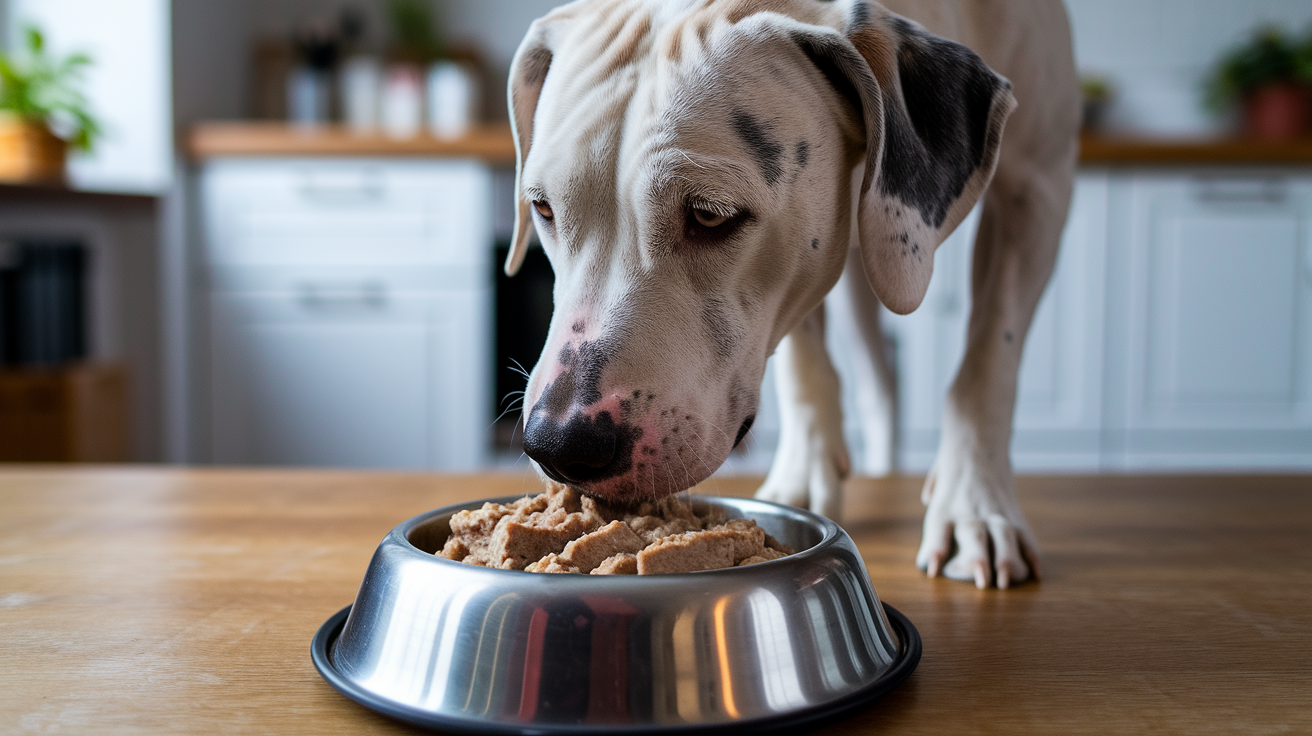
Think your senior dog with no teeth is stuck with boring, limp food? Think again.
The right meal can keep them hydrated, maintain muscle, and ease joint pain, all without chewing.
This post walks you through the best soft and wet choices, like pâté-style cans, brothy stews, fresh refrigerated rolls, and safely softened kibble, plus key nutrients to prioritize and simple serving tips to prevent choking.
No fluff, just practical swaps, easy homemade recipes, and a feeding plan you’ll be able to try this week.
Top Soft and Wet Food Options That Fit the Needs of Senior Dogs With No Teeth
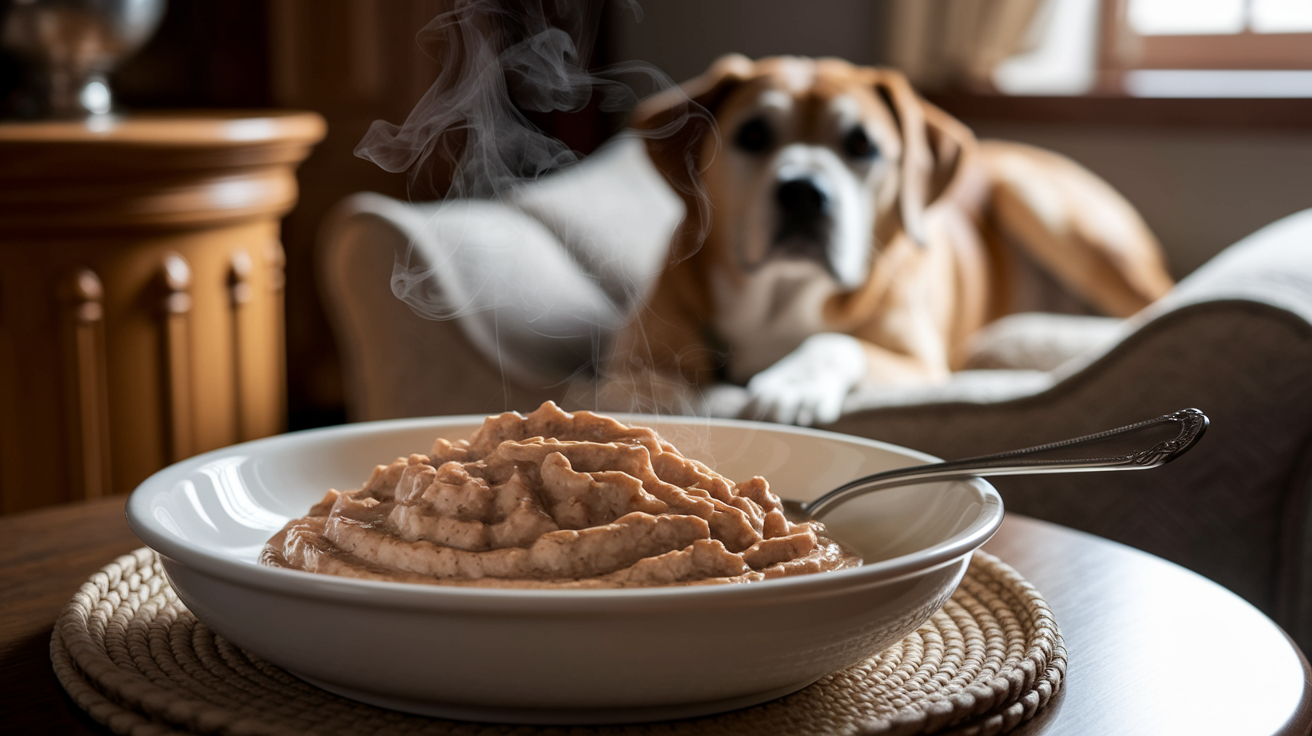
The best dog food for senior dogs with no teeth includes smooth pâté-style canned foods, fresh refrigerated rolls, and brothy stews that deliver complete nutrition without requiring any chewing. These formulas work because they’re soft enough for gumming, easy to swallow, and often designed with senior-specific nutrients like joint support and extra protein to maintain muscle mass as dogs age.
When you’re choosing between textures, focus on moisture content and how easily the food breaks down in your dog’s mouth. Pâté varieties offer a thick, smooth consistency that encourages gentle chewing motions even though no teeth are involved. Stews and gravy-based meals add extra hydration, which helps with digestion and keeps aging dogs comfortable during meals. If you’re switching from kibble, look for canned versions from the same brand so your dog stays on a familiar formula, just in a softer form.
Check labels for age-appropriate nutrients like glucosamine for joints, omega-3 fatty acids for inflammation, and moderate fat to support calorie needs without causing weight gain. Many senior formulas include added fiber for digestive regularity and antioxidants to support immune health. Always mash any visible chunks in gravy-style foods before serving to prevent choking. Warm the food gently so it’s comfortable on sensitive gums.
Pâté-style canned chicken or turkey formulas – Smooth, dense texture with high protein and easy portioning
Fresh refrigerated rolls (sliceable loaves) – Soft, moist, and often grain-free with whole-food ingredients
Brothy beef or lamb stews – Extra liquid for hydration, tender meat pieces you can mash further if needed
Senior-specific pâté with joint support – Includes glucosamine and chondroitin in a tooth-friendly texture
Grain-free fish and sweet potato canned food – Omega-3s for skin and coat, gentle on digestion
Budget-friendly ground chicken and rice canned meals – Simple ingredient list, widely available, easy to afford long term
Limited-ingredient turkey and pumpkin pâté – Ideal for sensitive stomachs or dogs with food sensitivities
Silky mousse-style meals – Ultra-smooth, whipped texture for dogs who struggle with thicker consistencies
Understanding Senior Dog Nutrition When Selecting Food for Missing Teeth
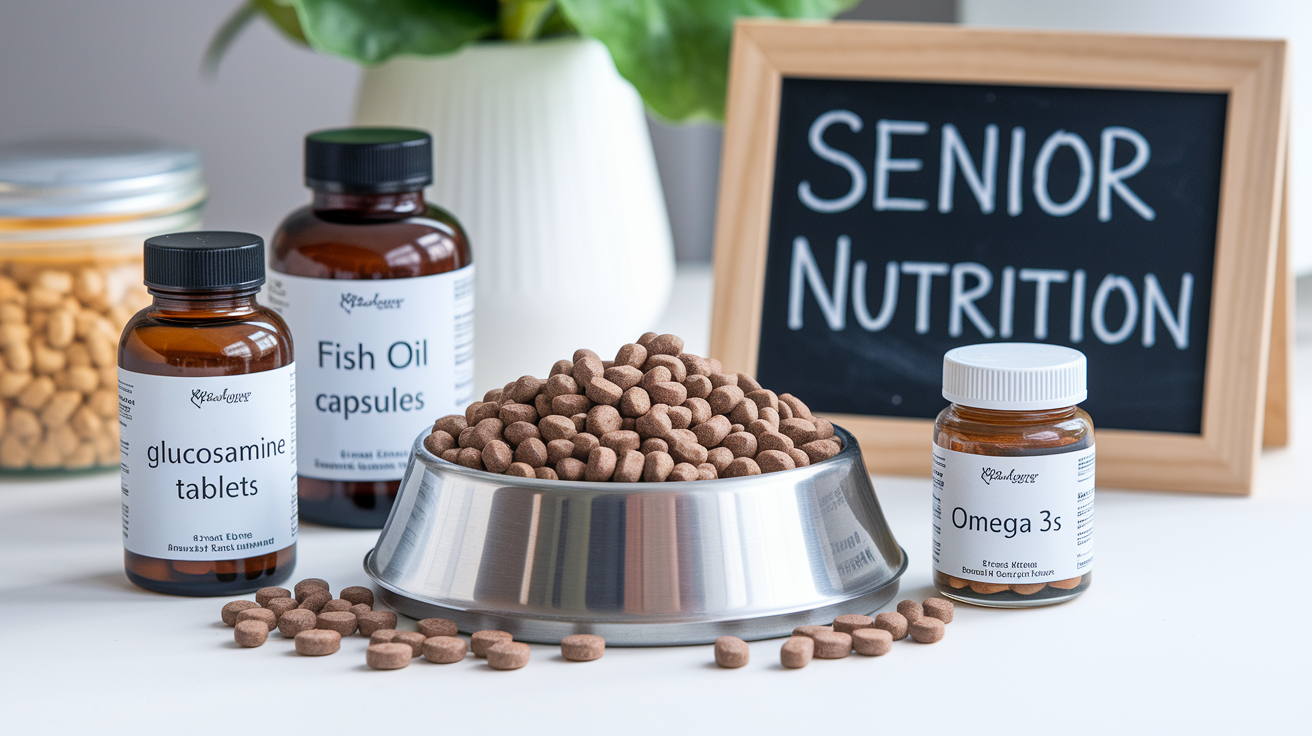
Senior dogs need balanced protein to maintain lean muscle, especially when activity levels drop and metabolism slows. Even without teeth, your dog still requires the same core nutrients. Amino acids for muscle repair, fats for energy and cell health, vitamins for immune function, and minerals for bone strength. The difference is delivery, not nutritional content. Look for formulas labeled for senior or all life stages, and aim for moderate fat (around 10–15% on a dry matter basis) and protein (at least 20–25%) to support aging bodies without overloading kidneys or causing weight gain.
Joint support, omega-3 fatty acids, and antioxidants become especially important as dogs age. Many commercial senior foods include glucosamine and chondroitin to support cartilage and reduce joint stiffness, which helps dogs stay mobile even if they’re dealing with arthritis alongside dental issues. Omega-3s from fish oil or flaxseed reduce inflammation throughout the body, supporting heart health and coat condition. Antioxidants like vitamin E and beta-carotene help slow cellular aging and support immune response, which weakens over time in older dogs.
Key nutrients to prioritize in senior dog food:
High-quality animal protein (chicken, beef, fish, turkey) to maintain muscle mass
Moderate fat for energy without excess calories
Glucosamine and chondroitin for joint health
Omega-3 and omega-6 fatty acids for inflammation and coat health
Added fiber for digestive regularity and gut health
Softening Dry Food for Senior Dogs With Dental Issues
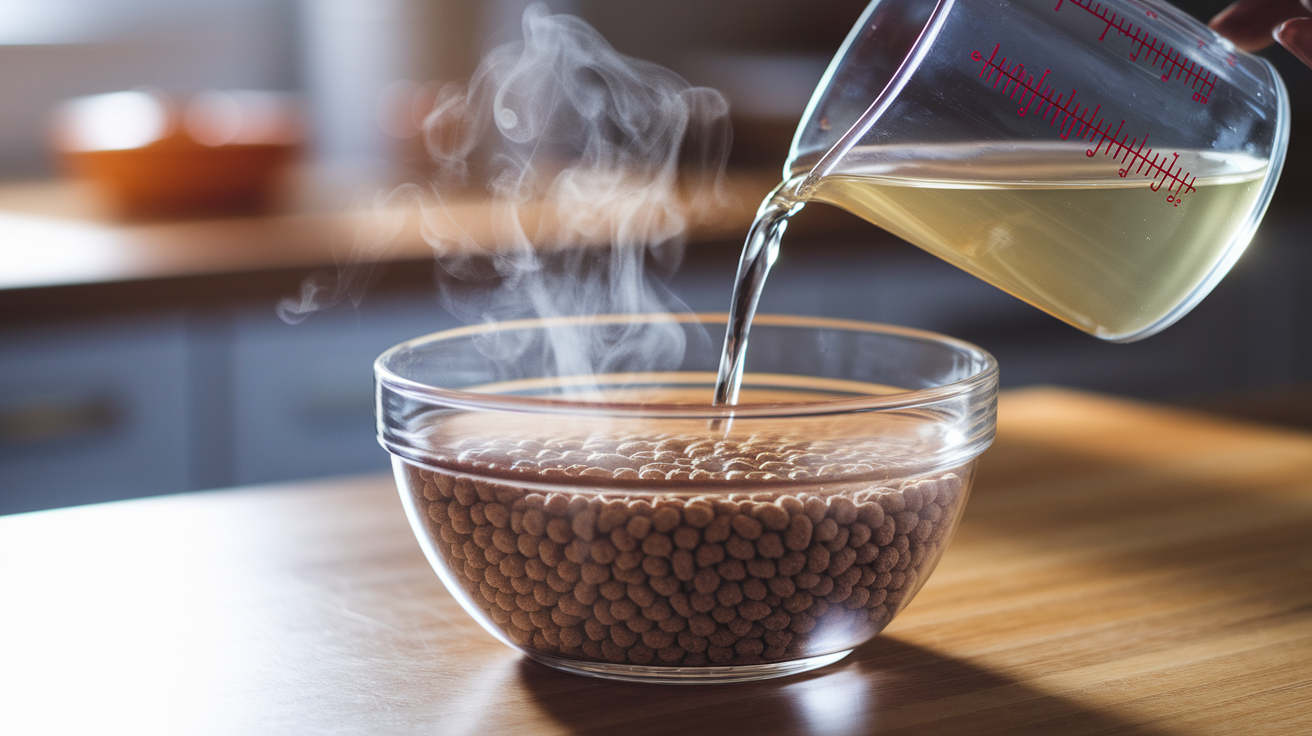
If your dog’s used to kibble and you’d rather stick with the same formula, you can soften it at home instead of switching to canned food. Hydrating kibble overnight with warm water or low-sodium bone broth creates a mushy consistency that’s safe for gumming and easier to digest. This method works especially well if your dog has a sensitive stomach or you’re managing a tight budget, since kibble costs less per serving than most wet foods.
Start by measuring your dog’s normal portion, then add enough warm liquid to cover the kibble completely. Let it sit in the fridge overnight, or at room temperature for a few hours if you’re feeding sooner. Before serving, mash the softened kibble with a fork to break up any remaining firm pieces, then warm it gently in the microwave for 10–15 seconds. Test the temperature with your finger. It should feel lukewarm, not hot, since gums are sensitive to temperature extremes.
Steps to safely soften kibble for a toothless dog:
- Measure the correct portion of dry kibble based on your dog’s weight and activity level
- Add warm water or low-sodium broth until kibble’s fully submerged
- Let soak overnight in the fridge, or for 2–3 hours at room temperature
- Mash softened kibble with a fork until no hard pieces remain
- Warm gently before serving, checking temperature to avoid burning sensitive gums
Homemade Soft Dog Food Recipes for Toothless Aging Canines
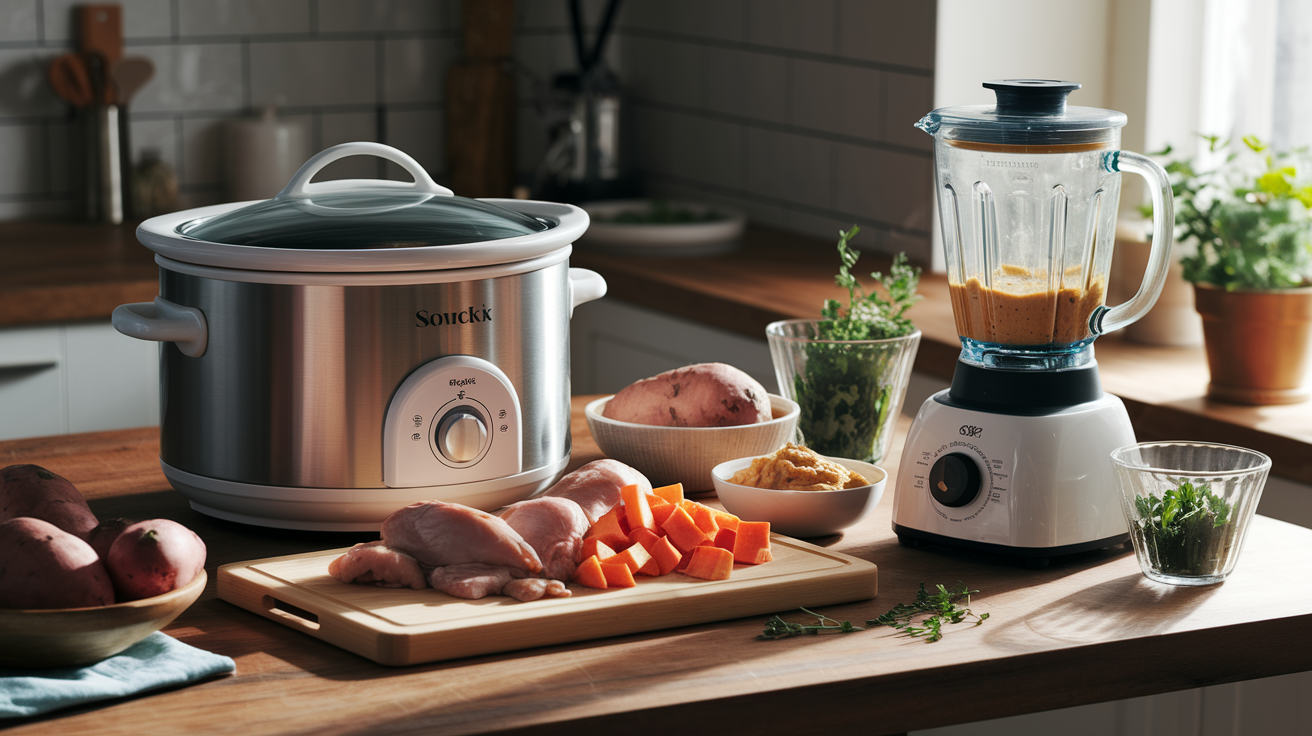
Homemade soft food gives you control over ingredients, texture, and freshness, which can be helpful if your dog has food sensitivities or you want to avoid certain fillers. A basic recipe combines lean protein, dog-safe vegetables, and optional healthy fats, cooked slowly and blended until smooth. Using a slow cooker on low for 8 hours ensures proteins stay tender and flavors blend together, making the meal easy to digest and gentle on gums.
Start with a protein base like ground beef, bison, chicken breast, or turkey. Add vegetables like sweet potato, butternut squash, green beans, bell peppers, zucchini, or spinach. You can also include small amounts of dog-safe fruits like blueberries, mango, or banana for vitamins and fiber. After cooking, let the mixture cool completely, then blend it in batches until you reach a smooth, pâté-like consistency. If it’s too thick, add water, low-sodium broth, or a teaspoon of coconut oil to thin it out. If it’s too runny, cook it uncovered for an extra 30 minutes to reduce liquid.
Before committing to a homemade diet long term, consult your vet about proper ratios and whether your dog needs vitamin or mineral supplements. Homemade meals can lack calcium, vitamin D, or essential trace minerals if you’re not following a balanced recipe. Some vets recommend adding a canine multivitamin or working with a veterinary nutritionist to create a formula that meets AAFCO standards for complete and balanced nutrition.
Common ingredients for homemade soft dog food:
Lean proteins: ground beef, bison, chicken breast, turkey, or white fish
Vegetables: sweet potato, butternut squash, green beans, spinach, bell peppers, zucchini
Fruits: blueberries, banana, mango (small amounts for vitamins and fiber)
Liquid base: water, low-sodium bone broth, or chicken stock
Healthy fats: coconut oil or fish oil for omega-3s
Optional carbs: white rice, brown rice, or oatmeal for added calories and fiber
| Ingredient Category | Example Items | Preparation Notes |
|---|---|---|
| Proteins | Ground beef, chicken, turkey, fish | Cook fully, drain excess fat, blend until smooth |
| Vegetables | Sweet potato, squash, green beans, spinach | Soft-cook until tender, mash or blend to remove chunks |
| Add-ins | Rice, oats, berries, fish oil | Use sparingly for texture or nutrient boost, blend if needed |
Choosing the Right Texture and Consistency for Dogs With Missing Teeth
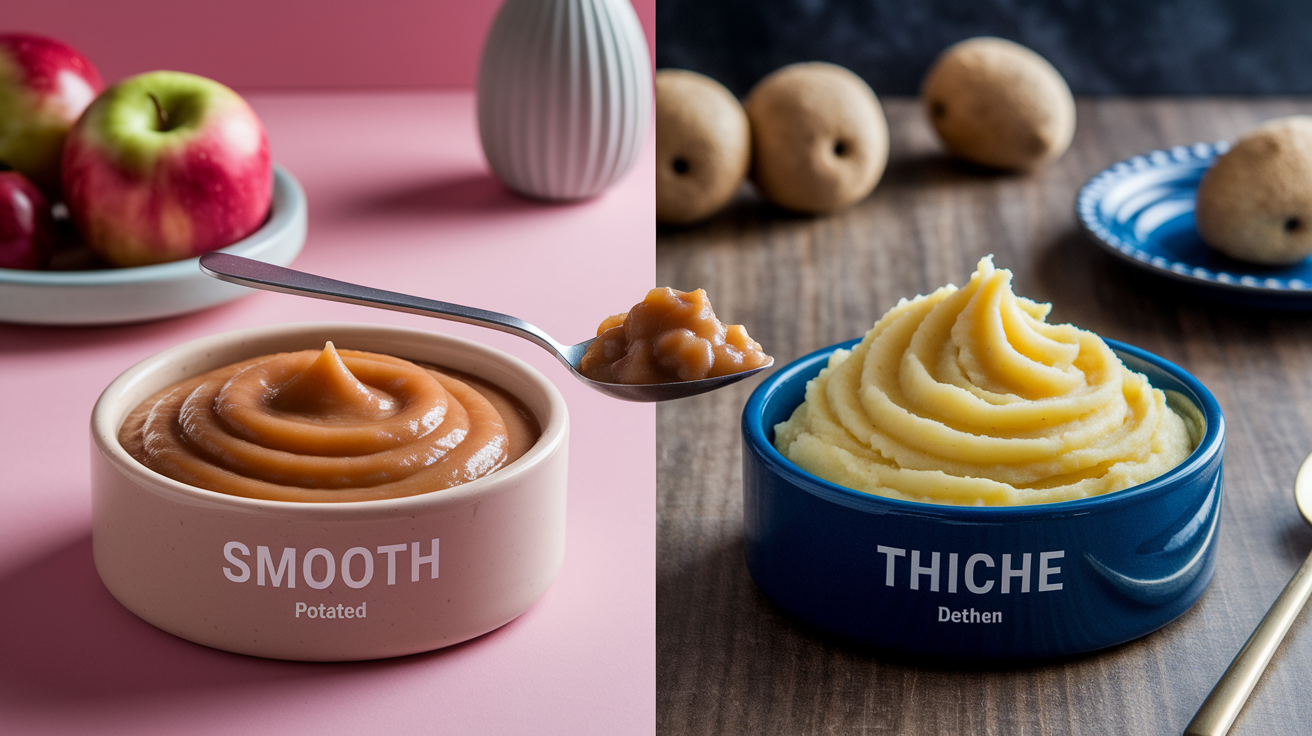
The right consistency for a toothless dog is smooth enough to swallow easily but thick enough to encourage a natural chewing motion that stimulates gums. If food’s too runny, your dog may inhale it too quickly and risk choking or stomach upset. If it’s too thick, they might struggle to move it around their mouth or swallow comfortably. Aim for a texture somewhere between applesauce and mashed potatoes. Dense but not sticky, and easy to lick off a spoon.
You can adjust homemade or softened kibble by adding small amounts of water, broth, or a teaspoon of coconut oil if the mixture feels too thick. If it’s too thin, cook it down uncovered on the stovetop for a few extra minutes to evaporate excess liquid, or add a small scoop of plain canned pumpkin (not pie filling) to thicken it naturally. Watch how your dog eats. If they’re dropping food, turning their head, or eating very slowly, the consistency might need tweaking. If they finish quickly and seem comfortable, you’ve found the right balance.
Feeding Schedules, Meal Frequency, and Portion Sizes for Elderly Toothless Dogs
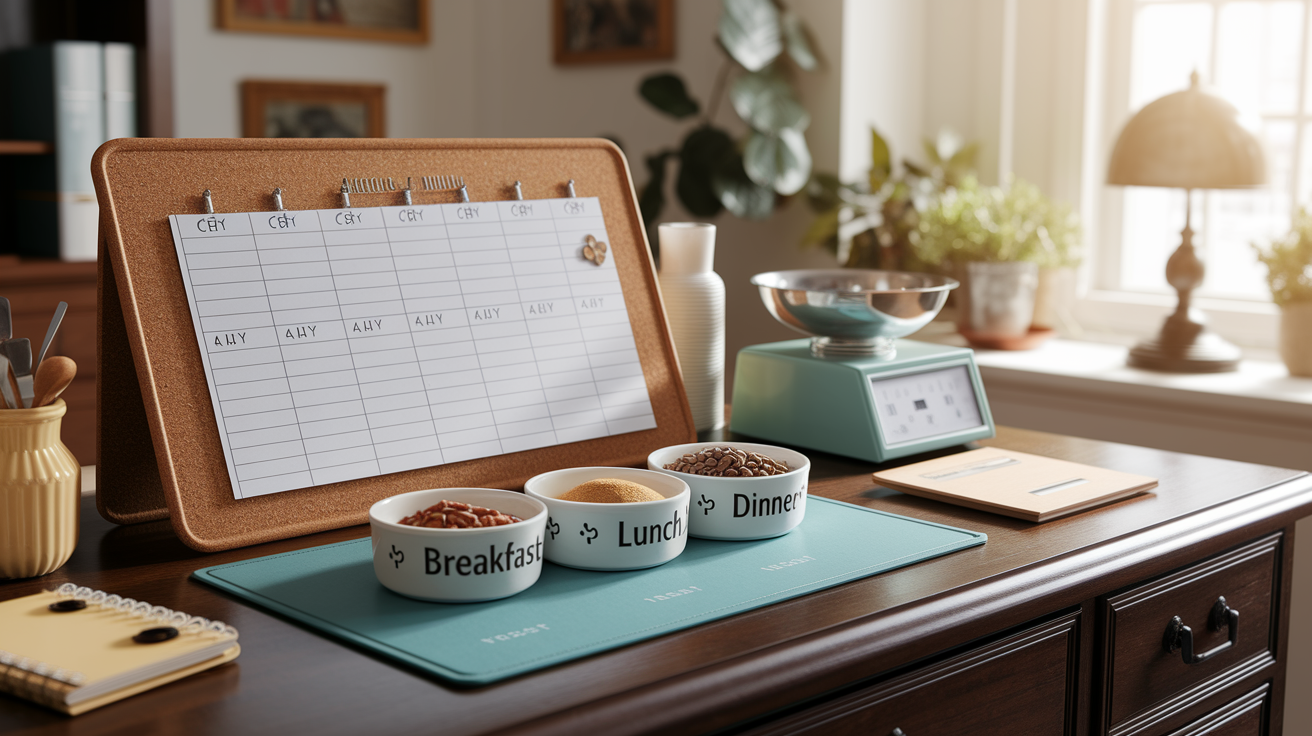
Senior dogs with soft food diets often do better with smaller, more frequent meals instead of one or two large servings per day. Soft and moist foods digest faster than kibble, so splitting the daily portion into three or four smaller meals helps maintain steady energy, prevents stomach upset, and keeps appetite strong throughout the day. This approach also reduces the chance of bloating or regurgitation, which can happen if a toothless dog eats too quickly or too much at once.
Start by calculating your dog’s daily calorie needs based on their current weight, activity level, and body condition. Most senior dogs need fewer calories than younger adults because their metabolism slows and they move less. If your dog’s overweight, reduce portions slightly and monitor weight weekly. If they’re underweight or losing muscle, increase portions gradually and consider a higher-calorie formula. Always measure food with a kitchen scale or measuring cup so you know exactly how much you’re feeding. Adjust based on what you see in their body condition, stool quality, and energy levels.
Steps to create a feeding schedule for a toothless senior dog:
- Calculate daily calorie needs based on current weight and activity level
- Divide the total daily portion into 3 or 4 smaller meals
- Feed at consistent times each day to build routine and aid digestion
- Monitor weight, stool consistency, and energy weekly, adjusting portions as needed
Dental and Gum Care for Senior Dogs Without Teeth
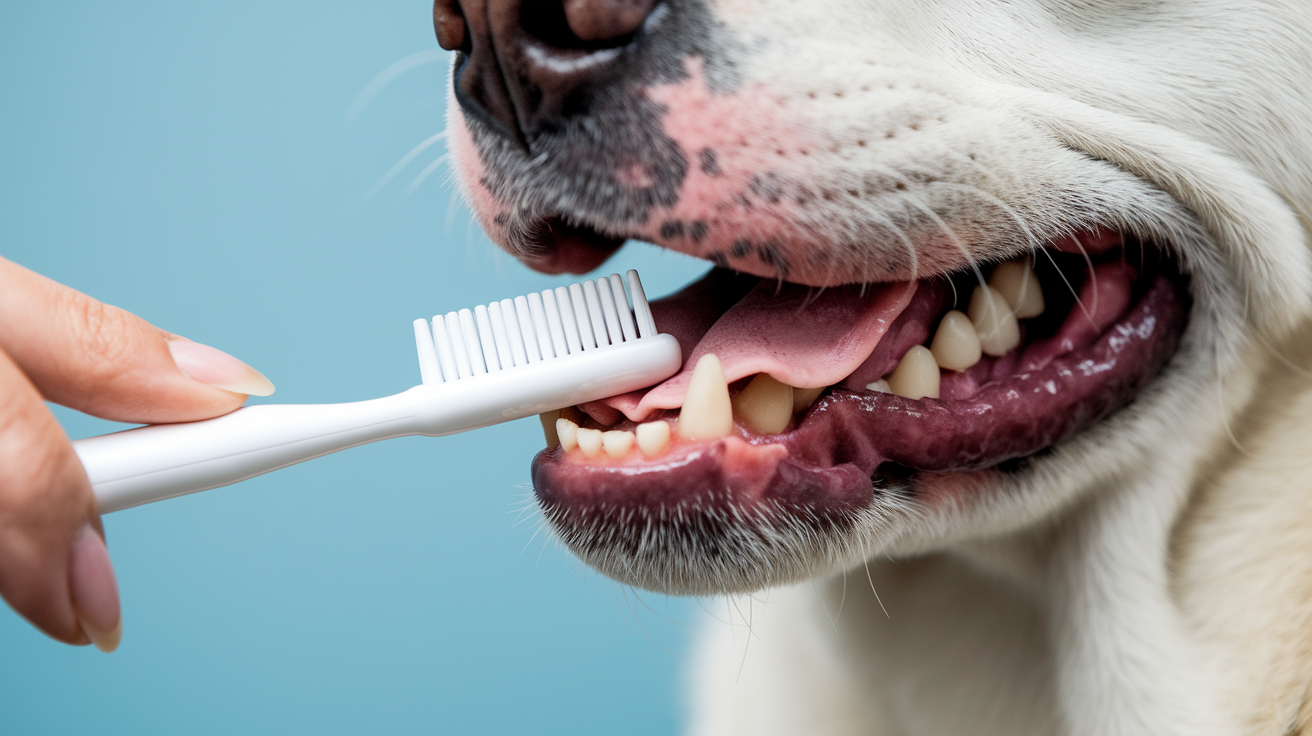
Even without teeth, your dog’s gums still need regular care because bacteria can build up on gum tissue and cause infections that affect the heart, liver, and kidneys. Gum disease doesn’t stop when teeth are gone. Brushing your dog’s gums daily with a soft-bristled toothbrush and dog-safe toothpaste removes bacteria, reduces inflammation, and keeps the mouth healthier overall. If daily brushing feels overwhelming, aim for at least 2 to 3 times per week.
Use gentle circular motions along the gumline and inner cheeks, and don’t press too hard. Toothless gums can be sensitive, especially if there’s residual inflammation from old dental disease. If your dog resists brushing, try dental wipes, water additives, or finger brushes as a gentler introduction. You can also wrap a damp gauze pad around your finger and gently wipe the gums after meals to remove food particles and surface bacteria.
Schedule annual dental checkups with your vet even if your dog has no teeth left. X-rays can reveal hidden issues like root fragments, bone infections, or gum disease that isn’t visible on the surface. Untreated gum infections can spread bacteria into the bloodstream, increasing the risk of heart disease, kidney damage, and other systemic health problems as your dog ages.
Basic gum care routine for toothless dogs:
Brush gums with dog toothpaste 2–3 times per week minimum (daily’s ideal)
Use dental wipes or gauze pads if brushing’s difficult
Schedule yearly vet dental exams and X-rays to catch hidden problems early
When to Consult a Veterinarian About Feeding Toothless Senior Dogs

If your dog’s losing weight, refusing meals, vomiting frequently, or showing signs of digestive upset after switching to soft food, check in with your vet before making more changes on your own. Weight loss in senior dogs can signal underlying issues like kidney disease, liver problems, or cancer, and soft food alone won’t fix those. Your vet can run bloodwork, check organ function, and recommend prescription diets or supplements tailored to your dog’s specific health needs.
You should also consult a vet before committing to a long term homemade diet. While homemade meals can be safe and nutritious, they’re easy to unbalance without proper guidance. Your vet or a veterinary nutritionist can calculate the right ingredient ratios, recommend supplements like calcium or fish oil, and ensure the recipe meets your dog’s needs for protein, fat, vitamins, and minerals. If your dog has food allergies, kidney disease, or other chronic conditions, professional input’s essential to avoid making symptoms worse.
Final Words
Pick pâté-style canned foods, brothy stews, or soft refrigerated rolls — they’re easy to swallow, add hydration, and carry senior nutrients without chewing.
You’ll also find rehydrating kibble, homemade purees, and small, frequent meals help digestion and weight. Keep brushing gums, watch stool and energy, and check with your vet if appetite or weight shifts.
For a quick next step, compare two soft formulas and try a 7–10 day transition to find the best dog food for senior dogs with no teeth. You’ll feel more confident at mealtime.
FAQ
Q: Can dogs still eat if they have no teeth?
A: Dogs can still eat if they have no teeth. Use soft wet foods, purees, or soaked kibble; offer small, warm, frequent meals, watch weight and stool, and see your vet for coughing or poor appetite.
Q: What do you feed a senior dog with bad teeth?
A: For a senior dog with bad teeth, feed nutrient-balanced soft options like pâté-style canned food, pureed homemade meals, or rehydrated kibble; include joint-support nutrients and monitor weight and stool.
Q: What dog food do vets recommend for senior dogs?
A: The dog food vets recommend for senior dogs focuses on high-quality protein, controlled calories, added omega-3s and glucosamine for joints, and easy-to-chew moist formats matched to the dog’s weight and activity.