

Could your grain-free bag of kibble be linked to a serious heart problem in dogs?
Since 2018 vets and the FDA have noticed a pattern: more than 1,300 dogs were reported with DCM—dilated cardiomyopathy—after eating diets high in peas, lentils, chickpeas, or potatoes.
DCM is a weakened, stretched heart that can’t pump well.
This article explains what researchers found, which ingredients keep showing up, and simple steps you can take to choose a safer food and protect your dog.
Understanding the Link Between Grain-Free Diets and DCM
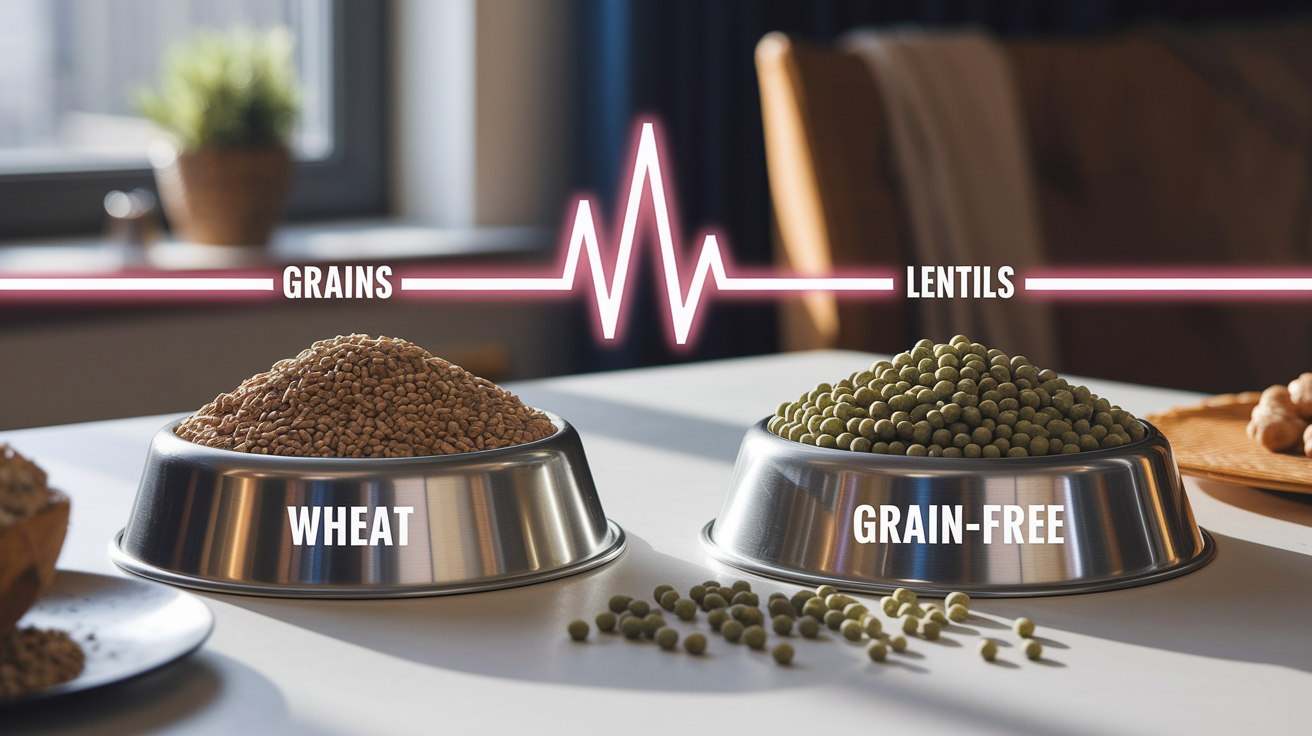
Back in July 2018, the FDA started digging into something odd. Dogs were showing up with dilated cardiomyopathy, and it seemed tied to what they’d been eating. By late 2022, over 1,380 dogs and more than 20 cats had been reported with DCM while on diets that skipped traditional grains but loaded up on peas, lentils, chickpeas, or potatoes. The weird part? Many of these dogs weren’t breeds you’d expect to have inherited heart problems.
The pattern wasn’t really about missing grains. It was about what took their place. Foods using legumes as main ingredients kept popping up. Around 51% of dry dog foods in 2017 had peas, 23% used chickpeas, and 14% included lentils. These ingredients stepped in where corn, wheat, or rice used to be. Most affected dogs had eaten these diets for over a year before symptoms showed up, pointing to something that builds slowly rather than hitting fast.
Veterinary cardiologists can tell diet-associated DCM apart from the genetic version you see in Dobermans or Great Danes. The diet-linked cases often got better after switching foods and starting treatment. That doesn’t happen with the inherited kind. The fact that some dogs improved suggests nutrition matters, but researchers still can’t nail down exactly how. Blood tests for taurine deficiency didn’t explain most cases. Ongoing studies are checking whether other nutrients or compounds in pulse ingredients might mess with heart function.
What you should know:
- The FDA found a pattern, not definitive proof
- Diet-associated DCM can hit any breed, not just the ones genetically prone
- Early detection, a diet change, and veterinary care can lead to improvement
- Most reported foods had peas, lentils, or similar legumes in the top 10 ingredients
What DCM Is and How It Affects Dogs

Dilated cardiomyopathy weakens the heart muscle and stretches out the chambers, especially the left ventricle. Instead of squeezing hard to push blood through the body, the enlarged heart can’t keep pace. Blood backs up into the lungs, fluid collects in the chest or belly, and organs don’t get enough oxygen.
DCM ranks as the second most common heart disease in dogs. It can be primary, meaning inherited and common in large breeds. Or secondary, triggered by infections, toxins, or nutrition issues. Diet-associated DCM falls into that second group.
Early signs can be easy to miss. The heart gets a bit bigger, contractions weaken slightly, or bloodwork shows elevated cardiac markers. Dogs might look fine for weeks or months before obvious symptoms kick in. Some studies found early heart changes after just three months on high-pea diets. By the time owners notice coughing, fainting, or labored breathing, the disease has usually moved along. Echocardiograms can catch it earlier though. Dogs diagnosed before severe heart failure have much better outcomes. Without treatment, DCM can progress to congestive heart failure, dangerous arrhythmias, or sudden death.
Ingredients in Grain-Free Diets Linked to DCM Concerns

When veterinarians looked at ingredient lists from reported DCM cases, certain things kept showing up near the top. Peas appeared most often, then lentils, chickpeas, and different forms of potatoes or sweet potatoes. Foods with multiple pulse ingredients stacked together, like pea protein, whole peas, and lentil fiber all in one bag, were especially common. It’s not about grains being gone. It’s about what replaced them and how much ended up in the food.
High-risk ingredients that keep appearing in DCM cases:
- Peas (whole, split, pea protein, pea fiber, pea starch)
- Lentils (green, red, whole, lentil fiber)
- Chickpeas (garbanzo beans)
- Dry beans (navy, kidney, black beans)
- Potatoes and sweet potatoes (various forms)
The taurine piece gets complicated. Taurine is an amino acid found in animal tissue that dogs can usually make themselves, unlike cats. But diet can get in the way. High fiber from legumes might bind nutrients in the gut. Or certain proteins might not supply enough building blocks for taurine production. Blood taurine levels were low in some diet-associated DCM cases, especially Golden Retrievers, but normal in plenty of others. That tells us taurine deficiency explains part of it, not everything. Current research is looking at whether specific compounds in pulses might directly harm heart muscle, beyond simple nutrient shortfalls.
Breeds Most Commonly Reported With Diet-Associated DCM

Golden Retrievers saw an unusual surge in DCM cases during the investigation, even though they’re not a breed with high genetic risk. Great Danes, Doberman Pinschers, and Irish Wolfhounds also showed up frequently, but those breeds already carry inherited DCM genes. That makes it trickier to separate genetic causes from dietary ones. Boxers and Cocker Spaniels appeared in the data too. The real surprise was seeing diet-associated DCM in breeds that rarely develop the disease otherwise. Mixed breeds, smaller dogs, and breeds with no family history of heart problems.
Some breeds seem more vulnerable to taurine-related heart issues. American Cocker Spaniels and Golden Retrievers might need higher dietary taurine or have trouble maintaining levels on certain diets. Could be genetic, but it also means diet matters more for these dogs. If your dog is a breed prone to inherited DCM, that doesn’t automatically mean diet caused it. But it does mean careful food choices and regular heart checks become even more important.
Breed risk breakdown:
- Genetically predisposed to DCM: Dobermans, Great Danes, Irish Wolfhounds, Boxers (diet may add to existing risk)
- Diet-associated cases reported often: Golden Retrievers, mixed breeds, smaller dogs without typical genetic risk
- Possible taurine sensitivity: American Cocker Spaniels, Golden Retrievers, Newfoundlands
Current Research and FDA Updates on DCM and Grain-Free Diets

The FDA paused formal case updates in late 2022 after publishing a December Q&A document. By then, 1,382 dogs had been reported since 2018. The agency said they’re still watching but acknowledged the challenge of drawing firm conclusions from voluntary reports that don’t represent the full population of dogs eating these foods. Many cases probably go unreported because not every dog with symptoms gets an echocardiogram, and filing FDA reports takes time most vets don’t have.
Between 2018 and 2023, at least 16 peer-reviewed studies dug into the link using feeding trials, metabolomics, and retrospective case reviews. Some found cardiac changes in dogs fed high-pulse diets, including enlarged ventricles and weaker contractions. Others tested taurine supplementation and diet switches, showing improvement in many dogs. A few studies didn’t find clear harm from legume-based foods in the short term, but those trials were often brief. Three to six months. Most DCM cases developed after more than a year of feeding.
The research hasn’t landed on one single cause. Leading theories include reduced taurine availability, interference from fiber or anti-nutrients in legumes, imbalanced amino acid profiles, and possible cardiotoxic compounds in pea protein or other pulse fractions. Foodomics studies are examining chemical fingerprints of implicated foods to identify what might be harmful. Until that work wraps up, veterinary consensus stays cautious. The pattern is real enough to take seriously, but we don’t have a definitive mechanism or a clear threshold for “safe” legume inclusion.
How to Choose a Safe Dog Food if You’re Concerned About DCM
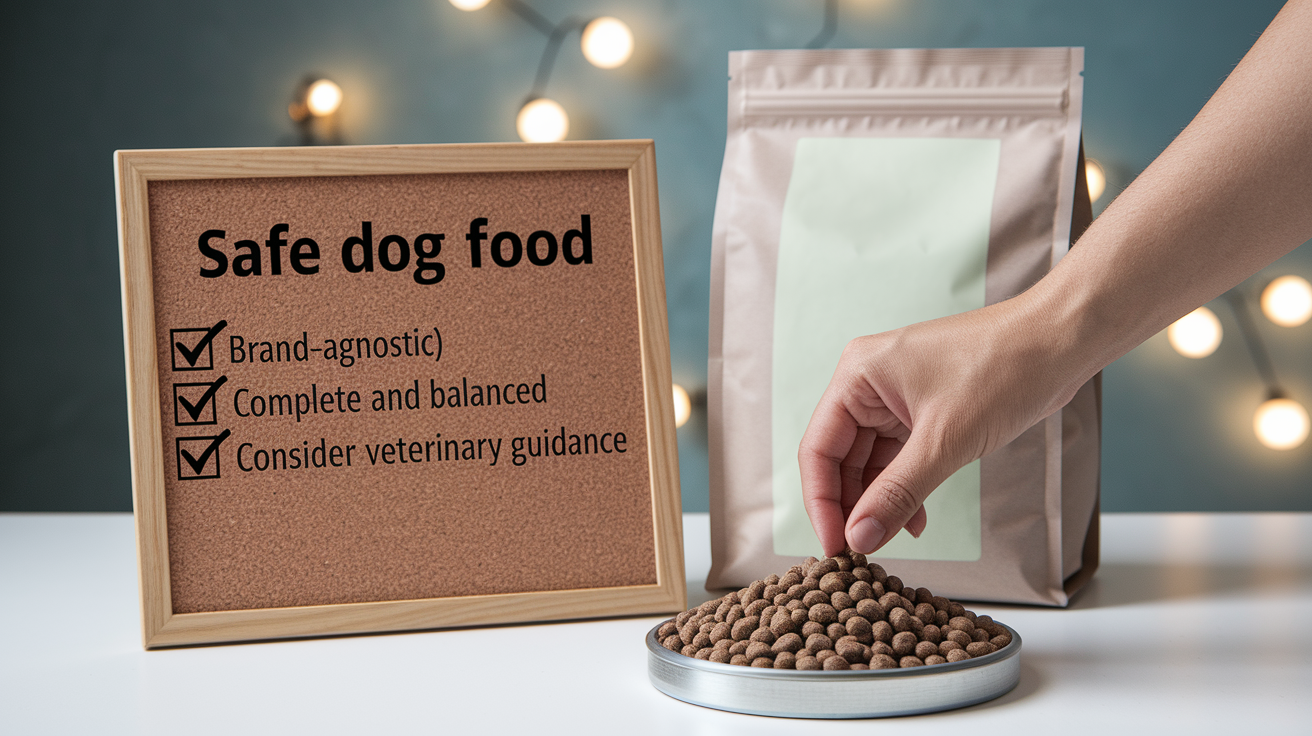
Start with the ingredient list. If peas, lentils, chickpeas, or potatoes show up in the top ten, or if you see multiple pulse ingredients anywhere on the label, that formula fits the profile of foods reported in DCM cases. That doesn’t guarantee your dog will get sick, but it does mean you’re choosing a higher-risk option without strong safety evidence.
Five steps to evaluate a dog food with DCM in mind:
- Look for an AAFCO nutritional adequacy statement. It should say the food is “complete and balanced” and mention whether that’s based on feeding trials or nutrient profiles. Feeding trials carry more weight.
- Check the ingredient list for legumes and potatoes. Count how many appear and where. Top five is a red flag. Multiple pulses anywhere is worth noting.
- Find out if a board-certified veterinary nutritionist formulated the food. Brands that employ nutrition PhDs or diplomates of the American College of Veterinary Nutrition tend to design safer, more tested formulas.
- Stick with established brands that have decades of feeding history and quality control. Examples that consistently meet these standards include Purina (Pro Plan, ONE, and other lines), Hill’s Science Diet, and Royal Canin. These companies run feeding trials, test every batch, and haven’t been linked to diet-associated DCM cases.
- Avoid boutique or exotic-protein diets as your dog’s only food long term. Single-source bison, kangaroo, or alligator formulas from smaller companies carry higher uncertainty.
Talk to your vet before switching foods, especially if your dog has been on a grain-free or high-pulse diet for a year or more. If your vet suggests cardiac screening, an echocardiogram is the only way to diagnose DCM for sure. Early detection makes a huge difference. Many dogs improve with a diet change, taurine and L-carnitine supplementation when appropriate, and heart medications if needed. You’re not doing anything wrong by asking these questions. The best food is one your dog thrives on, made by people who test what they sell and understand how to balance nutrition for long-term health.
Final Words
If you’re choosing a diet, here’s the quick take: the FDA noted an association between some grain-free foods—especially those with lots of peas and lentils—and reports of DCM, though causation isn’t proven. We covered symptoms, risky ingredients, breeds, and why research is mixed.
Check labels, prefer tested formulas, measure portions, transition slowly, and talk with your vet if you’re worried.
If you’re asking what is dcm in grain free dog food, it’s dilated cardiomyopathy linked in some reports to certain grain-free recipes—stay observant and there are practical steps you can take.
FAQ
Q: What foods should dogs avoid for DCM, and why do vets not recommend grain-free dog food?
A: Dogs should avoid diets heavy in peas, lentils, chickpeas, and potatoes; vets warn many grain-free formulas rely on these ingredients and have been linked to higher reports of diet-associated DCM.
Q: What breeds are prone to DCM?
A: Breeds prone to DCM include Doberman Pinschers, Great Danes, Boxers, and some retrievers; Golden Retrievers and mixed breeds have also appeared in diet-associated reports, so breed plus diet and taurine status matter.
Q: Can you reverse DCM in dogs?
A: DCM in dogs can sometimes improve with diet change, taurine or nutrient supplements, and veterinary heart care for diet-associated cases; genetic DCM is less likely to fully reverse but can often be managed.