
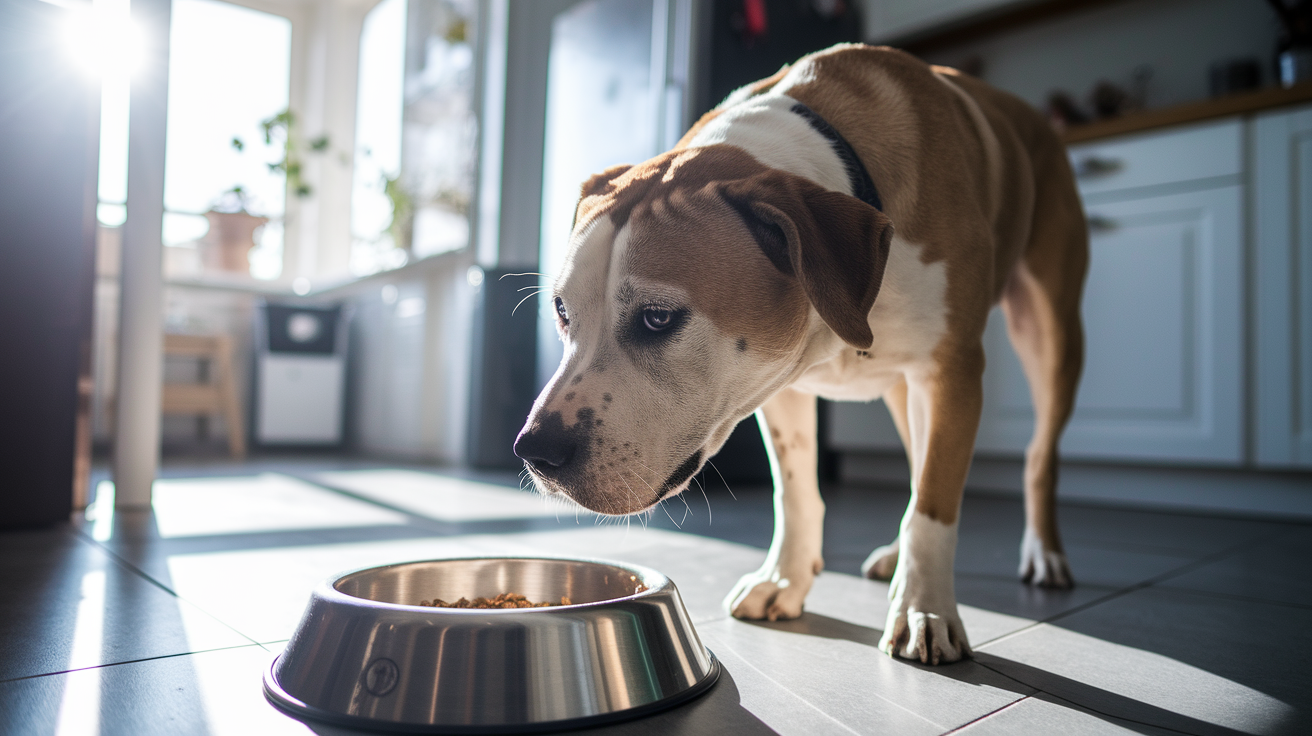
What if your senior dog suddenly refuses dinner?
Should you panic or wait it out?
A skipped meal sometimes means nothing, but for older dogs a full day without food can be a red flag.
In this post we explain common causes like dental pain, illness, loss of smell, and stress, and give simple, safe steps to try at home.
You’ll learn what to do first, how to watch stool and water intake, and when it’s time to see the vet.
Key Reasons a Senior Dog Stops Eating and What to Do Immediately
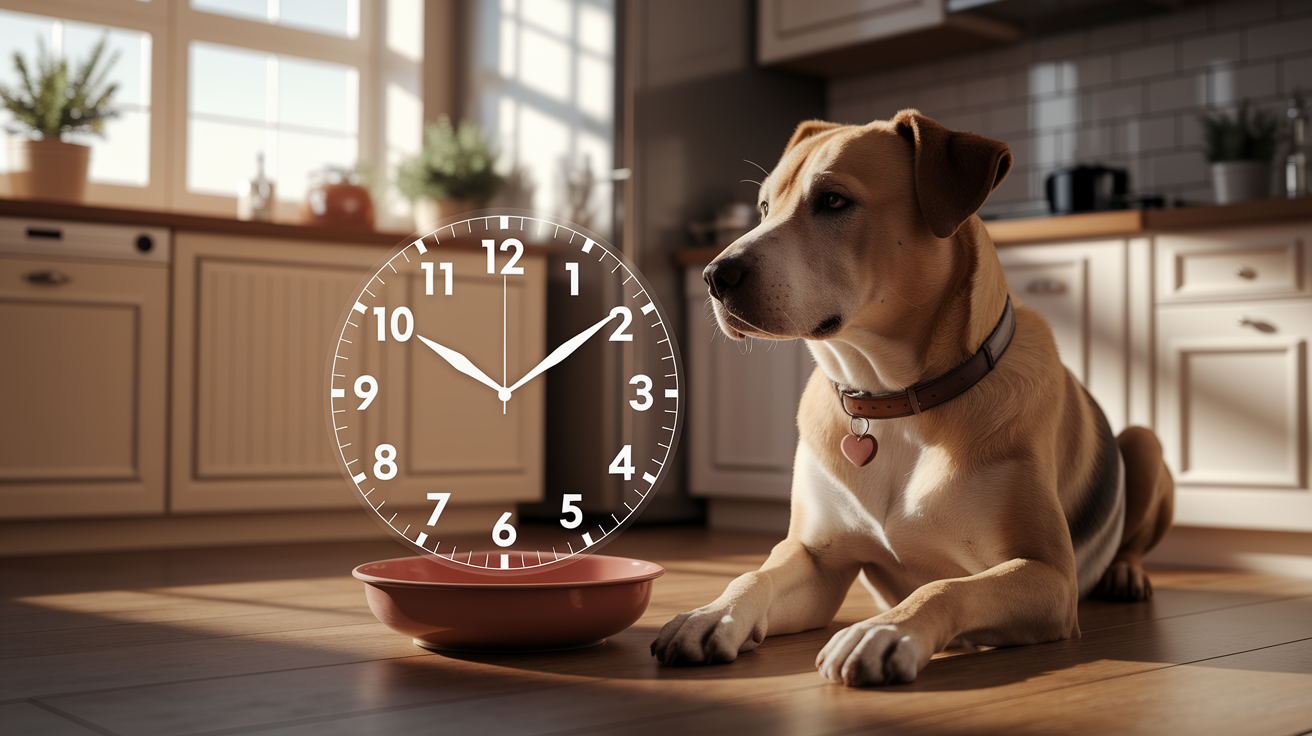
When a senior dog won’t eat dog food, figuring out whether it’s temporary or serious matters more than anything else. A single skipped meal usually isn’t worth panicking over, especially if your dog’s drinking normally and seems fine otherwise. Dogs miss breakfast or dinner sometimes because of minor stomach upset, fatigue, or just not feeling hungry. But if your senior dog refuses food for a full day (24 hours), you need to get veterinary attention.
Several things explain appetite loss in older dogs. Medical issues like kidney disease, gastrointestinal upset, or nausea can shut down hunger. Dental problems make chewing painful, so even hungry dogs avoid their bowls. Sensory decline reduces the sense of smell and taste, making food less appealing. Environmental changes (new people, loud construction, schedule shifts) create stress that kills appetite. Sometimes it’s simpler: spoiled food or a dirty bowl your dog can smell but you can’t.
Certain symptoms need immediate veterinary examination no matter how long your dog’s gone without eating:
- Not drinking water at all
- Shaking, yelping, whining from pain, or pawing at the face
- Bleeding gums, bright red gums, or severe tartar buildup
- Weight loss, muscle wasting, or visible weakness
- Constipation, straining to defecate, or bathroom trouble
Before calling the vet, check basics. Wash the food bowl with hot soapy water, confirm the food hasn’t passed its best by date, and smell it yourself for any off odors. Replace stale kibble and offer fresh water. If your senior dog still refuses after these steps and 24 hours pass, schedule a veterinary examination to rule out underlying health conditions.
Health-Related Causes Behind Senior Dogs Refusing Food
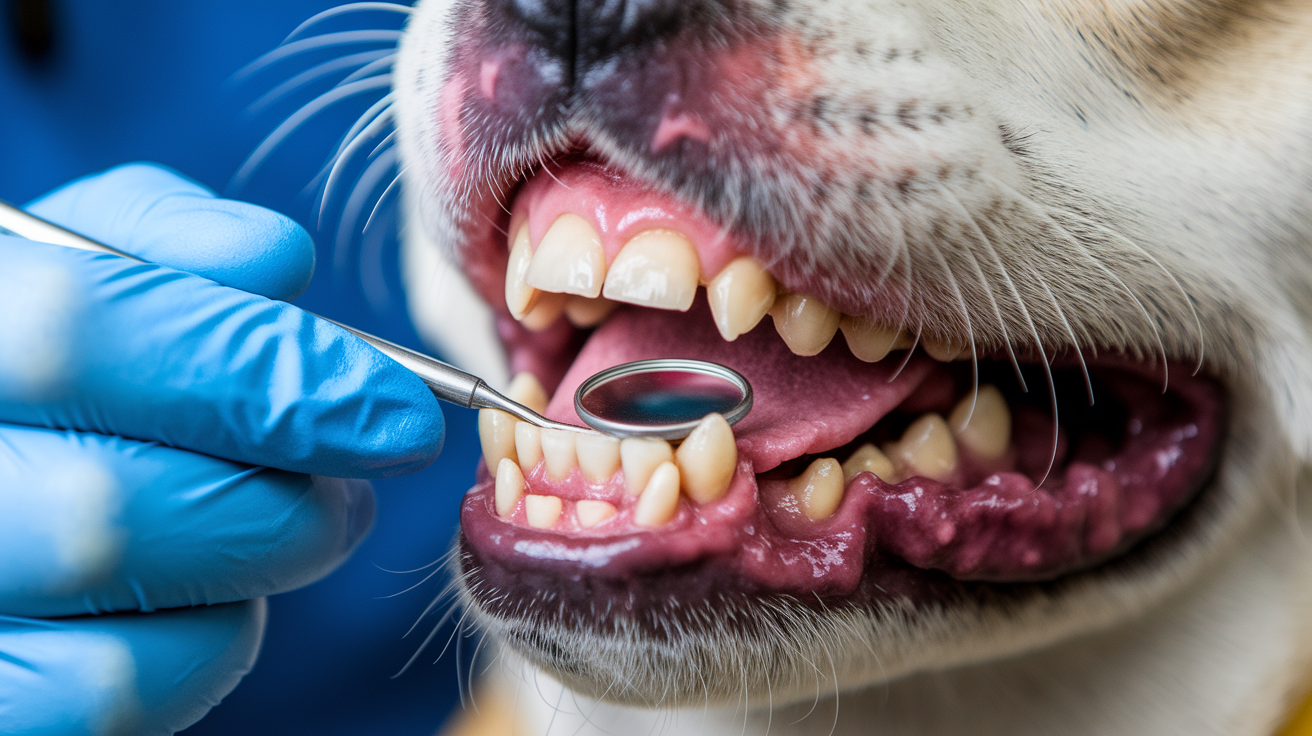
Dental problems rank among the most common medical reasons aging dogs stop eating dog food. Tooth decay, gum disease, broken teeth, and oral pain make chewing uncomfortable or outright painful. Even dogs eager to eat will hesitate or walk away from their bowls when every bite hurts. Senior dogs develop plaque and tartar faster than younger animals, leading to infected gums that bleed, swell, or recede. Owners often report that after professional dental cleaning or tooth extraction, their dogs suddenly eat more and seem years younger. Because the pain that silently plagued them for months finally disappeared.
Internal illness also suppresses appetite in older dogs. Kidney disease causes nausea and a buildup of toxins that reduce hunger. Liver problems alter digestion and nutrient processing, making dogs feel unwell after eating. Gastrointestinal upset (whether from inflammation, infection, or reduced motility) creates queasiness that drives dogs away from food. Medication side effects frequently decrease appetite. Common prescriptions for arthritis, heart conditions, or infections can temporarily dull hunger. Cognitive dysfunction in senior dogs, sometimes called canine dementia, disrupts normal feeding behavior. Dogs may forget mealtimes, become confused about their bowls, or lose interest in food as brain function declines. These conditions require veterinary diagnosis and targeted treatment, not just changes to feeding techniques.
Behavioral and Environmental Triggers Affecting Senior Dog Eating Habits
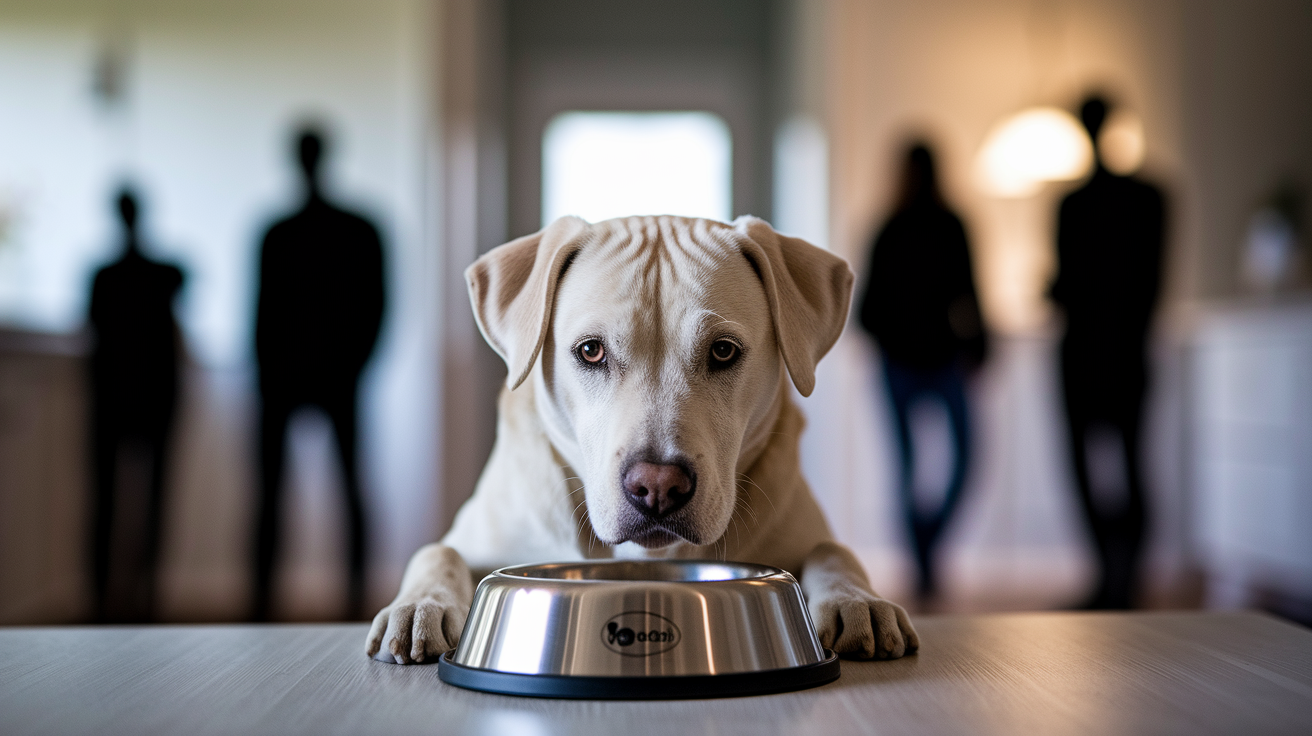
Stress and anxiety don’t only affect young, high strung dogs. Senior dogs feel them just as deeply, and appetite loss often follows. Environmental changes like moving furniture, introducing new household members, or switching daily routines confuse older dogs who thrive on predictability. Loud noises from thunderstorms, fireworks, or nearby construction trigger anxiety that suppresses hunger for hours or even days. Grieving the loss of a companion animal (whether another dog or a close human) creates depression symptoms that include refusing food. Senior dogs experiencing these stressors may stand near their bowls without eating, or ignore meals entirely until calm returns.
The feeding environment itself shapes eating habits more than most owners realize. A dirty food bowl (even one that looks clean) carries lingering smells dogs find off putting. Stainless steel bowls are easiest to sanitize, while ceramic dishes can harbor bacteria in small cracks. Relocating the bowl to a new spot, switching bowl materials, or feeding near high traffic areas or noisy appliances disrupts established patterns and may cause refusal. Dogs feeling vulnerable due to age related vision or hearing loss prefer calm, safe locations for meals.
Common environmental triggers include:
- New people or pets in the household creating uncertainty
- Loud ongoing noises like renovations, appliances, or traffic
- Schedule disruptions such as feeding at inconsistent times
- Loss of a companion or significant change in family structure
Safe Home Strategies to Encourage a Senior Dog to Eat Dog Food Again
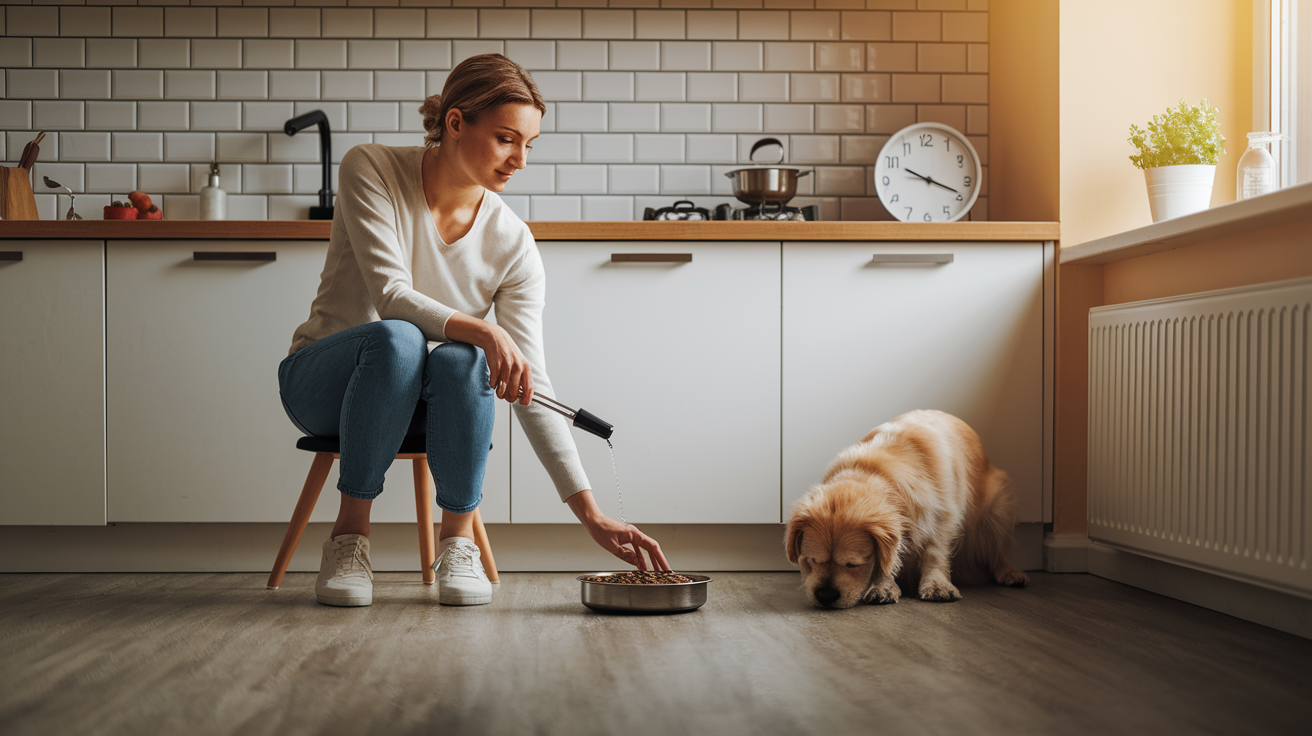
Adjusting how you present food often makes the difference between a full bowl and an empty one. Start with food temperature. Warming food increases its smell, which becomes especially important as your senior dog’s sense of smell fades with age. Add a tablespoon of hot water to kibble or wet food, fluff it with a fork to distribute the moisture, then wait until it cools to a safe, warm temperature before serving. Never microwave dog food, as uneven heating may reduce nutritional value and create dangerous hot spots. Small, frequent meals work better than one large serving for older dogs whose appetites waver throughout the day. Divide the daily portion into two or three smaller meals to reduce overwhelm and increase the likelihood your dog will finish.
Meal scheduling and presentation structure eating habits. Feed your senior dog in a calm, quiet space at the same times each day. Predictability reduces anxiety and helps dogs anticipate mealtimes. Try hand feeding a few bites to rebuild interest and connection, especially if your dog seems confused or disoriented. Offer softer food textures if dental pain is suspected. Soaking dry kibble until it becomes mushy or switching to wet food eliminates the need for hard chewing. Always remove uneaten food after 20 to 30 minutes rather than leaving it out all day, which teaches your dog that food availability is limited and meals happen on a schedule.
Follow this six step approach when your senior dog won’t eat:
- Warm the food slightly and check the temperature before serving
- Reduce portion sizes and offer smaller, more frequent meals
- Move the food bowl to a calm, familiar, low traffic area
- Sit nearby during mealtime without hovering or staring directly
- Remove uneaten food after 20 to 30 minutes and try again later
- Track what was eaten over 24 hours to spot patterns and share with your vet
Switching between dry kibble, wet food, or adding water changes texture and moisture content. Some senior dogs prefer soft food that requires less jaw effort, while others still enjoy crunchy kibble but need smaller pieces. Experiment with consistency while keeping the same formula to avoid digestive upset from sudden ingredient changes.
Using Toppers, Moisture, and Flavor to Help Senior Dogs Eat Better

Plain, low sodium chicken broth poured over dry kibble or mixed into wet food boosts palatability without upsetting digestion. The extra moisture benefits senior dogs prone to dehydration, and the savory smell often rekindles appetite in picky eaters. Bone broth works similarly, adding flavor while providing easy to digest nutrients. A spoonful of plain cooked chicken, turkey, or lean ground beef stirred into regular dog food transforms a boring meal into something more appealing. Just keep portions small, around 10 percent of the total meal, to avoid throwing off balanced nutrition. Plain canned pumpkin or mashed sweet potato adds fiber and a mild sweetness many dogs enjoy.
Avoid toppers that introduce unnecessary risks. Skip onions, garlic, excessive salt, butter, oils, or heavily seasoned human food, which can trigger gastrointestinal upset or toxicity. Stick to single ingredient additions you’d feel comfortable eating yourself. Watch your dog’s stool for the first few days after introducing any topper. Loose stools or diarrhea mean the addition didn’t agree, and you should remove it. Start with tiny amounts, a teaspoon or tablespoon depending on your dog’s size, and increase gradually only if digestion stays normal.
| Topper Type | Benefit |
|---|---|
| Low sodium chicken or bone broth | Adds moisture and savory aroma |
| Plain cooked chicken or turkey | High quality protein that increases palatability |
| Plain canned pumpkin | Fiber support and mild natural sweetness |
| Warm water mixed into kibble | Enhances smell and softens texture |
Appetite Stimulants and When They’re Appropriate for Senior Dogs
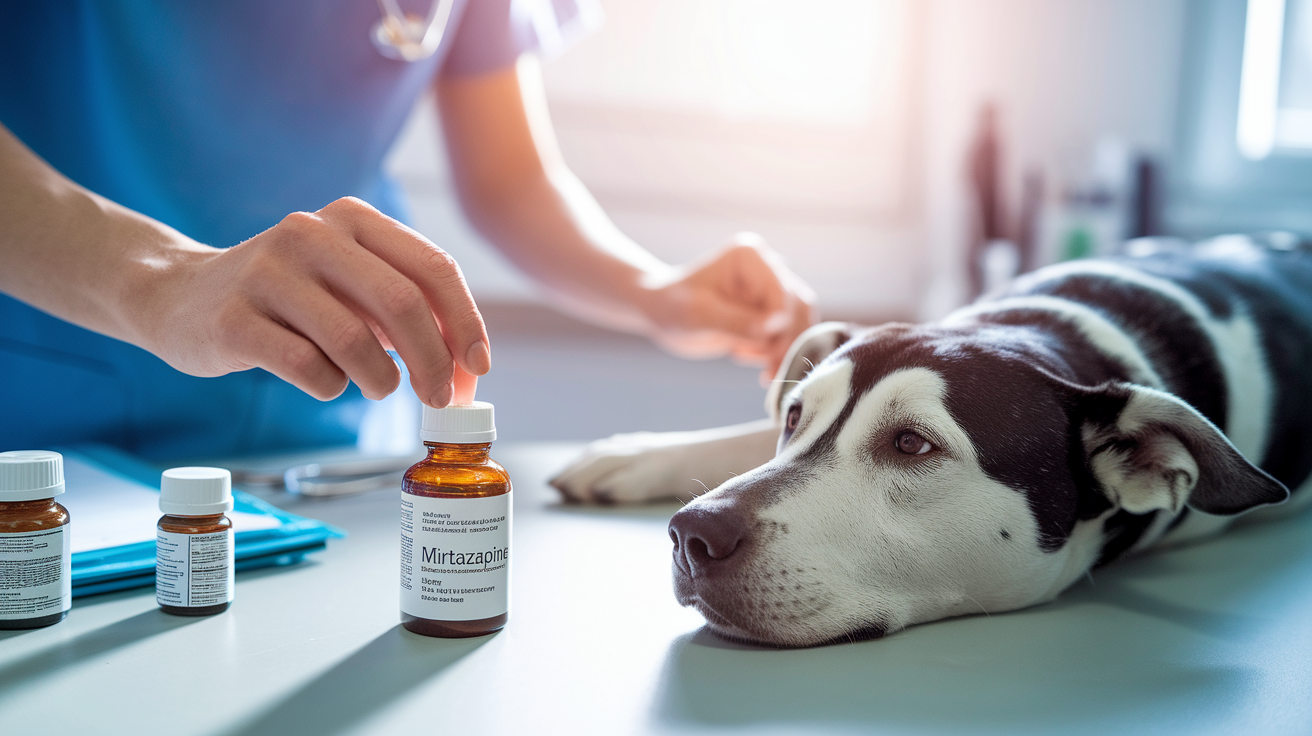
Prescription appetite stimulants become an option when medical conditions cause appetite loss that doesn’t respond to feeding adjustments. Mirtazapine, originally developed as an antidepressant for humans, is commonly prescribed by veterinarians to stimulate appetite in dogs experiencing nausea, kidney disease, or other illnesses. It works by affecting serotonin receptors in the brain, increasing hunger signals. Your vet may also prescribe maropitant to control nausea or recommend specialized prescription diets formulated for specific health conditions like kidney support or gastrointestinal recovery. These foods often have higher palatability and concentrated nutrition, helping dogs maintain weight when eating smaller amounts.
Appetite stimulants aren’t for every situation. They’re reserved for senior dogs with diagnosed medical causes behind appetite loss, not for picky eating or temporary refusal due to environmental stress. Always use them under veterinary supervision, as they come with potential side effects and shouldn’t be combined with certain other medications. Fresh, whole food diets sometimes act as natural appetite enhancers due to their moisture content, aroma, and texture. Research shows high palatability for dogs who previously refused dry kibble. But these aren’t “stimulants” in the medical sense. They’re simply more appealing food options.
Common appetite stimulant categories include:
- Prescription medications like mirtazapine that directly increase hunger signals
- Anti nausea drugs that remove discomfort preventing eating
- Specialized veterinary diets designed for increased palatability and targeted nutrition
Monitoring a Senior Dog’s Eating and Hydration Levels
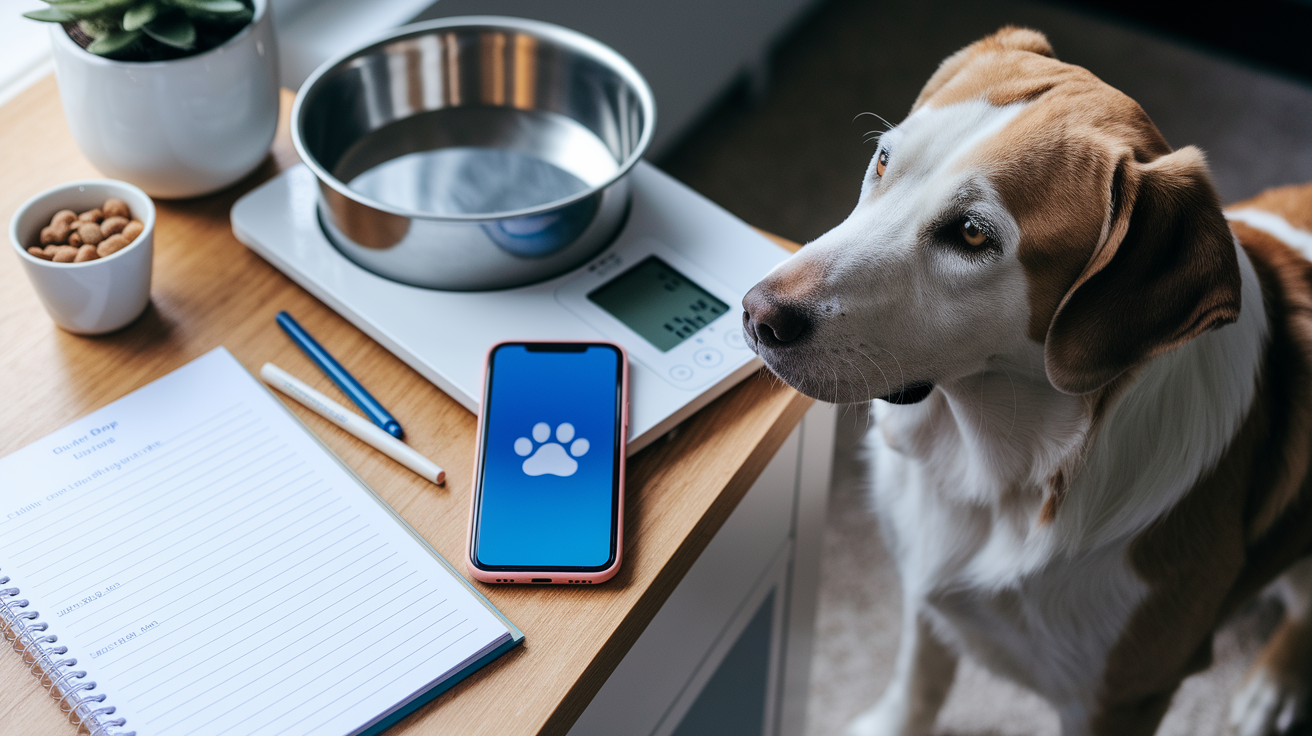
Tracking what your senior dog actually consumes becomes critical once appetite changes begin. Measure food portions before serving and note how much remains after 20 to 30 minutes. Do this for every meal over several days to identify patterns. Maybe your dog eats better at breakfast than dinner, or accepts food more readily after a short walk. Keep a simple log on your phone or a notepad: date, time, amount offered, amount eaten, and any other observations like energy level or stool consistency. This data helps your vet understand whether appetite is declining gradually or suddenly, and whether it’s partial refusal or complete avoidance.
Hydration monitoring matters just as much as food intake, especially since senior dogs face higher dehydration risk. Dehydration becomes dangerous quickly in older dogs because their kidneys are less efficient at filtering toxins and maintaining fluid balance. Dogs should drink roughly one ounce of water per pound of body weight daily. A 50 pound dog needs about 50 ounces, though this varies with activity level, weather, and diet moisture content. Check hydration by gently lifting the skin on the back of your dog’s neck. It should snap back immediately. Slow return, dry gums, sunken eyes, or thick saliva signal dehydration requiring veterinary care.
Watch for these intake warning signs:
- Eating less than half the normal daily portion for two consecutive days
- Drinking significantly less water than usual or refusing water entirely
- Rapid weight loss visible in ribs, spine, or hip bones becoming prominent
- Muscle wasting, especially noticeable in the hindquarters and shoulders
When a Senior Dog Refusing Food Requires Immediate Veterinary Care
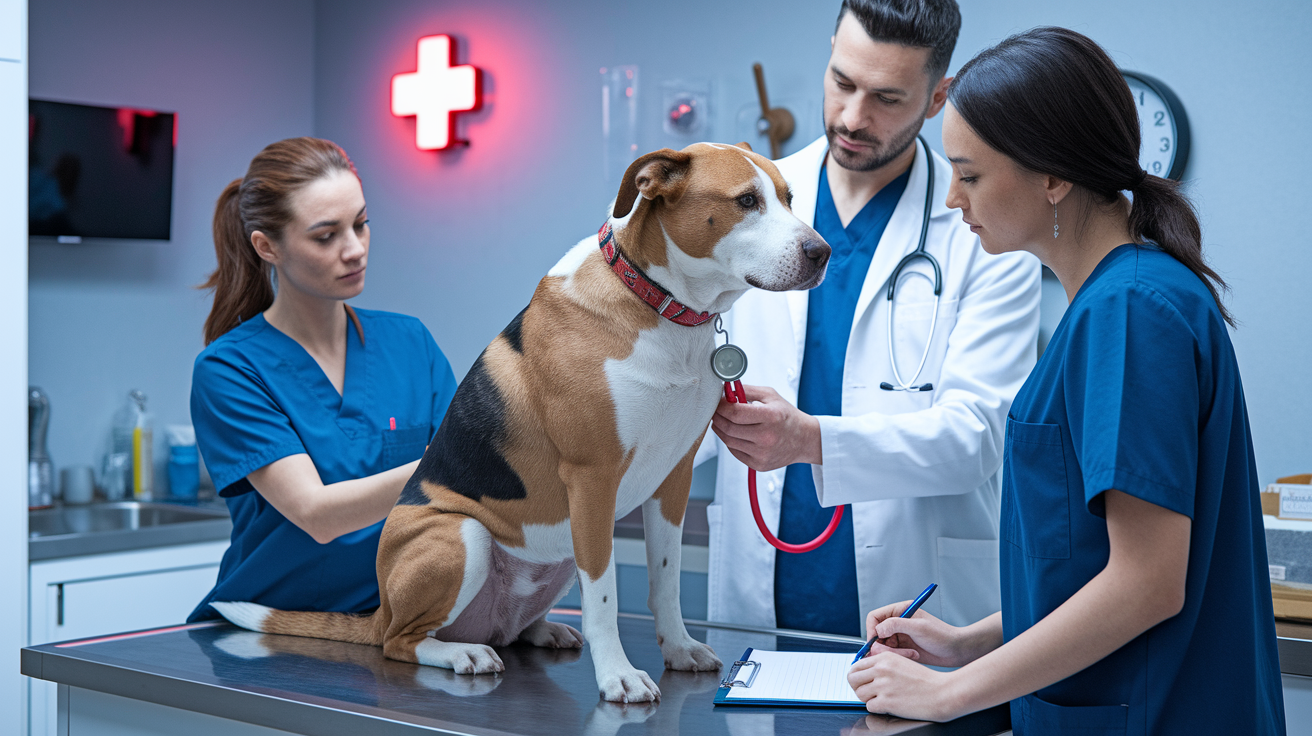
The 24 hour rule provides a clear decision point. If your senior dog goes a full day without eating any food, contact your veterinarian even if no other symptoms appear. Appetite loss that brief may still resolve on its own, but it also may signal the early stages of illness easier to treat when caught early. Don’t wait longer hoping things improve. Senior dogs decline faster than younger animals, and delayed intervention often means more complicated treatment. If your dog skips food but continues drinking water and acting normally, a same day or next day appointment may suffice. But if multiple symptoms appear together, call immediately or visit an emergency clinic.
Certain combinations of symptoms indicate urgent medical problems requiring immediate veterinary examination. Repeated vomiting or diarrhea alongside appetite loss leads to rapid dehydration. Lethargy where your dog barely moves, struggles to stand, or seems disoriented suggests something more serious than simple pickiness. Sudden, noticeable weight loss, especially in a dog already thin or frail, can’t wait for a regular appointment. Constipation, straining without producing stool, or unusual stool appearance (bloody, black, tar like, or pale) demands prompt attention. Pain signals like shaking, yelping when touched, whining, or pawing at the face or mouth point to conditions causing acute distress.
Seek immediate veterinary care if your senior dog shows:
- Not drinking water for more than 12 hours
- Vomiting or diarrhea occurring multiple times in one day
- Extreme lethargy, weakness, or inability to stand without help
- Bleeding gums, bright red gums, severe drooling, or foul mouth odor
- Shaking, yelping, whining, or other clear pain behaviors
Final Words
Act fast when a senior dog skips meals: check for red flags, bowl cleanliness, and food freshness, then try warming food, tasty toppers, or hand feeding at home. If they go 24 hours without eating or show vomiting, lethargy, red gums, or sudden weight loss, call the vet.
Track meals and water, note small changes, and use gentle tactics like smaller, more frequent portions. If a senior dog won’t eat dog food despite these steps, your vet can find a cause and a simple plan — most dogs bounce back with the right care.
FAQ
Q: What should I feed a senior dog that won’t eat dog food, prefers human food, or is losing interest?
A: A senior dog refusing kibble, preferring human food, or losing interest should be offered warmed wet food or moistened kibble, small frequent meals, mild toppers like low‑sodium broth, and dental or vet checks if appetite stays down.
Q: What are end of life symptoms in elderly dogs?
A: End‑of‑life symptoms in elderly dogs include persistent refusal to eat or drink, severe weight loss, extreme lethargy or weakness, trouble breathing, unrelieved pain, seizures, bleeding, or prolonged vomiting/diarrhea—seek immediate vet care.