

Are you still feeding your older dog the same food they ate at five?
That choice can quietly add weight, stiff joints, and low energy over time.
Senior formulas cut calories and fat, make protein easier to digest, and add things like glucosamine, omega-3s, and antioxidants to support joints, heart, and brain.
This post breaks down the key nutritional differences and helps you decide when to switch based on your dog’s size, activity, and health, so you pick the right food without guesswork.
Key Differences Between Senior Dog Food and Regular Dog Food
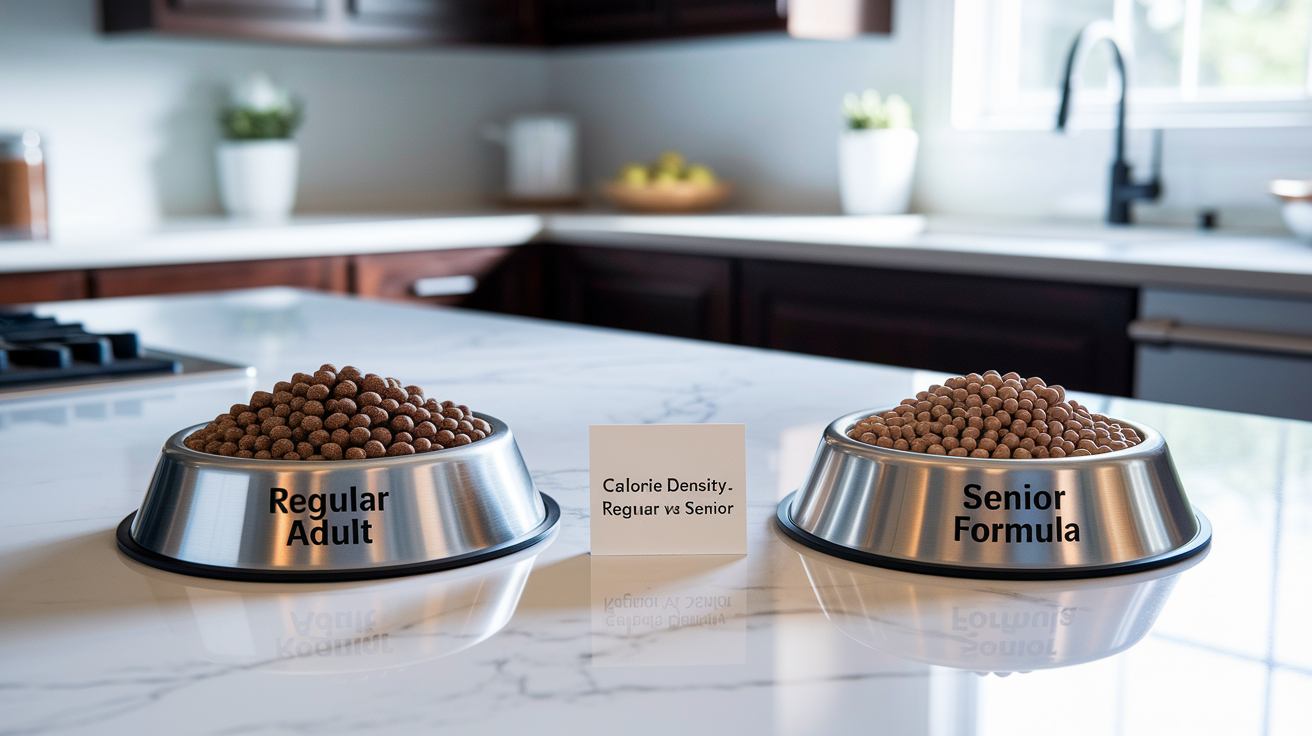
Regular adult dog food is built to keep your dog running strong during their prime years, usually from age one to seven. These formulas pack in higher calories and fat to power daily activity, work, play, and all the metabolic demands of an active dog. Senior dog food takes a different approach. It’s designed around the reality that metabolism slows down, activity drops off, and bodies change as dogs get older. Senior formulas typically cut calories by 10 to 20 percent and dial back fat content to prevent weight creep while still delivering enough protein to hold onto muscle without stressing aging organs.
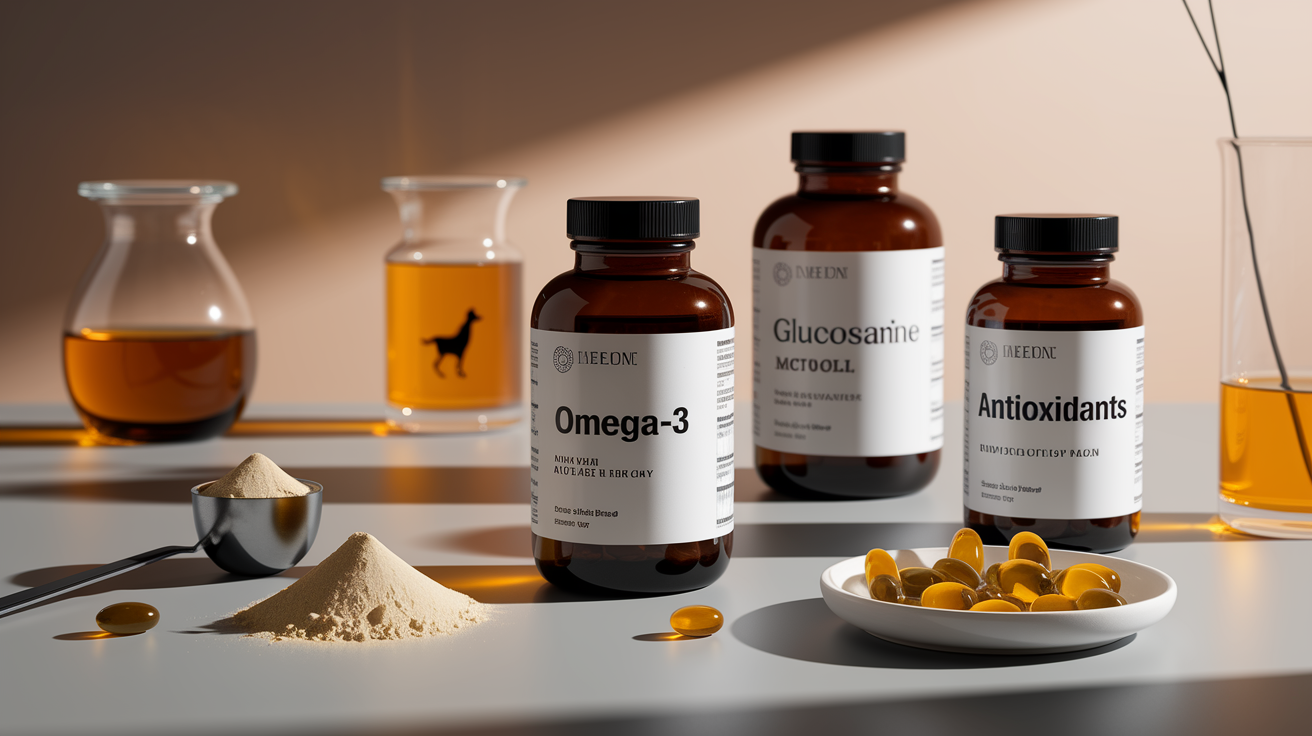
Senior dog food brings in functional ingredients that target aging body systems. You’ll often see glucosamine and chondroitin for joints, omega-3 fatty acids to calm inflammation and support the heart, and antioxidants like vitamin E and selenium to protect cells from damage. Some formulas throw in probiotics and prebiotics to help with gut health and nutrient absorption, which can decline as dogs age. Regular adult food might include a few of these, but they’re not central to the formula the way they are in senior blends.
Digestibility matters more in senior food. These formulas tend to use protein sources that break down easier, adjust fiber to keep bowel movements regular, and sometimes shrink kibble size or soften texture for dogs dealing with dental issues or weaker jaws. Some brands just tweak their adult recipe slightly, while others rebuild the whole thing to address age-related sensitivities and absorption challenges.
| Nutrient/Feature | Regular Dog Food | Senior Dog Food |
|---|---|---|
| Calorie Density | Higher to support active lifestyle | Reduced by 10–20% for lower activity |
| Protein Approach | Moderate to high for muscle maintenance | Balanced, easier-to-digest sources |
| Fat Levels | Moderate to high for energy | Lower to prevent weight gain |
| Fiber Presence | Standard levels for digestion | Often increased to support gut health |
| Functional Supplements | Minimal or general health support | Glucosamine, chondroitin, omega-3s, antioxidants |
| Digestibility Focus | Adequate for healthy adults | Enhanced with easier-to-absorb ingredients |
Specialized Nutrient Modifications for Senior Health Needs
Senior dog foods often tweak micronutrient levels to reduce strain on organs that become vulnerable with age. Sodium might be reduced in formulas for dogs at risk of heart disease, since too much sodium can lead to fluid buildup and higher blood pressure. Phosphorus levels get moderated in senior foods to support kidney function, because aging kidneys aren’t as efficient at filtering waste and keeping minerals balanced. These changes aren’t always dramatic, but they reflect a more conservative nutrient profile focused on long-term organ health over maximum energy.
Beyond minerals, senior formulas often boost targeted fatty acid ratios and add condition-specific nutrients. Omega-3 fatty acids, particularly EPA and DHA from fish oil, are commonly increased to reduce system-wide inflammation, support heart function, and potentially slow cognitive decline. Antioxidants like vitamins C and E, beta-carotene, and selenium help neutralize free radicals that pile up with age and damage cells. Some specialized senior foods include medium-chain triglycerides (MCTs) to support brain health and improve mental clarity in older dogs.
Reduced sodium to lower cardiovascular stress and fluid retention risks. Controlled phosphorus to ease kidney workload and slow chronic kidney disease progression. Increased omega-3 fatty acids to reduce joint inflammation and support heart and brain function. Enhanced antioxidant blends to combat oxidative stress and boost immune resilience. Adjusted calcium-to-phosphorus ratios to maintain bone health without overtaxing aging kidneys.
Joint, Heart, and Cognitive Support in Senior Dog Food
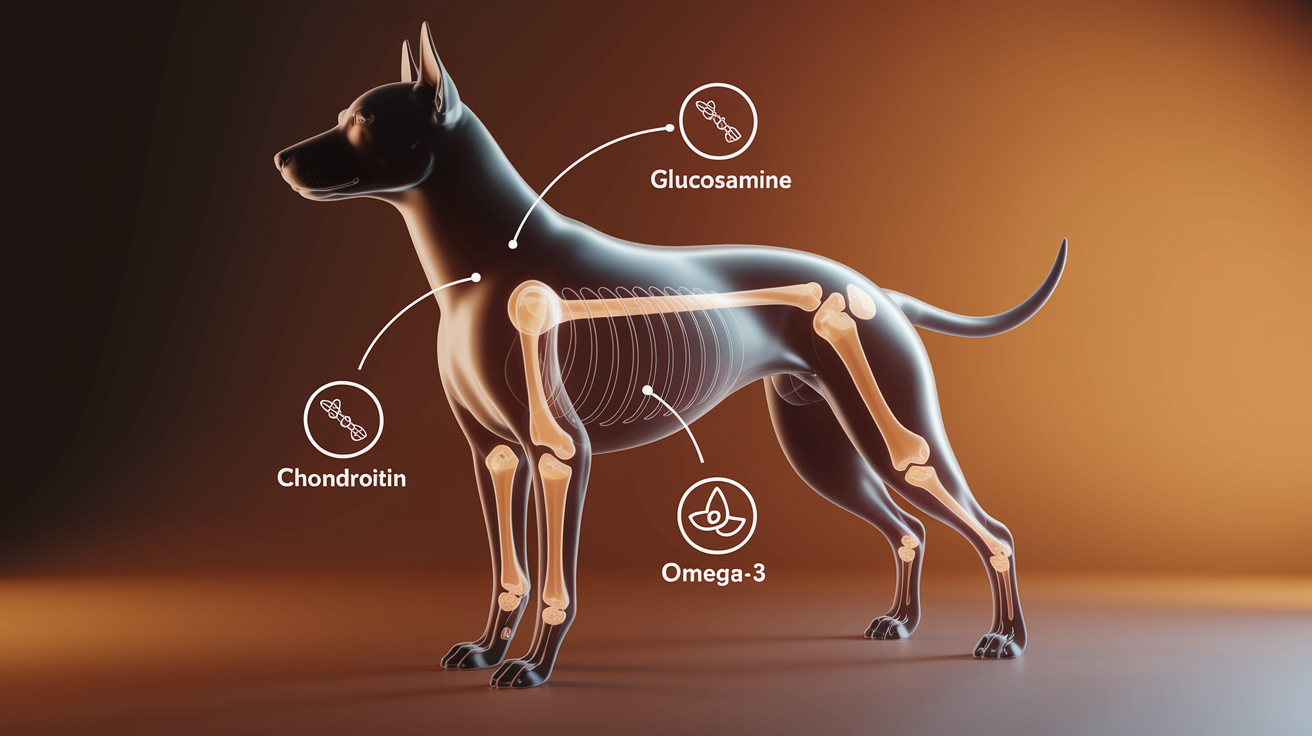
Joint health is one of the biggest concerns for aging dogs, and senior formulas tackle this by adding glucosamine and chondroitin sulfate. These two supplements support cartilage repair and reduce inflammation in arthritic joints. They won’t reverse arthritis, but they can slow it down and improve comfort during movement. Some formulas also include green-lipped mussel, a natural source of glucosamine and omega-3s, or methylsulfonylmethane (MSM), which supports connective tissue and reduces joint stiffness.
Heart-friendly nutrients in senior food focus on reducing inflammation and supporting cardiovascular efficiency. Omega-3 fatty acids from fish oil help lower triglycerides, reduce irregular heartbeats, and support healthy blood pressure. L-carnitine, an amino acid often included in senior formulas, helps convert fat into energy and supports heart muscle function. Taurine, particularly important for certain breeds prone to dilated cardiomyopathy, is sometimes increased in senior diets to maintain cardiac strength and rhythm.
Cognitive decline hits many older dogs, and some senior foods now include brain-support ingredients designed to slow mental aging. Medium-chain triglycerides (MCTs), from coconut or palm oil, provide an alternative energy source for aging brain cells that might struggle with glucose. Antioxidants like vitamin E protect brain tissue from oxidative damage, while B vitamins support neurotransmitter function and mental clarity. Specialized blends, like those in Purina Pro Plan Bright Mind, have shown in studies to improve memory, trainability, and alertness in senior dogs.
When Dogs Should Switch From Regular to Senior Food
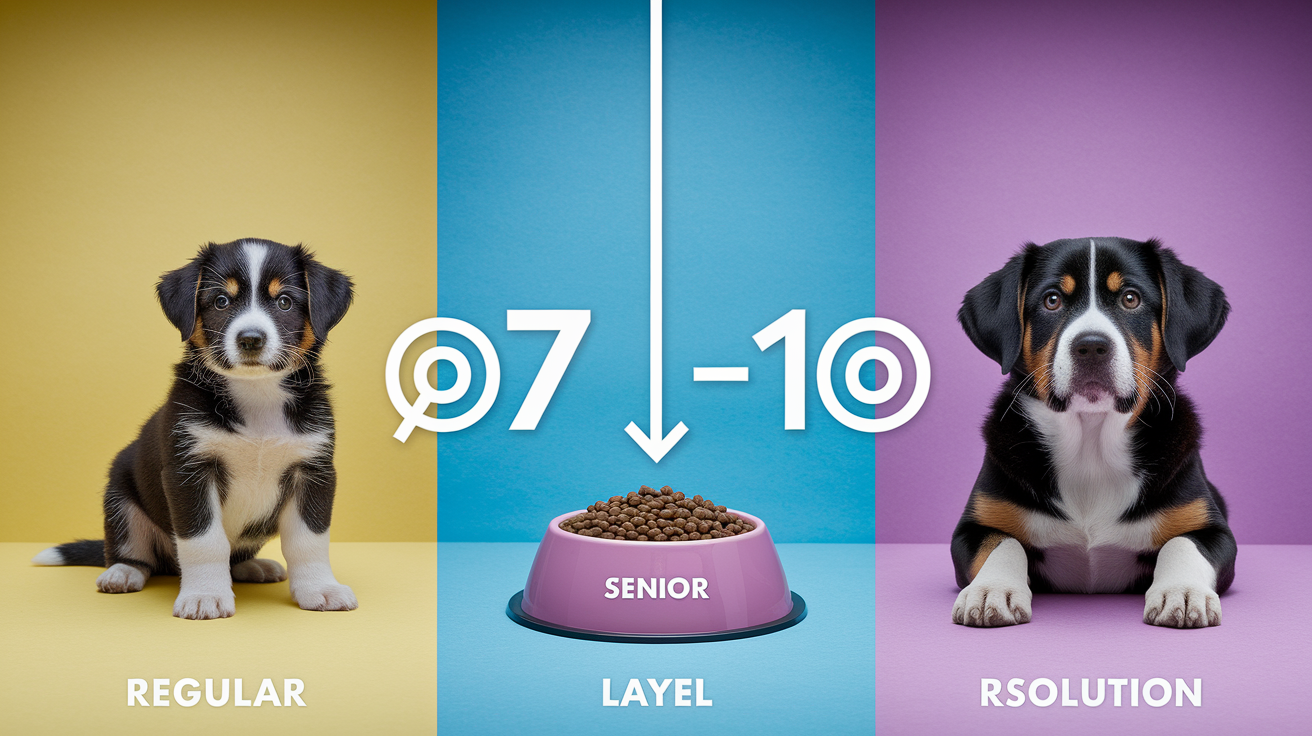
The timing for switching to senior food varies a lot by breed size and individual health. Medium-sized dogs, typically between 10 and 25 kilograms, are generally considered senior around age seven to eight. Large-breed dogs, over 25 kilograms, age faster and may benefit from senior formulas as early as six or seven. Small-breed dogs, under 10 kilograms, often keep their youthful energy and metabolism longer, not reaching senior status until nine, ten, or even twelve years old.
Age alone doesn’t mean your dog needs senior food. Some dogs stay highly active, maintain healthy weight, and show no signs of joint stiffness or digestive changes well into their later years. For these dogs, sticking with regular adult formula and adjusting portion sizes might work fine. But physical and behavioral changes often signal that a senior formula would offer better nutritional support. Watch for subtle shifts in activity level, weight management struggles, stool consistency changes, or early signs of stiffness after rest.
Unexpected weight gain despite consistent portions and activity, indicating slower metabolism. Noticeable joint stiffness after waking up or following exercise, suggesting early arthritis. Digestive sensitivity like softer stools, occasional constipation, or increased gas. Reduced appetite or pickiness that might benefit from more palatable, easier-to-digest senior formulas.
Health Conditions That Influence Senior vs Regular Dog Food Choices
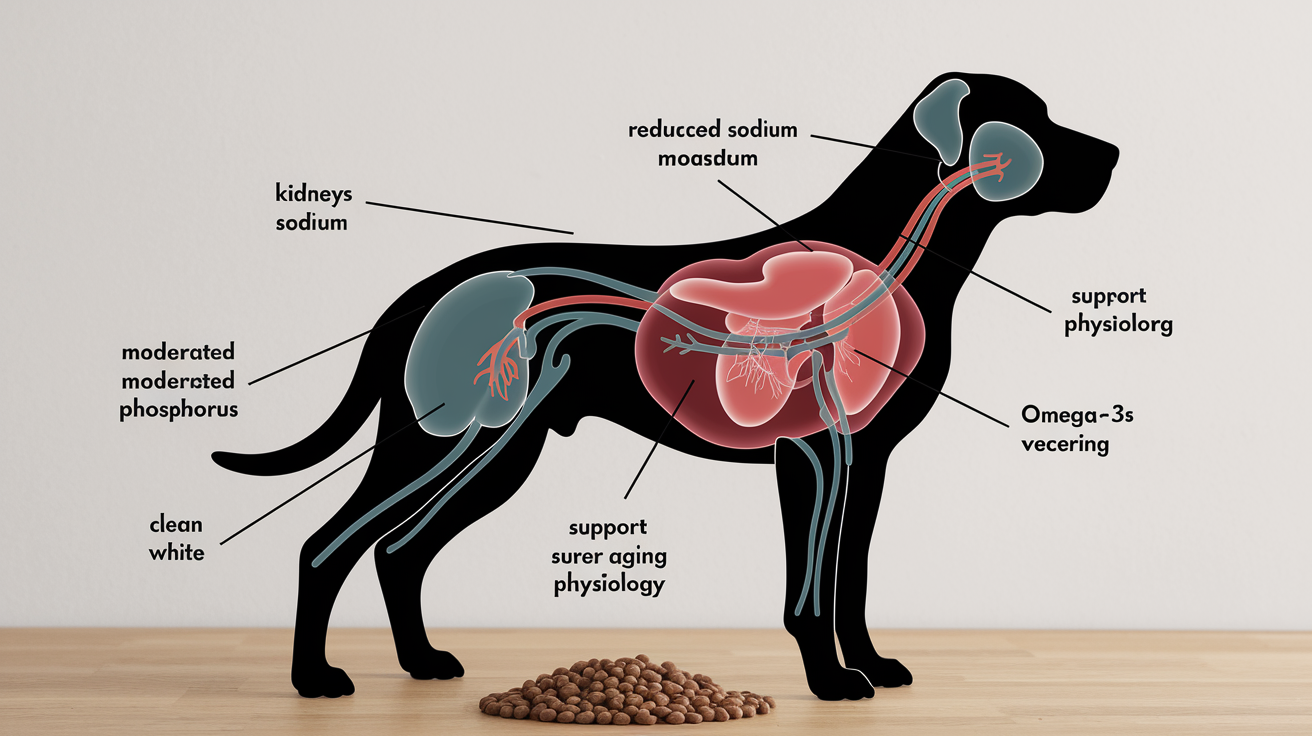
Dogs diagnosed with kidney disease often need lower phosphorus and controlled protein to reduce the workload on struggling kidneys. Prescription renal diets adjust these nutrients carefully, but some over-the-counter senior foods also moderate phosphorus as a preventive measure. Diabetic dogs benefit from low-carbohydrate formulas that minimize blood sugar spikes and promote steady glucose levels. These diets often increase fiber and protein to slow digestion and improve insulin sensitivity, making specialized senior formulas more appropriate than standard adult food.
Heart disease requires dietary adjustments focused on sodium restriction and nutrient support for cardiac muscle. Dogs with congestive heart failure or dilated cardiomyopathy often need prescription diets that significantly cut sodium while increasing taurine, L-carnitine, and omega-3 fatty acids. Mobility challenges from arthritis or hip dysplasia make joint-support ingredients like glucosamine and chondroitin necessary, which show up more consistently in senior formulas than regular adult food. Dogs with liver disease may need different protein sources and altered fat levels, which can influence whether a senior formula or a condition-specific diet makes more sense.
Not every aging dog needs a specialized senior formula. Active, healthy dogs with no chronic conditions, stable weight, and good energy may thrive on their regular adult food well into their senior years. In these cases, simply cutting portion sizes or feeding smaller, more frequent meals can address the minor metabolic slowdown without requiring a complete formula change. The key is matching the diet to your individual dog’s health status, not just their age.
Prescription-Only Senior Diets
Prescription diets are formulated for dogs with advanced or chronic health conditions that require precise nutrient control beyond what over-the-counter senior foods provide. These include specialized renal diets for severe kidney disease, hepatic formulas for liver dysfunction, cardiac diets for heart failure, and weight management prescriptions for obesity with complicating factors. Prescription foods are only available through veterinary clinics and require professional oversight, since they’re designed to manage specific medical conditions rather than provide general senior nutrition support.
Ingredient Quality Differences in Senior vs Regular Dog Food
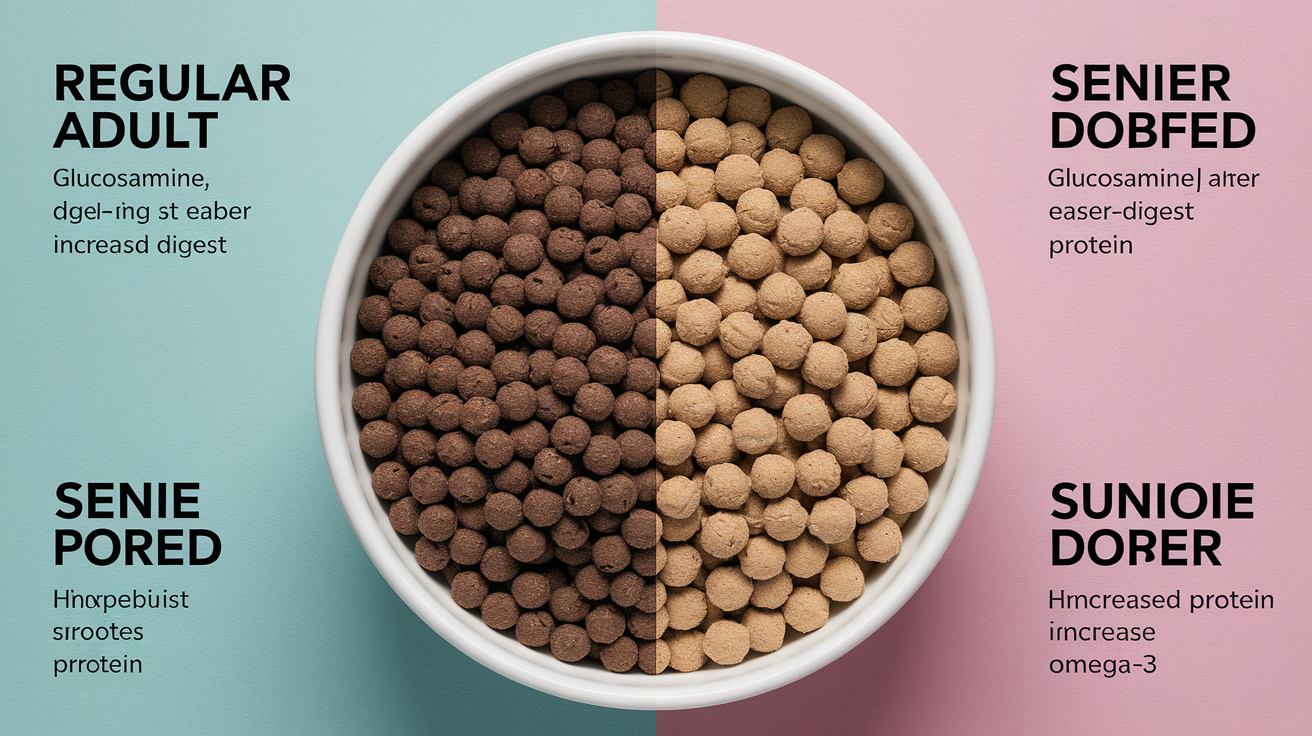
Senior dog foods typically use the same core ingredient categories as regular adult formulas: whole meat or meat meal as primary protein, grains or grain-free carb alternatives, fats, and supplemental vitamins and minerals. The main difference lies in digestibility enhancements and the addition of functional ingredients. Senior formulas may use protein sources that are easier to break down and absorb, like chicken, turkey, or fish, rather than tougher red meats. Fiber sources might shift toward more soluble types like beet pulp or pumpkin to support regular bowel movements without causing loose stools.
Marketing terms like “premium,” “holistic,” “natural,” and “organic” show up on both regular and senior dog food labels, but these are largely unregulated descriptions that don’t guarantee superior nutrition. All dog food sold in the United States must meet AAFCO (Association of American Feed Control Officials) minimum nutritional standards, regardless of price point or life stage designation. What matters more than marketing language is whether the food lists real, identifiable protein sources as the first ingredients, includes necessary vitamins and minerals, and has been tested through feeding trials or formulated to meet AAFCO nutrient profiles.
| Ingredient Type | Regular Adult Food | Senior Food Differences |
|---|---|---|
| Primary Protein | Whole meat, poultry, or fish meal | Often emphasizes easier-to-digest sources like chicken or fish |
| Carbohydrates | Rice, barley, oats, or grain-free alternatives | Similar sources, sometimes with increased soluble fiber |
| Fats | Chicken fat, fish oil, or plant oils | Lower overall fat, increased omega-3 from fish oil |
| Functional Additives | Basic vitamins and minerals, sometimes probiotics | Glucosamine, chondroitin, antioxidants, MCTs, enhanced probiotics |
| Fillers and By-Products | Present in budget brands, minimal in premium options | Similar presence, though some senior foods reduce less digestible fillers |
Portion Control, Feeding Frequency, and Digestibility Considerations
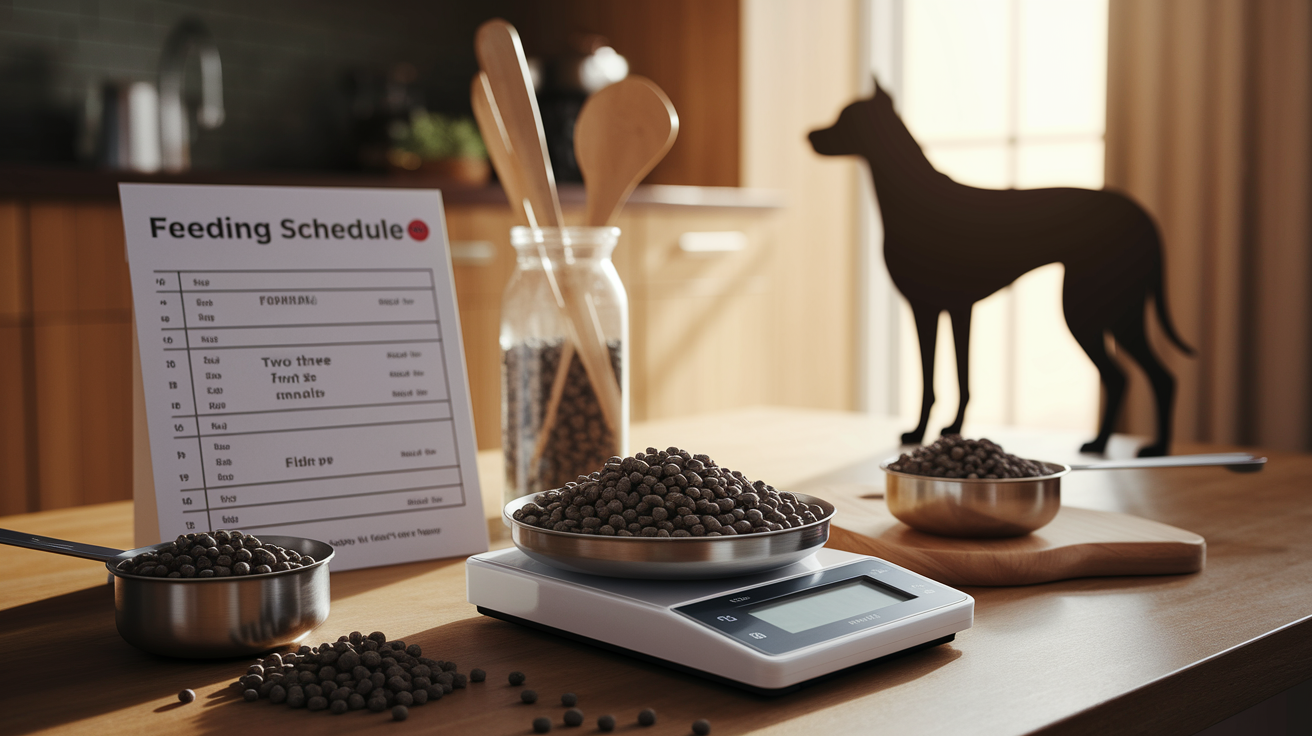
Senior dogs typically need fewer calories per day than they did in their prime, even if they’re eating the same volume of food. A dog that maintained healthy weight on two cups of regular adult food might gain weight on the same portion of senior food if that formula is calorie-dense, or might need less if the senior food is already calorie-reduced. The key is adjusting portions based on your dog’s current weight, body condition score, and activity level, not just following the feeding guidelines on the bag, which are general estimates.
Digestibility becomes more important as dogs age. Senior formulas often use ingredients with higher bioavailability, meaning nutrients are easier to absorb and utilize. This includes easier-to-digest protein sources, prebiotics and probiotics to support gut bacteria, and reduced amounts of ingredients that can cause digestive upset. Some older dogs benefit from smaller, more frequent meals (two or three feedings per day instead of one large meal) to reduce digestive burden and maintain steadier energy and blood sugar levels throughout the day.
Measure portions using a kitchen scale for accuracy, since cup measurements can vary. Feed two to three smaller meals instead of one large meal to improve digestion and reduce bloating risk. Monitor body condition weekly by feeling ribs and waistline, adjusting portions before weight gain becomes noticeable. Track stool quality during any dietary adjustments, since changes in consistency signal digestive response to new foods.
Texture, Kibble Size, and Palatability Differences

Senior dog food often features smaller kibble sizes or softer textures to accommodate dental issues, weaker jaw strength, or missing teeth. Some formulas are designed to break apart more easily when chewed, while others offer a slightly softer crunch that’s gentler on aging teeth and gums. Dogs with significant dental disease or those who’ve had extractions may refuse dry kibble entirely, making wet food or moistened dry food a better option. Soaking dry kibble in warm water or low-sodium broth for five to ten minutes can make it easier to chew and more appealing to picky eaters.
Palatability also shifts with age. Some senior dogs become pickier or lose interest in food due to decreased sense of smell, dental pain, or general appetite decline. Senior formulas often include flavor enhancers, higher-quality proteins, or added fats to make the food more appealing. Mixed feeding, combining wet and dry food, can increase palatability, improve hydration, and make mealtimes more engaging for dogs who’ve become bored with their routine. Rotating between different protein sources or recipe variations within the same brand can also help maintain interest without causing digestive upset from constant formula changes.
Cost Differences and Value Comparison

Senior dog food typically costs more per pound than regular adult formulas, often by 10 to 30 percent depending on the brand and specific ingredients. This price difference reflects the addition of functional supplements like glucosamine, chondroitin, omega-3 fatty acids, and specialized antioxidants, which increase manufacturing costs. Premium senior foods with advanced ingredients like MCTs for brain health or prescription-level nutrient modifications can cost significantly more than basic adult formulas. But price alone doesn’t determine quality or appropriateness for your dog.
Judging value requires looking beyond marketing claims and brand prestige to focus on ingredient quality, nutrient profile, and how well the food matches your dog’s specific needs. A moderately priced senior food with real meat as the first ingredient, appropriate calorie levels, and joint-support supplements may deliver better results than an expensive “holistic” formula that’s nutritionally similar to regular adult food with minimal senior-specific modifications. Check for AAFCO approval, review the guaranteed analysis for protein, fat, and fiber levels, and consider whether the added ingredients align with your dog’s health concerns. Sometimes a regular adult food plus a glucosamine supplement costs less and works just as well as a premium senior formula.
How to Transition From Regular Dog Food to Senior Dog Food

Switching from regular to senior dog food should happen gradually to avoid gastrointestinal upset, including diarrhea, vomiting, gas, or appetite changes. A standard transition takes seven to ten days, though dogs with sensitive stomachs may need a slower progression over two weeks. Sudden food changes disrupt the balance of gut bacteria and digestive enzymes, which need time to adjust to new protein sources, fat levels, and fiber content.
Days 1 to 3: Mix 75 percent old food with 25 percent new senior food. Days 4 to 6: Move to a 50-50 split of old and new food. Days 7 to 9: Increase to 75 percent new senior food and 25 percent old food. Day 10: Complete the switch to 100 percent senior food. Monitor stool quality throughout the transition, extending the timeline if loose stools or digestive upset occur.
Final Words
Compare calorie and protein needs first: senior dog food is usually lower in calories and fat, easier to digest, and often adds joint, heart, and cognitive support.
Also note micronutrient tweaks like lower phosphorus, adjusted omegas, and smaller or softer kibble for dental comfort.
Use the practical steps above when deciding and switching foods. Paying attention to the senior dog food vs regular dog food difference helps you pick a formula that fits your dog’s activity, comfort, and health. You’ve got this.
FAQ
Q: Can my senior dog eat regular dog food? Does my 9 year old dog need senior food?
A: Whether a senior dog can eat regular dog food or a nine-year-old needs senior food depends on breed size, health, weight, and activity. Healthy seniors often do fine; switch for stiffness, weight or appetite changes, or per your vet.
Q: What are signs my dog needs senior food?
A: Signs your dog needs senior food include stiffness or limping, unexplained weight change, lower energy, appetite or stool changes, dental trouble, and vet findings like declining kidney, heart, or mobility function.
Q: Is senior dog food really different?
A: Senior dog food is different: it’s typically lower in calories and fat, higher in fiber, uses easier-to-digest proteins, and adds joint supplements, omega-3s, antioxidants, and digestive support for aging dogs.