Is pea protein in grain-free dog food safer than it looks?
Pea protein is a concentrated powder added to many grain-free kibbles to boost protein numbers, but it isn’t the same as whole peas and can be low in key amino acids dogs need.
The FDA linked grain‑free, legume-heavy diets to a spike in diet-associated heart disease, so this isn’t just marketing fuss.
This post cuts through the noise and explains the safety and nutrition facts: what pea protein provides, how it stacks up against animal proteins, and simple feeding steps to protect your dog’s heart and overall nutrition.
Understanding Why Pea Protein Appears in Grain-Free Dog Food Formulas

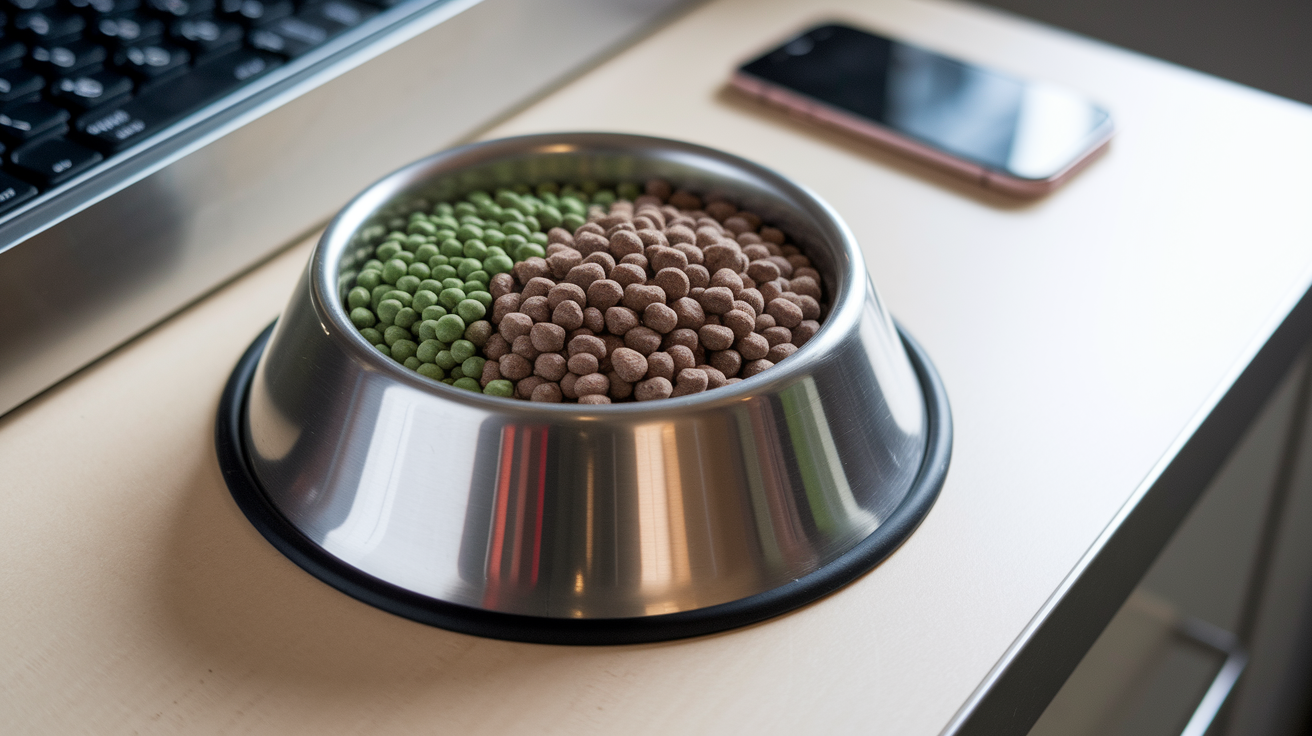
Pea protein is basically concentrated plant protein pulled from yellow or green peas, turned into powder, and dumped into dog food to jack up the protein numbers. It’s not the same as whole peas. Whole peas bring fiber, vitamins, and minerals to the table. Pea protein strips out most of that and keeps just the protein part.
Manufacturers started using it in grain-free kibble because it’s cheap and it bumps up the crude protein percentage without having to add more expensive meat like chicken meal or fish. When brands pulled grains like wheat and corn to chase the grain-free trend, they needed something to replace them. Something that could hold kibble together and still contribute protein. Pea protein fit the bill.
Whole peas actually offer some decent stuff. Fiber for digestion, B vitamins, iron, magnesium. But here’s the thing: pea protein and other legume proteins are incomplete. They don’t have all the essential amino acids dogs need. And dogs can’t make those amino acids themselves, so they’ve got to get them from food. Plus, your dog’s body absorbs way less protein from peas than from actual meat.
Here’s why you’ll see pea protein showing up in grain-free formulas:
- It’s a cheap way to raise protein percentages without adding more meat
- It replaced grains when wheat, corn, and rice got kicked out
- It sounds good for marketing (gluten-free, grain-free, plant-forward stuff)
- It helps with kibble texture during manufacturing
- It makes the protein number on the label look impressive
The FDA started getting reports back in 2018 linking certain grain-free diets to heart problems in dogs. By June 2019, they’d figured out that over 90 percent of the dilated cardiomyopathy cases involved grain-free foods. And get this: 93 percent of those foods had peas or lentils as main ingredients. That shifted the spotlight from grain-free in general to the legume overload that replaced traditional grains.
Nutritional Role of Pea Protein Compared to Animal Protein Sources
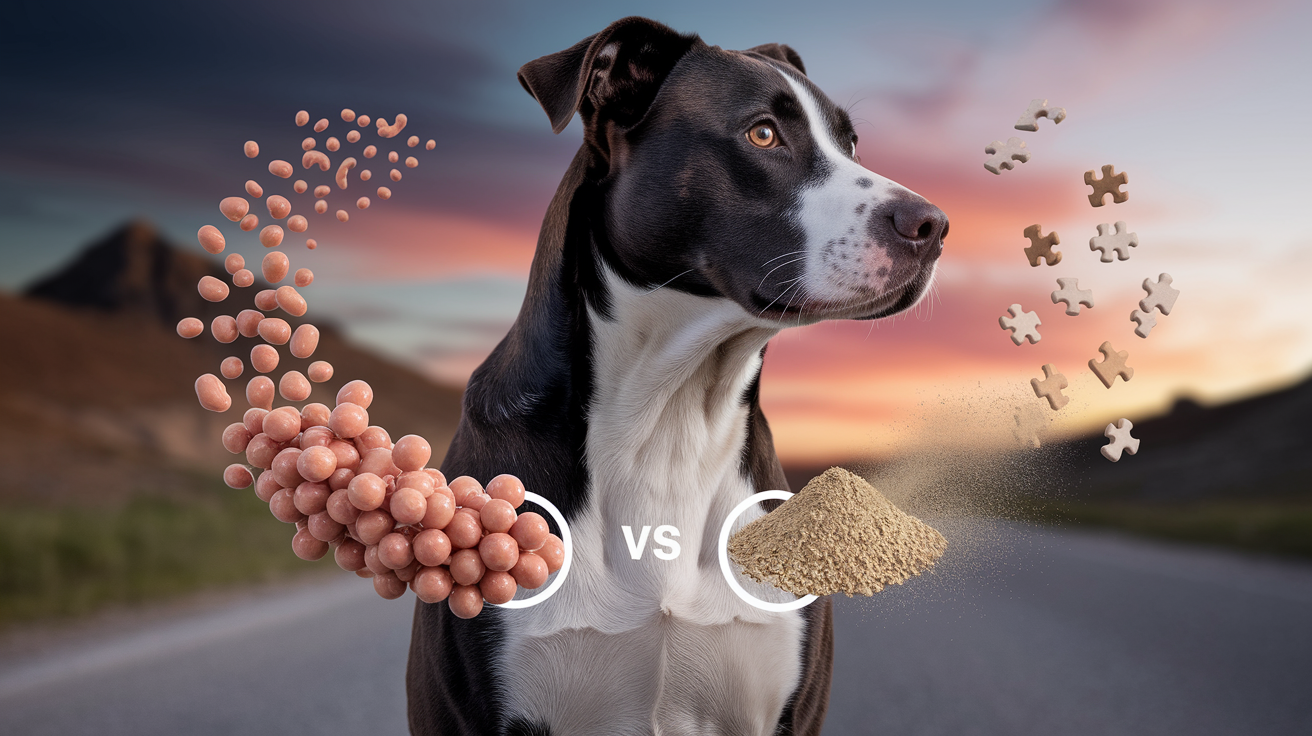
Complete proteins have all the essential amino acids dogs need. We’re talking muscle building, organ maintenance, immune support, enzyme production, the whole deal. Animal proteins like chicken, beef, lamb, turkey, and fish? Complete proteins. They match up pretty well with what dogs actually require.
Plant proteins like pea protein? Incomplete. They’re missing adequate amounts of one or more essential amino acids. Since dogs can’t manufacture these internally, they’ve got to get them through diet. When pea protein acts as a primary protein source without enough animal protein filling the gaps, you can end up with deficiencies over time. That affects growth, tissue repair, metabolism.
Essential Amino Acids and Taurine
Taurine is what’s called a conditionally essential amino acid. It supports heart muscle function, vision, digestion, reproduction. Dogs can make taurine from precursor amino acids (cysteine and methionine) found in animal proteins, but some dogs can’t produce enough. Especially when their diet lacks sufficient precursors or contains ingredients that mess with taurine absorption.
Pea protein is low in cysteine and methionine. So diets leaning hard on pea protein might not give dogs enough building blocks for taurine synthesis. And high fiber from legumes can bind to bile acids in the gut, which increases taurine loss through poop. Golden retrievers seem particularly vulnerable to taurine deficiency on legume-heavy diets, though vets have found DCM cases in breeds that don’t typically get inherited heart disease.
Digestibility is about how much of a protein source your dog’s body can actually break down, absorb, and use. Animal protein meals like chicken meal and fish meal typically hit digestibility rates above 80 percent. Pea protein has lower bioavailability. The rates vary depending on processing, but they generally fall below animal sources.
When the crude protein percentage on a label includes a bunch from pea protein, the actual usable protein might be way lower than the number suggests. That matters because owners picking high-protein diets often think their dog is getting tons of nutrition. But protein quality and absorption efficiency matter more than the percentage alone.
| Protein Source | Completeness | Digestibility Level |
|---|---|---|
| Animal proteins (chicken meal, beef, fish meal) | Complete (contains all essential amino acids) | High (typically above 80%) |
| Pea protein and legume proteins | Incomplete (lacks one or more essential amino acids) | Moderate to low (varies by processing) |
Evaluating Legumes Like Peas, Lentils, and Chickpeas in Grain-Free Dog Food
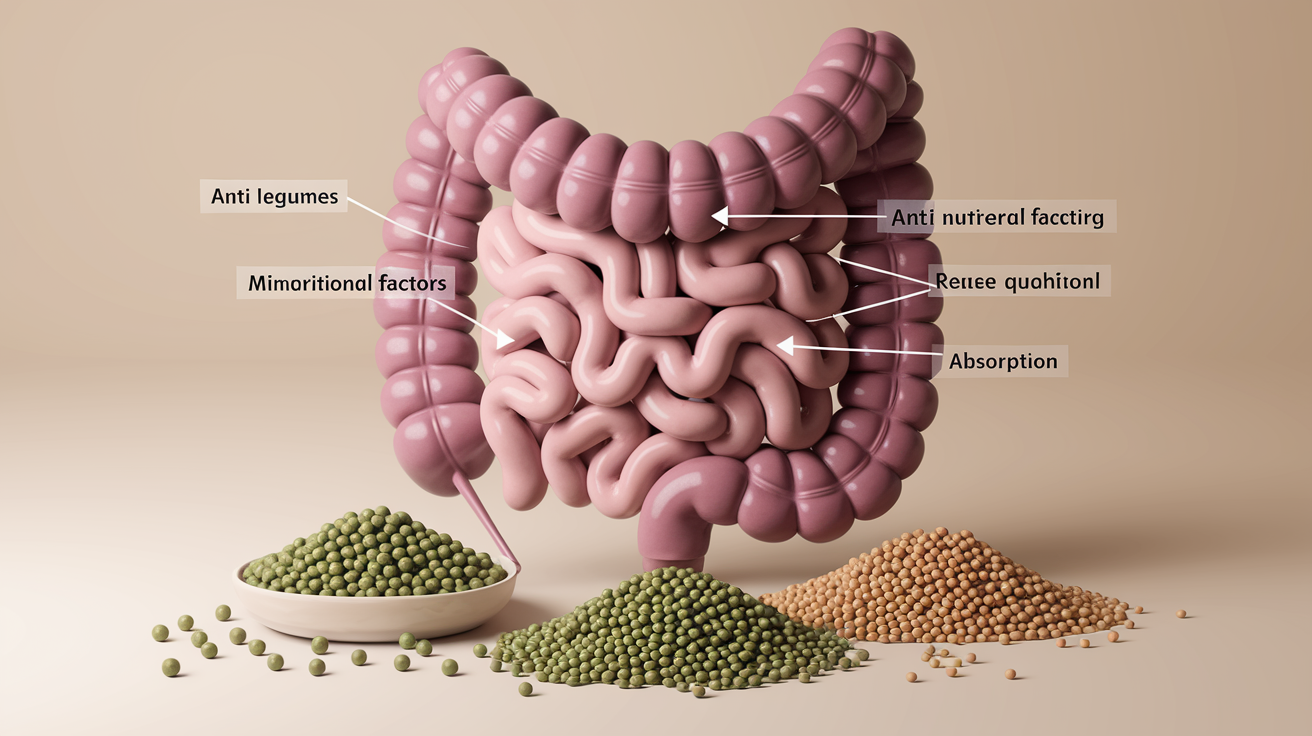
When grain-free foods took off, manufacturers needed carbs to replace wheat, corn, and rice while keeping kibble structure intact and providing energy. Legumes like whole peas, lentils, and chickpeas became the go-to substitutes. They bring carbs for energy and kibble formation, plus they add plant protein, fiber, B vitamins, iron, and magnesium.
Whole peas and lentils are different from isolated pea protein because they keep their fiber. That supports gut motility and helps dogs feel full. The fiber in legumes can actually be beneficial for weight management and digestion when you’re using moderate amounts as part of balanced formulas that put animal proteins first.
But excessive legume inclusion creates problems beyond incomplete amino acid profiles. Heavy legume content can reduce how well dogs absorb certain minerals through compounds called anti-nutritional factors. These bind to minerals like calcium, iron, and zinc and block absorption. Heavy fiber loads can also speed up intestinal transit time, meaning food moves through faster and nutrients get less time to absorb. Some dogs get gas, loose stool, or digestive discomfort from diets where legumes are primary ingredients. Individual tolerance varies.
The FDA specifically flagged legumes as concerning when they show up on the label before vitamins and minerals, meaning they’re making up a big chunk of the formula.
Common legume ingredients you’ll find in grain-free foods:
- Whole peas (yellow peas, green peas, garden peas)
- Lentils (red lentils, green lentils)
- Chickpeas (garbanzo beans)
- Pea fiber (extracted fiber used to boost fiber content)
- Pea starch (carb portion separated from protein)
- Various beans (navy beans, pinto beans)
The DCM Investigation: How Pea Protein and Grain-Free Diets Became Linked
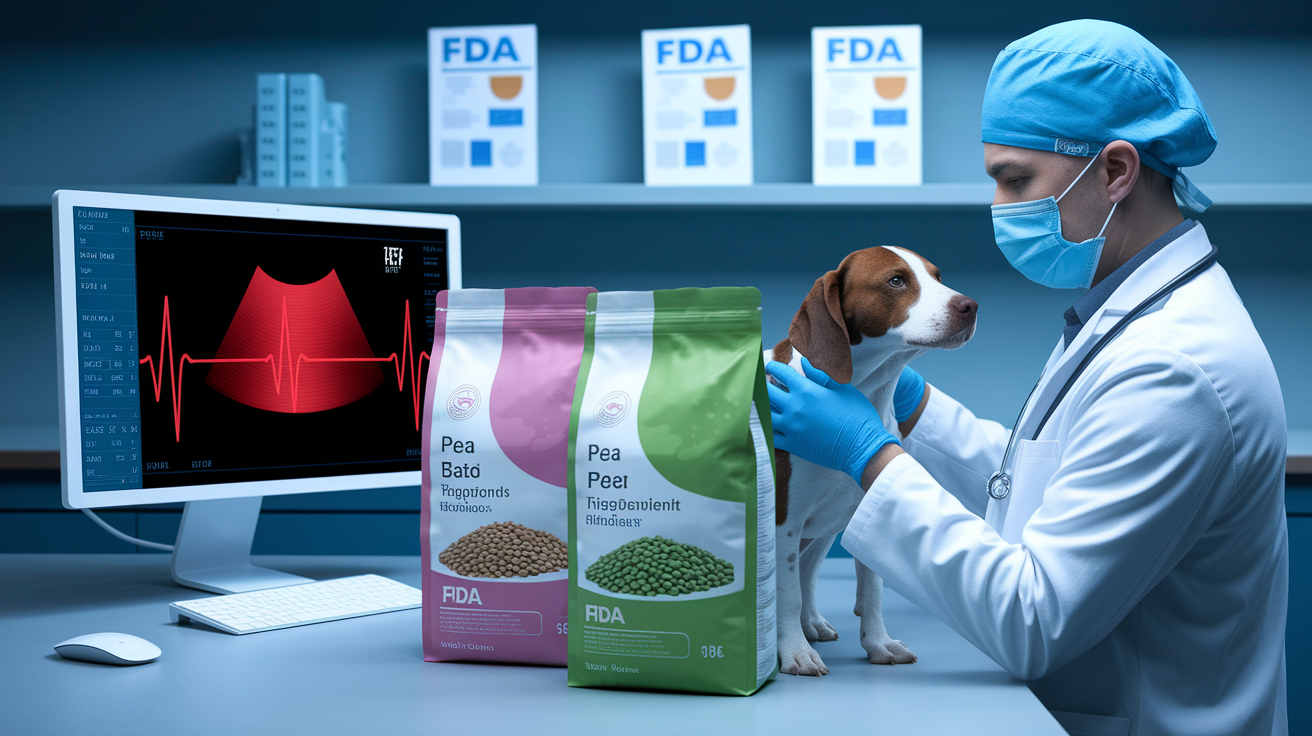
In June 2019, the FDA dropped an update showing that over 90 percent of reported dilated cardiomyopathy cases involved dogs eating grain-free labeled foods. Within those cases, 93 percent of the foods contained peas or lentils as main ingredients. The investigation also found that 42 percent of the reported foods had potatoes, including sweet potatoes and red potatoes.
These findings represented hundreds of reports from vets and pet owners describing dogs developing DCM. That’s a serious heart condition where the cardiac muscle gets thin and stretched out, killing the heart’s ability to pump blood effectively. Most concerning? Many affected dogs belonged to breeds not genetically prone to inherited DCM. That suggested a dietary cause rather than genetics.
Veterinary cardiologists working the investigation identified three distinct types of DCM. First is breed-specific inherited DCM, which hits certain large and giant breeds like Doberman Pinschers, Boxers, Great Danes, Newfoundlands, Irish Wolfhounds, and Saint Bernards regardless of diet. This genetic form has nothing to do with food choices.
Second type is diet-associated DCM with measurable taurine deficiency. Blood tests show low taurine levels and dogs often improve with taurine supplementation and diet changes.
Third type is diet-associated DCM without taurine deficiency. Dogs develop heart problems while eating certain diets but have normal taurine levels on testing. This category remains the most puzzling. It suggests unknown dietary factors beyond simple taurine availability might be messing with cardiac function. Theories include amino acid imbalances from heavy legume use, reduced bioavailability of taurine precursors, fiber interference with nutrient absorption, or interactions between multiple plant ingredients that haven’t been fully identified.
Breeds Most Reported in DCM Cases
DCM cases popped up across many breeds not typically affected by inherited heart disease. But golden retrievers were disproportionately represented in FDA reports and may have particular sensitivity to taurine deficiency when fed legume-heavy diets. Other breeds frequently mentioned included Labrador Retrievers, mixed breeds, Whippets, Bulldogs, and Shih Tzus.
The appearance of DCM in breeds without genetic predisposition was a red flag. These dogs wouldn’t typically develop heart disease in significant numbers without an environmental trigger like diet.
Many dogs diagnosed with diet-associated DCM showed clinical improvement after switching from grain-free formulas containing peas and legumes to diets with traditional ingredients like chicken, beef, rice, corn, and wheat paired with appropriate animal protein sources. One dog owner reported that their golden retriever developed DCM after eating grain-free food with peas and legumes, then recovered after switching to Purina Pro Plan and getting veterinary cardiac care. The owner emphasized avoiding foods with peas or legumes in the first five ingredients based on their experience, which included thousands of dollars in cardiology bills.
Not all dogs fully recover. But many show improved heart function measurements, reduced symptoms like coughing and exercise intolerance, and better quality of life after diet changes and taurine supplementation when appropriate.
Practical Guidance for Choosing Grain-Free Foods Containing Pea Protein
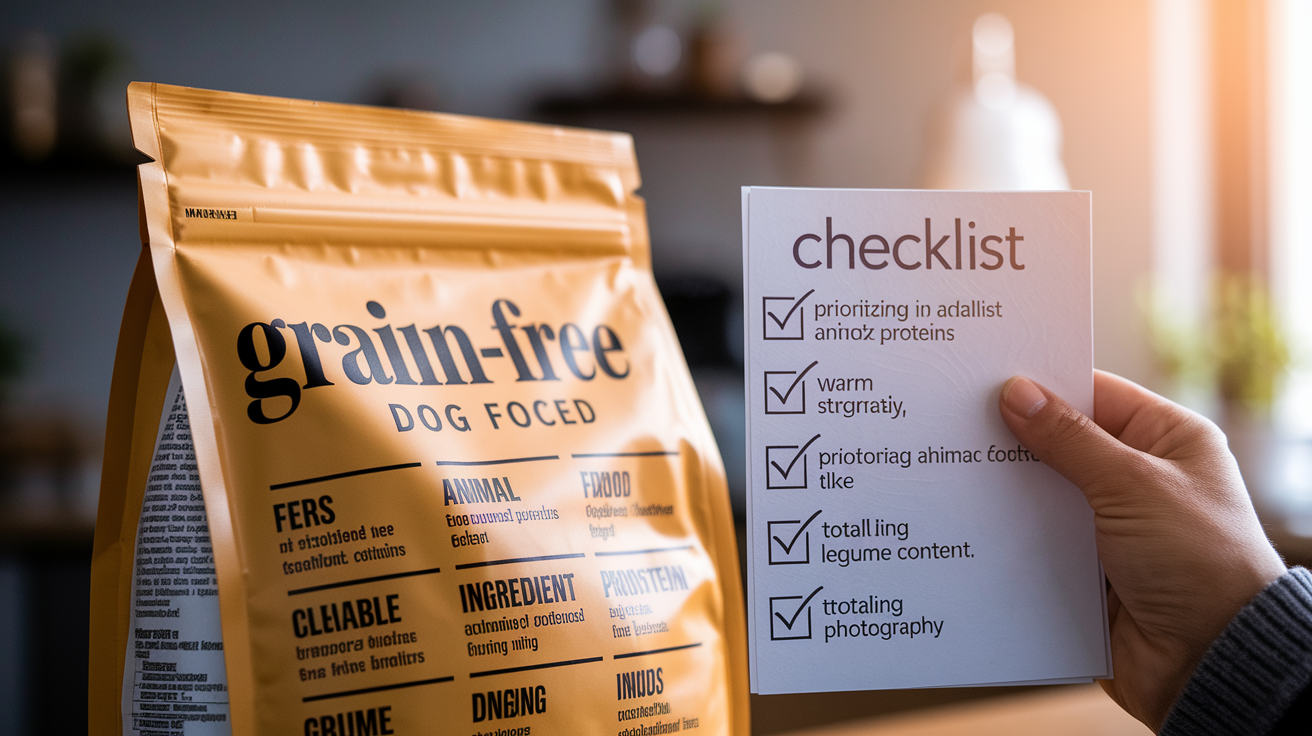
When you’re evaluating a grain-free dog food with pea protein, start by reading the ingredient list to see where legumes show up. Ingredients are listed in descending order by weight, so items near the top make up bigger portions of the formula.
If you see peas, pea protein, lentils, chickpeas, or other legumes within the first five ingredients, that food relies heavily on plant proteins and carbs. Pay attention to ingredient splitting. That’s where manufacturers list multiple forms of the same ingredient separately to push each version lower on the list. Look for combinations like peas, pea protein, pea fiber, and pea starch appearing throughout the panel. Collectively they represent significant legume content even if no single pea ingredient ranks first.
Also check whether the first three to five ingredients are animal proteins like chicken, beef, turkey, or fish. That indicates the formula prioritizes complete protein sources over plant alternatives.
Pea protein can be acceptable in dog food when it appears in moderation as part of formulas that feature high quality animal proteins as the primary sources. A food that lists chicken, chicken meal, and turkey as the first three ingredients, with pea protein appearing further down after several animal sources? That’s using pea protein as supplemental rather than foundational. That’s different from formulas where pea protein ranks second or third, which means the manufacturer is using plant protein to inflate crude protein percentages without adding more meat.
Consider alternatives if your dog belongs to a breed reported in DCM cases, has a family history of heart disease, or if you’re uncomfortable with the uncertainty around legume-heavy diets. Traditional grain-inclusive formulas from manufacturers that conduct feeding trials and employ board-certified veterinary nutritionists offer proven track records. Grain-free foods remain under investigation for potential cardiac risks.
| Label Feature | Why It Matters | Recommended Action |
|---|---|---|
| Peas or pea protein in first five ingredients | Indicates heavy reliance on plant-based protein | Consider formulas with animal proteins dominating ingredient list |
| Multiple legume forms listed separately (peas, pea protein, pea fiber, pea starch) | Ingredient splitting that masks total legume content | Add up all legume ingredients mentally to assess total volume |
| First three ingredients are named animal proteins | Signals protein foundation from complete sources | Generally safer choice for primary protein nutrition |
| Company employs board-certified veterinary nutritionist | Professional formulation oversight ensures balanced nutrition | Check manufacturer website for nutritionist credentials |
| Food meets AAFCO standards through feeding trials | Real-world testing proves dogs thrive on the formula | Look for feeding trial statement on packaging or website |
Final Words
You learned what pea protein is, how it’s concentrated from peas, and why makers add it to grain-free kibble—to boost protein numbers and replace grains.
We covered the upsides (fiber, some micronutrients) and the downsides (incomplete amino acids, lower digestibility), plus the FDA’s DCM concerns.
Practical tips were simple: check ingredient order, avoid heavy legume loading, and favor formulas with solid animal proteins and credible testing.
Think of pea protein in grain free dog food as one piece of the puzzle. With careful choices and vet checks, you’ll find a balanced option that works.
FAQ
Q: Is pea protein safe in dog food and is there a downside to pea protein?
A: Pea protein in dog food is generally safe in moderation, but overuse can create incomplete amino acid balance, lower digestibility, and has appeared in some diet-associated DCM reports; prefer balanced, meat-forward formulas and monitor stool.
Q: Why do vets not recommend grain-free dog food?
A: Vets often avoid grain-free diets because many grain-free formulas high in legumes and potatoes were linked to diet-associated DCM and nutrient imbalances; vets favor foods with tested animal proteins and balanced amino acids.
Q: What three ingredients should not be in dog food?
A: Three ingredients to avoid are peas or lentils listed among the top ingredients, concentrated pea protein/pea isolate used heavily, and vague “meat by-products” without specified animal sources, which can signal imbalance or lower quality.