
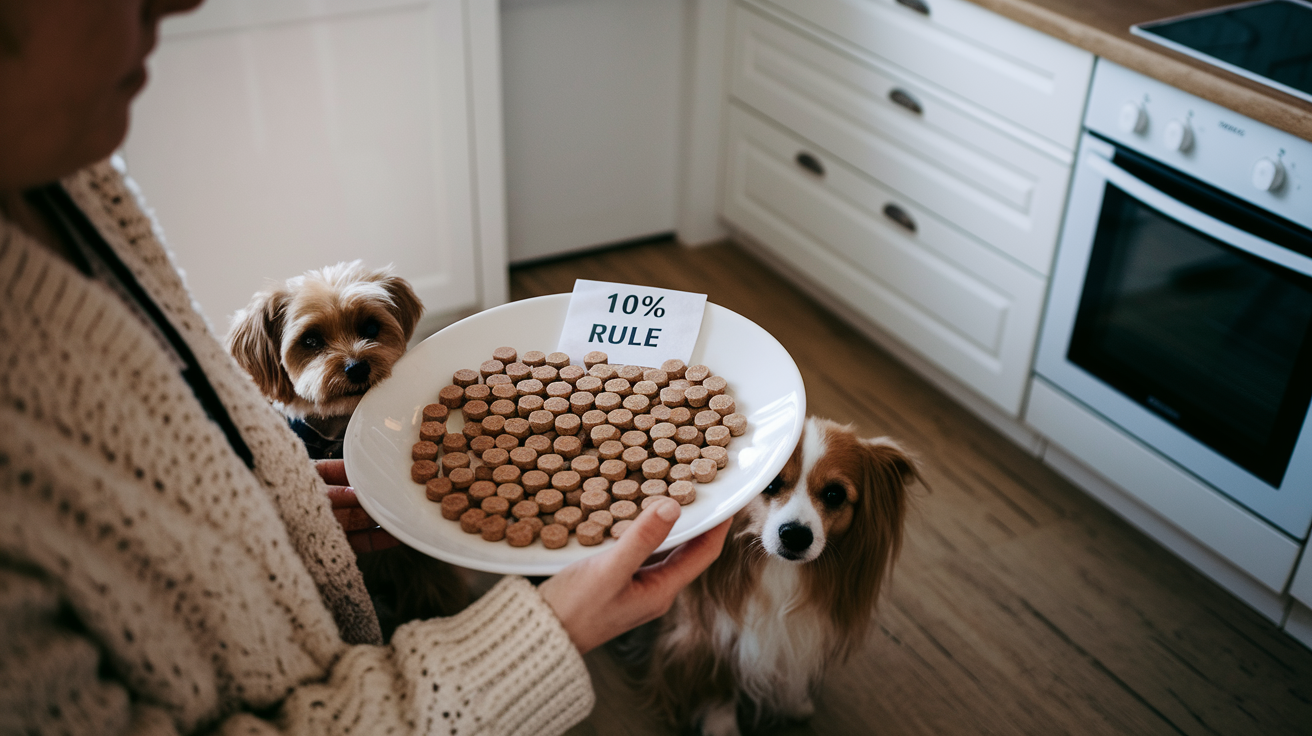
Stop handing out training treats like free samples — you’re probably overfeeding your dog.
Treats must stay under 10 percent of your dog’s daily calories, and that includes dental chews, bully sticks, and the cute handouts the kids give.
That tiny rule changes how many rewards you can use in a session: a 65‑pound Lab might get about 120 treat calories a day, while a 5‑pound Yorkie gets only 18.
This post shows how to calculate your dog’s treat budget, pick low‑cal pieces, and plan training so you can reward often without adding weight.
Daily Training Treat Limits Explained Using the 10% Rule
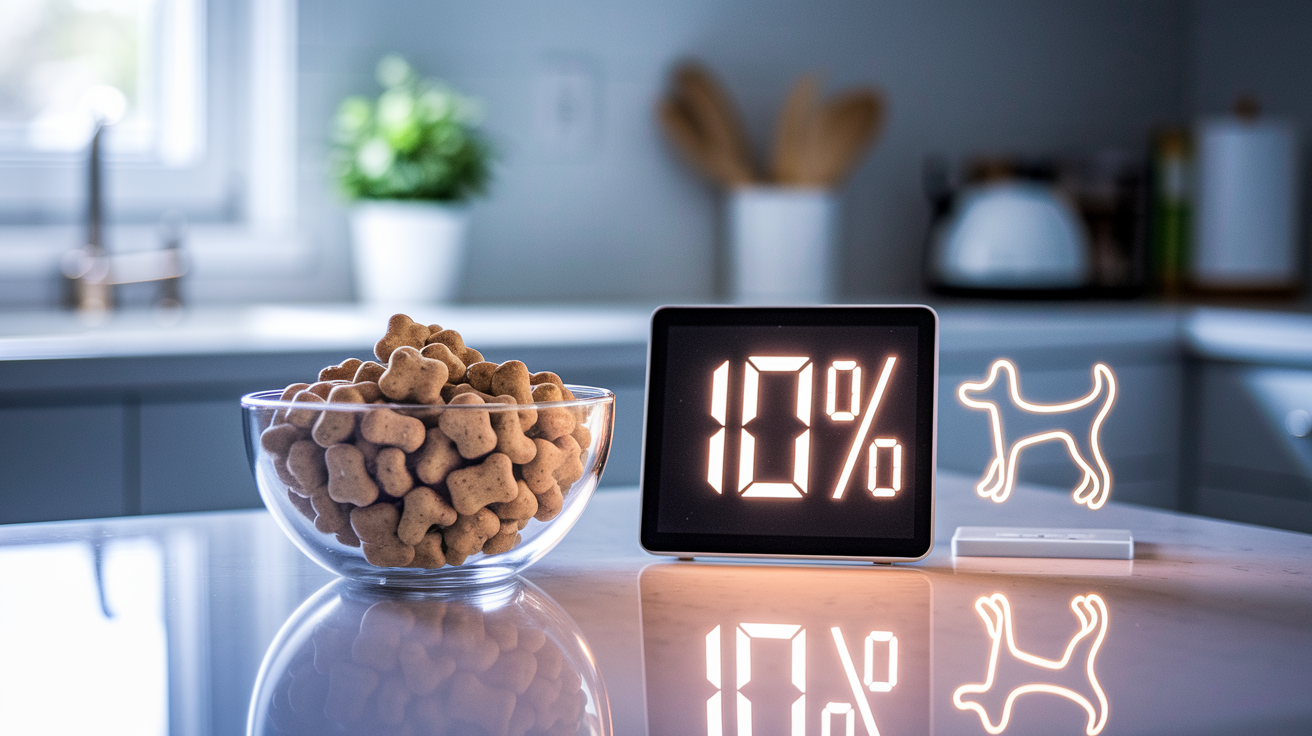
Treats can’t exceed 10 percent of your dog’s total daily calories. And that’s everything: training rewards, dental chews, bully sticks, those random handouts you give because your dog looked cute. The 10 percent rule isn’t bonus calories on top of meals. It’s part of the total. So if your dog needs 1,200 calories a day, 120 can come from treats. The other 1,080? That’s meals.
Here’s what that actually looks like. A 65 pound Labrador needing 1,241 calories daily gets up to 124 treat calories. A senior German Shepherd eating 1,456 calories can budget 145 for treats. But a 5 pound Yorkshire Terrier needing just 182 calories? That dog gets only 18 treat calories per day. One cube of cheddar cheese (about 69 calories) would blow through nearly four times that Yorkie’s allowance.
This is why training treats need to be tiny and low calorie, around 1 to 2 calories per piece. If you’re using 20 calorie treats, that 65 pound Lab can only have six per day. Switch to 2 calorie treats and suddenly you’ve got 62 training rewards to work with. That’s the difference between a couple quick sessions and an entire day of effective training.
Typical Maximum Daily Treat Calories by Dog Size:
- 5 pound dog: ~18 treat calories per day
- 25 pound dog: ~70 treat calories per day
- 50 pound dog: ~110 treat calories per day
- 75 pound dog: ~140 treat calories per day
- 100 pound dog: ~170 treat calories per day
How to Calculate Your Dog’s Total Daily Calorie Needs
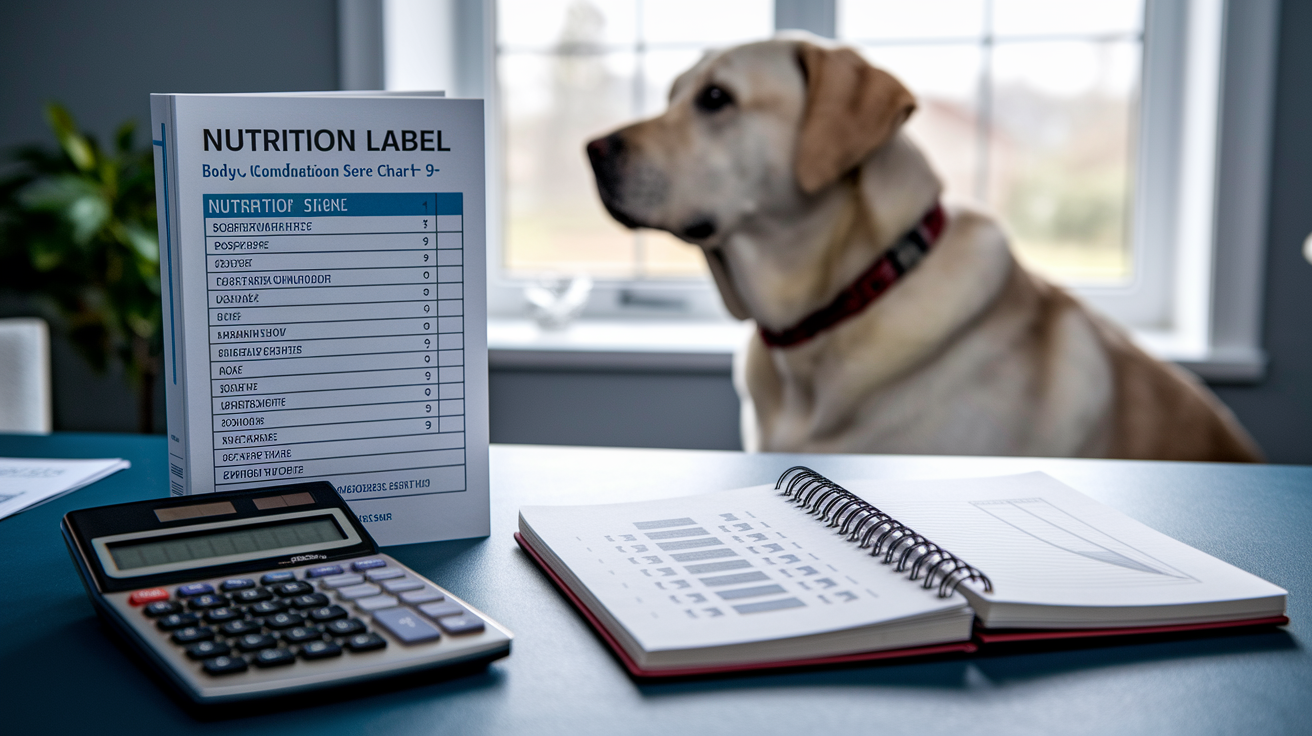
Dog food labels list calories as “kcal per cup” or “kcal per can.” You can treat kcal and calories as the same thing. 364 kcal per cup means 364 calories per cup. To figure out your dog’s total daily calorie needs, start with the feeding guide on the bag. But know those numbers are averages. Your dog might need more or less depending on body condition, activity level, age, and whether they’re spayed or neutered.
Body condition scoring uses a 1 to 9 scale. Ideal is 4 or 5, where you can easily feel ribs without pressing hard, see a waist from above, and notice an abdominal tuck from the side. If your dog’s a 6 or higher, they’re carrying extra weight and likely need fewer calories than the bag suggests. If they’re a 3 or lower, they need more. Tools like the Pet Nutrition Alliance calculator let you input weight, body condition score, and spay/neuter status to get a more accurate daily calorie estimate than generic package guidelines.
Factors That Influence Daily Calorie Needs:
- Current body weight and body condition score
- Activity level (couch dog vs working dog vs agility athlete)
- Age and life stage (puppy, adult, senior)
- Spay/neuter status (intact dogs often need slightly more)
Treat Calorie Density & Portion Scaling for Training Sessions

Treat calorie content swings wildly. Some commercial training treats pack 20 calories into a single piece. Others, especially freeze dried or dehydrated options broken into smaller bits, clock in at 1 to 2 calories. That range changes everything. If you’re working with a medium sized dog allowed 120 treat calories per day, 20 calorie treats give you just six rewards. One calorie treats? You can hand out 120.
Size matters, but so does how you break things up. A single soft baked treat might be 15 calories, but if you tear it into five pieces, each piece becomes 3 calories. And your dog still thinks they’re getting five separate rewards. High value treats like cheese or hot dogs work as motivators, but they’re calorie dense. One cubic inch of cheddar is 69 calories. For an 80 pound German Shepherd with 145 treat calories to spare, that’s nearly half the daily budget in one bite.
Training sessions go smoother when you match treat size to frequency. If you’re drilling recall 30 times in a session, you need tiny, low calorie rewards. Save the high calorie stuff for jackpot moments or new, difficult behaviors. The goal is keeping your dog engaged without blowing through the calorie budget before lunch.
| Treat Type | Approx. Calories per Piece | Impact on Daily Limit |
|---|---|---|
| Commercial soft baked training treat | 15–20 calories | Limits medium dog to 6–8 treats/day |
| Freeze dried meat (small piece) | 3–5 calories | Allows 24–40 treats/day for medium dog |
| Dehydrated liver (thumbnail sized) | 2–3 calories | Allows 40–60 treats/day for medium dog |
| 1 inch cube cheddar cheese | ~69 calories | Uses nearly 60% of medium dog’s treat budget |
Using Training Treats Safely for Puppies, Adults & Senior Dogs

Puppies burn through calories fast. A growing 30 pound, four month old pup might need 1,100 calories per day compared to an adult dog of the same weight needing just 800. Even with that higher total, the 10 percent rule still applies. Treats should max out around 110 calories. The difference is you’re spreading those rewards across more frequent, shorter training sessions because puppy attention spans are about as long as a sneeze.
Adult dogs in their prime usually have the most predictable calorie needs. A healthy, active adult maintains steady energy and weight on a consistent routine, so you can settle into a rhythm with treat portions. If you’re running multiple training sessions throughout the day, portion out your treat budget in the morning so you’re not accidentally doubling up by dinnertime.
Senior dogs often need fewer calories overall as metabolism slows and activity drops. A 10 year old German Shepherd might need 200 fewer daily calories than they did at age three. That shrinks the treat budget too. If you’re still handing out the same training rewards you used five years ago, you might be adding weight to joints that are already stressed. Scale back treat size or switch to lower calorie options as your dog ages.
Puppy Training Treat Considerations
Puppies need treats they can swallow quickly without losing focus. Crunchy biscuits slow down training because the pup spends 10 seconds chewing instead of listening for the next cue. Soft, pea sized treats or freeze dried bits work best. High value taste, fast consumption, low distraction. You’re reinforcing dozens of behaviors per session during early training, so each reward needs to be 1 to 2 calories max. Anything bigger eats into the calorie budget before you’ve finished teaching “sit.”
Weight Management & Preventing Overfeeding During Training

More than half of all dogs (54 percent) are overweight or obese, and treats are a major driver. It’s easy to lose count when you’re clicking through a 20 minute training session or when every family member is sneaking snacks. Those extra calories stack up fast. And the health risks stack up with them: joint disease, diabetes, heart problems, pancreatitis. Overweight dogs don’t just move slower. They hurt more and live shorter lives.
If you’re adding training treats to your dog’s routine, you have to pull calories from somewhere else. The math is simple. If your dog’s meal plan is 1,000 calories and you’re adding 100 treat calories, reduce kibble to 900 calories. Measure portions with a scale or measuring cup, not a scoop or eyeball guess. When you’re working with high calorie treats like cheese or hot dogs, the meal adjustment gets bigger. One inch of cheddar for an 80 pound dog might mean pulling a quarter cup of kibble.
Signs Your Dog May Be Gaining Weight from Treats:
- Ribs become harder to feel without pressing firmly
- Waist disappears when viewed from above
- Abdominal tuck flattens out or bulges slightly
- Energy drops or reluctance to jump, run, or climb stairs increases
Low Calorie & Healthy Alternatives for Training Sessions
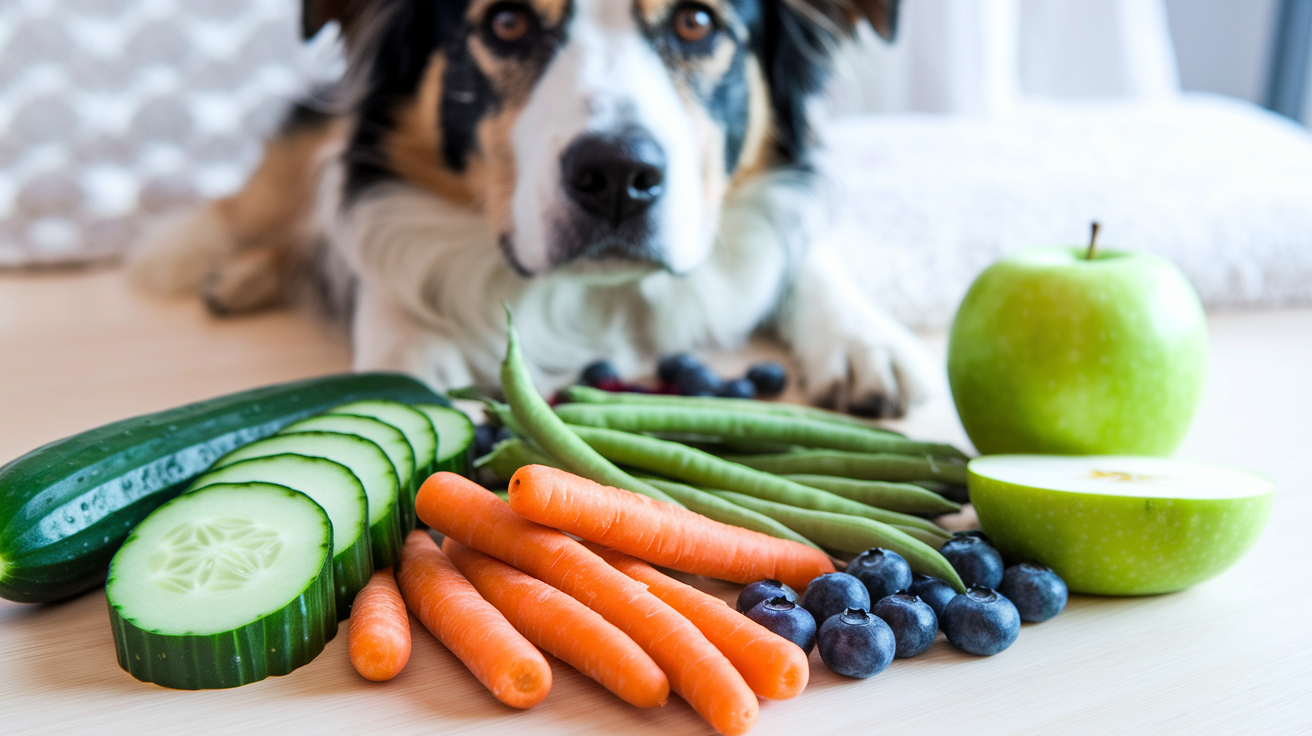
Half a cup of sliced cucumbers has about 8 calories. One medium carrot? Around 25. Green beans, cooked asparagus, small apple slices (no seeds), and blueberries all fall into the low calorie zone and work surprisingly well as training rewards for dogs who aren’t picky. You’re not trying to replace every treat with vegetables, but swapping in a few low cal options throughout the day stretches your calorie budget without cutting back on training frequency.
Small dogs need extra caution here. A 5 pound dog with an 18 calorie treat budget can’t afford a whole carrot. Even low calorie options add up fast when the total daily allowance is that tight. For tiny breeds, think carrot shavings, a single green bean cut into three pieces, or one blueberry. It sounds extreme, but portion scaling is the only way to keep training consistent without tipping into weight gain.
Low Calorie Training Treat Alternatives:
- Sliced cucumbers: ~8 calories per half cup
- Baby carrots or carrot sticks: ~4 calories per small piece
- Green beans (raw or steamed): ~4 calories per 10 beans
- Blueberries: ~1 calorie per berry
- Apple slices (no seeds or core): ~3 calories per thin slice
Adjusting Training Treats for Dogs With Health Conditions
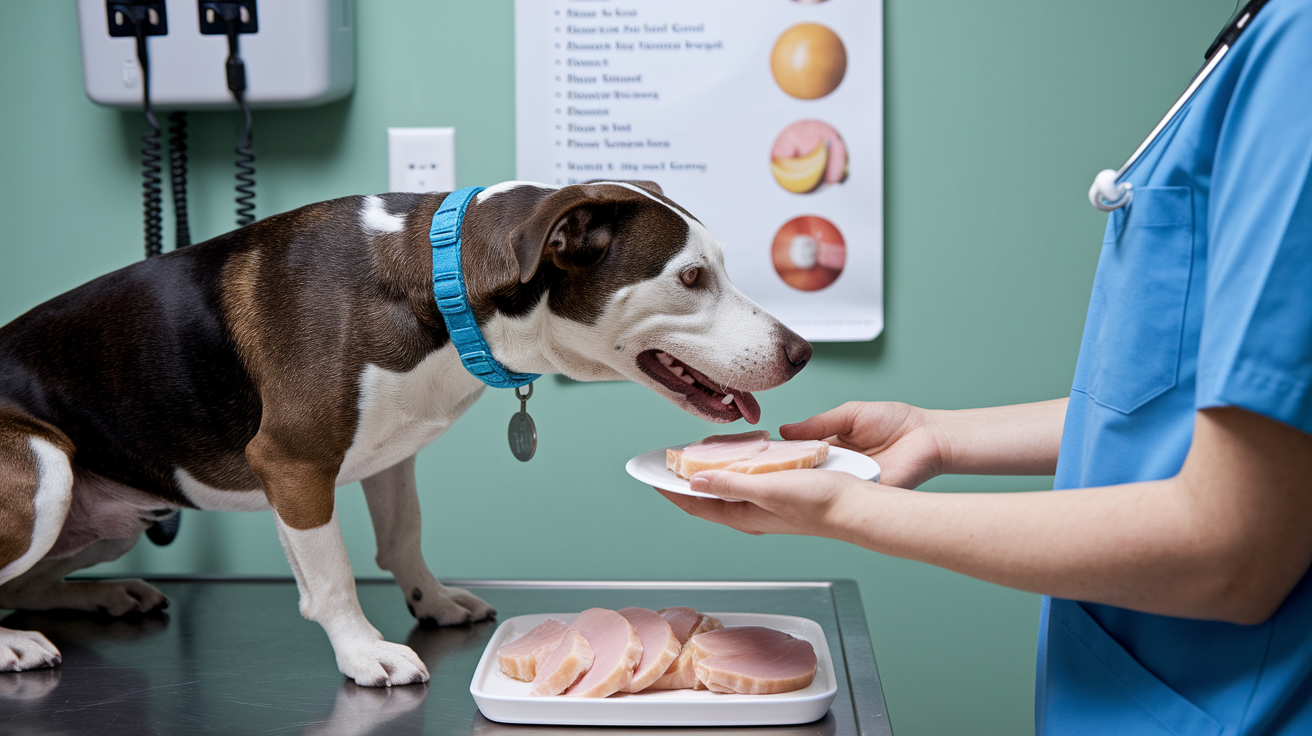
Dogs with diabetes, pancreatitis, or gastrointestinal sensitivities can’t handle standard training treats. High fat options like cheese or jerky can trigger pancreatitis flare ups. Sugary or carb heavy treats spike blood sugar in diabetic dogs. Even “healthy” treats with novel proteins or rich ingredients can cause vomiting or diarrhea in dogs with sensitive stomachs or food allergies.
If your dog has a diagnosed condition, talk to your vet before picking training treats. You might need single ingredient, low fat options like plain boiled chicken breast, freeze dried white fish, or specific prescription treats designed for restricted diets. The treat budget might also shrink. Some conditions require tighter calorie control, and the 10 percent rule becomes more like 5 percent to leave room for medication or therapeutic foods.
Treat Types to Avoid for Dogs With Health Conditions:
- High fat treats (cheese, bacon, fatty meats) for pancreatitis or digestive issues
- Sugary or high carb treats for diabetic dogs
- Novel proteins or complex ingredient lists for dogs with food sensitivities or allergies
Choosing Better Training Treats for Nutrition & Digestive Health
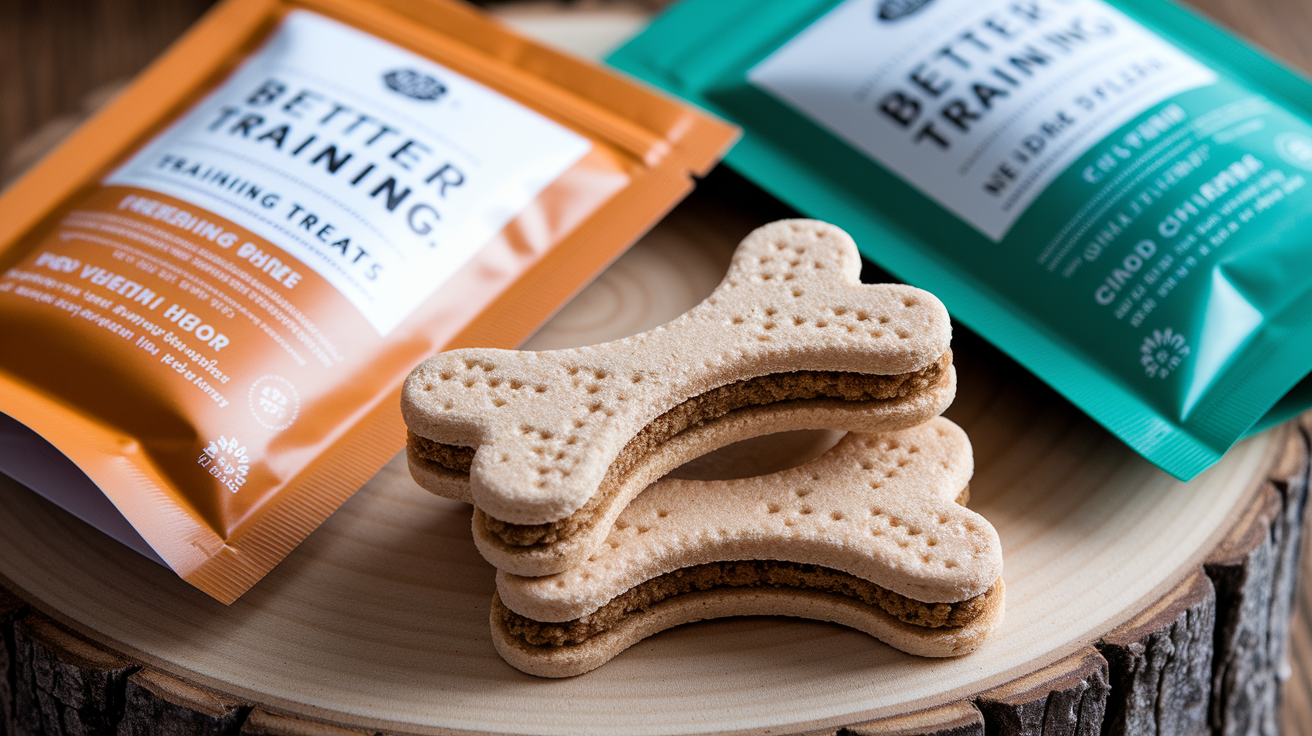
Ingredient quality affects more than just nutrition. It changes how your dog’s stomach handles frequent treat intake. Treats loaded with fillers, artificial colors, and preservatives can contribute to loose stools, gas, or low grade digestive upset, especially when you’re handing out 30 or 40 per day during training. Single ingredient treats (freeze dried chicken, dehydrated sweet potato, plain salmon) give you more control over what’s going into your dog and make it easier to spot problems if something doesn’t agree with them.
Calorie density varies by format too. Soft baked treats often include oils, starches, and humectants to keep them chewy, which pushes calorie counts higher. Freeze dried or air dried options tend to be leaner because they’re just meat or organ tissue with water removed. Dehydrated vegetables are even lighter. If you’re comparing two treats with similar ingredient lists, the drier format usually delivers fewer calories per piece.
High value doesn’t mean high calorie. Dogs care about taste and smell more than size. A thumbnail sized piece of freeze dried liver gets the same reaction as a whole soft baked biscuit, but it costs you 3 calories instead of 20. When you’re choosing treats, prioritize strong flavor in small packages. Single protein freeze dried bits, plain cooked chicken, or even tiny pieces of hot dog cut into five parts. Save the crunchy, bulky treats for occasional rewards, not rapid fire training sessions.
| Treat Format | Typical Calories per Piece | Notes |
|---|---|---|
| Soft baked commercial treat | 15–20 calories | Often contains oils, fillers; higher calorie density |
| Freeze dried single ingredient | 2–5 calories | Lean, easy to break into smaller pieces |
| Dehydrated vegetables | 1–3 calories | Lowest calorie option; works for less food motivated dogs |
| Jerky or meat strips | 10–30 calories | High value but calorie dense; best used sparingly |
Final Words
We started with the 10% rule: treats should be no more than 10% of your dog’s daily calories. Tiny (1–2 calorie) training treats let you reward often without blowing the limit.
We covered how to calculate total calories, compare treat calorie density, adjust for puppies and seniors, and pick low‑cal alternatives while watching weight and stool.
If you’re wondering how many training treats per day for dogs, follow the 10% rule, choose low‑cal bites, and tweak for size and health. You’ll keep training effective and your dog at a healthy weight.
FAQ
Q: How many training treats can a dog have a day?
A: A dog can have training treats totaling up to 10% of its total daily calories. That means roughly 124–145 treat calories for many medium-large dogs, and using 1–2 calorie treats lets you reward often.
Q: What is the 7 7 7 rule for dogs?
A: The 7 7 7 rule for dogs is not a universal feeding or treat guideline; meanings vary by trainer. When you see it, ask the source for specifics, and default to the 10% treat-calorie rule for safety.
Q: What is the 90/10 rule for dogs?
A: The 90/10 rule for dogs means 90% of a dog’s daily calories should come from a complete, balanced diet and no more than 10% from treats, toppers, and table scraps.
Q: What is the 10 10 10 rule for puppies?
A: The 10 10 10 rule for puppies isn’t a standardized guideline; different people use it differently. Puppies need more calories per pound, so use tiny 1–2 calorie treats and keep treats under 10% of daily calories.