
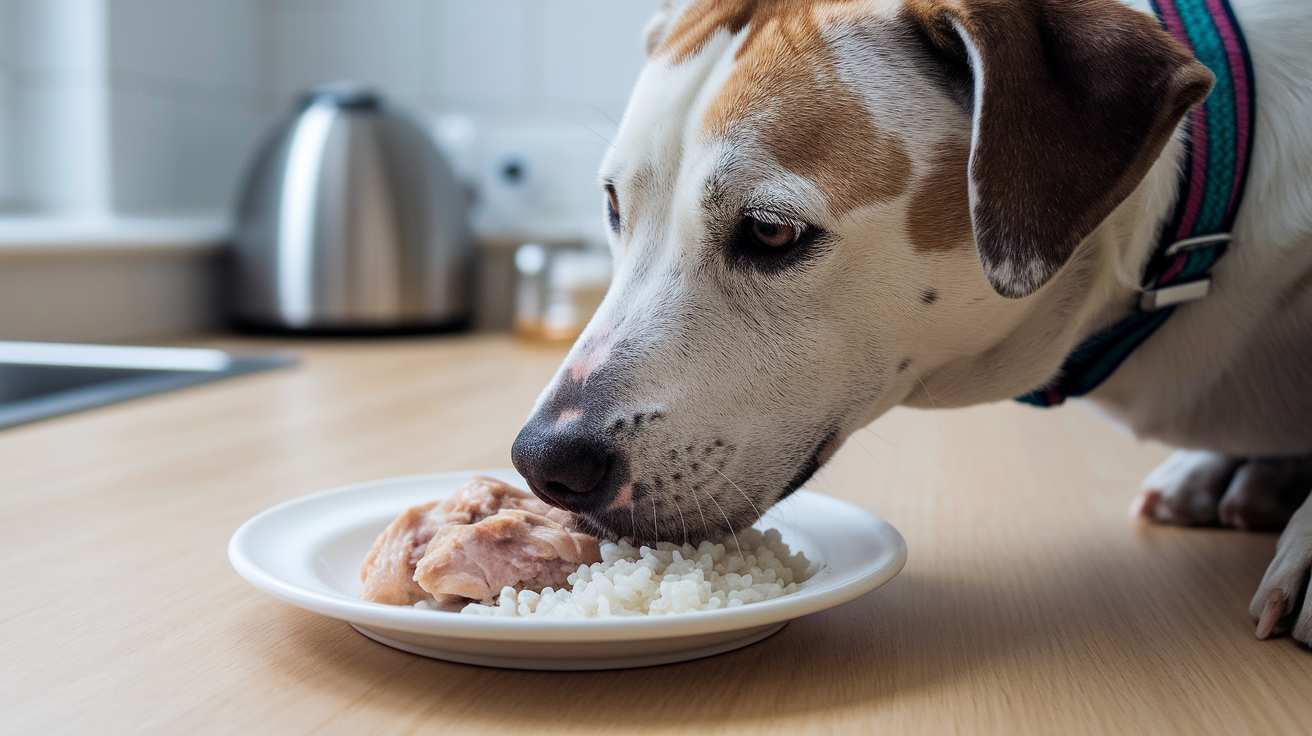
Think homemade meals are automatically safer for senior dogs with kidney disease?
Not necessarily.
But when you use the right ingredients, weigh portions, and work with your vet, homemade meals can be a safe, practical way to ease your dog’s symptoms and keep them eating.
This guide shows simple recipes with less phosphorus (a mineral that can strain kidneys), clear portion tips, and safe storage steps so you can make small batches that help, not hurt, failing kidneys.
You’ll also get a safe transition plan to switch foods slowly.
Safe Homemade Kidney-Friendly Meals for Senior Dogs (Quick Start Guide)

Start with small batches you can use up in 2 or 3 days while your dog gets used to eating something new. Cook everything gently. Boil or bake your protein without salt, fat, or any seasoning. You’ll need a kitchen scale, not guesswork, because eyeballing portions can dump too much phosphorus or protein into a meal and stress kidneys that are already struggling. Mix everything thoroughly. Your dog shouldn’t be able to pick out just the protein and leave the rest behind. Senior dogs dealing with kidney disease need balanced meals, not a choose your own adventure buffet.
Keep prepared meals in airtight containers in the fridge for up to three days. Or freeze individual portions for up to two months. Label everything with the date and what’s inside so you’re not guessing later about freshness or what recipe you made. Warm refrigerated food to room temperature before you serve it. Cold meals can kill appetite in senior dogs who might already feel nauseous or picky. Don’t microwave in plastic. Use glass or ceramic, stir well, and test the temperature yourself so you’re not serving hot spots that could burn your dog’s mouth.
Always talk to your vet before you start making homemade kidney meals. Nutritional needs shift based on bloodwork, disease stage, body condition, and whatever else is going on health wise. Lab results tell you how much protein to use, where phosphorus needs to land, and which supplements make sense. Home recipes by themselves won’t cover complete nutrition without professional backup.
Safe ingredients for kidney meals:
- Cooked white rice or white pasta (low phosphorus, easy to digest)
- Skinless chicken breast or egg whites (lean, high quality protein)
- Cooked green beans, zucchini, or pumpkin (low phosphorus, safe fiber)
- Small amounts of canola or fish oil (omega-3 support)
Foods you can’t use in kidney diets:
- Organ meats like liver, kidney, heart (loaded with phosphorus)
- Dairy like cheese, milk, yogurt (high phosphorus and sodium)
- Fatty fish such as salmon, sardines, mackerel (high phosphorus even with the omega-3s)
- Bones, bone meal, or anything bone based (dangerously high phosphorus)
Simple chicken and rice version: Boil 4 ounces of boneless, skinless chicken breast in unsalted water for 15 minutes until it’s fully cooked, then shred it into small pieces. Cook 1 cup of white rice using plain water and package directions. Mix the shredded chicken with the cooked rice, add 1 teaspoon of canola oil and half a cup of finely chopped cooked green beans. Let it cool to room temperature before serving. This makes about two meals for a 25 pound senior dog.
Egg white and pasta option: Scramble 3 large egg whites in a nonstick pan without oil or butter until they’re firm, then chop into small pieces. Cook 1 cup of white pasta (small shapes like shells or elbows) in unsalted water, drain well. Combine the chopped egg whites with the pasta, add half a cup of mashed cooked pumpkin and half a teaspoon of fish oil. Mix it all together and divide based on your dog’s weight. Store unused portions in the fridge right away.
Portion sizes adjust based on current weight, body condition, and appetite shifts that often show up with kidney disease. A 20 pound senior might eat 1 to 1.5 cups of prepared food daily split into 2 or 3 smaller meals. A 50 pound dog might need 2.5 to 3 cups divided the same way. Make sure fresh water is always available because kidney disease cranks up thirst and urination. If your dog won’t eat, try warming the food slightly or hand feeding small amounts to encourage interest. But never force it. Track daily food intake and weigh your dog weekly to catch anything concerning early.
Core Nutritional Principles for Kidney-Supportive Homemade Diets
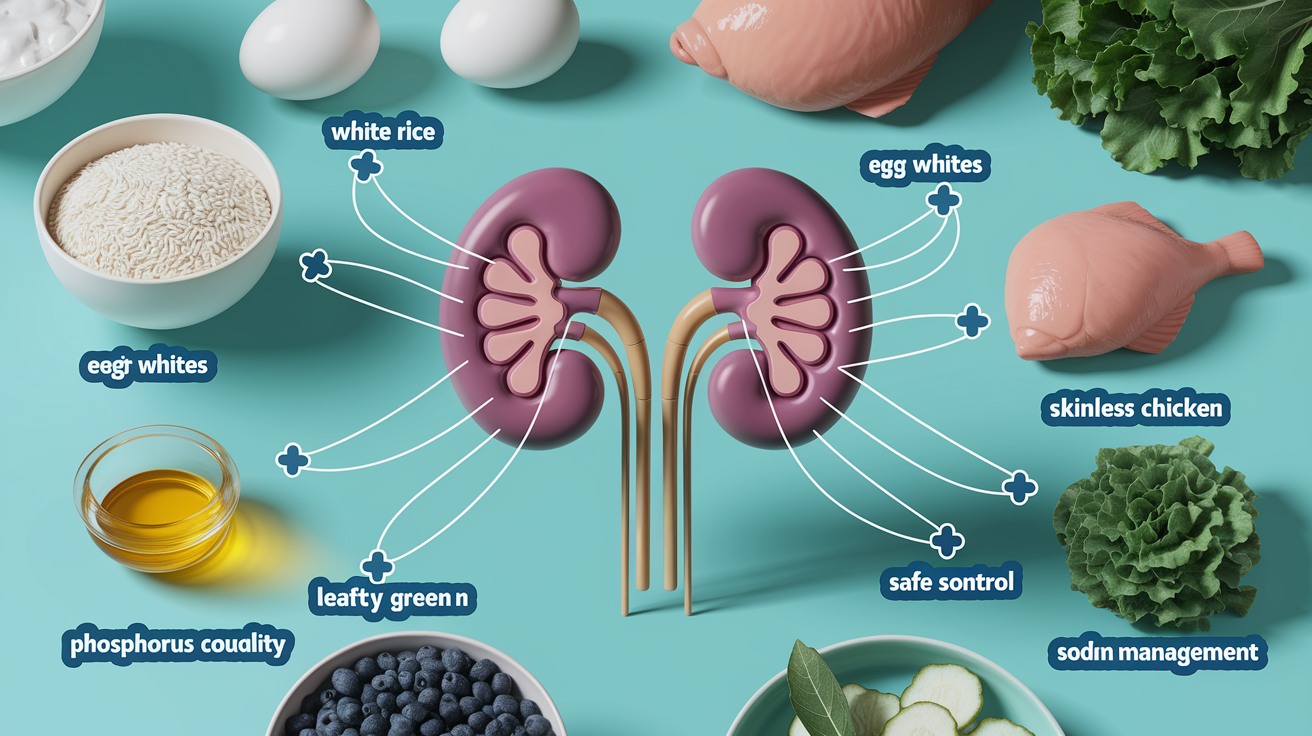
Kidneys damaged by disease can’t filter and remove waste products from the blood like they used to, so diet becomes a tool to lighten the load on failing organs. When you control phosphorus, limit protein without cutting it completely, and support overall health with specific fats and enough moisture, you’re building meals that help kidneys work as well as they can without adding strain. This doesn’t cure kidney disease. But it can slow things down and improve quality of life for months or even years.
The key shifts focus on reducing waste products kidneys have to process while keeping enough nutrition around for muscle mass, energy, and immune function. Lower phosphorus directly reduces stress on damaged kidney tissue. Phosphorus piles up when kidneys can’t clear it, which leads to more organ damage and imbalances throughout the body. High quality protein matters more than quantity. You’re picking sources that create fewer waste byproducts. Sodium restriction helps prevent fluid retention and high blood pressure, which commonly develop in kidney disease. Omega-3 fatty acids from fish oil might offer anti-inflammatory benefits that protect whatever kidney function is left.
These principles sound complicated, but they’re just ingredient choices. White rice instead of brown. Egg whites instead of whole eggs. A measured amount of lean chicken breast instead of fattier beef or high phosphorus organ meats. Small additions of fish oil instead of random fats from table scraps. Each decision reduces kidney burden while keeping meals appealing enough that a senior dog with a shrinking appetite will actually eat.
| Nutrient | Why It Matters | Safe Sources |
|---|---|---|
| Phosphorus | Excess phosphorus speeds up kidney damage and causes mineral imbalances in the blood | White rice, pasta, egg whites, skinless chicken breast (in controlled amounts) |
| Protein | Too much creates waste products kidneys struggle to clear, too little causes muscle wasting | Chicken breast, turkey breast, egg whites, measured carefully based on dog’s weight |
| Sodium | High sodium worsens blood pressure and fluid retention common in kidney disease | Unsalted cooked meats, plain cooked vegetables, low sodium broth in small amounts |
| Omega-3 Fatty Acids | May reduce kidney inflammation and slow disease progression through anti-inflammatory effects | Fish oil supplements (EPA/DHA forms), small amounts of canola oil |
Detailed Homemade Recipes With Measured Ingredients

Recipe 1: Chicken, Rice, and Green Bean Base — Boil 5 ounces of boneless, skinless chicken breast in unsalted water for 18 to 20 minutes until it’s fully cooked with no pink, then drain and shred into bite sized pieces using two forks. Cook 1.5 cups of white rice in plain water following package directions, aiming for a slightly softer texture than usual to help with digestion and make it more appealing. Steam or boil 3/4 cup of fresh or frozen green beans until they’re tender but not mushy, then chop into small pieces that fit your dog’s size. Combine the shredded chicken, cooked rice, and chopped green beans in a large mixing bowl, then add 1.5 teaspoons of canola oil and mix thoroughly until the oil coats everything evenly. This makes about 3 cups of prepared food, which is roughly 2 days of meals for a 30 pound senior dog when you split it into smaller feedings. Let the mixture cool completely before portioning into containers. Refrigerate what you’ll use within 3 days or freeze the rest in individual meal sized portions.
Recipe 2: Egg White, Pasta, and Squash Variation — Separate 4 large eggs and keep only the whites. Discard the yolks or save them for your own use, then scramble the whites in a nonstick pan without any added fat until they’re firm and fully cooked, about 3 to 4 minutes over medium heat. Cook 1.25 cups of small white pasta shapes like shells or elbows in unsalted boiling water according to package directions, then drain thoroughly and let cool slightly. Peel and cube one small yellow squash (about 1 cup of cubed squash), steam until very soft, then mash with a fork to create a smooth texture. Chop the cooked egg whites into small pieces and combine with the cooked pasta and mashed squash, then add 1 teaspoon of fish oil and mix until everything is evenly distributed. This makes about 2.5 cups of food and works well for dogs who need variety or have gotten picky about chicken based meals. Divide into portions immediately and store properly. Egg based recipes should be used within 2 days when refrigerated or frozen for longer storage.
Optional substitutions:
- Replace green beans with cooked zucchini, cauliflower, or small amounts of cooked carrots (about half a cup) if your dog prefers different vegetables or needs variety to stay interested in meals.
- Swap chicken breast for turkey breast using the same measured amounts and cooking method, but skip dark meat which has more phosphorus and fat than white meat.
- Use white rice, white pasta, or even small amounts of cooked white potato interchangeably as the carb base. Always choose refined grains over whole grains to keep phosphorus levels lower.
Supplements Commonly Recommended in Kidney Diets (Vet-Guided Only)

Vets often prescribe specific supplements to fill nutrient gaps in homemade kidney diets or to support failing kidney function through targeted nutrition. Omega-3 fatty acids, particularly EPA and DHA forms found in fish oil, show up in many renal diet plans because research suggests they might reduce kidney inflammation and slow disease progression. B vitamin complexes get added frequently because kidney disease causes these water soluble vitamins to be lost through increased urination, and deficiencies can worsen appetite problems and energy levels. Phosphorus binders might be prescribed when diet alone can’t control blood phosphorus levels. These medications bind to phosphorus in food so it passes through the digestive system instead of getting absorbed.
The timing, dosage, and specific form of each supplement depend entirely on your dog’s bloodwork results, disease stage, body weight, and response to dietary changes. Fish oil given at the wrong dose might cause digestive upset or mess with blood clotting. B vitamins in excess can create imbalances. Phosphorus binders must be given with food at precise times to work properly. Generic pet supplements from stores aren’t formulated for kidney disease and may contain ingredients that actually harm compromised kidneys. Your vet needs to see current lab values showing kidney function markers, phosphorus levels, and electrolyte status before recommending any supplement plan.
Supplements requiring veterinary supervision:
- Omega-3 fatty acid supplements (fish oil with EPA/DHA). Dosage must be calculated based on weight and kidney function. Too much can cause digestive issues or bleeding problems.
- B vitamin complex formulations. Specific B vitamins are depleted in kidney disease, but random supplementation without testing can create dangerous imbalances.
- Phosphorus binders prescribed when dietary restriction alone doesn’t control blood phosphorus levels. Timing with meals and specific product matter significantly for effectiveness.
How to Transition Senior Dogs to a Homemade Kidney Diet Safely
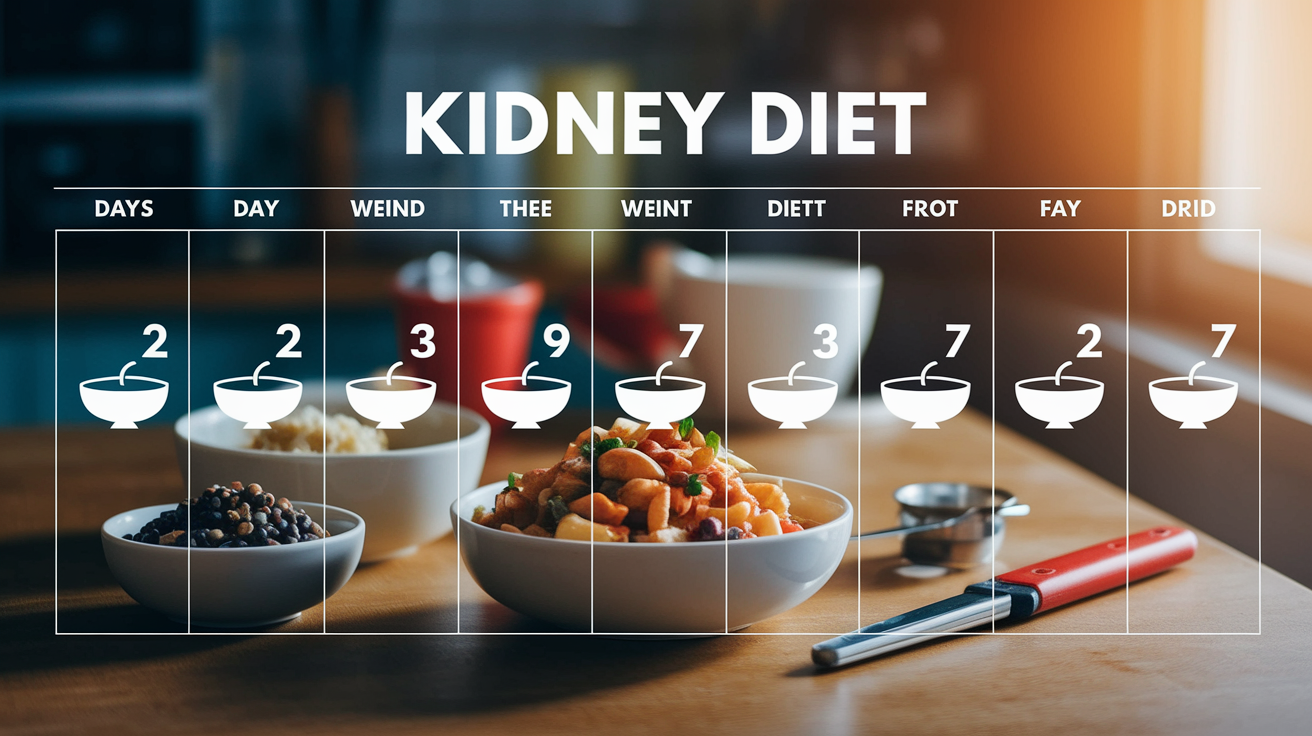
Sudden diet changes stress the digestive system and often trigger appetite refusal in senior dogs already dealing with nausea or pickiness from kidney disease. Gradual transitions over 4 to 7 days give the gut time to adjust to new ingredients and textures while letting you monitor for any digestive upset, food refusal, or concerning symptoms that mean you need to slow down. This approach also helps you figure out whether your dog actually likes the new food before you’ve made large batches or completely ditched their current diet.
Days 1 through 2: Mix 25 percent of the new homemade diet with 75 percent of the current food (commercial kidney diet or whatever they’re eating now). Feed this blend at all meals and watch appetite, stool consistency, and overall interest in food.
Days 3 through 4: Increase to a 50/50 mix of new and old food if your dog handled the first blend well. Watch for any signs of digestive upset like loose stool, vomiting, or reduced appetite that signal you need to slow down.
Days 5 through 6: Shift to 75 percent new homemade diet mixed with 25 percent current food. Keep observing energy levels, water intake, and bathroom habits to catch any problems before you fully switch.
Day 7: Feed 100 percent of the new homemade kidney diet if all previous steps went smoothly. But keep a small amount of the transition food on hand in case you need to temporarily step back if issues develop.
Throughout the transition: Track exactly how much food your dog eats at each meal. Partial refusal means they’re not getting the intended nutrition and you may need to adjust recipes, portion sizes, or transition speed.
Track daily water intake during the transition by measuring how much you put in the bowl and estimating how much is left. Kidney disease causes increased thirst and any sudden changes in drinking patterns need immediate veterinary attention. Watch for signs of nausea like lip licking, drooling, or reluctance to approach the food bowl, which might mean you need to slow the transition or warm the food to make it more appealing. If your dog stops eating entirely for more than 12 hours, contact your vet right away. Senior dogs with kidney disease can’t afford to skip meals without risking dangerous complications.
Monitoring Your Senior Dog’s Response to a Homemade Kidney Diet

The weeks after a diet change show whether your homemade kidney meals are actually helping or if you need to make adjustments. Watch your dog’s appetite closely. Kidney supportive diets should maintain or improve interest in food, not cause refusal or pickiness that leads to weight loss. Weigh your dog weekly on the same scale at the same time of day to catch gradual changes you might miss just by looking at them. Senior dogs with advancing kidney disease often lose muscle mass even if their overall weight stays stable, so run your hands along their ribs, spine, and hips to feel for increased boniness that signals inadequate protein or calories.
Monitor stool consistency and frequency because digestive changes often appear here first when something isn’t working. Firm, formed stools once or twice daily suggest good tolerance of the new ingredients. Loose stools, increased frequency, or signs of straining might mean portion sizes are wrong, ingredient sensitivities are present, or the diet needs modification. Track urination patterns by noting how often your dog asks to go outside and observing whether the volume seems normal compared to their baseline. Significant increases or decreases in urination frequency signal kidney function changes that need lab work to evaluate properly.
Signs that need immediate veterinary follow up:
- Refusal to eat for more than 12 to 24 hours or dramatic decrease in appetite lasting several days, which can quickly lead to dangerous weight loss and muscle wasting in kidney disease patients.
- Vomiting more than once in a day or persistent nausea symptoms like excessive drooling, lip licking, or standing over the water bowl without drinking, suggesting worsening kidney function or medication issues.
- Sudden changes in water consumption or urination patterns, including drinking significantly more or less than usual or straining to urinate, which indicate the kidneys aren’t responding well to the current treatment plan.
- Noticeable lethargy beyond normal senior dog tiredness, disorientation, weakness in the back legs, or bad breath with a chemical odor. All of these suggest waste products are building up in the bloodstream and lab work is urgently needed to adjust treatment.
Final Words
in the action, you got a quick-start meal guide, core nutrition basics, measured recipes, safe supplement advice, a step-by-step transition plan, and clear monitoring tips to watch how your dog responds.
Follow the recipes and the 4–7 day transition, track stool, appetite, weight, and hydration, and keep your vet looped in for lab checks.
If you try a homemade diet for senior dogs with kidney disease, do it slowly with vet guidance, tweak portions to your dog’s weight and appetite, and expect gradual improvement — small, steady wins add up.
FAQ
Q: What to feed a senior dog with kidney disease?
A: A senior dog with kidney disease should be fed a low‑phosphorus, moderate amount of high‑quality protein, increased moisture (wet food or water-added), and omega‑3 fats; follow your vet for exact portions and labs.
Q: What foods should dogs with kidney disease avoid?
A: Dogs with kidney disease should avoid high‑phosphorus and high‑sodium foods, especially organ meats, bones, dairy, most fish, and salty table scraps; skip onion, garlic, and rich human foods unless cleared by your vet.
Q: How long can an old dog live with kidney failure?
A: An old dog can live months to several years with kidney failure, depending on disease stage, treatment, diet, and hydration; talk to your vet for a personalized prognosis and regular lab monitoring.
Q: Is chicken broth good for dogs with kidney disease?
A: Chicken broth can be helpful for dogs with kidney disease if it’s low‑sodium and free of onion or garlic; use as a moistening topper, not a main diet, and check with your vet first.