
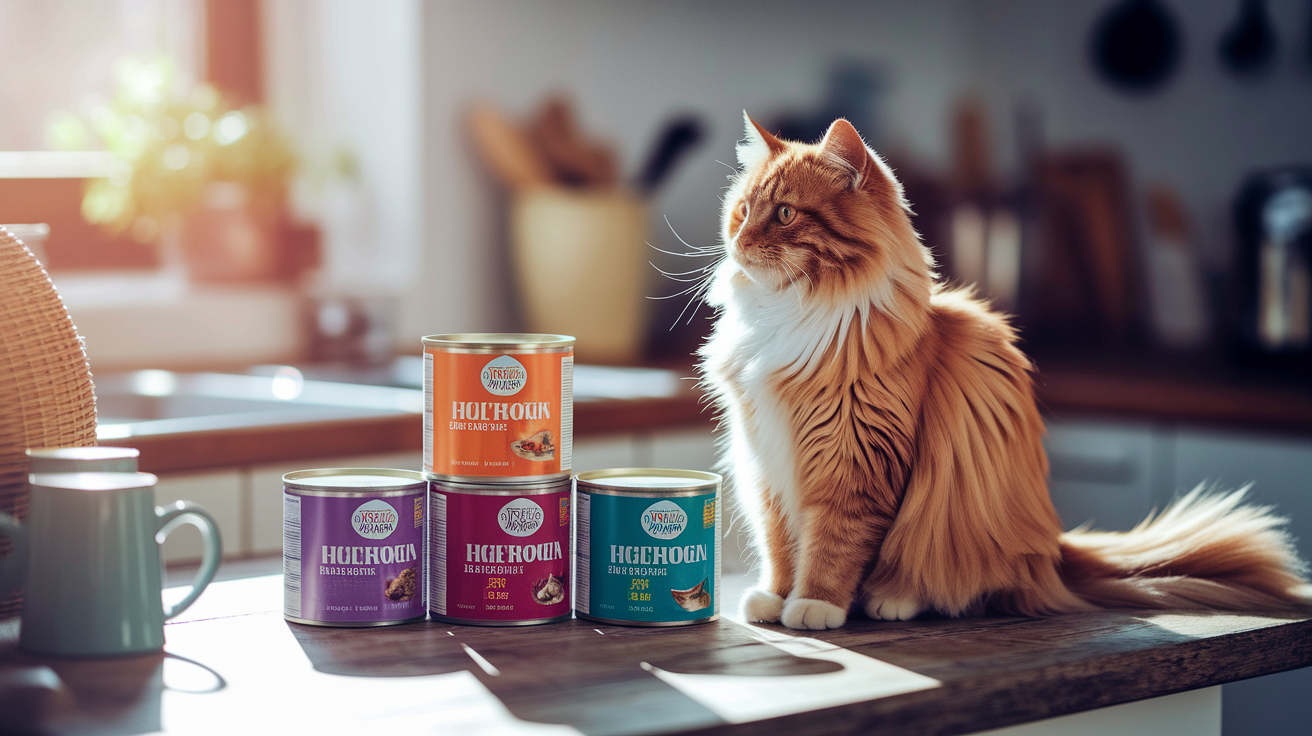
Think high protein canned food is the automatic answer for every cat?
It’s tempting to assume more protein is better, but the right choice depends on age, weight, activity, and sensitivities.
High-protein wet food can build and preserve muscle, boost hydration, and win over picky eaters, yet not every formula is equal.
I picked cans with true dry-matter protein above 40%, named animal meats first, and minimal plant fillers.
Read on for top picks you can match to kitten, adult, senior, or sensitive cats—and a simple checklist to pick the best one.
Best High‑Protein Canned Cat Foods (Top Picks)
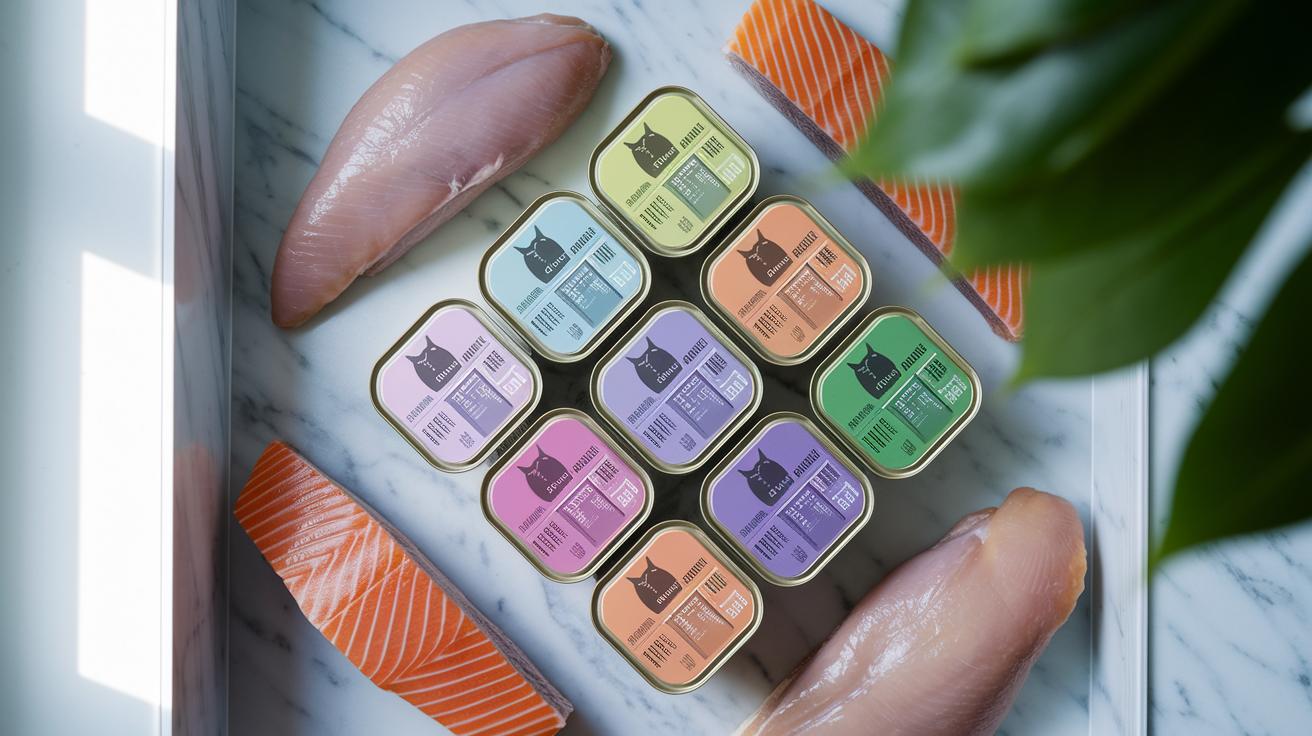
I picked these products based on dry matter protein above 40%, real named animal proteins up front, minimal plant fillers, and AAFCO compliance for complete nutrition. The evaluation focused on formulas listing water or broth followed by chicken, turkey, rabbit, or fish in the first three ingredients, with preference for brands that run feeding trials and employ veterinary nutritionists. Moisture caps around 78% to keep nutrient density reasonable per serving, and I flagged products heavy on carrageenan, soy, or grain substitutes like peas and potatoes as lower priority.
Life stage, sensitivities, and activity level all shape which high protein canned food works best. Kittens need elevated protein and fat to fuel rapid growth. Seniors do well on moderate protein that maintains muscle without taxing kidneys. Cats with sensitivities may need limited ingredient formulas with novel proteins like duck or venison, and indoor cats often need lower calorie, high protein options with fiber to manage weight and hairballs.
- Tiki Cat Puka Puka Luau Wild Salmon — 55% dry matter protein, salmon and fish broth, all life stages, mid premium price range
- Weruva Cats in the Kitchen Chicken Frick ‘A Zee — 53% dry matter protein, chicken and chicken broth, adult and senior cats, premium tier
- Fancy Feast Classic Pâté Chicken Feast — 48% dry matter protein, chicken and liver, adult cats, budget friendly option
- Instinct Original Grain Free Real Chicken Recipe — 50% dry matter protein, chicken and turkey, all life stages, mid range pricing
- Ziwi Peak Canned Cat Food Beef — 54% dry matter protein, beef and bone broth, all life stages, premium price point
- Purina Pro Plan True Nature Turkey & Chicken Entrée — 46% dry matter protein, turkey and chicken, adult cats, mid budget tier
- Dave’s Pet Food Restricted Bland Diet Chicken — 51% dry matter protein, chicken and water, adult cats with kidney or digestive issues, mid premium
- Wellness CORE Grain Free Turkey & Chicken Liver Pâté — 49% dry matter protein, turkey and chicken liver, adult cats, mid range cost
- Hound & Gatos 98% Chicken & Chicken Liver — 56% dry matter protein, chicken and chicken liver, all life stages, premium pricing
- Friskies Classic Pâté Mixed Grill — 44% dry matter protein, chicken and liver, adult cats, budget tier option
Understanding High‑Protein Wet Food Options for Cats
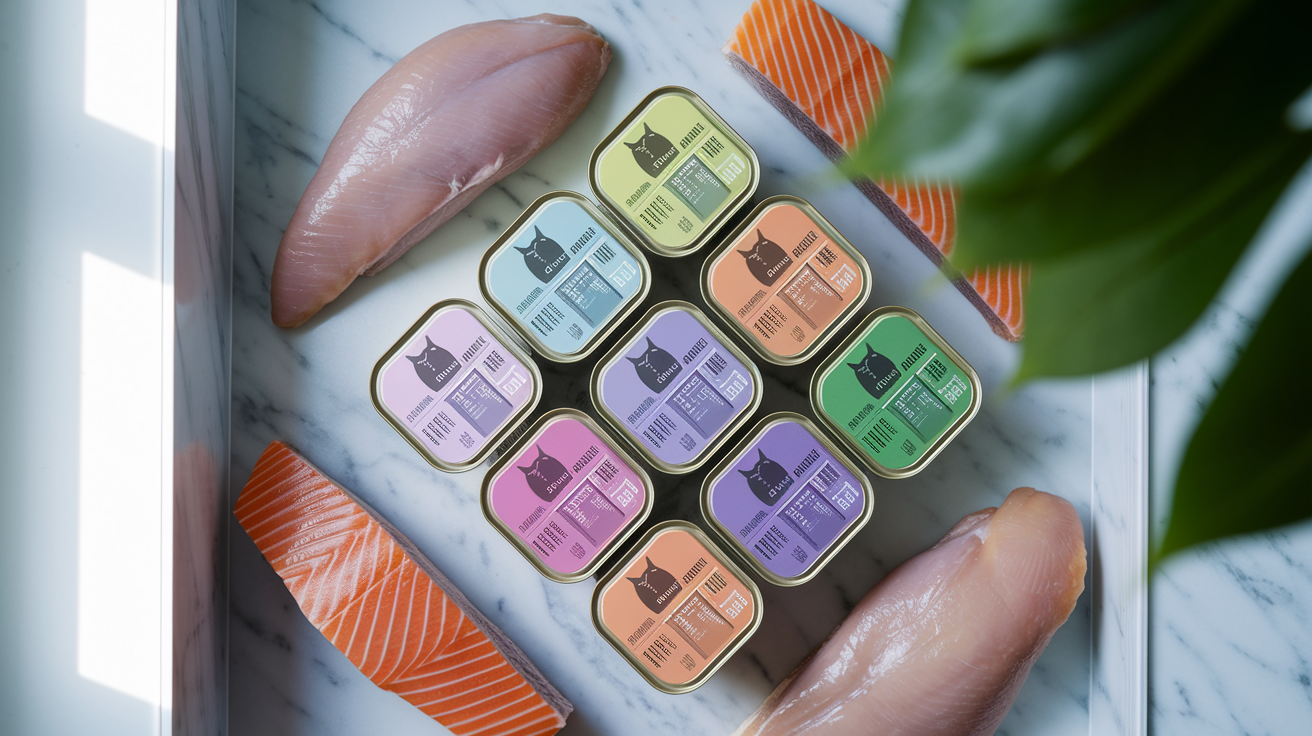
High protein canned cat food prioritizes animal proteins that deliver essential amino acids, including taurine, which cats can’t synthesize in sufficient amounts. Protein content shows up as a crude protein percentage on the guaranteed analysis label, but that figure reflects “as fed” basis including moisture, often 70 to 78% in wet food. To get true protein density, calculate dry matter protein by dividing crude protein percentage by the percentage of dry matter (100% minus moisture percentage), then multiply by 100. A formula listing 10% crude protein with 78% moisture contains roughly 45% protein on a dry matter basis, revealing its actual nutrient concentration once water’s removed.
Quality protein sources appear early in the ingredient list, ideally first or second after water or broth. Look for named meats like chicken, turkey, rabbit, or specific fish species rather than generic terms like “poultry” or “meat by products,” which may signal lower ingredient consistency. AAFCO compliance ensures the food meets minimum nutritional standards for complete and balanced formulations, with labeling indicating suitability for specific life stages like “adult maintenance” or “growth and reproduction (kittens and pregnant or lactating females).” The guaranteed analysis provides only minimums for protein and fat and maximums for moisture and fiber, so actual values may differ. Fat listed as 6% minimum could measure 11%, and protein at 10% minimum might actually be 12%.
Wet food’s high moisture content, typically 70 to 78%, offers physiological benefits beyond protein delivery, supporting urinary tract health and kidney function by increasing total water intake. Cats consuming canned or homemade diets (~70% water) drink approximately double the water compared to those eating dry food (5 to 10% water), even when accounting for bowl drinking. This hydration advantage benefits cats with diabetes, kidney disease, or lower urinary tract disease, while the pungent aroma of wet food increases appeal for cats with reduced appetite or picky eating habits. Lower caloric density per equivalent portion size compared to dry food promotes satiety during weight control efforts, and the soft texture accommodates cats with dental issues or age related chewing difficulties.
Criteria for identifying high protein canned foods:
- Dry matter protein percentage above 40%, with at least 40% of calories from protein
- Named animal protein (chicken, turkey, salmon, beef, rabbit) listed first or second after water or broth
- AAFCO statement confirming complete and balanced nutrition for the appropriate life stage
- Moisture content at or below 78% to avoid paying premium prices for excessive water
- Minimal plant fillers like corn, wheat, soy, peas, or potatoes in the top five ingredients
- Guaranteed analysis listing crude protein, crude fat, crude fiber, moisture, and ideally ash content for transparent mineral evaluation
Analyzing Protein Sources & Overall Nutritional Quality

Poultry (chicken and turkey) and rabbit provide highly digestible amino acid profiles that align with feline evolutionary nutrition, offering lean muscle meat with moderate fat content when organs aren’t dominant ingredients. These proteins support growth, tissue repair, and energy metabolism while minimizing allergenic potential in cats without prior sensitization. Beef delivers robust protein density and palatability but may trigger sensitivities in cats with existing food intolerances, making it a suitable rotation protein rather than a sole source. Fish proteins like salmon, tuna, mackerel offer omega 3 fatty acids beneficial for skin and coat, but should be limited to once or twice weekly due to high allergy potential, mercury and toxin contamination, PBDEs (polybrominated diphenyl ethers that disrupt thyroid function), elevated phosphorus and magnesium levels problematic for urinary and kidney health, and addictive flavor profiles that can cause food fixation. Liver appears in many formulas as a nutrient dense organ meat providing vitamins A and D, iron, and B complex vitamins, but should constitute roughly 5% of the diet, appearing in ingredients but not as the first item, since excessive amounts risk vitamin A and D toxicity over time.
Macronutrient balance matters as much as protein percentage, with ideal formulas delivering below 10% of calories from carbohydrates, at least 40% from protein, and approximately 50% or less from fat. Cats derive most energy from protein and fat rather than carbohydrates, making high carbohydrate formulas physiologically inappropriate despite “grain free” marketing that often substitutes potatoes and peas, both high in carbs. High fat formulas, sometimes reaching 65 to 73% of calories from fat, may seem premium due to “95% meat” labeling, but often contain high fat meat trimmings rather than lean muscle, resulting in relatively low protein percentages (25 to 30% of calories) that can cause protein malnourishment during calorie restricted weight loss. When a cat eats fewer total calories to lose weight, a diet skewed toward fat fails to deliver adequate protein for muscle maintenance, creating metabolic stress. Balanced formulas provide moderate fat (around 30 to 50% of calories) alongside robust protein, supporting satiety, coat condition, and energy without forcing trade offs during portion control.
Dry matter nutrient calculations reveal true composition by eliminating water weight, allowing accurate comparison across products with varying moisture levels. To calculate dry matter carbohydrates, add the percentages of moisture, protein, fat, fiber, and ash (typically 2 to 3% if not listed), then subtract the total from 100%. The remainder represents carbohydrate content. Divide this figure by the dry matter percentage (100 minus moisture percentage) and multiply by 100 to express carbs on a dry matter basis. For example, a formula with 78% moisture, 10% protein, 6% fat, 1.5% fiber, and 2.5% ash contains 2% carbohydrates as fed. On a dry matter basis (22% dry matter), this equals roughly 9% carbohydrates, comfortably below the 10% threshold. Ingredient splitting allows manufacturers to list multiple fractions of the same plant ingredient separately, like brewers rice, corn gluten meal, whole grain corn, so a single meat source appears first despite grains totaling more weight collectively. Spot this tactic by scanning the first ten ingredients for multiple grain or starch derivatives, which signal higher carbohydrate loads than the label order suggests.
| Protein Source | Benefits | Considerations |
|---|---|---|
| Chicken & Turkey | Highly digestible, complete amino acid profile, low allergen risk for unsensitized cats, moderate fat when muscle focused | Overfeeding liver heavy formulas may cause vitamin A toxicity; ensure muscle meat dominates ingredient list |
| Rabbit | Novel protein for sensitive cats, lean muscle composition, excellent digestibility, low allergen exposure | Higher cost per ounce; limited product availability in commercial canned formulas |
| Beef | Robust flavor profile, high palatability, dense protein and iron content | Moderate allergen potential; best rotated with poultry rather than used exclusively |
| Fish (Salmon, Tuna, Mackerel) | Omega 3 fatty acids support skin, coat, and anti inflammatory pathways; strong aroma increases appeal | Limit to 1 to 2 meals weekly due to mercury, PBDEs, high phosphorus/magnesium, allergen risk, and addictive flavor |
| Duck & Venison | Novel proteins useful for elimination diets, moderate fat content, low cross reactivity with common allergens | Premium pricing; limited availability in budget brands; may not suit all palatability preferences |
| Liver & Organ Meats | Concentrated vitamins A, D, B complex, iron, and trace minerals; enhances flavor | Should not exceed ~5% of diet; excess causes vitamin toxicity; look for liver mid ingredient list, not first |
High‑Protein Canned Options for Different Life Stages
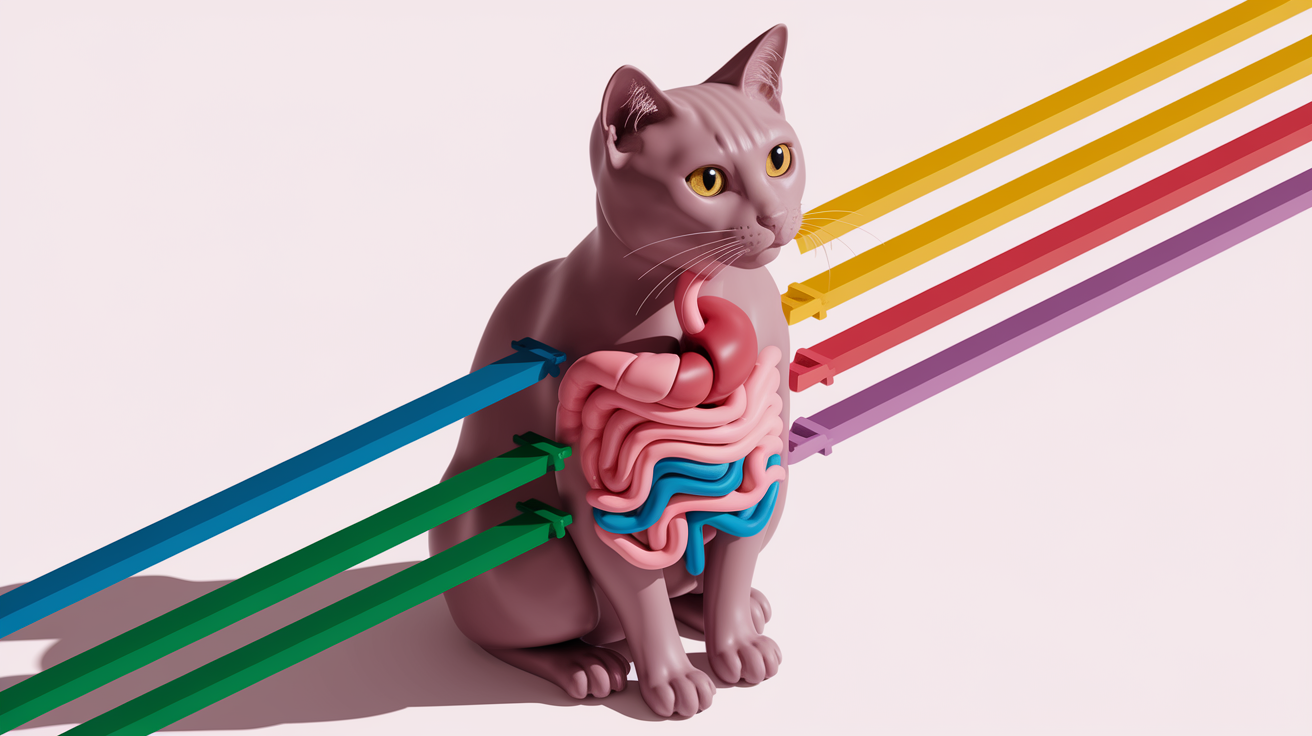
Kittens require elevated protein (at least 40% of calories, often 50 to 60% on a dry matter basis), higher fat for calorie density to fuel rapid growth, omega 3 fatty acids (DHA and EPA) for brain and eye development, and vitamins E and C to support immune system maturation. Formulas labeled for “growth and reproduction” or “all life stages” meet these elevated nutrient demands, but kittens don’t need specialty “kitten food” as long as the product delivers species appropriate, meat based, low carbohydrate nutrition. They simply consume more per pound of body weight than adults. High quality animal protein provides the building blocks for tissue development, skeletal growth, and organ function, while adequate fat supplies concentrated energy for active, growing bodies. Avoid high carbohydrate kitten formulas that bulk out calories with grains or starches, which offer minimal nutritional value and may establish poor metabolic patterns early in life.
Adult cats benefit from maintenance formulas that deliver 40 to 50% protein on a dry matter basis with moderate fat (30 to 50% of calories) to support muscle mass, coat condition, and steady energy without promoting excessive weight gain. Indoor cats, in particular, need lean protein sources and lower calorie density to match reduced activity levels, often paired with fiber (2 to 4% on a dry matter basis) to support hairball passage and stool regularity. Outdoor or highly active cats tolerate slightly higher fat percentages to meet increased caloric expenditure, but protein should remain the dominant macronutrient to preserve lean body mass and metabolic health. Portioning based on ideal weight rather than current weight prevents obesity and metabolic drift over time. Measure food by the cat’s target body condition, not the number on the scale.
Senior cat formulations target muscle mass maintenance through sustained high quality protein (45 to 50% dry matter basis), inflammation reduction via omega 3 fatty acids, joint support through glucosamine and chondroitin additions, and brain health through antioxidants like vitamins E and C. Older cats often experience reduced appetite, dental discomfort, or decreased smell sensitivity, making wet food’s strong aroma and soft texture especially valuable for maintaining caloric intake. Protein needs don’t decline with age unless kidney disease is diagnosed. Healthy senior cats require the same or higher protein levels to combat age related muscle wasting (sarcopenia). When kidney disease is present, phosphorus restriction becomes critical, but protein should remain animal based and adequate. Avoid prescription renal diets that severely restrict protein unless veterinary guidance explicitly requires it.
Signs a cat may need life stage specific protein adjustments:
- Weight loss or muscle wasting despite normal appetite, indicating insufficient protein or calories for age and activity
- Dull coat, excessive shedding, or flaky skin suggesting inadequate fat or omega 3 intake
- Low energy, lethargy, or reduced playfulness possibly linked to poor macronutrient balance or calorie restriction
- Stool changes. Hard, dry stools may need more moisture and fiber; loose stools may indicate sensitivity or excess fat
- Diagnostic findings like elevated kidney values (BUN, creatinine, phosphorus) requiring therapeutic nutrition under veterinary supervision
Digestive & Sensitivity Considerations in High‑Protein Wet Food

Cats with sensitive stomachs or inflammatory bowel disease (IBD) often respond well to highly digestible pâté formulas featuring single or limited protein sources like duck, venison, or rabbit, combined with prebiotic fiber (chicory root, beet pulp) that supports beneficial gut bacteria without overwhelming the digestive tract. Smooth textures reduce physical irritation in inflamed intestinal linings, while moderate fat levels (30 to 40% of calories) prevent diarrhea or greasy stools that accompany excessively rich formulas. Carrageenan, a seaweed based thickening agent common in many canned foods, acts as an inflammatory mediator and may contribute to chronic diarrhea or vomiting in susceptible cats. Check ingredient lists and avoid formulas listing carrageenan if your cat exhibits unexplained gastrointestinal symptoms.
Soy protein isolate and soy based ingredients function as thyroid disruptors with no logical place in feline nutrition, especially given the high prevalence of hyperthyroidism in aging cats. Artificial preservatives (BHA, BHT, ethoxyquin), flavor enhancers, and artificial colors offer no nutritional benefit and may trigger sensitivities or long term health concerns, making clean label formulas with named meats and minimal additives the safer choice. Gradual food transitions over 7 to 10 days reduce digestive upset when switching to high protein canned food, even for cats without diagnosed sensitivities. Mix increasing proportions of new food with decreasing amounts of old food, monitoring stool consistency and appetite throughout the process.
Common digestive friendly features in high protein wet food:
- Single animal protein source (e.g., only chicken, only turkey) to simplify elimination diets and identify triggers
- Prebiotic fiber from chicory root, pumpkin, or beet pulp supporting healthy gut flora and stool formation
- Probiotic strains (Lactobacillus, Bifidobacterium) added post processing to survive canning and colonize the intestinal tract
- Carrageenan free formulations to avoid potential inflammatory responses in cats with IBD or chronic GI sensitivity
- Moderate fat content (30 to 40% of calories) preventing diarrhea while maintaining palatability and nutrient absorption
High‑Protein Canned Cat Food Textures & Palatability

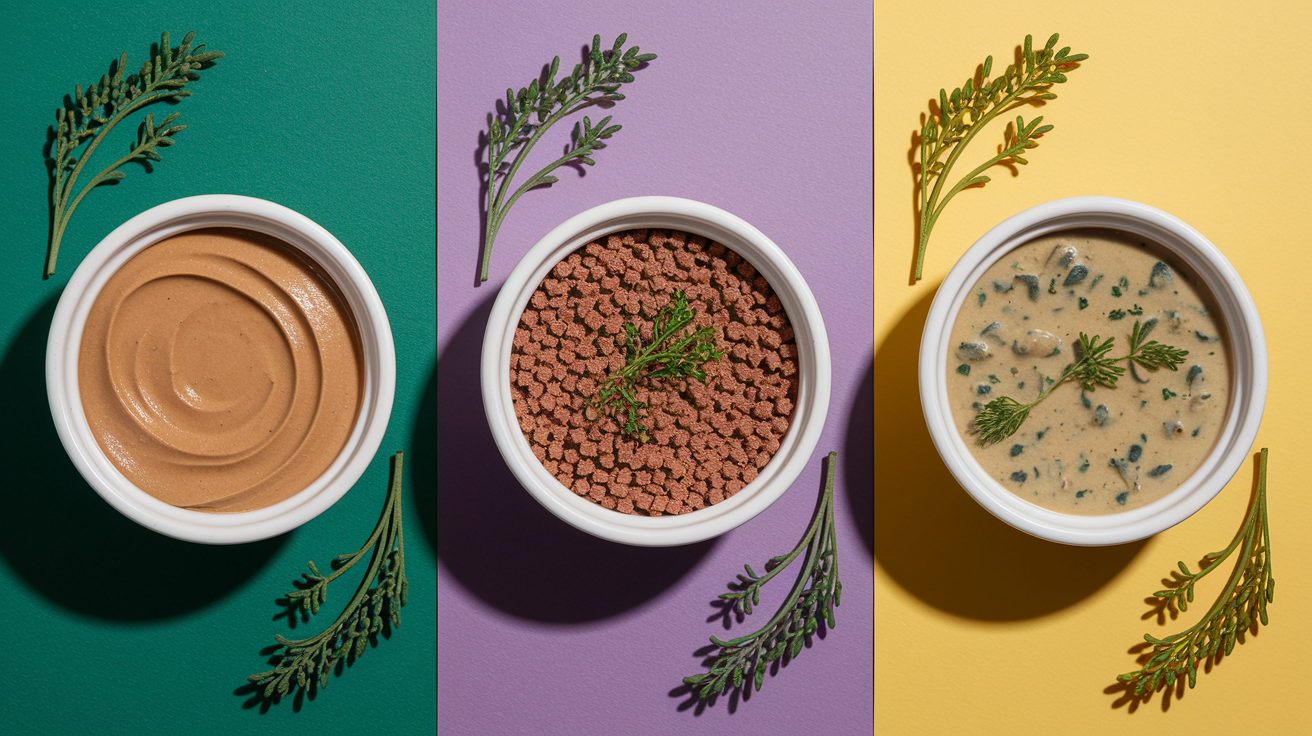
Texture preferences directly influence meal acceptance, with three primary categories dominating the canned cat food market: smooth pâté, minced or ground formulas, and chunks in gravy or broth. Pâté suits cats who prefer licking behavior over chewing, offering uniform consistency that appeals to seniors with dental issues or kittens still developing chewing skills. Minced textures engage cats who enjoy tactile chewing experiences, providing small, easy to manipulate pieces that satisfy natural prey handling instincts without requiring aggressive jaw work. Chunks in gravy or broth accommodate both licking and chewing behaviors, combining soft protein pieces with liquid that increases moisture intake and adds flavor intensity. Products like Fancy Feast Grilled Seafood Feast Variety Pack are noted for picky eaters due to added broth and Purina’s veterinary nutrition research backing.
Texture preferences change with age and health status, making varied exposure critical to prevent rigid food fixation and picky eating habits. Kittens introduced only to pâté may refuse chunks later in life, while adults fed exclusively gravy heavy formulas may reject drier textures during illness or stress. Rotating textures within high protein product lines maintains flexibility and reduces the risk of refusal during necessary diet changes, such as transitions to therapeutic formulas or different protein sources. Strong aroma enhances palatability across all textures, particularly for cats with reduced appetite or diminished smell sensitivity. Wet food naturally releases more volatile compounds than dry kibble, triggering feeding behavior even in reluctant eaters.
Texture and palatability features that influence acceptance:
- Pâté consistency works well for cats with dental disease, missing teeth, or jaw discomfort, plus those who lick rather than chew
- Minced or shredded textures satisfy cats who prefer manipulating food pieces and engaging in chewing behaviors
- Chunks in gravy or broth deliver high moisture intake while offering variety in mouthfeel and multi sensory appeal
- Rotational texture feeding prevents food fixation and maintains acceptance flexibility for future dietary needs or medical transitions
Weight Management & High‑Protein Wet Food

Wet food offers inherent weight control advantages due to lower caloric density per equivalent portion size and increased satiety from high moisture content, allowing cats to consume larger physical volumes of food while ingesting fewer total calories. A typical 5.5 ounce can of high protein wet food contains 150 to 180 calories compared to roughly 200 to 250 calories in a similar volume of dry kibble, and the water content (70 to 78%) promotes gastric distension that signals fullness before caloric overconsumption occurs. Feeding portions based on ideal body weight rather than current weight prevents obesity and supports gradual weight loss in overweight cats. Calculate daily caloric needs using the target weight and divide total calories across three to four small meals to maintain metabolic rate and reduce begging behavior.
High protein, moderate fat formulas (40 to 50% protein calories, 30 to 40% fat calories) preserve lean muscle mass during calorie restriction, preventing the metabolic slowdown and muscle wasting that accompany high fat, low protein diets. When total calorie intake decreases, adequate protein intake becomes even more critical to supply amino acids for tissue maintenance and metabolic function. Enrichment tools like food dispensing toys, slow feeder bowls, and hunting toys increase indoor cat activity levels and caloric expenditure, transforming mealtime into physical and mental stimulation that combats boredom driven overeating.
Monitor body condition score (BCS) every two to four weeks during weight management, looking for gradual fat loss over the ribs, spine, and abdomen while maintaining muscle tone in the shoulders and hindquarters. Weight loss shouldn’t exceed 1 to 2% of body weight per week to avoid hepatic lipidosis, a life threatening liver condition triggered by rapid fat mobilization in cats. If stool becomes hard or constipated during high protein wet feeding, add a small amount of fiber (canned pumpkin, psyllium husk) or ensure the formula includes 2 to 4% crude fiber on a dry matter basis to support intestinal motility without compromising protein density.
Safety, Recalls, and Transparency in High‑Protein Canned Foods
Trustworthy brands provide typical nutrient analysis data, actual measured values for protein, fat, carbohydrates, and ash, rather than relying solely on guaranteed analysis minimums and maximums that may significantly underrepresent or misrepresent true composition. Companies that refuse to disclose typical analysis when contacted shouldn’t be supported, as transparency signals confidence in formulation quality and manufacturing consistency. Moisture content ideally caps at 78% to avoid paying premium prices for water rather than nutrient dense ingredients. Products with 87.5% moisture contain only 12.5% dry matter versus 22% in standard formulations, meaning you purchase significantly less actual food per can at equivalent prices.
Ingredient splitting distorts perceived meat content by listing multiple fractions of the same plant ingredient separately, allowing a single meat source to appear first even when grains or starches collectively dominate the formula. Scan the first ten ingredients for repetitive entries like “brewers rice,” “rice flour,” “rice bran,” or “pea protein,” “pea flour,” “dried peas,” which together may outweigh the lead protein source. Recall history provides insight into quality control practices. Brands with frequent recalls or severe contamination incidents (Salmonella, Listeria, excessive vitamin D, foreign material) may lack rigorous safety protocols, while companies with clean records or swift, transparent recall responses demonstrate accountability and consumer prioritization.
Transparency signals that indicate a trustworthy high protein canned food brand:
- Willingness to provide typical nutrient analysis data (actual measured protein, fat, carbs, ash) rather than guaranteed analysis alone
- Clear country of origin labeling for ingredients and manufacturing facilities, with preference for single country sourcing
- Detailed feeding trial history and AAFCO compliance statements beyond minimum legal requirements
- Accessible customer service that answers formulation questions without evasive corporate speak or deflection
- Ingredient lists free of splitting tactics, with named meat sources appearing first without repetitive plant derivatives padding the top five slots
How to Transition to High‑Protein Canned Cat Food

Gradual transitions prevent digestive upset and food refusal by allowing the gastrointestinal microbiome and enzyme production to adapt to new protein sources and fat levels. Begin by mixing 25% of the new high protein canned food with 75% of the current diet for two to three days, monitoring stool consistency, appetite, and energy levels. If stool remains firm and the cat eats readily, increase to a 50/50 ratio for another two to three days, then advance to 75% new food with 25% old food before completing the switch to 100% new food by day seven to ten. Cats with sensitive stomachs or IBD may require slower transitions over 14 to 21 days, with smaller incremental increases (10 to 15% steps) to minimize inflammation or diarrhea.
Strong aroma enhances acceptance during transitions, so allow canned food to reach room temperature or warm it slightly (no more than body temperature, roughly 100°F) to volatilize flavor compounds and mimic freshly killed prey. Store opened cans in the refrigerator for no more than two to three days, covering tightly with a plastic lid or transferring contents to a glass container to prevent metallic taste transfer and bacterial growth. Single serve cans or pouches reduce waste and maintain freshness for cats who eat small portions, though cost per ounce may be higher than larger format cans.
Six step transition plan for high protein canned cat food:
- Days 1 to 2: Feed 25% new high protein canned food mixed with 75% current food, observing stool and appetite
- Days 3 to 4: Increase to 50% new food with 50% current food if stool remains normal and cat eats willingly
- Days 5 to 6: Advance to 75% new food with 25% current food, continuing to monitor digestive response
- Day 7: Offer 100% new high protein canned food; if any digestive upset occurs, return to previous ratio for 2 to 3 more days
- Warm food to room temperature or slightly above to enhance aroma and palatability, especially for picky eaters
- Store opened cans refrigerated for maximum 2 to 3 days in sealed containers; discard uneaten portions after 30 to 60 minutes at room temperature
Price, Value, and Budget Friendly High‑Protein Options

Budget friendly canned foods like Friskies Classic Pâté varieties outperform any dry kibble nutritionally due to inherent moisture content (~75%) and animal based protein sources, even when formulated with by products and moderate ash levels. A cat consuming Friskies Chicken Classic Pâté receives roughly 44 to 48% protein on a dry matter basis with hydration benefits that support urinary tract and kidney health, at a cost of $0.50 to $0.80 per 5.5 ounce can. This represents superior nutritional value compared to premium dry foods that cost $3 to $5 per pound yet deliver only 5 to 10% moisture and often rely on plant based proteins (corn gluten meal, soy protein isolate) to inflate crude protein percentages. Any canned food beats any kibble in the moisture and animal protein equation, making budget wet food a smarter choice than expensive dry formulas.
Mid range and premium brands like Purina Pro Plan, Wellness CORE, Instinct, Tiki Cat command $1.50 to $3.50 per 5.5 ounce can by emphasizing named muscle meats, reduced by products, added supplements (omega 3s, probiotics, glucosamine), and lower carbohydrate formulations. Premium “95% meat” labels often mislead, as products like certain 95% chicken and turkey formulas contain only 25% protein calories with 73% fat calories due to high fat meat trimmings rather than lean muscle, creating poor protein to fat ratios unsuitable for weight control or muscle maintenance. Evaluate cost per ounce of dry matter and protein grams per dollar to compare true value across price tiers, remembering that the most expensive formula isn’t automatically the best fit for your cat’s specific needs.
| Price Tier | Typical Protein Quality | Considerations |
|---|---|---|
| Budget ($0.50 to $1.00/can) | Often includes by products and moderate ash; still provides animal protein and high moisture unavailable in dry food | Superior to any kibble; suitable for cats without sensitivities; may contain carrageenan or grain fillers |
| Mid Range ($1.00 to $2.00/can) | Named meats dominate ingredients; reduced by products; moderate supplementation with omega 3s and probiotics | Balanced value for most households; often includes variety packs for rotational feeding; good AAFCO compliance |
| Premium ($2.00 to $3.50/can) | Muscle meat focus; minimal fillers; added functional ingredients (glucosamine, chondroitin, prebiotics); novel proteins available | Higher cost per ounce; evaluate protein to fat ratio carefully; “95% meat” labels may be high fat, low protein trimmings |
| Ultra Premium ($3.50+/can) | Human grade claims; exotic proteins; minimal processing; often freeze dried or gently cooked rather than traditional canning | Highest cost; transparency varies; assess typical nutrient analysis to confirm value matches price; not always superior to mid range |
Final Words
in the action, we ran through top high‑protein canned cat food picks, how to read protein numbers, which animal proteins digest best, and what to watch for at different life stages.
Focus on animal-based ingredients, dry‑matter protein, and your cat’s sensitivities. Transition slowly, measure portions, and watch stool and energy for two weeks.
Try single‑serve samples and pick the formula you can feed consistently. Small, steady changes usually give the best results.
FAQ
Q: Which canned cat food is highest in protein? Which canned food has the most protein?
A: The canned cat food highest in protein usually shows 40–50%+ protein on a dry‑matter basis—look for meat‑first, single‑protein formulas (chicken, turkey, rabbit, fish) and check the guaranteed analysis.
Q: What food is high in protein for cats?
A: Foods high in protein for cats are animal‑based wet foods (chicken, turkey, fish, rabbit), high‑meat toppers, freeze‑dried meat, and cooked lean meats; these provide essential amino acids like taurine.
Q: Is high protein cat food better for cats?
A: High protein cat food is better for many cats (kittens, active adults, seniors losing muscle) but not always; consider life stage, weight, kidney issues, and digestion, and consult your vet if unsure.