
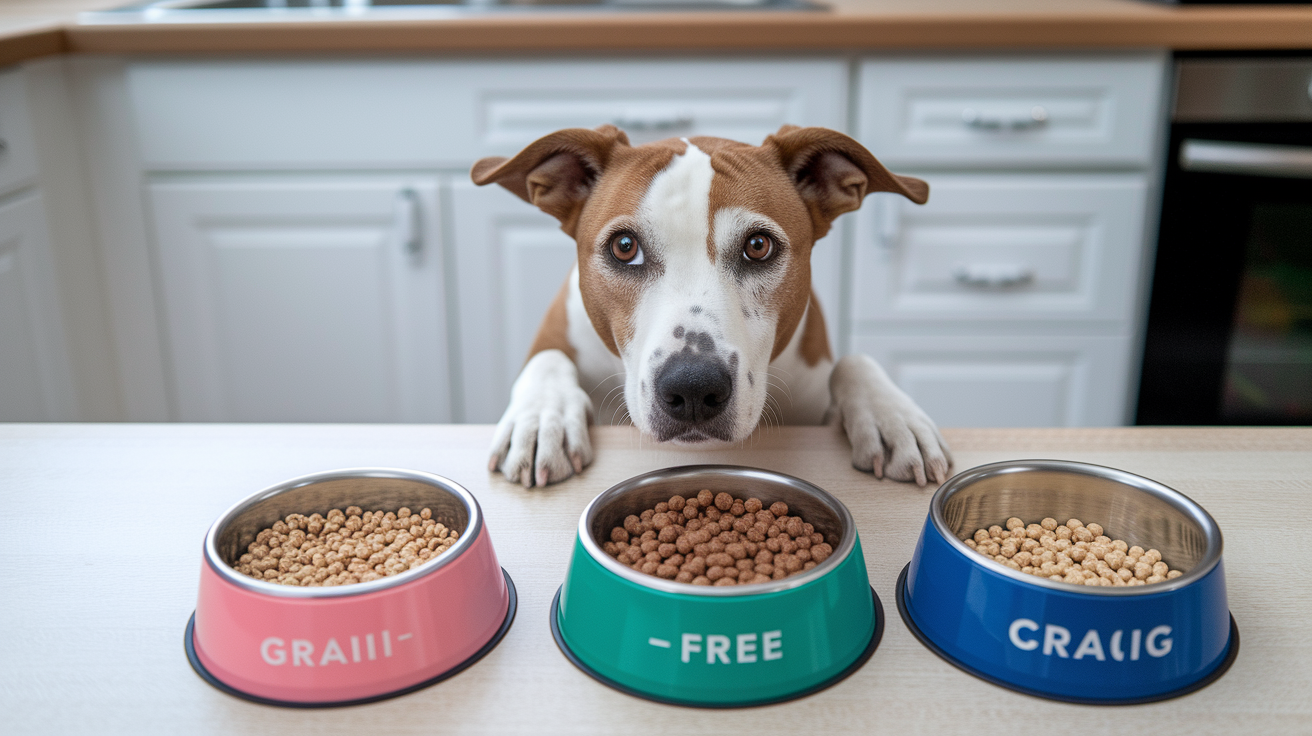
Think grain-free is automatically healthier for your dog? Think again.
Both grain-free and grain-inclusive formulas can be healthy when they’re made well, so the real question is which one fits your dog’s needs, budget, and any sensitivities.
Grain-free swaps grains for peas, lentils, or potatoes and can help dogs with confirmed grain problems, but true grain allergies are rare and some grain-free recipes have been linked to heart concerns in certain cases.
This post shows the key differences, what to watch for, and a simple checklist to pick the right option for your pet.
Key Differences in Grain-Free vs Grain-Inclusive Dog Food for Everyday Feeding Decisions

Grain-free dog food leaves out wheat, rice, corn, barley, and oats. Those ingredients usually bring carbs, fiber, vitamins, and minerals to the bowl. Instead, grain-free formulas use legumes like peas, lentils, chickpeas, or they’ll lean on potatoes and sweet potatoes for energy. Grain-inclusive dog food keeps those traditional grains and uses them as digestible carb sources that most dogs handle just fine. The real difference isn’t only what’s inside the bag. It’s how each diet lines up with your dog’s actual needs, your budget, and any sensitivities you’ve confirmed.
Both formats can support healthy digestion, steady energy, and balanced nutrition when they’re formulated well. Grain-inclusive diets often cost less and deliver familiar fiber that feeds gut bacteria, which produces short-chain fatty acids to keep the intestinal lining healthy. Grain-free diets might help dogs with verified grain allergies or sensitivities, sometimes creating firmer stools and less gas. But gluten intolerance is extremely rare in dogs. It mainly pops up in certain lines of Irish Setters and a few Border Terriers. For most pets, grains aren’t the issue.
There’s this common myth that grain-free automatically equals better quality or more “natural.” Not true. Premium grain-inclusive foods can be just as nutrient-dense as grain-free options. Low-quality grain-free formulas still rely on fillers or ingredients that trigger allergies. The format matters less than the overall ingredient quality, manufacturing standards, and how your dog actually does on it. Here’s a quick look:
Nutrient density: Both can be high or low depending on protein sources, fat levels, and ingredient quality, not whether grains show up.
Digestibility: High-quality whole grains digest easily for most dogs. Premium grain-free formulas using sweet potatoes or legumes can also be highly digestible.
Cost: Grain-inclusive diets usually cost less per serving because grains are affordable, reliable carb sources.
Allergy triggers: True grain allergies are uncommon. Beef, chicken, and dairy cause more reactions than grains do.
Fiber benefits: Grains provide soluble and insoluble fiber that supports gut health. Grain-free diets may supply fiber from legumes or root vegetables instead.
Stool quality: Some dogs produce firmer, less frequent stools on grain-free diets. Others do better with the fiber blend from whole grains.
Nutritional Makeup of Grain-Free Dog Food Options
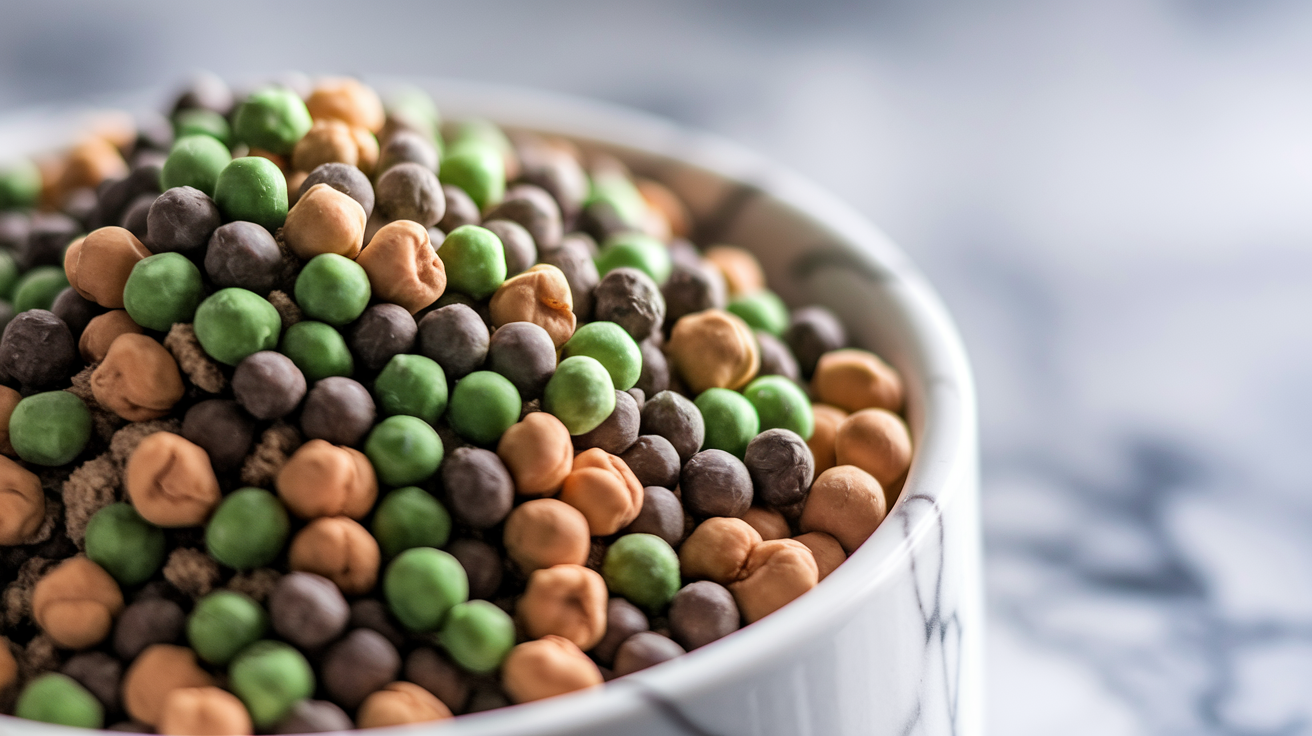
When grains come out, something has to replace them. Grain-free formulas typically lean on legumes (peas, lentils, chickpeas) plus starchy vegetables like sweet potatoes and white potatoes. These ingredients provide carbs for energy, but they also change the nutrient profile. Legumes deliver more plant-based protein and resistant starch, which can affect how quickly your dog’s body absorbs glucose. Premium grain-free diets often result in smaller, firmer stools because the higher protein and fat levels leave less undigested bulk. That can be a win if your dog has loose stools or sensitive digestion. But not all grain-free foods prevent allergic symptoms. Over-the-counter brands may share equipment with allergen-containing products, so cross-contamination can still trigger reactions.
The quality of those replacement carbs varies widely. Sweet potatoes and white potatoes are easy to digest and relatively hypoallergenic, but some dogs don’t handle large amounts of legumes as well. Peas and lentils add fiber and protein, but they also contain compounds that may interfere with nutrient absorption when fed in high concentrations over time. That’s part of why the FDA began investigating certain grain-free diets in 2018. If you’re feeding grain-free, check the guaranteed analysis for protein, fat, and fiber percentages. Watch how your dog’s energy, coat, and stool respond over a few weeks.
| Ingredient | Category | Digestive Notes |
|---|---|---|
| Peas | Legume | High in plant protein and fiber; may cause gas in sensitive dogs |
| Lentils | Legume | Resistant starch slows glucose release; can be harder to digest in large amounts |
| Chickpeas | Legume | Provides protein and folate; texture can be dense if overused |
| Sweet Potatoes | Root Vegetable | Easily digestible, rich in beta-carotene; gentle on most stomachs |
| White Potatoes | Root Vegetable | Quick-digesting starch; low allergen risk but less nutrient-dense than sweet potatoes |
What Goes Into High‑Quality Grain-Inclusive Dog Food

High-quality grain-inclusive formulas use whole grains that keep their natural fiber, vitamins, and minerals intact. Oatmeal, pearled barley, brown rice, quinoa, sorghum, and millet all provide steady energy without spiking blood sugar. These grains digest easily for most dogs and deliver B vitamins, iron, magnesium, and selenium. Those nutrients support metabolism, immune function, and coat health. Fiber from whole grains also feeds beneficial gut bacteria, which ferment it into short-chain fatty acids like butyrate. Those fatty acids strengthen the intestinal lining, reduce inflammation, and help the colon absorb water efficiently. That means more consistent stool quality.
When you’re reading a grain-inclusive label, look for grains listed by their whole name. Brown rice, not rice flour. Oats, not oat hulls. Whole grains are less processed, so they retain more of the bran and germ where nutrients live. Avoid formulas that rely heavily on grain by-products like wheat middlings, corn gluten meal, or rice bran. Those are leftover fragments after milling and don’t offer the same nutritional value. Quality grain-inclusive diets balance grain content with animal-based protein sources, healthy fats, and vegetables, creating a complete nutrient profile that supports energy, digestion, and long-term health.
Grain-inclusive diets also tend to be gentler on your budget. Grains are affordable, sustainable ingredients that help manufacturers keep prices lower without sacrificing balanced nutrition. If your dog doesn’t have a confirmed grain allergy or sensitivity, a well-formulated grain-inclusive food can be just as effective (and often more cost-efficient) than premium grain-free options. The fiber blend from grains also tends to produce moderate stool volume, which is easier to manage than either very loose or extremely small, frequent stools.
Health Considerations: How Grain-Free Diets Relate to DCM Risk
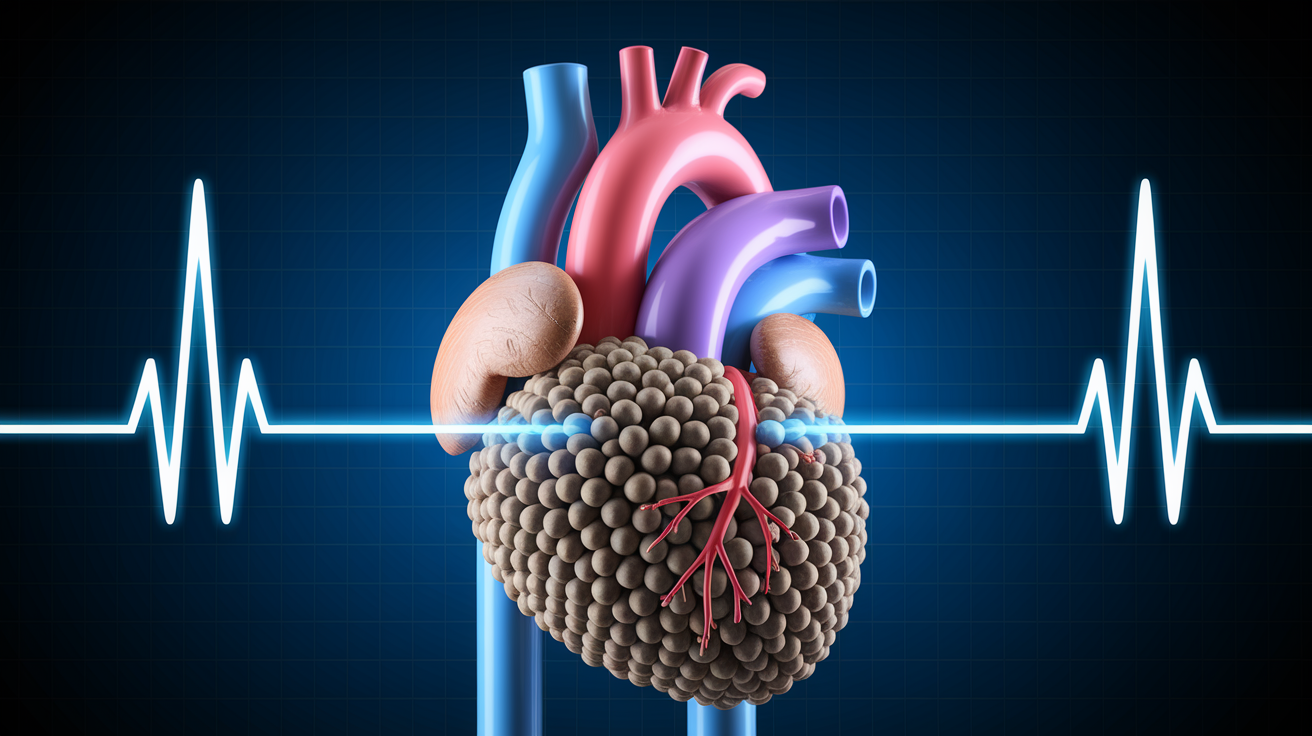
In 2018, the FDA began investigating reports of dilated cardiomyopathy (DCM) in dog breeds not typically predisposed to the condition. The common thread was that many affected dogs were eating grain-free or boutique diets high in pulses like peas, lentils, and chickpeas. Breeds most commonly affected included Golden Retrievers, Doberman Pinschers, Boxers, Great Danes, and Cocker Spaniels. DCM is a serious heart condition where the heart muscle weakens and enlarges, reducing its ability to pump blood efficiently. Early symptoms include coughing, lethargy, weight loss, and difficulty breathing.
One 2018 study found taurine deficiency in Golden Retrievers eating grain-free diets, which raised concerns because taurine is an amino acid essential for heart function. But later studies couldn’t replicate that finding. No taurine deficiency showed up in Golden Retrievers or other breeds eating similar diets. Many dogs improved significantly after switching to different foods, but recovery varied. Some dogs responded quickly. Others showed only partial improvement or required long-term heart medication. The exact cause of DCM in these cases remains unclear. It’s likely more complex than simple taurine deficiency and may involve how certain ingredients interact with nutrient absorption, gut health, or individual genetic factors.
The FDA’s investigation didn’t conclude that grain-free diets cause DCM, but it did highlight a correlation worth paying attention to. If you’re feeding a grain-free diet, especially one heavy in legumes, watch for signs of fatigue, coughing, or reduced appetite. Keep regular vet appointments. Consider discussing whether a diet change makes sense for your dog’s breed, size, and health history. For most dogs, grain-free diets don’t pose a problem. But if your breed is on the susceptible list or you’re using a boutique formula with limited research backing it, it’s worth having that conversation. The takeaway isn’t to panic. It’s to stay informed and work with your vet to choose a diet with proven nutrient balance and manufacturing consistency.
Identifying Food Sensitivities When Choosing Between Grain-Free or Grain-Inclusive Diets

True grain allergies are rare. In most food sensitivity cases, the culprit is a protein source like beef, chicken, dairy, or eggs, not grains. But grains can occasionally cause problems, especially if your dog has inflammatory bowel disease, chronic ear infections, or persistent itchy skin that doesn’t improve with flea control or environmental allergen management. Gluten intolerance exists in dogs, but it’s extremely rare. It shows up mainly in certain lines of Irish Setters in the UK and some Border Terriers with epileptoid cramping syndrome. For the vast majority of dogs, gluten is not a concern.
If you suspect a grain sensitivity, your vet may recommend an elimination diet. That means feeding a limited-ingredient formula with a novel protein (one your dog hasn’t eaten before) and a single carb source, often a grain-free option using sweet potato or a prescription hydrolyzed protein diet where the protein is broken down so small it doesn’t trigger an immune response. Strict elimination diets last 8 to 12 weeks, and you track symptoms like stool consistency, skin redness, ear discharge, and energy levels. If symptoms improve, you slowly reintroduce ingredients one at a time to identify the trigger. This process requires patience and consistency, because even small treats or table scraps can reset the trial. Prescription allergy diets use rigorous manufacturing protocols to prevent cross-contamination with common allergens, which over-the-counter grain-free formulas may not guarantee.
Here are five signs that may point to a food sensitivity worth investigating:
Chronic loose stool or diarrhea that doesn’t resolve with basic diet adjustments or probiotics.
Persistent itching, especially around the face, paws, belly, or ears, without fleas or environmental allergies.
Frequent ear infections or red, inflamed ear canals.
Skin redness, hotspots, or hair loss that returns after treatment.
Excessive gas, vomiting, or bloating after meals.
Digestive Health Factors in Grain-Free vs Grain-Inclusive Diet Selection

Digestive health is where format really matters. Grain-inclusive diets provide fiber that feeds beneficial bacteria in your dog’s gut. Those bacteria ferment the fiber into short-chain fatty acids like butyrate, which keep the intestinal lining strong, reduce inflammation, and help absorb water and minerals efficiently. Whole grains also add bulk to stool, which helps maintain regular bowel movements and prevents constipation. For dogs with stable digestion, grain-inclusive diets often produce moderate stool volume that’s easy to pick up and doesn’t require frequent yard trips.
Premium grain-free diets tend to be higher in protein and fat, with less fiber from grains. That can lead to smaller, firmer stools because more of the food is absorbed and less bulk passes through. Some dogs with sensitive stomachs or loose stools do better on grain-free formulas, especially if they don’t handle high-fiber grains well. But other dogs need that fiber to stay regular. Without it, stools can become hard or infrequent. The key is watching how your dog responds. If stool quality, frequency, and firmness stay consistent, and your dog has steady energy and a healthy coat, the diet is working. If you see ongoing soft stool, gas, or irregular bowel movements, the fiber balance might need adjusting. That could mean adding grains back in or switching to a grain-free formula with better-quality carb sources.
Cost and Practical Feeding Considerations for Both Diet Types

Grain-inclusive diets usually cost less because grains like brown rice, oats, and barley are affordable, reliable ingredients. You’ll often pay 20 to 40 percent less per serving compared to grain-free formulas, which rely on higher-cost carb sources like sweet potatoes, peas, and lentils. If you’re feeding a large breed or multiple dogs, that difference adds up quickly. Grain-inclusive diets also tend to be widely available, so it’s easier to find consistent supply without dealing with backorders or limited retailer options.
Grain-free diets often come from premium brands that focus on novel proteins, limited ingredients, or higher protein and fat percentages. That can improve palatability. Many picky eaters prefer the richer taste and texture. But it also means higher price tags and sometimes inconsistent availability, especially if you’re buying from smaller boutique manufacturers. Kibble texture differs, too. Grain-free formulas tend to be denser and oilier due to higher fat content, which some dogs love and others ignore. If your dog inhales food like it’s a competition, texture won’t matter. If your dog is a nibbler or has dental issues, softer or smaller kibble may help. That’s available in both formats. Budget and consistency are practical considerations that matter just as much as ingredients, especially if the “perfect” food is too expensive to maintain or hard to find when you need a refill.
Vet‑Recommended Scenarios for Grain-Free vs Grain-Inclusive Dog Food

Most vets recommend grain-inclusive diets unless there’s a confirmed reason to avoid grains. Grains provide steady energy, digestible fiber, and essential nutrients without triggering problems in the vast majority of dogs. If your dog has normal digestion, no allergy symptoms, and stable energy on a grain-inclusive diet, there’s no reason to switch. Grain-free diets are sometimes recommended when a vet confirms a grain allergy through an elimination trial, or when a dog has chronic digestive issues that improve with a lower-fiber, higher-protein formula. Dogs with certain medical conditions may also benefit from specific formats.
Vets also consider life stage. Puppies need higher protein and fat to support growth, and both grain-free and grain-inclusive formulas can meet those needs if they’re labeled for “growth” or “all life stages.” Senior dogs with slower metabolisms may do better on lower-calorie grain-inclusive diets that provide fiber to support digestion and weight management. Active or working dogs often need calorie-dense grain-free or performance grain-inclusive formulas to sustain energy output. If your dog has pancreatitis, inflammatory bowel disease, or kidney disease, your vet may recommend a prescription diet (grain-free or grain-inclusive) that’s formulated to manage fat levels, protein sources, or sodium content.
Here are four scenarios where vets may lean toward one format or the other:
Confirmed grain allergy or intolerance: Grain-free diet with novel protein and controlled manufacturing to prevent cross-contamination.
Chronic loose stools or gas on grain-inclusive food: Trial a premium grain-free formula to see if lower fiber and alternative carbs improve stool quality.
Budget constraints or large-breed feeding: Grain-inclusive diet to keep cost per serving manageable without sacrificing balanced nutrition.
Breed predisposed to DCM: Grain-inclusive diet or grain-free formula backed by research and feeding trials, avoiding boutique or high-pulse formulas.
Ingredient Quality Comparison When Evaluating Grain-Free vs Grain-Inclusive Dog Food Labels
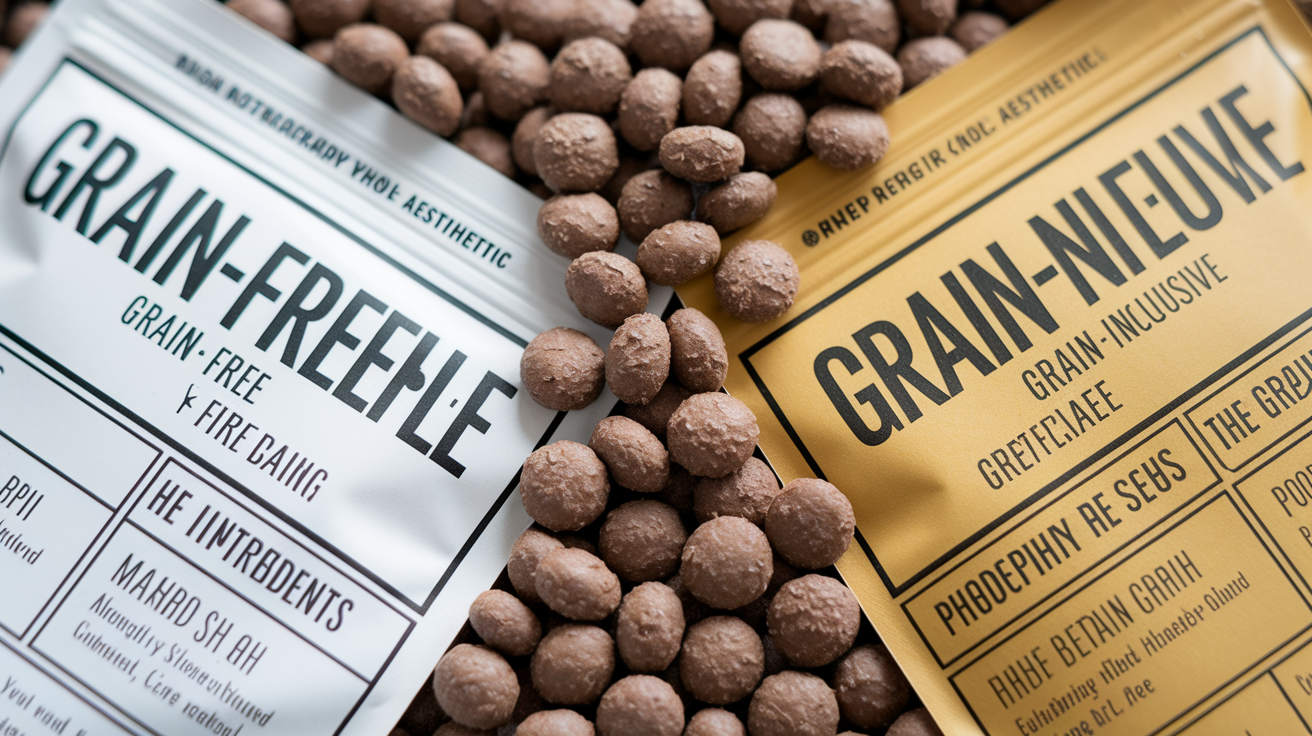
Both grain-free and grain-inclusive diets must meet AAFCO standards to be labeled “complete and balanced,” which means they provide all required nutrients for a dog’s life stage. But AAFCO compliance is a baseline. It doesn’t guarantee high-quality ingredients or proper manufacturing. Start by looking at the first five ingredients. You want to see named animal proteins (chicken, beef, salmon) or whole grains (brown rice, oats, barley) at the top, not vague terms like “meat meal” or “grain by-products.” High-quality grain-free diets list whole proteins and identifiable carb sources like sweet potatoes or chickpeas. Low-quality grain-free foods rely on pea protein isolate or potato starch to inflate protein percentages without adding real meat.
Grain-inclusive labels should show whole grains, not fragments. Brown rice is better than rice flour. Oatmeal is better than oat hulls. Avoid foods that list corn gluten meal, wheat middlings, or soy. These are processing leftovers that don’t contribute much nutrition and are common allergen triggers. Both formats should avoid artificial preservatives like BHA, BHT, and ethoxyquin. Natural preservatives like mixed tocopherols (vitamin E) or rosemary extract are safer and just as effective. Also check for feeding trial statements on the label. Formulas that passed AAFCO feeding trials (not just met nutrient profiles on paper) have been tested on real dogs, which gives you more confidence in digestibility and nutrient absorption.
Watch for these four label red flags:
Vague protein sources: “meat meal” or “poultry by-product” instead of named meats like chicken meal or beef.
Grain by-products or hulls: wheat middlings, corn gluten meal, rice bran, oat hulls.
Artificial colors or preservatives: Red 40, Yellow 5, BHA, BHT.
No feeding trial statement: “formulated to meet AAFCO standards” without mention of actual feeding trials.
Transitioning Your Dog Safely Between Grain-Free and Grain-Inclusive Diets
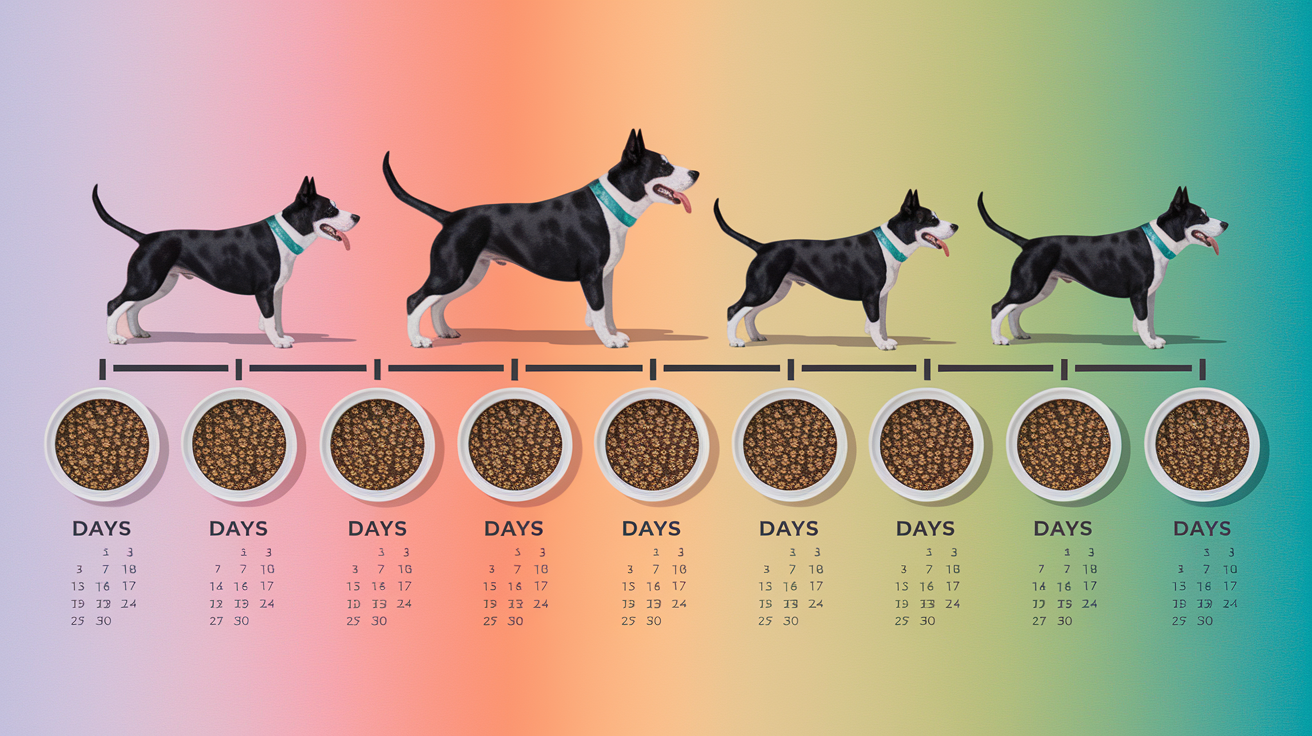
A slow transition protects your dog’s digestion and gives gut bacteria time to adjust to new carb and protein sources. Sudden switches can trigger diarrhea, vomiting, or refusal to eat, even if the new food is higher quality. A standard transition lasts 7 to 10 days, but dogs with sensitive stomachs may need 2 weeks. If your dog has a history of digestive issues or you’re switching due to allergy concerns, your vet may recommend an even slower schedule.
Here’s a simple 7-day transition timeline:
Days 1 to 2: Mix 25% new food with 75% old food. Watch for normal stool consistency and appetite.
Days 3 to 4: Increase to 50% new food, 50% old food. Monitor stool firmness and energy levels.
Days 5 to 6: Shift to 75% new food, 25% old food. If stool stays firm and your dog eats eagerly, continue.
Day 7: Feed 100% new food. Keep an eye on stool, coat, and energy over the next two weeks.
Week 2: Track stool frequency, firmness, and any signs of gas, bloating, or itching. If symptoms appear, slow the transition or consult your vet.
Week 3 to 4: Confirm your dog is thriving. Stable weight, shiny coat, normal energy, and consistent stool quality mean the transition succeeded.
If diarrhea or vomiting occurs at any stage, go back to the previous ratio and slow down. Some dogs need an extra week or more, especially when moving from grain-inclusive to grain-free or vice versa, because the fiber and carb content shifts significantly. Consistency matters. Don’t add new treats, table scraps, or supplements during the transition, because that makes it harder to tell if the food itself is causing problems.
Final Words
Decide what matters most right now: allergy relief, steady digestion, life stage needs, or your budget. Use the guide to compare definitions, ingredient swaps, digestive effects, DCM context, vet scenarios, label tips, and a safe transition plan.
Measure portions, watch stool and energy for two weeks, and call your vet if symptoms persist.
With a clear goal and small steps, you’ll find the right fit—whether grain free vs grain inclusive dog food is best for your dog. You’ve got this.
FAQ
Q: Is grain free or grain inclusive better for dogs?
A: Grain-inclusive diets are best for most dogs; grain-free can help dogs with confirmed grain sensitivities, but it isn’t automatically healthier and choice depends on age, activity, and medical needs.
Q: Do vets recommend grain or grain free, and why do some vets advise against grain-free?
A: Vets generally recommend grain-inclusive diets unless testing shows a true grain allergy; they caution about grain-free because some formulas have been linked to heart issues and nutrient gaps, so vet guidance is important.