
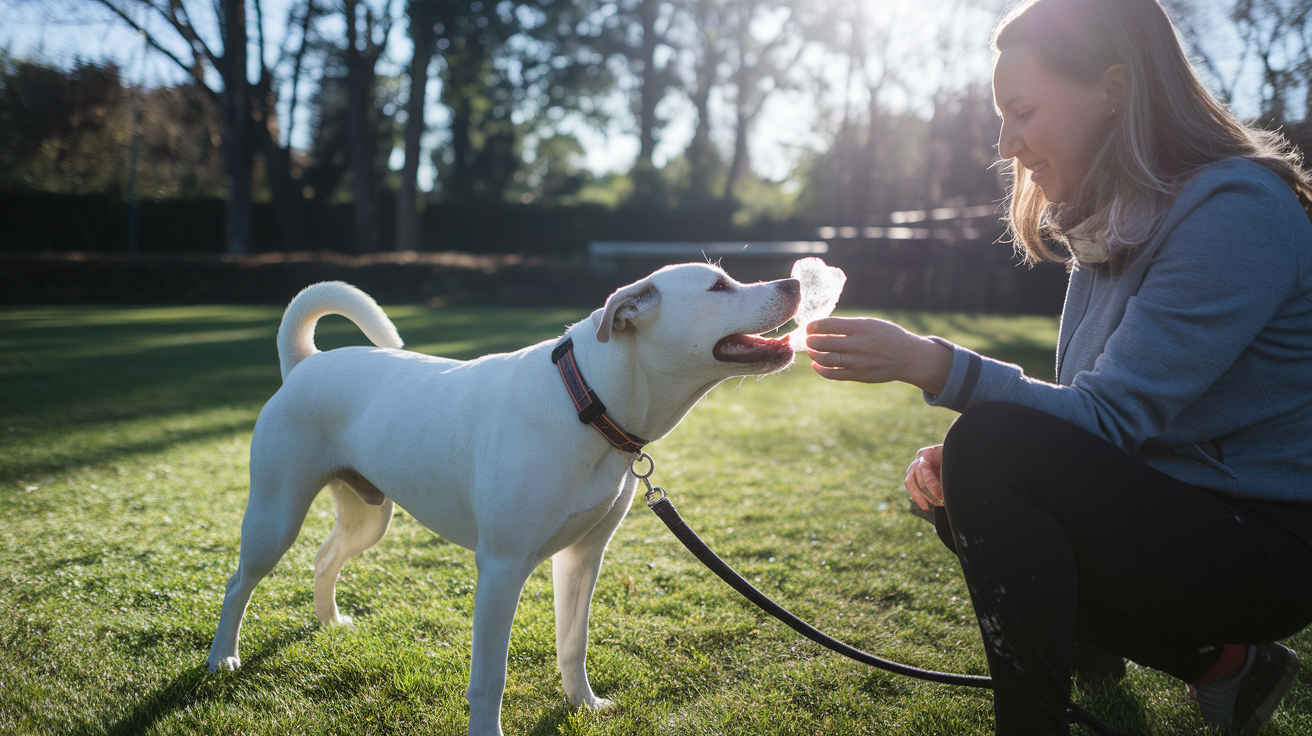
Think tiny treats can’t make a big difference in training?
Freeze-dried treats prove they can.
They lock in real meat smell and flavor so dogs pay attention even amid distractions.
Each bite is low in calories and often single-ingredient, so you can reward a lot without blowing your dog’s daily allowance or worrying about fillers.
In short, freeze-dried training treats give high-value rewards that speed learning, stay mess-free, and fit into busy routines.
They’re practical, easy, and built for repeat practice.
Key Benefits of Freeze-Dried Training Treats for Effective Pet Training
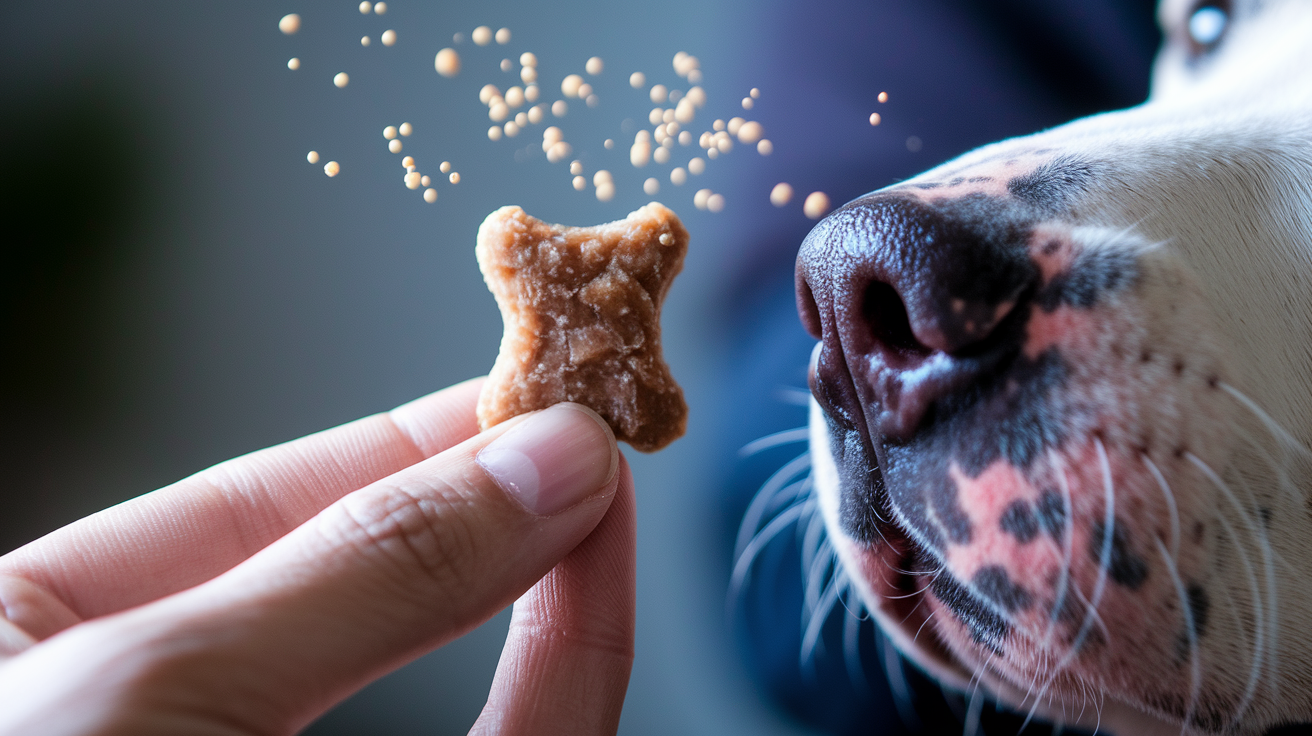
Freeze-dried treats work as high-value rewards because they pack concentrated meat flavor and aroma that dogs can’t ignore. The freeze-drying process locks in the natural smell and taste of fresh meat right at its peak, creating an intense sensory hit that grabs attention even when there’s chaos around. Pull out a freeze-dried chicken liver treat at the dog park or during a busy sidewalk walk, and your dog’s nose picks up on that real meat scent immediately. The reward feels worth working for.
Each freeze-dried treat contains under 1 calorie. You can hand out dozens during a single training session without worrying about overfeeding or blowing your dog’s daily calorie target. A typical bag holds around 475 treats, giving you enough rewards to work through multiple weeks of training without running out. This combo of low calories and high quantity makes it easy to practice commands over and over, building muscle memory and reinforcing good behavior without the guilt that comes with heavier treats.
Most freeze-dried training treats use a single ingredient, real meat source with no fillers, artificial preservatives, or hidden additives. You’re feeding pure chicken, beef liver, or salmon, processed at low temperatures to remove moisture while keeping everything else intact. No need to decode a long ingredient list or wonder what “natural flavoring” actually means.
Here are six quick benefits that make freeze-dried treats a go-to for training:
- Lightweight and portable, easy to carry in a pocket or treat pouch without adding bulk
- Fast to deliver, no fumbling with sticky or crumbly pieces mid-session
- Single ingredient formulas reduce the risk of triggering sensitivities
- Strong natural smell grabs attention and maintains focus
- Effective for reinforcing difficult behaviors like recall or loose-leash walking
- Mess-free, no grease or residue left on your hands or training gear
How Freeze-Drying Protects Nutrients
Freeze-drying removes moisture at low temperatures without cooking the meat. Proteins, vitamins, minerals, and natural aroma stay mostly intact. Unlike baking or frying, which can degrade nutrients through heat exposure, freeze-drying gently dehydrates the food while preserving the nutritional profile your dog would get from eating fresh or raw meat.
Single-Ingredient Freeze-Dried Treats and Their Health Advantages
Single ingredient means exactly what it sounds like: one protein source, nothing else. No wheat, no corn, no preservatives, no color additives. Just chicken liver, or just beef liver, or just salmon. This simplicity makes it easier to identify what works for your dog and what doesn’t, especially if your dog has food sensitivities or a history of stomach upset after eating treats with long ingredient lists.
These treats are highly digestible because there’s nothing extra to process. Dogs with sensitive stomachs often do well on freeze-dried options because the lack of fillers, binders, and artificial preservatives means less chance of triggering gas, loose stool, or stomach discomfort. The small, lightweight size also makes them easy for the digestive system to handle, even when you’re handing out a lot during a training session.
Without artificial preservatives like BHA or BHT, and no added sugars or salt, freeze-dried treats offer a clean feeding option that doesn’t introduce ingredients linked to long-term health concerns. You’re not adding unnecessary calories or compounds that serve only to extend shelf life for manufacturers.
Common single ingredient proteins include:
- Chicken liver (high in protein and vitamin A, strong aroma)
- Beef liver (rich in iron and B vitamins, highly palatable)
- Salmon (contains omega-3 fatty acids, good for skin and coat)
- Novel proteins like duck, rabbit, or venison (useful for dogs with common protein sensitivities)
Training Performance Advantages of Freeze-Dried Treats
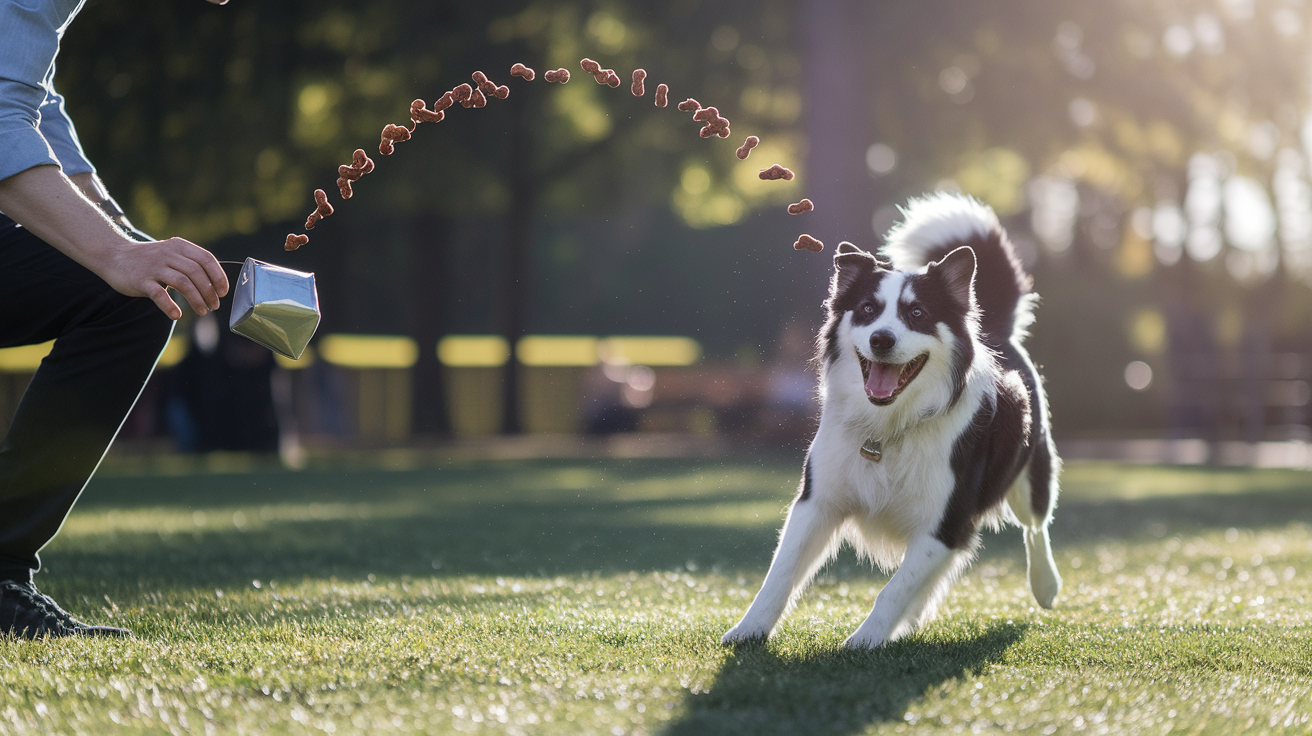
High-value rewards speed up learning because they create a clear connection between the behavior and something your dog actually wants. When the payoff is a freeze-dried treat with strong aroma and intense flavor, dogs are more willing to repeat the action, pay attention longer, and stay engaged even when there are distractions like other dogs, squirrels, or interesting smells. The reward doesn’t just mark the correct behavior. It makes the effort feel worth it.
Freeze-dried treats are consistent in size and easy to deliver quickly, which matters when you’re trying to reinforce a behavior at the exact moment it happens. You don’t have to dig through a bag of uneven pieces or break apart a sticky treat. You grab one, deliver it immediately, and move on to the next repetition. That speed helps your dog connect the reward to the action without confusion or delay.
Best Training Scenarios for Freeze-Dried Treats
Recall training benefits from freeze-dried treats because the high-value reward makes coming back to you more appealing than whatever your dog was investigating. Loose-leash walking improves when you can reward attention and position without slowing down your pace or fumbling with messy snacks. In distraction-heavy environments like parks, busy streets, or training classes, the strong aroma helps maintain focus when competing stimuli are everywhere. Clicker training works well with freeze-dried treats because the small size allows rapid-fire rewards during shaping exercises, letting you mark and reinforce subtle changes in behavior without overfeeding.
Comparing Freeze-Dried Treats to Baked, Dehydrated, and Air-Dried Options
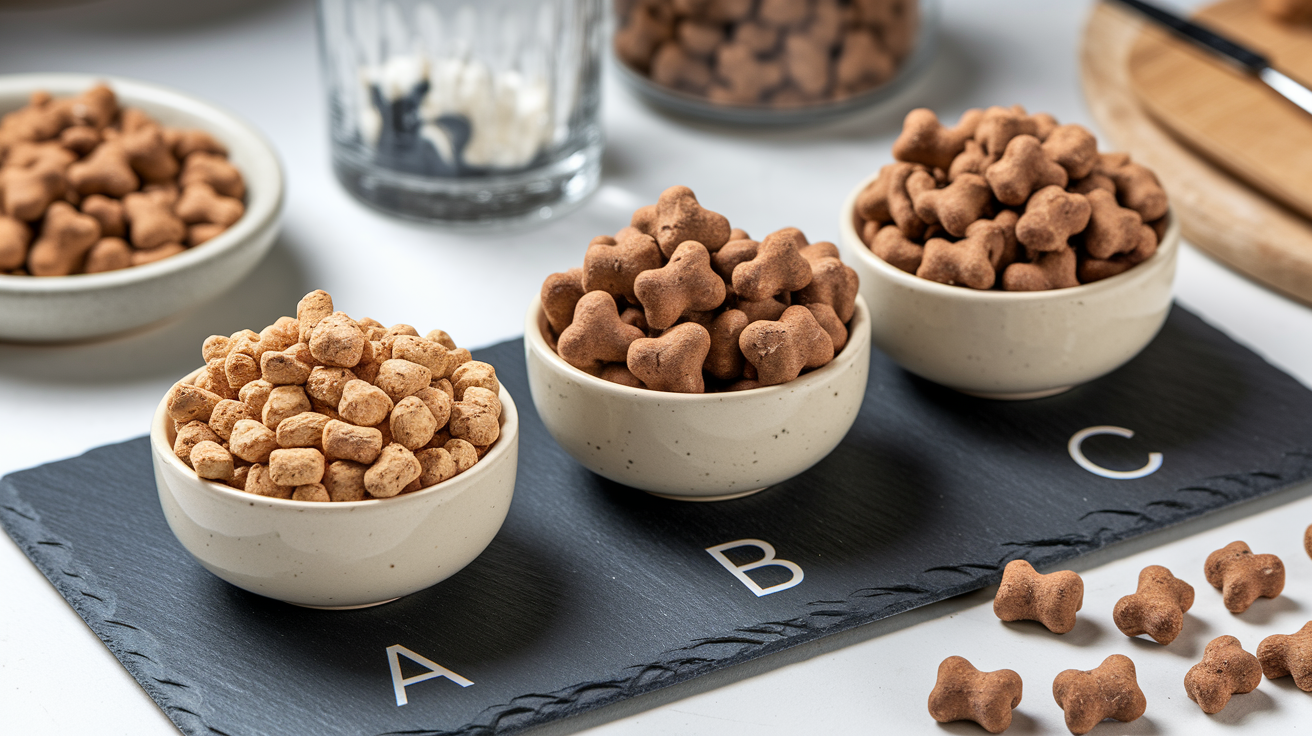
Baked treats are cooked at high temperatures, which can reduce nutrient content and dull natural aroma. They tend to be harder, denser, and higher in calories per piece. You may need to break them into smaller portions during training. Baked treats often include binding agents like flour or starches to hold their shape, adding ingredients that don’t contribute much nutritionally but can trigger sensitivities in some dogs.
Dehydrated treats are exposed to heat during the drying process, though usually at lower temperatures than baking. This can still reduce some vitamin content and weaken the natural smell that motivates dogs. Dehydrated treats are typically chewier and may take longer to eat, which slows down training sessions when you need quick, bite-sized rewards. Digestibility can vary depending on how thoroughly the meat was dried and whether any additives were included.
Air-dried treats are processed at low temperatures over a longer period, which helps retain some nutrients and flavor. They tend to be softer and easier to break apart than baked options, but they may not have the same concentrated aroma as freeze-dried treats. Texture can range from chewy to brittle depending on the protein source and drying time, and some air-dried treats include additional ingredients like glycerin to maintain moisture and pliability.
| Treat Type | Key Benefit | Drawback |
|---|---|---|
| Freeze-Dried | Preserves nutrients, aroma, and flavor without heat; lightweight and low-calorie | Can be more expensive per ounce than other formats |
| Dehydrated | Longer shelf life than fresh; chewy texture some dogs prefer | Heat exposure reduces aroma and some nutrients; slower to eat during training |
| Baked | Crunchy texture; widely available; often less expensive | High heat reduces vitamins and natural smell; may include binders and fillers |
Practical Feeding Tips for Using Freeze-Dried Training Treats
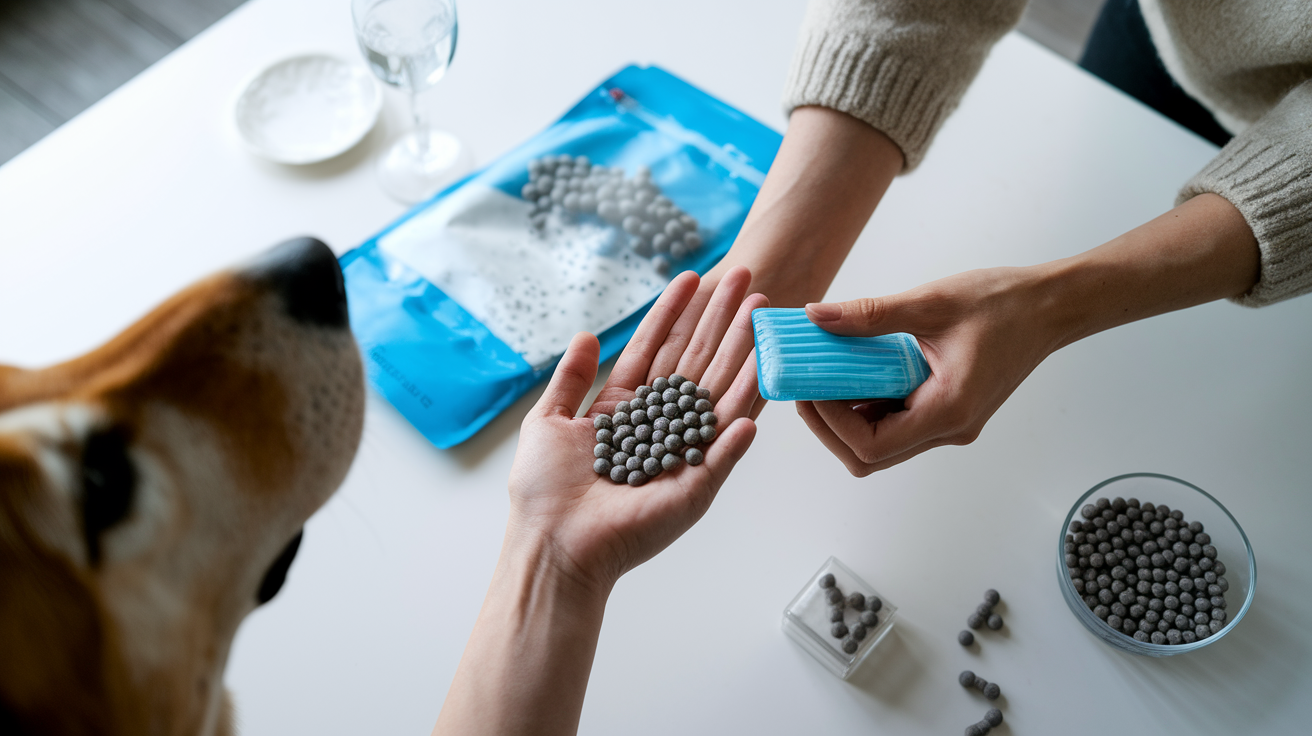
Break larger pieces into tiny bites, about the size of a pea or smaller, especially for small or medium-sized dogs. The goal is to deliver a quick taste and scent without filling your dog up or making them stop to chew. Even if the treats come pre-sized, you can split them further to stretch your bag and keep calorie intake low during high-repetition sessions. Most freeze-dried treats are easy to crumble or snap in half without tools.
Freeze-dried treats are ideal for treat pouches because they’re lightweight, non-greasy, and don’t leave residue on your hands or training gear. You can load up a pouch at the start of a session and reach in without looking, grabbing a reward quickly and smoothly. The lack of moisture means they won’t clump together or spoil during a long outdoor session. You can carry them in your pocket without worrying about stains or smells transferring to your clothes.
If your dog has a sensitive stomach, start with a small amount to make sure they tolerate the protein source. Even single ingredient treats can cause mild stomach upset if introduced too quickly or if your dog has a specific sensitivity to that type of meat. Watch stool consistency and energy level for a few days after adding a new treat, and transition gradually if you’re switching from one protein to another.
Five practical tips for training sessions:
- Mix proteins throughout the week to keep your dog interested and reduce the chance of developing sensitivities from overexposure to one ingredient
- Prepare your treats before heading out by portioning them into a pouch or small container, so you’re not digging through packaging mid-session
- Alternate freeze-dried treats with other low-value rewards like kibble or softer treats to vary motivation and keep your dog guessing
- Rotate flavors every few bags to maintain novelty and prevent your dog from getting bored with the same scent
- Offer water after intense training sessions, especially in warm weather, since freeze-dried treats are moisture-free and won’t provide hydration
Shelf Life, Storage, and Portability Benefits of Freeze-Dried Treats
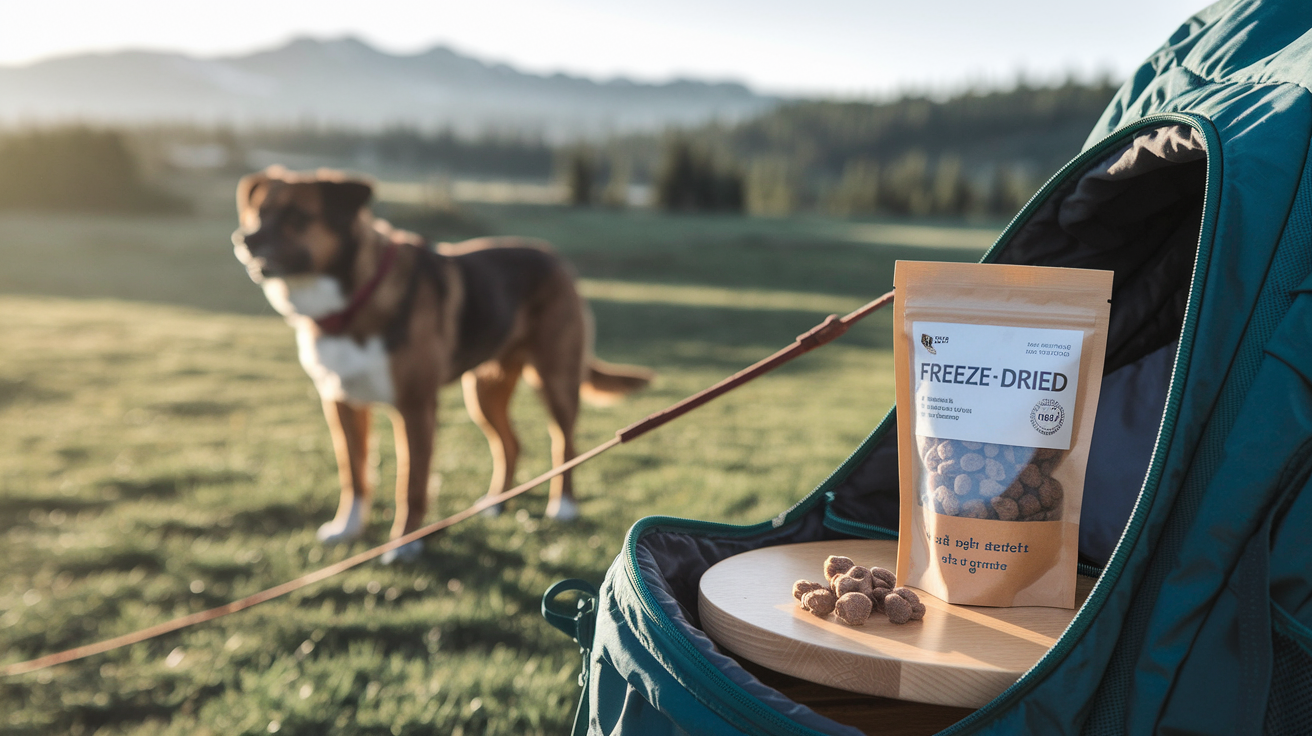
Freeze-dried treats stay fresh for months without refrigeration because the freeze-drying process removes nearly all moisture. Bacteria and mold can’t grow. Most brands package them in resealable bags or containers that keep air and humidity out, extending shelf life even after you’ve opened them. Store the bag in a cool, dry spot like a pantry or cupboard, and they’ll maintain their aroma and texture until you run out. No need to worry about freezer space or remembering to thaw treats before training.
The lightweight, compact format makes freeze-dried treats easy to pack for travel, whether you’re heading out for a weekend camping trip, a long car ride, or just a walk across town to a new park. They won’t spoil in a hot car, won’t leak or make a mess in your bag, and they’re simple to portion out in unfamiliar settings. If you’re training outdoors, hiking, or working on recall in open spaces, you can carry enough treats for multiple sessions without adding much weight or bulk to your gear.
Final Words
Put freeze-dried treats to work: they’re irresistible (real meat aroma), tiny and low-cal, and often single-ingredient, which makes them great for repeat rewards and sensitive tummies.
We compared them to baked, dehydrated, and air-dried options and covered training scenarios, portioning, and travel storage, so you know when to pull the pouch and what to watch for.
Those freeze dried training treats benefits, like high palatability, nutrient retention, and convenience, make them a smart tool to keep on hand—training can get easier and more enjoyable.
FAQ
Q: Are freeze-dried treats good for training?
A: Freeze-dried treats are good for training because they offer strong aroma and real-meat taste, are low-calorie and easy to break into tiny rewards, keeping dogs focused during long or distracting sessions.
Q: What are the healthiest dog training treats?
A: The healthiest dog training treats are single-ingredient, low-calorie options like freeze-dried meat or liver that have no fillers or artificial preservatives, are highly digestible, and suit sensitive stomachs.
Q: What is the 90/10 rule dog?
A: The 90/10 rule for dogs means about 90% of daily calories should come from a complete diet and roughly 10% from treats, so you can reward without overfeeding by measuring portions and watching weight.
Q: How often should I give training treats?
A: How often you should give training treats depends on session length and calories; give frequent tiny rewards during training, but reduce meal portions so treats stay within roughly 10% of daily calories.