
Freeze-dried toppers promise raw, nutrient-packed bites; wet toppers promise juicy, hydration-rich meals — which really keeps your pet healthier?
Here’s the short, honest answer: neither is automatically better.
The healthier choice depends on your pet’s needs — hydration, digestion, age, dental health — and on your day-to-day routine.
In this post we’ll compare nutrition, moisture, shelf life, cost, and how each affects sensitive tummies so you can pick the topper that fits your dog and stick with it without guesswork.
Key Comparison Overview of Freeze‑Dried vs Wet Toppers
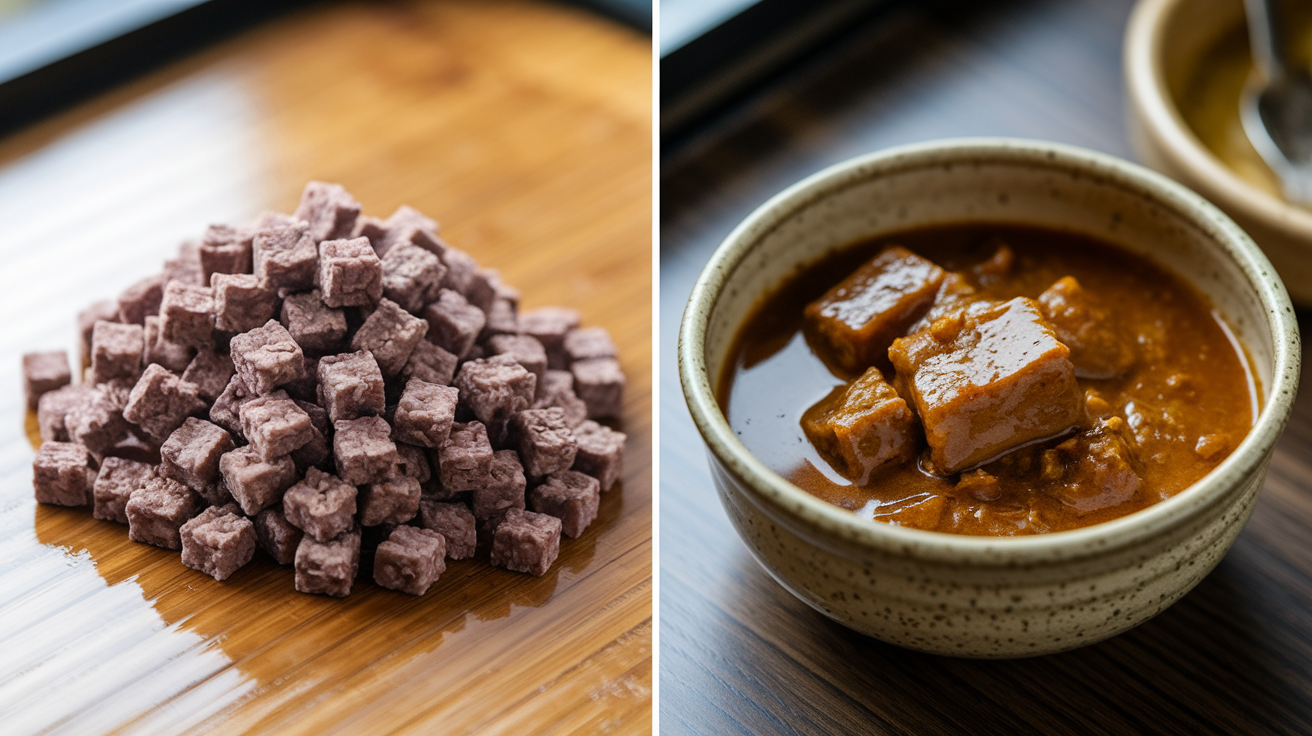
Freeze‑dried toppers are concentrated additions made by pulling moisture out of raw or cooked ingredients. They’re light, don’t need refrigeration before you open them, and keep most of the vitamins and enzymes intact. Wet toppers include stews, gravies, and bone broths that bring soft, aromatic, moisture‑rich flavor straight from the pouch or can. They’re ready to use, smell amazing, and often help dogs who don’t drink enough water.
The right choice depends on your dog and how your day runs. Freeze‑dried works when you want concentrated nutrition without bulk or mess, especially if your dog eats kibble and stays hydrated fine. Wet toppers shine when your dog needs more moisture with every meal, likes soft textures, or won’t eat without a strong scent. Neither one’s automatically better. Your dog’s appetite, digestion, hydration habits, and your storage space all play a role.
Best situations for freeze‑dried toppers:
Dogs who eat dry kibble and drink water throughout the day. Owners who travel a lot or need something that lasts without refrigeration. Small dogs or controlled portions where calorie density matters. Dogs with no dental trouble who can handle firmer textures when served dry. Homes where keeping bowls clean and minimizing mess is important.
Best situations for wet toppers:
Dogs who don’t drink enough or have urinary issues. Picky eaters who need strong smell and soft texture to finish their food. Senior dogs with dental pain or missing teeth. Dogs recovering from illness or surgery who need gentle, easy‑to‑eat nutrition. Households where fridge space and daily cleanup aren’t a problem.
Nutritional Differences Between Freeze‑Dried and Wet Toppers
Freeze‑dried toppers keep most of the protein, fat, and micronutrients from raw meat because the process removes water without high heat. Protein density per ounce is higher than wet toppers, and enzymes that support digestion often survive. Calorie concentration matters. One tablespoon of freeze‑dried can deliver the same protein as several tablespoons of wet food.
Wet toppers vary based on how they’re cooked. Kettle‑cooked stews and broths use moderate heat and retain moisture‑soluble vitamins, but some nutrients break down during processing. Bone broths deliver collagen, amino acids, and minerals like calcium and phosphorus, which support joint health and digestion. High‑moisture wet toppers are less calorie‑dense per ounce because water makes up 70–80% of the product. Portion sizes look bigger even when calorie counts are similar.
| Topper Type | Protein Density | Moisture % | Calorie Concentration | Preparation Impact |
|---|---|---|---|---|
| Freeze‑dried | High (40–60%) | Less than 5% | High (300–450 kcal/cup) | Minimal nutrient loss |
| Wet stew/gravy | Moderate (8–12%) | 70–80% | Low (60–120 kcal/cup) | Some vitamin degradation |
| High‑protein wet | Moderate‑high (12–18%) | 65–75% | Moderate (100–150 kcal/cup) | Moderate nutrient retention |
| Raw freeze‑dried blend | Very high (50–65%) | Less than 3% | Very high (400–500 kcal/cup) | Maximum nutrient preservation |
Moisture Content and Hydration Benefits
Wet toppers typically contain 70–82% moisture. Every spoonful adds water to your dog’s meal. That extra hydration supports kidney function, helps prevent urinary crystals, and keeps stool soft enough to pass comfortably. Dogs who eat only kibble and don’t drink much during the day often benefit from wet toppers, especially in hot weather or after exercise.
Freeze‑dried toppers contain less than 5% moisture until you rehydrate them. Serving them dry won’t add hydration, but you can pour cool or warm water over freeze‑dried pieces before mixing them into kibble. Rehydrating brings moisture content closer to wet toppers, though the texture stays chunkier. If your dog drinks water consistently and produces normal stool, dry freeze‑dried toppers work fine without adding water.
When moisture‑rich toppers help:
Dogs with chronic urinary tract infections or a history of bladder stones. Senior dogs who drink less as they age. Dogs recovering from diarrhea or dehydration. Pets in dry climates or during summer heat.
Storage, Shelf Life, and Convenience
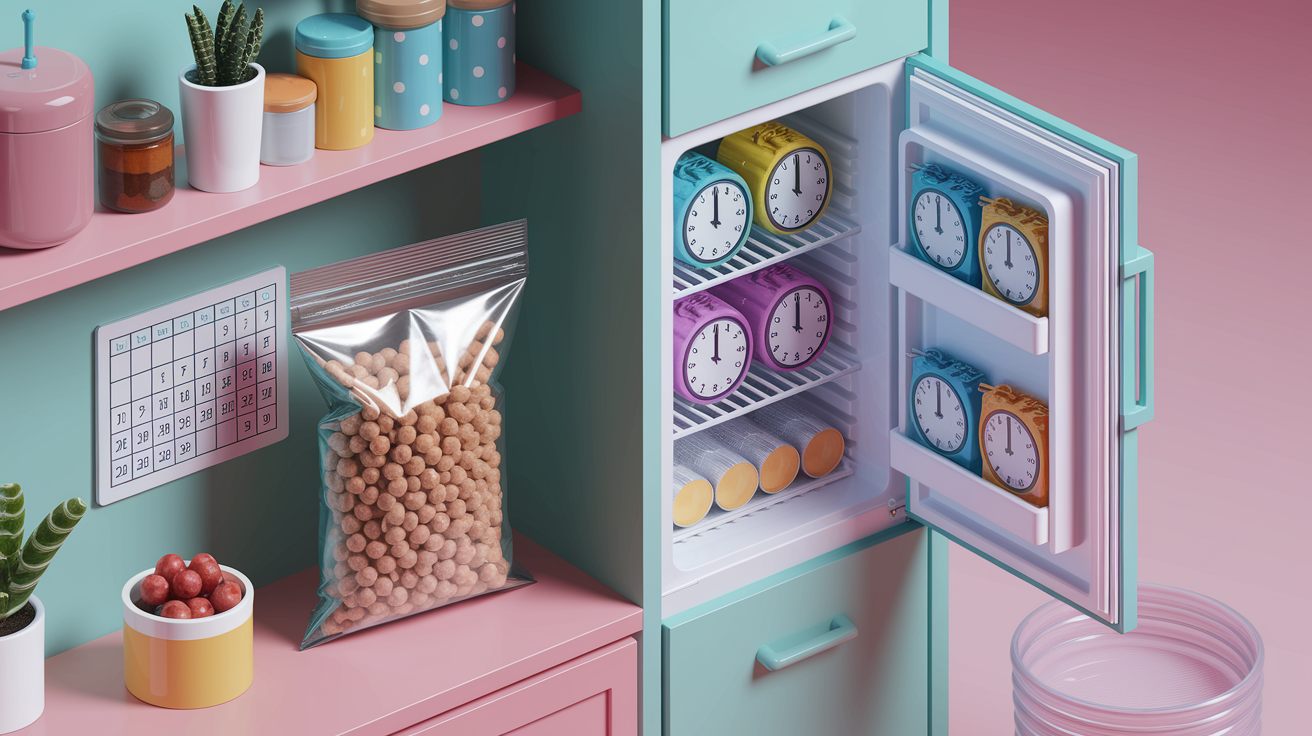
Freeze‑dried toppers stay shelf‑stable for months when sealed and stored in a cool, dry place. Once opened, reseal the bag tightly or move the contents to an airtight container to keep moisture out. You don’t need fridge space, and a small bag can last weeks even with daily use. They’re lightweight and don’t leak, which makes them easy to pack for travel, camping, or boarding.
Wet toppers need refrigeration right after opening. Most opened pouches or cans stay safe for three to seven days in the fridge, depending on the product. Bone broths and gravies can spoil quickly once exposed to air. You’ll need to use them within the manufacturer’s window or risk waste. Wet toppers are heavier to ship and store, and you’ll burn through refrigerator space faster if you use them daily.
For households with limited fridge space or dogs who eat small portions, freeze‑dried toppers reduce waste and simplify storage. For families who already use wet food as a base or have plenty of refrigerator room, wet toppers fit into the routine without extra work.
Cost Comparison and Value

Freeze‑dried toppers cost more per ounce than wet toppers because of the production process and concentrated nutrient content. A small bag might run two to three times the price of a similar‑weight pouch of wet food. But because freeze‑dried portions are smaller and more calorie‑dense, the cost per serving can be closer than it first appears. You use less freeze‑dried topper to deliver the same protein and fat as a larger scoop of wet food.
Wet toppers are generally less expensive per ounce, but you’ll use more of them to get the same nutritional impact. Shipping costs can be higher for wet toppers because of their weight, and if you’re ordering online, that adds up. Budget‑conscious households often find wet toppers easier to afford short term, while owners focused on nutrient density per dollar may prefer freeze‑dried options despite the higher sticker price.
| Topper Type | Average Cost per Ounce | Cost per Serving |
|---|---|---|
| Freeze‑dried | $2.00–$4.00 | $0.50–$1.50 |
| Wet stew/gravy | $0.40–$1.20 | $0.60–$1.80 |
| Bone broth | $0.50–$1.50 | $0.40–$1.00 |
| Raw freeze‑dried blend | $3.00–$5.00 | $0.75–$2.00 |
Ingredient Quality and Sourcing
Freeze‑dried toppers often feature single‑source proteins like grass‑fed beef, wild‑caught salmon, or free‑range turkey. Because the freeze‑dry process doesn’t need binders or fillers to hold texture, ingredient lists stay short and focused. Many brands emphasize minimal processing and skip artificial preservatives, which appeals to owners looking for something close to a raw diet without the handling risks.
Wet toppers vary widely in ingredient quality. Premium brands use human‑grade muscle meat, organic vegetables, and bone broth as the base. Budget options may rely on by‑products, meat meals, and added thickeners to create texture. Cooking processes for wet toppers can reduce some heat‑sensitive vitamins, but reputable manufacturers often add vitamins back in after cooking to meet nutritional standards.
Check the first three ingredients on any topper label. If you see named meat sources like chicken, beef, or salmon at the top, that’s a good sign. Avoid toppers that list generic terms like “meat by‑product” or “animal digest” early in the ingredient list. Watch for unnecessary fillers, artificial colors, or chemical preservatives if your dog has sensitivities or allergies.
Digestibility and Sensitivity Considerations
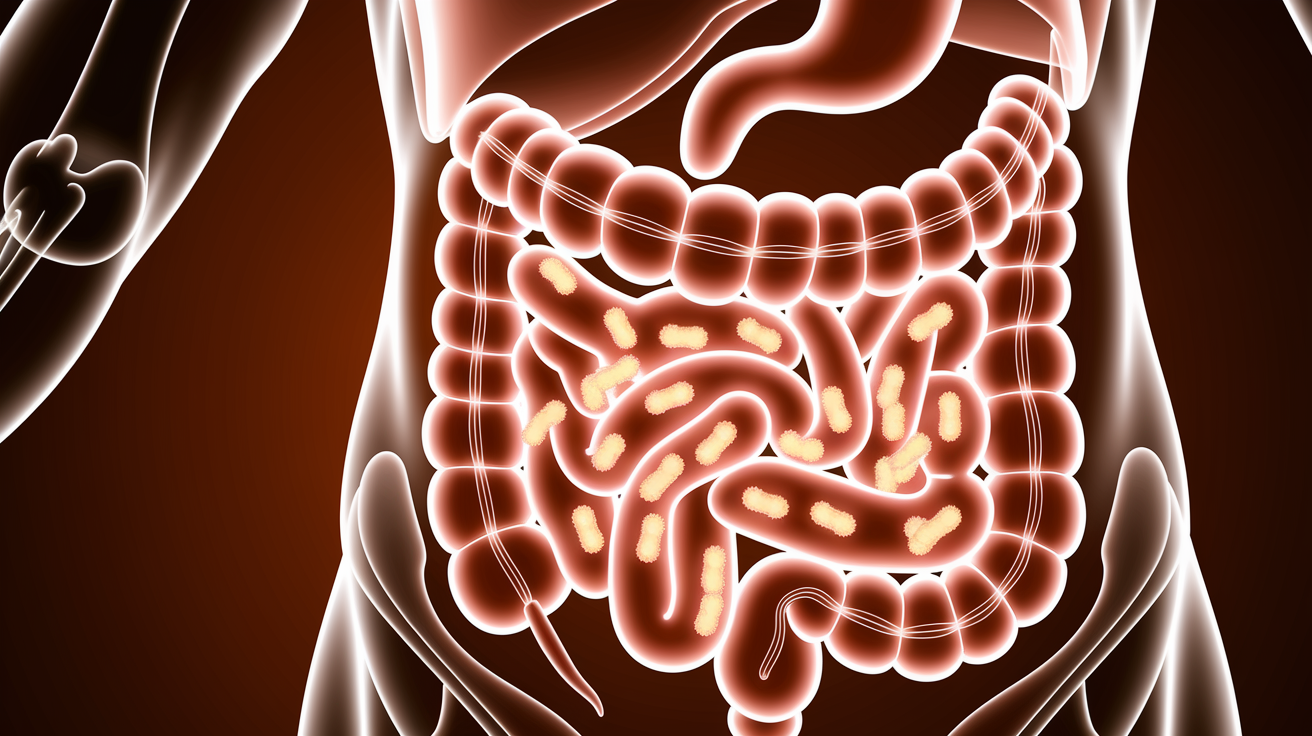
Some dogs digest freeze‑dried raw toppers easily because the ingredients haven’t been exposed to high heat and the protein structure stays closer to its natural state. Dogs with sensitive stomachs or inflammatory bowel issues sometimes tolerate raw‑inspired formats better than heavily processed foods. Other dogs struggle with raw‑style toppers, especially if they’ve been eating cooked food their entire lives and their digestive systems aren’t used to handling uncooked proteins.
Wet toppers made with cooked meat and bone broth are often gentler on dogs with sensitive stomachs. The cooking process breaks down some proteins and fibers, making them easier to absorb. Bone broth adds collagen and gelatin, which can soothe the digestive tract and support regular bowel movements. For dogs prone to diarrhea or gas, starting with a wet topper and gradually introducing freeze‑dried options reduces the risk of GI upset.
Stool consistency is a reliable indicator of digestibility. If your dog produces firm, well‑formed stool after adding a topper, digestion’s working well. Loose stool, mucus, or frequent trips outside signal that the topper might not be a good fit. Transition slowly. Mix a small amount of new topper into the current food and increase gradually over seven to ten days.
Tips for choosing a topper for sensitive dogs:
Start with a single‑protein topper to avoid triggering multiple sensitivities at once. Choose toppers with added fiber from pumpkin or sweet potato to support stool formation. Avoid toppers with common allergens like chicken, beef, dairy, or grains if your dog has known sensitivities. Monitor stool, appetite, and energy for at least two weeks before deciding if the topper works.
Palatability and Feeding Experience
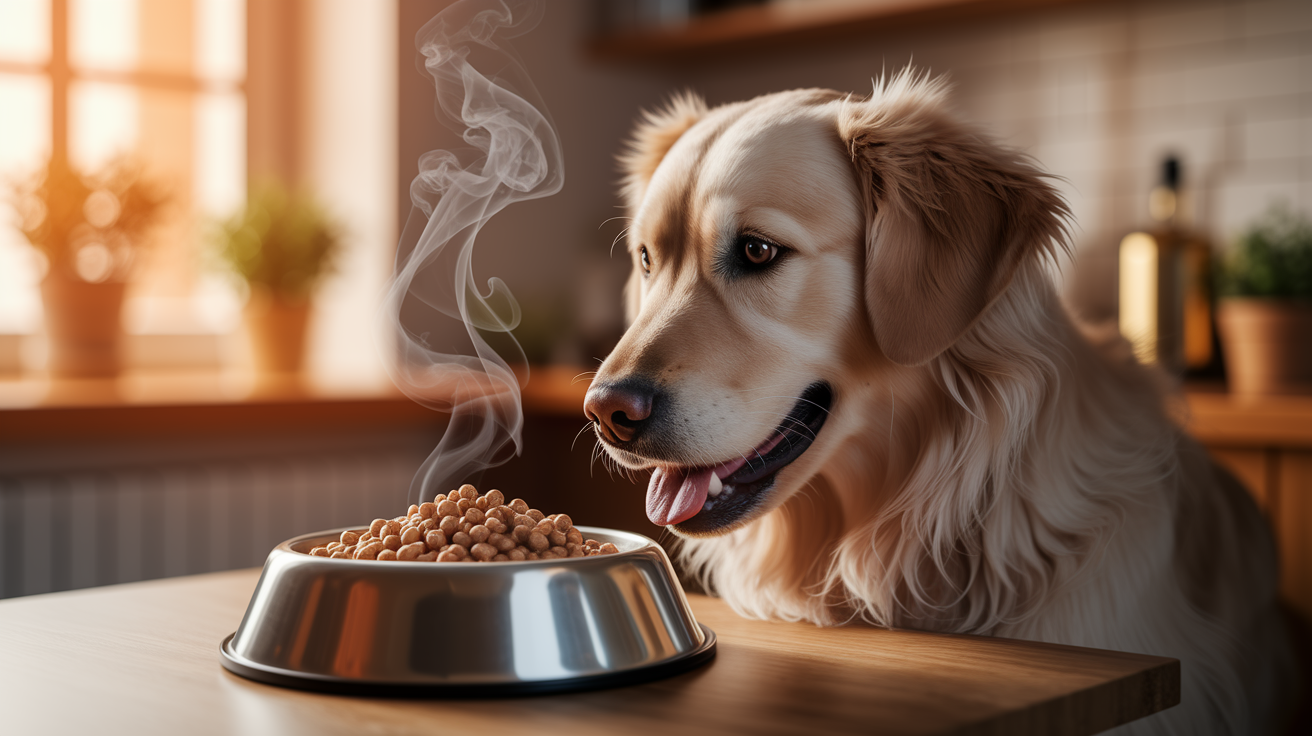
Wet toppers often deliver the strongest aroma and the softest texture, which makes them highly appealing to picky eaters. The smell of cooked meat, bone broth, or gravy can trigger appetite in dogs who turn their noses up at plain kibble. The soft texture also works well for senior dogs with dental pain, dogs recovering from mouth injuries, or pets who’ve lost teeth.
Freeze‑dried toppers, especially when rehydrated, can mimic the appeal of raw food. The scent isn’t always as strong as wet toppers when served dry, but adding warm water releases aroma and creates a softer texture that many dogs find irresistible. Some dogs prefer the crunch of dry freeze‑dried pieces mixed into kibble. Others ignore them unless they’re softened first.
What influences topper palatability:
Protein source. Some dogs prefer poultry, others favor red meat or fish. Aroma intensity. Wet toppers and rehydrated freeze‑dried release stronger scents than dry freeze‑dried. Texture. Soft, shredded, or chunky toppers appeal to different dogs based on preference and dental health. Freshness. Toppers stored improperly or past their prime lose flavor and scent. Serving temperature. Room‑temperature or slightly warmed toppers often smell better than cold food straight from the fridge.
Cleanup, Mess, and Daily Practicality
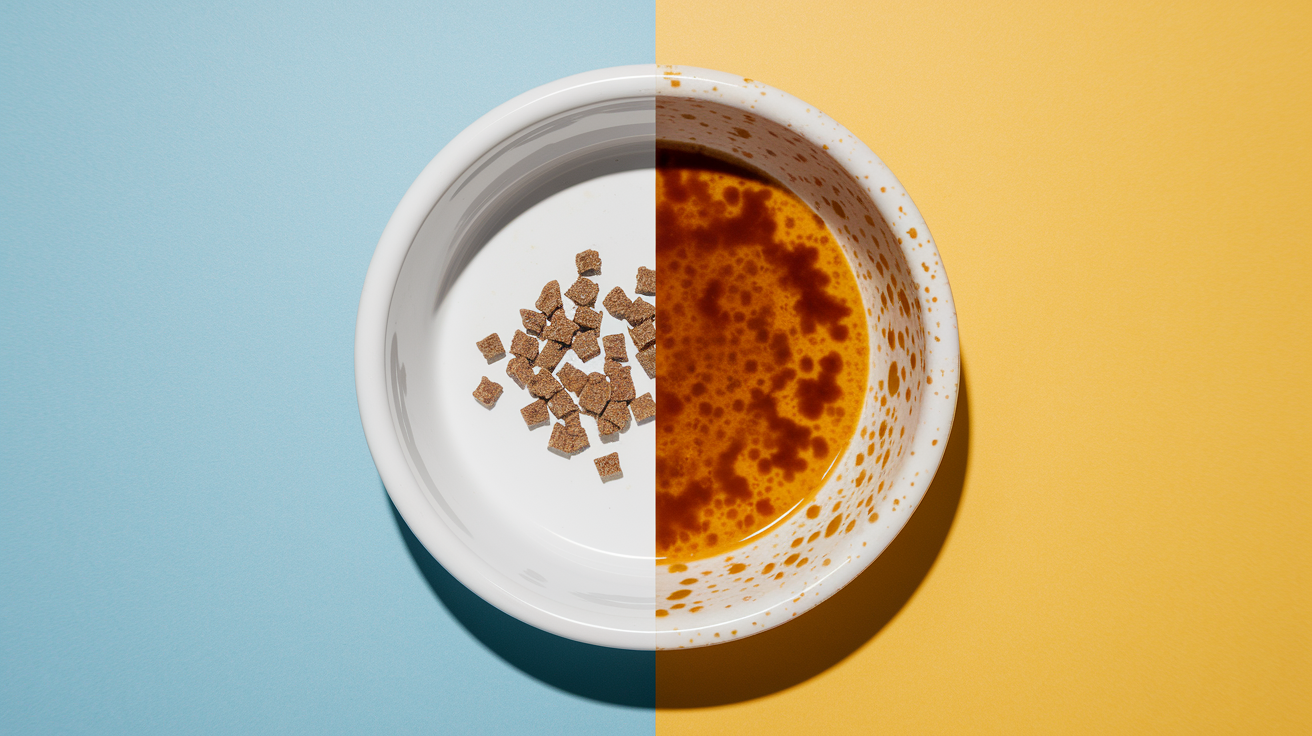
Wet toppers create more bowl residue. Gravy, broth, and stew coatings stick to bowls, which means more scrubbing or running the dishwasher daily. If your dog’s a messy eater, wet toppers can end up on the floor, your dog’s face, and occasionally the wall. Dogs with long ears or facial folds often need a quick wipe‑down after meals with wet toppers.
Freeze‑dried toppers served dry are much cleaner. You sprinkle or crumble them over kibble, your dog eats, and the bowl stays relatively tidy. Rehydrating freeze‑dried toppers brings back some of the mess factor, but it’s still less sticky than most wet toppers. For busy households or owners who prefer minimal cleanup, freeze‑dried toppers reduce daily hassle.
Use‑Case Scenarios Based on Dog Type and Life Stage
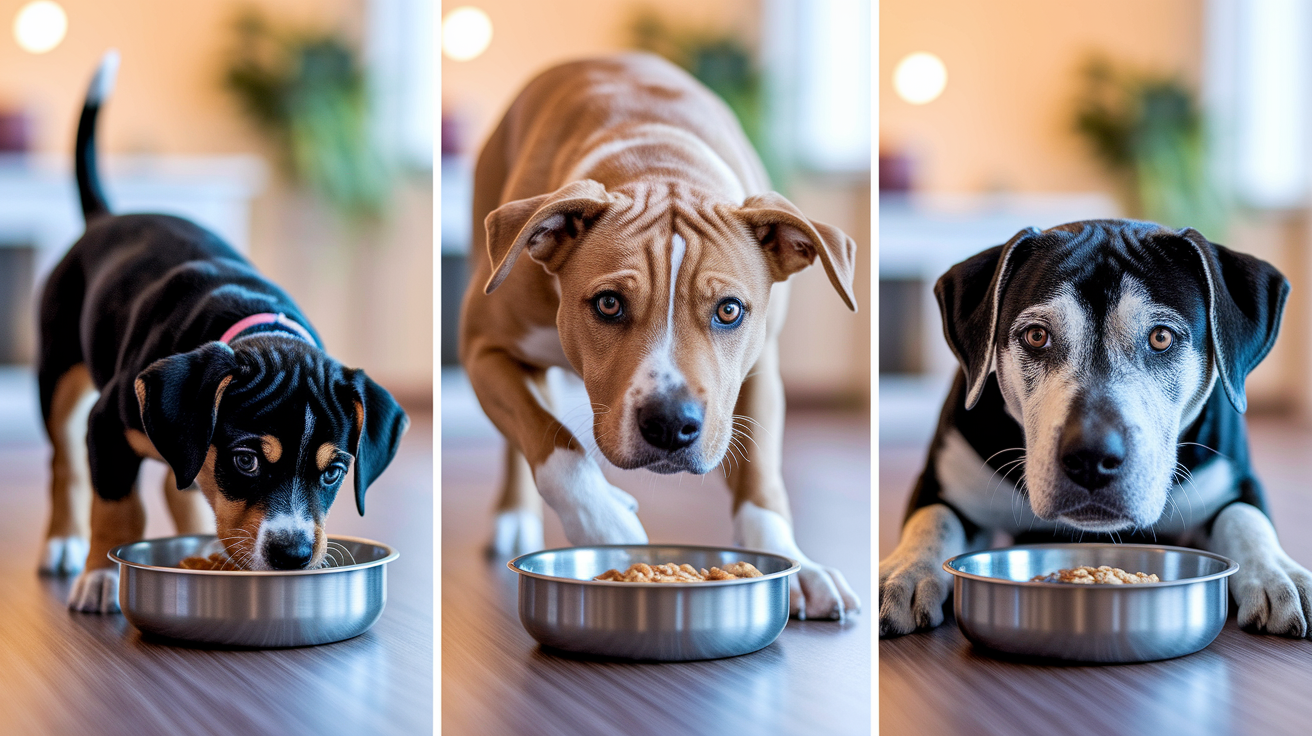
Puppies benefit from high‑moisture toppers during weaning and early growth stages. Wet toppers or rehydrated freeze‑dried options make kibble easier to chew and digest, and the added moisture supports hydration while puppies learn to drink from a bowl consistently. High‑protein wet toppers can also boost calorie intake during rapid growth phases without requiring large portion sizes.
Senior dogs often need toppers that increase palatability and ease digestion. Wet toppers with bone broth add moisture, collagen, and flavor, which helps older dogs with reduced appetite or dental issues. Freeze‑dried toppers can work for seniors if rehydrated and mixed thoroughly, but wet options are usually the more convenient choice for dogs who struggle to chew or have lost interest in food.
Weight management requires careful calorie control. Wet toppers add volume and moisture without packing in as many calories as freeze‑dried options, so they can help dogs feel full on fewer calories. Freeze‑dried toppers work for weight management too, but you’ll need to measure portions carefully and adjust the base food to avoid overfeeding.
Use‑cases where freeze‑dried is best:
Dogs who eat kibble and drink plenty of water independently. Owners who travel often or need shelf‑stable options for boarding or camping. Small dogs or precise‑portion feeding where calorie density matters. Dogs with no dental issues who can handle firmer textures.
Use‑cases where wet toppers are best:
Dogs who don’t drink enough water or have chronic urinary issues. Picky eaters who need strong aroma and soft texture to finish meals. Senior dogs with dental pain, missing teeth, or reduced appetite. Dogs recovering from illness or surgery who need easy‑to‑eat, gentle nutrition.
Pros and Cons of Each Topper Type
Freeze‑dried toppers:
Pros:
Long shelf life without refrigeration. Lightweight and travel‑friendly. High nutrient density and protein concentration. Minimal processing retains vitamins and enzymes. Low mess when served dry.
Cons:
Higher cost per ounce than wet toppers. Requires rehydration if you want to add moisture. Less aromatic than wet toppers unless rehydrated. Can be too calorie‑dense for dogs needing weight control. Some dogs won’t eat them dry and need extra prep steps.
Wet toppers:
Pros:
High moisture content supports hydration. Strong aroma and soft texture boost palatability. Ready to serve with no preparation. Generally more affordable per ounce. Easier for senior dogs and picky eaters to eat.
Cons:
Requires refrigeration after opening. Shorter shelf life once opened (3–7 days). Heavier and bulkier to store and ship. Creates more bowl residue and cleanup. Lower nutrient density per ounce than freeze‑dried.
Expert Recommendations for Choosing the Right Topper
Veterinarians and pet nutritionists suggest starting with your dog’s hydration level and digestive health. If your dog drinks water consistently and produces normal stool, either topper type can work. If hydration’s a concern (chronic urinary issues, low water intake, or kidney support), wet toppers or rehydrated freeze‑dried options are the better fit.
Think about your daily routine and storage capacity. Freeze‑dried toppers simplify life for busy households, frequent travelers, or anyone with limited refrigerator space. Wet toppers work well when you already use wet food as part of your dog’s diet and have the fridge space to store opened containers safely.
Steps for selecting the best topper:
Identify your dog’s primary need: hydration, palatability, digestive support, or nutrient density. Check ingredient quality and choose toppers with named protein sources and minimal fillers. Start with a small container or pouch to test palatability and digestive tolerance before buying in bulk. Adjust your dog’s base food portions to account for topper calories, especially if your dog needs weight control or has a low activity level.
Match the topper to the need: pick freeze-dried for a nutrient-dense, travel-friendly raw boost; pick wet for extra moisture and something picky dogs usually eat.
We compared nutrition, hydration, storage, cost, digestibility, palatability, mess, life-stage use cases, and pros/cons so you can decide fast.
When weighing freeze dried food toppers vs wet toppers, focus on appetite, digestion, and your daily routine. Try one for two weeks and watch stool, energy, and coat. Small, steady changes win.
FAQ
Q: What is the healthiest topper for dog food?
A: The healthiest topper for dog food is one that adds protein, moisture, and nutrients without extra calories or fillers—plain cooked meat, canned fish in water, or a balanced freeze‑dried raw topper are good choices.
Q: What is the number one food you should never feed your dog?
A: The number one food you should never feed your dog is chocolate, because its theobromine and caffeine can cause vomiting, rapid heart rate, seizures, and potentially life‑threatening problems.
Q: Are freeze‑dried toppers good for dogs, and what are the disadvantages of freeze‑dried food?
A: Freeze‑dried toppers are good for many dogs: they pack nutrients, boost flavor, and are convenient, but drawbacks include higher cost, very low moisture before rehydrating, and occasional digestive upset in sensitive pets.