
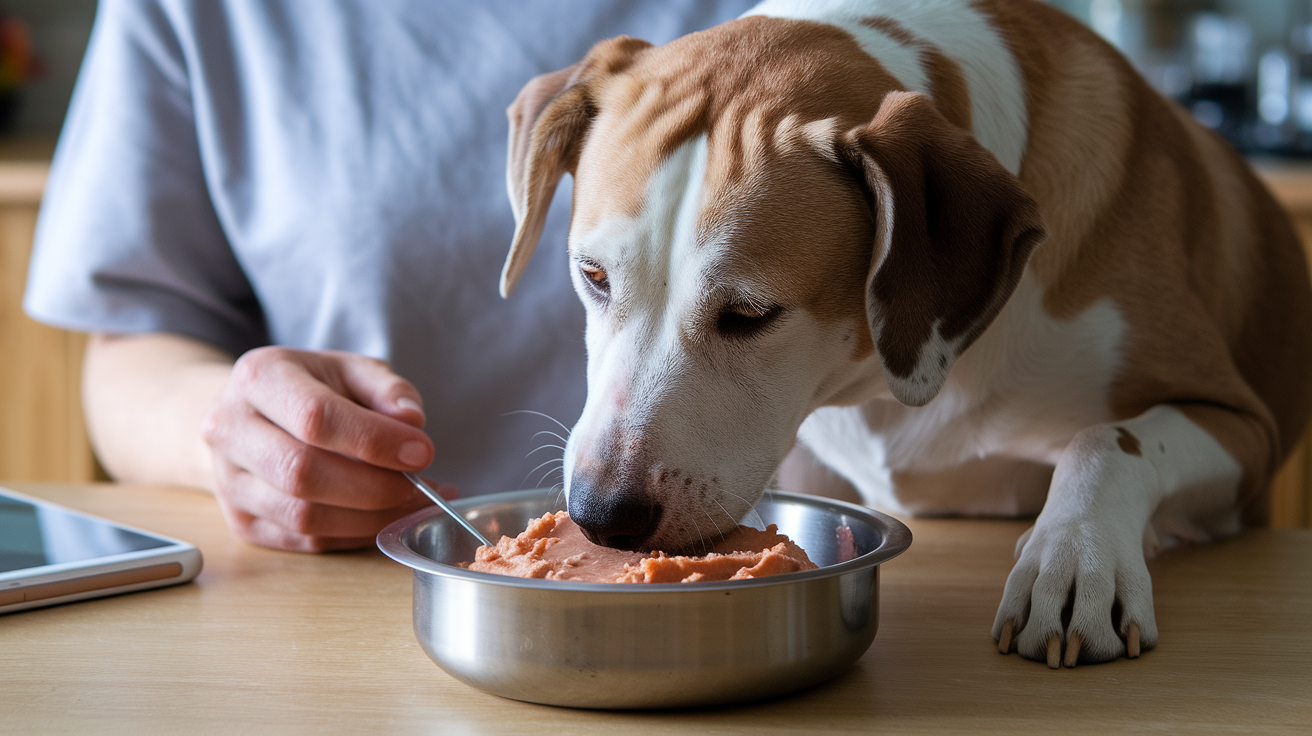
Think soft food is a splurge? For many senior dogs it’s the fix that ends mealtime pain and brings back appetite.
Older dogs lose teeth, have weak jaws, or just don’t smell like they used to.
Soft food is easier to chew, smells stronger, and adds hydration that helps digestion and kidneys.
This guide lists the best soft options—canned pâté, pouches, fresh sous-vide, and rehydrated meals—chosen for chewability, digestibility, smell, and cost.
You’ll get clear picks for missing teeth, sensitive tummies, picky eaters, and tight budgets.
Top Recommended Soft Food Options for Senior Dogs
As dogs age, crunching through dry kibble gets tougher. Dental wear, weak jaws, or just plain lost appetite make hard food a struggle. Soft food fixes this by being easier to chew, smelling stronger, and going down gentler. Here are specific products that meet the real needs of senior dogs, so you can buy something that works without digging through endless options first.
I picked these based on how digestible they are, how strong they smell, how easy they are to chew, and what’s actually in them. Each one handles complete senior nutrition while tackling things like missing teeth, touchy stomachs, or picky eating. They all fit different needs, so you can match the product to your dog’s situation instead of guessing.
Before you choose, think about storage, how much you’ll need to feed, and what it costs. Canned and fresh foods need refrigeration once you open them and only last 2–3 days. Soft diets are mostly water, so you’ll feed bigger portions to hit the same calories as kibble. Some dogs won’t touch foods with certain thickeners (agar-agar, carrageenan), so check the ingredients. If your senior has gut issues or dental pain, start small and watch their stool and appetite closely.
-
Best Overall Soft Food – Hill’s Science Diet Adult 7+ Savory Chicken Entrée (canned pâté) covers complete senior nutrition with easy-to-digest chicken, balanced fiber, and omega fatty acids for coat and joints, all in a smooth texture that’s easy to lap or chew.
-
Best Budget Option – Pedigree Chunky Ground Dinner with Beef gives you ground meat and gravy at around $0.40 per ounce, good for daily feeding without breaking the bank, especially if you’ve got multiple dogs or a bigger breed.
-
Best for Dogs with Missing Teeth – Royal Canin Aging 12+ Thin Slices in Gravy has ultra-soft slices that dissolve fast with almost no jaw work, perfect for dogs who’ve had extractions or really bad dental disease.
-
Best for Sensitive Stomachs – Purina Pro Plan Focus Sensitive Skin & Stomach (salmon and rice formula) uses digestible salmon, rice, and prebiotics to help the gut and cut down on upset in seniors prone to loose stools or food sensitivities.
-
Best Fresh Sous-Vide Option – The Farmer’s Dog Fresh Beef Recipe delivers human-grade beef, vegetables, and grains slow-cooked in a water bath to keep them tender and nutrient-packed, shipped fresh with pre-portioned packs.
-
Best Freeze-Dried Rehydrated Option – The Honest Kitchen Whole Grain Chicken Recipe (dehydrated) turns into an oatmeal-like stew when you add warm water, offering human-grade ingredients, easy storage before prep, and a texture seniors with weak jaws can handle.
Understanding Soft Texture Needs in Senior Dogs

Older dogs lose teeth, get gum disease, or their jaw muscles just get weaker. Crunching kibble becomes painful or flat-out impossible. Dental decay, gingivitis, and tooth extractions are routine as pets age, and lots of seniors don’t have the strength to break down hard food anymore. Soft food gives instant relief by getting rid of the need for forceful chewing, so dogs can eat without pain or struggle.
Poor chewing doesn’t just hurt at mealtime. It also cuts down saliva production and stops food from mixing properly with digestive enzymes in the mouth, which means bigger chunks hit the stomach. That can cause vomiting, gas, or diarrhea, especially in dogs whose digestion has already slowed down with age.
Soft food comes in different textures, each one tackling different dental limits. Pâté is the smoothest, a uniform paste that needs almost zero chewing and can be lapped straight from the bowl. Stews with tender chunks in gravy give more texture for dogs who still have some chewing ability but need softer pieces. Rehydrated freeze-dried formulas create a porridge-like consistency when mixed with warm water, falling somewhere between pâté and chunky stew. If your senior just had extractions or hesitates at mealtime, start with the softest texture you can find and adjust based on how easily they clear the bowl.
Nutritional Requirements for Senior Dogs Choosing Soft Food
Digestible protein gets critical as dogs age, because muscle mass naturally drops and the body’s ability to process nutrients slows. Soft foods often pack in more meat and more usable protein sources. Think whole chicken, beef, or fish instead of rendered meals or plant-heavy formulas. Keeping lean muscle helps seniors stay mobile, supports organs, and keeps energy stable through the day.
Calorie density and portion sizes need careful watching when you switch to soft food. Wet and fresh diets are 70–80% moisture, so you’ll need to feed way more volume than kibble to deliver the same calories. A senior with a slower metabolism can pack on weight fast if portions aren’t adjusted. Use your dog’s current calorie target (often from your vet) and the food’s kcal-per-can or kcal-per-cup number to figure out correct serving sizes. Weigh your dog every two weeks during the first month on soft food to catch any changes early.
Senior formulas often add therapeutic nutrients to handle age-related wear. Look for omega-3 fatty acids (from fish oil or flaxseed) for joints and coat, antioxidants like vitamins E and C to fight cellular aging, and glucosamine or chondroitin for cartilage health. Some prescription or vet diets include controlled phosphorus for kidney support or added fiber and probiotics for gut stability. These won’t replace vet care, but they can support overall wellness when paired with regular checkups.
Joint-support nutrients like glucosamine, chondroitin, and omega-3s help cushion stiff joints and cut inflammation. Higher moisture helps kidneys and urinary health because wet food increases water intake, which eases the workload on aging kidneys and reduces urinary-tract issues. Fiber and probiotics keep stools firm and digestion predictable. Omega fats maintain skin barrier function and coat shine, which often dull in older dogs.
Comparing Soft Food Types for Senior Dogs
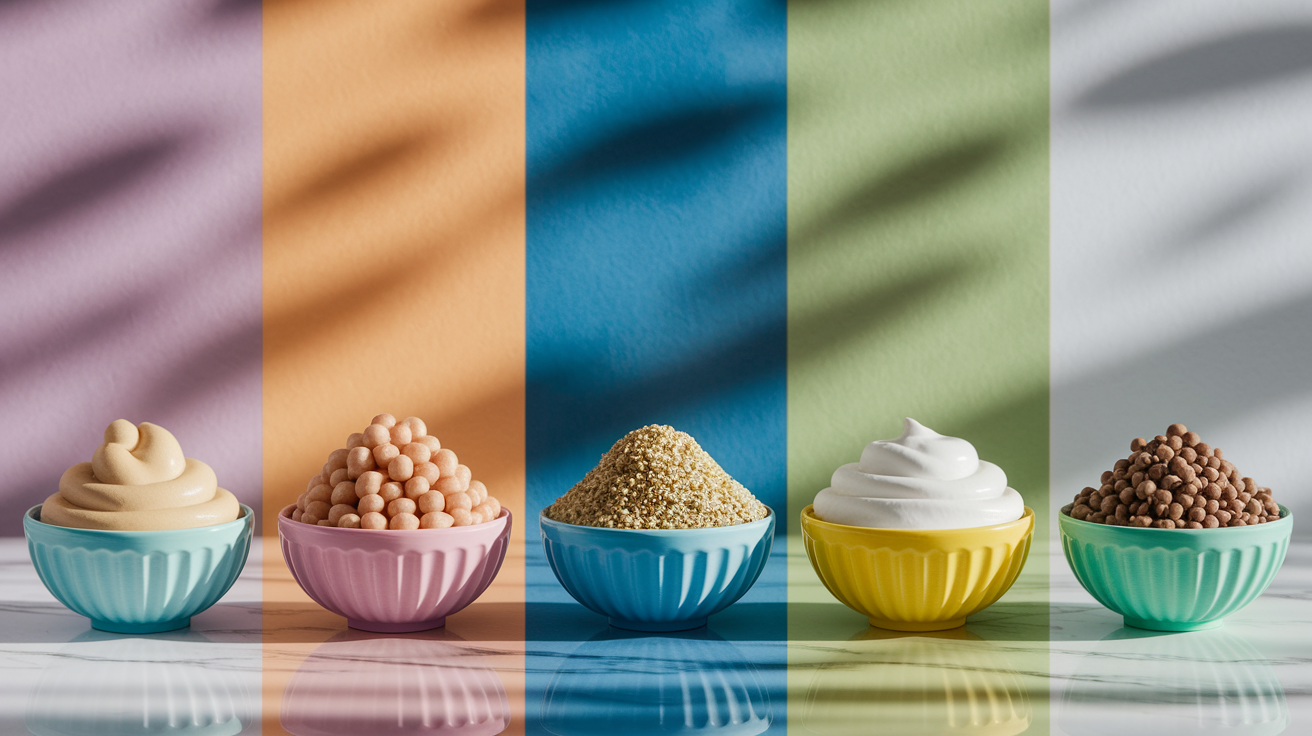
Canned/Pâté Diets
Canned food is the easiest soft option to find, sold as pâté or chunks in gravy. Pâté gives you a smooth, uniform texture that needs no chewing, making it perfect for dogs with missing teeth or serious dental pain. Chunks in gravy provide small, tender pieces in broth, good for seniors who still have some chewing ability but need softer bites than kibble. Both deliver high moisture, typically 75–80%, which helps hydration and can help seniors who don’t drink enough water on their own. Downsides? Short shelf life after opening (2–3 days refrigerated), higher cost per calorie compared to dry food, and you need refrigerated storage, which gets annoying if you’re traveling or feeding multiple pets.
Soft Pouches & Semi-Moist Formulas
Soft pouches and semi-moist meals come in single-serve or resealable packs, often with finely shredded meat or tender loaf textures. The smell is usually stronger than kibble, which helps with picky eaters or dogs whose sense of smell has faded. Portion control is simpler because pouches are pre-measured, cutting the risk of overfeeding. But semi-moist formulas can have more preservatives or humectants to keep them soft at room temperature, and they can cost more per ounce than canned. These work well for travel, small dogs, or seniors who like variety without committing to large cans.
Fresh Sous-Vide Meals
Fresh sous-vide meals get gently cooked in vacuum-sealed pouches submerged in a water bath, keeping them tender and preserving nutrients. You get soft, whole-food texture with visible meat, vegetables, and grains. No high-heat processing that can mess up proteins or destroy heat-sensitive vitamins. These diets often market themselves as human-grade and arrive refrigerated or frozen, with a short expiration window (7–10 days refrigerated). Sous-vide meals taste great and digest easily but come at a premium price, making them most practical for small breeds or as a rotation meal rather than the only diet for large dogs.
Dehydrated/Freeze-Dried Rehydrated Meals
Dehydrated and freeze-dried formulas strip moisture at low temperatures, concentrating nutrients and flavor into a shelf-stable powder or kibble-like piece. When you add warm water, they turn into a stew or oatmeal-like texture that’s easy to eat and smells strong. These score high on ingredient quality. Many use whole meats, vegetables, and no artificial preservatives, and they store compactly before you prep them. Rehydration takes a few minutes, and you control the final consistency by adjusting water volume. Cost per serving is typically higher than canned food, but portion sizes are small because the food is nutrient-dense before water goes in. Great for seniors who need a gentle texture and owners who care about ingredient transparency.
Moistened/Softened Kibble
If cost or storage is tight, you can soften existing kibble by adding warm water or low-sodium broth and letting it sit for 5–10 minutes. Some owners grind kibble in a food processor to almost-powder consistency, then mix in 8–12 ounces of warm water to make porridge. This gives you the nutritional profile your dog already knows, costs less than switching formats entirely, and needs no refrigeration until after you add liquid. The texture won’t match true canned pâté, but it’s softer than dry kibble and can work for dogs with moderate dental wear or those in transition. Watch closely. Some dogs reject the mushier consistency, and ground kibble mixed with too much water can spoil fast if left out.
| Type | Texture | Pros | Cons | Seniors Best Suited For |
|---|---|---|---|---|
| Canned/Pâté | Smooth paste or tender chunks | High moisture, widely available, no prep | Short shelf life, refrigeration needed, higher cost per calorie | Missing teeth, severe dental pain, low water intake |
| Soft Pouches | Shredded or loaf | Single-serve convenience, strong aroma, easy portion control | More preservatives, higher price per ounce | Picky eaters, small dogs, travel feeding |
| Fresh Sous-Vide | Whole-food soft pieces | Nutrient retention, human-grade, exceptional palatability | Premium cost, short expiration, refrigeration required | Small breeds, sensitive stomachs, high ingredient standards |
| Dehydrated/Freeze-Dried | Stew or oatmeal when rehydrated | Shelf-stable, ingredient transparency, customizable consistency | Requires prep time, higher cost per serving | Digestive sensitivities, weak jaws, nutrient-focused owners |
| Moistened Kibble | Softened or ground paste | Familiar nutrition, cost-effective, no refrigeration before prep | Less tender than true soft food, can spoil quickly after mixing | Moderate dental wear, budget-conscious, transitioning dogs |
How Soft Food Helps Senior Dogs with Common Health Issues
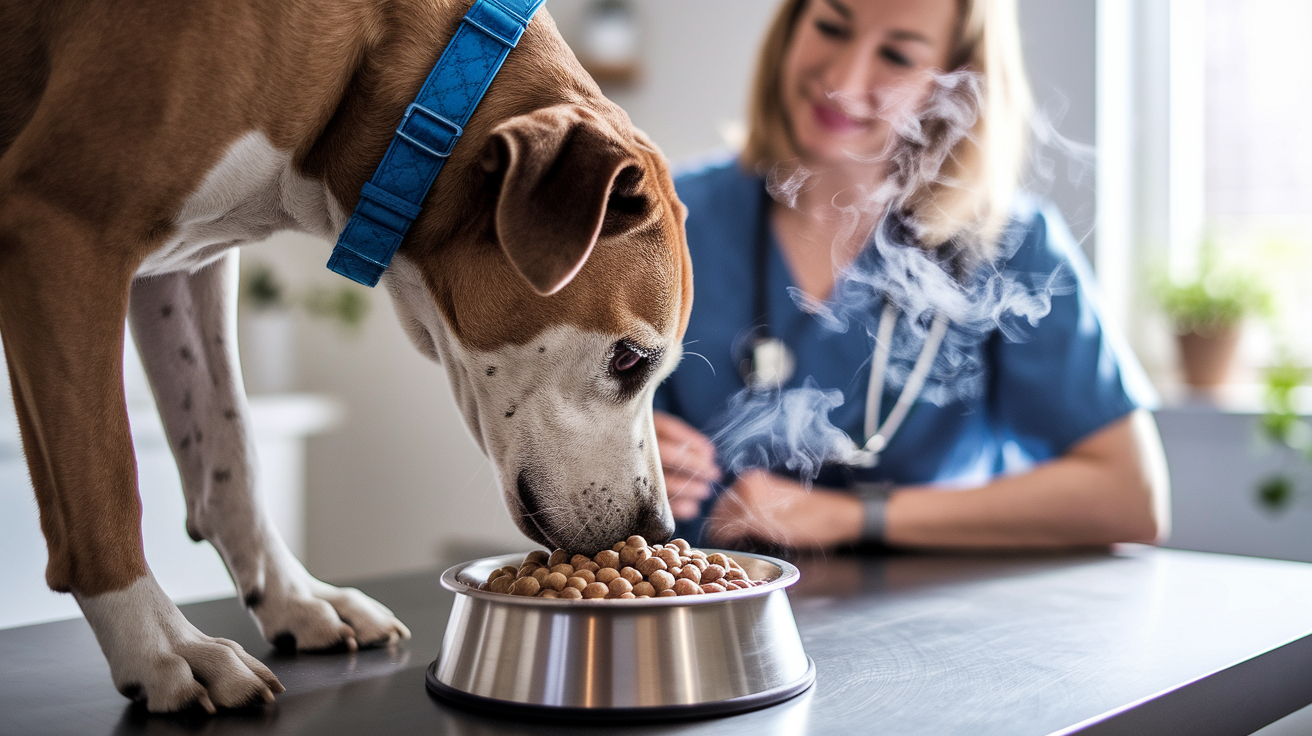
Soft food packs higher moisture content, which directly helps hydration. That’s a common worry in older dogs who may not drink enough water on their own. More fluid intake helps kidneys flush waste better and can lower the risk of urinary crystals or stones. The stronger smell of wet and fresh diets also gets appetite going in seniors whose sense of smell has faded, encouraging steady eating even when kibble doesn’t interest them anymore. Warming soft food with a splash of warm water amps up scent even more, making meals more appealing to dogs recovering from illness or low on energy.
Digestive ease is another big win. Soft textures need less mechanical breakdown in the stomach, cutting the workload on aging digestive systems. Lots of wet and fresh formulas use whole-muscle proteins instead of rendered meals, which digest easier and provide amino acids needed to keep lean muscle mass. For seniors with arthritis or reduced mobility, formulas boosted with omega-3 fatty acids, glucosamine, or anti-inflammatory nutrients can offer modest joint support alongside softer feeding, though they won’t replace vet pain management or prescribed medications.
These perks add up to better daily comfort and more predictable meal acceptance. If your senior has lost weight, soft food’s tastiness and calorie density can help restore body condition. If loose stools or gas have been ongoing, switching to a simpler, more digestible protein source in a soft format often brings relief within a few days.
Feeding Tips and Techniques for Serving Soft Food to Older Dogs
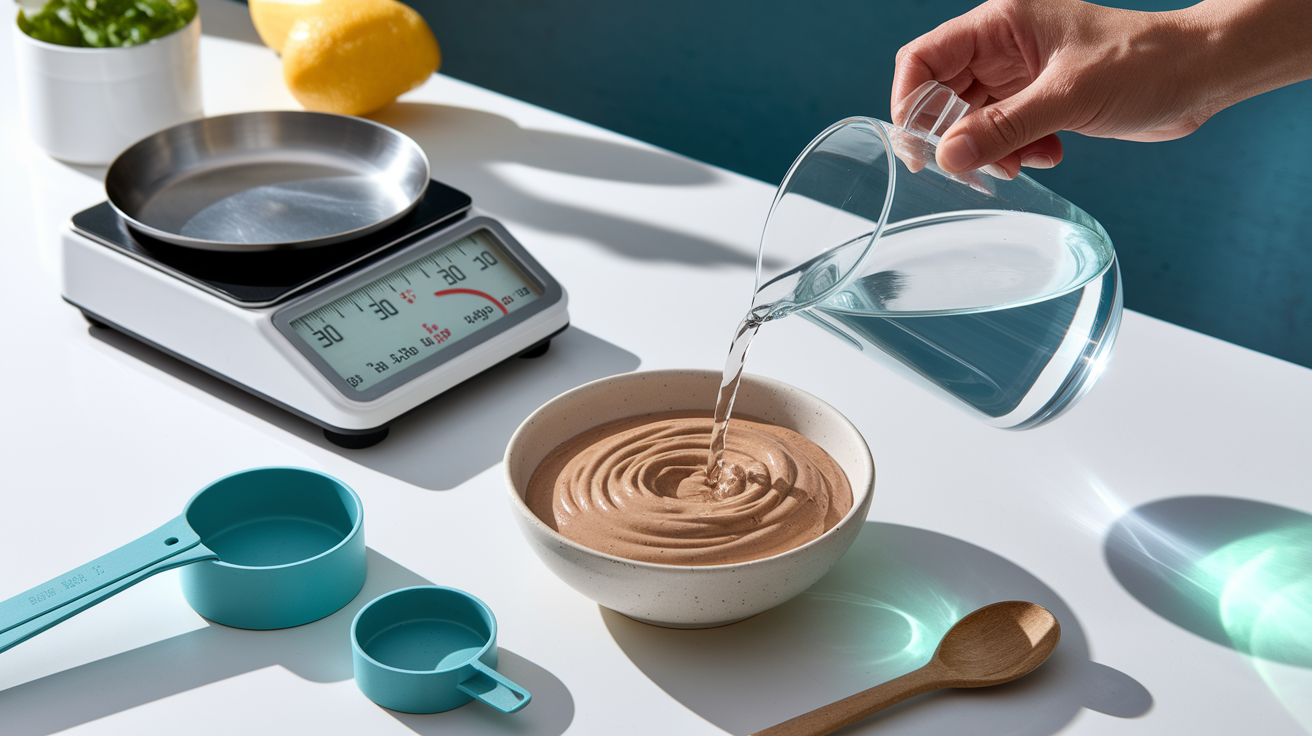
Warming soft food to just above room temperature releases smell and makes the meal more tempting for dogs with dimmed smell or appetite. Add a tablespoon or two of warm (not hot) water to canned or fresh food, stir gently, and let it sit for a minute before serving. Skip microwaving, which can create hot spots that burn your dog’s mouth and may mess up heat-sensitive nutrients. If you do microwave for convenience, stir well and test the temperature with your finger before offering the bowl.
Storage and spoilage prevention matter more with soft food than kibble. Once you open a can or pouch, refrigerate leftovers right away in a covered container. Glass or BPA-free plastic works well. Toss any uneaten portion after 2–3 days, even if it looks fine, because bacterial growth speeds up in moist, protein-rich foods. Fresh and sous-vide meals often come with use-by dates. Stick to those timelines to avoid foodborne illness. If you feed multiple small meals throughout the day, portion out the day’s servings in the morning and keep them refrigerated until each feeding.
Portioning needs careful math because soft food is calorie-dilute compared to kibble. Check the label for kcal per can or per cup, then divide your dog’s daily calorie target by that number to find the correct volume. Weigh your senior every two weeks and adjust portions if you see unwanted gain or loss. Most healthy seniors should keep a stable weight with a visible waist and ribs you can feel under a thin layer of muscle. If your dog is underweight, bump up portions gradually and talk to your vet to rule out underlying illness. Overfeeding is common when switching to soft food because the larger bowl volume feels like “not enough,” but water weight doesn’t add calories.
Start small with soft food additions. Mix a tablespoon or two of canned or rehydrated food into kibble for the first few days, letting your dog’s digestive system adjust to the new texture and moisture.
Adjust volume based on weight. Use a kitchen scale to track body weight bi-weekly. Increase or decrease portion sizes by 10–15% if weight trends up or down unexpectedly.
Add warm water when needed. A splash of warm water boosts smell and softens texture further, especially helpful for freeze-dried or thick pâté formulas your dog hesitates over.
Stick to consistent feeding times. Serve meals at the same times each day to set routine and support predictable digestion, which can reduce accidents or stomach upset.
Watch stool quality and appetite. Firm, formed stools and an empty bowl after each meal signal the diet is working. Loose stools or leftover food mean you may need to slow the transition or try a different protein source.
Transitioning a Senior Dog to Soft Food Safely

A gradual transition cuts digestive upset and gives your dog time to accept the new texture and flavor. Even if you’re switching within the same brand or protein source, moving from dry to wet changes how food moves through the gut, so a slow approach is always safer. The standard timeline is 7–10 days, but you can stretch it to two weeks if your senior has a history of sensitive digestion or food refusal.
Start by replacing about 10–15% of the usual kibble with soft food on days 1–2. Bump the soft portion to 25–30% on days 3–4, then 50% on days 5–6, and keep raising the proportion every couple of days until the bowl is entirely soft food. If loose stools, vomiting, or decreased appetite show up, hold the ratio steady for an extra day or two before moving forward. Rotating flavors and textures (pâté one day, chunks in gravy the next) can keep meals interesting and prevent boredom-driven refusal, but only introduce one new element at a time so you can spot any problem ingredients quickly.
Start with small mix-ins. A tablespoon of soft food stirred into kibble lets you gauge tolerance without overwhelming the digestive system.
Increase moisture slowly. Sudden jumps in water content can trigger loose stools. Build up gradually to give gut bacteria time to adjust.
Skip microwaving. Direct microwave heat can destroy nutrients and create dangerous hot spots. Warm food with hot water or a warm-water bath instead.
Adjust according to tolerance. If your dog shows signs of upset (gas, soft stool, decreased energy), pause the increase and talk to your vet before continuing.
Ingredient Quality Checklist for Choosing the Best Soft Foods
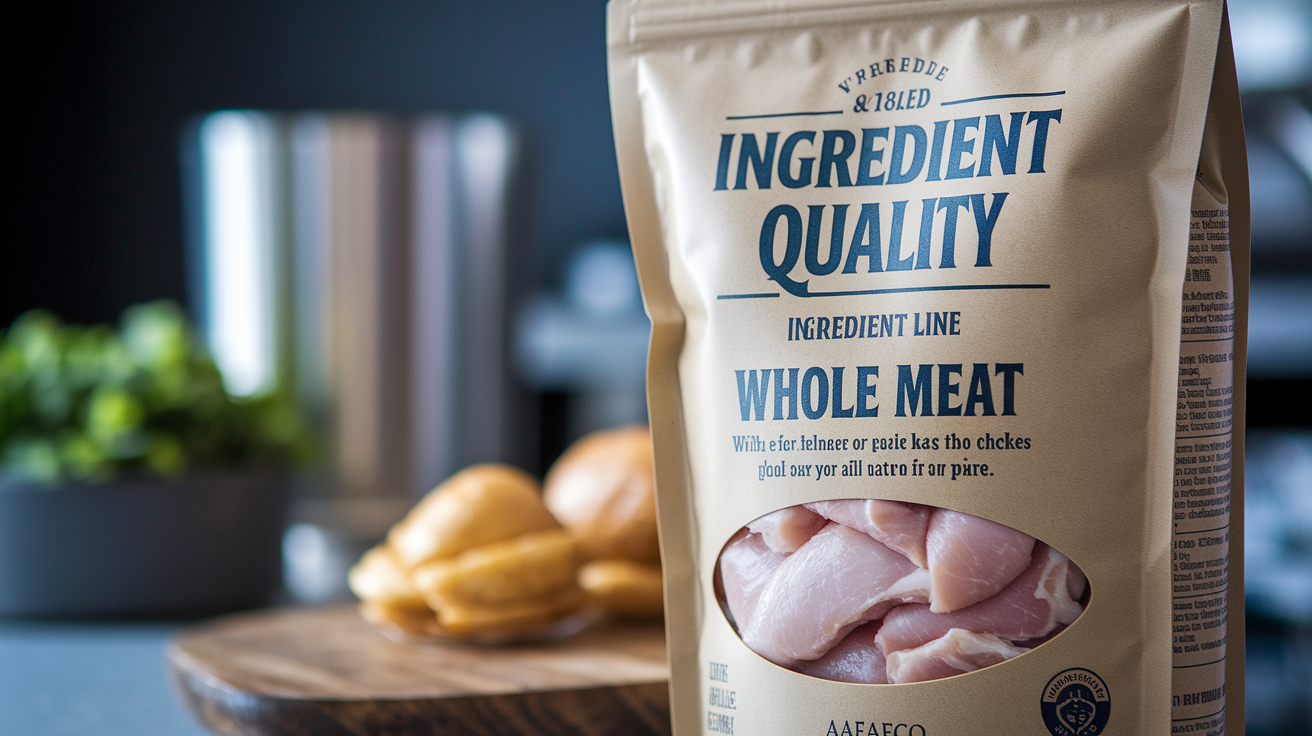
Quality starts with the protein source listed first on the ingredient panel. Whole meats (chicken, beef, turkey, lamb, fish) provide complete amino acid profiles and digest easier than generic “meat meal” or “by-product.” By-products (organs, necks, feet) aren’t automatically bad and can offer valuable nutrients, but clarity matters. “Chicken by-product” is better than “poultry by-product” because it names the species. Skip formulas where the first ingredient is water, broth, or a carbohydrate, because that signals lower protein density and more filler.
Senior additions can boost daily wellness without replacing vet treatment. Look for added omega-3 fatty acids (typically from fish oil or flaxseed) to help joints and skin, glucosamine and chondroitin for cartilage health, and antioxidants like vitamin E or selenium to fight cellular aging. Probiotics and prebiotics improve gut stability and can cut gas or irregular stools. These features show up on the guaranteed analysis or in a separate “added nutrients” section. If they’re not listed, they’re not there in meaningful amounts.
Some dogs refuse or react poorly to thickeners and gelling agents like agar-agar or carrageenan, which are common in canned foods to maintain texture and prevent separation. If your senior turns away from a new formula or gets soft stools after eating it, check the ingredient list for these additives and try a brand that skips them. Low-carb formulas with minimal grain or potato filler often suit seniors with slower metabolisms better than recipes heavy in rice or tapioca, though some dogs with sensitive stomachs tolerate easily digestible carbs like white rice just fine. Finally, confirm the label includes an AAFCO statement certifying the food is “complete and balanced” for adult maintenance or all life stages. Without that, you risk nutritional gaps over time.
Whole-meat proteins. Named meats (chicken, beef, salmon) in the first position signal higher digestibility and amino-acid availability.
Senior additions. Omega-3s, glucosamine, antioxidants, and joint-support compounds address age-related wear.
Skip problematic thickeners. If your dog refuses food or develops digestive upset, check for agar-agar or carrageenan and switch to formulas without them.
Go for low-carb formulas. Seniors with slower metabolisms often keep weight better on diets where protein and fat dominate over grain or starch fillers.
Check AAFCO compliance. An AAFCO statement guarantees the formula meets minimum nutritional standards for adult dogs, preventing deficiency over long-term feeding.
Final Words
Ready to pick a soft food? This post laid out top product picks, why seniors need softer textures, and easy feeding tips.
You learned what nutrients to look for, how different soft formats compare, storage and cost notes, and a safe 7–10 day transition plan.
With the ingredient checklist and practical serving steps you can confidently choose the best soft food for senior dogs for your budget and needs. Small, steady changes usually win, and your older dog can enjoy meals, stay hydrated, and feel more like themselves.
FAQ
Q: What is the best soft dog food for senior dogs?
A: The best soft dog food for senior dogs, including those with bad teeth, is a highly digestible wet pâté or senior veterinary formula with soft chunks, high moisture, moderate calories, and real meat first.
Q: Do older dogs need softer food, and is there such a thing as a soft kibble for dogs?
A: Older dogs need softer food when chewing is painful or weak; soft options include canned pâtés, rehydrated freeze‑dried meals, moistened food, and commercially sold soft kibble or kibble softened with warm water.