
Think more protein is always better for cats?
Not necessarily.
Quality and fit matter.
In this guide we’ll cut through label hype and explain what “high protein” means on dry food bags, how to read the guaranteed analysis, and which brands actually deliver mostly animal protein instead of plant fillers.
You’ll learn what to watch for by life stage, how to switch safely, and which top formulas are worth testing for muscle, energy, and a healthy coat.
Key Factors That Define High Protein Dry Cat Food
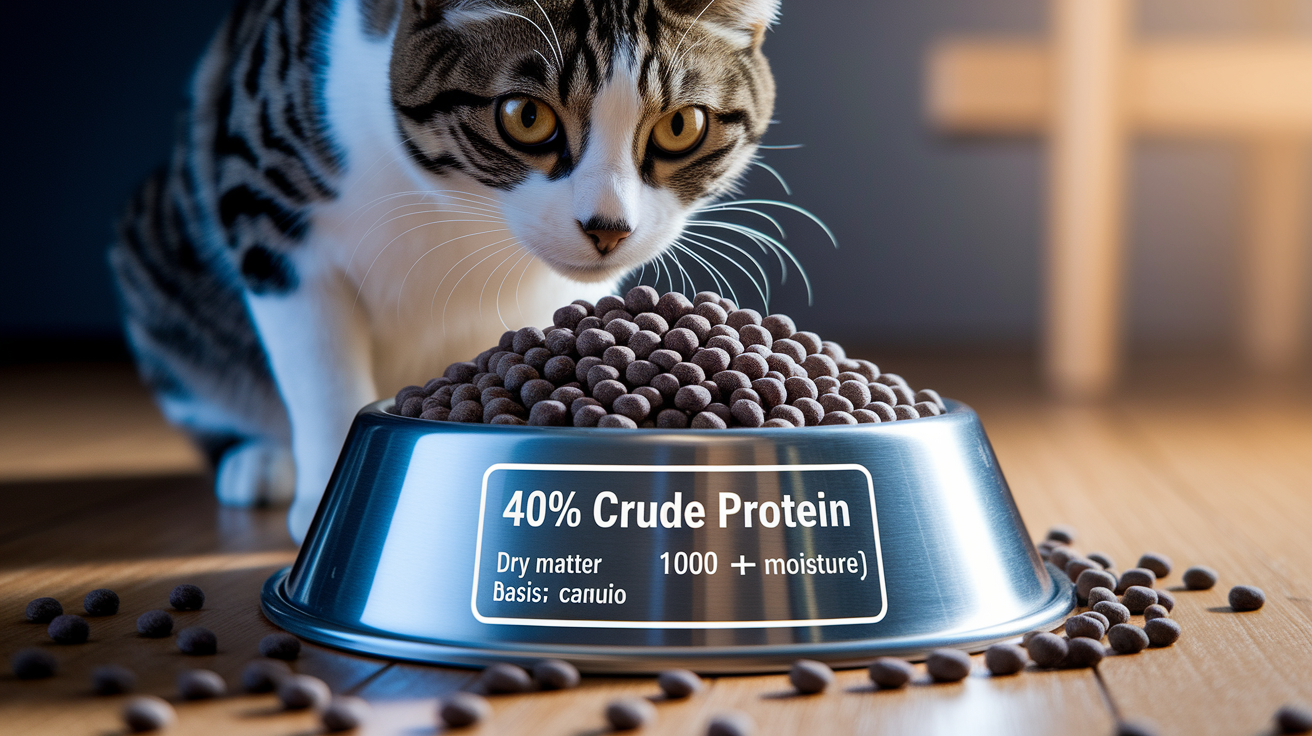
High protein dry cat food hits 40% crude protein or more when you look at the as-fed numbers. That percentage measures nitrogen-containing compounds in the food, which means it’s counting all protein sources, whether they come from animals or plants. But here’s the thing. Crude protein measurements don’t tell you much about quality or how well your cat can actually digest it.
Dry food usually sits around 10% moisture, so the real protein concentration on a dry matter basis runs higher than what you see on the guaranteed analysis panel. Want to calculate dry matter protein? Subtract the moisture percentage from 100, then divide the crude protein by that number and multiply by 100. A kibble showing 40% crude protein with 10% moisture actually delivers about 44.4% protein on a dry matter basis.
Cats are obligate carnivores. AAFCO says they need at least 26% protein for adult maintenance and 30% for growth and reproduction. But those are baseline requirements, not optimal levels. Recent studies found that adult cats eating less than 40% protein diets lost lean body mass over time. Cats use protein as their primary energy source because their liver enzymes constantly break down amino acids for glucose production and metabolic fuel. A natural mouse diet, measured on dry matter basis, contains roughly 55% protein. That suggests domestic cats thrive on protein levels well above minimum requirements.
What to look for in high protein dry formulas:
Named animal proteins (chicken, turkey, salmon) listed as the first three ingredients. Protein percentage of 40% or higher on the label. An AAFCO statement confirming complete and balanced nutrition for the right life stage. Meat meals (chicken meal, fish meal) providing concentrated protein sources. Minimal plant-based proteins like corn gluten meal or soy protein isolate.
Understanding Protein Sources in Dry Cat Food

Animal-derived proteins form the foundation of appropriate feline nutrition because they provide the complete amino acid profile cats can’t synthesize on their own. Cats require 11 essential amino acids, including taurine and arginine. Two that dogs and humans don’t need from dietary sources. Whole meats like chicken, turkey, beef, lamb, and fish deliver these amino acids in their natural form. Meat meals are rendered products with moisture removed, giving you even more concentrated protein and minerals per pound than fresh meat.
Plant proteins such as corn gluten meal, soybean meal, wheat gluten, and rice protein concentrate show up in many dry formulas but fall short of feline requirements. These ingredients lack sufficient taurine and methionine, so manufacturers have to add synthetic versions to meet AAFCO standards. Synthetic taurine and methionine have decreased digestibility compared to nutrients naturally occurring in animal tissues. Plant proteins also have lower biological availability. The body can’t use them as efficiently as animal-derived proteins.
Meat by-products, despite their reputation, include nutrient-rich organ meats like liver, kidneys, and heart. Concentrated sources of vitamins, minerals, and amino acids. Poultry meal is a dry product from whole carcasses excluding feathers, head, feet, and entrails.
| Protein Source | Type | Key Benefit | Digestibility Level |
|---|---|---|---|
| Chicken meal, turkey meal, fish meal | Animal (concentrated) | Dense protein and minerals without water weight | High (90%+) |
| Whole chicken, turkey, salmon | Animal (fresh) | Complete amino acid profile including taurine | High (85-95%) |
| Meat by-products, organ meats | Animal (organ-based) | Concentrated vitamins, minerals, and amino acids | High (85-90%) |
| Corn gluten meal, soy protein, wheat gluten | Plant-based | Increases protein percentage on label | Lower (70-80%) |
Comparing Top High Protein Dry Cat Food Options
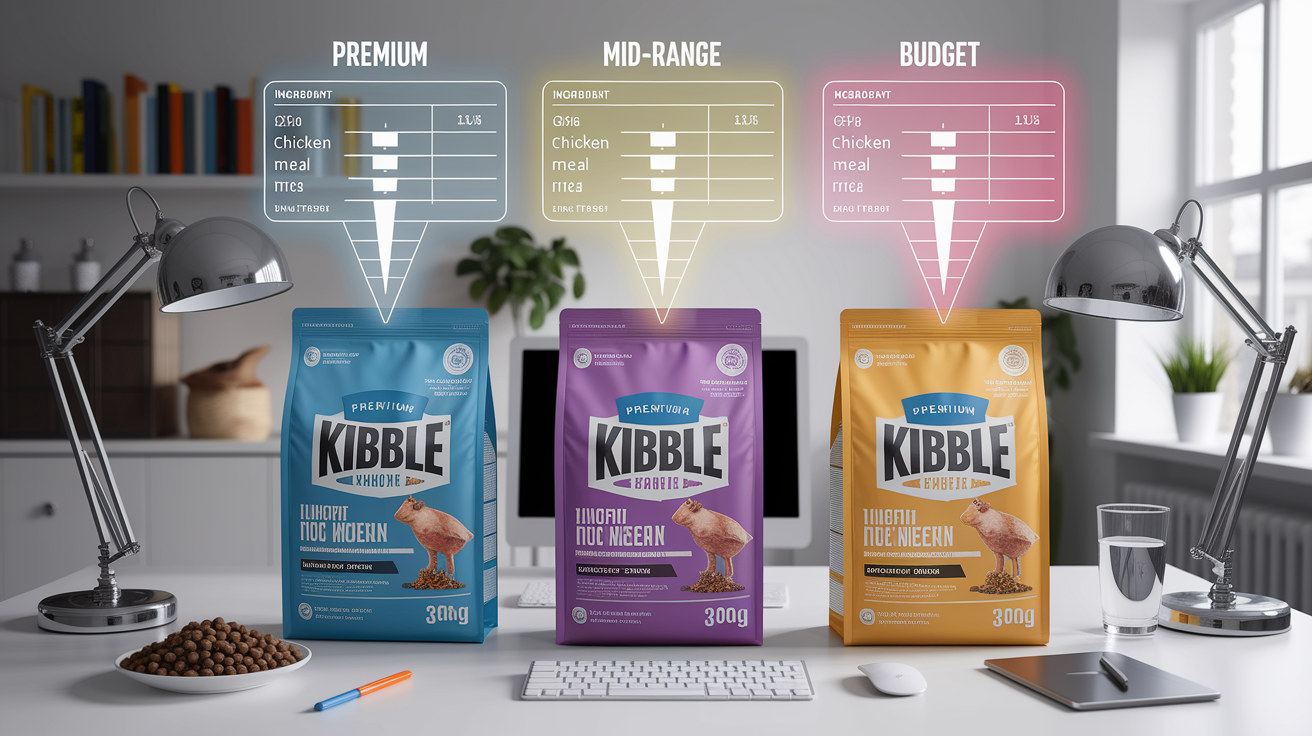
High protein dry cat foods span a wide range of ingredient density and manufacturing approaches. Premium formulas built on 85 to 90% animal ingredients feature multiple protein sources, often combining fresh meats with concentrated meat meals for both palatability and nutrient density. These recipes typically include chicken, turkey, and fish varieties within the same bag, sometimes adding organ meats for additional amino acid variety and micronutrients. Mid-range options focus on a single dominant protein source with chicken meal or turkey meal as the first ingredient, supplemented by smaller amounts of fresh meat or fish.
Budget-friendly high protein kibbles hit their 40% protein target by using a combination of meat meal and plant proteins. The first ingredient remains an animal source to meet marketing expectations and provide baseline amino acids, but corn gluten meal or soy protein isolate often appear in the top five ingredients to boost overall crude protein numbers. Bag sizes across all price points range from 2 pounds for trial or small households to 12 or 15 pounds for multi-cat homes or bulk buyers.
Carbohydrate content varies quite a bit even among high protein formulas. Dry cat food requires some starch for kibble formation. The extrusion process that creates those crunchy pieces depends on binding ingredients. Lower-carbohydrate options sit around 7 to 10% carbohydrates on an as-fed basis, while higher-carb versions may contain 20 to 30% even with respectable protein levels. Fat content typically ranges from 15 to 22%, with weight management formulas dropping to 12% or lower while maintaining high protein to preserve lean muscle mass during calorie restriction.
What Typically Differentiates Premium vs Value High Protein Kibble
Ingredient sourcing. Premium brands specify “deboned chicken” or “wild-caught salmon” while value options list “chicken” or “fish” without origin details. Protein source variety. High-end formulas include three to five animal proteins, budget versions rely on one primary source with plant protein support. Manufacturing standards. Premium kibbles often undergo feeding trials rather than formulation-only AAFCO compliance, providing real-world performance data. Digestibility claims. Expensive formulas highlight protein digestibility percentages or biological value measurements rarely mentioned on budget packaging. Added functional ingredients. Costly recipes include prebiotics, probiotics, omega-3 fatty acids from fish oil, glucosamine, and chondroitin not found in basic formulas.
Nutritional Benefits of High Protein Dry Cat Food for Different Life Stages
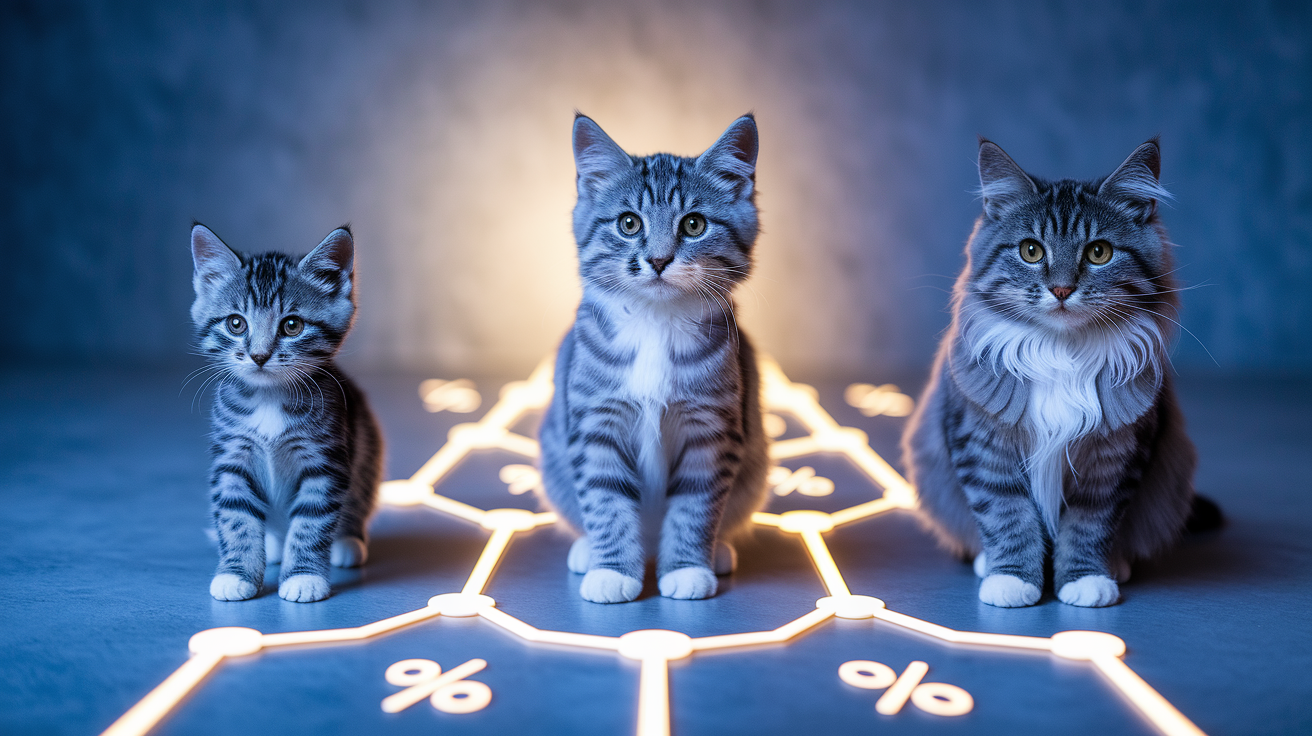
Adult cats in maintenance mode (not growing, reproducing, or managing specific health conditions) require minimum 26% protein according to AAFCO standards. But this baseline represents survival, not thriving. Adult cats eating between 30 and 38% protein lost muscle mass over time in controlled studies, with faster loss when protein quality was poor or digestibility was low. Protein levels closer to 40% or higher help adult cats maintain lean body mass, support immune function through antibody production, and provide substrate for hormone and enzyme synthesis. Young and active cats benefit most, using protein efficiently for energy and tissue maintenance without excess being stored as fat.
Kittens need minimum 30% protein for growth and reproduction life stages, but their actual requirements run higher in practice. Growing kittens require 19% of their total diet to consist of animal protein just to meet methionine requirements. One of the essential amino acids involved in growth, immune response, and liver function. High protein kitten formulas often include DHA from fish oil for brain and eye development. The elevated protein supports rapid tissue building, skeletal growth, and the high metabolic demands of young cats who seem to run on endless energy.
Senior cats aged 12 years or more face a different challenge. Their digestive efficiency decreases with age, meaning they extract fewer nutrients from the same amount of food a younger cat would process completely. Older cats should receive diets containing close to 50% protein to compensate for reduced digestive function and help preserve muscle mass that naturally declines with aging. Many diets formulated for older cats incorrectly decrease protein levels due to outdated concerns about kidney disease. Current veterinary understanding takes a more conservative approach, recognizing that protein restriction is only appropriate for cats with diagnosed kidney disease under veterinary guidance, not as a preventive measure for all seniors.
Evaluating Ingredient Lists and Guaranteed Analysis on High Protein Kibble
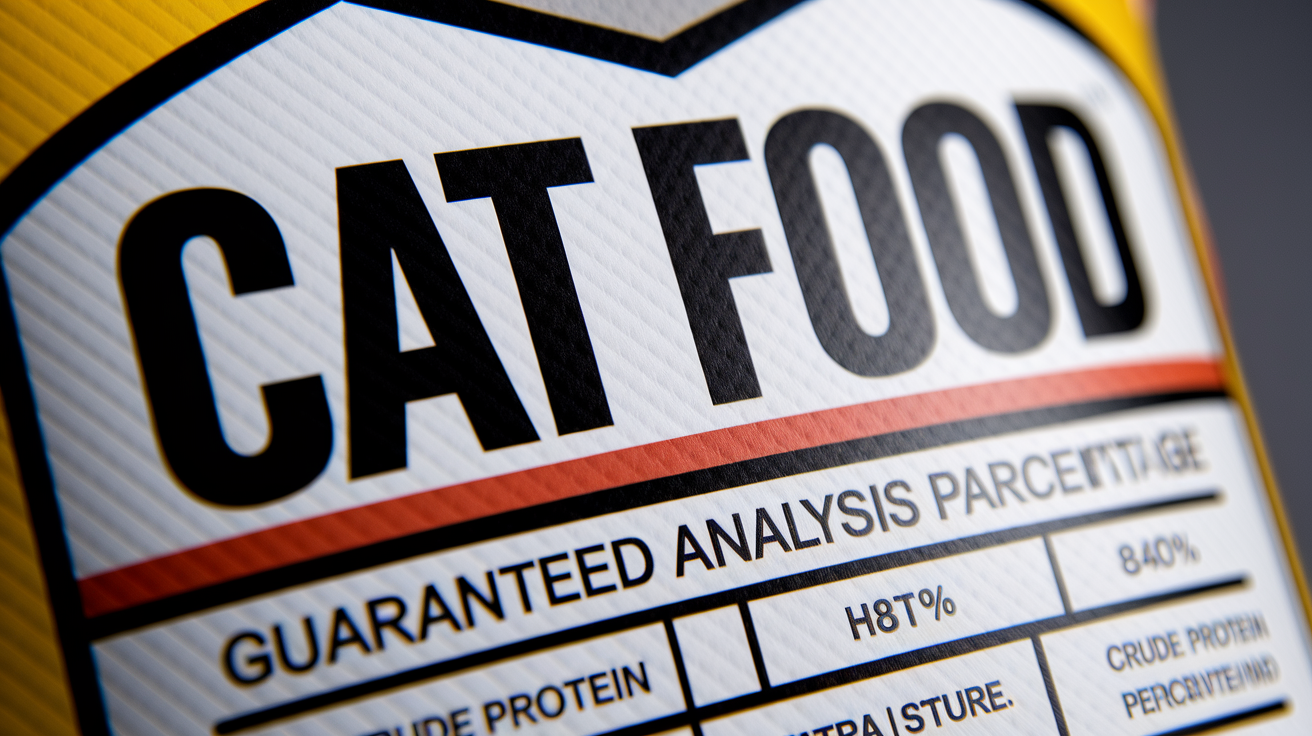
The guaranteed analysis panel shows crude protein as a minimum percentage, but this number alone doesn’t distinguish between high-quality animal proteins and low-value plant proteins. A formula listing 42% crude protein could achieve that number through chicken meal and turkey or through chicken by-product meal and corn gluten meal. Two very different nutritional scenarios. The ingredients list provides context. Ingredients appear in descending order by weight before cooking, so the first five ingredients make up the bulk of what’s in the bag.
AAFCO-compliant diets must contain at least 91% digestible protein with no more than 9% pepsin indigestible material. This digestibility standard ensures the protein that shows up on the label can actually be broken down and absorbed by the cat’s digestive system. Crude protein percentage is determined by measuring all nitrogen-containing compounds, which can include non-protein sources like urea. That’s why ingredient quality matters more than percentage alone. Meat by-products include organ meats (liver, kidneys, heart, spleen) which provide concentrated nutrient sources often more valuable than muscle meat. Poultry meal is a dry product from whole carcasses excluding feathers, head, feet, and entrails.
Steps to evaluate a high protein kibble:
Check the first three ingredients. At least two should be specific animal proteins like “chicken meal” or “deboned turkey,” not generic “meat” or “poultry.” Look for the AAFCO nutritional adequacy statement confirming the food is complete and balanced for the appropriate life stage through feeding trials or nutrient profiles. Calculate dry matter protein by subtracting moisture percentage from 100, dividing crude protein by that number, and multiplying by 100 for easier formula-to-formula comparison. Scan for plant proteins in the top seven ingredients. Corn gluten meal, soy protein isolate, wheat gluten, or pea protein suggest manufacturers boosted crude protein numbers without adding more meat. Review the fat content alongside protein. Cats need both macronutrients, with minimum 9% fat for adults and higher for kittens, so adequate fat supports protein utilization. Verify taurine is listed in the guaranteed analysis or ingredient list, especially important in formulas with significant plant protein content that would require synthetic supplementation.
Digestibility and Biological Value in High Protein Dry Formulas
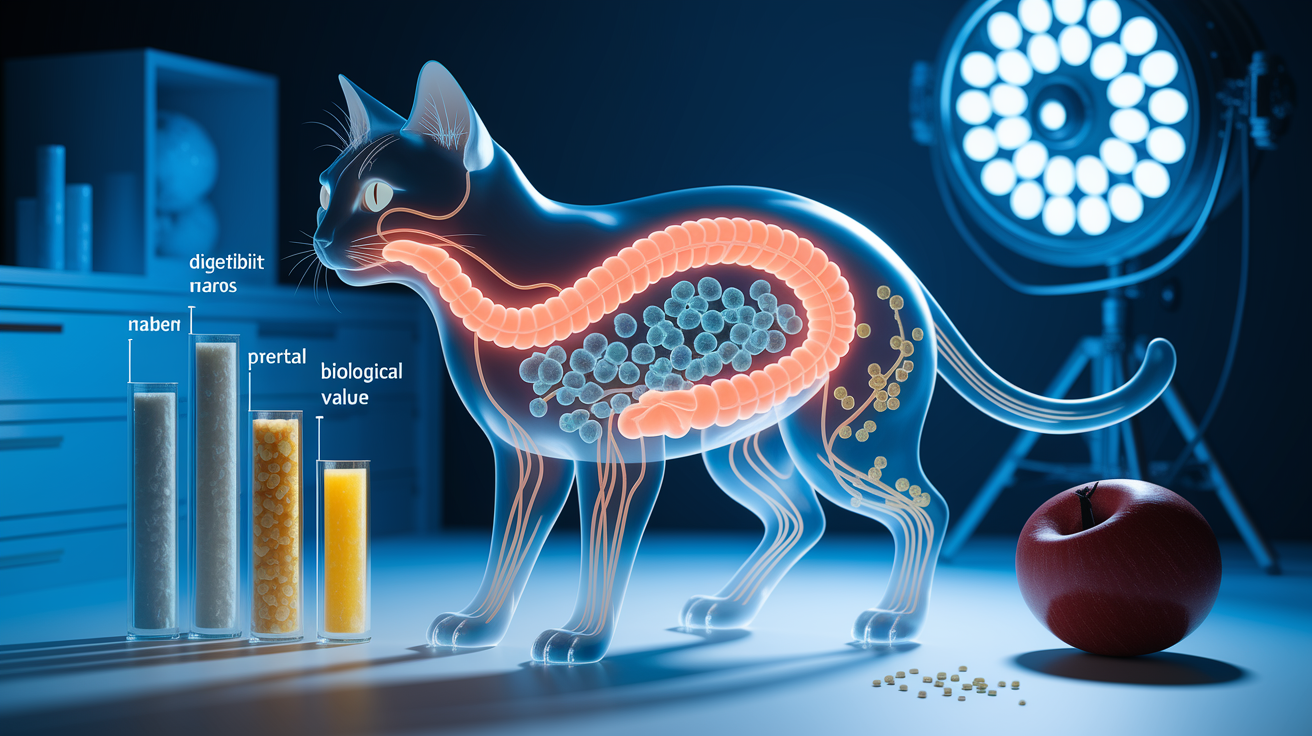
Protein digestibility determines how much of the crude protein listed on the label actually becomes available to your cat’s body for muscle maintenance, immune function, and energy production. Animal proteins have higher biological value than plant proteins because they contain amino acids in ratios that match feline requirements more closely. When a protein source has high biological value, the cat’s body can use more of it directly without breaking down and rebuilding amino acid chains into needed configurations. This metabolic efficiency matters. Less waste, better nutrient utilization, and more effective muscle mass preservation.
AAFCO requires that proteins be at least 91% digestible through pepsin digestibility testing. But biological value and digestibility aren’t quite the same thing. A protein might be highly digestible (meaning it breaks down in the digestive tract) but have low biological value if its amino acid profile doesn’t match what cats need. Synthetic taurine added to plant-heavy diets illustrates this gap. While it boosts the crude protein number and technically provides taurine, synthetic versions have lower digestibility compared to taurine naturally occurring in animal tissues. The cat absorbs less of it, and what does get absorbed may not be utilized as efficiently.
Fat content works alongside protein digestibility. Adequate dietary fat (typically 15 to 20% in high protein dry foods) helps the body absorb fat-soluble vitamins and provides concentrated energy so protein can be spared for tissue building and repair rather than burned for basic fuel.
High Protein Dry Cat Food for Special Needs and Health Conditions
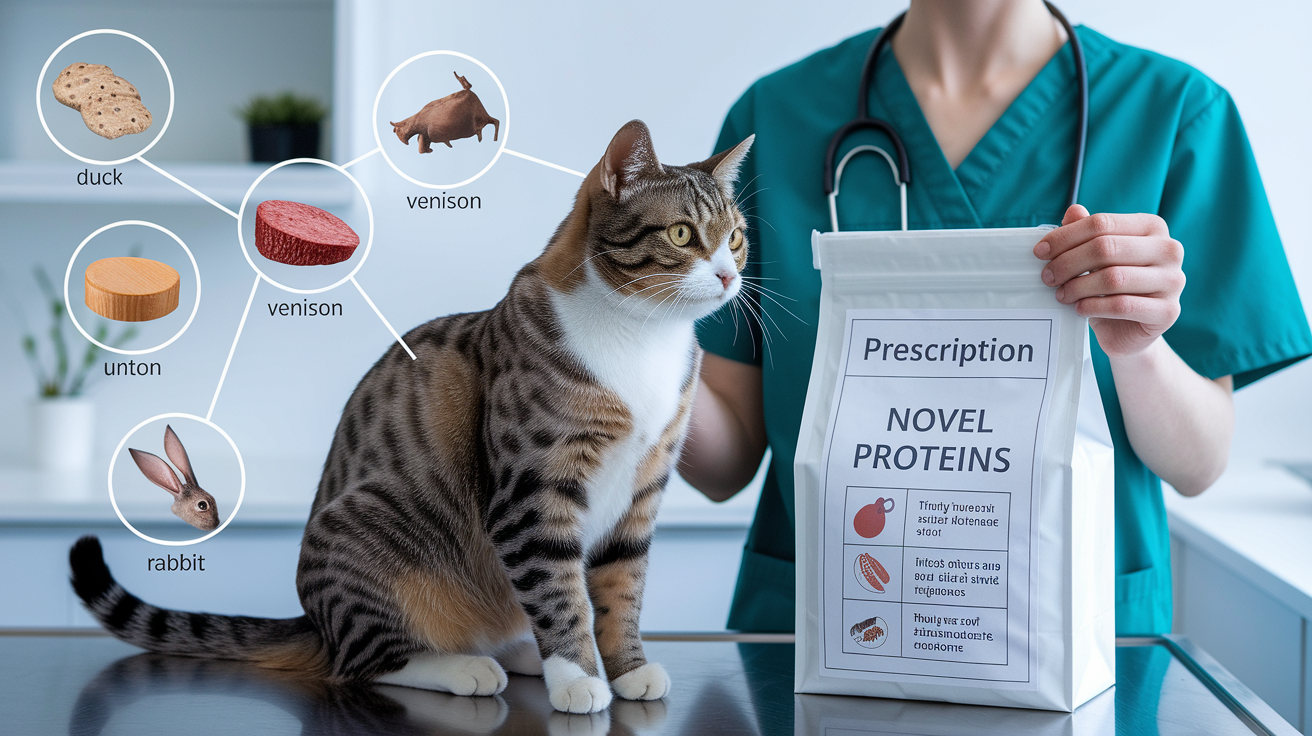
Food allergies are fairly common in cats and triggered by specific proteins, most often chicken, beef, dairy, or fish. Symptoms include itchy skin, ear infections, and sometimes digestive upset. Diagnosing a food allergy requires an elimination diet trial lasting 8 to 12 weeks. During this period, the cat eats only a novel protein source (something they’ve never been exposed to before) like duck, venison, rabbit, or kangaroo. Limited ingredient diets use a single protein source with minimal additional ingredients to reduce potential triggers. High protein formulas built on novel proteins maintain the amino acid benefits while addressing allergy management.
Hydrolyzed protein diets available through veterinary prescription take a different approach. The manufacturing process breaks proteins into smaller molecular fragments that the immune system no longer recognizes as the original allergen. These diets allow cats with multiple protein sensitivities to receive complete nutrition without triggering allergic responses. They maintain high protein levels but in a form that sidesteps the immune reaction.
High-protein diets require careful consideration for cats with chronic kidney disease. Older recommendations called for aggressive protein restriction in all kidney patients, but current veterinary thinking takes a more nuanced approach. Protein restriction should be veterinarian-guided based on disease stage and individual response. Cats fed 30 to 38% protein diets lose muscle mass over time, and muscle wasting compounds the challenges of managing kidney disease. Many veterinarians now recommend maintaining moderate to moderately high protein levels in early-stage kidney disease, with restriction reserved for advanced cases showing clear protein-intolerance symptoms.
Obesity prevention represents another consideration. Sedentary indoor cats on unlimited high-protein food can still gain weight. The protein itself doesn’t cause obesity, but excess calories from any source do.
Special situations where high protein specialty foods are appropriate:
Cats with documented food allergies requiring novel protein sources like duck, venison, or rabbit formulas. Overweight or obese cats needing weight loss while preserving lean muscle mass through high protein, lower fat kibbles containing L-carnitine. Senior cats showing signs of muscle wasting or decreased body condition despite adequate food intake. Cats with sensitive stomachs that do better on limited ingredient formulas featuring a single animal protein and minimal additives.
Feeding Guidelines for High Protein Dry Kibble

Most high protein dry cat foods provide 350 to 450 calories per cup, which is relatively calorie-dense compared to lower-protein maintenance formulas. An average 10-pound adult cat needs approximately 200 to 250 calories daily for maintenance, translating to roughly half a cup of most high-protein kibbles. Active cats, young adults, and those in multi-cat households where play and movement happen throughout the day typically need the higher end of this range. Indoor cats, seniors with reduced activity, and naturally sedentary individuals often need the lower end or even less to prevent gradual weight gain.
Portion control matters more than protein content when it comes to weight management. Cats fed high-protein diets may gain weight if they consume more calories than they burn, just like cats on any other formula. The advantage of high protein during weight loss is muscle preservation. When calorie intake drops, the body burns fat for energy rather than breaking down muscle tissue if adequate protein is available. Young and active cats are less likely to become overweight on high-protein diets because they use that protein efficiently for tissue maintenance and energy during their higher activity levels.
Strategies for portion and feeding control:
Measure portions using a standard measuring cup rather than estimating or free-feeding, especially when starting a new high-protein formula with different calorie density. Split daily portions into two or three meals rather than leaving food out all day, which helps manage appetite and prevents overeating in food-motivated cats. Adjust portions based on body condition. Feel for ribs that should be easily palpable under a thin layer of fat, and watch for waist definition when viewed from above. Track weight monthly during the first three months on a new food, making 10% portion adjustments up or down if weight shifts more than 5% from ideal. Account for treats and food toppers in total daily calories, keeping extras to 10% or less of daily intake to maintain the high-protein benefit of the base diet.
Transitioning to High Protein Dry Cat Food Safely

Food transitions should take at least 7 days minimum to prevent digestive upset. Days 1 and 2, mix 75% of the current food with 25% of the new high-protein formula. Days 3 and 4, shift to a 50/50 blend. Days 5 and 6, feed 25% old food with 75% new. By day 7, serve 100% of the new high-protein kibble. This gradual approach allows the digestive system to adjust to different protein sources, fat levels, and ingredient profiles. Some cats need up to 2 weeks or longer for complete transitions, particularly if they have sensitive stomachs or are switching between dramatically different formulas (like moving from a grain-inclusive moderate-protein food to a grain-free 45% protein recipe).
Picky eaters sometimes resist high-protein kibbles, especially if the formula has a different texture, smell, or taste profile than what they’re used to. Palatability varies by brand and protein source. Chicken and turkey formulas tend to have broader appeal than fish or lamb versions. Mixing a small amount of warm water into the kibble releases aroma and softens texture, making it more appealing to hesitant cats. Food toppers (freeze-dried raw pieces, bone broth, or a spoonful of wet food in the same protein family) can encourage acceptance during the transition period.
Some owners rotate between two or three high-protein formulas once their cat adapts, providing flavor variety while maintaining consistent protein levels. Combining wet food with high-protein kibble addresses hydration needs, since dry food typically contains only 10% moisture while wet formulas contain around 75%. This combination supports kidney and bladder health, particularly important for cats predisposed to urinary issues.
Final Words
Start with the basics: check crude protein on the guaranteed analysis, convert to dry matter for fair comparison, and prioritize animal-based proteins.
Also weigh digestibility and essential amino acids like taurine and arginine. Match protein levels to life stage and special needs, follow the feeding and transition tips—measure portions, go slow, and watch stool and energy.
Pick a formula that fits your cat’s age, activity, and sensitivities. With these practical checks and a gradual switch, you’ll find the right high protein dry cat food and better day-to-day results.
FAQ
Q: Which dry cat food is highest in protein?
A: The dry cat foods highest in protein are premium, animal-rich kibbles like ORIJEN and similar formulas, often 40%+ protein on a dry-matter basis; check the guaranteed analysis and dry-matter calculation.
Q: Do cats need high protein dry food?
A: Cats need higher protein because they’re obligate carnivores; AAFCO sets 26% minimum for adults and 30% for growth, while many vets recommend around 40% for muscle and energy depending on age and activity.
Q: What cat food reduces allergies?
A: Cat foods that reduce allergies are limited-ingredient, novel-protein (duck, venison) or hydrolyzed-protein diets; they work best as an 8–12 week elimination trial under your veterinarian’s guidance.
Q: Is 40% protein too much for cats?
A: A 40% protein dry diet is not too much for most cats and often supports lean muscle; cats with kidney disease should have protein levels adjusted by a veterinarian and monitored closely.