
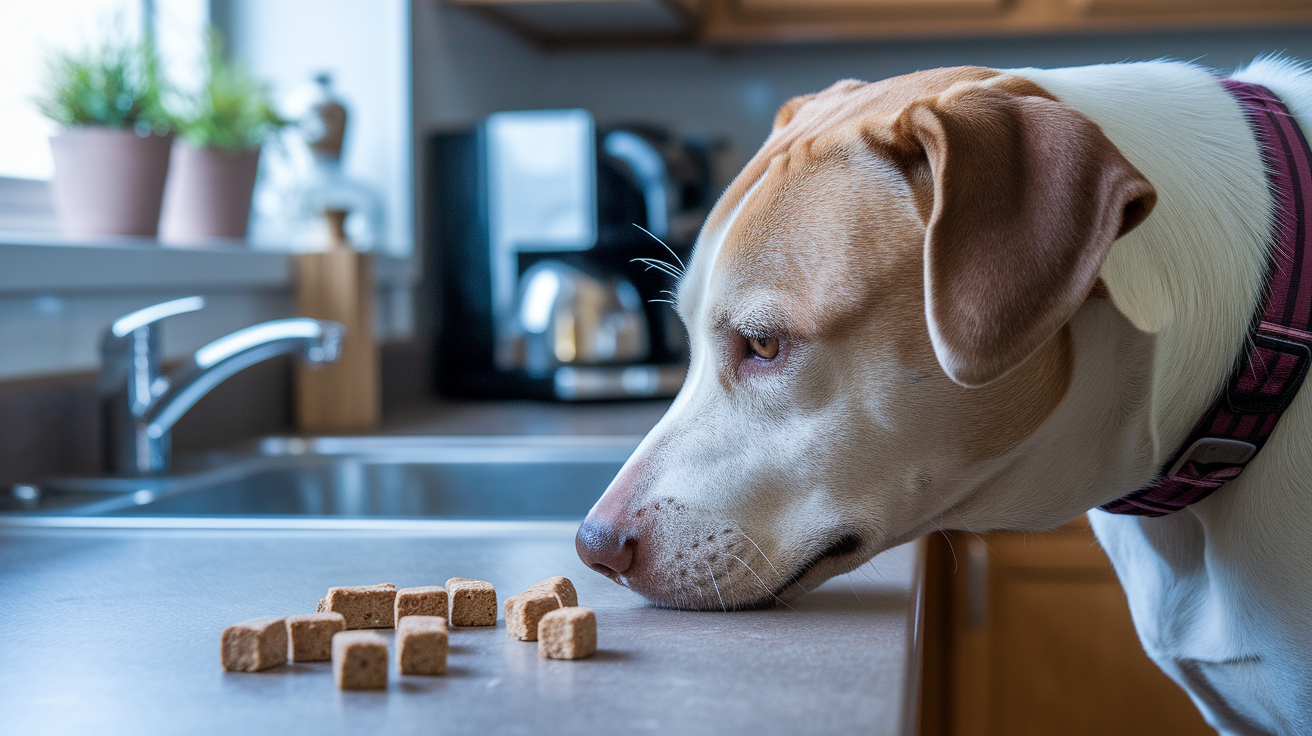
Grain-free treats aren’t automatically healthier.
But for dogs with sensitive tummies or picky noses, they can make training easier.
When you’re in the middle of a session, you need small, low-calorie, high-value bites that don’t crumble in your pocket.
This guide cuts through label noise and lists top grain-free training treats you can buy today.
You’ll get clear picks by calorie, texture, and simple ingredients so you can choose what fits your dog’s size, appetite, and training plan.
Top Grain-Free Training Treat Options for Immediate Buying Guidance
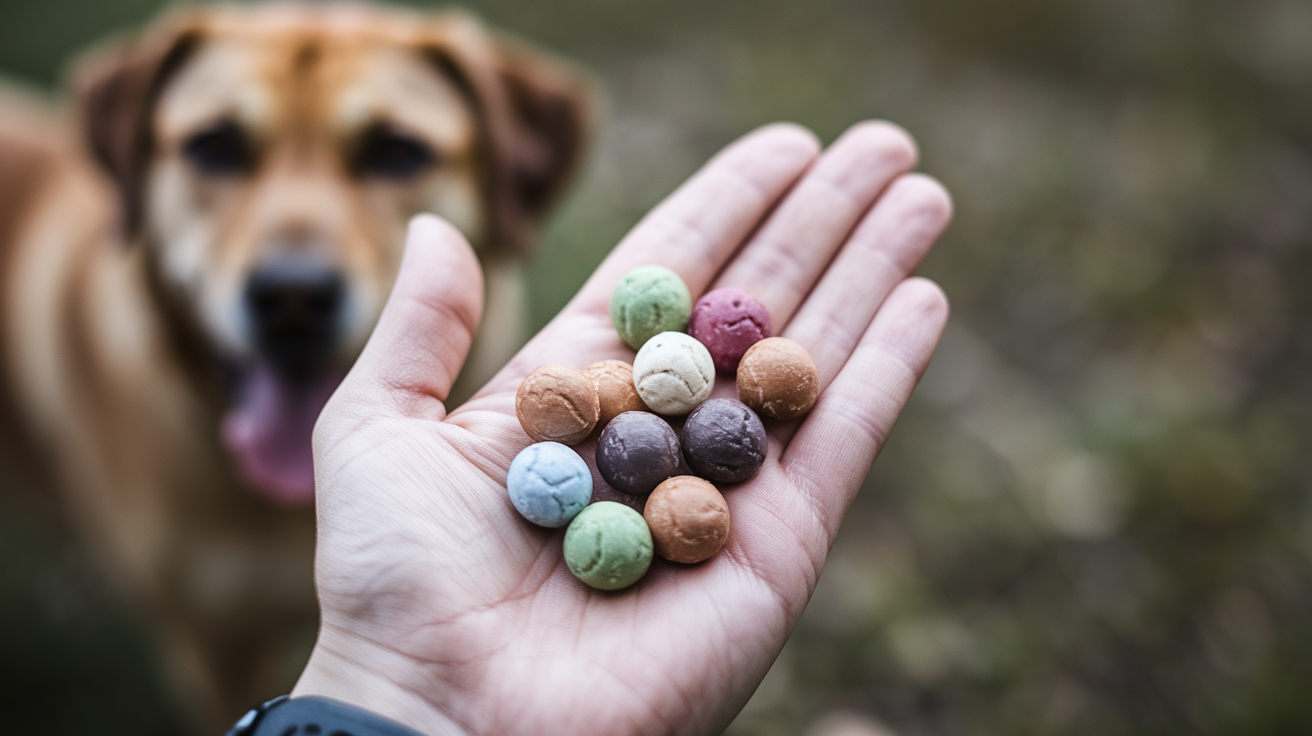
When you’re knee deep in a training session and need a treat your dog will actually work for, grain free options can simplify things, especially if your dog has sensitivities or you’re trying to keep ingredients straightforward. The best grain free training treats balance low calories, high appeal, and a texture that works with quick repetitions. You want something you can hand over twenty times in ten minutes without worrying about calorie overload or a treat that crumbles into pocket dust.
Soft, small bite treats tend to work best for fast paced training because your dog can swallow them quickly and refocus. Higher calorie crunchy options might slow things down, but some dogs find them more rewarding for tougher tasks. The key is matching the treat to your dog’s size, motivation level, and how many reps you’re planning to run.
American Journey Chicken Recipe Training Bits come in at 2 calories per treat, soft and chewy, ideal for high volume training sessions with puppies or small dogs. Merrick Power Bites Real Beef Recipe sits at 5.4 calories per treat, soft texture with real Texas beef, great for medium to large dogs who need a bit more flavor punch. Stewart Freeze Dried Chicken Breast offers 4 calories per treat, single ingredient with 77.9% protein, perfect for dogs with allergies or when you need a high value reward. Old Mother Hubbard Classic P Nuttier ‘N Nanners Mini Biscuits run 10 calories per piece, crunchy with peanut butter and banana, works well for treat motivated dogs who like texture. Blue Buffalo Wilderness Trail High Protein Treats clock in at 41 calories per biscuit, turkey and chicken meal base, best reserved for jackpot rewards rather than repetitive training.
For everyday training where you’re running through sits, stays, and recalls, stick with treats under 10 calories that your dog can eat in one quick bite. Save the bigger, crunchier options for special moments when you need to mark a major win or keep your dog motivated through a longer session.
Nutritional Breakdown of Grain-Free Training Treats and Why It Matters
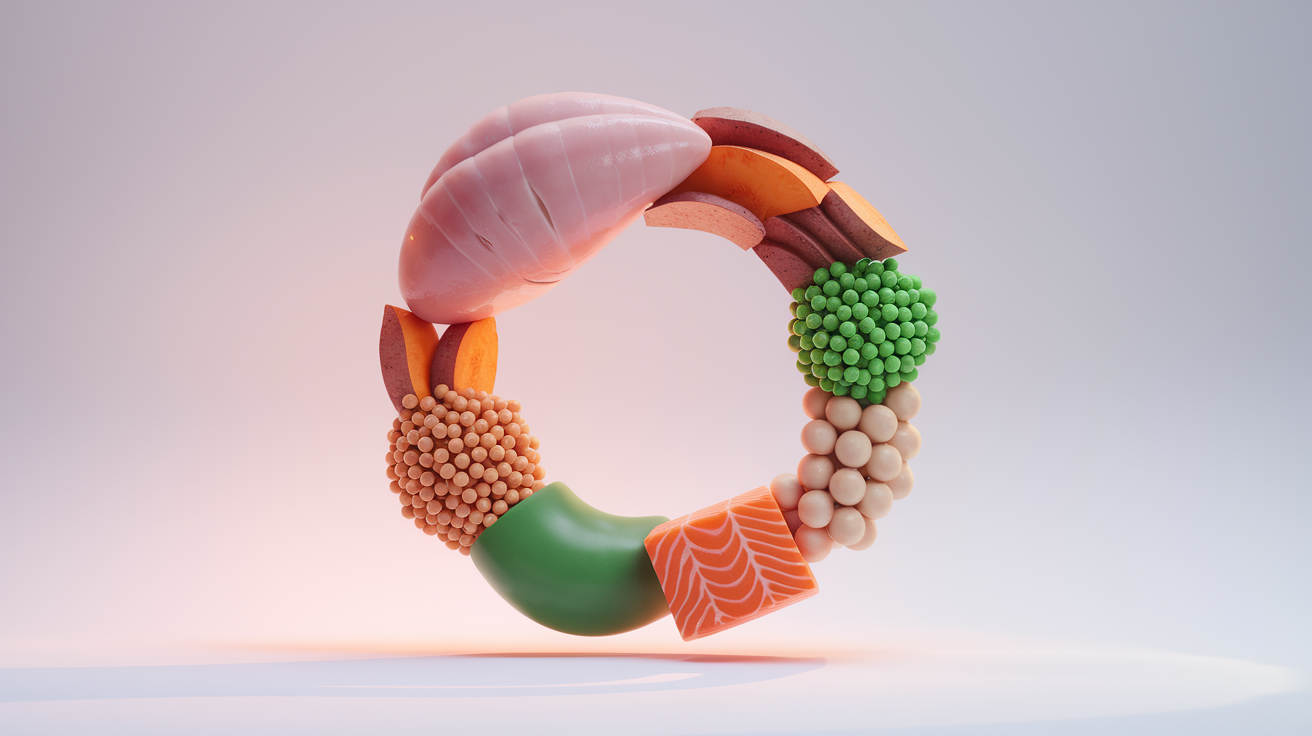
Grain free training treats swap out traditional grains like wheat, corn, and rice for alternatives like sweet potatoes, peas, chickpeas, or tapioca. About 93% of grain free formulas reported in the FDA’s review contained peas or lentils, which work as binders and carb sources but can add up calorie wise if you’re not watching portions. When you’re picking a training treat, the first ingredient should be a recognizable protein, like chicken, beef, or fish, not a filler or starch. Treats like American Journey or Merrick list whole meat first, which keeps protein high and makes the treat more appealing to most dogs.
Single ingredient options, like Stewart Freeze Dried Chicken Breast, strip things down to just one protein source. This helps if your dog has food sensitivities or you’re trying to figure out what they tolerate. Portland Pet Food Pumpkin Biscuits bring in pumpkin and garbanzo bean flour for gentle fiber, plus molasses and cinnamon for flavor. These kinds of formulas work well for dogs with touchy stomachs or when you want to avoid common allergens while still keeping treats interesting.
Proteins: Look for whole meat, chicken, beef, turkey, salmon, or single source freeze dried options that deliver high protein without mystery meals or by products. Carb binders: Grain free treats rely on sweet potato, chickpea flour, tapioca, or pea starch to hold shape. Watch for heavy pea or lentil content if your dog has digestive quirks. Functional extras: Flaxseed, salmon oil, and omega fatty acids support coat health and add anti inflammatory benefits, especially helpful for dogs with itchy skin or dull coats.
Comparing Textures and Formats of Grain-Free Training Treats
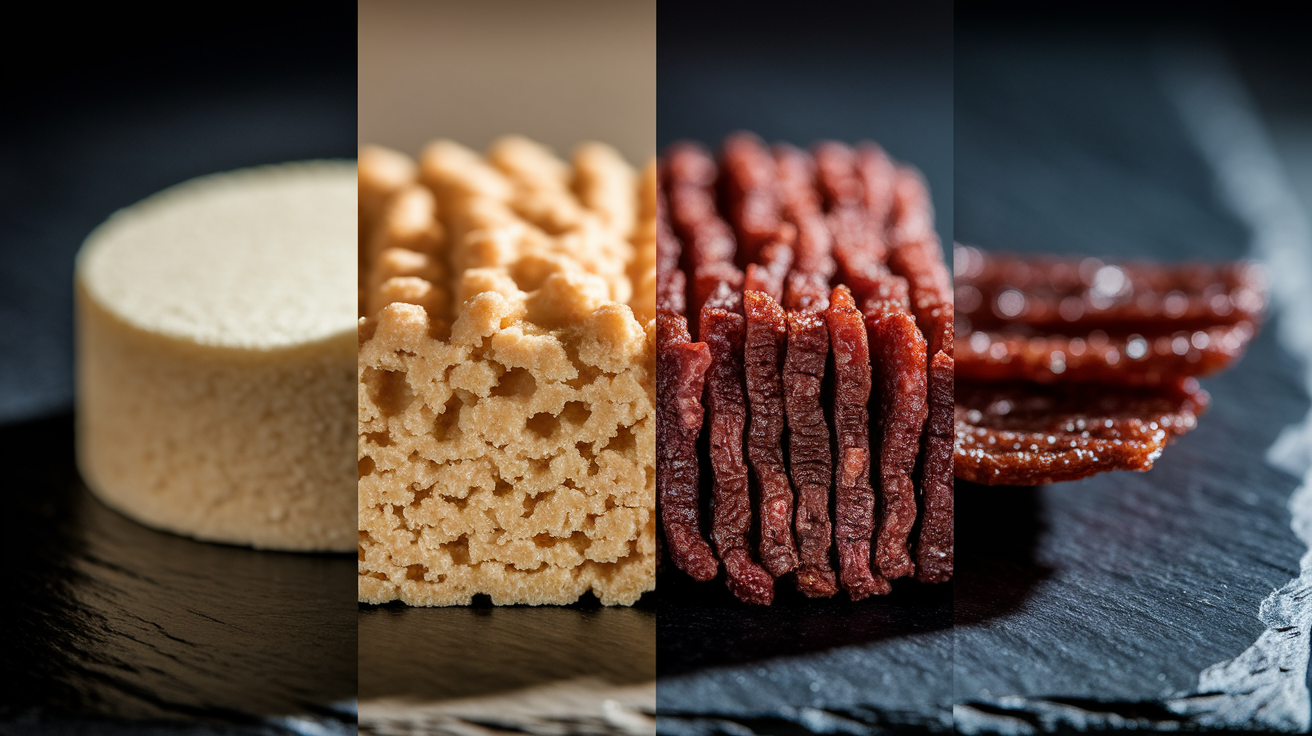
Texture matters more than most people think when it comes to training. Soft treats like American Journey Training Bits let you move fast because your dog can chew and swallow in a second, keeping momentum going through multiple reps. Crunchy treats, like Old Mother Hubbard’s peanut butter and banana biscuits, take longer to eat but can be more satisfying for dogs who like to chomp, making them better for end of session rewards or when you’re working on longer behaviors like a solid down stay.
Freeze dried treats, such as Stewart’s single ingredient chicken breast with 77.9% protein, deliver intense flavor and aroma without added fat. That makes them useful for picky eaters or high distraction environments. Jerky style treats, like Waggin’ Train Chicken Jerky Tenders at 45 calories per piece, are chewy and protein packed but less practical for volume based training since they’re higher in calories and take longer to chew. They work better as jackpot rewards when your dog nails something tough, like a reliable recall at the dog park.
The texture you pick should match the pace of your training and how food motivated your dog is. Some dogs will work for air dried crumbles, others need something soft and meaty to stay engaged.
| Texture Type | Ideal Use | Average Calories | Training Suitability |
|---|---|---|---|
| Soft | High volume repetitions, puppy training, fast paced sessions | 2–6 per treat | Excellent for quick rewards |
| Crunchy | End of session rewards, slower behaviors, treat motivated dogs | 10–15 per treat | Good for moderate repetition |
| Freeze Dried | High value rewards, distraction training, picky eaters | 4–8 per treat | Excellent for high stakes moments |
| Jerky | Jackpot rewards, recall training, special occasions | 40–50 per piece | Limited use due to calorie load |
Puppies and small dogs often do better with soft, low calorie options they can swallow quickly. Larger dogs with strong jaws might prefer something with a bit of crunch or chew, especially if they’re used to working for bigger rewards. If your dog inhales treats without tasting them, a crunchier texture might slow them down just enough to make each reward feel more meaningful.
Grain-Free Treats for Dogs with Allergies or Sensitive Stomachs

If your dog has a history of itchy skin, loose stools, or ear infections that flare up after certain foods, grain free training treats can help narrow down what’s causing the issue. Single ingredient options like Stewart Freeze Dried Chicken Breast make it easier to isolate proteins and figure out what your dog tolerates without dealing with a long ingredient list. Portland Pet Food Pumpkin Biscuits bring in gentle fiber from pumpkin and garbanzo bean flour, which can support digestion without triggering common sensitivities tied to corn, soy, or wheat.
Grain free doesn’t automatically mean hypoallergenic, though. Some dogs react to the peas, lentils, or potatoes used as binders in grain free formulas, so it’s worth watching for signs that something’s off. Keep treats to 5–10% of your dog’s daily calories so you’re not overwhelming their system with a new ingredient all at once, especially during a transition period.
Frequent scratching or licking, especially around paws, ears, or belly, that seems to worsen after eating. Loose stool or occasional vomiting that doesn’t tie to a clear cause like stress or a dietary indiscretion. Dull coat or flaky skin that doesn’t improve with regular grooming or basic coat supplements. Chronic ear infections or hot spots that clear up temporarily but keep coming back without an obvious environmental trigger.
When you’re trying a new grain free training treat, introduce it slowly over a few days and watch your dog’s stool, energy, and skin condition. If things stay steady after a week or two, you’re probably in the clear. If you see any backsliding, pull the treat and try a simpler option with fewer ingredients or a different protein source.
Calorie Counts, Portion Control, and Choosing the Right Treat Size
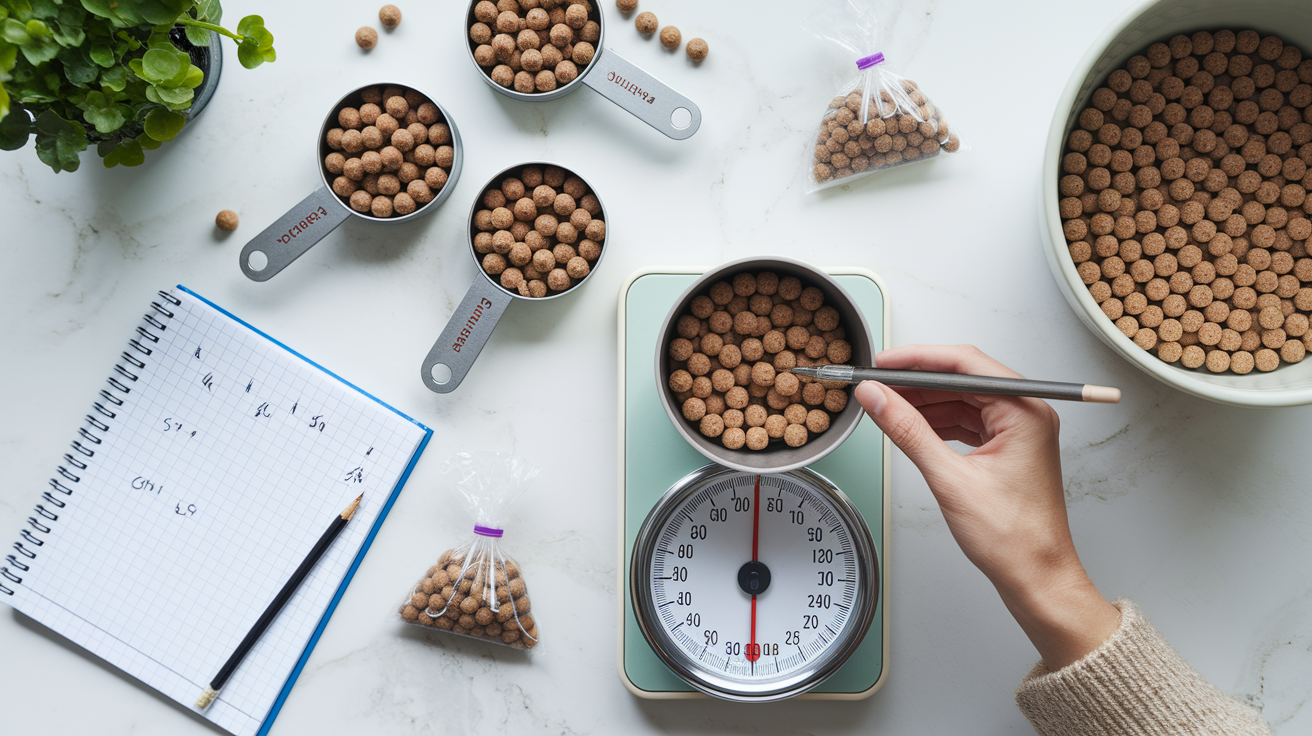
Calories add up fast when you’re training, especially if you’re working through a new skill or running multiple short sessions in a day. American Journey Training Bits clock in at just 2 calories each, which means you can hand out twenty treats and still stay under 40 calories. Easy to manage for most dogs. Merrick Power Bites sit at 5.4 calories per treat, Old Mother Hubbard Mini Biscuits are 10 calories, and Blue Buffalo Wilderness Biscuits jump to 41 calories, which puts them closer to a meal supplement than a quick training reward. WHIMZEES dental chews, at 89 calories, are way beyond what you’d use for training and can easily blow past the 5–10% daily calorie guideline for treats if you’re not careful.
For small breeds under 20 pounds, stick with treats under 5 calories to avoid turning training into overfeeding. Medium dogs between 20 and 50 pounds can handle treats in the 5–10 calorie range without much trouble, as long as you’re keeping track of total treat intake across the day. Large dogs over 50 pounds have more calorie wiggle room, but it’s still smart to pick smaller treats for high volume training and save the bigger biscuits or jerky pieces for special rewards.
Small dogs (under 20 lbs): Aim for treats under 5 calories each, budget around 50–100 total treat calories per day depending on activity level. Medium dogs (20–50 lbs): Treats between 5–10 calories work well, keep daily treat calories around 100–200 depending on base diet and exercise. Large dogs (over 50 lbs): Treats up to 15 calories are manageable for training, total treat intake can go up to 200–300 calories if you’re doing a lot of active work, but adjust meal portions accordingly.
If you’re running back to back training sessions or working with a puppy who’s learning fast, measure out your treats ahead of time so you know exactly how many you’re using. It’s easy to lose count when you’re focused on timing and repetition, and before you know it, you’ve handed out half a cup of treats without realizing it. Portioning keeps things honest and helps you avoid accidentally cutting into your dog’s regular meal calories.
Grain-Free Ingredients to Look For (and Avoid) in Training Treats
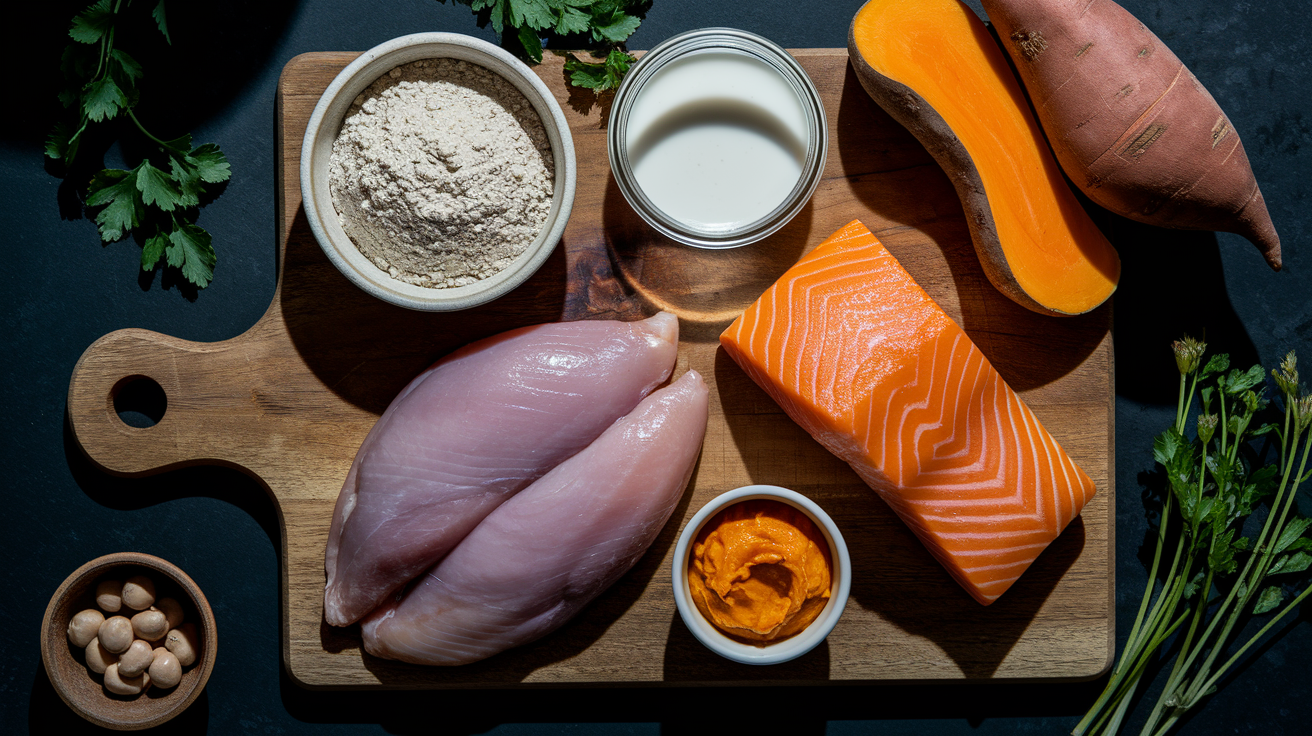
When you’re scanning an ingredient panel, the first thing listed should be a whole protein source. Chicken, beef, turkey, salmon, not a meal, by product, or filler. Grain free treats often rely on chickpea flour, coconut flour, or tapioca starch to hold their shape, which is fine as long as those ingredients aren’t leading the list. About 93% of grain free formulas in the FDA report included peas or lentils, and 42% used potatoes or sweet potatoes, so if your dog has a history of digestive trouble with legumes, check the label carefully.
Safe, simple ingredients like xylitol free peanut butter, unsweetened applesauce, and plain pumpkin puree work well in both commercial treats and homemade versions. These add moisture, flavor, and a little fiber without introducing common allergens or artificial additives. Stay away from treats loaded with preservatives like BHA, BHT, or ethoxyquin, and skip anything listing vague terms like “meat by products” or “animal digest,” which don’t tell you much about quality or sourcing.
Whole meat proteins: Chicken, beef, turkey, salmon, or freeze dried single source options that list the protein first. Natural binders: Chickpea flour, coconut flour, tapioca starch, or sweet potato for structure without grains. Healthy fats: Flaxseed, salmon oil, or coconut oil for coat support and anti inflammatory benefits. Simple flavor boosters: Peanut butter (xylitol free), pumpkin, banana, or applesauce for palatability without added sugar or artificial flavors.
Avoid anything with long lists of artificial colors, flavors, or chemical preservatives that you can’t pronounce.
Grain-Free Training Treats by Protein Type and Flavor Preference
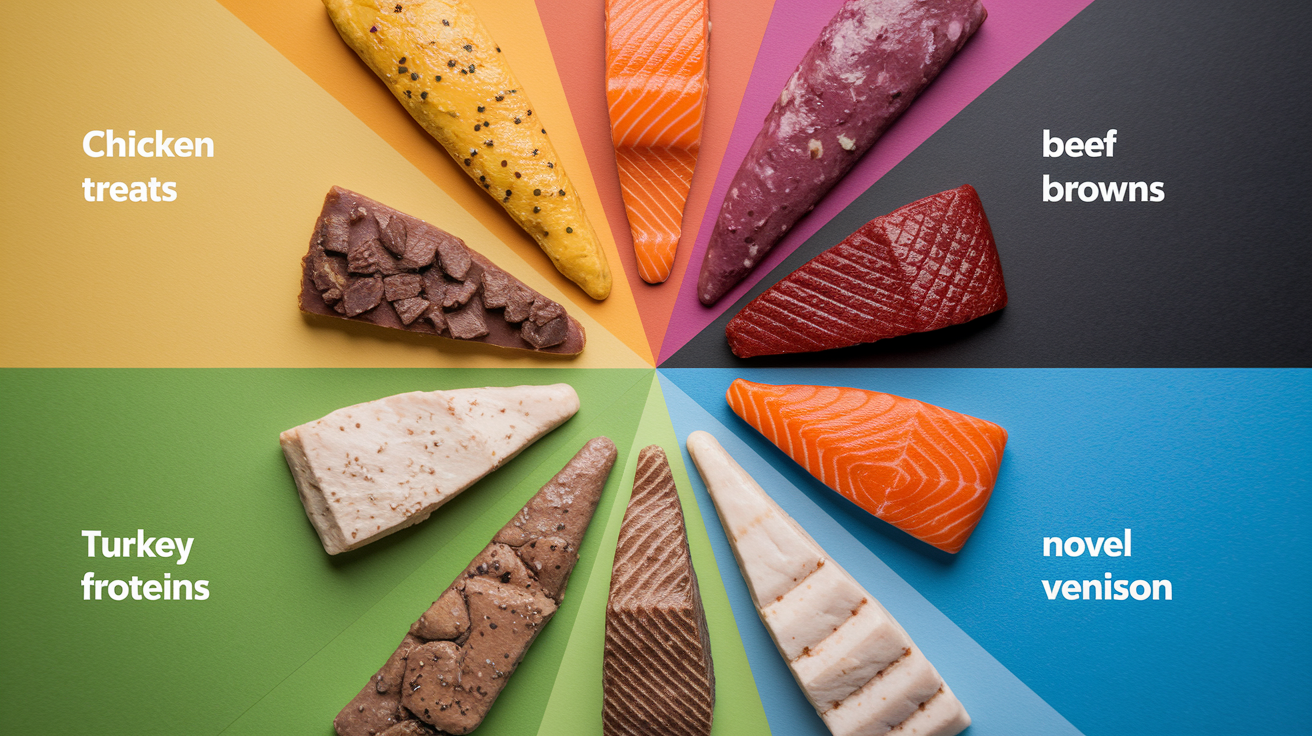
Some dogs will work for anything, others have strong opinions about what they’ll eat, and flavor can make or break a training session if your dog’s motivation starts to fade. Chicken tends to be the most universally appealing, which is why options like Stewart Freeze Dried Chicken Breast or American Journey Chicken Recipe Training Bits show up in so many training kits. Beef runs a close second and adds a richer, meatier aroma that works well for dogs who need a little extra incentive, like Merrick Power Bites with real Texas beef as the first ingredient.
Novel proteins, salmon, rabbit, duck, venison, bison, can be useful if your dog has sensitivities to common meats or if you’re trying to keep training treats different from their regular food. Blue Buffalo Wilderness offers salmon, bison, red meat, duck, turkey, and venison options, giving you flexibility to rotate flavors and keep things interesting. Zuke’s Lil’ Links include chicken, pork, duck, and rabbit, all paired with vegetables like apples and carrots for added texture and nutrition.
If your dog starts losing interest in their usual training treat, switching proteins can bring back some excitement without changing the format or calorie load. Some dogs develop preferences over time, so it’s worth having two or three different flavors on hand to keep training fresh and maintain motivation across longer sessions or when you’re working in high distraction environments.
Chicken: Most popular, widely available, works for almost all dogs. Stewart Freeze Dried, American Journey Training Bits. Beef: Richer aroma, high appeal for dogs who need stronger motivation. Merrick Power Bites, Waggin’ Train Jerky. Salmon: Omega 3 boost, good for dogs with skin issues. Blue Buffalo Wilderness, Stewart Freeze Dried Salmon. Turkey: Leaner option, still appealing. Blue Buffalo Wilderness Turkey Biscuits. Novel proteins (duck, rabbit, venison, bison): Useful for rotation diets or dogs with chicken/beef sensitivities. Zuke’s Lil’ Links, Blue Buffalo Wilderness.
Safety Considerations When Choosing Grain-Free Training Treats

The 2018 FDA investigation raised concerns about a potential link between grain free diets and dilated cardiomyopathy (DCM), a heart condition, in dogs. Over 90% of the foods reported in DCM cases were grain free formulas, and 93% of those included peas or lentils. No definitive causal link has been established, but it’s enough to make veterinarians recommend caution, especially for breeds already prone to heart issues like Golden Retrievers, Dobermans, and Cocker Spaniels.
Dogs with existing heart or kidney disease should avoid grain free treats altogether unless your vet specifically approves them. For healthy dogs, grain free training treats used in moderation, 5–10% of daily calories, are generally fine, especially if you’re rotating proteins and not relying heavily on pea or lentil based formulas for every meal and snack. Certain breeds like bulldogs, boxers, and pugs may experience less flatulence and better digestion on wheat free diets, but that doesn’t mean they need to go fully grain free unless there’s a sensitivity at play.
Talk to your vet before switching to grain free treats if your dog has a history of heart, kidney, or digestive issues, or if your breed is predisposed to DCM. Limit treats with heavy pea, lentil, or potato content, especially if you’re also feeding a grain free base diet, to reduce potential exposure to ingredients flagged in the FDA investigation. Monitor your dog’s energy, coat condition, stool quality, and overall health when introducing any new treat, and pull it if you notice any negative changes over a few weeks.
If you’re unsure, whole meat treats with minimal ingredients and limited legume content offer a safer middle ground while still keeping things grain free for dogs with sensitivities.
Comparing Popular Grain-Free Training Treat Brands
Brands vary widely in sourcing, manufacturing standards, and how transparent they are about what’s actually in the bag. Merrick and Buddy Biscuits both emphasize U.S. manufacturing, which can ease concerns about quality control and ingredient sourcing. Three Dog Bakery takes a small batch approach, which tends to mean fresher ingredients and more attention to detail, though it can also push the price up. Natural Balance Limited Ingredient Diets are independently tested for safety, which adds a layer of accountability that not all brands offer.
Blue Buffalo includes antioxidants and omega fatty acids across its lines, which can support immune health and coat condition beyond just delivering calories. Waggin’ Train focuses on single protein jerky with minimal ingredients, making it a straightforward option for dogs who need simplicity, though the 45 calorie per piece count limits its use in volume based training. Where you land depends on what you prioritize. Price, sourcing, calorie count, or added functional ingredients.
| Brand | Treat Type | Calories per Treat | Unique Benefit |
|---|---|---|---|
| American Journey | Soft training bits | 2 | Lowest calorie option, ideal for high volume training |
| Merrick | Soft bites | 5.4 | Made in USA with real Texas beef first ingredient |
| Stewart | Freeze dried single ingredient | 4 | 77.9% protein, perfect for allergy identification |
| Blue Buffalo Wilderness | Crunchy biscuits | 41 | High protein with omega fats and antioxidants |
| Waggin’ Train | Jerky tenders | 45 | Single protein, minimal ingredients, high appeal |
If you’re working with a tight budget, American Journey and Merrick offer solid performance per dollar, especially for daily training. If you’re dealing with allergies or picky eaters, Stewart’s freeze dried options give you clean, simple ingredients with strong aroma and appeal. Blue Buffalo and Waggin’ Train sit at the higher end for calories and price but can be worth it for dogs who need extra motivation or when you’re saving treats for high value rewards.
DIY and Homemade Grain-Free Training Treat Alternatives

If you’d rather skip the guesswork and control exactly what goes into your dog’s training treats, homemade grain free options are easier than you’d think. Xylitol free peanut butter works as a high protein base, coconut oil adds healthy fats with antiviral and antibacterial properties and supports thyroid and digestive health, and plain pumpkin puree or unsweetened applesauce brings moisture and fiber without adding sugar or artificial flavors. You can bake small batches, freeze them in portions, and pull out what you need for the week.
The downside is shelf life. Homemade treats don’t last as long as commercial options without preservatives, so you’ll need to refrigerate or freeze anything you’re not using within a few days. But if your dog has multiple sensitivities or you’re trying to keep costs down, making your own treats gives you total control over protein sources, binders, and calorie content.
Mix 1 cup chickpea flour, 1/4 cup xylitol free peanut butter, and 1/4 cup water in a bowl until it forms a dough. Add a tablespoon of coconut oil if the dough feels too dry. Roll the dough flat (about 1/4 inch thick), cut into small squares or use a cookie cutter, and place on a parchment lined baking sheet. Bake at 350°F for 12–15 minutes until firm but not burnt. Let cool completely, then store in the fridge for up to a week or freeze in portions for longer use.
Final Words
Start with your training goal: soft, low-calorie bites for quick repetitions and freeze-dried or higher-value treats for proofing harder skills. This post gave exact calorie counts, textures, and use cases so you can pick the right treat for each session.
You also saw ingredient tips for sensitive pups, portion-control rules by size, safety notes on grain-free choices, and a DIY option if you want to save money.
Use this checklist when shopping for grain free training treats for dogs — small bites, clear calories, and the right protein — and your sessions will feel easier and more effective.
FAQ
Q: Why do vets not recommend grain free dog food?
A: Vets don’t recommend grain-free dog food because some grain-free diets were linked to a heart condition called DCM, many use peas/lentils heavily, and vets prefer meat-first, balanced formulas tailored to the dog.
Q: What do professional dog trainers use for treats?
A: Professional dog trainers use small, soft, high-value treats that are quick to eat, low in calories, consistent, and tempting so you can reward fast, repeatable behaviors without interrupting training flow.
Q: What is the 3-3-3 rule for dog training?
A: The 3-3-3 rule for dog training is a simple repetition plan: aim for three quick reps, three short sessions per day, and reassess progress after three weeks to keep learning steady.
Q: Are grain free dog treats better for dogs?
A: Grain-free dog treats aren’t automatically better; they help dogs with grain sensitivities but give no clear advantage for most dogs—choose meat-first, low-calorie treats your dog likes and digests well.