
Think chicken is harmless? Not for every dog.
If your dog gets itchy, has recurring ear infections, or loose stool after meals, chicken could be the trigger.
The right food—one without chicken in any form—can stop the itch and fix digestion, but only if you pick a truly chicken-free formula and switch carefully.
This post points you to the best dog food for chicken allergies: limited-ingredient, hydrolyzed, novel-protein, and dedicated poultry-free options.
You’ll also get label tips and a simple, step-by-step plan to switch so symptoms often improve in 8 to 12 weeks.
Chicken-Free Feeding Solutions That Meet the Needs of Dogs With Chicken Allergies
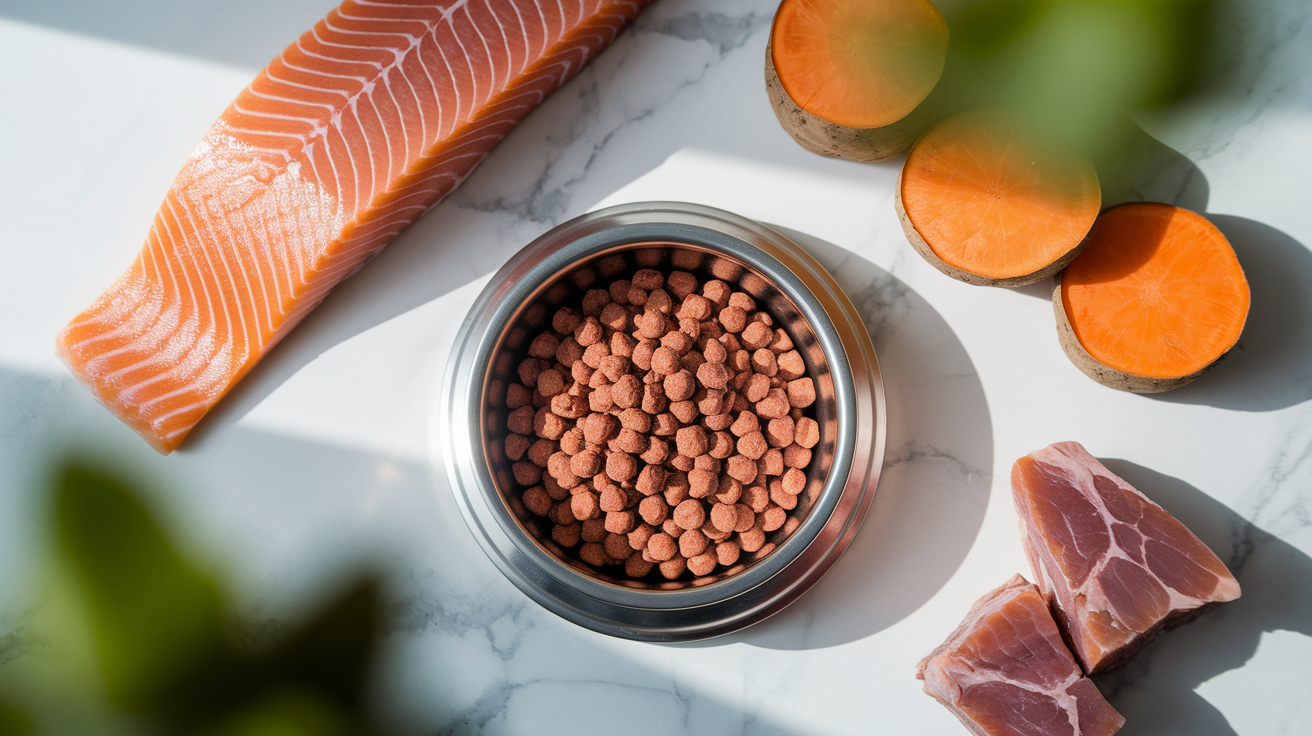
Dogs with chicken allergies need complete meals built around proteins their immune system hasn’t learned to attack. The right food stops itching, clears up digestive issues, and lets your dog feel normal again. But only if you choose formulas that eliminate chicken in every form and stick with them long enough to see results.
Safe dog food for chicken-allergic dogs falls into a few proven categories. Limited ingredient diets that use one protein and a short list of other ingredients. Hydrolyzed protein formulas where proteins are broken down so the immune system doesn’t recognize them. And novel protein foods made with meat your dog hasn’t eaten before. Lamb, salmon, venison, rabbit, and bison work well because most dogs haven’t been exposed to them regularly. Some brands make poultry-free lines specifically to avoid cross contamination during manufacturing. If your dog shows symptoms like itchy paws, red skin around the groin or face, frequent ear infections, or loose stool after meals, switching to one of these categories usually brings relief within 8 to 12 weeks.
Large breeds need about 20 calories per pound of body weight daily, while small breeds burn closer to 30 to 40 calories per pound. Portion sizes matter as much as ingredients. A 70 pound Lab eating a chicken-free salmon kibble needs roughly 1,400 calories a day, while a 10 pound Shih Tzu on the same formula only needs 300 to 400. Symptom improvement depends on complete elimination, which means checking treat ingredients, table scraps, and even flavored medications.
Safe dog food categories for chicken allergies:
Limited ingredient kibble or wet food with a single novel protein and minimal carbohydrate sources. Hydrolyzed protein prescription diets where proteins are processed into fragments too small to trigger reactions. Fish based formulas using salmon, ocean whitefish, or other seafood as the sole animal protein. Red meat recipes built around beef, bison, venison, or lamb without poultry fat or meal. Exotic protein foods with rabbit, kangaroo, or duck (if duck is tolerated and chicken is the specific problem). Fresh or refrigerated formulas made in dedicated poultry-free facilities to prevent cross contact.
Understanding Dog Food Allergies and How Chicken Fits Into the Problem
Food allergies happen when a dog’s immune system mistakes a harmless protein for a threat and launches an attack. Chicken protein is one of the top triggers because it’s in so many commercial dog foods, treats, and even some flavored supplements. The more often a dog eats chicken, the more chances the immune system has to develop a reaction. Once that happens, every meal with chicken sets off inflammation, usually in the skin or digestive tract.
Only about 10% of all dog allergies come from food. Most itchy, uncomfortable dogs are reacting to pollen, dust mites, or flea bites. Not dinner. But when food is the problem, chicken, beef, dairy, wheat, soy, egg, and lamb are the usual suspects. Symptoms show up as red, itchy skin on the paws, belly, groin, face, or ears, plus digestive trouble like diarrhea, vomiting, or gas. Some dogs lose patches of fur, develop hives, or get recurring ear infections that never fully clear up. These signs typically start between 6 months and 3 years of age, though older dogs can develop new allergies too.
A true chicken allergy is different from a chicken intolerance. Allergies involve the immune system and cause itching or hives. Intolerances just mean the dog has trouble digesting chicken, leading to soft stool or an upset stomach without the immune flare up. Both need diet changes, but allergies are harder to manage because even small amounts of chicken, like chicken fat in a treat, can restart symptoms.
Common symptoms of chicken allergy in dogs:
Chronic itching, especially on paws, face, ears, belly, or groin. Red, inflamed, or rashy skin that doesn’t improve with regular bathing. Recurring ear infections with redness, odor, or head shaking. Digestive problems including diarrhea, vomiting, or excessive gas. Fur loss, hives, or thickened skin from constant scratching.
Identifying the Best Non-Chicken Protein Sources for Sensitive Dogs
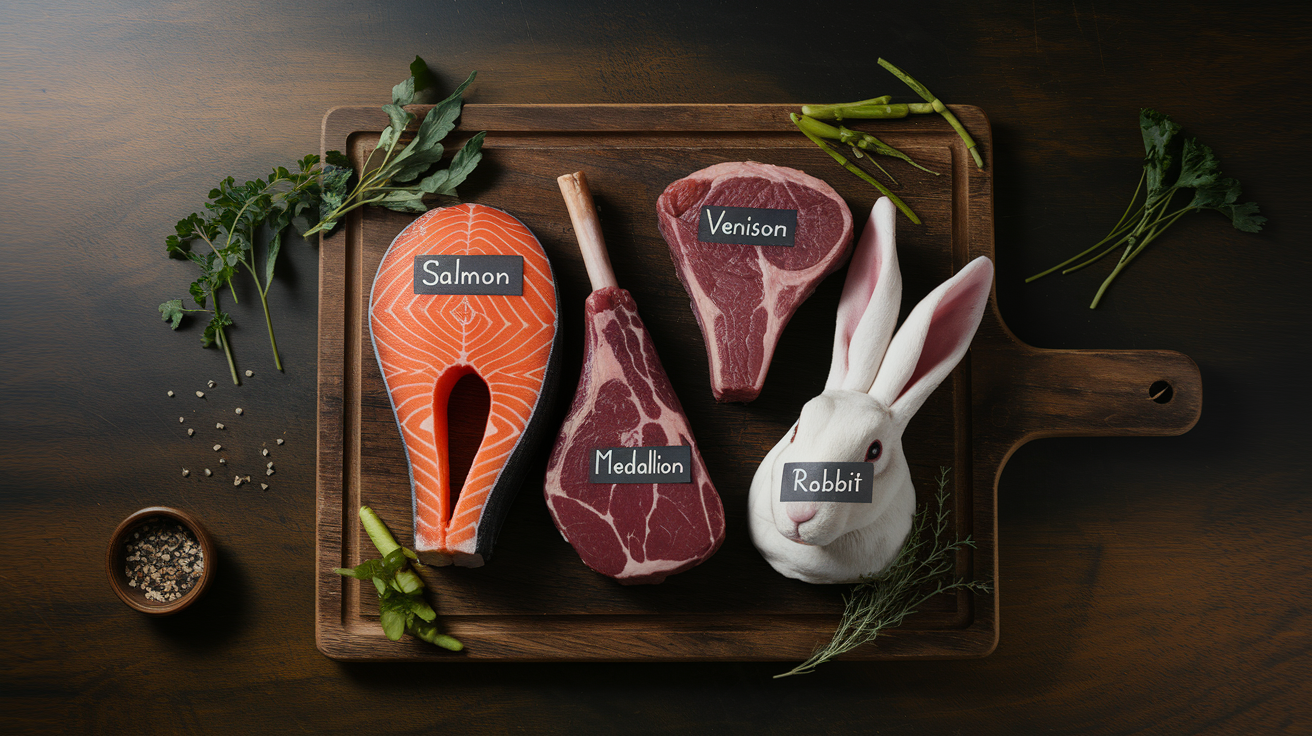
Novel proteins are ingredients your dog hasn’t eaten regularly, which means their immune system hasn’t had a chance to build a reaction. The most reliable options include lamb, salmon, ocean whitefish, venison, rabbit, and bison. These proteins work because they’re less common in everyday dog food, so fewer dogs have been exposed long enough to develop antibodies against them. Beef is widely available and often safe, but some chicken-allergic dogs also react to beef if they’ve eaten it their whole lives. It’s not always the best first choice.
Fish based foods, especially those using salmon or whitefish, tend to be gentle on digestion and low in common allergens. They also provide omega-3 fatty acids, which can help calm inflamed skin. Red meats like bison and venison are rich in protein and fat, making them a good fit for active dogs or those who need to maintain weight during a diet trial. Rabbit is lean and highly digestible, often used in prescription allergy diets. Plant based proteins exist, but many include eggs or soy, which some allergic dogs can’t tolerate. Check labels carefully if you’re considering a vegetarian formula.
Not all chicken-allergic dogs react to other poultry, but cross reactivity happens often enough that you need to watch for it. If your dog’s symptoms don’t improve after cutting out chicken, turkey, duck, and chicken eggs might also be problems. This depends on how severe the allergy is and how similar the proteins look to the immune system. Testing one protein at a time during a food trial helps you figure out what’s truly safe.
When to Avoid All Poultry Proteins
Some dogs react to any bird based protein because the immune system sees turkey, duck, and chicken as too chemically similar to ignore. If you switch from chicken kibble to a turkey recipe and the itching doesn’t stop after 8 weeks, your dog probably has a broader poultry sensitivity. In that case, stick with fish, lamb, beef, or exotic meats. Avoid anything labeled with “poultry” fat, meal, or by-products.
How to Choose Dog Foods That Are Truly Chicken-Free
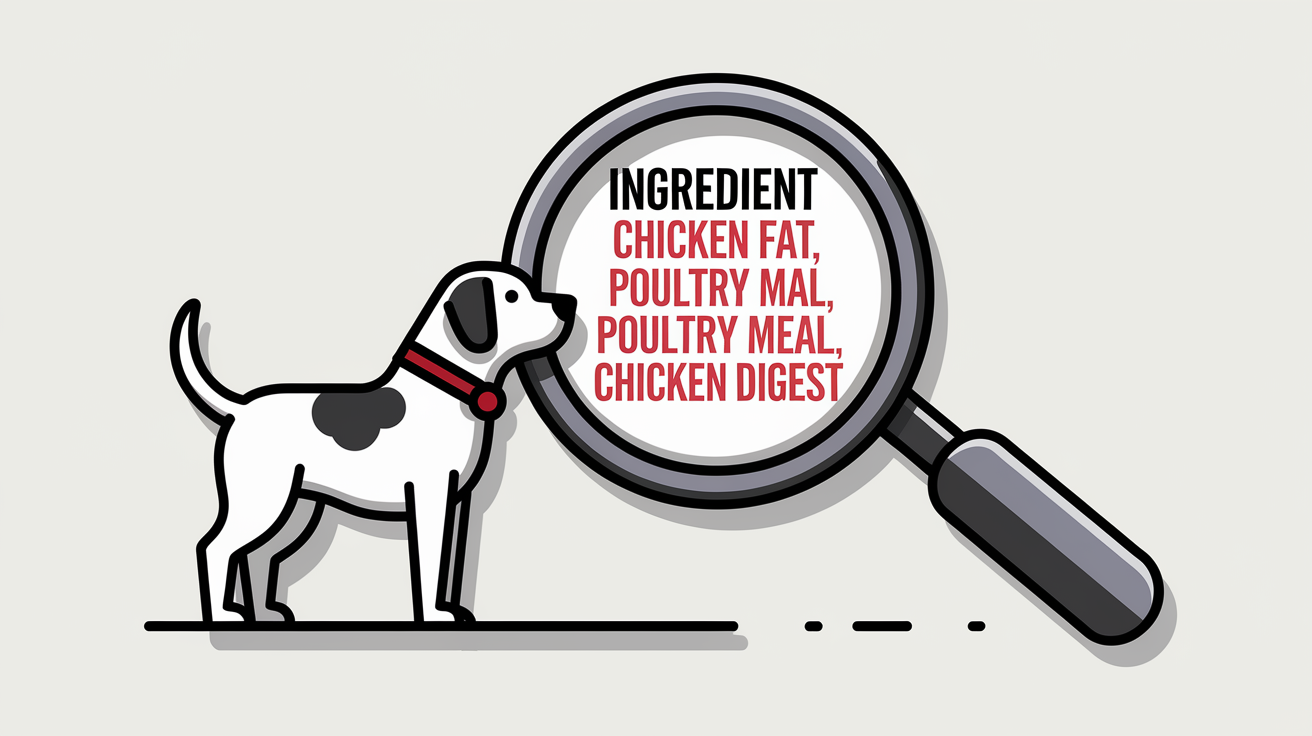
Reading labels for hidden chicken takes more attention than just skipping “chicken” in the ingredient list. Chicken fat, chicken meal, chicken broth, chicken by-product, poultry fat, and poultry meal all count as chicken exposure. Even a small amount of chicken fat used to make kibble palatable can restart symptoms in a sensitive dog. Some brands also use chicken liver or chicken digest as a flavor coating, which won’t appear in the main ingredient panel but shows up in the fine print or the guaranteed analysis notes.
Cross contamination is a real concern in commercial dog food manufacturing. Many facilities produce chicken based recipes and chicken-free recipes on the same equipment. Unless the company has dedicated production lines or cleans thoroughly between runs, trace amounts of chicken can end up in foods marketed as chicken-free. Prescription allergy diets from veterinary brands often shut down production lines completely, clean all equipment, and test for contamination before making hypoallergenic formulas. If your dog is highly reactive, those extra steps matter.
| Hidden Chicken Ingredient | How It Appears on Labels | Risk Level |
|---|---|---|
| Chicken fat | “Chicken fat (preserved with mixed tocopherols)” or “animal fat” | High |
| Chicken meal | “Chicken meal,” “poultry meal,” or “meat meal” | High |
| Chicken by-products | “Chicken by-product meal” or “poultry by-products” | High |
| Chicken broth | “Chicken broth,” “chicken stock,” or “natural flavors” | Moderate to high |
| Chicken liver | “Chicken liver” or “poultry liver” | High |
| Chicken digest | “Chicken digest,” “animal digest,” or “natural flavoring” | Moderate |
Vet-Approved Diagnostic Steps Before Choosing the Best Dog Food for Chicken Allergies

Before you change your dog’s food, figure out if chicken is actually the problem. Food intolerances cause digestive upset but don’t involve the immune system. True allergies create immune reactions that show up as itchy skin, hives, or both. Your vet will ask about your dog’s diet history, how long symptoms have been happening, and whether anything improves when you change food or location. They’ll also check for other causes like fleas, mange, or environmental allergens, because those are far more common than food allergies.
Vets diagnose food allergies through elimination diets. Not blood tests. Blood tests and skin tests work for environmental allergies (pollen, dust, mold), but they don’t reliably identify food allergens. The only way to know if chicken is the trigger is to remove it completely, feed a novel protein your dog has never eaten, and watch what happens over 8 to 12 weeks. If symptoms clear up, chicken was likely the problem. If they don’t, the allergy might be environmental, or the new food still contains a hidden allergen.
During an elimination diet, your dog eats one protein source and one carbohydrate source. Nothing else. No treats, no table scraps, no flavored medications, no rawhides. Even a single chicken-flavored chew can restart the immune reaction and reset the trial. After symptoms improve, you reintroduce ingredients one at a time to confirm which ones cause reactions. This process takes patience, but it’s the only reliable way to build a safe long term diet.
Some dogs have both food allergies and environmental allergies, which complicates things. If your dog still itches during pollen season even after switching to a chicken-free diet, they probably need management for both issues. Your vet might suggest antihistamines, omega-3 supplements, or prescription medications alongside the diet change.
5 step elimination diet protocol:
Choose a commercial food or homemade recipe with a novel protein your dog has never eaten (venison, rabbit, duck, or fish) and a single carbohydrate source like sweet potato or rice. Feed only this food for 8 to 12 weeks with no treats, table scraps, flavored medications, or other food sources, and keep a daily log of symptoms like scratching, ear issues, stool quality, and energy levels. Once symptoms improve or disappear completely, reintroduce one old ingredient at a time (such as chicken) for 1 to 2 weeks while continuing to monitor your dog’s reaction. If symptoms return after reintroducing chicken, you’ve confirmed the allergy. If symptoms stay clear, that ingredient is safe and you can test another one. Build a long term diet using only the ingredients your dog tolerated during testing, and avoid any foods that triggered symptoms during reintroduction.
Recommended Chicken-Free Dog Foods and Safe Formulas to Consider
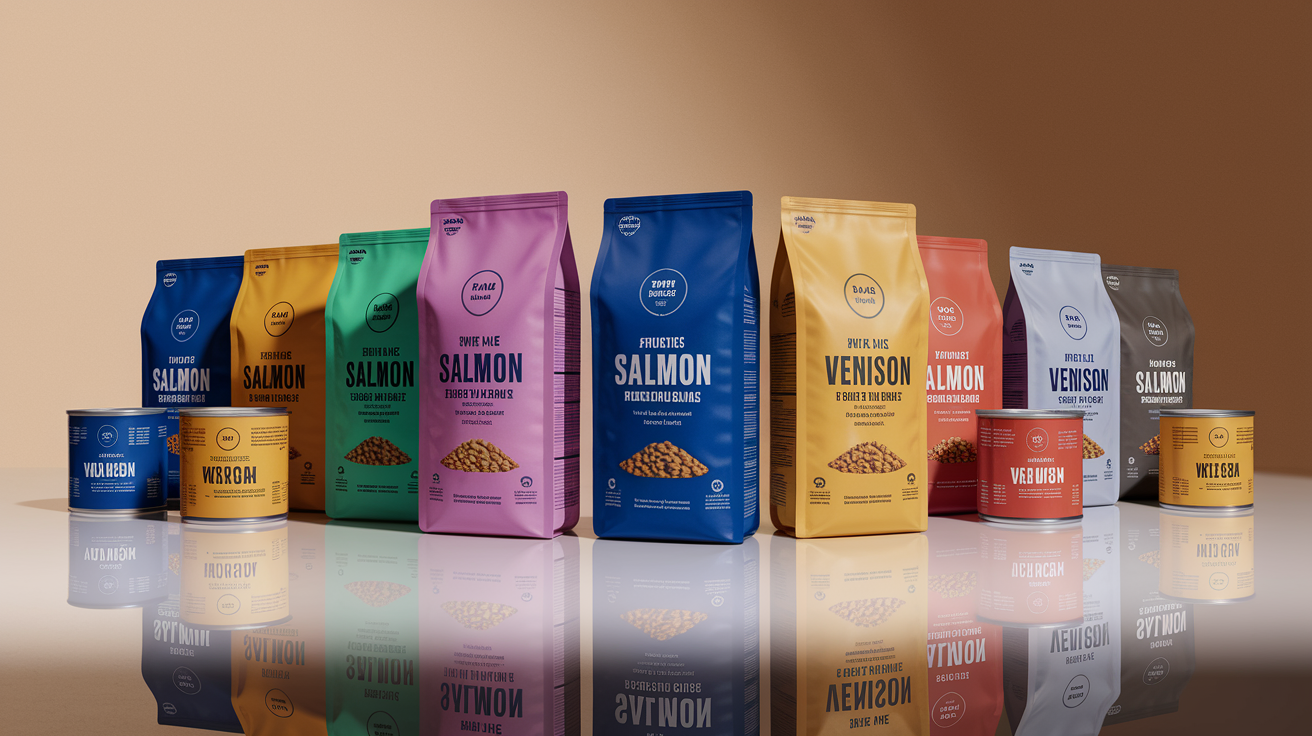
Chicken-free dog foods come in kibble, wet, and fresh formats, and each works as long as the formula is complete and balanced (meets basic nutrition needs on its own). Kibble is shelf stable, budget friendly, and easy to portion, but some picky dogs won’t eat it. Wet food is more palatable and adds moisture, which helps dogs who don’t drink enough water. Fresh or refrigerated foods often use whole ingredients and fewer preservatives, but they cost more and require fridge space. Pick the format your dog will actually eat consistently. The best food is the one you can keep feeding.
Limited ingredient diets use a single animal protein and a short list of carbohydrates and fats, which makes it easier to identify triggers if symptoms come back. Hydrolyzed protein diets break proteins into tiny fragments that the immune system doesn’t recognize as allergens. These are usually prescription foods, but they work for dogs with multiple allergies or dogs who’ve reacted to every novel protein you’ve tried. Both types can be grain-free or grain-inclusive. Grain-free formulas swap rice and oats for sweet potatoes, peas, or lentils. Grain-inclusive recipes use rice, oatmeal, or barley, which are generally easier to digest and less likely to cause diet-related heart issues than high-legume formulas.
Safe ingredients to look for include named proteins like “salmon,” “lamb,” or “bison” as the first ingredient, plus simple carbohydrates like sweet potato, pumpkin, or brown rice. Some brands add spinach, blueberries, or cranberries for fiber and antioxidants. Avoid vague terms like “meat meal,” “animal fat,” or “poultry” anything, because those can hide chicken. Also skip treats, chews, and toppers unless they explicitly list the same protein as the main food.
Types of recommended formulas:
Fish based kibble or wet food using salmon, whitefish, or a blend of seafood as the sole protein. Lamb based recipes with lamb meal or fresh lamb, often paired with rice or sweet potato. Beef formulas that list beef or beef meal first and contain no poultry fat or chicken by-products. Bison or venison recipes designed as limited ingredient diets for allergic or sensitive dogs. Rabbit based prescription or boutique foods, often sold in smaller bags due to ingredient cost. Hydrolyzed protein diets where soy, chicken, or other proteins are broken into non-allergenic fragments. Plant based formulas using pea protein, lentils, or soy, though these may still include eggs depending on the brand.
Homemade and Fresh-Style Options for Dogs Avoiding Chicken
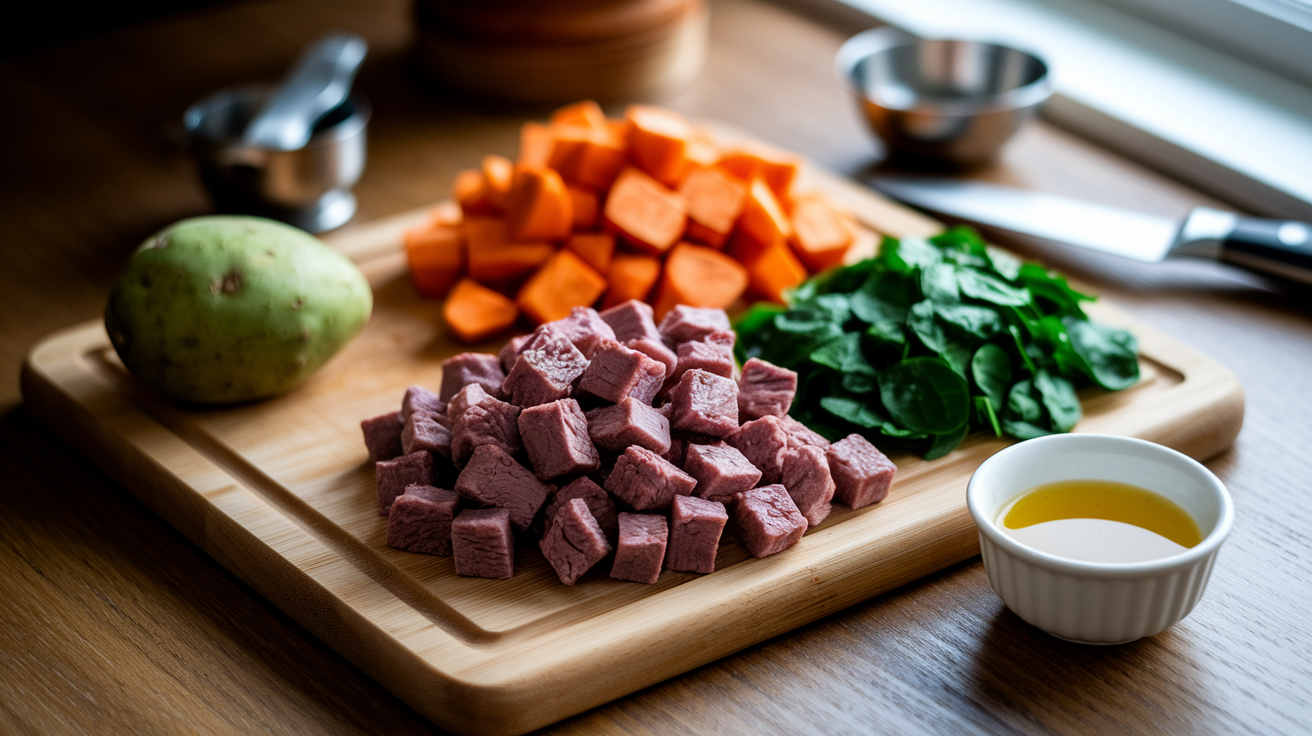
Homemade diets give you total control over ingredients, but they’re hard to balance without help from a veterinary nutritionist. Dogs need the right ratios of protein, fat, carbohydrates, calcium, phosphorus, and vitamins to stay healthy long term. A diet that looks good for a few weeks can cause deficiencies over months, especially in growing puppies or large breed dogs prone to joint issues. If you want to cook for your dog, work with a vet or use a service that provides balanced recipes with exact ingredient lists and portion guides.
Raw diets are another option, but they come with food safety risks and nutritional gaps if not carefully planned. Raw meat can carry bacteria like Salmonella or E. coli, which can make your dog sick and contaminate your kitchen. Raw bones can crack teeth or cause blockages. Some raw feeders swear by the approach, but it takes research, strict hygiene, and often costs more than commercial food. If your dog’s allergy is severe and you’ve run out of commercial options, raw feeding with a novel protein like rabbit or venison might be worth exploring with veterinary guidance.
Safe homemade ingredient suggestions:
Lamb, salmon, or venison as the protein base, cooked and portioned according to your dog’s calorie needs (about 20 calories per pound for large breeds, 30 to 40 for small breeds). Sweet potatoes, white rice, or oatmeal as the carbohydrate source, cooked until soft and easily digestible. Spinach, carrots, or blueberries for fiber, vitamins, and antioxidants, blended or finely chopped. Fish oil or flaxseed oil for omega-3 fatty acids to support skin and coat health, plus a calcium supplement if you’re not feeding raw bones.
How to Transition to a New Chicken-Free Dog Food Safely
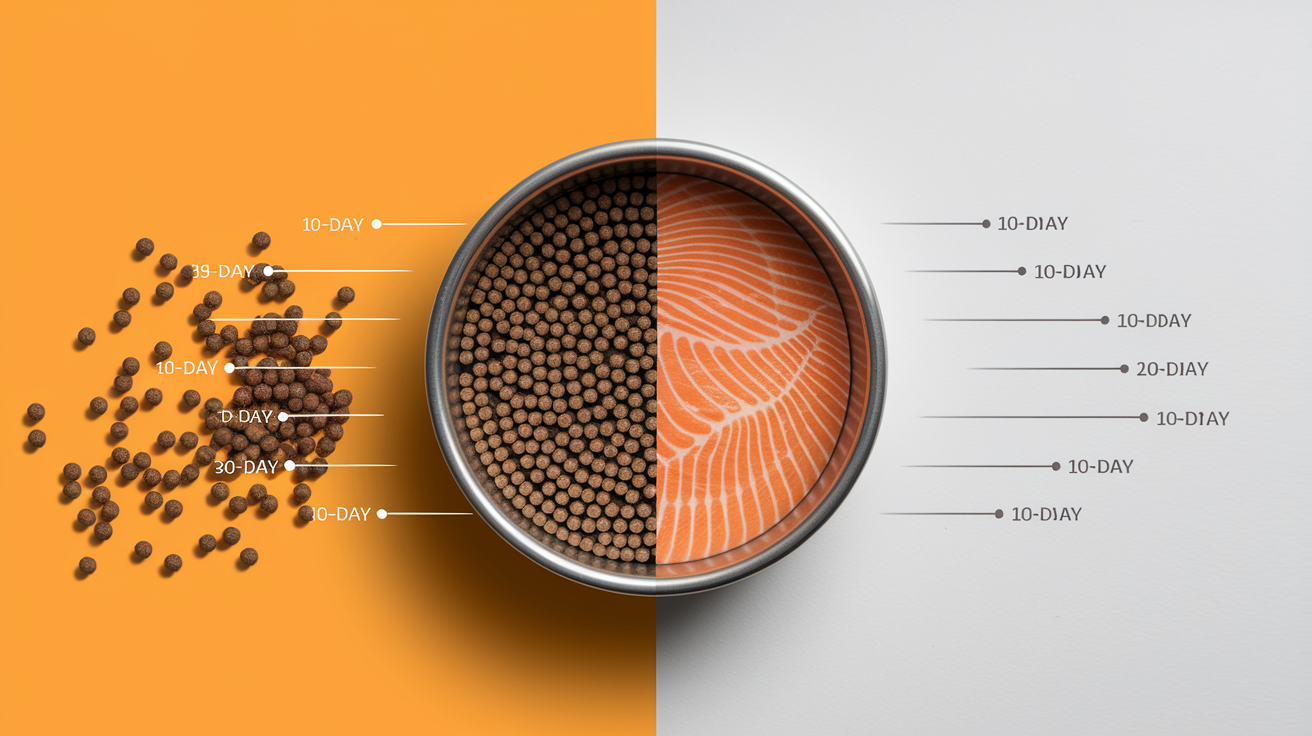
Switching foods too fast causes diarrhea, vomiting, and gas, even if the new food is perfectly safe for your dog’s allergies. Your dog’s digestive system needs time to adjust to different protein sources, fat levels, and fiber content. Plan for a gradual transition over 7 to 10 days, mixing the new food with the old in increasing amounts. If your dog has a sensitive stomach or a history of digestive issues, stretch the transition to two weeks.
Track symptoms daily during the switch. Watch for changes in scratching, ear redness, stool quality, energy level, and appetite. Some improvement might happen within the first few weeks, but full results take 8 to 12 weeks because it takes that long for the old allergen to completely leave your dog’s system and for inflammation to calm down. If symptoms get worse or don’t improve after three months, the new food might contain a hidden allergen, or your dog’s itching might be environmental instead of food related.
Transition steps:
Days 1 to 3: Mix 25% new chicken-free food with 75% old food and monitor stool consistency and energy. Days 4 to 6: Increase to 50% new food and 50% old food, continuing to watch for digestive upset or worsening skin symptoms. Days 7 to 9: Shift to 75% new food and 25% old food, and note any changes in scratching, ear issues, or stool quality. Day 10: Feed 100% new food and eliminate the old formula completely, keeping all treats and extras chicken-free as well. Weeks 2 to 12: Maintain the new diet without any chicken-containing treats, table scraps, or flavored medications, and track symptom improvement weekly in a notebook or phone app.
Long-Term Management for Dogs With Chicken Allergies
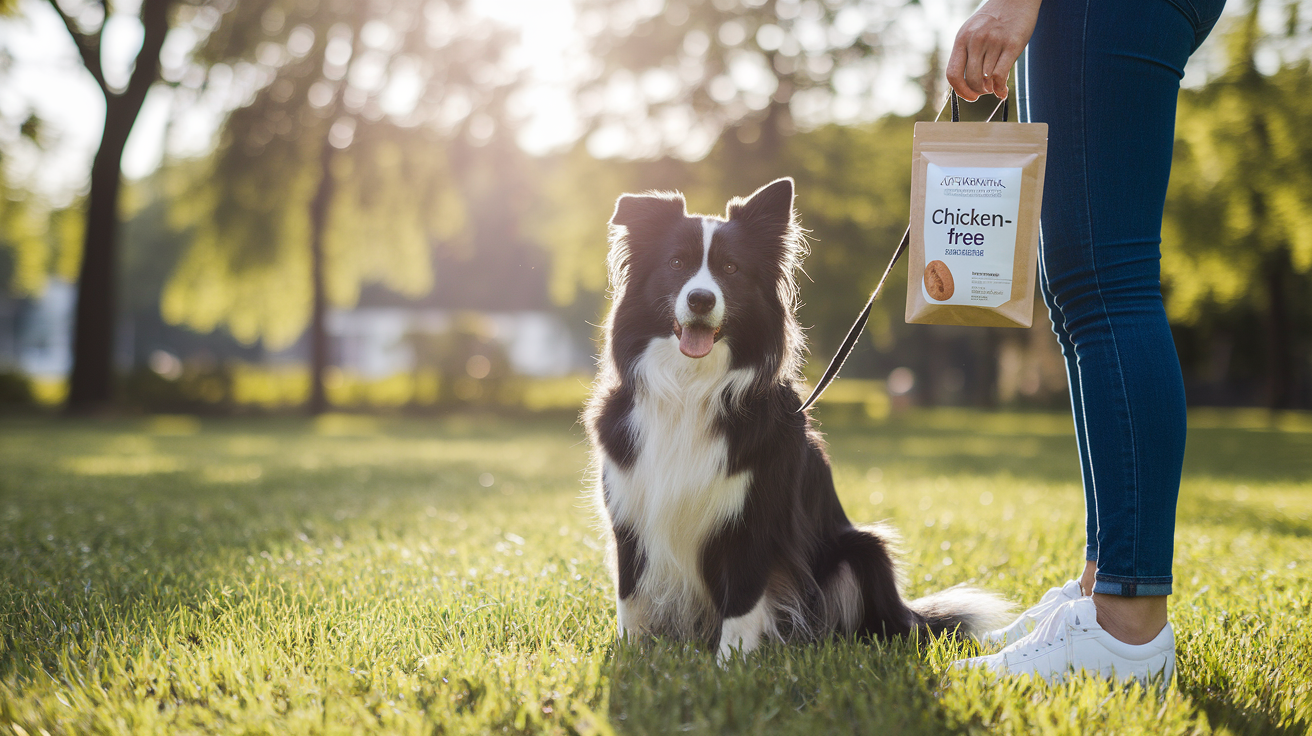
Once you’ve found a chicken-free food that works, your job is to keep your dog away from chicken in all forms, forever. That means reading every treat label, checking with pet sitters and dog walkers, and being careful about table scraps or food your dog finds on walks. Even one chicken nugget or a bite of rotisserie chicken skin can restart itching and digestive trouble. Occasional flare ups usually trace back to something the dog ate that you didn’t catch.
Dogs with food allergies can develop new allergies over time, so limiting variety now preserves future options. If your dog currently eats lamb and you later discover they’ve become allergic to it, you’ll need another novel protein to switch to. That’s why some vets recommend rotating between two or three safe proteins every few months instead of feeding one forever, though this only works if you’ve confirmed those proteins are safe through proper food trials first.
Long term habits for managing chicken allergies:
Feed the same chicken-free food daily and avoid random treats, toppers, or table scraps unless you’ve confirmed they’re chicken-free. Store treat and food labels in a folder or phone photo so you can cross check ingredients when you’re at the pet store or ordering online. Warn guests, dog walkers, and pet sitters that your dog has a chicken allergy and cannot have any food or treats without your approval. Schedule annual vet checkups to monitor weight, coat quality, stool health, and overall nutrition, and adjust portions or formulas as your dog ages or activity level changes.
Final Words
Switching to a chicken-free diet? Start with a clear plan: pick a novel or limited-ingredient formula, read labels for hidden chicken, and ask your vet about an elimination trial.
Track itching, stool, ear issues, and energy for 8–12 weeks. Measure meals and limit treats. Homemade and fresh options can work if you keep nutrition complete.
Finding the best dog food for chicken allergies takes patience, but with the right protein and a slow, steady transition most dogs improve—and you’ll see the difference soon.
FAQ
Q: What is the best dog food for dogs with chicken allergies and how can I help a dog with a chicken allergy?
A: The best dog food for dogs with chicken allergies is poultry-free—limited-ingredient, novel-protein, or hydrolyzed formulas; help by doing a vet-guided elimination diet, avoiding chicken and eggs, and tracking skin and stool.
Q: Which breed of dog is allergic to chicken?
A: No specific breed is allergic to chicken; any dog can develop a food allergy. Individual genetics, environment, and immune response matter more than breed when allergies show up.
Q: Why are so many dogs allergic to chicken now?
A: Dogs aren’t necessarily more allergic to chicken now; wider use of poultry in diets, better testing, and greater owner awareness make chicken allergies more commonly recognized.