
Not all “hypoallergenic” dog foods actually help sensitive pups.
If your dog scratches, has chronic ear infections, or loose stools, the right formula matters more than the label.
I shortlist top-rated options and explain when to try a limited-ingredient, novel-protein, or hydrolyzed diet.
You’ll get simple shopping cues: single named proteins, gentle carbs, omega fats, and probiotics, plus a clear transition plan to watch stool and skin for two to eight weeks.
Top-Rated Options for Hypoallergenic Dog Food (Expert Shortlist)
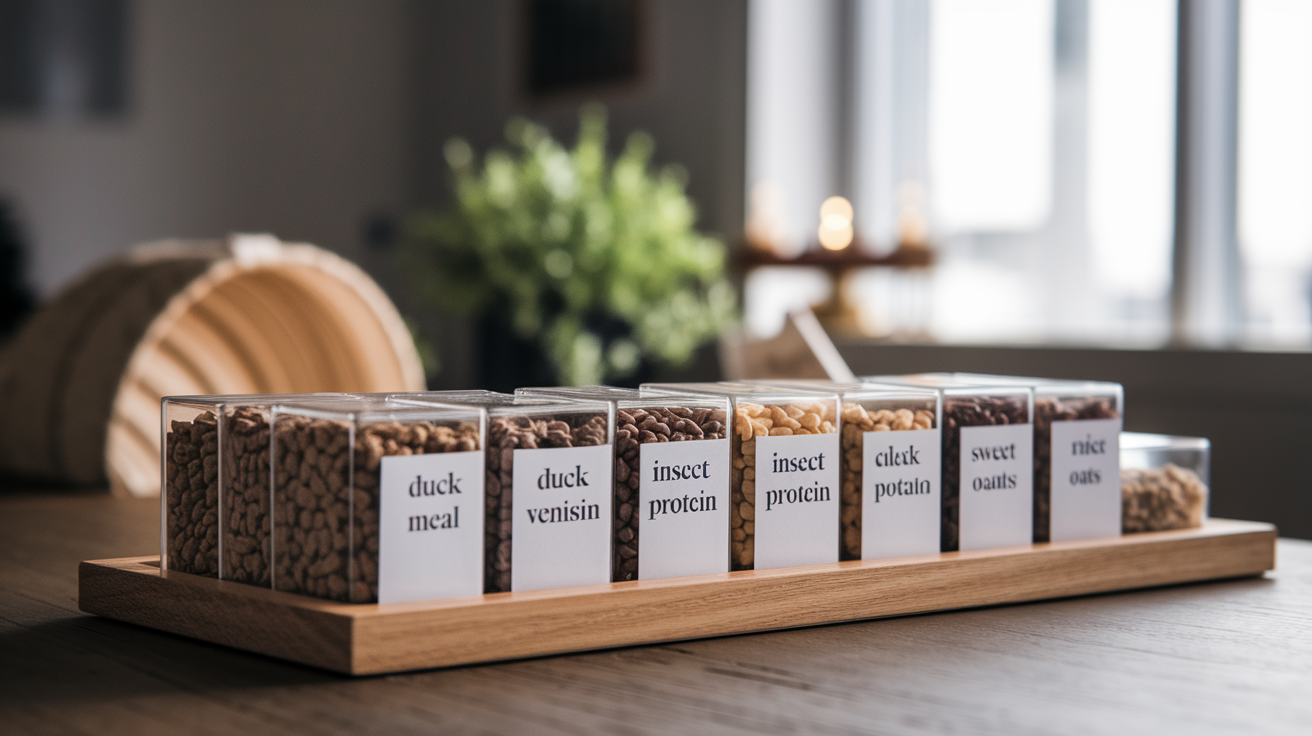
Finding the best hypoallergenic dog food means matching symptoms to the right formula type. Limited ingredient diets work when you’re hunting down mystery triggers. Novel protein formulas help dogs who’ve eaten chicken or beef forever and can’t handle it anymore. Hydrolyzed protein prescription diets give you the most control for severe cases where even novel proteins cause problems. Most dogs show better stools within two weeks and skin relief in four to eight weeks, but sticking with it matters more than brand names.
You want formulas with one clearly named protein source. Duck meal, salmon, venison, even insect protein. Pair that with a simple carb like rice, sweet potato, or oats. Good ingredient lists stay short, usually under 10 ingredients, with omega fatty acids and probiotics for skin comfort and gut support. Skip formulas listing multiple proteins, chicken fat, or generic “poultry meal” since those sneak allergens back in.
Age and activity level shape your choice too. Puppies need more fat and protein for growth, adults do well on balanced maintenance formulas, and seniors often need lower calorie options that won’t pack on weight during long elimination trials. If your dog deals with chronic ear infections, won’t stop itching, or has frequent loose stools even after switching foods, a prescription hydrolyzed formula might be your next move after trying over the counter limited ingredient or novel protein options.
- Limited ingredient duck and sweet potato formula – Works for dogs with mild to moderate itching, digestive upset, and no prior duck exposure. For adult dogs.
- Hydrolyzed protein prescription diet – Built for severe, diagnosed food allergies with chronic ear infections and gut issues. Needs vet approval. Safe for puppies, adults, and seniors.
- Novel protein venison and pumpkin recipe – Supports dogs with sensitive stomachs and skin irritation who’ve eaten common proteins. Good for adult and senior dogs.
- Salmon and rice limited ingredient formula – Combines omega rich fish with gentle carbs for dogs with dry, itchy skin and mild digestive issues. Works for puppies and adults.
- Insect protein (cricket or mealworm) with oats – Naturally hypoallergenic, lower calorie option for dogs with multiple protein sensitivities and weight management needs. For adult and senior dogs.
Understanding Hypoallergenic Dog Food Formulas
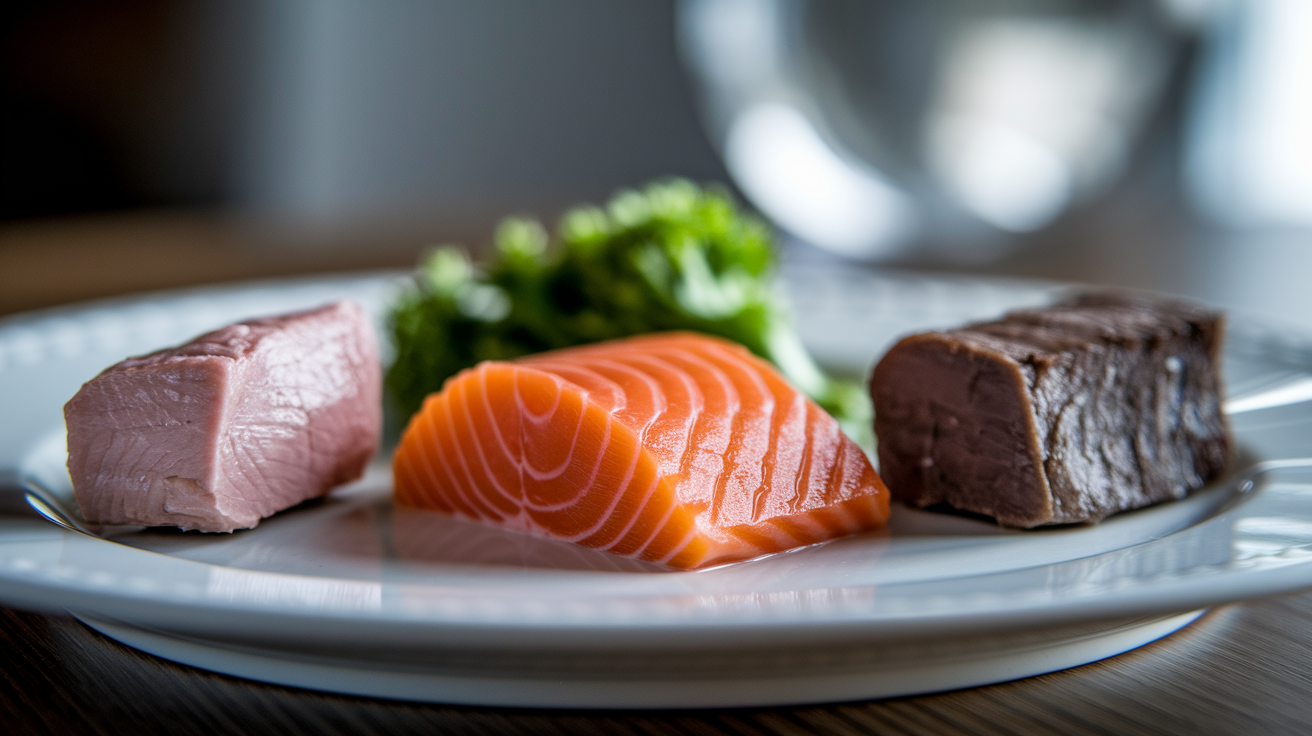
Hypoallergenic dog food removes or changes the proteins and ingredients that set off immune responses. Most dogs react to proteins more often than grains. Chicken, beef, dairy, soy. These formulas focus on either novel proteins the dog’s never eaten or hydrolyzed proteins broken into fragments too small for the immune system to spot. The goal is quieting the inflammatory reaction that shows up as itching, ear infections, or loose stools. A true hypoallergenic formula skips preservatives, artificial dyes, and chemical additives that can irritate sensitive systems even if they don’t cause classic allergic reactions.
Limited ingredient recipes shorten the ingredient list to make tracking easier. If your dog flares up on a five ingredient food, you know exactly what to avoid next time. Simple carbs like rice and oats tend to be gentler than wheat or corn, and single protein sources reduce the chances of cross contamination during manufacturing. Duck, salmon, venison, rabbit. These formulas still need to meet AAFCO standards for complete and balanced nutrition, meaning they provide everything your dog needs for daily life without supplementation.
Complete and balanced formulas are tested or formulated to hit all nutritional requirements for a dog’s life stage. You’re not accidentally creating deficiencies while solving allergy problems. Check the label for an AAFCO statement confirming the food supports growth, maintenance, or all life stages. Hypoallergenic doesn’t mean nutritionally incomplete. It just means the recipe is designed to minimize reactions while still fueling normal activity, coat health, and immune function.
- Limited ingredients – Shorter recipes (typically 5–10 ingredients) make it easier to identify and avoid specific triggers
- Single protein source – One named meat (duck, salmon, venison) reduces cross reactivity and simplifies elimination trials
- No artificial additives – Free from synthetic dyes, flavors, and preservatives that can worsen skin irritation and digestive upset
- Gentle carbohydrates – Rice, oats, and sweet potato support digestion without common grain allergens like wheat or corn
Comparing Limited Ingredient, Novel Protein, and Hydrolyzed Hypoallergenic Diets
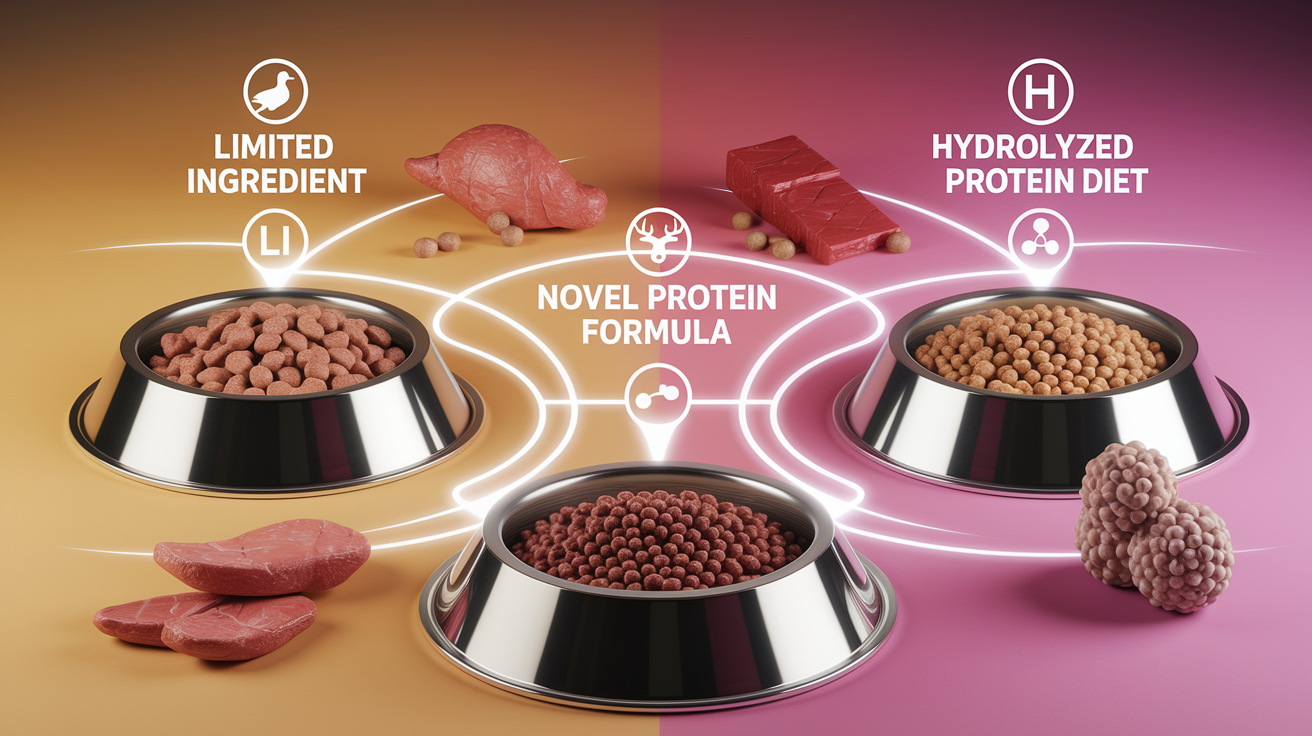
All three types aim to reduce reactions, but they take different paths. Limited ingredient diets strip the recipe down to essentials. Novel protein formulas introduce meats your dog’s never encountered. Hydrolyzed protein diets break proteins into pieces so small the immune system doesn’t recognize them as threats. Your choice depends on symptom severity, dietary history, and whether you’re working through an elimination trial or managing a confirmed diagnosis.
Limited Ingredient Diets
Limited ingredient diets use a minimal recipe, often just one protein and one carb, to reduce the number of potential triggers. They work best when you’re not sure what’s causing the problem and need a clean slate to start tracking. These formulas help you isolate the culprit through trial and error. If symptoms improve, you’ve likely removed the offending ingredient.
Novel Protein Formulas
Novel protein formulas rely on uncommon meats like duck, venison, rabbit, kangaroo, or even insect protein that your dog hasn’t eaten before. If your dog’s been on chicken or beef for years and suddenly develops itching or digestive issues, switching to a novel protein can stop the immune response. These work well for dogs with suspected but undiagnosed sensitivities.
Hydrolyzed Protein Diets
Hydrolyzed protein diets take proteins and break them into tiny molecular fragments through a process called hydrolysis. The immune system can’t identify these fragments as allergens, so it doesn’t mount an attack. These are often prescription diets used for severe, diagnosed food allergies where even novel proteins cause flare ups. They’re the most controlled option but also the most expensive.
| Type | How It Works | Best For |
|---|---|---|
| Limited Ingredient Diet | Reduces recipe to 5–10 ingredients with single protein and carbohydrate | Mild to moderate sensitivities, tracking unknown triggers, trial and error testing |
| Novel Protein Formula | Uses uncommon meats (duck, venison, rabbit, insect) the dog has never consumed | Dogs with history of chicken or beef, suspected protein sensitivity, chronic itching |
| Hydrolyzed Protein Diet | Breaks proteins into molecular fragments too small for immune recognition | Severe, diagnosed allergies, chronic gastrointestinal issues, multiple failed elimination trials |
Recognizing Food Allergy Symptoms in Dogs

Food allergies usually show up in two places. The skin and the gut. Itching is the most common sign, especially around the paws, ears, face, and belly. Your dog might scratch constantly, lick their paws raw, or rub their face on furniture. Chronic ear infections that keep coming back even after treatment often point to food triggers. Skin issues can include red, inflamed patches, dandruff, hair loss, and a dull, flat coat that’s lost its shine.
Digestive symptoms include diarrhea, vomiting, excessive gas, bloating, and appetite changes. Some dogs eat less because their stomach hurts. Others seem hungry but lose weight anyway because they’re not absorbing nutrients properly. Stool consistency is a big clue. Loose, mucus covered, or unusually frequent bowel movements suggest the gut is reacting to something in the diet. Allergies tend to show up early, often in puppyhood, while intolerances develop over time after your dog’s eaten the same food for months or years.
- Excessive scratching, especially paws, ears, belly, and face
- Chronic or recurring ear infections that don’t fully resolve with medication
- Red, inflamed, or irritated skin patches
- Dandruff, hair loss, or a dull, flat coat
- Diarrhea, loose stools, or mucus in stool
- Vomiting, excessive gas, or bloating
- Loss of appetite or weight loss despite normal eating
- Frequent paw licking or face rubbing on furniture or carpet
Beneficial Ingredients That Support Digestive and Skin Health
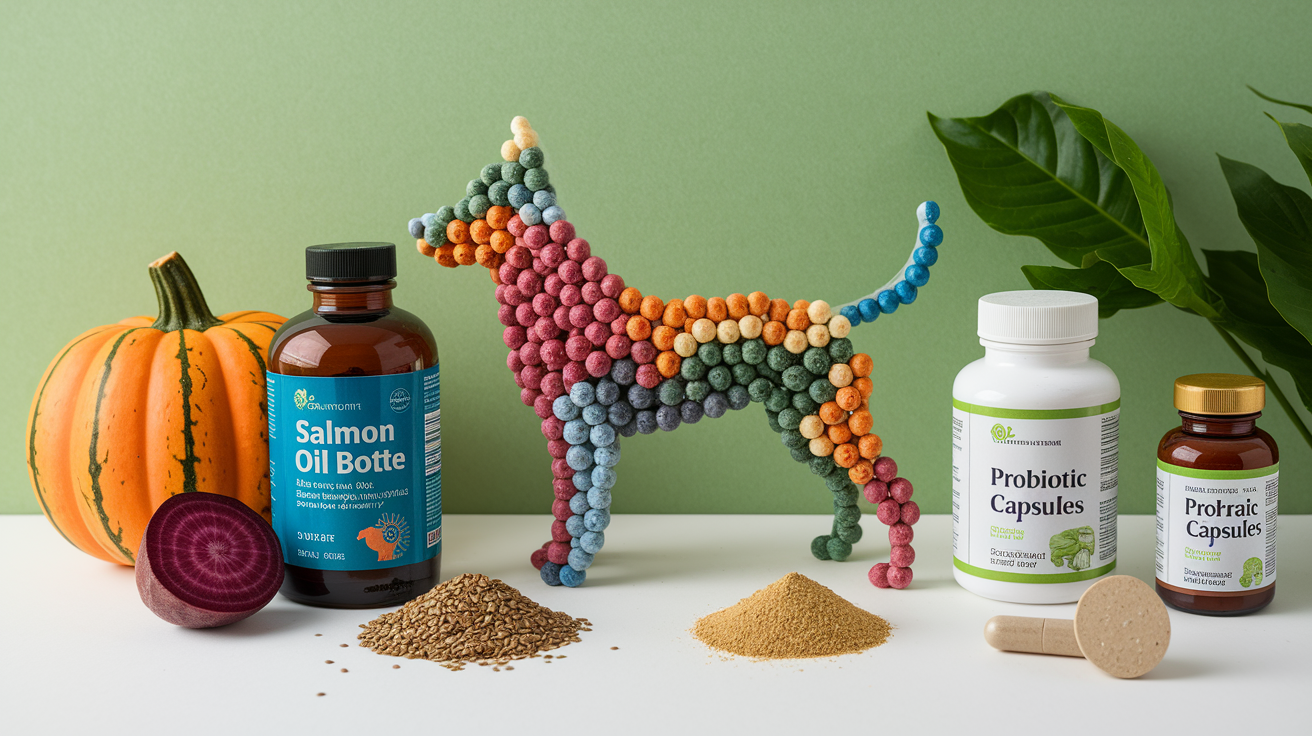
Omega fatty acids, especially omega 3s from fish oil, help calm inflamed skin and improve coat shine. They support the skin barrier, reducing moisture loss and irritation. Many hypoallergenic formulas include salmon oil or whole fish like salmon or whitefish as a protein source, delivering natural omega 3s without needing separate supplementation. Dogs with dry, itchy skin often show visible improvement in coat quality and comfort within four to eight weeks of consistent omega rich feeding.
Probiotics and prebiotics support gut health by balancing digestive bacteria. A healthy gut microbiome improves nutrient absorption, reduces gas and bloating, and can even influence skin health through the gut skin connection. Ingredients like pumpkin and beet pulp add soluble fiber that firms up loose stools and feeds beneficial bacteria. Dogs with sensitive stomachs often show stool improvements within two weeks when these ingredients are part of a simple, limited ingredient recipe.
Single source proteins give you one clearly named meat like duck meal, venison, or salmon. This reduces the risk of cross reactivity and makes it easier to track what your dog tolerates. High quality protein sources provide amino acids for muscle maintenance, immune function, and tissue repair without triggering inflammatory responses. When paired with gentle carbs and supportive ingredients, these proteins form the foundation of a hypoallergenic diet that reduces symptoms while maintaining overall health.
- Fish oil (salmon or whitefish oil) – Rich in omega 3 fatty acids to reduce skin inflammation, improve coat shine, and support the skin barrier
- Probiotics (Lactobacillus, Bifidobacterium strains) – Balance gut bacteria, improve digestion, reduce gas, and support immune function
- Pumpkin – Provides soluble fiber to firm loose stools and support healthy bowel movements
- Beet pulp – Gentle fiber source that promotes nutrient absorption and feeds beneficial gut bacteria
- Single source proteins (duck meal, venison, salmon) – Clearly named, limited proteins reduce allergen exposure and simplify trigger tracking
Ingredients and Additives to Avoid in Hypoallergenic Dog Food
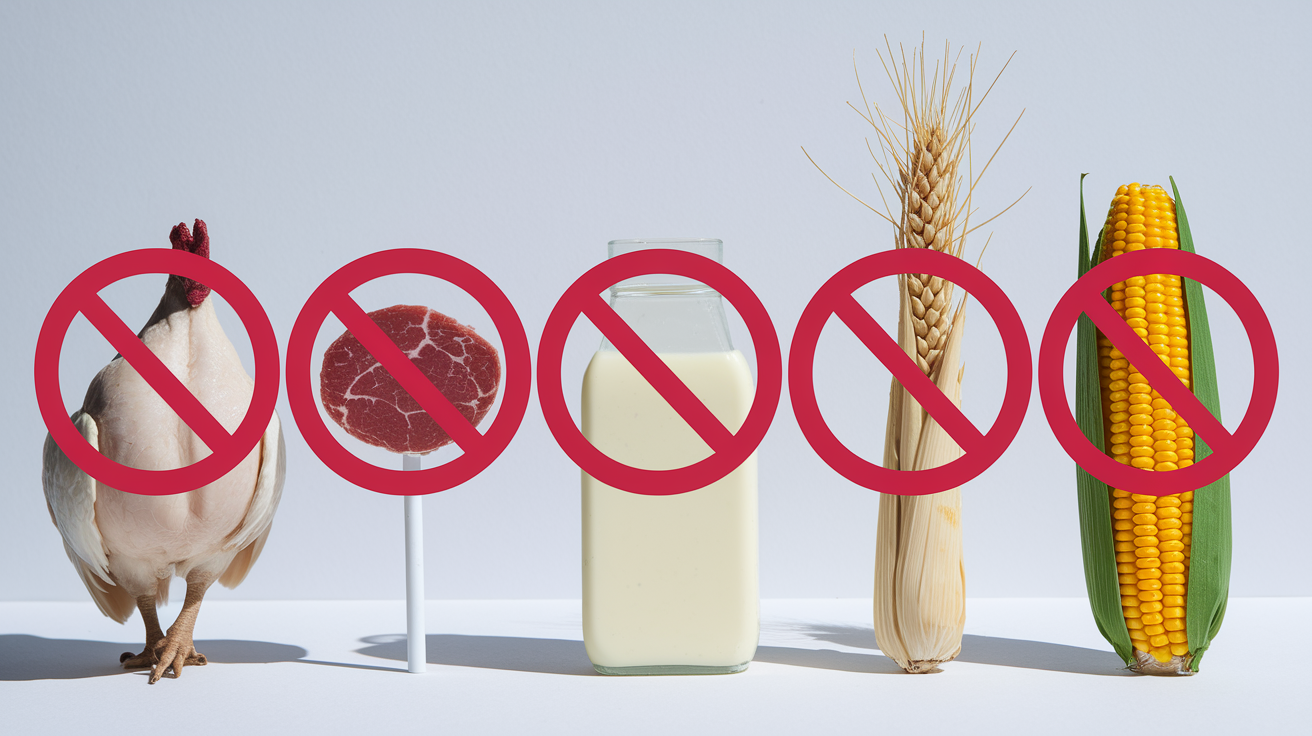
Common protein triggers include chicken, beef, dairy, soy, wheat, and corn. These show up in most commercial dog foods, so dogs with sensitivities have often been exposed to them repeatedly over months or years, building up immune reactions over time. Even chicken fat or beef tallow can cause flare ups in highly sensitive dogs, so check ingredient lists for hidden sources. Multiple protein formulas, recipes that list chicken meal, beef meal, and fish meal, make it nearly impossible to isolate which protein is causing the problem.
Artificial additives, preservatives, synthetic dyes, and sweeteners have no place in hypoallergenic diets. These can irritate the gut lining and worsen skin symptoms, even if they’re not technically allergens. Meat by products, generic “poultry meal,” and unnamed animal fats add unnecessary complexity and lower ingredient quality. Heavy fillers like corn gluten meal, wheat middlings, and soybean hulls provide cheap bulk but often trigger digestive upset and make stool tracking harder during elimination trials.
- Chicken and beef – Most common protein allergens. Avoid even as secondary fats or broths.
- Dairy, soy, wheat, and corn – Frequent triggers for gastrointestinal upset and skin irritation
- Artificial dyes, flavors, and preservatives – BHA, BHT, ethoxyquin, and synthetic colors can worsen symptoms
- Meat by products and generic “poultry meal” – Vague ingredient sourcing complicates allergen tracking
- Multiple protein sources in one formula – Makes it impossible to identify specific triggers
- Sweeteners and heavy fillers – Corn gluten meal, wheat middlings, and added sugars irritate sensitive systems
How to Read Hypoallergenic Dog Food Labels Effectively

Start with the protein source. It should be named and specific. Duck meal, venison, salmon, rabbit, not generic terms like “poultry” or “meat meal.” The first ingredient is usually the protein, and if it’s a whole meat (fresh duck), remember that it contains a lot of water, so the next few ingredients matter too. Look for a single protein running through the first five ingredients. If you see chicken fat or beef broth listed even though the main protein is salmon, that’s a hidden allergen sneaking in.
Carb sources should be simple and clearly named. Rice, oats, sweet potato, peas, or tapioca. Avoid formulas with wheat, corn, or soy unless your dog’s eaten those before without problems. Grain free isn’t automatically hypoallergenic. Many grain free foods use chicken or beef, which are bigger triggers than grains for most dogs. Check the end of the ingredient list for additives. Skip anything with artificial colors (Blue 2, Red 40), chemical preservatives (BHA, BHT), or vague “natural flavors” that could hide allergens.
- Multiple protein sources listed – Indicates cross contamination risk and complicates elimination trials
- Generic protein terms – “Poultry meal,” “meat by products,” or “animal fat” without species names
- Artificial additives – Synthetic dyes, flavors, or preservatives (BHA, BHT, ethoxyquin)
- Allergen ingredients lower in the list – Chicken fat, beef tallow, or dairy hiding below the first five ingredients
| Simplified Hypoallergenic Ingredient List Example |
|---|
| Duck meal, brown rice, pumpkin, duck fat (preserved with mixed tocopherols), flaxseed, salmon oil, dried Lactobacillus acidophilus fermentation product |
Feeding and Transitioning Guidelines for Hypoallergenic Dog Food

Transition slowly over seven to ten days by mixing small amounts of the new hypoallergenic food with the current food. Start with 25% new food and 75% old food for two to three days, then move to 50/50 for another two to three days, then 75% new and 25% old, and finally 100% new food. Rushing the transition can cause digestive upset that looks like an allergic reaction but is really just your dog’s gut adjusting to a new formula. Most dogs show stool changes within two weeks. Firmer, less frequent, or reduced mucus. Skin comfort improvements usually take four to eight weeks of consistent feeding.
Puppies need age appropriate formulas with higher fat and protein to support growth, while adult dogs do well on maintenance recipes, and seniors may need lower calorie options to avoid weight gain during long elimination trials. Portion control matters, especially with rich, protein dense hypoallergenic foods. Follow the feeding guidelines on the bag, but adjust based on your dog’s weight, activity level, and body condition. Treats must match the primary protein source. If you’re feeding a duck based diet, only give duck treats, or stick to single ingredient options like freeze dried duck or plain veggies.
- Days 1–3: Mix 25% new hypoallergenic food with 75% current food. Monitor stool consistency and appetite.
- Days 4–6: Increase to 50% new food and 50% old food. Watch for any digestive changes or skin reactions.
- Days 7–9: Move to 75% new food and 25% old food. Continue tracking stool quality and energy levels.
- Day 10: Feed 100% new hypoallergenic food. Maintain this for at least 8–12 weeks to fully assess symptom improvement.
- Throughout transition: Eliminate all treats, table scraps, and supplements that don’t match the new protein source to avoid reintroducing allergens.
When Symptoms Persist Despite Hypoallergenic Dog Food

If your dog still scratches, has loose stools, or suffers from ear infections after eight weeks on a strict hypoallergenic diet, the problem might not be food. Environmental allergens like pollen, dust mites, and mold can cause the same symptoms as food allergies. Skin infections from bacteria or yeast often develop on top of allergy related inflammation, creating a cycle that won’t resolve with diet changes alone. Parasites like fleas, mites, or intestinal worms can also mimic food allergy symptoms, and stress or anxiety sometimes shows up as digestive upset or compulsive licking.
Veterinary evaluation becomes necessary when diet changes fail. Your vet can run tests to rule out infections, parasites, and other medical conditions. They may recommend a prescription hydrolyzed diet if over the counter hypoallergenic foods haven’t worked, or suggest allergy testing to identify environmental triggers. Sometimes a dog has both food and environmental allergies, requiring a multi layered treatment plan that includes diet, medication, and lifestyle adjustments.
- Schedule a veterinary exam – Rule out infections, parasites, hormonal imbalances, or other medical causes
- Consider allergy testing – Blood tests or intradermal testing can identify environmental allergens like pollen, dust, or mold
- Try a prescription hydrolyzed diet – If over the counter hypoallergenic foods haven’t worked, a vet prescribed formula may be necessary
Final Words
We opened with a tight, ranked shortlist of hypoallergenic formulas, covering limited-ingredient, novel-protein, and hydrolyzed options and why each suits certain symptoms and life stages. You’ll also find a quick 5-item picks list that makes shopping faster.
We explained how hypoallergenic diets work, which ingredients help or harm, label red flags, and safe transition steps. There’s a symptom checklist and guidance on when to see a veterinarian.
Use the shortlist and label tips to compare choices and transition slowly. With this approach you can find the best hypoallergenic dog food and expect steady, real improvements.
FAQ
Q: What is the best dog food for allergy-prone dogs, what food is best for dogs with itchy skin, and is there such a thing as hypoallergenic dog food?
A: The best food for allergy-prone or itchy dogs is usually a hypoallergenic option: a limited-ingredient or novel-protein diet, or a hydrolyzed prescription formula chosen for your dog’s age and symptoms.
Q: What do vets recommend for dogs with allergies?
A: Vets recommend confirming food allergies with an elimination diet or tests, then using a novel-protein, limited-ingredient, or hydrolyzed prescription diet and treating any skin infections under veterinary supervision.