
Could your cat’s food be missing the one thing it truly needs—real animal protein?
Cats thrive on meat, not grains, and the right protein helps muscles, coat, and heart (hello, taurine).
This guide shows the best high protein cat foods, explains what those protein percentages actually mean, and helps you pick a formula that fits your cat’s age, appetite, and budget.
No hype—just clear comparisons of wet vs dry, named meat sources, and easy next steps to feed smarter.
Top-Ranked High Protein Cat Food Options With Protein Percentages
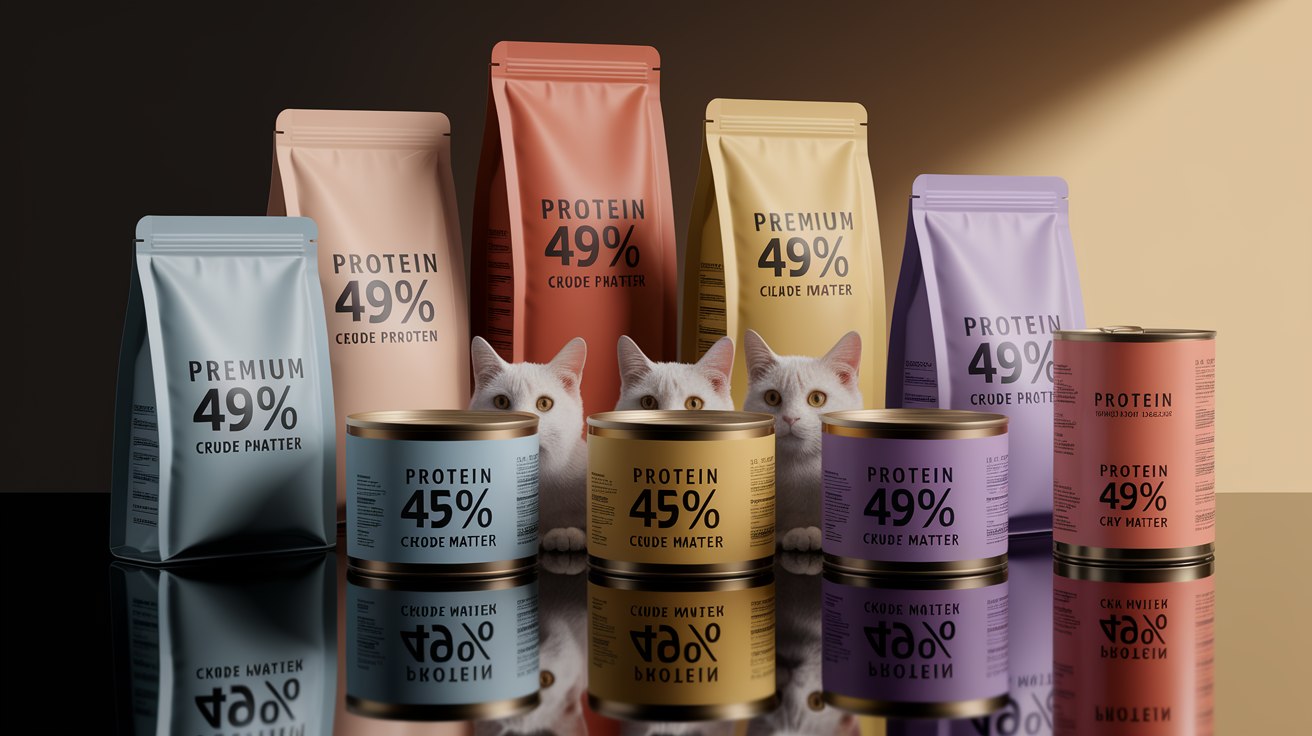
Commercial high protein cat foods range anywhere from 4% in some budget picks to 70% in freeze dried and raw formulas. The best products name their protein sources clearly, putting chicken, turkey, salmon, lamb, or beef first on the ingredient list. They don’t hide behind vague phrases like “poultry by-product” or “meat and bone meal.” Premium formulas regularly hit 40% crude protein or more, and many specialty senior formulas push toward 50% to help older cats with reduced digestive efficiency.
To pick a truly high protein food, you’ll want to convert the label’s guaranteed analysis percentage to dry matter basis if you’re comparing wet and dry options. Moisture content can make a 10% wet food protein number look lower than a 35% dry kibble, but when you remove the water, the wet option sometimes comes out ahead. Named protein sources, minimal plant based filler, and AAFCO approval for the right life stage matter most.
The following ranked list includes protein percentages calculated on a dry matter basis where it applies, and matches each formula to the cats most likely to do well on it:
- Orijen Original Dry Cat Food – 44% crude protein (dry matter basis ~49%), chicken and turkey as first ingredients, best for active adult cats and kittens
- Wellness CORE Grain-Free Wet – 12% crude protein (dry matter basis ~48%), deboned turkey and chicken, ideal for cats needing hydration and seniors with picky appetites
- Instinct Ultimate Protein Grain-Free – 46% crude protein, cage free chicken, suitable for all life stages including high energy adults
- Blue Buffalo Wilderness High Protein Dry – 40% crude protein, deboned chicken and chicken meal, works well for indoor/outdoor active cats
- Nature’s Variety Instinct Raw Boost – 43% crude protein, freeze dried raw chicken pieces mixed in, great for cats transitioning to higher meat content
- Tiki Cat Puka Puka Luau Wet – 16% crude protein (dry matter basis ~52%), wild caught tuna and mackerel, best for occasional feeding, not daily due to sodium
- Halo Holistic Chicken & Chicken Liver Senior – 14% crude protein (dry matter basis ~50%), whole chicken as first ingredient, tailored for cats over 11 with added joint support
- Smalls Fresh Ground Bird – 15% crude protein (dry matter basis ~60%), human grade chicken thighs and chicken liver, ideal for cats with sensitive stomachs or owners committed to fresh feeding
Understanding High Protein Cat Food and How It Supports Feline Nutrition

Cats are obligate carnivores. Their bodies are hardwired to extract essential nutrients from animal flesh. Unlike dogs or humans, they can’t produce certain amino acids in sufficient quantities on their own, so they must get them from meat based sources. Taurine and arginine sit at the top of that must have list. Taurine supports heart function and eyesight, and a deficiency can lead to dilated cardiomyopathy or blindness. Arginine plays a role in ammonia detoxification, and even a single meal without it can cause toxicity symptoms in cats. Both amino acids come exclusively from animal protein, not plant based alternatives.
Plant proteins like soy, peas, lentils, and corn gluten do show up in some cat foods and can inflate the crude protein percentage on the label. But those plant sources lack the complete amino acid profile cats need, especially taurine. A food with 35% protein from corn and soybeans will never match a formula with 35% protein from chicken and salmon, even if the numbers look identical on paper. That’s why ingredient order and source quality matter as much as the percentage itself.
Here’s a quick summary of the amino acids cats can’t live without:
- Taurine – Supports heart muscle contraction, retinal health, and reproductive function in female cats
- Arginine – Detoxifies ammonia in the bloodstream. Deficiency can cause neurological symptoms within hours
- Methionine and Cysteine – Build proteins and support coat health. Cats need these in higher amounts than most mammals
- Lysine – Assists with calcium absorption and immune response. Often supplemented in multi-cat households where respiratory viruses circulate
Comparing Protein Sources in the Best High Protein Cat Food
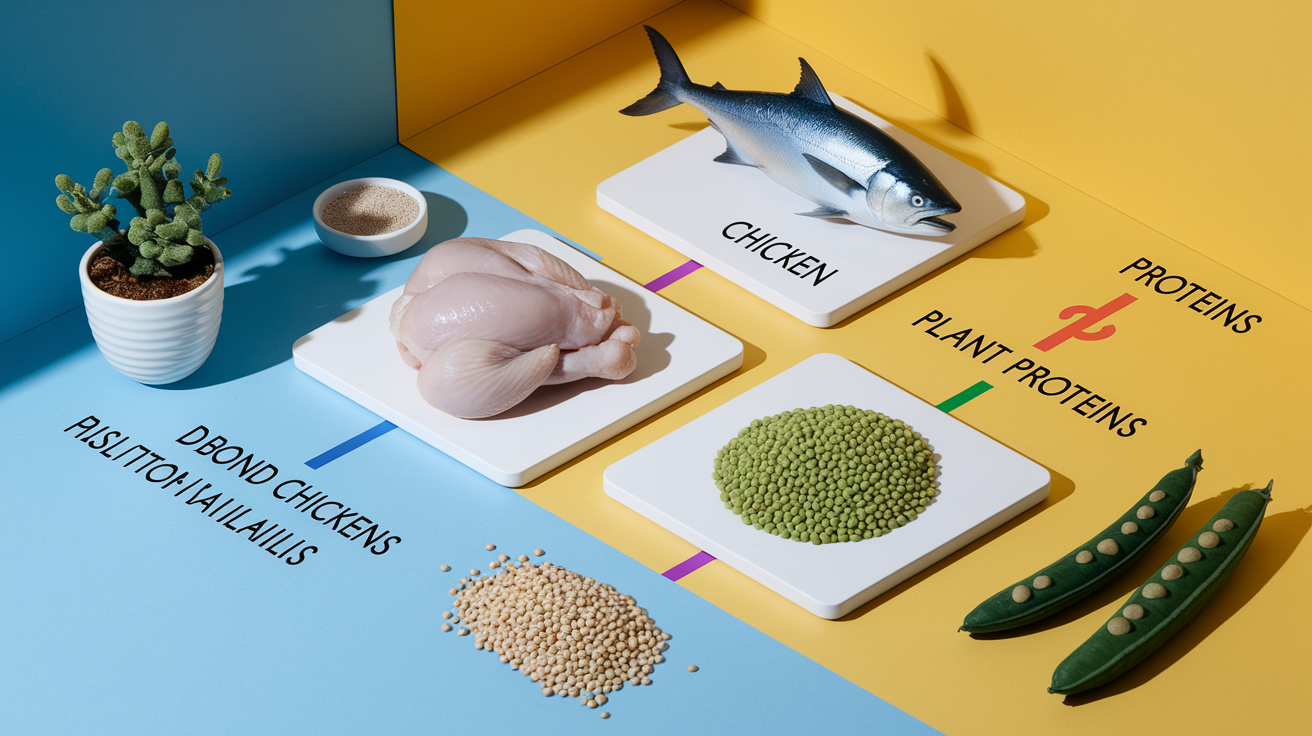
Not all protein is equal when you look at how your cat’s digestive system actually uses it. Named whole meats like deboned chicken, turkey breast, or wild caught salmon rank at the top for bioavailability, meaning your cat absorbs and uses nearly all the amino acids from those sources. Meat meals such as chicken meal or turkey meal come next. These are concentrated because they’ve had water and fat removed, so they pack more protein per gram than raw meat, and they’re stable for long term storage in dry kibble.
Then you have the less clear options. Generic terms like “meat and bone meal” or “poultry by-products” leave you guessing which animals and which parts made it into the batch. By-products can include organ meats, which are nutritious, or low value parts like beaks and feathers, which aren’t. The label won’t tell you which. Plant based proteins show up as peas, lentils, soy protein isolate, or corn gluten meal. They inflate crude protein numbers but deliver incomplete amino acid profiles and lower digestibility. Fish protein, especially from canned tuna or mackerel, is highly palatable and rich in omega 3s, but it shouldn’t serve as the primary daily protein due to sodium content and potential mercury accumulation over time. Save fish based wet foods for occasional rotation or as a topper.
| Protein Source | Digestibility | Key Benefits | Best For |
|---|---|---|---|
| Deboned chicken, turkey, lamb | Very high (85–95%) | Complete amino acids, taurine, easy to digest | All life stages, sensitive stomachs |
| Chicken meal, turkey meal | High (75–85%) | Concentrated protein, stable for kibble | Active cats, budget-conscious owners |
| Fish (salmon, tuna, mackerel) | High (80–90%) | Omega-3s, highly palatable | Rotation feeding, picky eaters (occasional) |
| Plant proteins (peas, lentils, soy) | Low to moderate (60–75%) | Affordable, grain-free filler | Budget foods only, should not be primary protein |
Wet vs Dry High Protein Cat Food: Which Format Is Better?
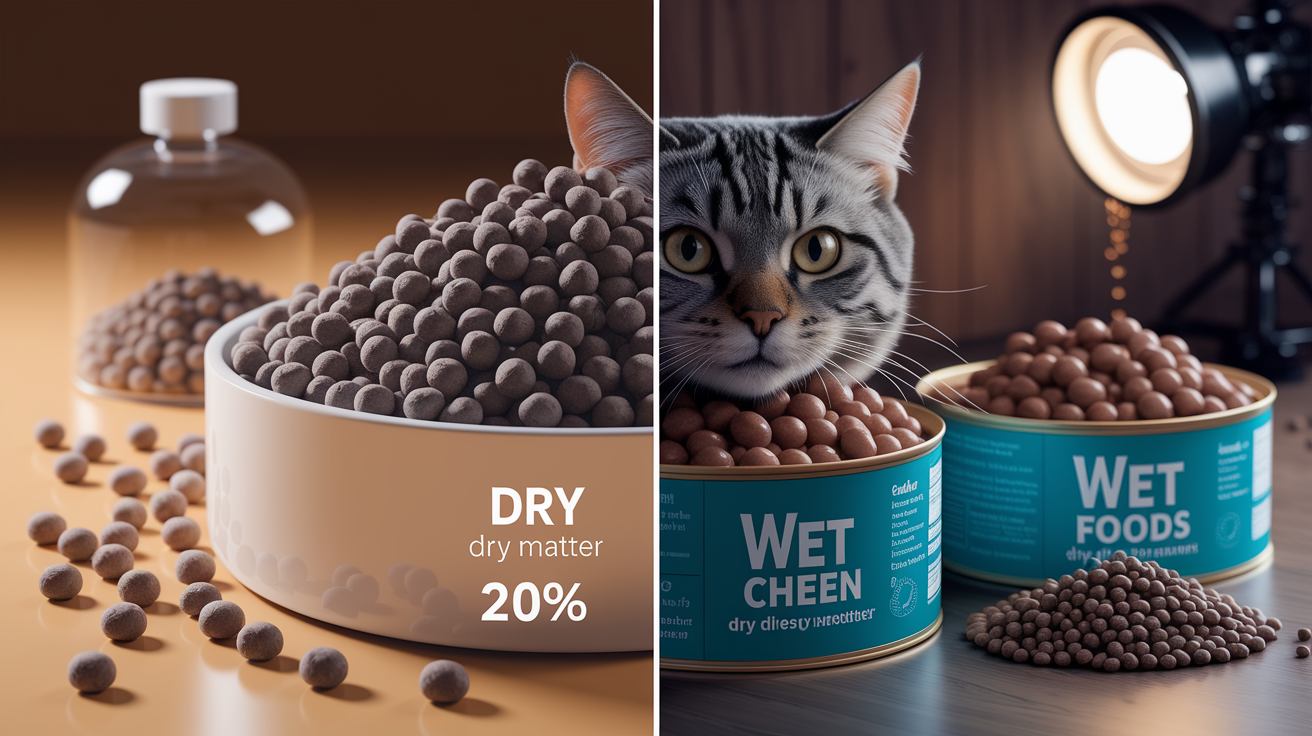
Dry high protein kibble often hits 40% crude protein or higher because manufacturers can concentrate ingredients during extrusion and remove most of the moisture. That makes it convenient for free feeding, portion measuring, and keeping in a sealed container for weeks. Wet food, on the other hand, contains 75–85% water, so the crude protein percentage looks much lower on the label, usually between 8% and 16%. When you calculate dry matter basis, though, many wet foods land between 40% and 52% protein, which rivals or beats most kibble. That extra moisture supports hydration, helps prevent urinary crystals, and makes wet food easier to chew for cats with dental issues or missing teeth.
Picky eaters and senior cats with reduced appetite usually respond better to wet food because the aroma is stronger and the texture feels closer to fresh prey. Dry kibble works well for cats who graze throughout the day, younger cats with healthy teeth, and owners who need a lower maintenance feeding routine. Many people split the difference, offering dry kibble during the day and a wet meal at night, which balances convenience, hydration, and protein intake without requiring you to choose one format forever.
Quick comparison of wet and dry high protein formats:
- Dry kibble – Convenient, stays fresh longer, supports dental scraping, good for portion control
- Wet food – Higher moisture, more palatable, easier for seniors and cats with dental pain
- Dry matter protein is often similar – A 40% dry kibble and a 12% wet food can deliver the same protein per meal once moisture is removed
- Combination feeding works well – Wet food morning and night, kibble available for grazing
- Budget matters – Dry food typically costs less per calorie, but wet food reduces veterinary costs tied to dehydration and urinary issues
High Protein Cat Food by Life Stage: Kittens, Adults, and Seniors
Kittens
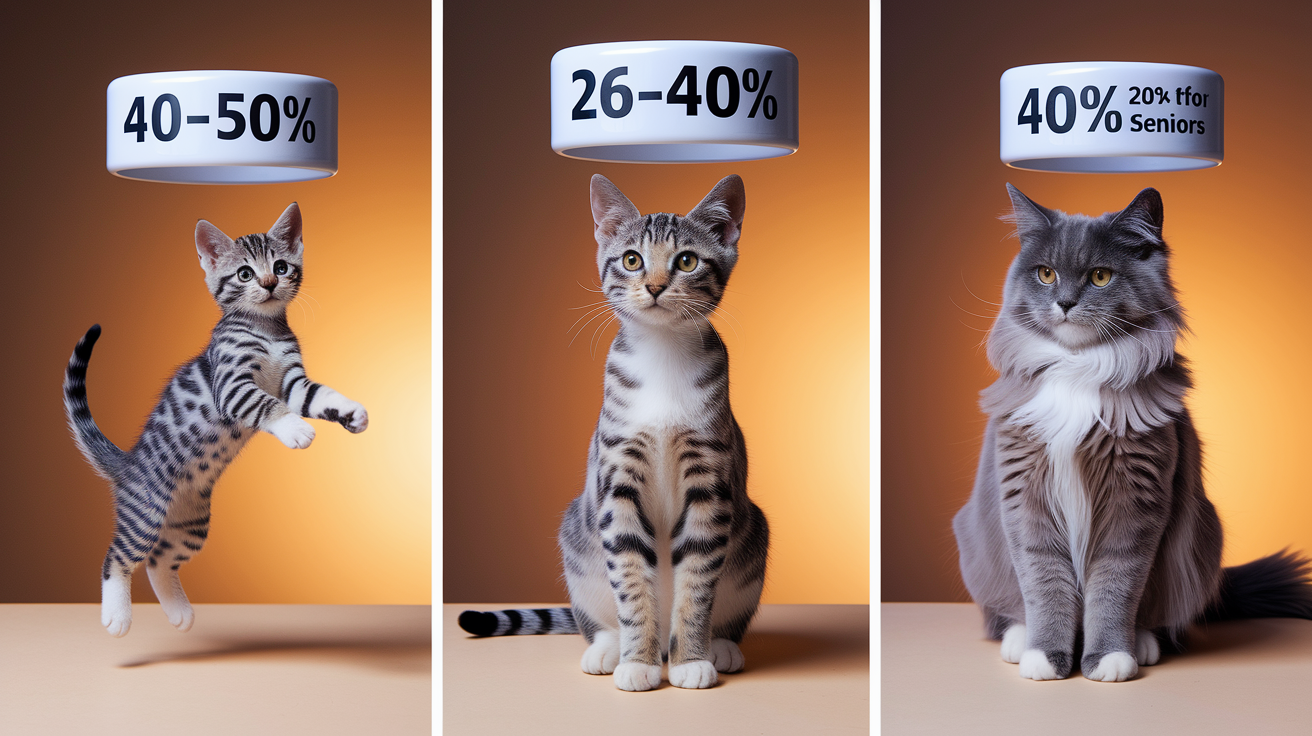
Kittens grow fast, and that means they need a lot of fuel in the form of high quality animal protein. AAFCO standards recommend at least 30% crude protein on a dry matter basis for growth, but recent feeding studies suggest kittens actually perform better on formulas closer to 40%. Their small stomachs can’t hold much volume, so every bite needs to be nutrient dense. Look for foods labeled “for growth” or “all life stages” and confirm that chicken, turkey, or another named meat sits in the first ingredient spot. Taurine and DHA, an omega 3 fatty acid that supports brain and eye development, should also appear on the label. Kittens fed too little protein can experience stunted growth, poor coat quality, and weakened immune response.
Adults
Adult cats who are spayed or neutered and living indoors generally need around 26–40% crude protein to maintain lean muscle, healthy skin, and steady energy. They’re no longer growing, so the emphasis shifts to maintenance and preventing fat accumulation. Protein becomes especially important if your adult cat is active, goes outdoors, or has a naturally high metabolism. Cats fed only 30–38% protein in long term studies showed gradual muscle loss, even when total calories were adequate. If the protein source was low quality or plant heavy, the effect was even worse. Stick with named meats, avoid foods where the first ingredient is a grain or legume, and aim for the upper half of that 26–40% range if your cat moves a lot.
Seniors
Cats over the age of 11 or 12 digest food less efficiently, which means they extract fewer amino acids from each meal compared to younger cats. That’s why senior formulas often push protein levels up to 45–50% on a dry matter basis. More protein compensates for reduced absorption and helps prevent sarcopenia, the age related loss of muscle mass. Senior foods also tend to include added taurine, omega 3 fatty acids for joint support, and lower phosphorus if kidney function is a concern. Not every senior cat needs a specialized formula, but if you notice weight loss, reduced activity, or thinning coat, a higher protein senior food is usually the first practical step before exploring medical issues.
| Life Stage | Recommended Protein (Dry Matter Basis) | Key Nutritional Focus |
|---|---|---|
| Kittens (0–12 months) | 40–50% | Growth, brain development, DHA, taurine |
| Adults (1–10 years) | 26–40% | Muscle maintenance, weight control, steady energy |
| Seniors (11+ years) | 40–50% | Prevent muscle loss, joint support, easy digestion |
Reading Cat Food Labels to Identify the Best High Protein Options
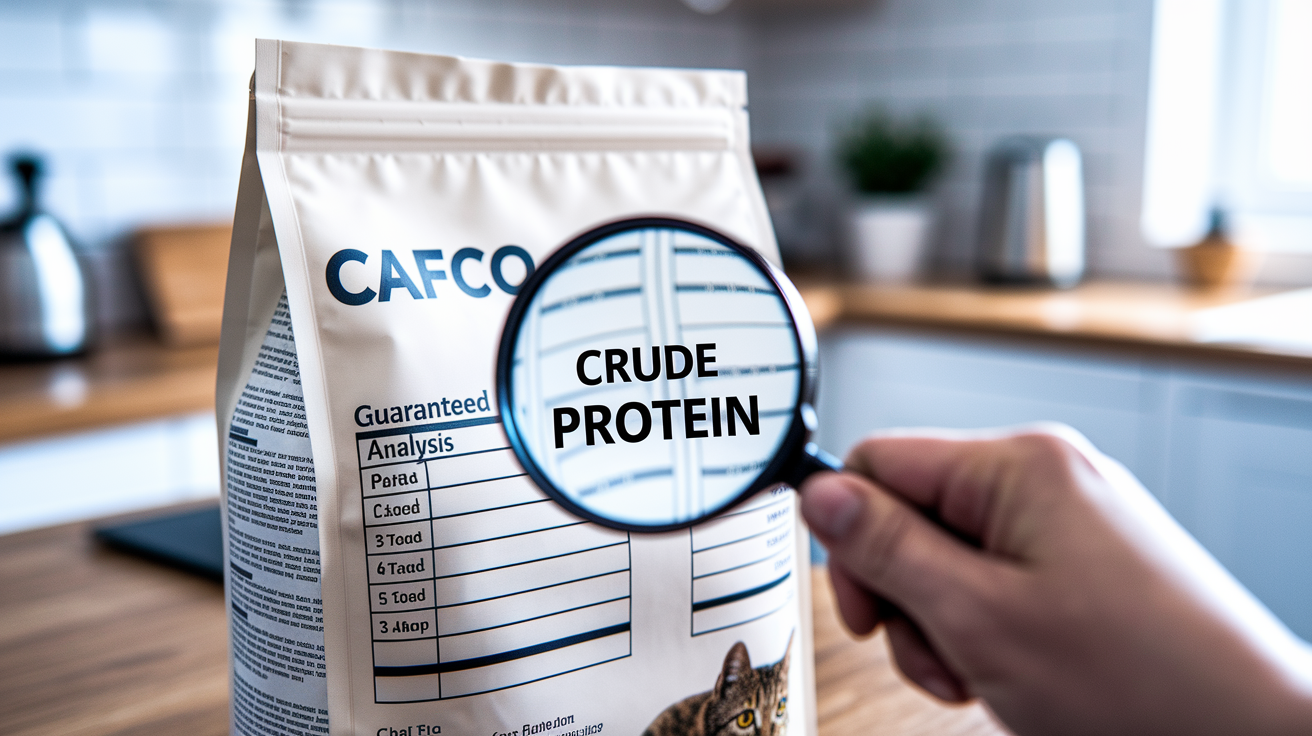
The guaranteed analysis panel on every cat food package lists crude protein as a minimum percentage. That number reflects protein content after cooking but still includes all the moisture in the formula. If you’re comparing a dry kibble to a wet pate, the kibble will always show a higher crude protein percentage, even if the wet food delivers more protein per calorie. That’s where dry matter basis calculation comes in. It removes water from the equation so you can compare apples to apples.
The first five ingredients on the label make up the bulk of what’s actually in the bag or can. If chicken or turkey appears first, that’s a good sign. If corn, wheat, or peas come before any animal protein, you’re looking at a formula that relies on plant fillers to hit its protein target. Avoid vague terms like “poultry meal” or “fish meal” without a species name. “Chicken meal” tells you what you’re getting. “Poultry meal” could be chicken, turkey, duck, or a rotating mix, and quality varies batch to batch.
AAFCO standards ensure a food meets minimum nutritional requirements for a specific life stage. Look for a statement like “formulated to meet AAFCO Cat Food Nutrient Profiles for Adult Maintenance” or “All Life Stages.” That means the formula passed either feeding trials or met the nutrient profile on paper. Both methods work, but feeding trials add an extra layer of real world confirmation.
Here’s how to calculate dry matter basis protein in six steps:
- Find the crude protein percentage on the guaranteed analysis (example: 35%)
- Find the moisture percentage on the same panel (example: 10%)
- Subtract moisture from 100 to get dry matter (100 minus 10 = 90%)
- Divide crude protein by dry matter (35 ÷ 90 = 0.389)
- Multiply by 100 to convert to a percentage (0.389 × 100 = 38.9%)
- The result, 38.9%, is the protein content on a dry matter basis, which you can now compare to any other food
High Protein Cat Food for Weight Management and Lean Muscle
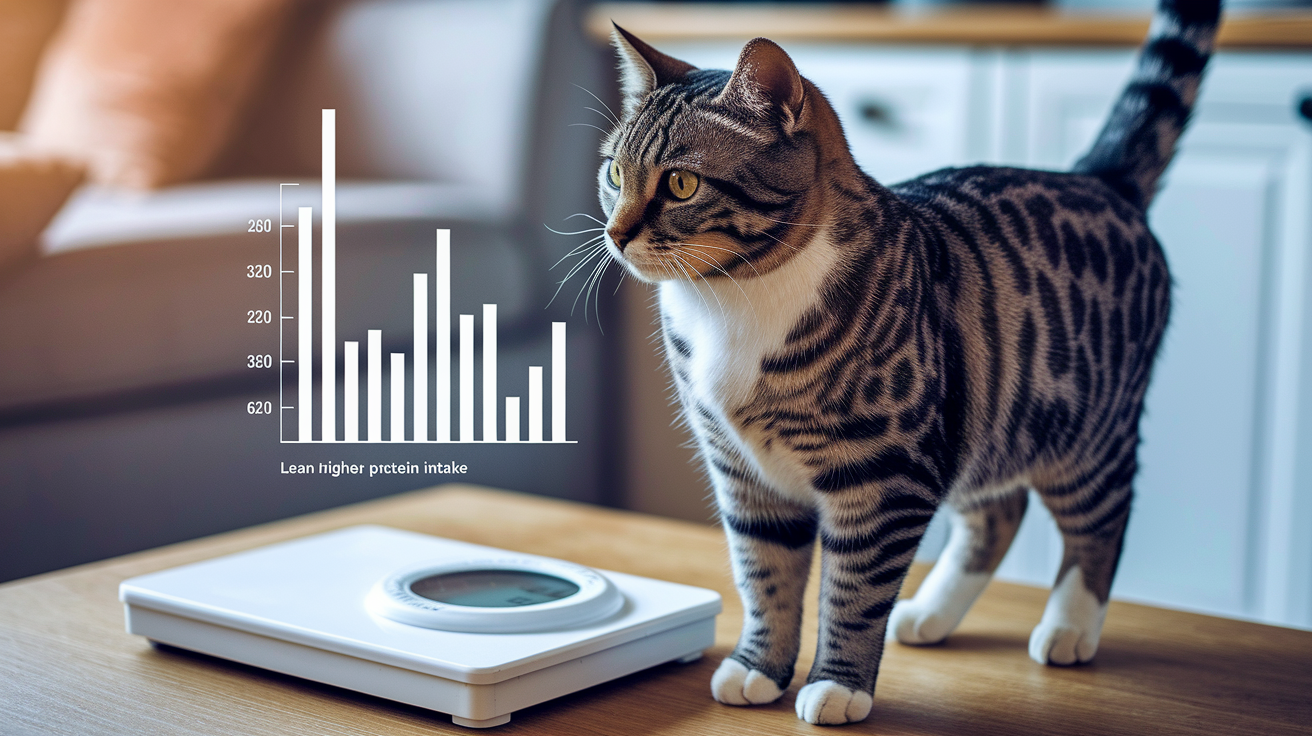
When cats need to lose weight, it might seem logical to cut fat and calories, but cutting protein too low backfires. Studies comparing 30% crude protein diets to 40% crude protein diets during weight loss found that cats on the higher protein plan lost more body fat and retained more lean muscle. The lower protein group lost weight, but a significant portion came from muscle tissue, which slows metabolism and makes it harder to keep weight off long term. Overweight cats face elevated risks for diabetes, urinary problems, oral disease, skin infections in hard to reach folds, and certain cancers. Protein helps by increasing satiety, so your cat feels full on fewer calories and is less likely to beg or scavenge between meals.
High protein diets also provide steady energy without the blood sugar spikes and crashes that come from carbohydrate heavy kibble. Cats fed 40% protein or higher tend to maintain more consistent activity levels throughout the day, which supports calorie burn and muscle tone. If you’re managing your cat’s weight, pair a high protein formula with measured portions, consistent meal times, and a reduction in treat calories. Treats should make up no more than 10% of daily intake, and it’s often easier to swap high calorie cat treats for small pieces of cooked chicken breast or freeze dried meat toppers that add protein instead of empty carbs.
Benefits of high protein feeding for weight management:
- Preserves lean muscle during calorie restriction – Cats lose fat instead of muscle when protein stays high
- Increases satiety – Protein takes longer to digest, keeping cats satisfied between meals
- Supports metabolic rate – More muscle tissue means higher baseline calorie burn
- Reduces carbohydrate driven hunger spikes – Steady blood sugar prevents the grazing urge
Special Considerations: Sensitive Stomachs, Allergies, and Medical Needs
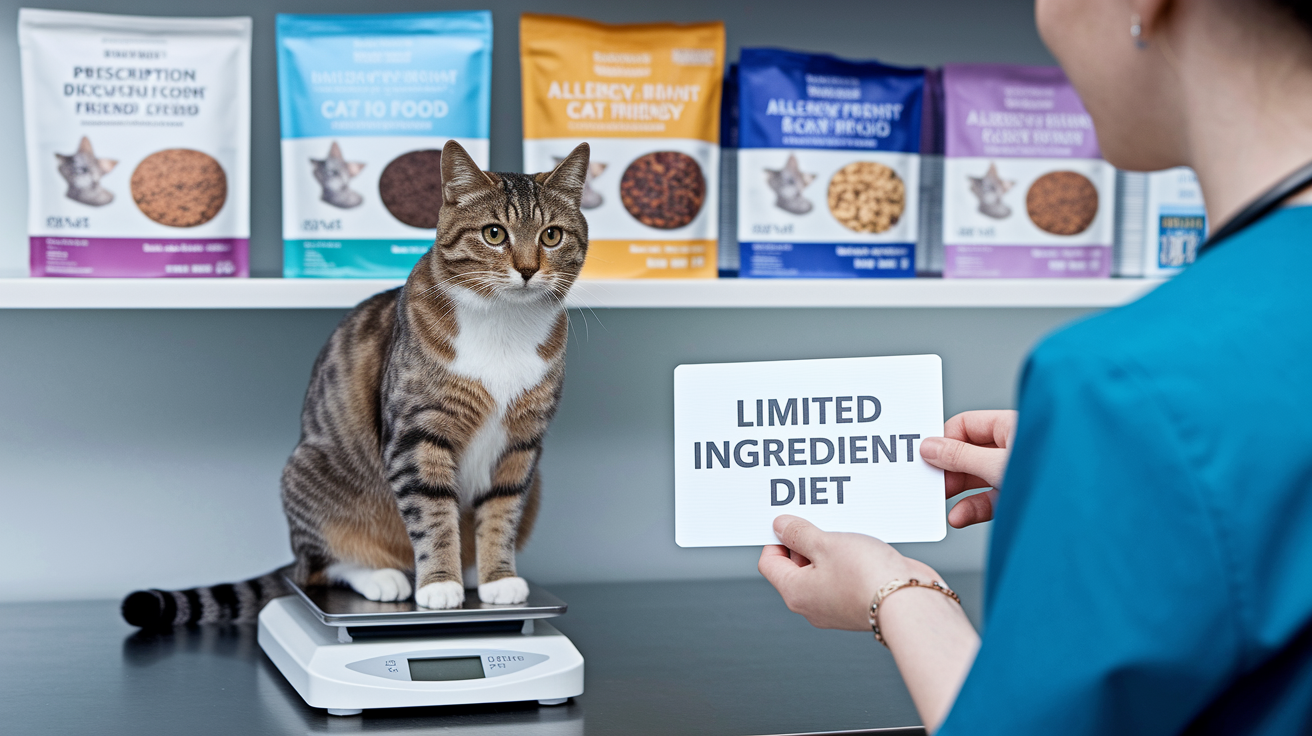
Not every cat can handle a standard high protein formula, especially if they have a history of vomiting, soft stool, or diagnosed food sensitivities. Limited ingredient diets that use a single novel protein like duck, venison, or rabbit can help identify and avoid allergens. These formulas usually keep the ingredient list short, cutting out common triggers like chicken, beef, soy, and grains. Grain free foods work well for cats with confirmed grain sensitivities, though most cats tolerate small amounts of rice or oats without issue. If you’re troubleshooting digestive problems, start with a high protein, limited ingredient wet food and monitor stool consistency, appetite, and coat condition over two weeks.
Cats with chronic kidney disease present a different scenario. Traditional advice recommended reducing protein to slow kidney damage, but newer research suggests that high quality animal protein in moderate amounts is safe and even beneficial for maintaining muscle mass. The focus shifts to phosphorus restriction and hydration support, not necessarily slashing protein. If your vet has diagnosed kidney disease, follow their specific feeding plan, which might include a prescription formula designed for renal support. Never cut protein drastically on your own, because muscle wasting accelerates in senior cats with kidney issues, and inadequate protein intake makes that worse. Work with your vet to find a formula that balances protein quality, phosphorus levels, and your cat’s individual tolerance.
Final Words
You’ve got the top-ranked options, a clear look at how protein supports cats, tips for reading labels, and guidance for life stages and special needs.
Focus on named meats and the protein percentage on a dry matter basis. Match wet or dry to your cat’s taste and age, and transition slowly while watching stool, weight, and energy.
Use the ranking and label steps here to pick the best high protein cat food for your cat. Start small this week and you’ll likely see steadier energy and a healthier coat.
FAQ
Q: What is the best high protein cat food?
A: The best high protein cat food depends on your cat’s life stage, health, and routine. Look for named meats (chicken, turkey, salmon) and high protein on a dry-matter basis—premium formulas often exceed 40%.
Q: What food is high in protein for cats?
A: Foods high in protein for cats include deboned chicken, turkey, salmon, beef, lamb, and concentrated meat meals; wet formulas also provide high animal protein, while plant proteins often lack taurine.
Q: Is higher protein cat food better?
A: Higher protein cat food is often better for kittens, active cats, and weight-loss plans, but not always for pets with kidney disease—ask your vet, monitor weight and stool, and transition slowly.
Q: What is the number one healthiest cat food?
A: There isn’t a single number one healthiest cat food; the healthiest choice fits your cat’s life stage, uses named animal proteins, shows appropriate protein on a dry-matter basis, and meets AAFCO standards.