
Ever pick a “safe” food and your dog still scratches and has a messy tummy?
Hydrolyzed protein diets take intact proteins and break them into tiny pieces your dog’s immune system usually can’t recognize.
Think of it like shredding a jigsaw puzzle so the picture disappears.
This post shows how hydrolyzed protein works, who it’s for, how vets use it in elimination trials, and the simple steps to test it safely at home.
By the end you’ll know if it could calm your dog’s itch and gut or if something else is to blame.
Understanding Hydrolyzed Protein in Dog Food (Core Definition + How It Works)

Hydrolyzed protein dog food contains proteins that’ve been chemically or enzymatically broken down into very small peptides or individual amino acids. Instead of intact protein molecules from chicken, beef, or soy, the food contains fragments so small that a dog’s immune system usually can’t recognize them as allergens. The target peptide size is typically under 3,000 daltons (often written as <3 kDa), sitting well below the threshold that triggers most allergic reactions.
Dogs normally digest proteins by breaking them into amino acids in their gut, then reassembling those building blocks into the body’s own tissues. Hydrolysis pre‑digests the protein before it ever reaches the bowl, so by the time your dog eats it, the immune system encounters only tiny, “invisible” fragments instead of whole, recognizable proteins. Think of it as taking apart a jigsaw puzzle into individual pieces before your dog’s body even sees the box. There’s no complete picture for the immune system to react against.
The hydrolysis process follows a simple sequence:
- Intact proteins (chicken, soy, fish) are isolated and purified.
- Water and specific enzymes are added to the protein mixture.
- Enzymes cleave the long protein chains at precise points, creating short peptides.
- The mixture is filtered and stabilized to ensure peptide size stays consistently small.
Not all hydrolyzed diets are created equal. Partially hydrolyzed formulas still contain some medium‑size peptides, which may work for mild sensitivities. Extensively hydrolyzed or elemental diets break proteins down nearly to free amino acids, reserved for the most severe food allergies or when multiple proteins have already triggered reactions. Prescription‑grade hydrolyzed foods undergo strict quality control to prevent contamination with intact proteins. A stray molecule of whole chicken can derail an entire elimination trial.
Why Dogs May Need Hydrolyzed Protein Food (Allergies, GI Issues, Skin Problems)
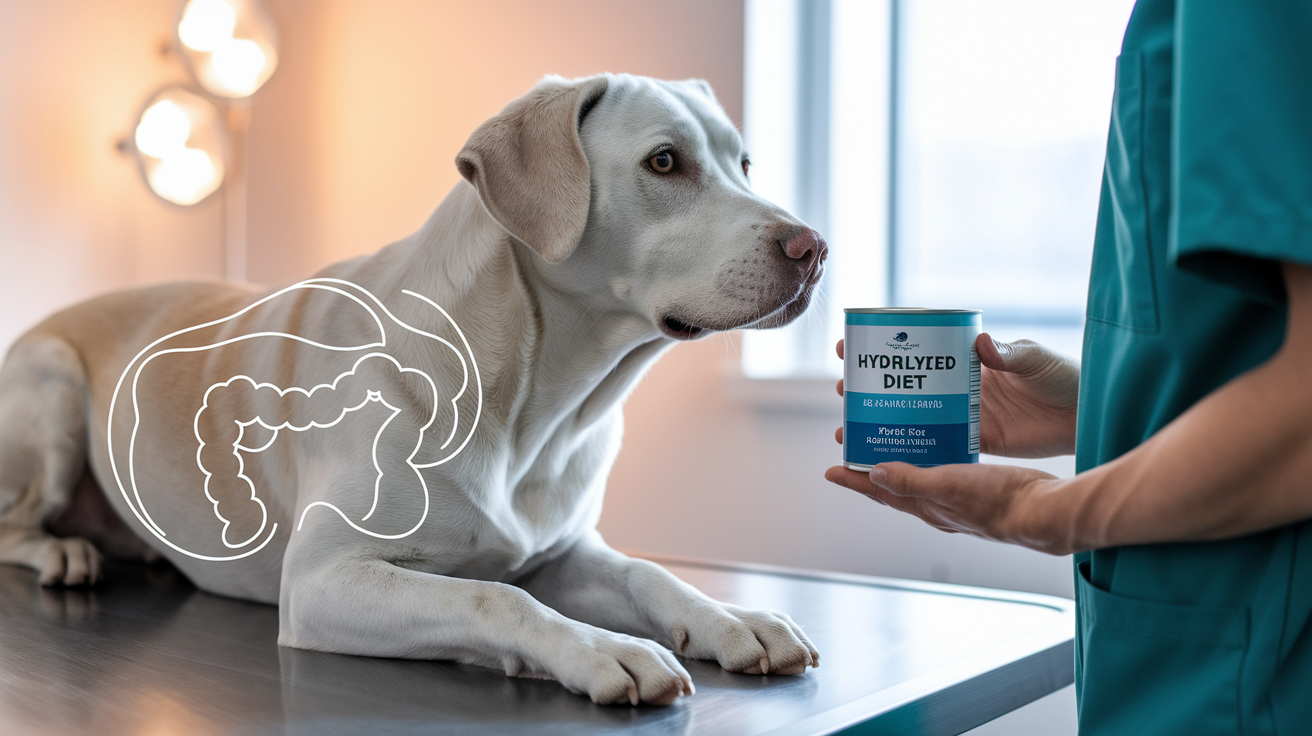
Veterinarians prescribe hydrolyzed protein diets mainly for two overlapping conditions: food allergies and inflammatory bowel disease (IBD). A dog with a food allergy has an overactive immune response to one or more proteins in the diet, most often chicken, beef, dairy, or eggs. The immune system mistakes harmless dietary protein for a threat and launches an inflammatory attack that shows up as itchy skin, ear infections, digestive upset, or all three at once.
IBD involves abnormal, persistent inflammation in the gastrointestinal tract. While the exact cause varies, diet plays a significant role in many cases, and switching to a hydrolyzed formula can calm the gut lining enough to restore normal digestion and absorption. Some dogs have both food allergies and IBD, making it tricky to tease apart the root cause without a carefully controlled diet trial.
Signs often begin before a dog turns one year old, though allergies and sensitivities can appear at any age. Certain breeds show up more often in vet allergy clinics. Labrador Retrievers, Golden Retrievers, Cocker Spaniels, and German Shepherds lead the list. Boxers and German Shepherds also carry higher genetic risk for IBD. If your dog fits one of these breeds and shows chronic symptoms, a hydrolyzed diet trial is often one of the first diagnostic steps your vet will suggest.
Common clinical signs that may prompt a hydrolyzed diet trial:
- Generalized itching or localized scratching at the feet, ears, or face
- Recurrent skin infections, hot spots, or ear infections that return shortly after treatment
- Chronic vomiting, diarrhea, or excessive gas
- Hair loss, red patches, or open sores from constant licking
- Weight loss, changes in appetite, or unusually noisy gut sounds (borborygmi)
Hydrolyzed Protein Diets and Food Allergy Diagnosis (Elimination Trials)
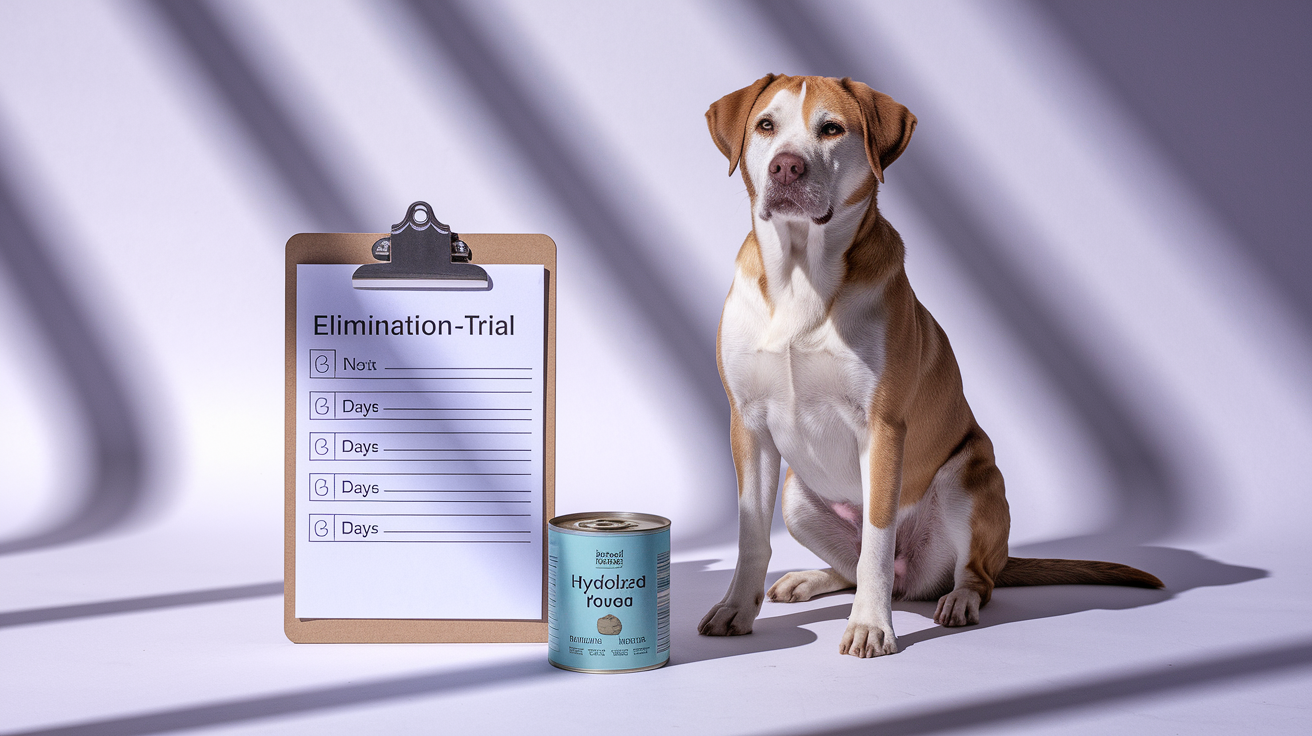
A food‑elimination trial is the gold standard for diagnosing food allergies in dogs. The protocol is straightforward but demands strict adherence: feed one hydrolyzed or novel‑protein diet (and nothing else) for eight to twelve weeks, then reintroduce the old food under veterinary supervision. If symptoms improve during the trial and flare when you bring back the previous diet, you’ve confirmed a food allergy.
Hydrolyzed diets work well for elimination trials because they sidestep the guesswork of which specific protein is the problem. A novel‑protein diet (kangaroo, venison, rabbit) only works if your dog has truly never eaten that protein before, and cross‑contamination in over‑the‑counter foods can sabotage results. Hydrolyzed formulas break the protein into pieces too small to trigger a reaction, regardless of the original source.
Most dogs show some improvement within two to four weeks if food is the culprit, but you need the full eight to twelve weeks to see maximum benefit. Skin takes longer to heal than the gut, so even if diarrhea resolves quickly, itching may linger for several more weeks as inflammation fades and the skin barrier repairs itself.
Standard elimination trial protocol:
- Select a hydrolyzed or novel‑protein diet with your veterinarian’s guidance (prescription‑grade formulas reduce contamination risk).
- Feed only that food for the entire trial period. No treats, table scraps, flavored medications, or chews.
- Transition gradually over seven to ten days unless your vet recommends an immediate switch for severe symptoms.
- Monitor symptoms weekly: track scratching frequency, stool consistency, energy level, and any skin changes.
- Complete the full eight to twelve weeks even if you see early improvement. Partial responses can mislead.
- Reintroduce the old food for one to two weeks under veterinary supervision. If symptoms return, food allergy is confirmed.
Hidden protein sources are the most common reason trials fail. Flavored heartworm pills, dental chews, peanut‑butter pill pockets, and even the crumbs your toddler drops at dinner can contain enough intact protein to keep the immune system firing. Store all treats out of reach, inform every family member and visitor about the no‑food rule, and ask your vet for unflavored medication alternatives.
Benefits of Hydrolyzed Protein for Allergic and Sensitive Dogs
Hydrolyzed protein diets reduce allergic reactions by presenting the immune system with peptides too small to bind to IgE or IgG antibodies, the molecules responsible for triggering allergic inflammation. When the immune system can’t recognize a threat, it stays quiet, and symptoms fade. Many dogs experience noticeable digestive improvements within the first few weeks: less gas, firmer stools, reduced vomiting, and a calmer belly.
For dogs with allergic dermatitis, hydrolyzed diets address the internal driver of itching and infections. Skin heals more slowly than the gut, but over weeks to months owners typically see fewer hot spots, less ear debris, regrowth of hair in previously bald patches, and a dog that finally stops the constant paw‑licking and face‑rubbing. Some prescription hydrolyzed formulas (like certain Hill’s varieties) include elevated levels of omega‑3 and omega‑6 fatty acids specifically to support skin‑barrier repair and reduce inflammation from the outside in.
Primary benefits of hydrolyzed protein diets:
- Minimizes immune recognition of dietary protein, reducing allergic flare‑ups
- Supports faster resolution of gastrointestinal symptoms (vomiting, diarrhea, gas)
- Helps manage chronic skin conditions and recurrent ear infections
- Provides a clean diagnostic baseline during elimination trials to pinpoint food triggers
Comparing Hydrolyzed Dog Food to Regular and Novel-Protein Diets
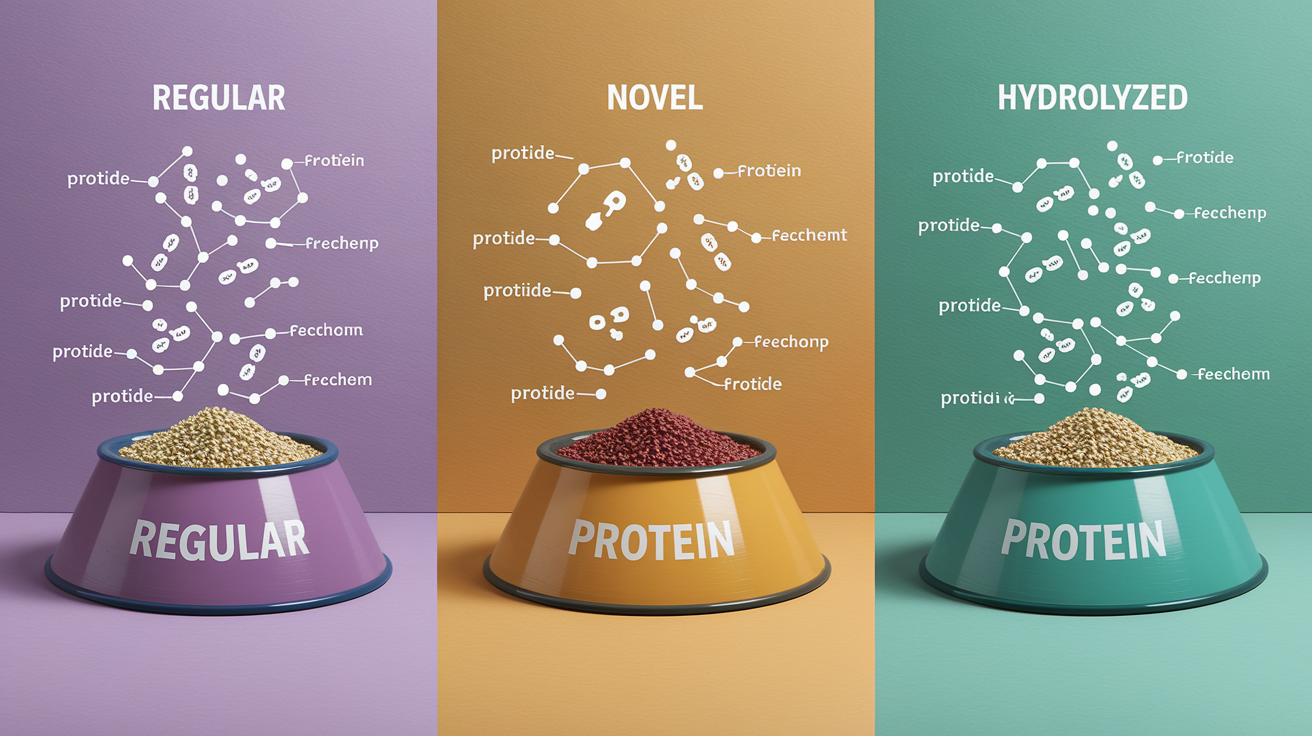
Hydrolyzed diets, regular intact‑protein foods, and novel‑protein limited‑ingredient diets each take a different approach to managing food sensitivities. Regular commercial dog foods use whole proteins (chicken meal, beef, lamb) that are fully intact and readily recognized by the immune system. If your dog is allergic to any of those proteins, a regular diet will keep the reaction going indefinitely.
Novel‑protein diets swap common proteins for less‑familiar sources like duck, venison, kangaroo, or rabbit, betting that your dog’s immune system has never been exposed to that particular protein and therefore won’t react. This strategy works beautifully when the novel protein truly is novel and the food is free from cross‑contamination. Unfortunately, many over‑the‑counter “limited ingredient” foods test positive for undeclared proteins due to shared manufacturing equipment, which is why prescription novel‑protein diets generally perform better in clinical trials.
Hydrolyzed diets bypass the whole question of which protein by breaking all proteins into unrecognizable fragments. Even if the base protein is chicken or soy (two of the most common canine allergens), hydrolysis renders it immunologically invisible. Wet (canned) and dry (kibble) hydrolyzed formulas deliver the same small peptides. The main differences are moisture content (helpful for dogs who don’t drink enough), palatability (some picky dogs prefer wet), and calorie density (wet foods are bulkier per calorie, which can help with satiety).
| Diet Type | How It Works | Ideal For |
|---|---|---|
| Regular (intact protein) | Whole proteins (chicken, beef, lamb) remain intact and fully recognizable to the immune system | Healthy dogs without food sensitivities; not suitable during allergy trials |
| Novel protein | Uses a single, unfamiliar protein source the dog has never eaten (venison, kangaroo, duck) | Dogs with confirmed sensitivity to common proteins; requires strict ingredient purity to succeed |
| Hydrolyzed protein | Proteins enzymatically broken into peptides <3 kDa, too small for immune recognition | Diagnostic elimination trials; dogs with multiple protein sensitivities; severe food allergies or IBD |
| Elemental (amino acid) | Free amino acids only, no peptides; most hypoallergenic option available | Extremely severe cases unresponsive to standard hydrolyzed diets; rare use |
Common Hydrolyzed Protein Sources (Chicken, Soy, Fish)
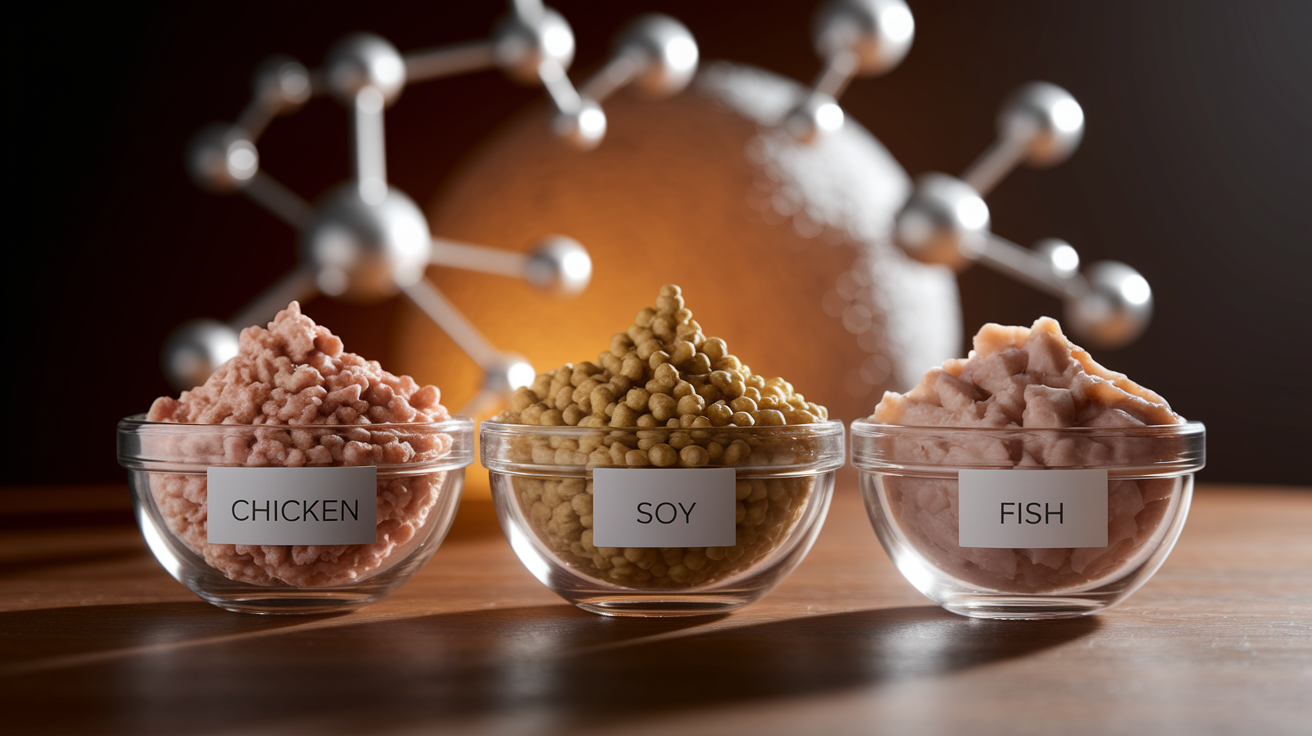
Hydrolyzed proteins can originate from animal or plant sources, and the starting material matters less than the final peptide size. Hydrolyzed chicken is one of the most widely used bases in veterinary diets because chicken protein hydrolysates consistently break down into uniform, small peptides and provide a complete amino‑acid profile for long‑term feeding. Even though whole chicken is a top canine allergen, hydrolyzed chicken peptides are generally well tolerated because the immune system no longer recognizes the fragmented protein.
Hydrolyzed soy is the go‑to plant‑based hydrolysate, especially in formulas marketed as vegetarian or for dogs with sensitivities to all common animal proteins. Soy provides all essential amino acids and hydrolyzes predictably, making it a reliable foundation for prescription hypoallergenic diets. Some owners worry about soy due to internet myths, but extensively hydrolyzed soy has decades of safe clinical use in both human infant formulas and veterinary nutrition.
Hydrolyzed fish proteins (often from salmon or whitefish) offer an alternative amino‑acid profile and bring along naturally occurring omega‑3 fatty acids that support skin and coat health. Fish‑based hydrolysates are less common than chicken or soy but show up in formulas designed for dogs with both food allergies and inflammatory skin conditions. Regardless of the source, what matters most is the hydrolysis process: consistent peptide size, rigorous quality control, and absence of intact protein contamination.
Best Hydrolyzed Protein Dog Food Brands (Veterinary Formulas)
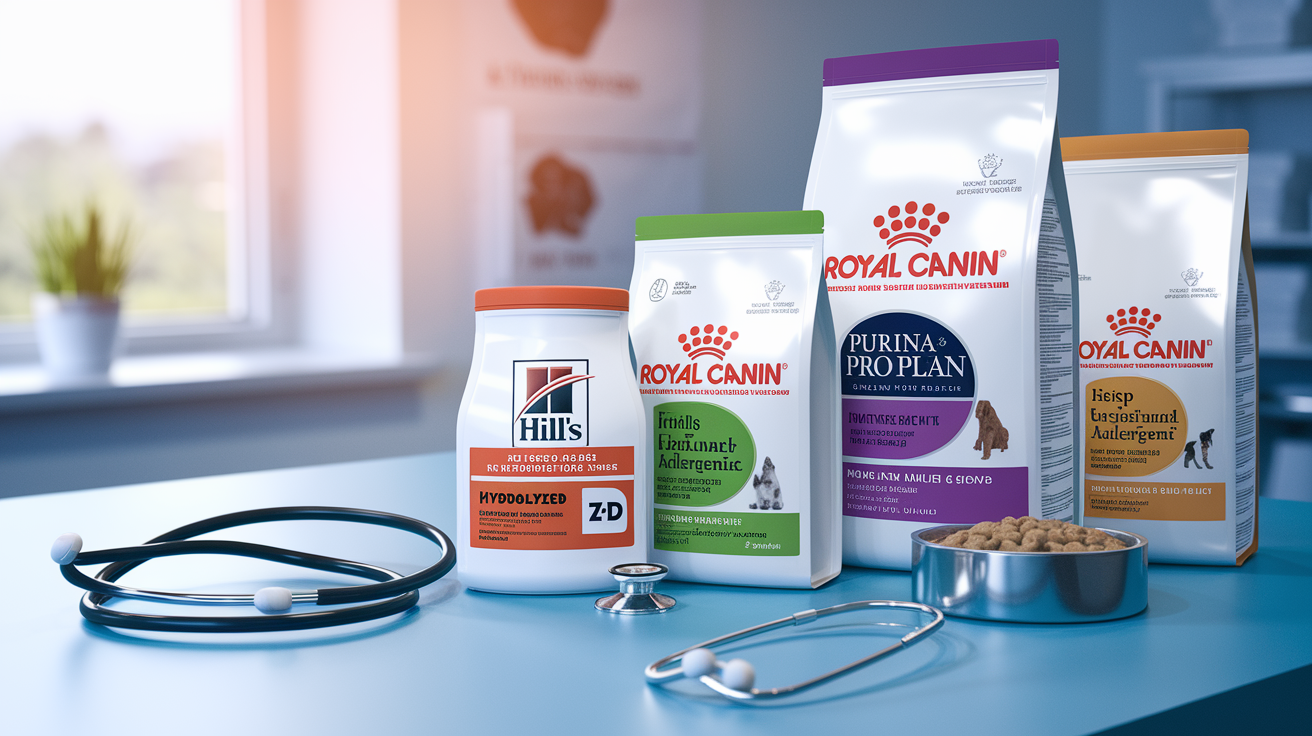
Prescription hydrolyzed diets dominate the market for good reason. They’re manufactured under strict quality‑control protocols that minimize the risk of stray intact proteins sneaking into the final product. A single batch of contaminated food can undo weeks of careful elimination‑trial work, which is why most veterinary dermatologists and internists recommend sticking with the major prescription brands that have proven track records and transparent testing standards.
Commonly prescribed hydrolyzed protein dog foods:
- Hill’s Prescription Diet z/d: Uses hydrolyzed chicken liver as the primary protein source and includes elevated levels of omega‑3 and omega‑6 fatty acids to support skin‑barrier repair. Available in both dry kibble and canned formulas.
- Royal Canin Hydrolyzed Protein: Offers multiple hydrolyzed formulas under the Hydrolyzed Protein (HP) and Ultamino lines. Ultamino is reserved for the most severe or refractory cases and uses an extremely low‑molecular‑weight hydrolysate.
- Purina Pro Plan Veterinary Diets HA (Hydrolyzed): A soy‑based hydrolyzed formula that is both hypoallergenic and vegetarian, making it useful for dogs with multiple animal‑protein sensitivities. Consistently low peptide size and high palatability scores in clinical use.
- Royal Canin Anallergenic: Contains a mix of hydrolyzed poultry protein and free amino acids. Designed for dogs that failed trials on standard hydrolyzed diets and need near‑elemental nutrition.
Prescription‑grade diets matter because over‑the‑counter “hypoallergenic” foods often lack independent testing for protein contamination. Studies have found undeclared proteins in a significant percentage of non‑prescription limited‑ingredient and hydrolyzed foods, which can sabotage both diagnosis and long‑term management. If your veterinarian writes a prescription for a specific hydrolyzed diet, that recommendation is backed by controlled manufacturing, batch testing, and clinical evidence. Not marketing claims.
Cost Considerations for Hydrolyzed Protein Dog Food

Hydrolyzed diets are more expensive than standard commercial dog foods, and the price gap widens as bag size increases. Expect to pay roughly $30 to $70 for a small bag (4–10 lb), $50 to $100 for a medium bag (12–15 lb), and $80 to $160 for a large bag (20–24 lb). Canned hydrolyzed formulas typically run $3 to $6 per 12.5‑ounce can. Prices vary by brand, retailer, and region, and prescription diets must be purchased through veterinary clinics or vet‑authorized online pharmacies, which limits your ability to shop around for discounts.
For a 50‑pound dog eating about two cups of kibble per day, a large bag might last three to four weeks, putting monthly food costs in the $80–$160 range compared to $30–$60 for a similar‑quality regular kibble. The cost stings, especially if your dog needs the diet long‑term or for life. But compare that expense to the cumulative cost of failed treatments: repeated vet visits for ear infections, multiple rounds of antibiotics, antifungal medications, steroid prescriptions, medicated shampoos, and the indirect costs of a miserable, itchy dog who can’t sleep through the night.
Strategies to reduce hydrolyzed diet costs:
- Ask your veterinarian if a successful elimination trial can be followed by a high‑quality novel‑protein maintenance diet once you’ve identified the trigger protein (works only if contamination risk is low and the novel protein is truly novel).
- Buy the largest bag size your dog will consume within the food’s shelf life to capture per‑pound savings.
- Check whether your vet clinic offers a prescription‑diet rewards program, manufacturer rebates, or multipack discounts on canned formulas. Some practices will price‑match vet‑authorized online retailers if you ask.
How to Transition Your Dog to a Hydrolyzed Diet
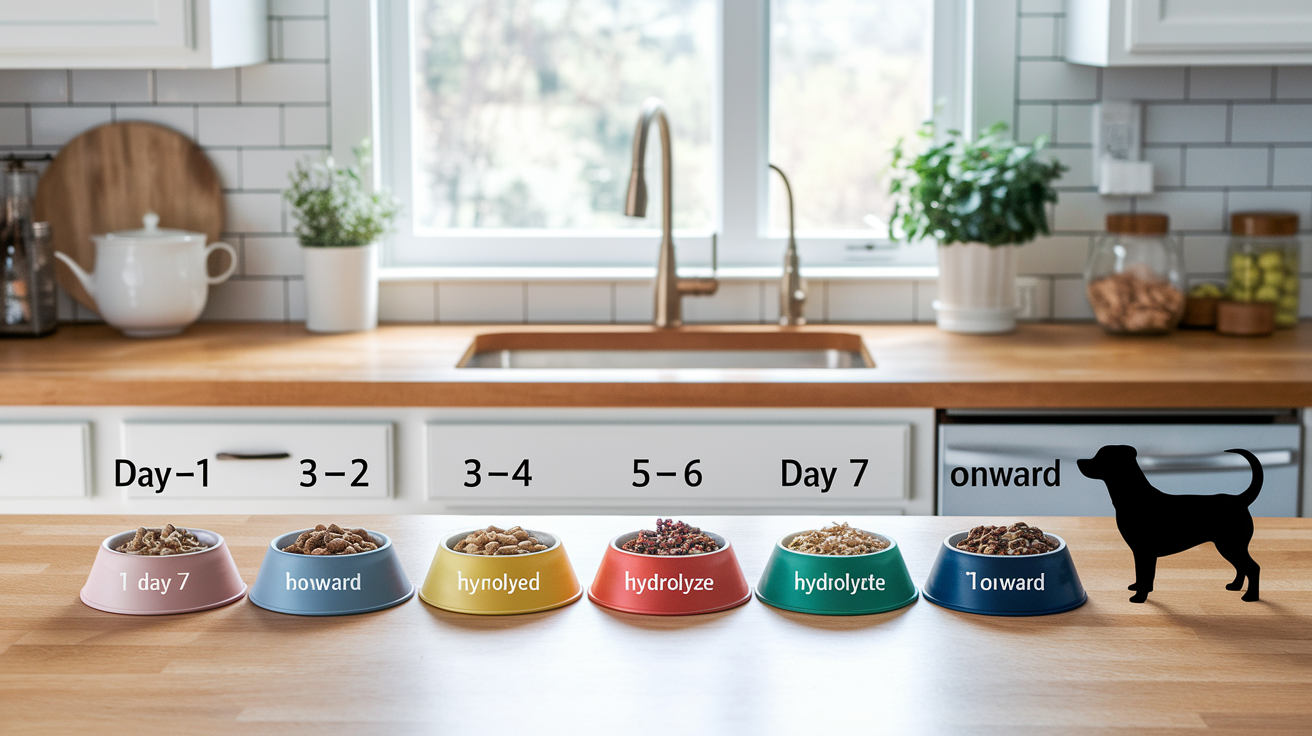
Most dogs tolerate a gradual transition over seven to ten days with minimal digestive upset. Start by mixing a small amount of the new hydrolyzed food with the current diet, then slowly increase the proportion of new food while decreasing the old. If your dog has severe, acute gastrointestinal symptoms (persistent vomiting or bloody diarrhea), your veterinarian may recommend skipping the transition and switching immediately to give the gut a clean slate.
During an elimination trial, you can’t add palatability enhancers, mix in wet food from a different formula, or offer any treats or table scraps. The trial succeeds or fails based on absolute dietary exclusivity. If your dog turns up his nose at the hydrolyzed kibble, try offering it in a quiet, low‑distraction environment, slightly warmed, or moistened with warm water to release aroma. Some dogs adjust within a day or two. Others take a week of stubborn sit‑ins before hunger wins.
Standard transition steps:
- Days 1–2: Mix 25% new hydrolyzed food with 75% old food.
- Days 3–4: Increase to 50% new, 50% old.
- Days 5–6: Shift to 75% new, 25% old.
- Day 7 onward: Feed 100% hydrolyzed diet exclusively for the remainder of the trial.
- Monitor stool, energy, and symptoms daily. If diarrhea or vomiting occurs, slow the transition or consult your vet.
Most prescription hydrolyzed diets include a feeding chart on the bag based on your dog’s current weight. As a rough starting point, adult dogs at a healthy weight need about 30 calories per pound per day, so a 40‑pound dog requires roughly 1,200 calories daily. Check the calorie content per cup on the label, measure portions with a standard measuring cup (not a coffee mug), and adjust up or down based on body condition, activity level, and whether your dog is maintaining, gaining, or losing weight over the first few weeks.
Potential Drawbacks and Side Effects of Hydrolyzed Diets
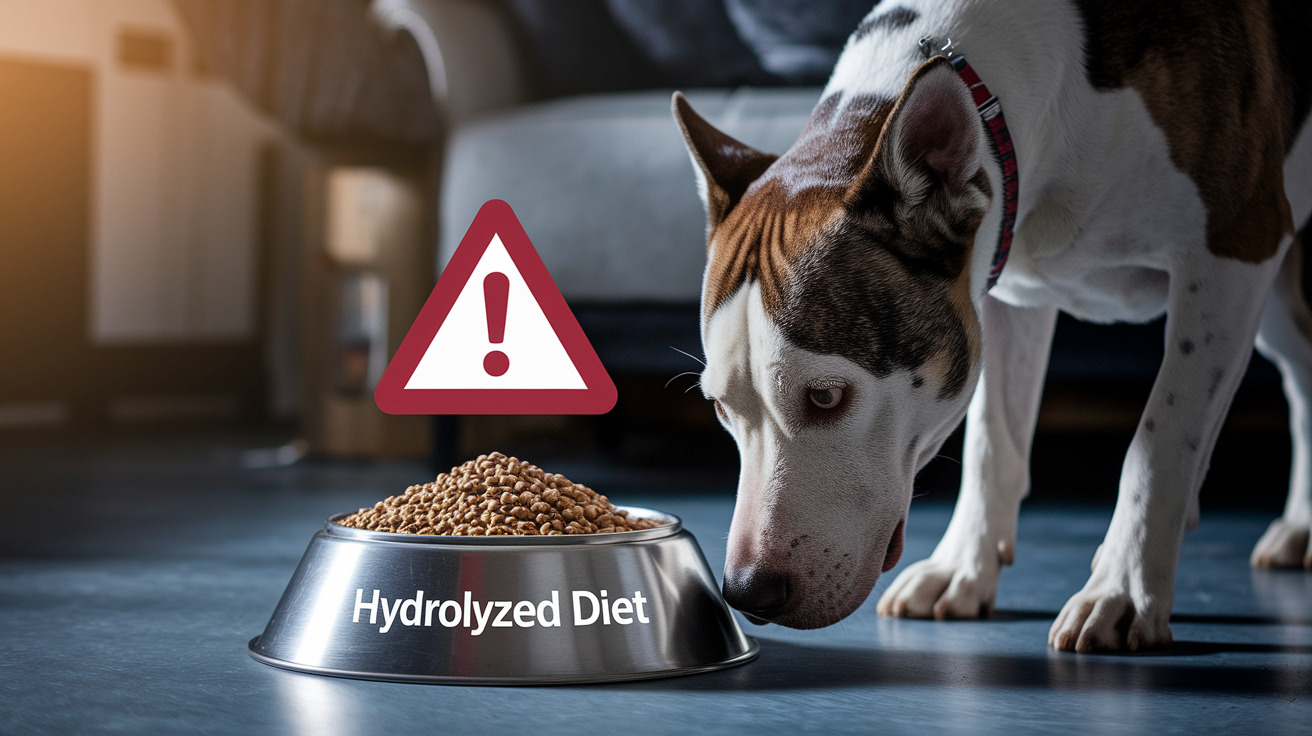
Palatability ranks as the most common complaint. Hydrolyzed proteins lack the rich, meaty aroma and flavor of intact chicken or beef, and some dogs flat‑out refuse to eat them at first. Manufacturers add fats and flavor enhancers where possible, but the options are limited when the goal is to eliminate all potential allergens. If your dog is a picky eater under normal circumstances, expect some initial resistance and be prepared to wait out a brief hunger strike. Most dogs cave within 24 to 48 hours when no alternatives appear.
Long‑term adherence can feel restrictive. If the elimination trial confirms a food allergy, your dog may need to stay on a hydrolyzed or novel‑protein diet indefinitely. That means no more sharing bites of your dinner, no training treats from the pet store, no rawhides or bully sticks, and careful label‑reading on every supplement and medication. It’s doable, but it requires a mindset shift and buy‑in from everyone in the household.
Hydrolyzed diets sold over the counter or made at home carry significant risk. Over‑the‑counter products often lack the rigorous peptide‑size testing and contamination controls of prescription formulas, and homemade hydrolysis is essentially impossible to execute safely in a home kitchen. You can’t control peptide size, ensure sterility, or balance nutrients for long‑term feeding.
Main drawbacks of hydrolyzed diets:
- Lower palatability and aroma compared to regular foods. Some dogs resist initially
- Higher cost per pound than standard kibble. Ongoing expense if needed long‑term
- Requires strict compliance. Small lapses (a single treat, flavored pill) can restart allergic reactions
- Over‑the‑counter and DIY versions may contain incomplete hydrolysis or contamination, leading to trial failure
When to Consult a Veterinarian About Hydrolyzed Diets
Chronic itching that doesn’t respond to flea control and basic hygiene, recurrent ear infections that keep coming back a few weeks after treatment ends, and persistent vomiting or diarrhea lasting more than a couple of days all warrant a veterinary visit before you try a hydrolyzed diet on your own. Food allergies and IBD mimic other conditions (parasites, environmental allergies, hormonal imbalances, bacterial overgrowth), and jumping straight to a diet change without proper diagnostics can mask the real problem and delay effective treatment.
Your veterinarian will perform a physical exam, review your dog’s history, and may recommend preliminary tests like fecal exams, skin scrapings, or bloodwork to rule out other causes. If food allergy or IBD rises to the top of the list, your vet will prescribe a specific hydrolyzed diet, outline the elimination‑trial protocol, and schedule recheck appointments to monitor progress. If your dog shows no improvement after four to eight weeks of strict adherence, or if symptoms are severe (bloody diarrhea, significant weight loss, intense unrelenting itch), further workup may be necessary. Possibly including referral to a veterinary dermatologist or internist, endoscopy, or biopsy.
Red‑flag symptoms requiring immediate veterinary attention:
- Acute facial swelling, difficulty breathing, or collapse (possible anaphylactic reaction)
- Bloody or black tarry stools, or vomiting blood
- Rapid, unexplained weight loss or complete refusal to eat for more than 24 hours
Final Words
You now know what hydrolyzed protein is, why vets use it, and how elimination trials work. We covered benefits, common protein sources, brand options, costs, how to transition, and possible downsides. Watch stool, skin, appetite, and give a trial enough time to show results.
If your dog has itch or tummy trouble, talk to your vet about prescription hydrolyzed protein dog food and a strict elimination plan. Small, steady steps. Measure meals, skip treats, and track progress. Those simple habits usually lead to clearer answers and better comfort for your dog.
FAQ
Q: Is hydrolyzed protein good for dogs?
A: Hydrolyzed protein is good for dogs with food allergies or sensitive stomachs because it breaks proteins into tiny peptides, lowering immune reactions and often reducing itchiness, vomiting, or diarrhea within weeks.
Q: How long can a dog stay on a hydrolyzed protein diet?
A: A dog can stay on a hydrolyzed protein diet as long as needed; many dogs remain on it long-term when it controls symptoms, but start with an 8–12 week vet-supervised trial to confirm benefit.
Q: What can I feed my dog instead of hydrolyzed protein dog food?
A: Instead of hydrolyzed food, try a novel-protein diet (one your dog hasn’t eaten), a limited-ingredient commercial formula, or a vet-planned home-cooked elimination diet, always under veterinary supervision during trials.
Q: What brands make hydrolyzed protein dog food?
A: Hill’s Prescription Diet z/d, Royal Canin Hydrolyzed and Ultamino, and Purina Pro Plan Veterinary Diets HA are common hydrolyzed formulas; they’re usually prescription-only and prescribed by vets for elimination trials.