

Think a freeze dried raw dog food topper is just an expensive snack?
Think again.
These concentrated bits of meat, organs, and bone can add real protein, flavor, and nutrients without switching your dog’s whole diet, but they also pack calories and need safe processing.
If you want a quick boost for a picky eater, extra protein for an active dog, or a healing meal after illness, you’ll need a topper that fits your dog’s size, calorie goals, and household safety.
This post breaks down benefits, top brands, and buying tips so you can choose wisely.
What Freeze Dried Raw Dog Food Toppers Are and How to Choose the Right One
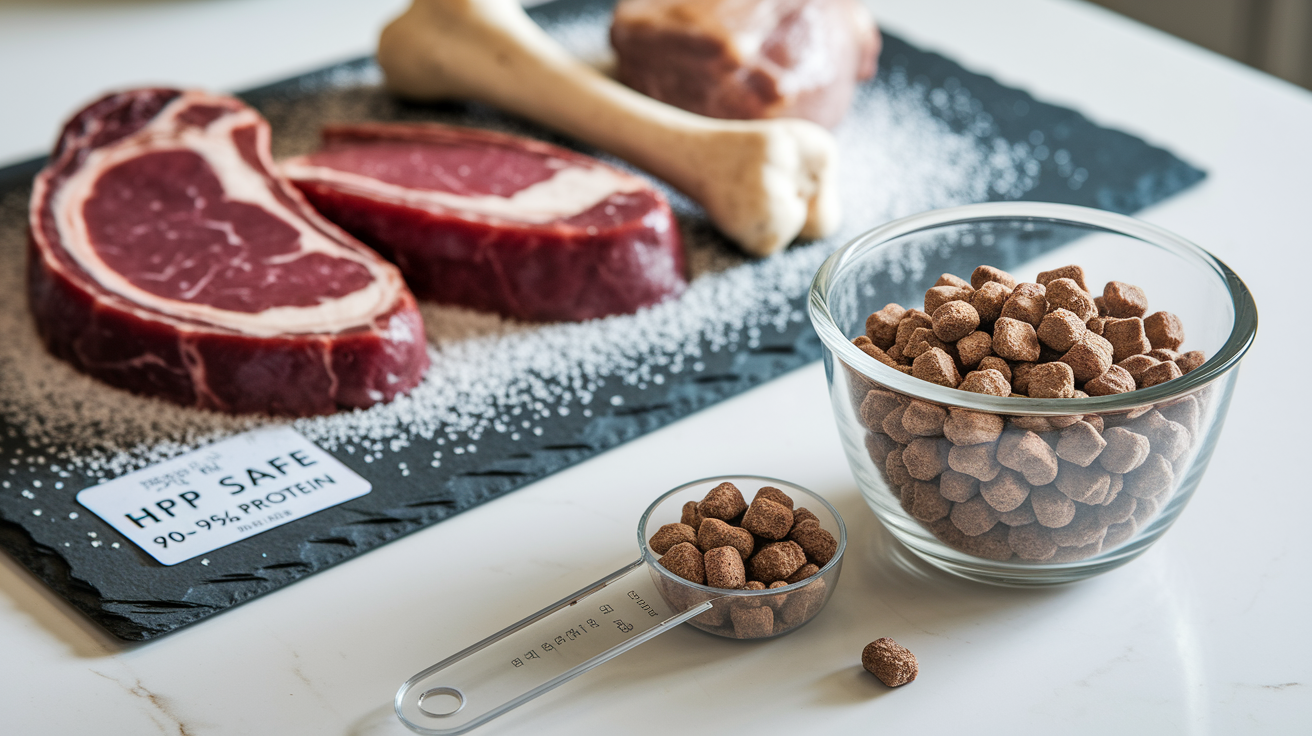
Freeze dried raw dog food toppers are concentrated protein supplements made from raw meat, organs, and bone that get frozen and then dried at low temperatures. This keeps nutrients, enzymes, and flavor locked in while removing moisture. Most contain 90–95% raw animal protein with organs and bone mixed in. They come as nuggets, crumbles, or loose pieces you can serve dry, crumble over kibble, or rehydrate with water or bone broth. Think of them as meal enhancers that boost protein, flavor, and nutrition on top of your dog’s regular food.
When you’re choosing a freeze dried raw topper, focus on protein percentage, calorie density, and processing safety. The best options tested have anywhere from 154 to 312 calories per cup, so you’ve got to measure carefully to stay under that 10% daily calorie guideline. Look for products using high pressure processing (HPP) to eliminate pathogens. That’s a safety step protecting both dogs and people. Format matters too. Nugget sized pieces work well for training and puzzle toys, while crumbles or powders coat kibble more evenly. Check whether the topper is meant as a supplement or meets AAFCO standards as a complete meal, because that changes how you feed it.
Freeze dried toppers help when your dog needs more protein, extra palatability, or a mealtime boost. They’re useful for dogs who eat slowly, dogs recovering from illness, or dogs who’ve lost interest in their regular food. Just remember to rule out health issues with your vet before relying on toppers to fix appetite problems. Day to day appetite fluctuation is normal for dogs at a healthy weight, so you’re not always dealing with true picky eating.
Key selection factors:
- Protein percentage – Look for 90–95% animal protein for maximum nutritional density
- Calorie density – Verify calories per cup or ounce to avoid overfeeding
- Product format – Nuggets, crumbles, or powder depending on feeding style and ease of use
- Safety verification – Confirm HPP or similar pathogen control step on label or brand website
- Feeding purpose – Decide if you need a supplement or a complete meal option
- Brand transparency – Check for third party testing, clear ingredient sourcing, and feeding trial data
Benefits of Freeze Dried Dog Food Toppers for Daily Meals
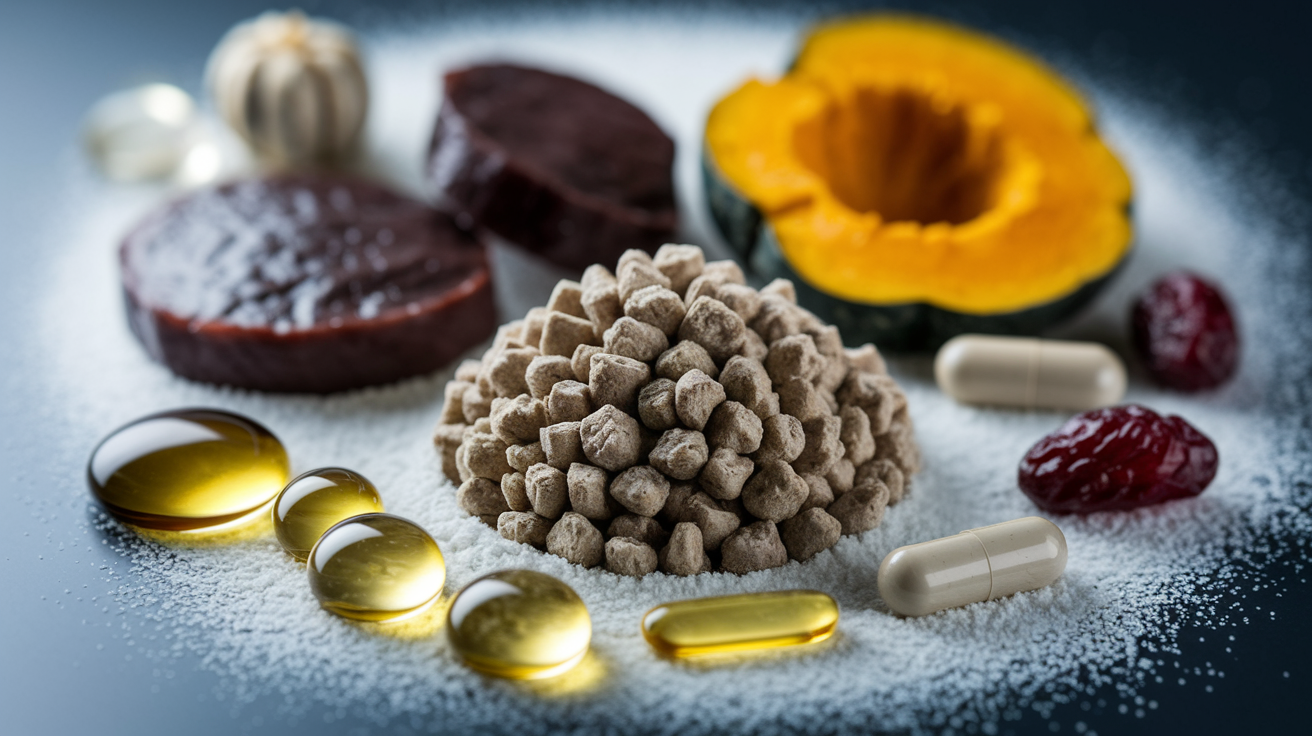
Freeze dried raw toppers pack nutrient dense ingredients into small servings. Because they contain organs like liver and heart, plus ground bone, they deliver vitamins, minerals, and amino acids that muscle meat alone doesn’t provide. Many formulas add probiotics for gut health, omega 3 fatty acids from fish or green lipped mussels for skin and coat support, and taurine for heart function. Some specialty blends include pineapple stems as a natural source of bromelain, an enzyme that aids digestion and reduces inflammation, or New Zealand green lipped mussels for joint support. These concentrated nutrients mean a small portion adds meaningful nutritional value without eating up much of your dog’s daily calorie budget.
The digestive, immune, and joint benefits depend on the specific formulation. A topper with probiotics and pumpkin supports healthy stool and gut bacteria. Formulas with omega 3s (DHA and EPA) from fish oil or wild caught salmon can improve coat shine and reduce itching. Blends with chicken cartilage provide natural glucosamine and chondroitin for older dogs or large breeds prone to joint stress. The high protein content supports lean muscle maintenance, especially for active dogs or dogs losing weight. Antioxidants from organic fruits and vegetables like cranberries, raspberries, and carrots help immune function.
For dogs needing more protein or palatability without switching their entire diet, freeze dried toppers offer a concentrated, easy to measure solution. You’re adding whole food nutrients in a form that most dogs find more appealing than their regular kibble.
Comparing Freeze Dried Raw Dog Food Toppers to Other Topper Formats
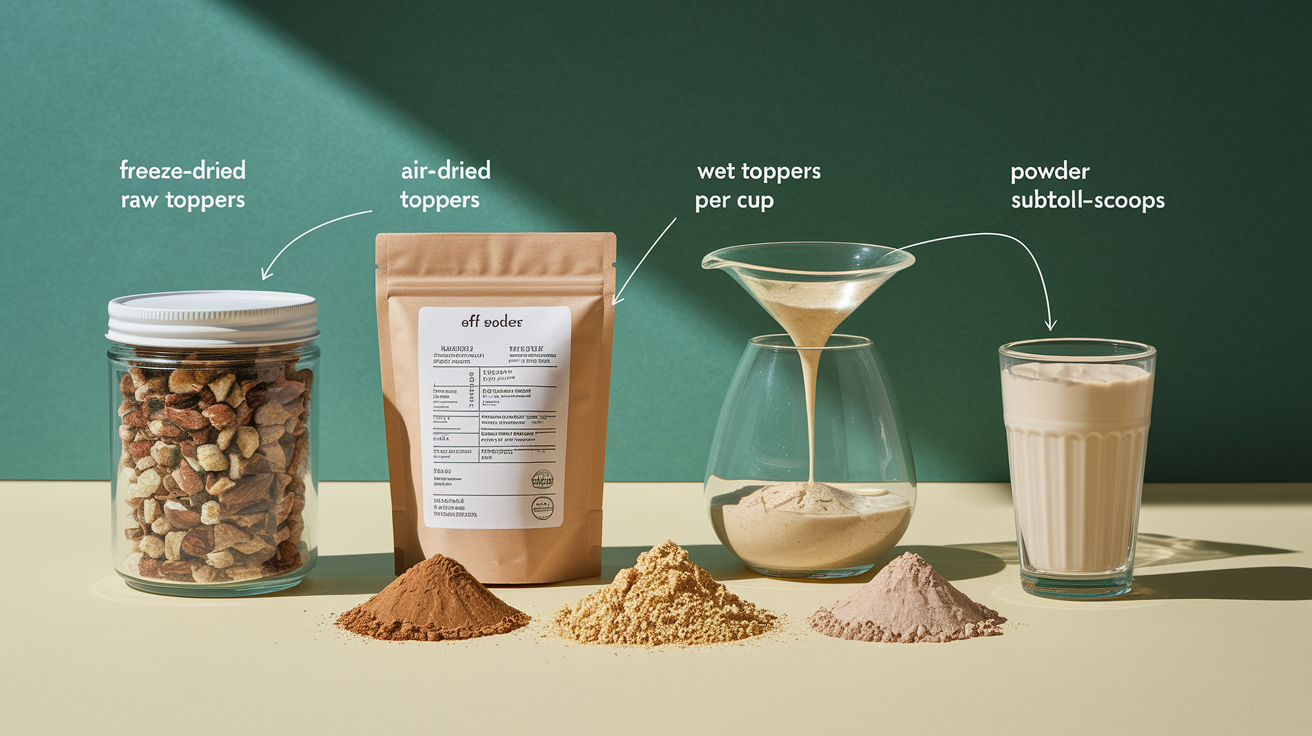
Freeze dried raw toppers get processed differently than air dried, wet, broth, powder, and crumble options. Freeze drying removes moisture at low temperatures, keeping enzymes and heat sensitive nutrients mostly intact. Air dried toppers use slow, low heat drying, which also preserves nutrients but can result in higher calorie density and added salt. Wet toppers like pour overs or fresh food are cooked or lightly pasteurized, then refrigerated, so they have shorter shelf life but higher moisture content. Powders are dehydrated or freeze dried and ground, easy to sprinkle but sometimes over portioned. Crumbles are slow smoked and dehydrated, which adds flavor but also concentrates calories and sodium.
Freeze dried toppers store in your pantry after opening and last about 30 days, while wet toppers must be refrigerated and used within 3 days. Powders last 4 to 6 months, crumbles last 30 days, and air dried options last up to 8 weeks. The longer shelf life makes freeze dried and air dried toppers more convenient for dogs who eat slowly or for multi pet homes where you only need a small amount per meal.
Calorie density and sodium levels vary across formats. Freeze dried raw toppers have 154 to 312 calories per cup, lower than some air dried options that can reach 427 to 464 calories per cup. Wet toppers are lower calorie, around 62 to 90 calories per 5.5 oz carton, and usually salt free. Crumbles and air dried toppers often contain salt, which is fine for healthy dogs with water access but a concern for dogs with heart, liver, or kidney issues. Broths are the lowest calorie option at 10 calories per 2 tablespoon serving, but they don’t add much protein or fat.
| Format | Calories | Shelf Life After Opening | Notes |
|---|---|---|---|
| Freeze dried raw | 154–312 per cup | 30 days (pantry) | High protein, long shelf life, requires HPP for safety |
| Air dried | 427–464 per cup | 8 weeks (pantry) | Very calorie dense, often contains salt, convenient |
| Wet/pour overs | 62–90 per 5.5 oz carton | 3 days (refrigerated) | Low calorie, high moisture, no salt, short shelf life |
| Powder | 2.4–26 per scoop | 4–6 months (pantry) | Versatile, easy to sprinkle, serving size varies widely |
Ingredient Quality and Protein Sources in Freeze Dried Raw Toppers
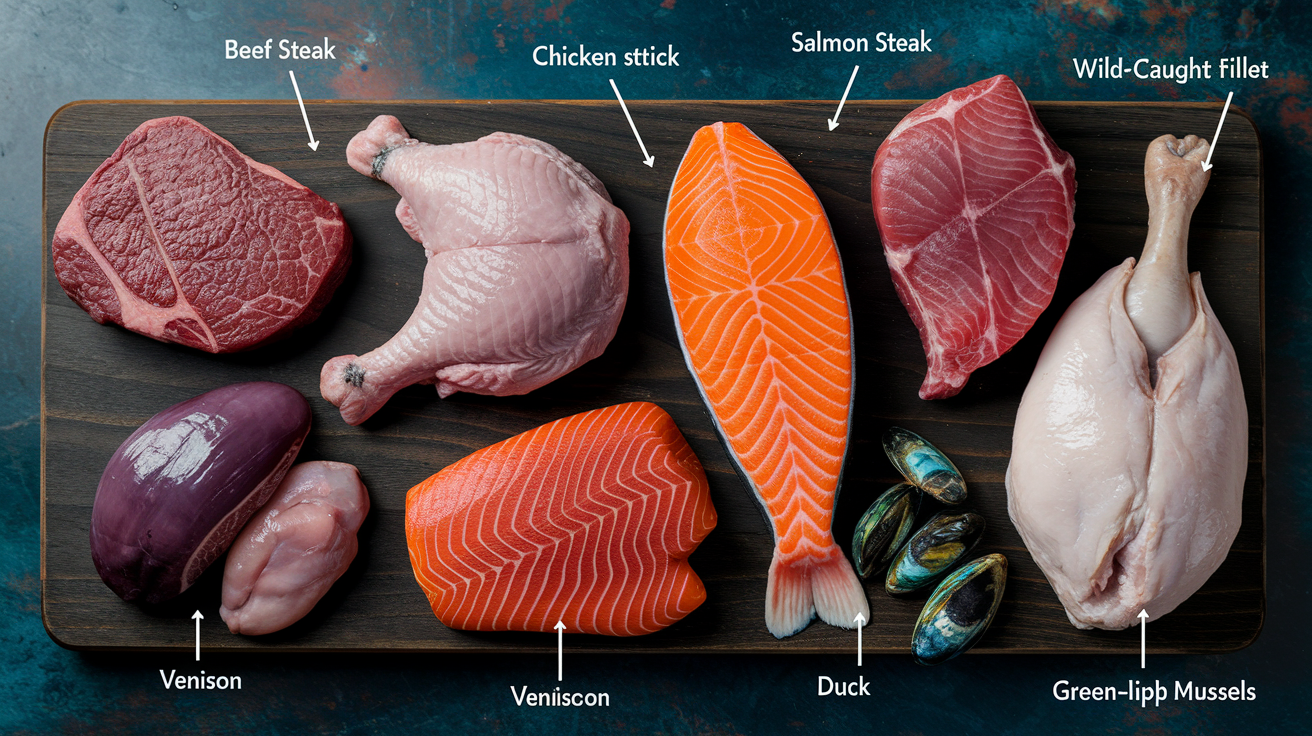
The best freeze dried raw toppers start with quality muscle meat and add nutrient rich organs like liver, heart, kidney, or tripe. Muscle meat provides the primary protein and amino acids, while organs deliver concentrated vitamins (A, B12, folate) and minerals (iron, zinc, copper) that your dog needs. Some formulas include ground bone for calcium and phosphorus, creating a more complete nutritional profile. When muscle meat, organs, and bone make up 90 to 95% of the formula, you’re feeding a biologically appropriate protein source that mimics what dogs would eat in a raw food diet.
Sourcing practices affect ingredient quality. Look for grass fed beef, cage free poultry raised without added hormones or antibiotics, and wild caught fish like salmon or sardines. These proteins tend to be cleaner and higher in omega 3 fatty acids than conventionally raised options. Many freeze dried toppers exclude corn, wheat, soy, peas, lentils, and potatoes to reduce fillers and accommodate dogs with sensitivities. Instead, they use small amounts of organic fruits and vegetables (pumpkin, carrots, cranberries, seaweed) to add fiber, antioxidants, and natural vitamins. Novel proteins like venison, duck, or pork work well for dogs allergic to chicken or beef.
Common protein sources in freeze dried raw toppers:
- Beef – Often grass fed, includes organ blends like liver and tripe
- Chicken – Cage free poultry, may include heart for taurine
- Fish – Wild caught salmon, sardines, or cod, high in omega 3 fatty acids
- Novel proteins – Venison, duck, pork, or lamb for dogs with common protein allergies
- Organ additives – Liver, heart, kidney, or green lipped mussels for concentrated nutrients
Safety Standards and Handling Guidelines for Freeze Dried Raw Dog Food Toppers

Freeze dried raw toppers must go through a killing step like high pressure processing (HPP) to eliminate pathogenic bacteria such as Salmonella, E. coli, and Listeria. HPP uses extreme water pressure to destroy bacteria without heat, keeping nutrients intact. Products that skip this step pose serious bacterial infection risk for both dogs and people, especially young children, elderly household members, pregnant individuals, or anyone with a weakened immune system. If the label doesn’t mention HPP or another pathogen control method, contact the brand directly or choose a different product.
Even with HPP, safe handling matters. Wash your hands before and after handling freeze dried raw toppers. Clean your dog’s bowl, scoops, and any surfaces the topper touches with hot, soapy water. Store opened packages in a sealed container or resealable bag in your pantry, away from direct sunlight and moisture. Use freeze dried toppers within 30 days of opening to reduce the risk of bacterial growth or nutrient degradation. If your dog has a compromised immune system or you have vulnerable people in your home, discuss freeze dried raw feeding with your vet first.
Third party post production testing improves reliability. Brands that conduct batch testing verify label accuracy and check for contaminants before the product reaches your home. Look for certifications or testing protocols on the brand’s website. Feeding trials add credibility because they show the formula supports dogs in real world conditions. Brands that follow AAFCO guidelines and submit products to feeding trials demonstrate a higher standard of quality assurance.
Feeding Guide for Freeze Dried Raw Dog Food Toppers
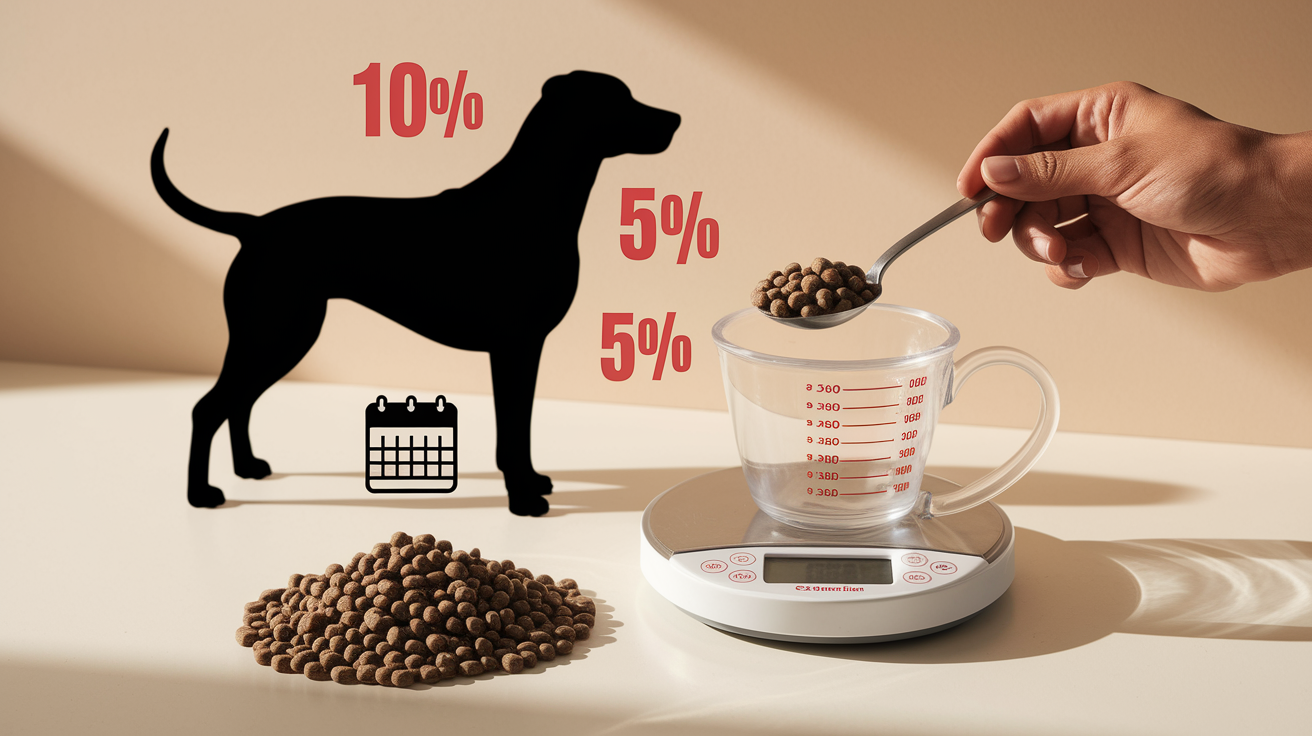
Start by calculating your dog’s daily calorie needs, then limit toppers to 10% of that total. If your dog needs 600 calories per day, the topper should add no more than 60 calories. Aim for 5% if possible to keep the base diet nutritionally balanced. Check the topper’s calorie content per cup or ounce on the package, then measure with a kitchen scale or measuring cup. A freeze dried topper with 200 calories per cup means you can serve about ¼ cup to stay under 60 calories. For nugget sized toppers, count pieces or weigh them on a small kitchen scale to avoid guessing.
Freeze dried toppers can be served dry, crumbled, or rehydrated. Crumbling them over kibble creates a coating that sticks to every piece, so picky eaters can’t sort out the good stuff. Rehydrating with warm water or bone broth adds moisture and makes the topper easier to mix into wet food or use in puzzle toys. If you rehydrate, use about 2 parts liquid to 1 part freeze dried topper, let it sit for 5 minutes, then stir and serve. Store any leftover rehydrated topper in a sealed container in the fridge and use it within 2 days.
How to measure and serve freeze dried raw toppers:
- Calculate 10% of daily calories – Multiply your dog’s daily calorie needs by 0.10 to find the topper limit.
- Check package calorie content – Find calories per cup, ounce, or piece on the nutrition label.
- Weigh or measure the topper – Use a kitchen scale or measuring cup for accuracy.
- Choose dry or rehydrated – Serve dry crumbled over food, or rehydrate with water or broth for 5 minutes.
- Mix thoroughly – Stir the topper into wet food or coat kibble evenly so every bite includes some.
- Store opened packages properly – Seal in pantry, use within 30 days, and refrigerate rehydrated portions.
Using Freeze Dried Raw Toppers for Picky Eaters and Sensitive Dogs
Before adding a freeze dried topper to fix picky eating, check with your vet to rule out dental pain, digestive issues, or other health problems. Normal day to day appetite fluctuation is common for dogs at a healthy weight. They may eat less on a calm day and more after exercise, and that’s not a problem. If your dog is actually avoiding meals for more than a day or two, or losing weight, that’s when you need to investigate.
For dogs who are genuinely hesitant eaters or recovering from illness, freeze dried toppers add strong aroma and flavor that can stimulate appetite. Start with a small amount, about ½ teaspoon crumbled over food, and see if that’s enough to get your dog interested. If you go straight to a big serving, you risk training your dog to wait for the upgrade every meal. Rotate proteins occasionally so your dog doesn’t get bored or develop a preference that makes them reject plain kibble. Use the topper as a behavior tool, not a daily requirement, so your dog stays flexible and willing to eat their base diet when needed.
Storage, Shelf Life, and Cost Considerations for Freeze Dried Raw Dog Food Toppers
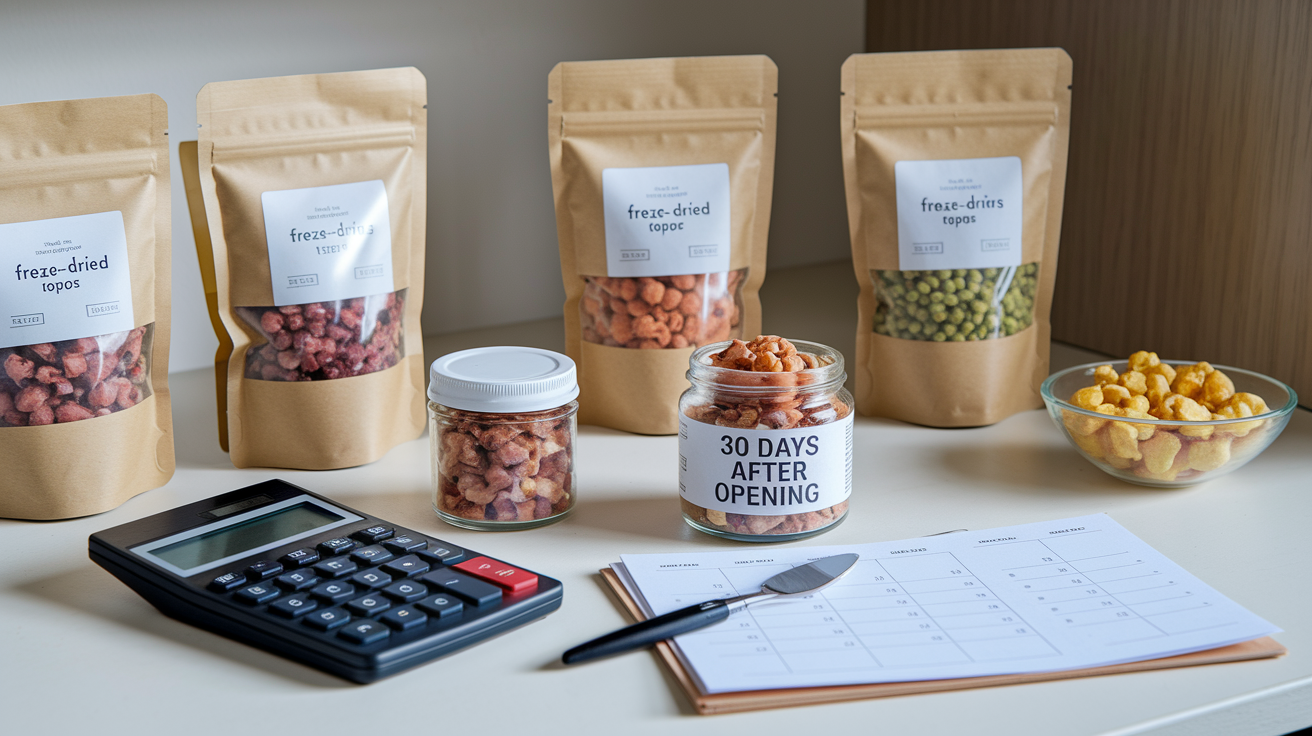
Freeze dried raw toppers store in your pantry after opening and stay fresh for about 30 days. Keep them in a sealed container or resealable bag to protect them from moisture and air. High humidity or direct sunlight can degrade nutrients and increase the risk of bacterial growth, so store in a cool, dry spot. Powders last longer, up to 4 to 6 months after opening, because they have less surface area exposed to air. Wet toppers must be refrigerated and used within 3 days, and air dried options last up to 8 weeks.
Cost per serving depends on calorie density, serving size, and package weight. A freeze dried topper with 200 calories per cup and a 3.5 oz package might give you 10 to 15 servings for a medium dog, while a high calorie air dried option with 450 calories per cup requires a smaller portion but costs more per ounce. To compare, divide the package price by the number of servings you’ll get based on your dog’s daily calorie limit. Freeze dried toppers tend to cost more upfront than wet or broth toppers, but they last longer and don’t require refrigeration.
Key cost variables to consider:
- Calorie density – Higher calories per serving means smaller portions, which stretches the package longer
- Serving size – A dog needing 30 calories per meal uses less than a dog needing 100 calories per meal
- Format differences – Freeze dried and air dried cost more per ounce but store longer, wet and broth are cheaper upfront but expire quickly
- Long term value – Calculate cost per serving based on your dog’s actual portion size, not just package price
Final Words
Start by checking protein percentage and whether the product used HPP processing. Those basics tell you if a topper is mostly meat and handled safely.
Freeze-dried toppers lock in organs, omegas, and vitamins, so they boost nutrition and palatability. We compared formats, protein sources, feeding and storage tips, safety checks, and cost trade-offs.
Use freeze dried raw dog food toppers as a small, measured boost to meals. Keep portions to about 5 to 10% of calories, watch stool and appetite, and transition slowly. Enjoy tastier, more nutritious meals ahead.
FAQ
Q: What are the cons of freeze-dried raw dog food?
A: The cons of freeze-dried raw dog food include higher cost, possible bacterial risk if the product lacks HPP, concentrated calories per cup, and risk of making dogs pickier if used too often as a topper.
Q: Do vets recommend freeze-dried raw for dogs?
A: Vets may recommend freeze-dried raw for dogs when products use safety steps like HPP, the dog’s life stage and health match, and benefits outweigh household risk—ask your veterinarian for personalized advice.
Q: Can you use freeze-dried dog food as a topper, and what can I put on top of my dog’s food to get them to eat?
A: You can use freeze-dried dog food as a topper, and good options to boost eating include rehydrated freeze-dried, low-sodium broths, wet food, plain yogurt, or cooked lean meats—use small portions and track calories.