

Think grain-free is automatically healthier? Think again.
A confusing label won’t tell the whole story.
In about 90 seconds you can spot whether a grain-free kibble is protein-forward or just packed with peas, lentils, or potatoes.
This quick guide shows where to look on the ingredient panel, how to read the guaranteed analysis, and what the AAFCO statement means (it says if the food is complete and balanced).
By the end you’ll know whether that grain-free bag is a smart choice for your dog’s age, size, activity, and sensitivities.
Quick-Start Guide to Reading Grain-Free Dog Food Labels
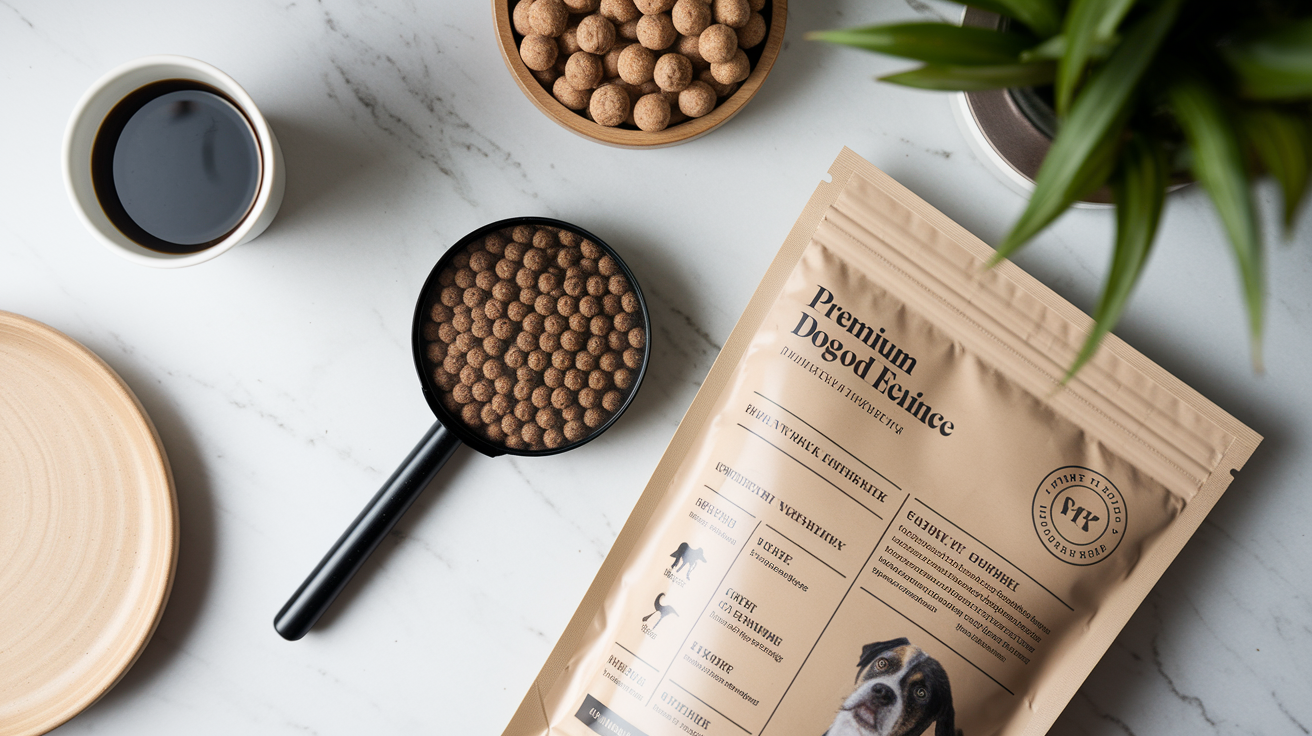
Grain-free dog food labels look intimidating at first, but you can size one up in about 90 seconds once you know where to look. The ingredient panel, guaranteed analysis, and AAFCO statement tell you everything you need to know. You’re not just checking that grains are missing. You’re making sure what replaces them actually makes sense for your dog.
Most grain-free formulas swap wheat, corn, and rice for peas, lentils, potatoes, chickpeas, or tapioca. These can work when used properly, but they shift the nutrient profile. Here’s how to read the label quickly and with confidence:
- Scan the ingredient list for grains — Make sure wheat, corn, rice, barley, or oats don’t show up in the first ten ingredients.
- Check the first five ingredients — You want a named protein (chicken, beef, turkey) in the top two or three spots.
- Identify the main protein sources — Look for whole meat, meat meal, or fish meal instead of vague terms like “poultry by-product.”
- Spot the carbohydrate substitutes — Peas, lentils, sweet potato, chickpeas, and white potato are the most common.
- Review the guaranteed analysis — Minimum protein should be at least 22% for adult maintenance, ideally higher.
- Locate the AAFCO statement — This confirms the food is complete and balanced for your dog’s life stage.
Grain-free doesn’t automatically mean better. What matters is whether the formula delivers adequate protein, fat, fiber, and micronutrients without leaning too hard on one or two filler ingredients. If you see three types of legumes and no grains, that’s still a carb-heavy formula. Balance is the goal, not just avoiding certain ingredients.
Understanding the Ingredient List

Ingredients are listed by weight at the time of formulation, which means fresh chicken weighs more than chicken meal because fresh meat includes water. That doesn’t always mean it provides more actual protein once processed. You’re looking for clarity, diversity, and quality, not just order.
The first five ingredients usually make up the bulk of the formula. In a grain-free food, you should see a whole protein source (like deboned chicken, turkey, or salmon) listed first or second. After that, expect a mix of carbohydrate alternatives, supplemental protein sources, and fats. If you see “chicken,” “chicken meal,” and “chicken fat” within the first five spots, that’s a protein-forward formula. If you see “peas,” “pea protein,” “pea fiber,” and “pea starch,” that’s ingredient splitting, which makes a single ingredient look less dominant than it really is.
Grain-free diets lean heavily on these carbohydrate sources:
- Peas — High in protein and fiber, often split into multiple forms (whole peas, pea protein, pea starch)
- Lentils — Red, green, or generic, they add protein, fiber, and bulk
- Chickpeas — Also called garbanzo beans, used for texture and fiber
- Sweet potato — A slower-digesting carb source with added vitamins
- White potato or tapioca — Fast-digesting, often used as binders or starches
Whole ingredients keep their natural nutrient profile. Meals (like chicken meal or salmon meal) are rendered, which concentrates protein but removes moisture. Both can be high quality. What matters is that the protein sources come from identifiable animals and the carb sources aren’t over-processed or heavily fragmented across the label.
Evaluating the Guaranteed Analysis (GA)
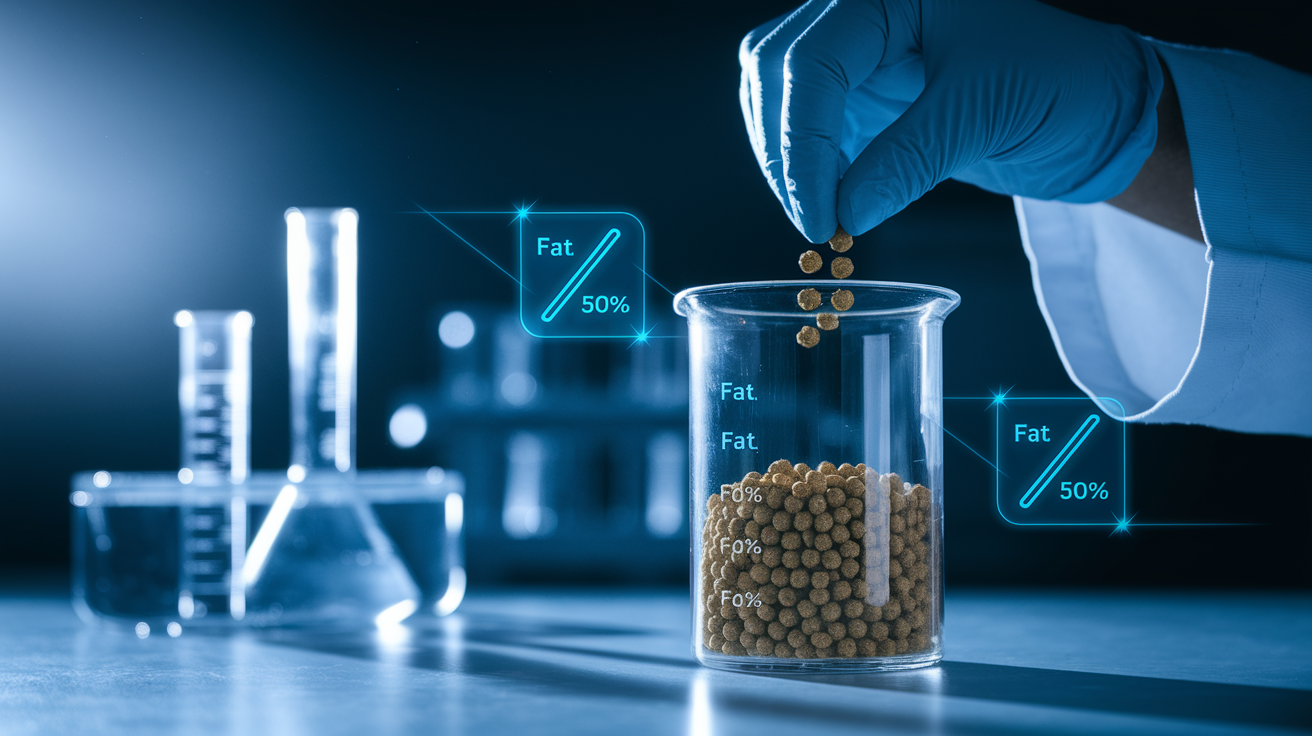
The guaranteed analysis tells you the minimum or maximum nutrient levels in the food as fed, which includes moisture. You’ll see crude protein (minimum), crude fat (minimum), crude fiber (maximum), and moisture (maximum). These aren’t precise nutrient breakdowns. They’re legal guarantees that the food meets baseline standards.
For grain-free dog foods, protein levels often run higher than grain-inclusive formulas because they replace grains with legumes and meat. A maintenance formula for adult dogs should show at least 18% crude protein, but grain-free foods typically land between 22% and 35%. Fat should be at least 5%, though most active-dog formulas sit closer to 12% to 18%. Fiber usually stays under 5%, and moisture varies by format. Dry kibble runs around 10%, while wet food can reach 78%.
To compare two foods accurately, you’ll need to convert the guaranteed analysis to a dry matter basis, which removes moisture from the equation. That’s especially useful when comparing kibble to wet food or freeze-dried. Here’s what to focus on:
- Crude protein — Higher is better for active dogs, but it must be digestible and from quality sources
- Crude fat — Supports energy, coat health, and nutrient absorption
- Crude fiber — Helps with digestion and stool quality, but too much can reduce nutrient absorption
- Moisture — Affects shelf life and calorie density, but doesn’t tell you much about nutrition
The guaranteed analysis doesn’t measure quality or bioavailability. A food with 28% protein from chicken meal and salmon will likely outperform one with 28% protein from pea protein and corn gluten meal. Use GA as a starting point, not a final answer.
AAFCO Nutritional Adequacy Statements
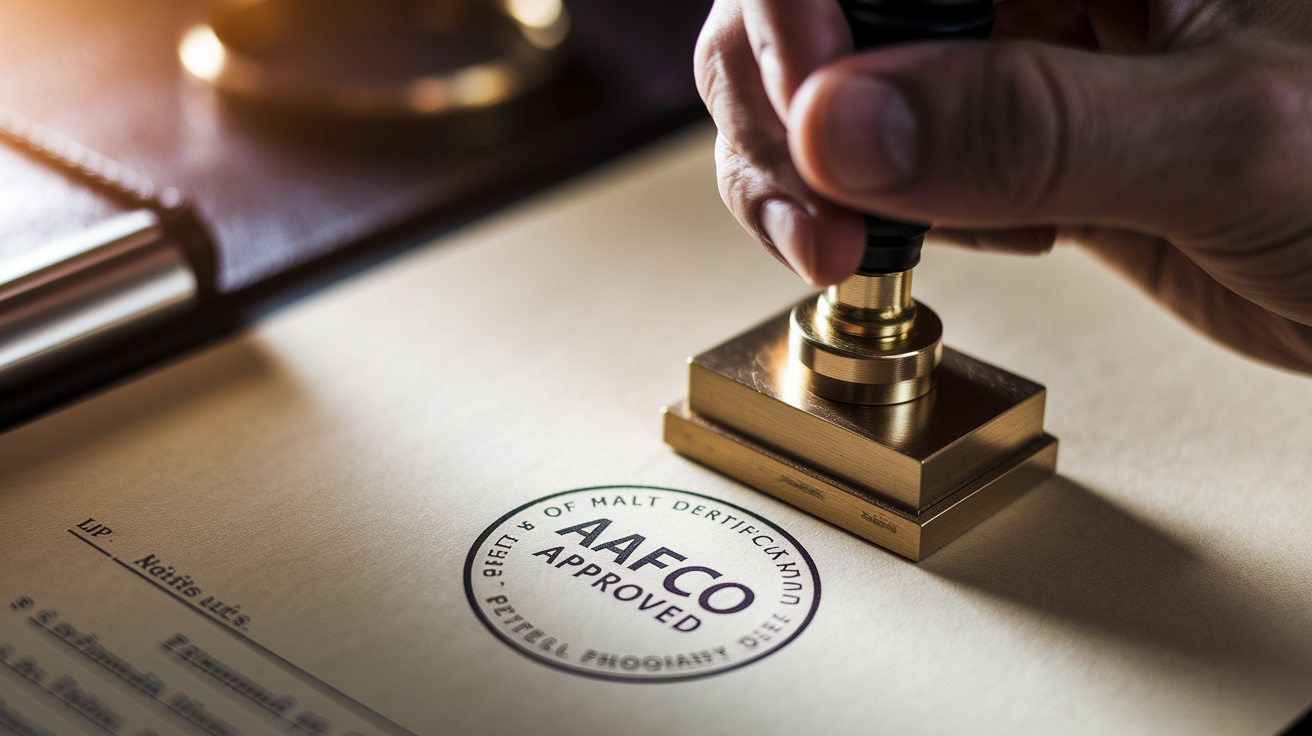
The AAFCO statement is a short sentence on the back or side panel that tells you whether the food is complete and balanced (meets basic nutrition needs on its own) and for which life stage it’s intended. This is one of the most important parts of the label because it confirms the formula isn’t missing critical nutrients.
You’ll see one of three classifications: “Adult Maintenance” (for dogs over one year), “Growth and Reproduction” (for puppies, pregnant, or nursing dogs), or “All Life Stages” (suitable for puppies and adults). Grain-free foods marketed as all life stages must meet higher nutrient thresholds, particularly for calcium, phosphorus, and protein. If you have a large-breed puppy, check whether the statement specifies “including growth of large size dogs 70 lbs or more as an adult.” That means the food won’t over-supply calcium, which can cause developmental issues in big breeds.
The statement will also note whether the food was formulated to meet AAFCO profiles or tested through feeding trials. Feeding trials involve actual dogs eating the food for a set period under veterinary supervision. It’s a more rigorous standard, though formulated diets can still be excellent if the manufacturer follows AAFCO nutrient guidelines closely. If a grain-free food lacks an AAFCO statement, it’s not a complete diet and shouldn’t be fed as the sole source of nutrition.
Carbohydrate Sources in Grain-Free Diets
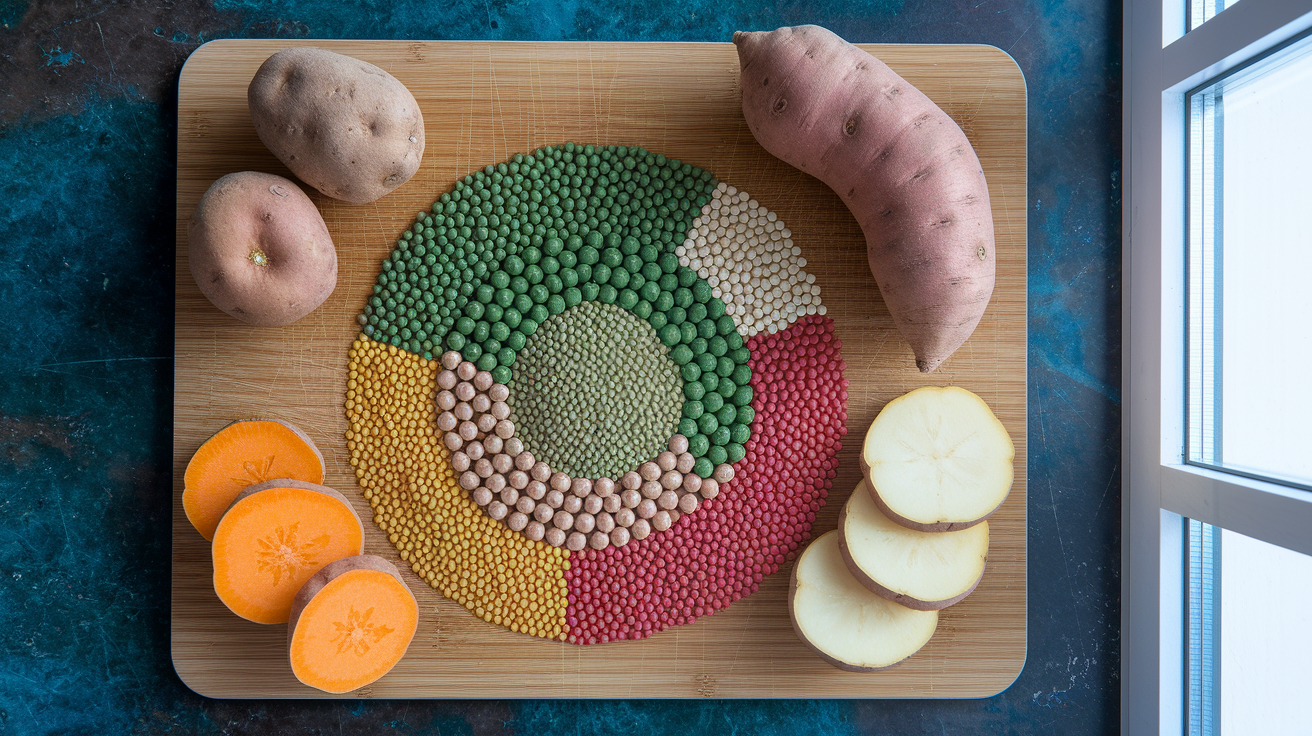
Grain-free doesn’t mean low-carb. Most formulas replace grains with legumes, tubers, or starches that provide energy, structure, and fiber. These substitutes can work well, but they shift the macronutrient balance and sometimes introduce ingredients that have been studied for potential health concerns.
Peas and lentils are the most common grain alternatives. They’re rich in plant-based protein and fiber, which can boost the guaranteed analysis numbers. But they don’t provide the same amino acid profile as animal protein, and they can make a formula look more protein-dense than it functionally is. Potatoes and sweet potatoes offer quick or moderate energy and tend to be easier on digestion for some dogs. Tapioca is a neutral starch used mostly as a binder in kibble production. It adds calories but minimal nutrition.
Here are the most common carbohydrate substitutes you’ll see:
- Peas (whole, split, or flour) — High in fiber and plant protein, may appear in multiple forms
- Lentils (red, green, or generic) — Dense in protein and fiber, often paired with peas
- Chickpeas (garbanzo beans) — Similar to lentils, used for texture and nutrient boost
- Sweet potato — Slower-digesting carb, rich in beta-carotene and fiber
- White potato or tapioca — Fast-digesting, neutral flavor, primarily for structure and energy
Legume-heavy diets have been part of an FDA investigation into dilated cardiomyopathy (a serious heart condition) in dogs, particularly in diets where peas, lentils, or potatoes dominate the ingredient list. The research is ongoing, and no definitive cause has been established, but many veterinarians now recommend avoiding foods where legumes make up the majority of the formula. If you see peas in four different forms within the first ten ingredients, consider a different option or consult your vet.
Allergen and Sensitivity Considerations

Grain-free dog food is often chosen because owners assume their dog has a grain allergy, but true grain allergies are uncommon. Most food sensitivities in dogs are triggered by proteins (chicken, beef, dairy, or eggs), not by corn or wheat. If your dog has itchy skin, ear infections, or loose stool, switching to grain-free may not solve the problem unless the formula also changes the protein source.
Grain-free foods frequently rely on chicken, turkey, or fish as primary proteins, which means the same allergen might still be present. If you’re managing a known sensitivity, look for novel protein options like duck, venison, rabbit, or kangaroo. Also check for hidden allergens in the ingredient list. Chicken fat, chicken meal, or chicken liver can appear even when the label highlights a different protein.
It’s also worth noting that grain-free formulas often include multiple legumes or potato varieties, which some dogs don’t tolerate well. Symptoms like gas, bloating, or soft stool after switching to a grain-free food may point to legume sensitivity, not grain intolerance. In that case, a limited-ingredient diet with a single protein and a single carb source (like salmon and sweet potato) can help you isolate the trigger. If symptoms persist or worsen, check in with your vet. Chronic digestive issues, skin flare-ups, or ear infections need professional assessment, not just another bag of food.
Marketing Claims and Red Flags
Pet food labels are full of persuasive language, and grain-free formulas are no exception. Words like “natural,” “premium,” “holistic,” and “human-grade” sound reassuring, but they aren’t regulated the way you might expect. “Natural” only means the ingredients weren’t chemically synthesized. “Premium” and “holistic” have no legal definition. “Human-grade” can mean different things depending on the brand and isn’t consistently verified.
What you’re really looking for is clarity and honesty in the ingredient list, not impressive adjectives. A grain-free food that lists “chicken” as the first ingredient but follows it with four types of pea products is still a pea-heavy formula, no matter how premium it claims to be. If the label says “with real chicken,” that can legally mean as little as 3% chicken by weight. “Chicken flavor” means the food contains a flavoring agent, not actual chicken. These aren’t violations. They’re just examples of how language can shape perception without changing the formula.
Here are common red flags to watch for:
- Ingredient splitting — Peas, pea protein, pea fiber, and pea starch listed separately to push a protein source higher
- Generic protein terms — “Meat meal” or “poultry by-product” without naming the animal
- Multiple starches — Tapioca, potato starch, and potato flour all in the same formula
- Vague fat sources — “Animal fat” instead of chicken fat or salmon oil
- Heavy reliance on high-glycemic fillers — White potato or tapioca dominating the top five ingredients
If a grain-free food uses clear, named ingredients, provides a feeding trial AAFCO statement, and balances animal protein with moderate carbohydrate sources, it’s probably a solid choice. If the label leans hard on marketing language but the ingredient list raises questions, trust the ingredient list.
Final Words
Start here: scan the ingredient list for the first five items, spot real meat sources, and note carb substitutes like peas, lentils, potatoes, or tapioca. Check the Guaranteed Analysis and the AAFCO statement so you know the food meets life-stage needs.
Watch for ingredient splitting and vague meat terms. Grain-free isn’t a magic fix for allergies. Check protein sources and overall nutrient balance.
For a next step, compare two labels, measure meals, and watch stool and energy for two weeks, and use this quick map for how to read grain free dog food labels. You’re on the right track.
FAQ
Q: How to read dog food labels?
A: Reading dog food labels means scanning the ingredient list, checking the first five ingredients, seeking named animal proteins, reviewing the Guaranteed Analysis (protein/fat/fiber), finding the AAFCO statement, and noting calories.
Q: What does 80-10-10 mean in dog food?
A: The 80-10-10 in dog food refers to a raw-feeding ratio of about 80% muscle meat, 10% bone, and 10% organ, used as a guideline; check with your vet about balance and safety.
Q: What should top 3 ingredients be in dog food?
A: The top three ingredients should be named animal protein sources (for example, chicken or salmon or “chicken meal”), followed by a digestible carbohydrate or whole produce, then a clear fat source.
Q: What is the 95 rule for dog food?
A: The 95 rule for dog food means a product labeled with a single ingredient (like “Beef”) must contain at least 95% of that ingredient by weight, excluding water added during processing.