
Is grain-free dog food healthier, or just a marketing trend?
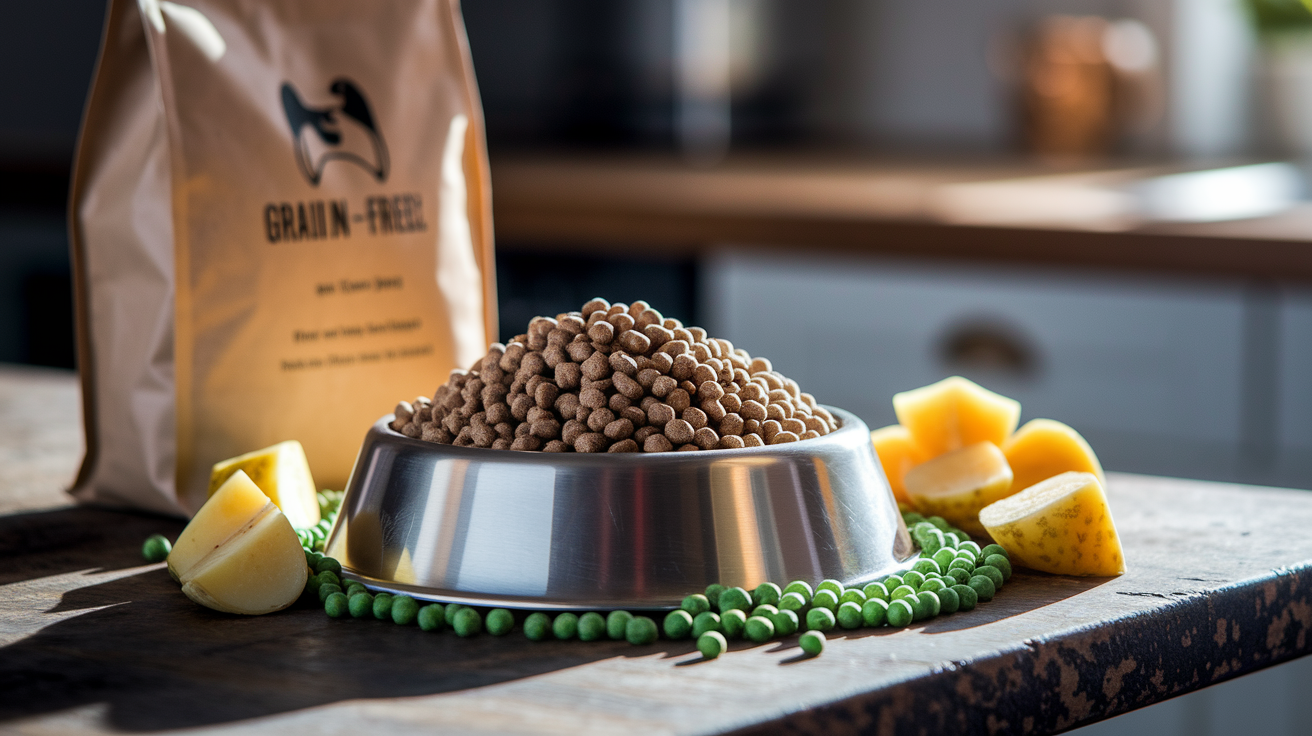
Short answer: it means no cereal grains (wheat, corn, rice, oats, barley, soy) and uses peas, lentils, potatoes, or sweet potatoes instead.
In this post we’ll explain what gets removed, why makers swap in legumes and starchy veggies, who may actually benefit, and the health flags to watch for, like the rarity of grain allergies and the concerns researchers raised about heart issues in some recipes.
You’ll get clear steps to decide if grain-free fits your dog’s needs.
Clear Definition of Grain-Free Dog Food and What It Removes
Grain-free dog food doesn’t include any cereal grains. Wheat, corn, rice, oats, barley, and soy are completely left out of the recipe. Instead, you’ll find other carbohydrate sources that provide energy and help give the food its structure, particularly in kibble and wet formats.
Most grain-free formulas use legumes and starchy vegetables to fill that gap. Peas, lentils, chickpeas, potatoes, and sweet potatoes show up a lot in these recipes. They do similar jobs as grains, providing energy and helping bind kibble together during production.
Here’s something that surprises people: grain allergies in dogs are actually rare. Research shows fewer than 1% of dogs are sensitive to grains. Most food allergies come from proteins like beef, chicken, or dairy, not grains.
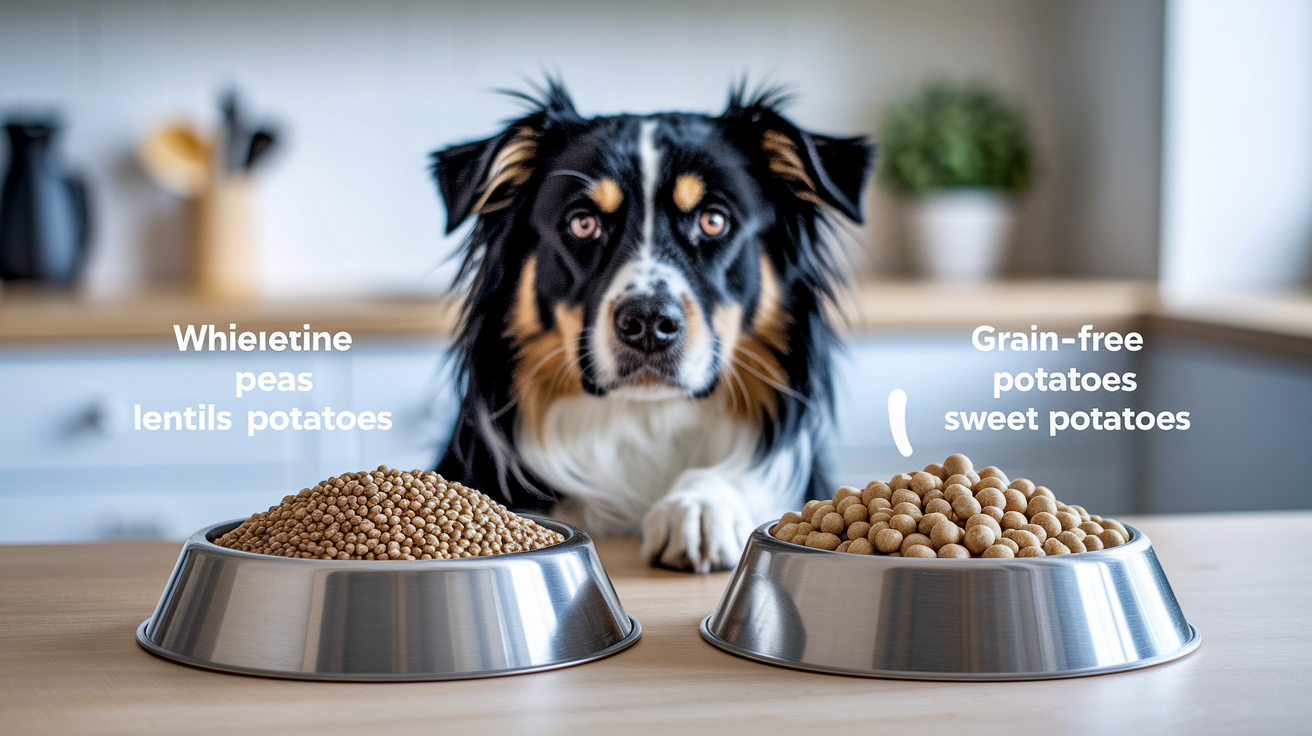
You’ll typically see these carb replacements in grain-free foods:
- Peas – bring plant-based protein and carbohydrates
- Potatoes – offer starch for energy and kibble structure
- Lentils – add fiber, protein, and complex carbs
Understanding the Role of Grains in a Dog’s Diet
Grains aren’t filler. When they’re sourced well and used thoughtfully, they actually contribute meaningful nutrition. Whole grains deliver carbs for energy, fiber to help digestion, and nutrients like B vitamins, iron, and antioxidants. Dogs are omnivores, not strict carnivores. They’ve evolved to handle carbohydrates just fine, and most dogs tolerate grains without any trouble.
The value grains bring depends on whether they’re whole or refined. Whole grains keep more natural fiber and nutrients intact. Refined grains lose some of that during processing but still give energy and structure to the formula. For dogs without sensitivities, grains can be a useful piece of a balanced diet.
| Grain Type | Key Nutrients |
|---|---|
| Wheat | Carbohydrates, fiber, B vitamins, protein |
| Corn | Energy (starches), fatty acids, beta-carotene |
| Rice | Easily digestible carbohydrates, some B vitamins |
| Barley | Fiber, selenium, B vitamins, manganese |
| Oats | Soluble fiber, B vitamins, iron, antioxidants |
Ingredient Differences Between Grain-Free and Grain-Inclusive Formulas
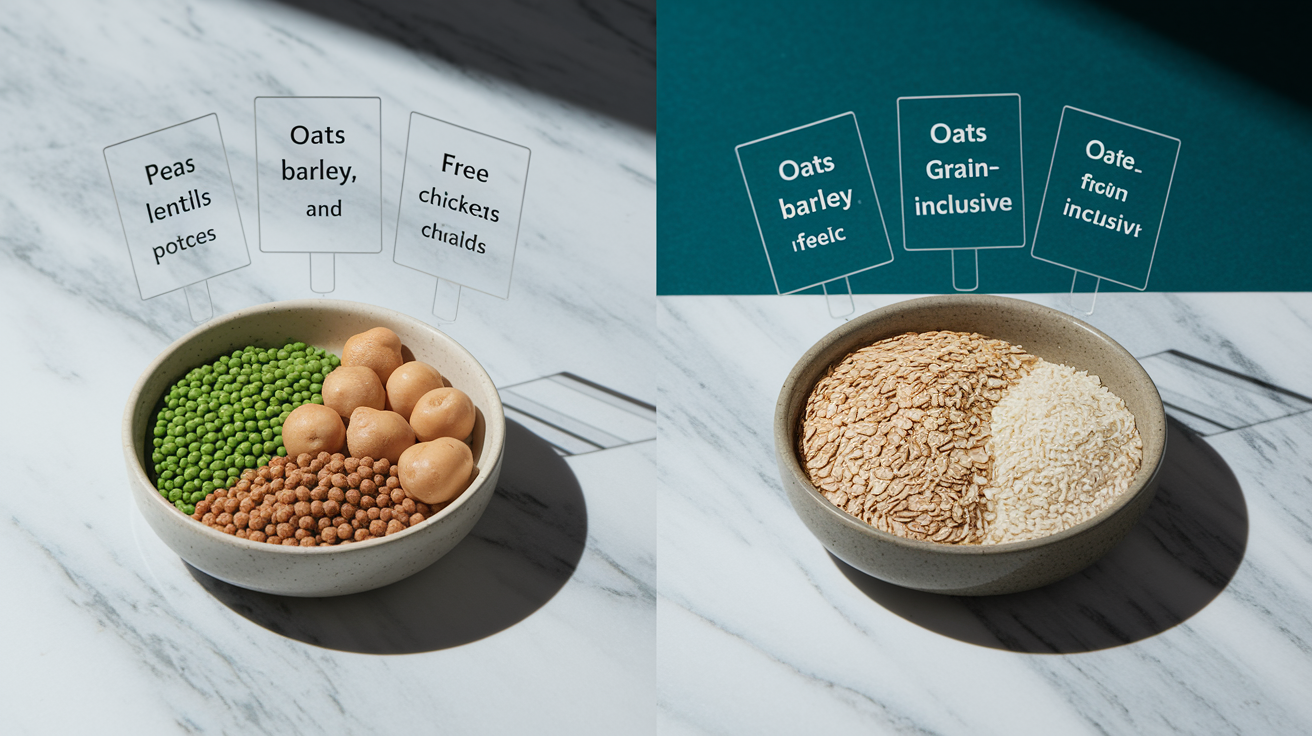
Grain-free formulas lean on legumes and starchy vegetables because they bring carbs and help create the texture and structure needed for kibble or wet food. Manufacturers also use these ingredients to boost protein percentages on the label. Legumes like peas and lentils contain plant-based protein, which can make the guaranteed analysis look more protein-heavy even when not all of it comes from animals.
The substitutes in grain-free foods change more than just where carbs come from. They shift the macronutrient balance, fiber content, and amino acid profiles. Potatoes and sweet potatoes are starchier and sit higher on the glycemic index compared to whole grains like oats or barley. That means they can cause quicker blood sugar spikes. Legumes add plant protein, but they don’t deliver the same amino acids as meat. That’s fine if the food still includes plenty of animal protein, but in heavily legume-based recipes, overall protein quality might not be as complete.
How the formula is built matters. A grain-free food loaded with potatoes might run higher in simple starches and lower in fiber, which affects digestion and how full your dog feels. A formula built around chickpeas and lentils might offer more fiber and plant protein but less digestible starch. Neither approach is automatically better. It just depends on how the rest of the recipe balances out and how your dog responds.
Common grain substitutes and what they do:
- Peas – add plant protein and moderate fiber, but can raise overall legume content
- Lentils – provide complex carbs and fiber, bumping up protein percentages
- Chickpeas – offer steady energy and fiber, but can make food denser
- Potatoes – deliver quick-digesting starch with less fiber than whole grains
- Sweet potatoes – supply vitamins and some fiber, with a moderate glycemic load
Benefits of Grain-Free Dog Food for Certain Dogs
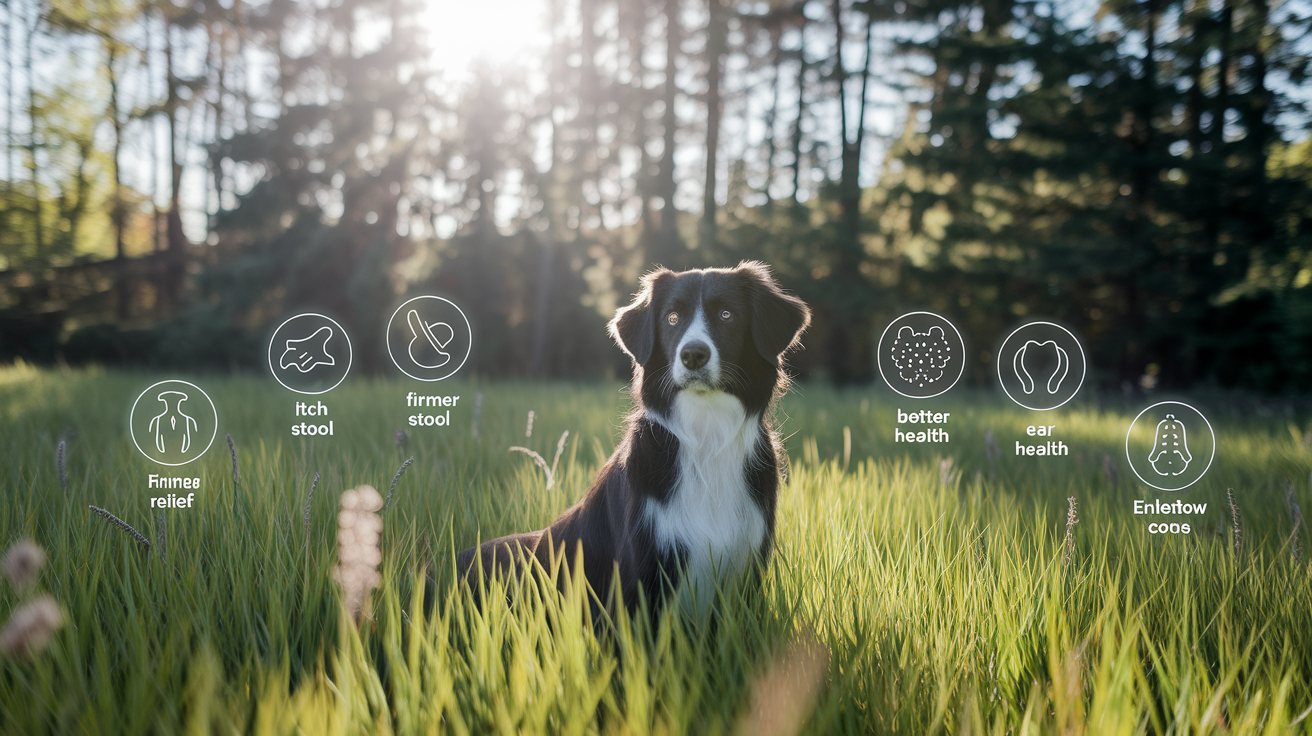
Grain-free dog food can help dogs with a genuine sensitivity or allergy to a specific grain. If your dog has been diagnosed with a grain intolerance through an elimination diet or allergy testing, removing grains might clear up symptoms like chronic itching, red or inflamed skin, ear infections, gas, loose stool, or poor coat quality. But grain allergies are rare. Less than 1% of dogs are actually sensitive to grains. Most food allergies trace back to proteins like beef, chicken, lamb, or dairy.
If grain-free helps, it’s usually because you’ve identified and removed a specific trigger. It’s not that grain-free is better by default. It’s that you found the right fit for your dog’s system. For dogs without sensitivities, grain-free foods don’t offer any automatic health advantage. And depending on how they’re formulated, they can sometimes create new challenges.
Benefits grain-free diets might offer dogs with genuine grain sensitivities:
- Relief from chronic itching, hot spots, or irritated skin
- Firmer, more consistent stool if grains were causing digestive upset
- Fewer ear infections linked to food-related inflammation
- Better coat quality and less excessive shedding
Risks and Considerations Linked to Grain-Free Dog Food
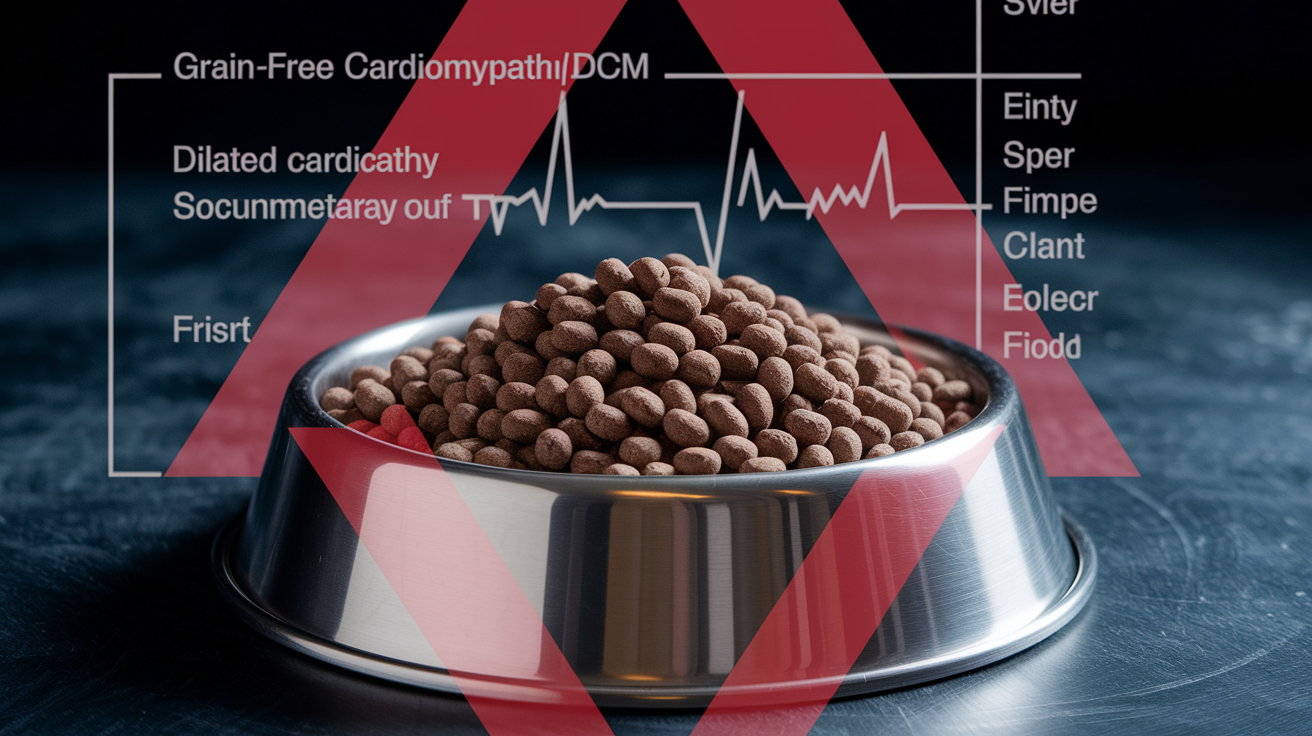
Grain-free dog food isn’t without risks, and it’s not right for every dog. The biggest concern in recent years has been a possible connection between certain grain-free diets and dilated cardiomyopathy, a serious heart condition. On top of that, some grain-free formulas lean heavily on one or two ingredients, which can create nutritional imbalances if the recipe isn’t carefully built.
DCM and the FDA’s Findings
In 2018, the FDA started investigating reports of dilated cardiomyopathy in dogs eating grain-free diets, especially those high in peas, lentils, and other legumes. The condition makes the heart enlarge and weaken. It can be life-threatening. Many of the affected dogs were eating foods with legumes as a primary ingredient and little to no traditional grains.
By 2022, the FDA announced it couldn’t pinpoint a clear causal link between grain-free diets and DCM, and it stopped routine updates on the investigation. But the agency encouraged ongoing research and collaboration between vets, researchers, and pet food companies. The investigation showed that DCM is probably influenced by multiple factors, including genetics, taurine levels, and overall diet formulation. Grain-free diets aren’t automatically dangerous, but poorly balanced recipes or heavy reliance on certain legumes might contribute to problems in some dogs.
Nutritional Imbalance Risks
Not all grain-free foods are created equal. Some formulas lean hard on potatoes or peas to replace grains, and that can create imbalanced nutrition if the food doesn’t include enough animal-based protein, healthy fats, and essential nutrients like taurine. Legume-heavy recipes can also water down protein quality, since plant proteins don’t provide the same amino acids as meat. If peas or lentils show up in the first three ingredients and meat appears further down the list, the protein percentage might look impressive, but protein quality could be lower than you’d expect. Always check for AAFCO compliance and look for foods that list a named animal protein first.
Comparing Grain-Free and Grain-Inclusive Dog Food Options
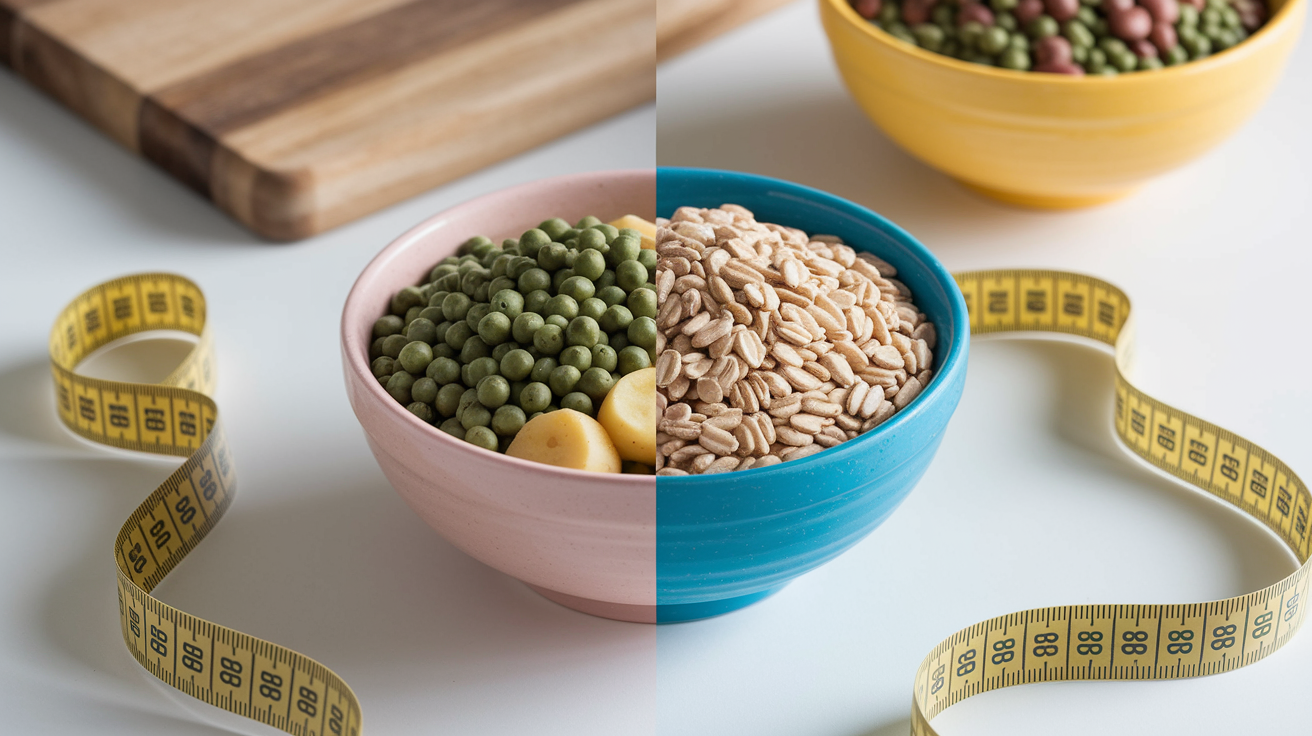
The choice between grain-free and grain-inclusive dog food isn’t about which one wins. It’s about which one fits your dog’s needs, health history, and how they respond. High-quality grain-inclusive foods meet AAFCO standards and provide balanced nutrition, just like well-formulated grain-free options. The difference is in the carb sources and how those ingredients affect your dog’s digestion, energy, and overall health.
Grain-free formulas often show higher protein percentages on the label, but that doesn’t always mean more animal protein. Some of it comes from legumes, which don’t offer the same amino acids as meat. Grain-inclusive foods using whole grains like oats or barley tend to provide steadier energy and more fiber, which can support digestion and help dogs feel full longer. Neither option is inherently healthier. It depends on the formula, ingredient quality, and how your dog does on it.
| Food Type | Key Features | When It’s Best |
|---|---|---|
| Grain-Free | Uses legumes, potatoes, or sweet potatoes for carbs; often higher in protein percentage; may be lower in fiber depending on formula | Best for dogs with diagnosed grain sensitivities, or when conducting elimination diets under vet guidance |
| Grain-Inclusive | Contains whole or refined grains; provides fiber, B vitamins, and steady energy; often more affordable | Best for dogs without grain sensitivities; supports digestion and energy in active or working dogs |
How to Read Dog Food Labels for Grain-Free Claims
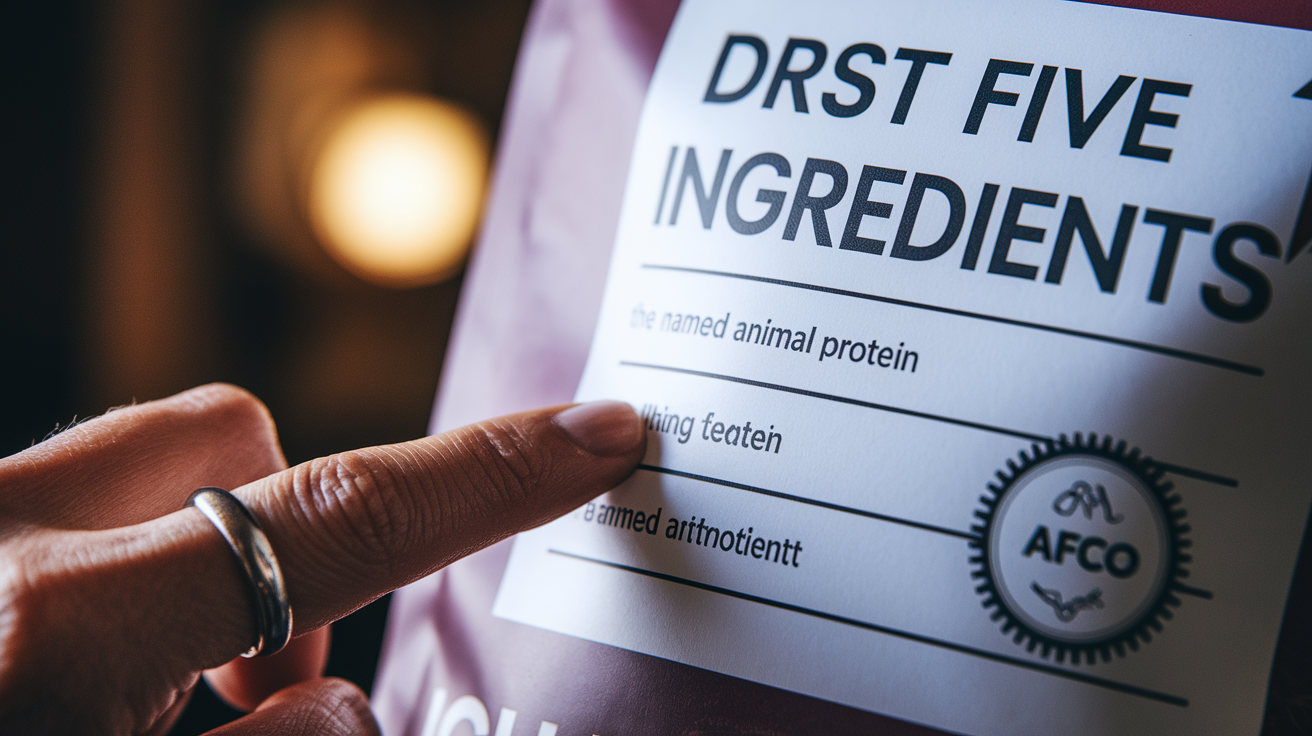
Pet food labels can be confusing, especially when marketing makes it sound like grains are harmful or grain-free is automatically healthier. The truth sits in the ingredient list and guaranteed analysis, not the claims on the front of the bag. Start with the first five ingredients. That’s where you’ll see what makes up most of the food. If a grain-free food lists peas, pea protein, lentils, and potatoes before any meat, that’s a sign the formula leans heavily on plant-based ingredients.
Check the guaranteed analysis for protein and fat percentages next. A grain-free food might show 30% protein, but if legumes are doing most of the work, the amino acid profile might not be as complete as a food with 28% protein coming mostly from chicken or salmon. Also look for AAFCO compliance, which confirms the food meets basic nutritional standards for a complete and balanced diet. If you see phrases like “for supplemental feeding only,” that food isn’t meant to be the main diet.
Pay attention to vague marketing terms. “Grain-free” is straightforward, but terms like “natural,” “holistic,” or “premium” don’t have legal definitions and don’t tell you much about quality. Focus on the ingredient list, the source of protein, and how your dog responds over time.
What to look for on grain-free dog food labels:
- Named animal protein as the first ingredient – chicken, turkey, beef, salmon, not just “meat meal”
- Limited legume content – peas or lentils are fine in moderation, but they shouldn’t dominate the top five
- AAFCO statement – confirms the food is complete and balanced for your dog’s life stage
- Clear sourcing and transparency – brands that list where ingredients come from and how they’re tested
When Grain-Free Dog Food May Be Veterinarian-Recommended

Vets sometimes recommend grain-free diets when conducting elimination trials to identify food sensitivities or allergies. If your dog has chronic digestive issues, persistent skin problems, or recurring ear infections that don’t improve with other treatments, your vet might suggest removing grains as part of a broader strategy to isolate the trigger. This works best when it’s methodical. You’d typically feed a limited-ingredient grain-free food for 8 to 12 weeks while monitoring symptoms, then reintroduce grains one at a time to see if problems return.
Grain-free diets might also be suggested for dogs with confirmed grain allergies, though that’s rare. More often, vets recommend grain-free as a temporary diagnostic tool, not a permanent solution. If your dog improves on grain-free, it’s worth testing whether the issue was actually grains or something else in the original food, like a specific protein or additive. Always work with your vet before making changes, especially if your dog has ongoing health concerns or takes medication that could interact with dietary shifts.
Transitioning Safely to a Grain-Free Diet
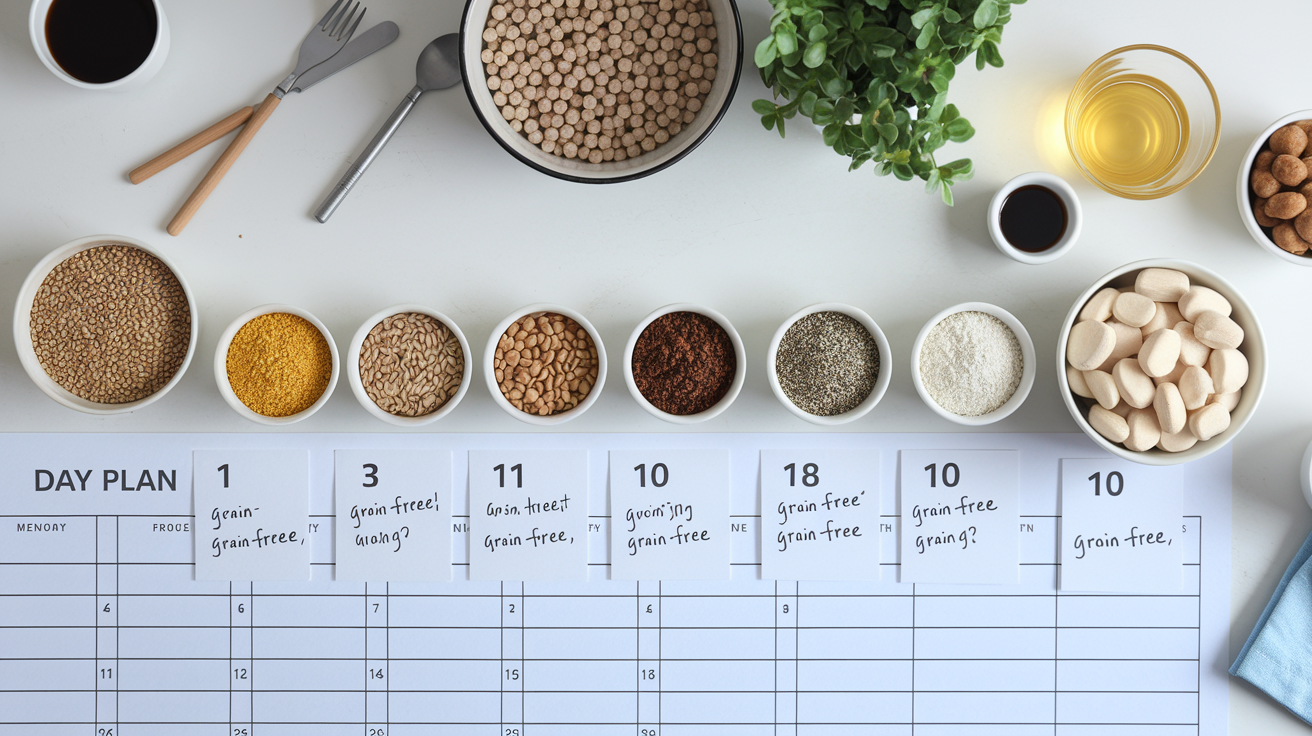
Switching to grain-free food should happen gradually to give your dog’s digestive system time to adjust. Abrupt changes can lead to stomach upset, loose stool, or refusal to eat. The standard transition period is 7 to 10 days, but some dogs need longer, especially if they have sensitive stomachs or are switching from a very different formula.
- Days 1–2: Mix 25% new grain-free food with 75% current food
- Days 3–4: Increase to 50% new food and 50% current food
- Days 5–6: Shift to 75% new food and 25% current food
- Days 7–10: Feed 100% new food, watching for any digestive changes
- Monitor stool quality daily – look for firm, consistent stool without mucus or blood
- Watch for signs of sensitivity – itching, ear redness, gas, or loose stool that sticks around past the first few days
- Choose an AAFCO-compliant grain-free formula – this confirms the food meets basic nutritional standards for your dog’s life stage
If your dog shows signs of digestive trouble or refuses the new food, slow down the transition. You can stretch it to two weeks or longer if needed. Some dogs do better with a gentler pace. And if symptoms like vomiting, diarrhea, or lethargy develop, stop the transition and check in with your vet.
FAQs About Grain-Free Dog Food

How common are grain allergies in dogs?
Grain allergies are rare. Studies show fewer than 1% of dogs have an actual sensitivity or allergy to grains like wheat, corn, or rice. Most food allergies in dogs get triggered by proteins like beef, chicken, dairy, or lamb, not grains. If your dog has symptoms like itching, digestive upset, or ear infections, a grain allergy is possible but unlikely. Your vet can help you run an elimination diet to identify the real trigger before assuming grains are the problem.
Are grains healthy for most dogs?
Yes. Grains like oats, barley, and brown rice provide carbs for energy, fiber for digestion, and nutrients like B vitamins and antioxidants. Dogs are omnivores and can digest grains effectively. Quality grains aren’t filler. When sourced and processed well, they contribute to a balanced diet. The idea that grains are inherently unhealthy is marketing, not nutrition. For most dogs, grains are a safe and beneficial part of their food.
Is grain-free dog food healthier?
Not automatically. Grain-free food isn’t healthier unless your dog has a specific sensitivity to grains, which is uncommon. A well-formulated grain-inclusive food can be just as nutritious, if not more balanced, than some grain-free options. The healthiest food meets your dog’s nutritional needs, fits their age and activity level, and produces good results like steady energy, healthy stool, and a shiny coat. Grain-free isn’t a health upgrade. It’s just a different carb source.
Can grain-free diets increase DCM risk?
The FDA investigated a potential link between grain-free diets high in legumes and dilated cardiomyopathy starting in 2018. By 2022, the agency couldn’t establish a direct causal relationship and ended routine updates. The data showed many dogs with DCM were eating diets heavy in peas, lentils, and other legumes, but other factors like genetics and overall formulation probably played a role. Grain-free diets aren’t automatically dangerous, but poorly balanced recipes or heavy reliance on legumes might contribute to problems in some dogs. If you’re feeding grain-free, choose AAFCO-compliant brands with named animal proteins as the first ingredient and talk to your vet if you have concerns.
How do I know if my dog needs grain-free?
Most dogs don’t need grain-free food. Consider it if your dog has been diagnosed with a grain sensitivity through an elimination diet or allergy testing, or if your vet recommends it to address chronic digestive or skin issues that haven’t improved with other changes. Signs that might point to a sensitivity include persistent itching, red or irritated skin, ear infections, gas, or loose stool. But these symptoms more commonly come from protein allergies, environmental allergens, or other health issues. Start with a vet visit before switching diets. If you do try grain-free, monitor your dog’s response closely for at least two weeks to see if it makes a difference.
Final Words
We defined grain-free: common cereal grains like wheat, corn, rice, oats, barley, and soy are left out and replaced with peas, lentils, or potatoes.
We covered why grains matter, how grain-free formulas change ingredient balance, who might benefit, the DCM questions, label-reading tips, and safe transition steps.
If you wonder what does grain free mean in dog food, it means those cereal grains are excluded and other carbohydrate sources are used instead. Choose a complete, balanced formula, switch slowly, and watch stool and energy. You’re on the right track.
FAQ
Q: Is grain-free dog food better for your dog?
A: Grain-free dog food is not inherently better for most dogs. It’s useful for dogs with diagnosed grain sensitivities, but most pets tolerate grains and gain nutrients like B vitamins and fiber from them.
Q: Why do vets not recommend grain-free?
A: Vets often don’t recommend grain-free because of concerns about nutritional imbalances and a possible link to DCM, plus most dogs don’t have grain allergies and benefit from whole-grain nutrients.
Q: What grains should dogs avoid?
A: Dogs generally don’t need to avoid specific grains, but grain-free formulas remove wheat, corn, rice, oats, barley, and soy—only dogs with confirmed grain allergies should avoid those ingredients.