
Think your dog’s itch and ear infections are just bad luck?
Start with the food bowl.
About 20% of dogs have food allergies, and high-starch diets feed the yeast that makes skin smell, itch, and flare.
Switching to a low-starch, single-protein or novel-protein food plus omega-3s and probiotics often calms skin and clears ears within weeks.
This post shows which foods help, how to run an elimination trial safely, and what to watch for in the first 2 to 8 weeks.
You’ll get clear, practical steps, not hype, so you can pick a food your dog tolerates and you can stick with.
Choosing Effective Dog Food Options for Yeast and Allergy Relief
If your dog won’t stop scratching, smells a little off, or keeps getting ear infections, start with the food bowl. Around 20% of dogs deal with food allergies, and high carb diets basically roll out the welcome mat for yeast. Beef and chicken are usually the troublemakers, so switching to a limited ingredient diet with just one protein helps you figure out what’s setting things off. Low starch formulas cut back on the sugars that Malassezia yeast feeds on, while novel proteins like duck, venison, or rabbit give you clean options your dog’s immune system hasn’t overreacted to yet.
Fish based formulas, especially salmon, pack omega 3 fatty acids that calm down inflamed skin and help things heal. You’re basically upgrading from a diet that causes problems to one that actively helps. The protein you pick matters just as much as what you leave out.
Here are six practical food types matched to what your dog needs:
- Limited ingredient turkey or lamb for starting elimination trials
- Novel protein venison or duck kibble when common meats didn’t work
- Low starch salmon and sweet potato for yeast prone dogs
- Hydrolyzed protein prescription diet for severe cases or multiple allergens
- Air dried single protein kangaroo or bison when you want minimal processing
- Grain free fish and legume blend for environmental allergy support
You’ll usually see early signs within two to four weeks. Less scratching, clearer ears, firmer stools show up first. Full benefits take six to eight weeks, especially if yeast has been building up for a while. Keep the diet consistent during this window and actually track what changes. If your dog’s still miserable after eight weeks, it’s time to rethink the protein or carb base, or check in with your vet about a prescription option.
How Diet Influences Yeast and Allergy Reactions
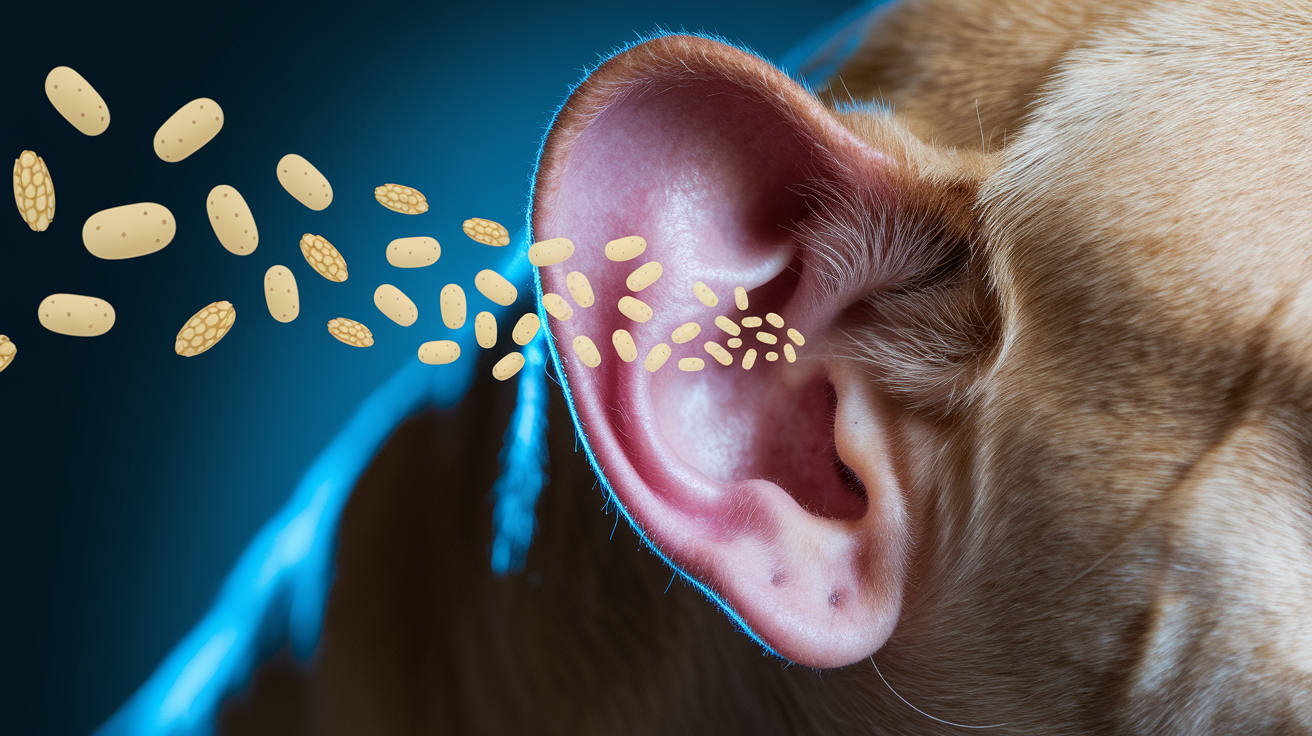
Carbohydrates break down into sugars when your dog digests them, and yeast loves sugar. When a dog eats food loaded with refined grains, potatoes, peas, or rice, those carbs fuel Malassezia growth on the skin and in the ears. It’s not that carbs are bad on their own, but high levels create the warm, sugary setup yeast thrives in. Dogs already dealing with allergies or weakened immune systems have an even harder time, because chronic inflammation opens the door for yeast to multiply.
Food allergies happen when the immune system treats a protein like it’s dangerous. Repeated exposure to beef, chicken, pork, lamb, or dairy trains the body to overreact, which leads to itchy skin, ear infections, and digestive upset. Adult dogs also don’t have enough lactase enzyme to handle dairy, so milk based treats or foods with whey can trigger both intolerance symptoms and make yeast flare ups worse. Year round scratching, especially when seasonal changes don’t affect it, often points back to something in the food bowl.
The five most common food triggers that drive yeast and allergies:
- Beef, the most frequent allergen in dogs
- Chicken, second most common protein trigger
- Dairy products, both lactose intolerance and protein sensitivity
- Wheat and corn, high carb fillers that feed yeast and can act as allergens
- Eggs, another frequent protein allergen in sensitive dogs
Best Dog Food Types for Managing Yeast Infections and Allergies
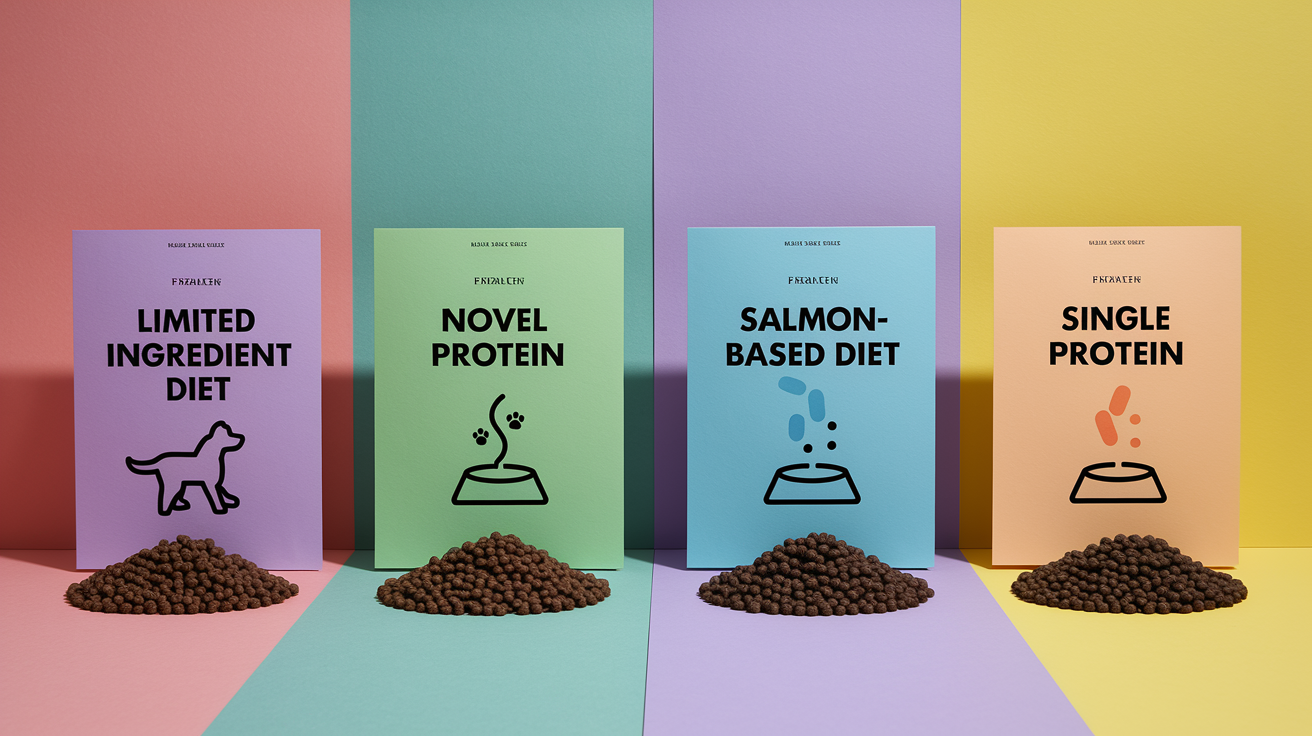
Limited ingredient diets strip the formula down to one protein and one carb source, making it easier to spot what’s causing trouble. If your dog reacts to a LID with chicken and sweet potato, you know to avoid chicken next time. These formulas work well during eight to twelve week elimination trials, where you’re basically hitting reset on your dog’s immune response. They’re simple, clear, and take the guesswork out of reading labels.
Novel protein diets use meats your dog probably hasn’t eaten before. Duck, venison, rabbit, bison, and kangaroo are less likely to trigger reactions because the immune system hasn’t built antibodies against them. If your dog has bounced through beef, chicken, and lamb without relief, a novel protein offers a fresh start. Look for formulas where that protein shows up first and multiple times in the list. Avoid mixed protein formulas during this phase. You want one clear answer.
Salmon and other fish based diets do double duty. They provide a novel protein for many dogs, and they’re packed with omega 3 fatty acids that reduce inflammation and support skin repair. Fish oil from salmon, mackerel, or herring calms red, irritated skin and can improve coat texture within a few weeks. Just check the carb base. Some fish formulas still lean on potatoes or peas, which aren’t great for yeast control.
Single protein formulas work best when you’re managing a dog with known sensitivities or testing for new triggers. These foods commit to one meat source throughout, no secondary proteins hiding in the ingredient deck. They’re especially helpful for dogs who’ve had reactions to mixed protein kibbles or who need long term maintenance after a successful trial.
| Food Type | Key Benefit | Best For |
|---|---|---|
| Limited Ingredient Diet (LID) | Simplifies ingredient list for easier trigger identification | Dogs starting elimination trials or with suspected food allergies |
| Novel Protein Formula | Uses uncommon meats to avoid immune system memory | Dogs who’ve reacted to beef, chicken, or lamb |
| Salmon or Fish Based Diet | Delivers anti-inflammatory omega 3s plus clean protein | Dogs with inflamed skin, chronic yeast, or coat issues |
| Single Protein Option | Maintains one consistent meat source throughout | Dogs with multiple known sensitivities or long term maintenance |
Anti-Inflammatory Dog Food Components That Support Yeast and Allergy Relief

Omega 3 fatty acids from fish oil, algae, or flaxseed reduce the inflammatory response that makes allergies so miserable. They don’t cure the allergy, but they calm the skin, reduce redness, and help damaged tissue repair itself. Dogs with chronic yeast infections often have compromised skin barriers, and omega 3s support the healing process from the inside. Look for formulas listing fish oil or salmon oil in the first ten ingredients, or consider adding a supplement if your current food falls short.
Coconut oil shows up in some formulas for its antifungal properties. It contains medium chain fatty acids that can help suppress yeast growth, though it’s not a standalone treatment. Think of it as a helpful sidekick, not the lead actor. Small amounts in food or applied topically to problem spots can support other dietary changes. Just don’t overdo it. Too much fat can lead to weight gain or loose stools.
Micronutrients like biotin, zinc, and vitamin E help repair skin and coat damage caused by constant scratching and yeast overgrowth. Biotin supports healthy skin cell turnover. Zinc plays a role in immune function and wound healing. Vitamin E acts as an antioxidant that protects skin cells from further damage. Quality dog foods designed for skin health usually include these at higher levels, but check the guaranteed analysis or nutrient breakdown to confirm they’re present in meaningful amounts.
The five most effective anti-inflammatory nutrients for yeast and allergy support:
- Omega 3 fatty acids, EPA and DHA from fish oil or algae
- Coconut oil, medium chain fatty acids with antifungal activity
- Zinc, supports immune function and skin repair
- Vitamin E, antioxidant protection for damaged skin
- Biotin, promotes healthy skin cell growth and coat recovery
Probiotics, Prebiotics, and Gut Health in Yeast and Allergy Friendly Dog Food
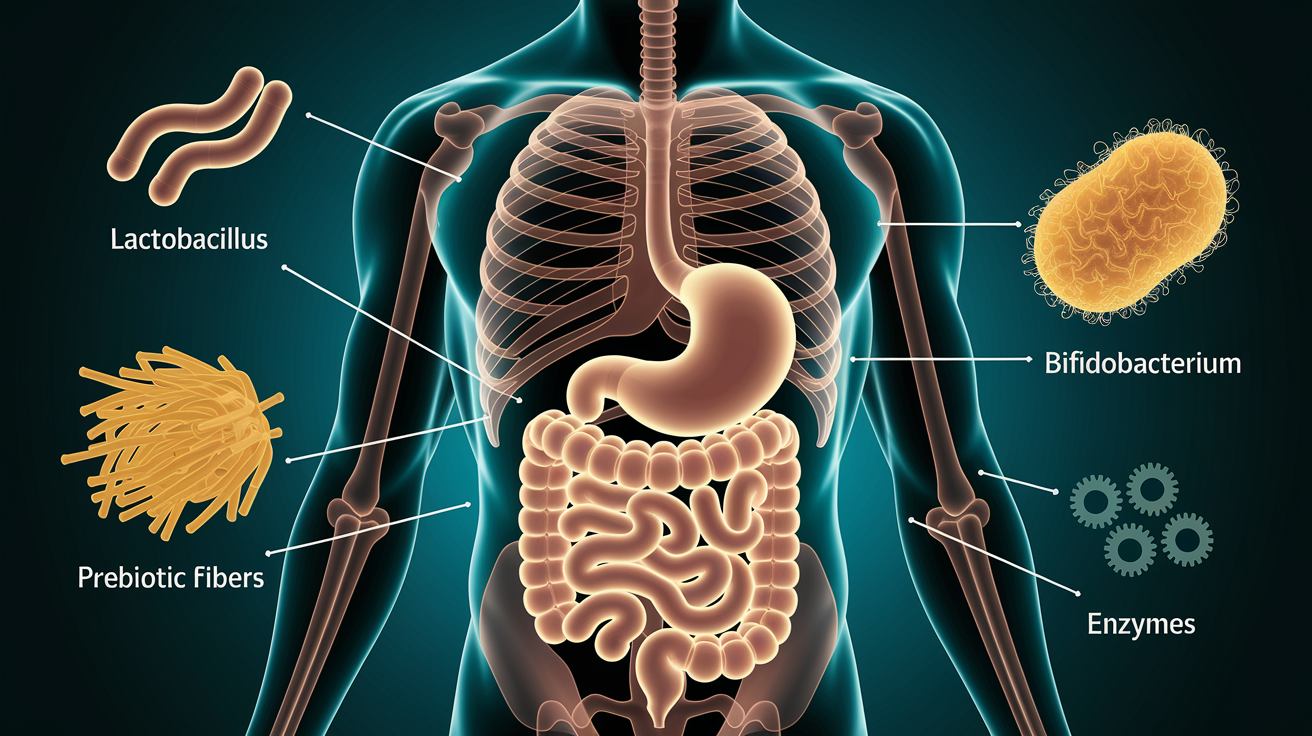
Probiotics introduce beneficial bacteria that help balance the gut microbiome, which directly influences immune response and inflammation throughout the body. A healthy gut keeps harmful organisms like Candida in check, reducing the likelihood of yeast spreading to the skin and ears. Dogs with allergies often have disrupted gut flora, and restoring that balance can reduce symptom severity and frequency. Look for formulas that list specific probiotic strains like Lactobacillus or Bifidobacterium, not just “dried fermentation products.”
Prebiotic fibers feed the good bacteria already living in your dog’s digestive system. Ingredients like chicory root, inulin, or beet pulp act as fuel for probiotics, helping them thrive and multiply. Digestive enzymes break down food more efficiently, improving nutrient absorption and reducing the undigested material that can trigger immune reactions. Together, these three components create a gut environment that’s less hospitable to yeast and less likely to overreact to food proteins.
Four ways probiotics improve yeast and allergy symptoms:
- Stabilize gut microbiome to crowd out yeast and harmful bacteria
- Reduce intestinal inflammation that can worsen food sensitivities
- Support immune system regulation, lowering allergic overreaction
- Improve digestion and nutrient absorption, strengthening skin and coat health
When to Use Hydrolyzed or Prescription Hypoallergenic Diets
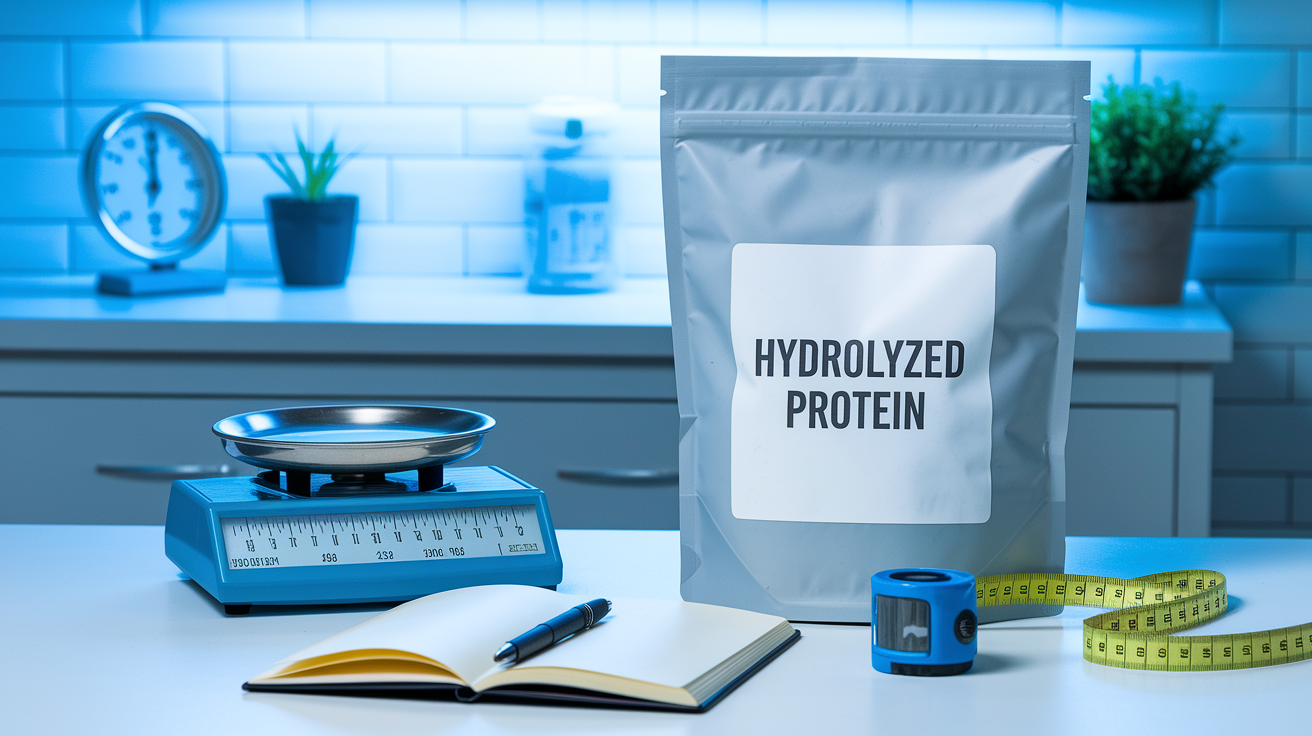
Hydrolyzed diets break proteins down into fragments so small that the immune system can’t recognize them as threats. This process, called hydrolysis, turns chicken, soy, or other proteins into amino acids and tiny peptides that slip past the body’s allergy radar. These formulas work for dogs who’ve tried multiple limited ingredient and novel protein diets without relief, or who react to so many foods that finding a safe protein feels impossible.
Prescription hypoallergenic diets go a step further with strict manufacturing controls and clinical testing. Brands like Hill’s, Royal Canin, and Purina Pro Plan Veterinary Diets produce these under veterinary guidance for dogs with severe or complex cases. They’re not available in regular pet stores. You’ll need a vet’s recommendation to access them. If your dog has frequent relapses, ongoing digestive upset alongside skin issues, or hasn’t responded to over the counter options after a proper eight to twelve week trial, a prescription formula might be the next step.
Food trials with hydrolyzed or prescription diets require patience and consistency. You’ll need to feed only that formula for at least eight weeks. No treats, table scraps, or flavored medications. The goal is to give your dog’s immune system a complete break from recognizable allergens. If symptoms improve, you’ve found a workable solution. If they don’t, the issue might be environmental rather than food related, or there’s another health factor your vet needs to investigate.
How Hydrolyzed Proteins Reduce Reactions
The hydrolysis process uses enzymes or heat to split proteins into pieces smaller than what typically triggers an immune response. Think of it like breaking a chain into individual links. The body sees the links but doesn’t recognize the original chain. Most food allergies target intact proteins with specific shapes that the immune system remembers. When those shapes are destroyed, the allergic reaction doesn’t fire. Hydrolyzed diets are particularly useful for dogs with multiple protein allergies, where finding a truly novel option becomes nearly impossible.
Comparing Popular Dog Foods for Yeast and Allergy Support
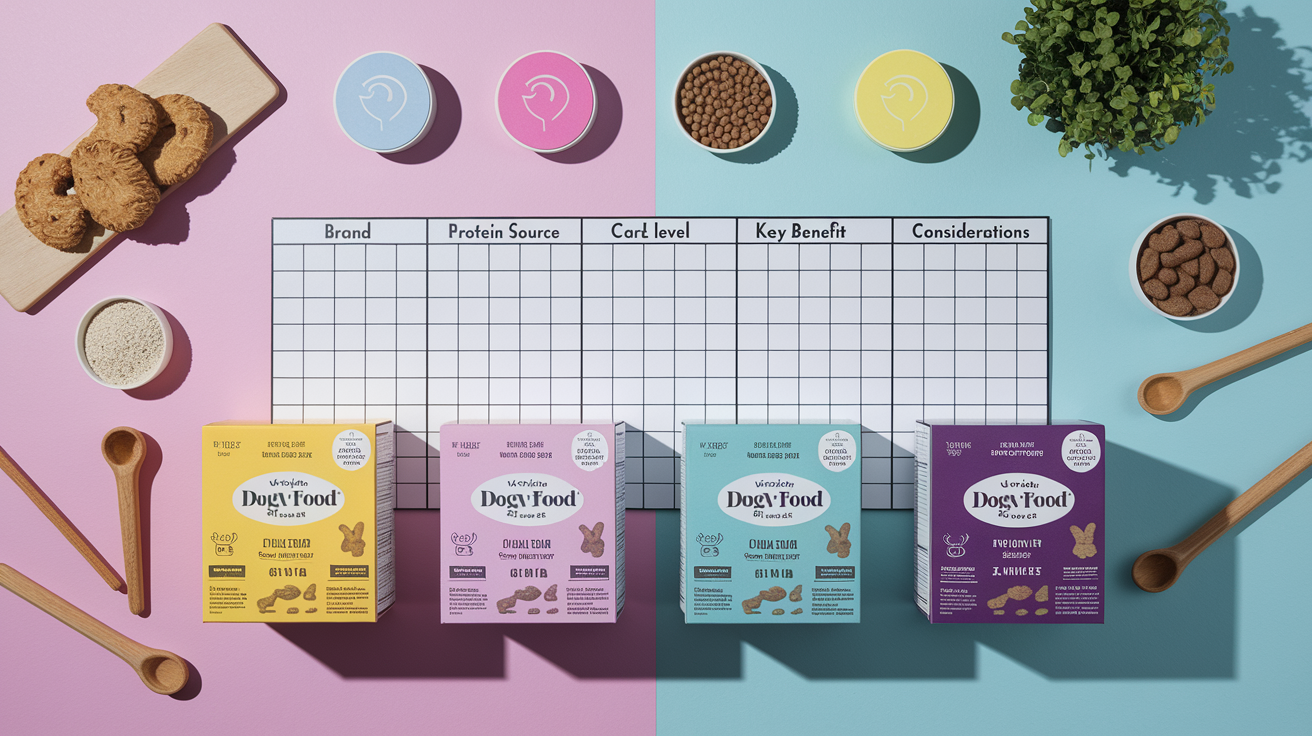
Different brands take different approaches to managing yeast and allergies. Some prioritize low starch, others focus on novel proteins, and a few combine hydrolyzed ingredients with targeted nutrients. Dry kibble remains the most affordable and convenient option, though freeze dried raw and fresh style foods offer less processing and higher moisture content. Cost varies widely, from budget friendly limited ingredient formulas to premium air dried options that can run over four dollars per pound.
Customer reviews and ingredient transparency matter when you’re comparing options. Look for brands that list specific protein sources, not generic “meat meal.” Check carbohydrate levels if yeast is a concern. Formulas heavy in potatoes, peas, or rice aren’t ideal. Some companies provide detailed breakdowns of fat, fiber, and guaranteed nutrient minimums, others keep it vague. You want clear information, especially if you’re managing a dog who’s already been through multiple diet failures.
Format matters too. Kibble is shelf stable and easy to portion, but it typically contains more starch as a binding agent. Freeze dried raw foods preserve nutrients and avoid high heat processing, though they’re pricier and require rehydration. Air dried options sit somewhere in between, offering less processing than kibble with better shelf life than fresh. Choose based on your dog’s needs, your budget, and what you can consistently maintain long term.
| Brand | Protein Source | Carb Level | Key Benefit | Considerations |
|---|---|---|---|---|
| Zignature LID Turkey | Turkey | Moderate (pea free but includes chickpeas) | Simple ingredient list, affordable LID option | Still a processed kibble, moderate carb load |
| Nulo Freestyle Salmon & Peas | Salmon | Moderate to high (peas and lentils) | High protein, omega 3 rich | Legumes can spike insulin, not ideal for yeast control |
| Brothers Complete Advanced Allergy | Egg | Low to moderate | Includes probiotics and digestive enzymes | Expensive, egg can be an allergen for some dogs |
| Natural Balance LID Sweet Potato & Fish | Whitefish or Salmon | Moderate (sweet potato base) | Budget friendly, widely available | Sweet potato is starchy, may not suit yeast prone dogs |
| Spot & Tango Fresh or UnKibble | Beef, Turkey, Lamb, or Fish | Low (minimal refined carbs) | Human grade whole ingredients, pre portioned | Higher cost, requires refrigeration or freezer space |
Feeding Guidelines, Transition Tips, and Symptom Tracking

Switch foods gradually over seven days to avoid digestive upset. Start with 25% new food mixed with 75% old food for the first two days. Move to 50/50 on days three and four, then 75% new food on days five and six. By day seven, you’re feeding 100% of the new formula. If your dog has a sensitive stomach or a history of loose stools during transitions, stretch the process to ten or fourteen days. Slower is better than triggering diarrhea and having to start over.
Watch stool quality, skin condition, and energy level during the transition and for at least four weeks after. Firmer stools, less scratching, and reduced ear odor are early wins. If symptoms worsen or new issues appear, that protein or ingredient might not work. Keep a simple log on your phone or a notebook. Jot down what you’re feeding, any treats or supplements, and how your dog looks and acts each day. Patterns show up faster when you’re tracking instead of trying to remember.
Expect meaningful improvement within two to four weeks, but give the diet a full six to eight weeks before deciding it’s not working. Skin takes time to heal, especially if yeast has been established for months. If you’re eight weeks in with zero change, revisit the protein choice, check the carb base, or talk to your vet about whether food is actually the issue. Sometimes environmental allergies or other health problems mimic food related symptoms.
Long Term Dietary Management for Dogs With Yeast and Allergy Challenges
Once you’ve found a food that works, stick with it. Consistency matters more than perfection. Avoid rotating proteins or switching brands just because something new launched. Every change resets your dog’s system and increases the risk of triggering a reaction. If you need variety, rotate between different formulas from the same protein family, like swapping one salmon based kibble for another, rather than jumping from fish to beef.
Treats and table scraps derail progress fast. High starch biscuits, cheese, or leftover chicken can reintroduce allergens or feed yeast, even if the main meals are clean. Stick to single ingredient treats that match your dog’s safe protein. Freeze dried fish, air dried turkey, or plain cooked sweet potato in small amounts. If medications require a pill pocket, ask your vet for hypoallergenic options or use a small piece of safe meat instead.
Hygiene habits support dietary changes by reducing yeast buildup on the skin and in the ears. Wipe paws after walks to remove pollen and moisture. Clean ears weekly with a vet approved solution. Bathe your dog monthly with an antifungal shampoo if yeast has been an issue, but not more often than that. Over bathing strips natural oils and can make skin worse. Keep skin folds dry, especially in breeds like bulldogs or basset hounds where moisture loves to hide.
Five long term prevention strategies that keep yeast and allergies under control:
- Maintain the same food and protein source for at least six months before considering changes
- Limit treats to single ingredient options that match the safe protein in your dog’s diet
- Clean ears weekly and wipe paws after outdoor exposure to reduce environmental triggers
- Use antifungal shampoo monthly during warm, humid months when yeast thrives
- Schedule routine vet visits every six months to track skin condition, weight, and overall progress
Final Words
Pick a clear path: try a limited-ingredient, novel-protein, low-starch, or salmon-based formula to cut flare-ups and support skin healing.
Add targeted nutrients and gut support — omega-3s, coconut oil, zinc, biotin, plus probiotics — and consider hydrolyzed or prescription foods if symptoms don’t improve. Expect visible change in 2–8 weeks.
Transition slowly, measure meals, and track stool and itch so you know what’s working.
With the right dog food for yeast infections and allergies and a steady routine, most dogs show calmer skin and happier mealtimes soon.
FAQ
Q: What is the best dog food for allergies and yeast infections?
A: The best dog food for allergies and yeast infections is a limited-ingredient, low-starch formula with a novel or single protein (duck, venison, rabbit) or salmon for omega‑3s; use hydrolyzed options if needed.
Q: What can you feed dogs to help with yeast infection and allergies?
A: To help a dog with yeast and allergies, feed low‑carb limited-ingredient or novel-protein diets, add omega‑3s and probiotics, and cut high‑starch treats while monitoring skin and stool.
Q: Can dogs be allergic to yeast in dog food?
A: Dogs can be allergic to yeast in dog food, though true yeast allergy is uncommon; more often high‑carb diets fuel yeast overgrowth—ask your vet about testing or an elimination diet if symptoms persist.