
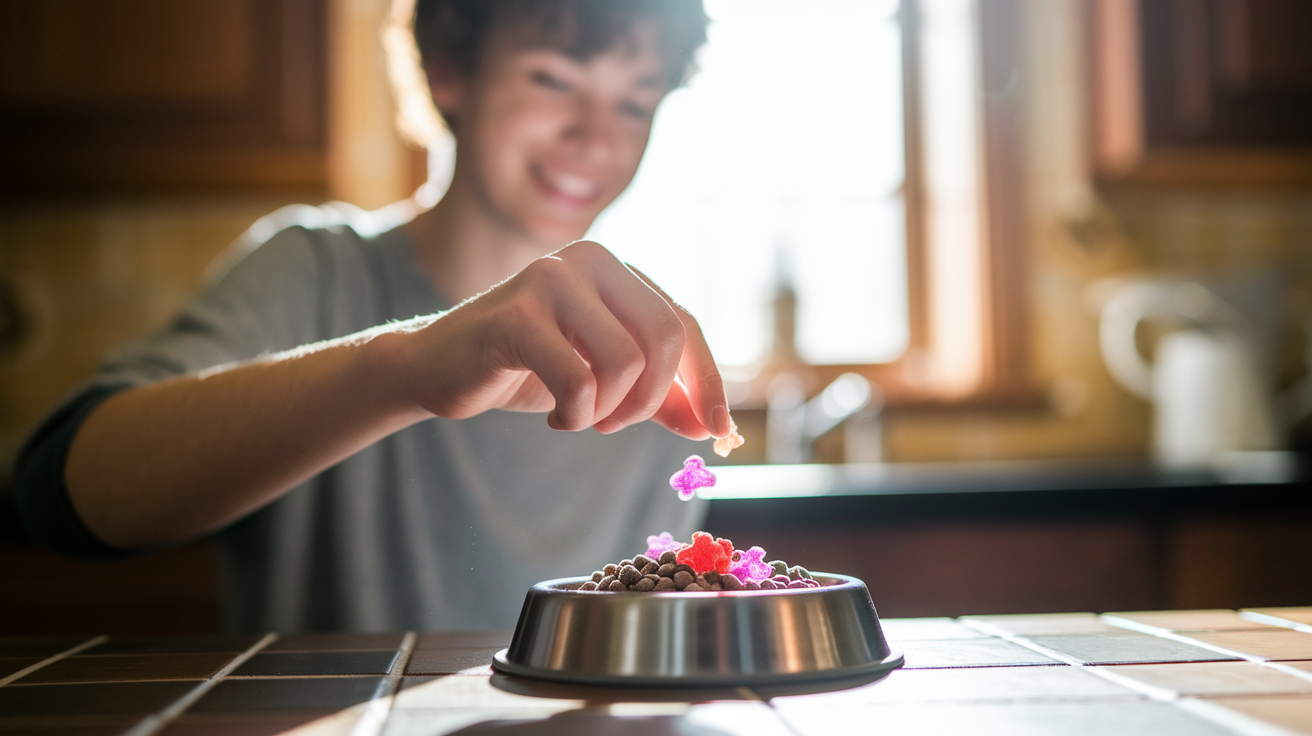
Think sprinkling freeze-dried dog food toppers is just a tasty extra?
Think again. Done wrong, they can add hidden calories or upset a tummy.
This guide shows exactly how to use freeze-dried toppers safely and effectively so you get more flavor and nutrition without messy bowls or weight gain, and you’ll learn when to sprinkle dry, when to rehydrate into a gravy, how much to measure for small and large dogs, and simple storage and transition tips to protect digestion.
Step‑by‑Step Ways to Use Freeze‑Dried Toppers in Daily Meals
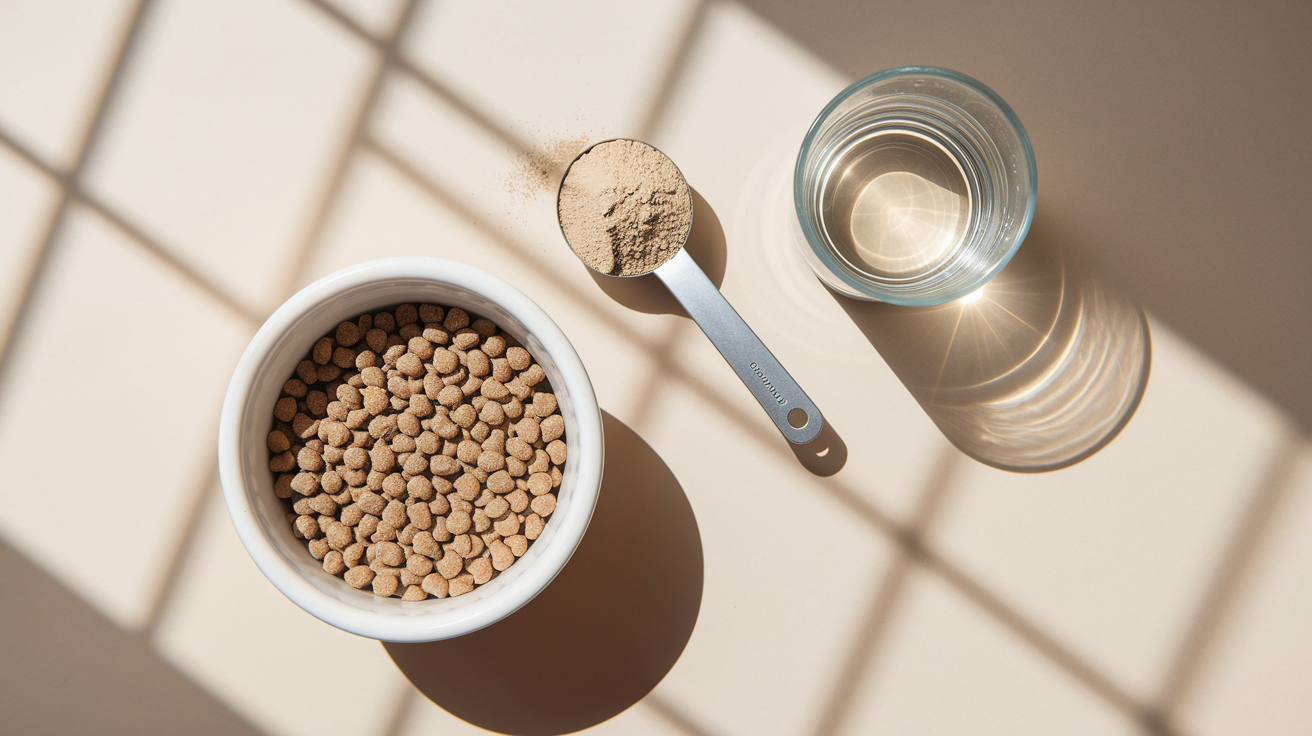
Freeze dried dog food toppers are basically raw ingredients that got freeze dried and ground into a powder or crumb texture. You sprinkle them straight onto your dog’s food or mix them with a little water to make a gravy. The whole point is convenience. You get the nutrition of raw without the fridge space or the meal prep hassle.
There are two ways to serve them: dry or rehydrated. If your dog already eats well and you’re just looking for a flavor bump, dry works fine. But if you’ve got a picky eater, rehydrating with warm water or bone broth releases way more smell and creates this gravy texture that makes dogs actually want to finish their bowl. For rehydration, use about 1 to 2 teaspoons of warm water per tablespoon of topper. Let it sit for 30 to 60 seconds until it softens. Start with 1 to 2 teaspoons per meal and adjust based on your dog’s size and how they respond.
Here’s how to use them:
- Measure the topper. Start with 1 to 2 teaspoons for small dogs, 1 tablespoon for larger dogs.
- If you’re rehydrating, add 1 to 2 teaspoons of warm water or bone broth per tablespoon of topper.
- Let it sit for 30 to 60 seconds so it absorbs the liquid and softens.
- Stir the rehydrated topper into kibble or wet food, or drizzle it on top.
- If you’re serving it dry, sprinkle it evenly over the meal and give it a light mix.
- Adjust the amount over the next few days based on your dog’s appetite and stool quality.
For dogs who really hate food, mix the topper with warm bone broth to make a rich gravy. The smell alone can turn a food avoider into a bowl cleaner. And since freeze dried toppers don’t need refrigeration, you can keep them in your pantry, car, or travel bag without worrying.
Optimizing Rehydration Results for Aroma, Texture, and Digestive Support

Water temperature matters more than you’d think. Warm water releases smell faster and softens the topper completely, which helps if your dog depends on scent to decide if food is worth eating. Room temperature water works too, but it takes longer and won’t smell as strong. If your dog has a sensitive stomach or needs extra hydration, adding more water creates a soupy texture that’s easier to digest and helps with fluid intake at the same time.
Texture depends on the form of the topper and how much liquid you add. Fine powder absorbs water fast and turns into smooth gravy. Crumbs or small chunks take longer and create a thicker, paste like texture if you use less water. Whole pieces stay intact and give you a chunky mix that adds variety to the bowl. For dogs who need moisture support or have trouble chewing, a fully rehydrated gravy style topper usually works best.
Adjusting hydration levels can increase moisture intake for dogs who don’t drink enough water, make meals easier to digest by softening the topper, release stronger smells to get picky or senior dogs interested, and create different textures to keep meals from getting boring.
Portion Sizes and Feeding Guidelines for Freeze‑Dried Dog Food Toppers

Portion control matters because toppers add calories, protein, and fat to your dog’s daily intake. If you’re using a topper as a flavor add on top of a complete meal, you’re adding extra nutrition that wasn’t part of the original plan. That’s not a problem, but you need to account for it. Start small and watch how your dog does over a week or two. Look at stool consistency, energy level, and whether your dog is keeping a healthy weight.
Most freeze dried toppers are calorie dense because they’re made from whole meat, organs, or bone broth powder. A tablespoon can add anywhere from 10 to 40 calories depending on the brand and what’s in it. If you’re using the topper as a snack or training treat, subtract those calories from your dog’s regular meals to avoid weight gain. The point is to make meals better, not accidentally overfeed.
| Dog Size | Daily Topper Amount | Notes |
|---|---|---|
| Toy (under 10 lbs) | ½–1 teaspoon per meal | Start at the lower end; watch for loose stool |
| Small (10–25 lbs) | 1–2 teaspoons per meal | Good for picky eaters or senior dogs |
| Medium (25–60 lbs) | 1–2 tablespoons per meal | Adjust based on activity level and base diet |
| Large (60+ lbs) | 2–3 tablespoons per meal | Monitor weight and reduce base food if needed |
How to Mix Freeze‑Dried Toppers with Kibble, Wet, or Fresh Food

Kibble benefits most from rehydrated toppers because dry food doesn’t have much moisture or scent. Mixing a small amount of warm water or bone broth with the topper creates a gravy that clings to the kibble pieces and softens them a bit. If your dog likes crunch, sprinkle the dry topper straight on top and toss the bowl lightly so the dust coats the kibble. This works well for dogs who eat fast and don’t need extra moisture.
Wet food already has plenty of liquid, so adding a dry topper keeps things from getting too soupy. Sprinkle a teaspoon or two of the freeze dried dust over the wet food and stir it in. The topper adds protein, scent, and a little texture contrast without changing the overall consistency. If your dog is a slow eater, dry topper also stops the meal from getting watery as it sits in the bowl. You can use a small amount of rehydrated topper as a flavor layer on top of wet food, but that’s more about how it looks than anything functional.
Fresh food diets often include whole ingredients like cooked vegetables, ground meat, or chopped organs. Freeze dried toppers in larger crumb or chunk form add variety without needing extra prep. You can toss a tablespoon of freeze dried beef or salmon pieces into a fresh meal to create little flavor bursts. Since freeze dried ingredients rehydrate on contact with moisture in the bowl, they’ll soften naturally as your dog eats. This works well for dogs who get bored with the same texture and need something to keep meals interesting.
Freeze‑Dried Toppers for Picky Eaters and Sensitive Stomachs

Freeze dried toppers keep vitamins, minerals, and natural enzymes because the freeze drying process doesn’t use high heat. That makes them easier to digest than heavily processed kibble or treats, especially for dogs with sensitive stomachs or mild food sensitivities. The raw ingredients stay close to their natural form, which can reduce digestive strain and help dogs who struggle with synthetic additives or fillers they can’t handle. If your dog has a history of loose stools or vomiting after meals, freeze dried toppers made from a single protein source can add nutrition without causing a reaction.
Single protein toppers are helpful for allergy prone dogs because they limit exposure to multiple ingredient sources at once. If your dog does well on chicken but reacts to beef, you can use a freeze dried chicken topper without worrying about hidden proteins or fillers. When you introduce a new topper, transition slowly over 2 to 3 days by mixing a small amount into the current meal and gradually increasing the portion. Watch for changes in stool consistency, energy, or scratching. If everything stays stable, you’re good to keep going.
Strong aroma from rehydrated toppers gets picky dogs interested in food they’d normally ignore. Single protein options reduce the risk of triggering food sensitivities or allergies. And minimally processed ingredients are gentler on digestion than synthetic flavor enhancers.
Nutritional Benefits of Freeze‑Dried Toppers and Ingredient Selection
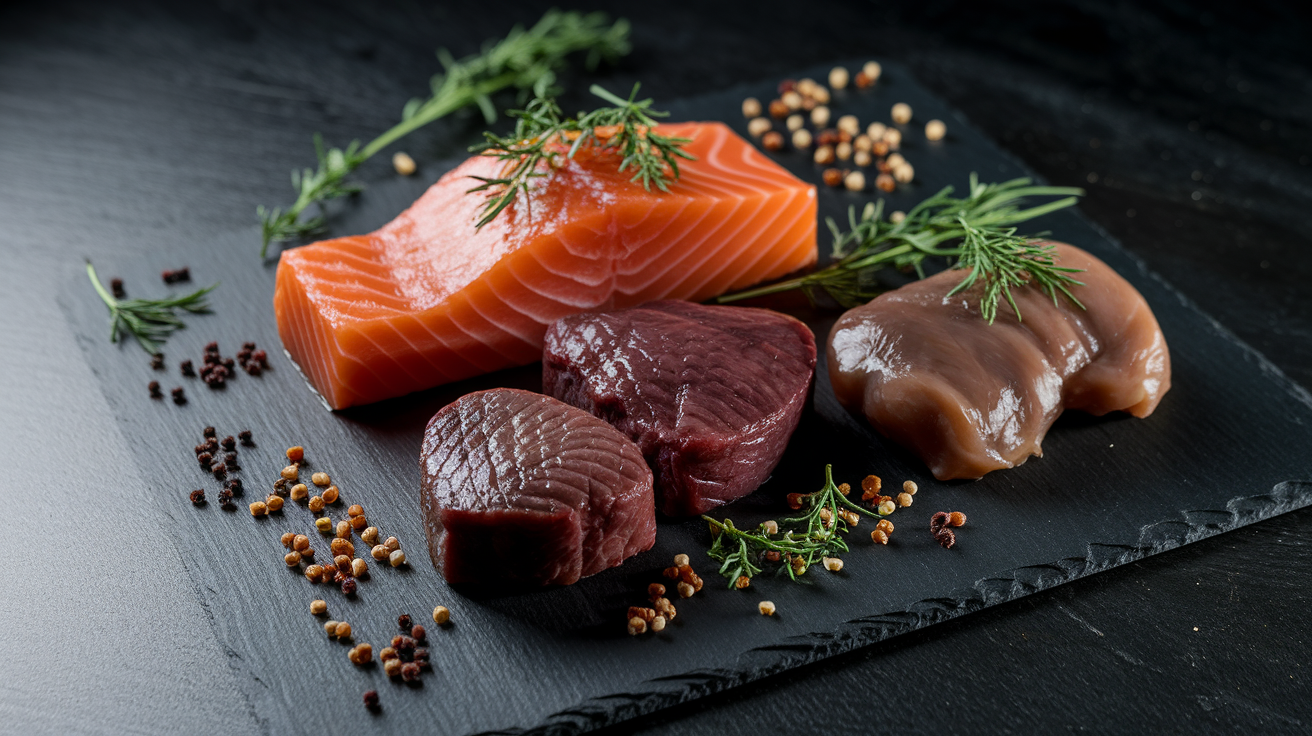
Freeze dried toppers deliver concentrated nutrition in a small serving. Because the freeze drying process removes moisture without destroying vitamins, minerals, or enzymes, you’re getting nutrient density close to what you’d find in raw food. High quality toppers often include organ meats like liver or heart, which are packed with vitamin A, B vitamins, iron, and other micronutrients that support energy production, immune function, and coat health. If your dog’s base diet is a mid range kibble, a topper with organ meats can fill in some of the nutritional gaps without switching foods entirely.
When you’re picking a freeze dried topper, read the ingredient list and look for whole meat, organs, and bone broth as the main components. Skip products with artificial flavors, preservatives, or fillers like corn, wheat, or soy. Single ingredient or limited ingredient toppers are easier to trace if your dog has a reaction, and they’re less likely to include unnecessary additives. If you choose a salmon based topper, you’ll get a boost of omega 3 fatty acids that support skin, coat, and joint health. Beef and chicken toppers tend to be higher in protein and work well for active or growing dogs.
High quality freeze dried toppers typically contain protein from whole meat and organs for muscle maintenance and energy, omega 3 fatty acids from fish or flaxseed to reduce inflammation and improve coat quality, natural fiber from vegetables or bone to help digestion and stool consistency, vitamins A, C, and E from organ meats and plant ingredients to support immune health, and minerals like calcium, phosphorus, and iron for bone strength and metabolic function.
Storage, Shelf Life, and Safe Handling of Freeze‑Dried Dog Food Toppers
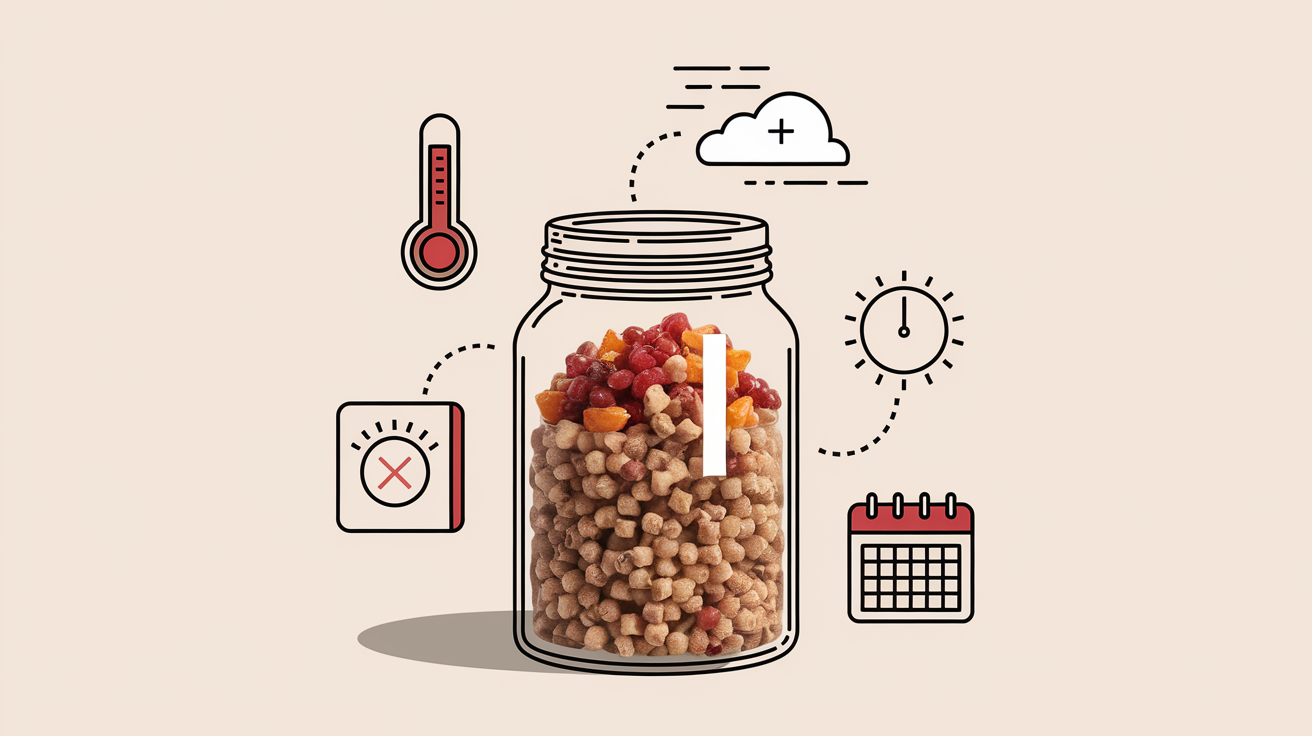
Freeze dried toppers don’t need refrigeration, but they do need to be stored in an airtight container to prevent moisture from getting in. If the topper is exposed to humid air, it can clump together and lose its texture. Over time, moisture exposure can also create conditions for bacterial growth, even though the freeze drying process removes most pathogens initially. Store the container in a cool, dry place away from direct sunlight and heat sources. Most freeze dried toppers will stay fresh for 12 to 18 months if stored properly, but always check the best by date on the package.
Once you rehydrate a topper, treat it like fresh food. The moisture you add brings the product back to a state where bacteria can multiply, so any rehydrated topper that sits out for more than two hours should be thrown out. If your dog doesn’t finish the meal, don’t save the leftover rehydrated topper for later. Either reduce the portion size next time or only rehydrate what you think your dog will eat in one sitting. Dry topper can stay in the bowl longer, but it’s still smart to remove uneaten food after mealtime to keep routines consistent.
Freeze‑Dried Toppers as Treats, Training Rewards, and Meal Add‑Ons

Freeze dried toppers work well as high value training treats because they’re small, smell strong, and break apart easily. If you’re working on recall or teaching something tricky, a piece of freeze dried beef or salmon can be way more motivating than a standard biscuit. Since they’re lightweight and don’t crumble into dust like some treats, you can carry them in a pocket or treat pouch without making a mess. Just remember to subtract the calories from your dog’s daily food if you’re using toppers as treats throughout the day.
You can also sprinkle small amounts of topper on meals to create variety without changing the base diet. Rotating between chicken, beef, and fish toppers keeps things interesting and stops your dog from getting bored with the same flavor every day. This is helpful for picky eaters who need a reason to get excited about their bowl. Instead of switching foods constantly, you’re just changing the top layer.
For dogs who need extra mental stimulation, try stuffing a small amount of rehydrated topper into a puzzle toy or treat ball. The moisture helps it stick to the inside, and your dog has to work to get it out. This method is useful for dogs who eat too fast or need something to do while you’re gone. Just make sure you adjust meal portions to account for the extra calories from the topper.
Choosing the Right Freeze‑Dried Topper for Your Dog’s Needs
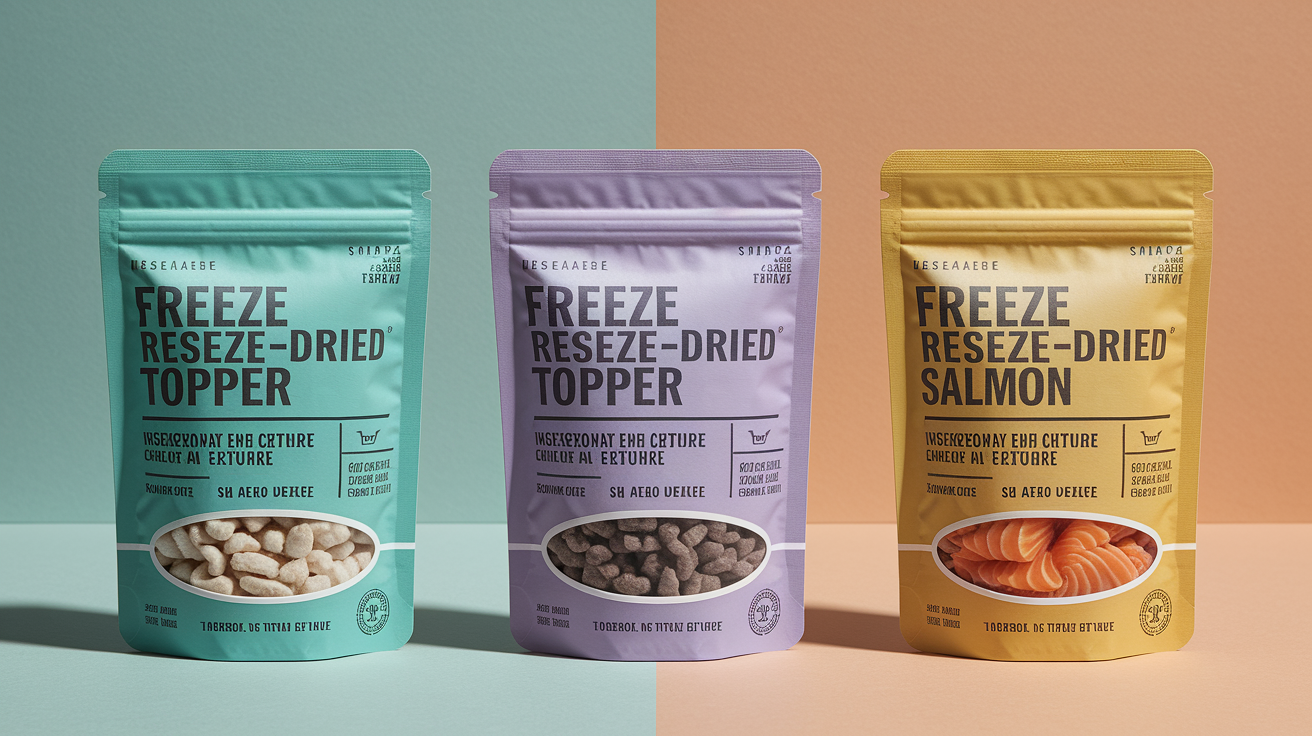
Protein choice matters because different meats offer different nutritional profiles and flavor intensities. Chicken is mild and widely tolerated, so it’s a good starting point for dogs with no known sensitivities. Beef is richer and higher in fat, which works well for active dogs or picky eaters who need a strong smell to get interested. Salmon provides omega 3 fatty acids that support skin, coat, and joint health, and it’s a good option for dogs who need an alternative protein source due to allergies. If your dog has food sensitivities, start with a single protein topper so you can track how they respond.
Bone broth powder is another option that adds hydration and flavor without introducing a new protein. It’s made by slow cooking bones and connective tissue until the nutrients are released into the liquid, then freeze drying that liquid into powder. Bone broth toppers are lower in calories than meat based toppers and can be mixed with any protein to create a gravy. They’re useful for senior dogs or dogs recovering from illness who need extra moisture and gentle nutrition. Some toppers also include organ meats like liver or heart, which are nutrient dense and add variety to the ingredient mix.
When you’re reading labels, look for whole meat or organ meat as the first ingredient, not meal or by product. Skip anything with artificial preservatives, colors, or flavoring agents. Watch out for fillers like corn, wheat, soy, or unnamed grains. Check if there’s clear sourcing information, especially if the label says “human grade” (look into what that actually means for the specific brand). And stick with a short ingredient list with recognizable items you’d find in your own kitchen.
Troubleshooting Freeze‑Dried Toppers: Clumping, Overuse, and Low Interest
Clumping happens when freeze dried toppers absorb moisture from the air. If you live somewhere humid or the container wasn’t sealed right, the powder or crumbs will stick together and form hard chunks. To prevent this, always reseal the package or transfer the topper to an airtight container after opening. If clumping has already happened, you can try breaking up the chunks with a spoon or rehydrating the whole clump and using it as a gravy. But if the topper smells off or looks weird, toss it.
If your dog shows no interest in the topper, the issue is usually smell. Freeze dried toppers need moisture to release their full scent, so try rehydrating a small amount with warm water or bone broth before sprinkling it on the meal. Let it sit for a minute so the smell gets stronger, then drizzle it over the food. If that still doesn’t work, check the protein source. Some dogs just don’t like certain meats, and switching from chicken to salmon or beef might make all the difference.
Topper clumps together? Store in an airtight container in a cool, dry place. Dog ignores the topper? Rehydrate with warm water or bone broth to boost smell. Weight gain or loose stool? Reduce portion size and subtract topper calories from base meals.
Final Words
Sprinkle a pinch, soak a spoonful in warm water or bone broth, or mix it into kibble. Those are the hands-on moves this post walks you through.
You learned what freeze-dried toppers are, the 1–2 tsp water per tablespoon rule, a 30–60 second soak, portion starters, mixing tips for kibble/wet/fresh food, storage, and basic troubleshooting.
Try the 6-step method for a few meals, watch appetite and stool, and tweak portions. Learning how to use freeze dried dog food toppers will make mealtimes easier and more enjoyable.
FAQ
Q: Are freeze-dried toppers good for dogs?
A: Freeze-dried toppers are good for dogs because they boost aroma, protein, and micronutrients, often help picky eaters, and stay shelf-stable—start small and watch stool and weight.
Q: How to use dog food toppers?
A: To use dog food toppers, sprinkle dry on meals or rehydrate with warm water or broth (1–2 tsp water per tablespoon), soak 30–60 seconds, then mix in; start with 1–2 teaspoons per meal.
Q: Do dog food toppers need to be refrigerated?
A: Most freeze-dried toppers do not need refrigeration; store airtight in a cool, dry place. Rehydrated toppers must be refrigerated and used promptly—discard if left at room temperature over two hours.
Q: Are you supposed to add water to freeze-dried dog food?
A: You can add water to freeze-dried dog food—rehydrate with 1–2 teaspoons warm water per tablespoon, wait 30–60 seconds to release aroma and create a gravy for picky eaters or hydration support.