
Think all kitten foods are equal? Think again.
Kittens grow faster than almost any other mammal and need more protein than adult cats.
The right high-protein formula supplies amino acids for muscle, organs, brain, and immune system development.
Most growing kittens benefit from about 35 to 45% protein on a dry matter basis, pulled from named meats like chicken or salmon.
This post lists vet-approved high-protein picks and shows how to compare wet vs dry, read labels, and set feeding ratios.
Here’s how to pick a formula that helps your kitten grow strong and healthy.
Best High-Protein Kitten Foods (Top Vet-Approved Picks)

High protein kitten formulas exist because kittens grow faster than almost any other mammal during their first year. They’re building muscle, organs, immune systems, and brain tissue all at once. That means they need consistent amino acid delivery, typically somewhere between 35 and 45 percent protein on a dry matter basis. Quality formulas pull that protein from named animal ingredients like chicken, salmon, or turkey.
When you pick a vetted, high protein product, you’re getting a formula that’s been tested for safety, nutrient balance, and digestibility. The products below meet AAFCO growth standards and come from brands with consistent quality control.
- Purina Pro Plan Kitten Chicken & Rice Formula (Dry) – 40% protein (dry matter), $1.20–$1.50 per pound, contains DHA for brain development and real chicken as the first ingredient
- Wellness CORE Grain-Free Kitten Formula (Dry) – 45% protein (dry matter), $2.50–$3.00 per pound, includes probiotics for digestive health and deboned turkey
- Blue Buffalo Wilderness Kitten Chicken Recipe (Dry) – 40% protein (dry matter), $1.80–$2.20 per pound, features real chicken, DHA, and omega-3 fatty acids
- Instinct by Nature’s Variety Kitten Grain-Free Recipe (Wet Pâté) – 48% protein (dry matter), $2.80–$3.50 per 5.5 oz can, made with cage-free chicken and added taurine
- Royal Canin Feline Health Nutrition Kitten (Dry) – 34% protein (dry matter), $1.40–$1.80 per pound, supports immune system with antioxidants and tailored kibble size
- Tiki Cat Born Carnivore Kitten Formula (Wet) – 50% protein (dry matter), $3.00–$3.80 per 2.8 oz can, shredded chicken and fish with high moisture content
Each of these formulas balances protein density with complete nutrition. They’re reliable choices for supporting healthy kitten growth through the first year.
What High-Protein Cat Food Provides for Growing Kittens
Kittens experience explosive growth in their first 12 months. They often double or triple in size while building muscle mass, bone structure, and a functioning immune system. Protein is the primary building block for all of this development. Unlike adult cats, who need protein mainly for maintenance, kittens are constantly assembling new tissue. That means their protein requirement is significantly higher, usually 35 percent or more on a dry matter basis.
High quality animal proteins deliver complete amino acid profiles that kittens can’t produce on their own. Named proteins like chicken, salmon, turkey, or tuna provide bioavailable nutrients that support muscle formation, organ function, and immune resilience. When these proteins appear as the first ingredient, it signals that the formula is designed around meat based nutrition rather than plant fillers.
Fat works alongside protein to fuel a kitten’s high metabolic rate. Most kitten foods include at least 9 percent fat to support energy needs and help absorb fat soluble vitamins like A, D, E, and K. Without adequate fat and protein working together, kittens may struggle to maintain energy levels or develop lean muscle mass during critical growth windows.
Protein sources that best support kitten growth include:
- Whole deboned chicken, turkey, or fish – highly digestible and rich in essential amino acids
- Chicken meal or salmon meal – concentrated protein sources with moisture removed, offering more protein per ounce than fresh meat
- Organ meats like liver or heart – nutrient dense additions that provide vitamins and amino acids
- Egg protein – complete amino acid profile, often used as a supplemental protein source in premium formulas
Understanding Protein Content in Kitten Food
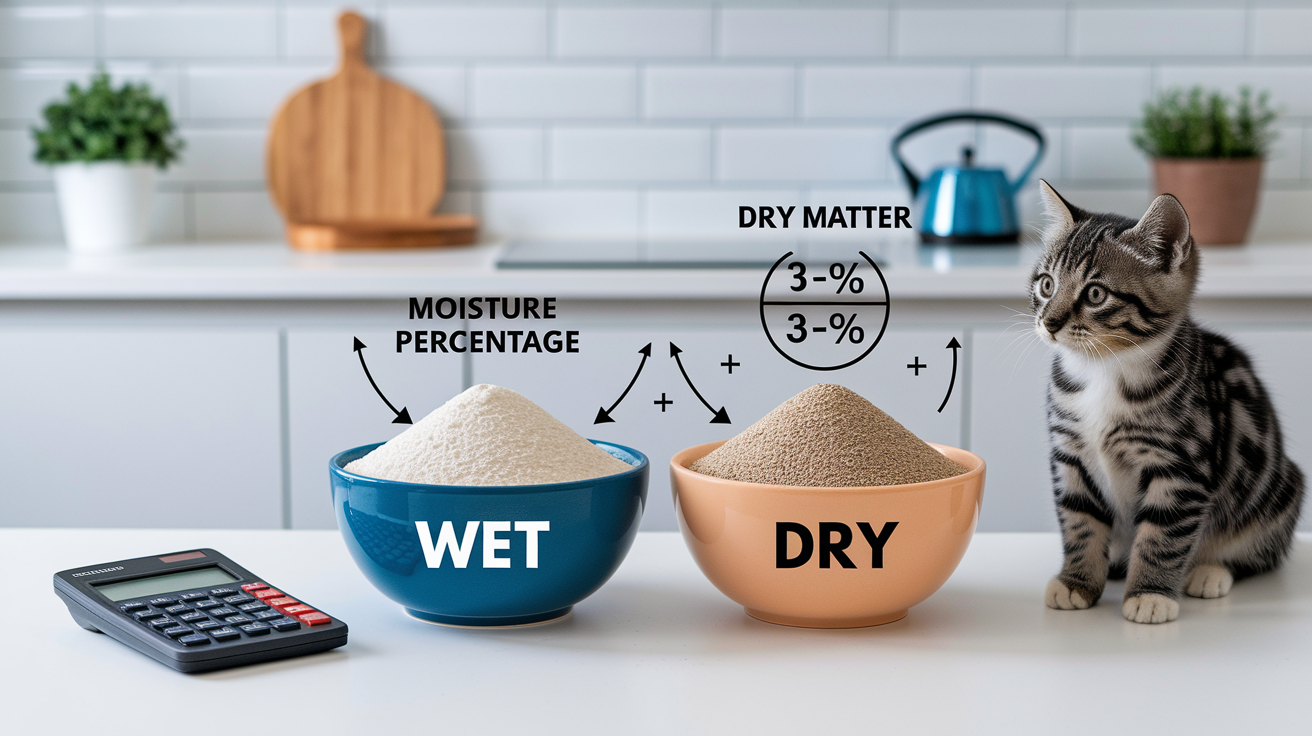
Reading protein percentages on kitten food labels requires understanding how moisture affects the numbers. The crude protein percentage printed on the guaranteed analysis includes all the water in the food. That means wet food often looks lower in protein than dry food, even when it isn’t. To compare fairly, you need to calculate dry matter protein, which removes moisture from the equation.
For example, a wet food listing 10 percent protein and 78 percent moisture actually delivers about 45 percent protein on a dry matter basis. That’s often higher than many dry kibbles. Looking only at the label number can be misleading. Dry matter comparison gives you the real protein concentration, helping you evaluate whether a formula meets the 35 percent minimum that active, growing kittens need.
Here’s how to evaluate protein content in kitten food:
- Check the crude protein percentage on the guaranteed analysis panel, usually found on the back or side of the package.
- Note the moisture content listed in the same section, as this will be subtracted to find dry matter protein.
- Calculate dry matter protein by dividing crude protein by the dry matter percentage (100 minus moisture), then multiply by 100. For example, 10% protein ÷ (100 – 78) = 10 ÷ 22 = 0.45, or 45% dry matter protein.
- Look for taurine supplementation in the ingredient list, as this essential amino acid supports heart and eye development and must be added to all kitten foods.
- Confirm a named animal protein appears as the first ingredient, such as “chicken,” “salmon,” or “turkey,” rather than generic terms like “meat” or “poultry by-product meal.”
Evaluating Wet vs. Dry High-Protein Options for Kittens
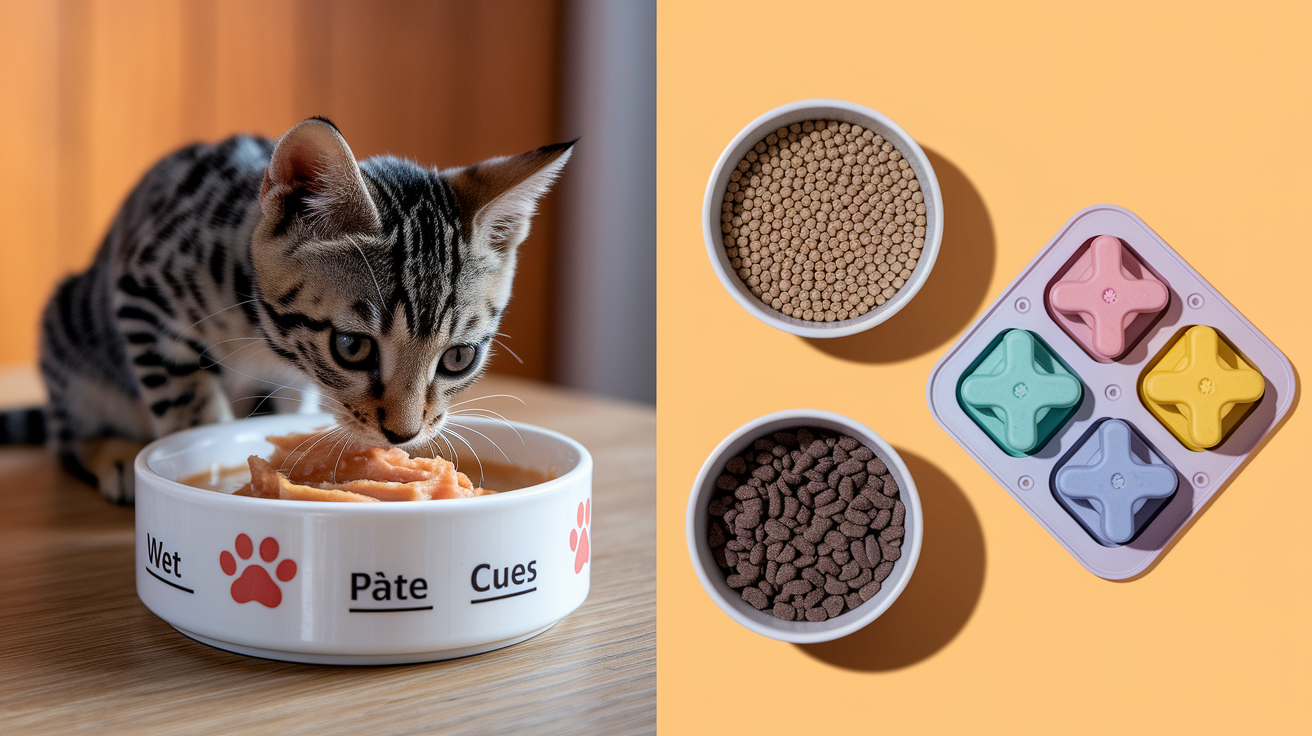
Wet and dry kitten foods each bring specific benefits that can support growth and long term health. Wet food typically contains 70 to 80 percent moisture, which helps kittens stay hydrated while supporting kidney function and urinary tract health. Since kittens often inherit a naturally low thirst drive from their desert dwelling ancestors, moisture rich food becomes a practical way to prevent chronic dehydration that can start in kittenhood.
Dry kibble offers convenience, a longer shelf life, and mild abrasive action that may help reduce tartar buildup as kittens chew. It’s also easier to use in puzzle feeders and enrichment activities, which can keep curious kittens mentally engaged. Many kitten owners find that combining wet and dry food gives them the best of both worlds. Hydration support from wet food and dental benefits from kibble.
Feeding ratios can shift as kittens grow. From 8 to 16 weeks, a mix of 75 to 80 percent wet food with small amounts of dry food supports gentle digestion and hydration during rapid growth. Between 4 and 6 months, a 60 percent wet and 40 percent dry ratio works well as kittens become more active and begin exploring solid textures. From 6 to 12 months, the ratio can flex based on individual appetite, activity level, and stool quality.
| Food Type | Key Benefits | When It’s Ideal |
|---|---|---|
| Wet (Pâté, Shreds, Chunks) | High moisture content, easy to digest, appealing aroma, supports hydration and kidney health | 8–16 weeks for gentle digestion; any age for picky eaters or low water intake |
| Dry Kibble | Convenient, longer shelf life, supports dental health, good for enrichment toys | 4 months onward when kittens are more active; helpful for multi-pet households |
| Combination Feeding | Balances hydration with convenience, offers texture variety, supports portion control | Throughout kittenhood; adjust ratio based on appetite, stool quality, and lifestyle |
Key Ingredients in High-Protein Kitten Formulas
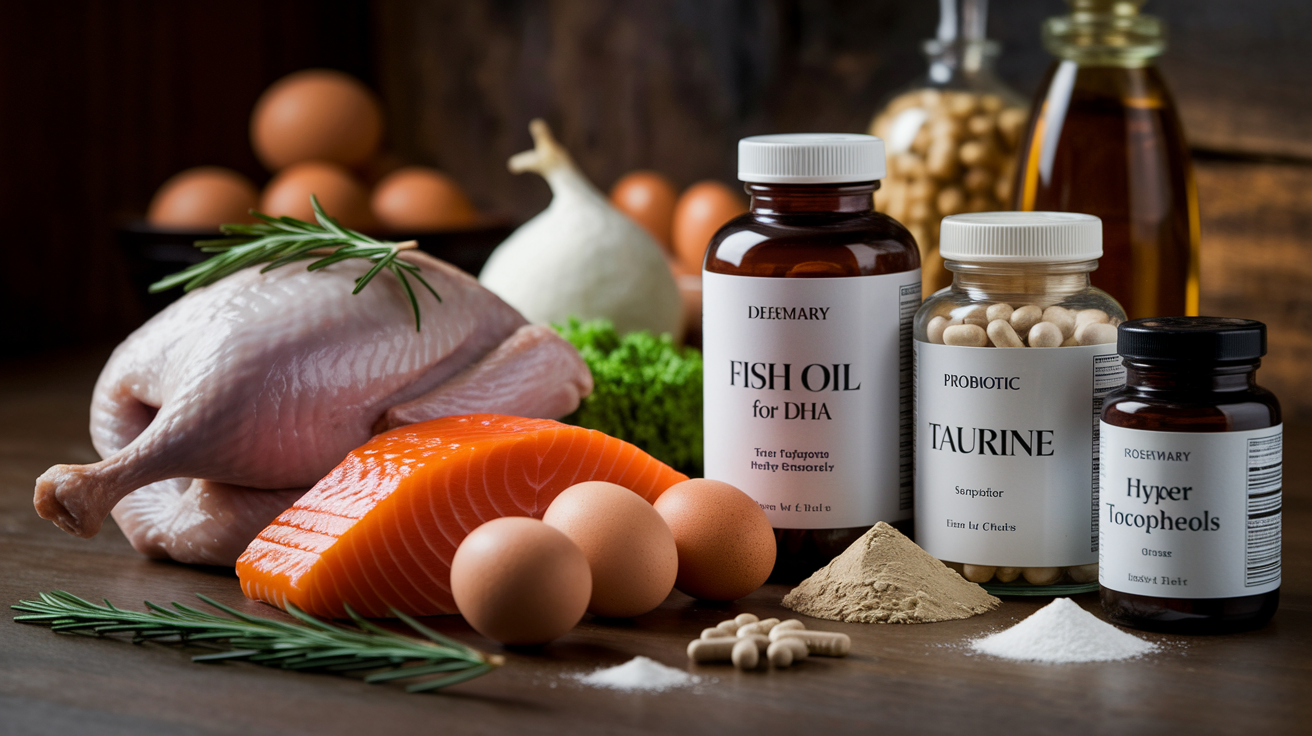
The first ingredient on a kitten food label should be a named animal protein, such as chicken, salmon, turkey, or tuna. This signals that the formula is built around meat based nutrition rather than fillers. When you see “chicken meal” or “salmon meal,” that’s not a red flag. It’s actually a concentrated protein source with the moisture removed, often delivering more protein per ounce than fresh meat.
Functional ingredients like DHA (an omega 3 fatty acid) support brain and eye development during the critical first year. Probiotics and prebiotic fiber help establish a healthy gut microbiome, which can reduce digestive upset and support nutrient absorption. Taurine, an essential amino acid, must be added to all kitten foods because cats can’t produce enough on their own. Deficiency can lead to serious heart and vision problems.
Natural preservatives like mixed tocopherols (vitamin E) and rosemary extract keep food fresh without the risks associated with synthetic additives. These ingredients extend shelf life while maintaining ingredient quality, especially in dry kibble formulas that sit in open bags for weeks.
Top beneficial ingredients in high protein kitten foods include:
- Named animal proteins like deboned chicken, turkey, or salmon as the first ingredient
- Protein meals such as chicken meal or fish meal, which concentrate amino acids and increase overall protein density
- DHA from fish oil or algae to support brain development and cognitive function
- Probiotics like Lactobacillus or Enterococcus to promote digestive health and nutrient absorption
- Taurine supplementation for heart and eye health, listed separately in the ingredient panel
- Natural preservatives like tocopherols and rosemary extract instead of synthetic chemicals
Red Flags When Choosing High-Protein Food for Kittens
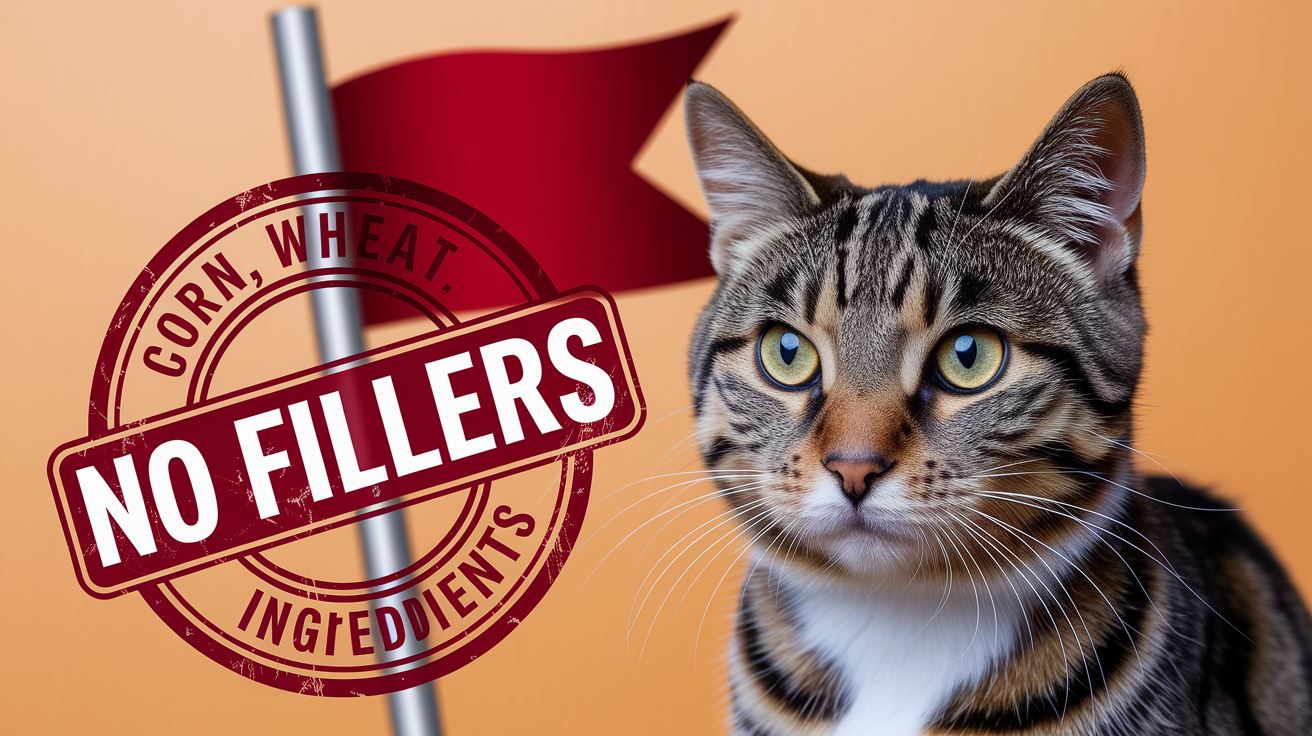
Not all high protein kitten foods are created equal. Some formulas pad their ingredient lists with low quality fillers or use vague protein sources that make it hard to know what your kitten is actually eating. Corn, wheat, and soy appearing as primary ingredients usually signal that the formula leans on plant based protein and carbohydrates rather than animal protein. That can reduce digestibility and amino acid availability.
Artificial preservatives like BHA, BHT, and ethoxyquin have been linked to potential health concerns and aren’t necessary in modern formulas that use natural alternatives. Generic terms like “meat by-product meal” or “poultry meal” without a named source make it impossible to trace ingredient quality or identify potential allergens if your kitten develops sensitivities.
Ingredients to avoid in high protein kitten food:
- Corn, wheat, or soy as top three ingredients – plant proteins that don’t provide the complete amino acid profile kittens need
- Artificial preservatives like BHA, BHT, or ethoxyquin, which may carry long term health risks
- Generic meat sources such as “meat meal” or “by-product meal” without a named animal
- Excessive carbohydrates from potatoes, tapioca, or peas listed before the second or third protein source
Feeding Guidelines for High-Protein Kitten Food

Kittens have fast metabolisms and small stomachs. That means they often need more frequent meals than adult cats. From 8 to 16 weeks, offering food three to four times per day helps maintain steady energy levels and supports consistent growth. As kittens mature between 4 and 6 months, you can reduce feeding frequency to two to three meals per day, depending on appetite and activity level.
Portion sizes depend on the caloric density of the food and your kitten’s individual needs. High protein wet foods tend to be more calorie dense than dry kibble, so measuring portions by weight or using feeding guidelines on the package helps prevent overfeeding. Monitoring stool quality and weight gain gives you real time feedback. Firm, consistent stools and steady weight gain signal that portions are appropriate.
Transitioning to a new high protein food should happen gradually over 7 to 12 days to avoid digestive upset. Abrupt diet changes can cause loose stool, vomiting, or temporary loss of appetite, especially in kittens with sensitive stomachs. A slow transition allows the digestive system to adjust to new protein sources and ingredient profiles.
Steps for transitioning to a new high protein kitten food:
- Days 1–3: Mix 25 percent new food with 75 percent current food, offering the blend at regular meal times.
- Days 4–6: Increase to 50 percent new food and 50 percent current food, watching stool quality for signs of digestive stress.
- Days 7–9: Shift to 75 percent new food and 25 percent current food, maintaining consistent meal timing and portion sizes.
- Days 10–12: Complete the transition to 100 percent new food, monitoring appetite, energy, and stool for the next two weeks to confirm the switch is working.
If loose stool or vomiting occurs at any stage, slow down the transition and hold at the current ratio for a few extra days before moving forward.
Comparing Protein Sources in Kitten Food
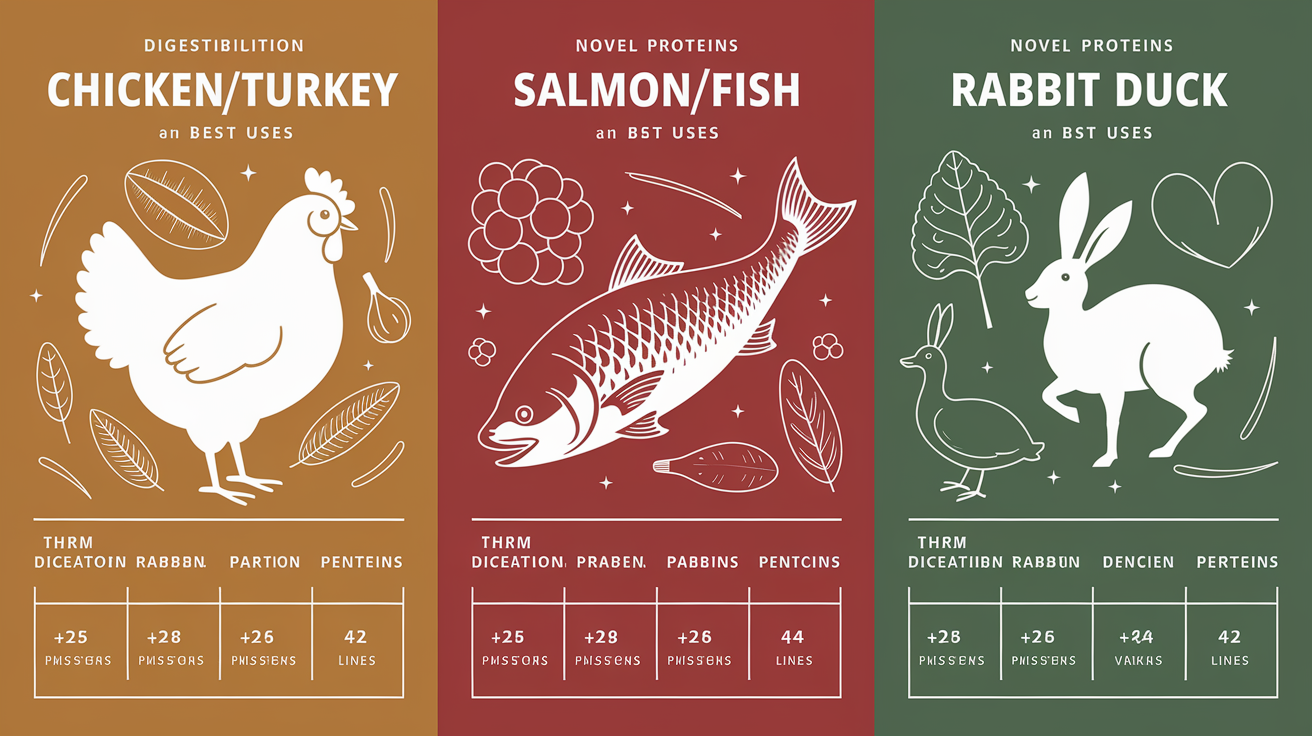
Different protein sources offer varying digestibility, amino acid profiles, and palatability. Chicken is the most common protein in kitten foods because it’s highly digestible, cost effective, and widely accepted by even picky eaters. Salmon and other fish proteins bring omega 3 fatty acids that support brain development and coat health, though some kittens find fish flavors too strong.
Turkey and duck are leaner proteins that work well for kittens who need slightly lower fat content or have sensitivities to chicken. Novel proteins like rabbit or venison are less common but can be helpful if a kitten shows signs of food sensitivities or allergies to more traditional ingredients.
| Protein Source | Digestibility | Best For |
|---|---|---|
| Chicken or Turkey | High – easily broken down and absorbed by most kittens | General growth, picky eaters, and kittens transitioning from mother’s milk |
| Salmon or Fish | High – rich in omega 3s and highly palatable for many kittens | Brain and coat development, kittens who prefer stronger flavors |
| Novel Proteins (Rabbit, Duck, Venison) | Moderate to High – less commonly used, reducing risk of prior exposure | Kittens with food sensitivities, suspected allergies, or digestive issues with common proteins |
Vet-Approved High-Protein Kitten Food Considerations
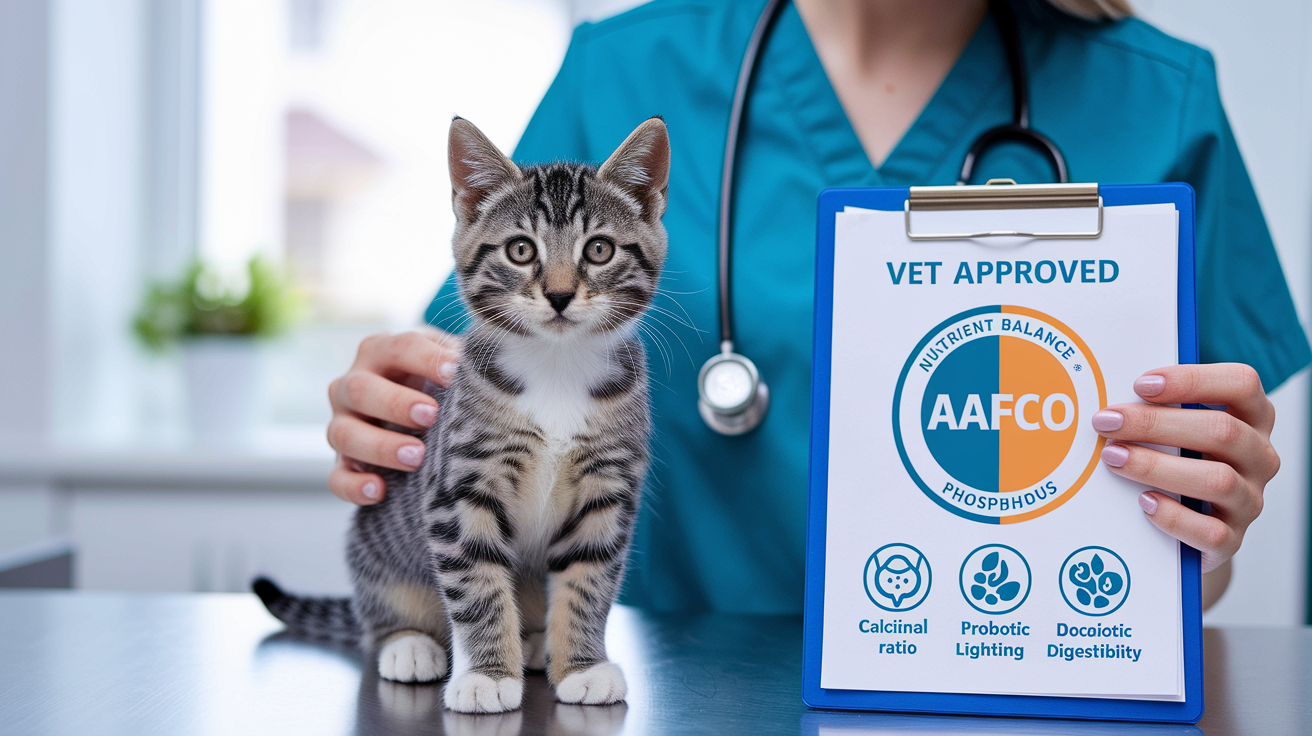
Veterinarians consistently recommend kitten foods that meet AAFCO standards for growth or all life stages. These formulas have been tested to ensure they provide complete and balanced nutrition. High protein content alone doesn’t guarantee a formula is appropriate. It also needs the right calcium to phosphorus ratio (around 1.2:1), adequate fat for energy, and essential vitamins and minerals that support immune development.
Digestive health is a priority during the first year. Kittens are still building their gut microbiome, which means stool quality can shift as they adjust to new foods or experience minor stress. Probiotics and easily digestible proteins help stabilize digestion, while high moisture content from wet food supports kidney function and prevents the chronic dehydration that many cats experience throughout their lives. Monitoring stool consistency, energy levels, and coat condition gives you clear feedback on whether a high protein formula is meeting your kitten’s needs.
Product Types for High-Protein Kitten Diets

High protein kitten foods come in several formats, each with different protein concentrations, costs, and convenience factors. Dry kibble is the most common and affordable option, with protein levels typically ranging from 35 to 45 percent on a dry matter basis. It stores well, works in automatic feeders, and provides a crunchy texture that some kittens prefer.
Wet food in pâté, shredded, or chunked styles usually delivers higher dry matter protein, often 45 to 50 percent, and comes with built in hydration. It’s more expensive per meal but offers strong palatability for picky eaters and supports digestive health during early growth stages. Freeze dried and raw style foods provide the highest protein concentrations, sometimes reaching 50 to 55 percent, but require careful handling to avoid bacterial contamination and often come with premium price tags.
Product types for high protein kitten feeding:
- Dry kibble – 35–45% protein (dry matter), $1.00–$3.00 per pound, convenient and shelf stable
- Wet pâté or chunks – 45–50% protein (dry matter), $2.50–$4.00 per 5.5 oz serving, high moisture and palatability
- Freeze dried raw – 50–55% protein (dry matter), $4.00–$6.00 per ounce when rehydrated, requires safe storage and handling
- Limited ingredient formulas – 38–48% protein (dry matter), $2.00–$3.50 per serving, helpful for kittens with sensitivities
- Grain free options – 40–48% protein (dry matter), $1.80–$3.20 per pound, focus on animal based ingredients with fewer carbohydrates
Final Words
You’ve got vet‑approved picks, why extra protein matters, how to read labels, wet vs. dry pros, key ingredients, red flags, and feeding steps—everything to pick and feed smarter without the guesswork.
Pick a formula that fits your kitten’s age, appetite, and your budget. Transition slowly, measure portions, and watch stool and energy. Do those simple things and you’re on the right track for healthy growth with high protein cat food for kittens.
FAQ
Q: Is high-protein cat food good for kittens?
A: High-protein cat food is good for kittens because they need extra protein for rapid growth, muscle and immune development; aim for formulas around 35–45% protein on a dry-matter basis.
Q: Which kitten food or dry cat food has the highest protein?
A: Kitten and dry cat foods with the highest protein are specialty high-protein formulas—examples include Blue Buffalo Wilderness, Wellness Core, Purina Pro Plan, Instinct, and Royal Canin, often 35–45% (dry-matter).
Q: What food has protein for kittens?
A: Foods with protein for kittens include named animal sources like chicken, turkey, salmon, and tuna in meat-based wet or dry formulas, meat meals, and freeze-dried pieces, supplying key amino acids like taurine.