
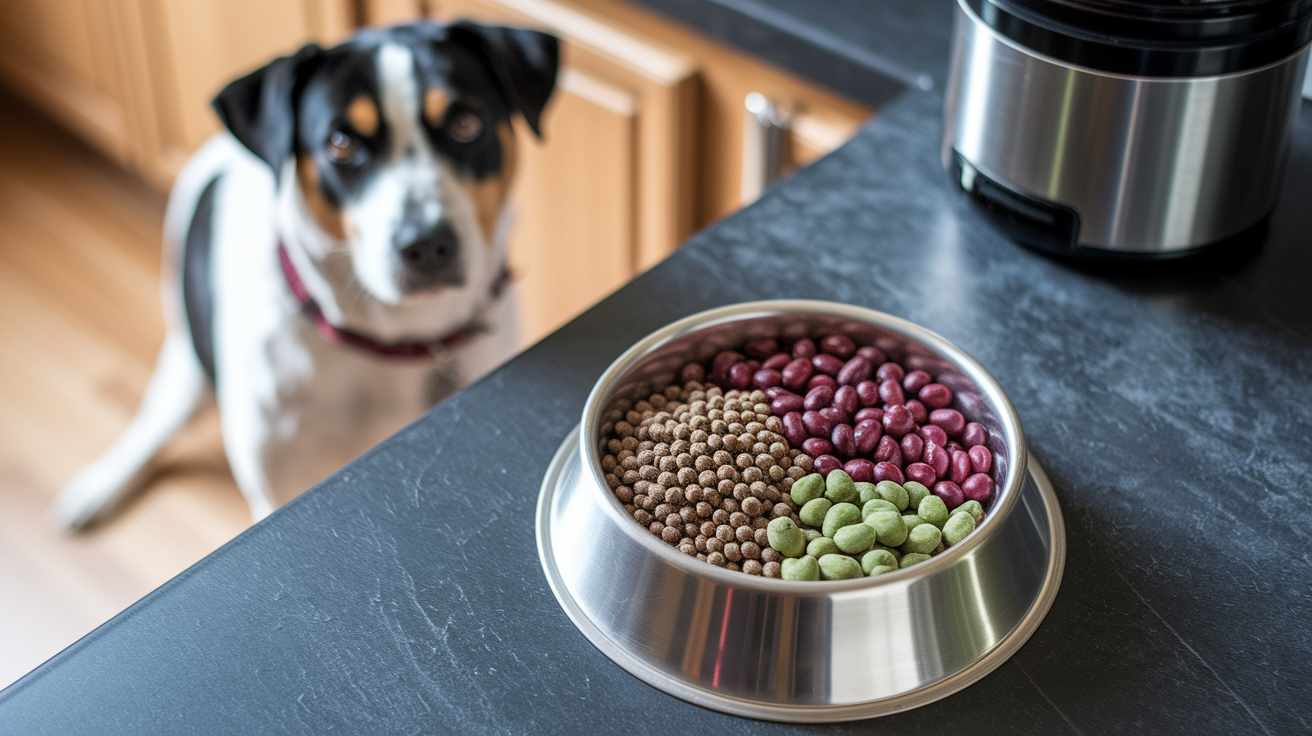
Could peas and lentils be quietly hurting your dog’s heart?
That scare started after vets saw more DCM cases in dogs eating certain grain-free foods, but studies since 2019 haven’t shown a direct link.
Legumes bring protein, fiber, and steady carbs, and they can be fine, as long as the recipe balances them with quality meat, key amino acids, and proper nutrient levels.
The bottom line: legumes aren’t inherently unsafe, but watch how much is used, favor formulas with named animal proteins and added taurine or methionine, and check with your vet if your dog is in a higher-risk group.
Safety Overview of Legumes in Grain‑Free Dog Food

The whole legume thing blew up when vets started seeing more dilated cardiomyopathy cases in dogs eating certain grain‑free foods around 2018 and 2019. A lot of these formulas had replaced traditional grains with peas, lentils, chickpeas, and similar ingredients, so naturally pulse ingredients became the focus. Some folks theorized that legumes might mess with taurine absorption or deliver incomplete amino acid profiles, basically starving the heart muscle of what it needs to function.
But here’s what the research actually shows. Multiple peer‑reviewed studies from 2019 through 2023 couldn’t find a causal relationship between legumes and DCM. The University of Missouri ran a seven month feeding trial with 65 dogs across four different diets, both grain‑inclusive and grain‑free types, checking cardiac biomarkers at several points. None of the diets caused concerning changes. University of Guelph did a randomized controlled trial with 28 Siberian Huskies, feeding them diets loaded with green peas, yellow peas, pinto beans, chickpeas, and lentils. They ran echocardiograms and blood panels. Every dog’s heart muscle stayed healthy. In 2022, the FDA updated its position and confirmed there wasn’t enough evidence to establish a link between grain‑free pet foods or legumes and DCM. They said they wouldn’t issue more public updates until meaningful new science showed up.
Legumes can still be a concern when formulations lean way too hard on them or cut corners on animal protein, methionone, and taurine. If a formula lists three pulse ingredients in the first five spots and doesn’t show a named meat until ingredient six, that’s stretching protein quality pretty thin. If your dog’s one of those breeds with known DCM risk, or you’re noticing symptoms like fatigue, coughing, or a racing resting heart rate, get to your vet and ask for a cardiac workup before you switch food.
What the major legume safety studies found:
- 65 dog University of Missouri trial showed no connection between grain‑free or grain‑inclusive diets and cardiac biomarkers across seven months
- University of Guelph study with 28 Siberian Huskies fed diets containing green peas, yellow peas, pinto beans, chickpeas, and lentils didn’t find any heart muscle problems
- A 2020 Journal of Animal Science study tracked dogs eating diets with up to 45% legumes for over five years without any bad cardiac outcomes
- PLOS ONE research using echocardiogram exams showed dogs on plant‑based diets kept healthy biomarkers and actually increased blood taurine levels compared to meat‑only control groups
- Nationwide study by University of Missouri and BSM Partners found no correlation between DCM case rates and grain‑free food sales, with no uptick in DCM diagnoses over 20 years even as grain‑free got more popular
Understanding Legumes as Dog Food Ingredients

Legumes are edible seeds from pod‑bearing plants. In dog food you’ll see peas, lentils, chickpeas, pinto beans, and sometimes fava beans or navy beans on the label. Manufacturers use legumes because they bring plant‑based protein, dietary fiber, slow‑release carbs with a low glycemic index, and minerals like folate, potassium, and magnesium. They also help hold kibble together without wheat, corn, or rice, which matters for dogs with grain sensitivities or owners looking for alternatives.
Research published in the Journal of Animal Science in 2019 found that dogs eating diets formulated with pulse ingredients kept normal taurine levels. Legumes do have protein, but it’s not as bioavailable as chicken, beef, or fish. That’s why good recipes use legumes as supporting ingredients rather than the main protein source. When you pair them with quality meat and the right amino acid balance, legumes add fiber for digestive health, help manage weight by keeping dogs fuller longer, and work well for diabetic dogs who need steadier blood sugar.
| Ingredient | Primary Nutritional Benefit |
|---|---|
| Peas (green, yellow) | Plant protein, fiber, vitamins A and K |
| Lentils (red, green) | Iron, folate, slow‑digesting carbs |
| Chickpeas (garbanzo beans) | Protein, magnesium, B vitamins |
| Pinto beans | Fiber, potassium, antioxidants |
| Navy beans | Folate, manganese, thiamine |
| Fava beans | Protein, copper, phosphorus |
Genetic and Clinical DCM Risk Factors in Dogs

Dilated cardiomyopathy is a rare heart condition where the left ventricle gets bigger and loses its ability to contract with force, which cuts down the heart’s pumping efficiency. Most cases are genetic, especially in large and giant breeds like Doberman Pinschers, Great Danes, Boxers, and Irish Wolfhounds. Males develop DCM more often than females, and middle‑aged to senior dogs face higher risk than younger adults. Genetics load the gun, age and breed pull the trigger, and diet rarely plays a primary role outside of extreme nutritional gaps.
Even in high‑risk breeds, DCM only affects a small fraction of dogs. Golden Retrievers and Cocker Spaniels saw more reported cases during the 2018–2019 investigation, which raised eyebrows because these breeds don’t usually top the DCM list. That oddball pattern drove a lot of the early worry. Still, obesity, infections affecting heart tissue, and other metabolic factors also raise risk no matter what’s in the bowl.
Early symptoms can be subtle. Your dog might get tired faster on walks, lose interest in meals, or develop a cough that sounds like something’s stuck. As things progress, you might see pale or bluish gums, a higher resting heart rate, or labored breathing even when they’re just lying around.
Watch for these signs:
- Loss of appetite or sudden lack of interest in food
- Pale or blue‑tinged gums showing poor circulation
- Higher resting heart rate or irregular heartbeat
- Trouble breathing, coughing, or can’t handle exercise
Research Findings on Legumes and Canine Heart Health

The University of Missouri ran the biggest DCM diet study yet, with 65 dogs eating four different formulas, two grain‑inclusive and two grain‑free, for seven months. Researchers tracked cardiac biomarkers, echocardiogram dimensions, and blood taurine at baseline, midpoint, and endpoint. None of the diets produced measurable changes in heart function or structure. Dogs on grain‑free formulas with legumes showed the same cardiac health markers as those eating grain‑based recipes.
University of Guelph set up a randomized controlled trial with 28 Siberian Huskies. They tested diets with different levels of green peas, yellow peas, pinto beans, chickpeas, and lentils. Every dog got echocardiograms and blood panels at set intervals. Not one developed cardiac problems, and taurine levels stayed normal across all groups. The study concluded that pulse ingredients, when formulated the right way, don’t hurt canine heart health.
A 2020 Journal of Animal Science study followed dogs eating diets with up to 45% legumes for more than five years. Researchers tracked cardiac function, overall wellness markers, and long‑term health outcomes. No bad effects on heart health showed up, and the dogs kept healthy weight, good coat quality, and normal activity levels. PLOS ONE published research using echocardiogram exams on dogs fed plant‑based diets and found that biomarkers stayed healthy and blood taurine levels actually went up compared to meat‑inclusive control diets.
What the legume safety research tells us:
- University of Missouri seven month trial with 65 dogs found no cardiac biomarker differences between grain‑free and grain‑inclusive diets
- University of Guelph randomized trial with 28 Siberian Huskies showed no heart changes across diets with multiple legume types
- Five year study with 45% legume inclusion produced no bad cardiac outcomes or health concerns
- PLOS ONE plant‑based diet study showed increased blood taurine and healthy echocardiogram results
- Journal of Animal Science 2019 research confirmed dogs fed pulse ingredients kept normal taurine levels
How Formulation Affects Legume Safety in Dog Food
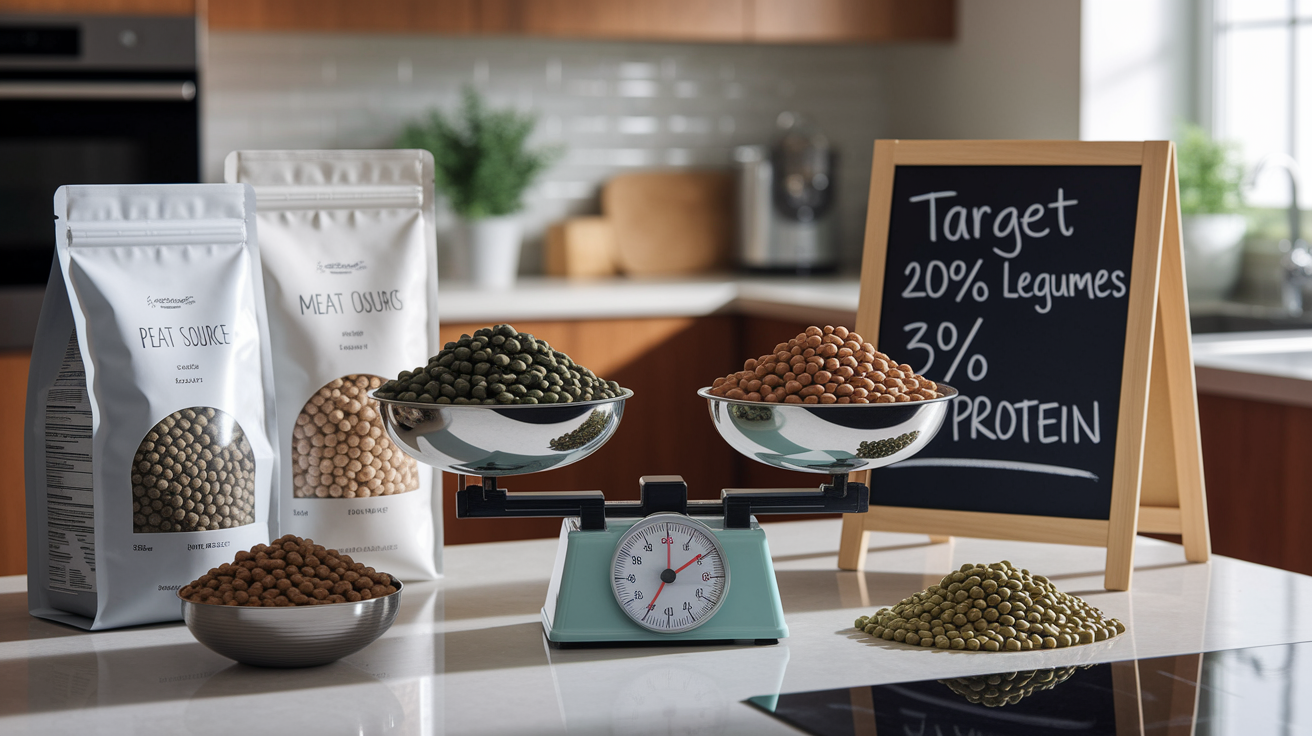
The total percentage of legumes and how they balance with animal protein matters way more than just whether legumes show up on the label. Good manufacturers limit pulse inclusion to around 20% of the total formula and keep legumes contributing less than 30% of total protein. The rest comes from named meat sources like chicken, beef, salmon, or turkey. That balance makes sure dogs get complete amino acid profiles, especially methionine and cysteine, which the body turns into taurine.
Some foods list chickpeas or peas as the first ingredient even when inclusion sits below 15%. Labeling rules require listing ingredients by pre‑cooking weight, and legumes hold more moisture than meat meals, which bumps them higher on the list. A formula showing “chicken meal, chickpeas, peas, lentils” might deliver more total protein from chicken than from all three pulses combined once moisture cooks off. Smart formulations also add methionine, taurine, and L‑carnitine directly to support heart health, especially in grain‑free recipes.
What to look for on the label:
- A named animal protein in the first three ingredients
- Methionine, taurine, or L‑carnitine in the ingredient list or guaranteed analysis
- Legumes that don’t take over the top five spots without meat balance
- Confirmation the food meets AAFCO standards for your dog’s life stage (growth, maintenance, or all life stages)
Evaluating Your Dog’s Health and Dietary Needs

Every dog processes food differently based on breed, age, activity level, gut health, and genetics. A young Border Collie running agility courses needs different protein and energy than a senior Bulldog managing joint issues on the couch. If your dog’s one of those breeds with documented DCM risk, like a Doberman, Great Dane, or Golden Retriever, regular cardiac screenings make sense no matter what diet they’re on. An echocardiogram and blood panel that includes taurine levels can catch early changes before symptoms pop up.
Some dogs with diet‑related DCM respond well to taurine or methionine supplementation, especially when blood work shows deficiency. But taurine deficiency doesn’t always line up with low dietary taurine. Poor absorption, gut inflammation, or weird metabolic quirks can drain taurine even when intake looks fine. That’s why throwing supplements at the problem without testing isn’t ideal. Work with your vet or a veterinary nutritionist to figure out whether your dog needs extra support, and if symptoms like fatigue, coughing, or weight loss show up, ask for a full cardiac workup before you change food.
Choosing Safe Grain‑Free or Grain‑Inclusive Foods

The FDA’s 2022 update didn’t recommend avoiding grain‑free foods or legumes across the board. Instead, look at overall formula quality, protein source diversity, and whether the recipe includes heart‑supporting nutrients. Grain‑free isn’t automatically better or worse than grain‑inclusive. What matters is whether the food fits your dog’s size, age, activity level, sensitivities, and any health conditions your vet’s flagged.
When you switch foods, transition gradually over seven days to dodge digestive upset. Start with 25% new food mixed with 75% old food for two days, then move to 50‑50 for two days, then 75% new for two days, and finally 100% new. Watch stool consistency, energy, appetite, and coat condition during the first two weeks. If your dog gets loose stools, bloating, or reduced energy, slow down the transition or rethink the formula.
Measure portions according to feeding guidelines on the bag, adjusted for your dog’s actual weight and body condition. Overfeeding any food, grain‑free or not, leads to obesity, which stresses the heart and joints. Track treats and toppers as part of total daily calories. If treats make up more than 10% of intake, cut back meals slightly to keep overall calories in check.
What to evaluate when picking safe food:
- Named animal protein (chicken, beef, salmon) in the first three ingredients
- Legumes present but not taking over the top five spots
- Added methionine, taurine, or L‑carnitine for heart support
- AAFCO statement confirming the food is complete and balanced for your dog’s life stage
- Feeding trial or lab analysis backing the AAFCO claim, not just formulation alone
Evidence-Based Perspective on Legume Safety in Dog Diets

Early DCM concerns came from correlational reports rather than controlled research. Veterinarians noticed patterns in clinic records and flagged them to the FDA, which kicked off an investigation. That’s responsible surveillance. But correlation doesn’t prove causation, and lots of variables beyond legumes could explain the cases, including genetics, overall diet composition, treat intake, and individual metabolic differences. The initial alarm was based on 560 reported cases across millions of dogs eating grain‑free food, a tiny fraction that didn’t account for breed predisposition or other risk factors.
Some clinical vets remain cautious about grain‑free or legume‑heavy diets despite the lack of evidence tying them clearly to problems. That skepticism often reflects early case reports and the emotional weight of seeing sick dogs in practice. It’s also worth noting that some early voices raising DCM concerns had professional ties to prescription food manufacturers or veterinary schools funded by those brands. That doesn’t make their observations wrong, but it adds context to why certain recommendations leaned heavily toward specific brands. Transparency about funding and conflicts of interest helps pet parents weigh advice more clearly.
| Evaluation Factor | What It Indicates |
|---|---|
| Feeding trial statement | Food tested on real dogs, not just calculated on paper |
| Third‑party testing | Independent lab confirmed nutrient levels and safety |
| Manufacturer transparency | Company shares sourcing, quality control, and research backing |
| Veterinary nutritionist on staff | Formulation guided by advanced training in canine nutrition |
Final Words
You’ve seen why legumes were flagged, the FDA update, and studies that found no clear link to DCM. You also learned how formulation, protein balance, and legume percentage affect risk.
Bottom line: legumes can be safe when the food is complete and balanced and you watch portions and protein quality.
So, are legumes in grain free dog food safe? For most dogs, yes—if recipes are well made and you keep up with vet checks and simple label reviews. With that routine, you can choose a grain-free option that fits your dog.
FAQ
Q: Why do vets not recommend grain-free dog food?
A: Vets don’t broadly recommend grain-free dog food because some grain-free formulas high in legumes were reported alongside cases of dilated cardiomyopathy, so vets stress balanced formulation and heart monitoring when used.
Q: Is grain- and legume-free food good for dogs, and should dogs avoid legumes?
A: Grain- or legume-free isn’t inherently better; legumes (peas, lentils, chickpeas) are usually safe and add protein and fiber, but problems come from poor formulation or excess—check labels and ask your vet if unsure.
Q: What three ingredients should not be in dog food?
A: Three ingredients to avoid are added sweeteners (like xylitol), artificial colors and preservatives (BHA/BHT), and vague unnamed meat by-products—prefer named animal proteins and complete-and-balanced formulas.