
Is grain‑free, high‑protein cat food just a trendy label—or the closest thing to your cat’s natural diet?
Here’s the short version: cats do best on meat‑first recipes with real animal proteins and protein levels that actually match their needs.
In this post you’ll learn what protein percentages matter, which ingredients to favor or skip, how moisture and texture affect hydration and picky eaters, and five grain‑free, high‑protein options that cover kittens, active adults, seniors, and sensitive tummies.
Read on to pick the right fit for your cat.
Top High‑Protein Grain‑Free Cat Food Picks
Choosing a high protein, grain free cat food starts with real meat and a protein percentage that actually supports your cat’s natural diet. The best options deliver 45 to 66% protein on a dry matter basis, use clearly named animal proteins as the first ingredient, and skip grains entirely in favor of minimal carb fillers or none at all.
High protein formulas work especially well for active cats who burn more calories, seniors who need to preserve muscle mass, picky eaters who respond better to rich meat flavor, and cats managing weight or dealing with sensitive digestion. Wet foods typically offer higher protein and moisture, while dry options cost less and store easier. Some cats do best with limited ingredient formulas that reduce potential allergens while keeping protein high.
Here are five standout high protein, grain free cat foods that cover a range of budgets, textures, and specific needs:
| Product Name | Protein % | Food Type | Ideal Use Case |
|---|---|---|---|
| Tiki Cat After Dark Chicken & Quail | 66.6% (dry matter) | Wet (5.5 oz cans) | Adult weight management, picky eaters |
| tuft + paw Really Great Cat Food | 52.4% (dry matter) | Wet (5.5 oz boxes) | All life stages, active cats, high moisture |
| Smalls Ground Other Bird | 51.8% (dry matter) | Wet (5 oz packs, frozen) | Novel protein for allergies, human‑grade |
| Wellness CORE Grain‑Free Chicken, Turkey, Chicken Liver | 49.6% (dry matter) | Wet (5.5 oz cans) | All life stages, balanced fat and protein |
| Koha Limited Ingredient Duck Paté | 40.1% (dry matter) | Wet (5.5 oz cans) | Sensitive stomachs, novel protein, low carb |
Key Ingredients That Define High‑Protein, Grain‑Free Nutrition
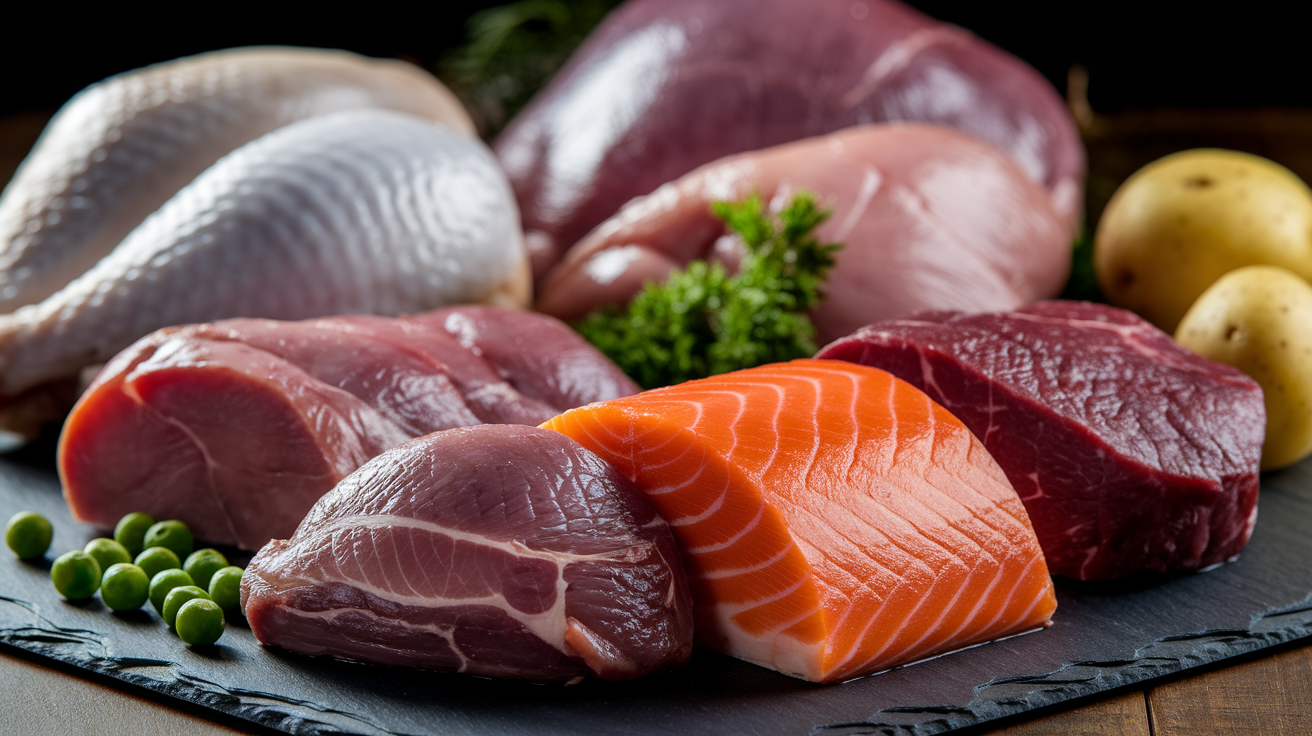
High protein, grain free cat foods rely on clearly named animal proteins like chicken, turkey, salmon, rabbit, duck, or beef as the first ingredient. The best formulas list multiple meat sources in the top five ingredients, like chicken, chicken liver, and turkey, which deliver a complete amino acid profile including taurine. That’s an essential amino acid cats can’t make on their own. Organs like liver and heart add extra nutrients and boost protein density without synthetic additives.
Because these formulas skip grains like wheat, corn, and rice, manufacturers often use peas, potatoes, tapioca, or pumpkin as carbohydrate alternatives. Grain free doesn’t automatically mean low carb, but the strongest high protein options keep total carbohydrates under 15% on a dry matter basis. That leaves more room for meat. Some limited ingredient formulas eliminate legumes and potatoes entirely, relying almost exclusively on animal protein and moisture.
Plant based proteins like pea protein or potato protein sometimes appear in grain free formulas, but they lack the complete amino acid profile cats need. Look for foods where animal protein dominates the ingredient list and plant fillers stay minimal or absent.
How to Choose the Right Formula for Your Cat’s Needs
Picking the right high protein, grain free food means matching protein level, ingredient quality, and texture to your cat’s age, activity level, and health needs. A kitten burning calories for growth needs higher protein and fat than a senior managing kidney health. An active cat thrives on calorie dense wet food, while a low energy adult might do better with a leaner, portion controlled dry option.
Here’s a simple process to narrow down your choices.
Start with protein percentage. Kittens and active adults do well with 50 to 66% protein on a dry matter basis. Healthy adults maintain muscle on 45 to 55%. Seniors with kidney concerns may need moderate protein around 40 to 50%, but always check with your vet first.
Check the first five ingredients. You want real meat, organs, or fish listed first, ideally with two or three animal sources in the top five. If you see peas, potatoes, or tapioca before the second protein source, carb content may be higher than ideal.
Match the life stage. Look for AAFCO statements that confirm “all life stages” or the specific stage your cat is in. Growth for kittens, maintenance for adults. Kittens need more calories and nutrients than what’s safe for an older cat managing weight.
Evaluate moisture needs. Cats who don’t drink much water, manage diabetes, or have urinary issues benefit from wet food with 70 to 82% moisture. Dry food works fine for cats who hydrate well and prefer crunchy texture.
Identify allergens or sensitivities. If your cat has itchy skin, digestive upset, or chronic ear issues, try a limited ingredient formula with a single novel protein like duck, rabbit, or turkey. Skip common allergens like chicken, fish, or beef until symptoms settle.
Set a realistic budget. High protein wet food typically costs $0.50 to $0.80 per ounce. If that’s not sustainable, look for mid range dry kibble with at least 40% protein and supplement with occasional wet toppers for moisture and flavor.
Start with a small pack or sampler before committing to a bulk order, especially if your cat is picky or has never tried grain free food.
Vet‑Approved Insights on High‑Protein Diets
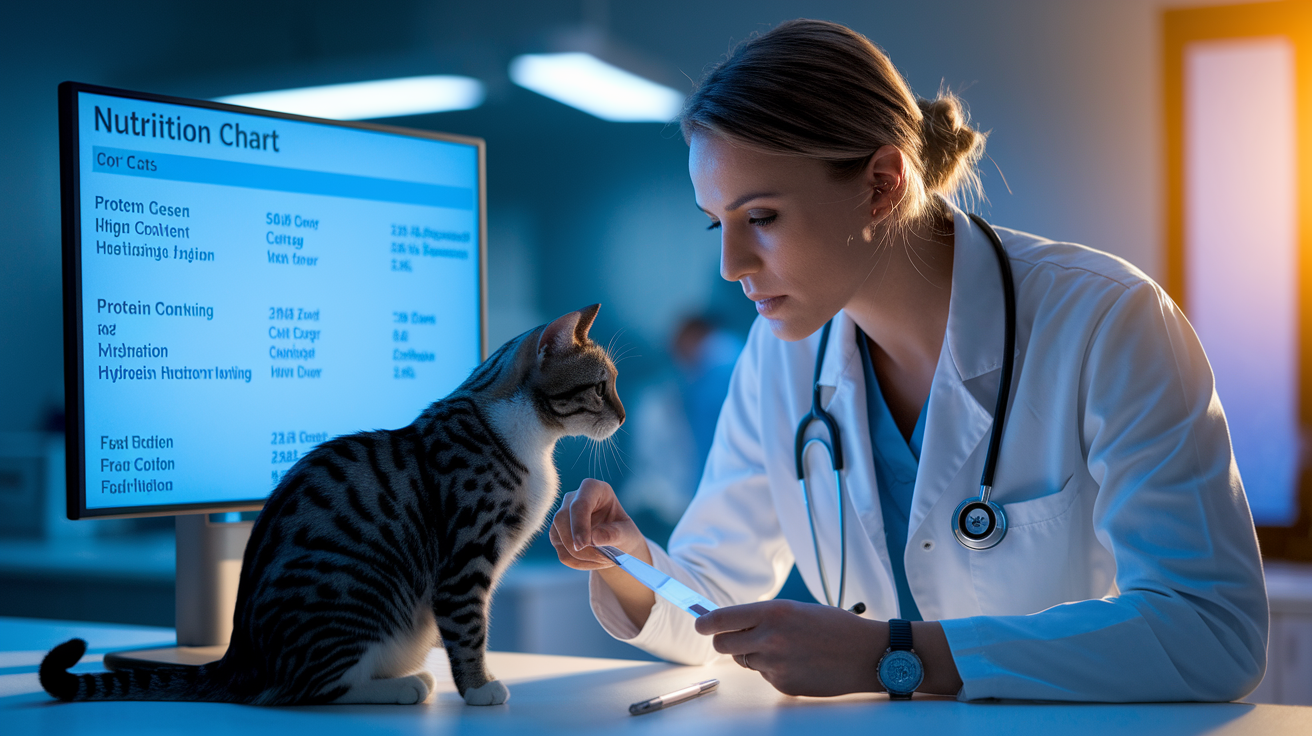
Veterinarians generally support high protein diets for healthy cats because cats are obligate carnivores and naturally thrive on meat based nutrition. Most healthy adult cats handle 45 to 60% protein on a dry matter basis without issue, and many do even better on 55 to 66%. Protein supports lean muscle, stable energy, and a healthy immune system, especially when it comes from whole animal sources rather than plant fillers.
Hydration is the biggest concern with high protein dry food. Protein metabolism produces waste that the kidneys filter out, so cats eating dry kibble need consistent water intake to support kidney function. Wet food solves this naturally because it’s 70 to 82% moisture, which reduces the burden on the kidneys and helps prevent urinary crystals or blockages. If you feed dry food, make sure your cat has access to fresh water at all times and consider adding a water fountain to encourage drinking.
Kidney health discussions often come up with high protein diets, especially for seniors. Current veterinary research shows that high protein doesn’t cause kidney disease in healthy cats, but cats with existing kidney issues may need moderate protein and controlled phosphorus levels. If your senior cat has been diagnosed with chronic kidney disease, work with your vet to choose a therapeutic diet. For healthy seniors, high protein helps maintain muscle mass as metabolism slows. Monitor body condition score (a scale of 1 to 9 where 4 to 5 is ideal) and adjust portions if your cat starts gaining or losing weight unexpectedly.
Comparison Chart: Dry vs. Wet vs. Limited‑Ingredient Options
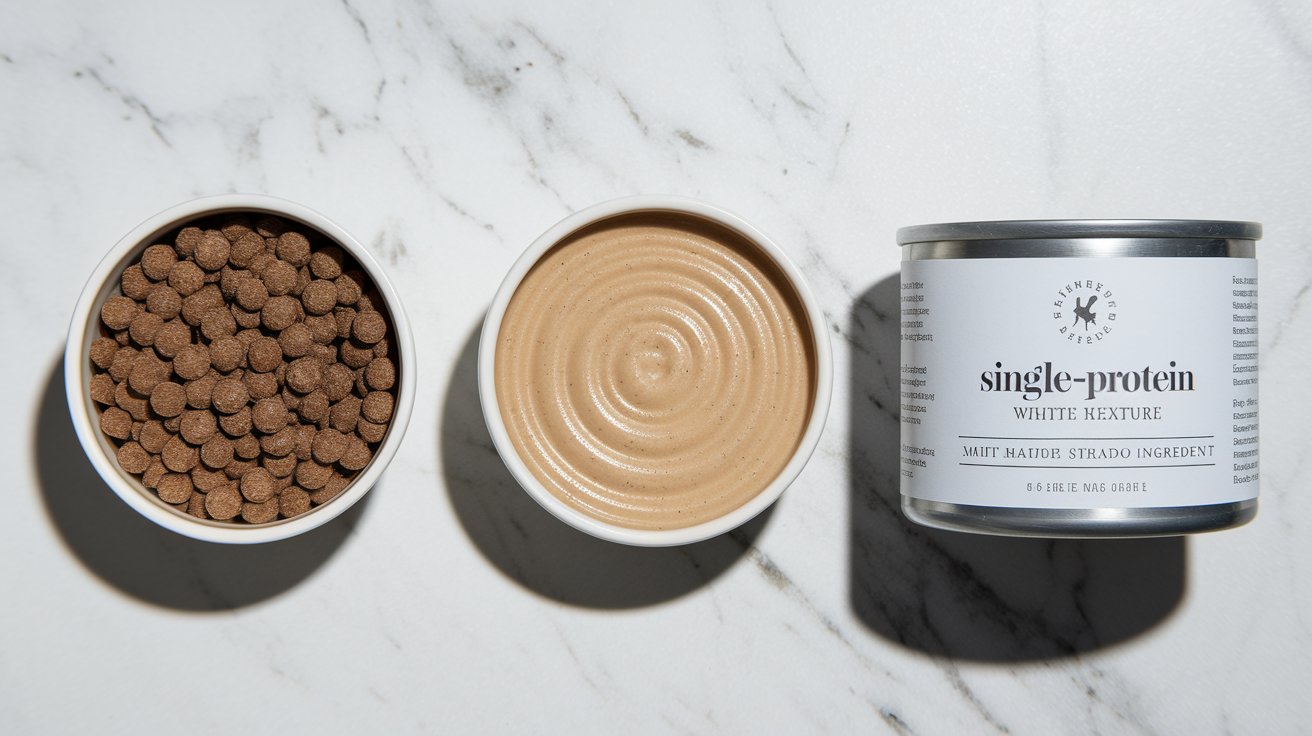
High protein, grain free cat foods come in different formats, and each serves a specific purpose depending on your cat’s hydration needs, digestive sensitivities, and eating habits. Dry food offers convenience and cost savings, wet food delivers moisture and strong flavor, and limited ingredient formulas simplify nutrition for cats with allergies or sensitivities.
| Category | Typical Protein Range | Best For | Texture/Moisture Notes |
|---|---|---|---|
| Dry (Kibble) | 38–45% (dry matter) | Healthy adults, budget‑conscious feeding, cats who drink water well | Crunchy texture, 10–12% moisture, requires separate hydration |
| Wet (Cans/Pouches) | 45–66% (dry matter) | All cats, especially seniors, picky eaters, cats with kidney or urinary issues | Soft paté, shreds, or chunks; 70–82% moisture content |
| Limited‑Ingredient | 40–52% (dry matter) | Cats with food sensitivities, allergies, digestive upset, or chronic itching | Available in both wet and dry; single protein source, minimal fillers |
Wet food costs more per ounce but delivers hydration and higher protein concentration in every meal. Dry food stretches your budget and works well with automatic feeders, but make sure your cat drinks enough water throughout the day. Limited ingredient options simplify troubleshooting when you’re trying to figure out what’s causing digestive upset or skin issues.
Budget, Premium, and Specialty High‑Protein Grain‑Free Picks
High protein, grain free cat food spans a wide price range. Knowing what each tier offers helps you pick the best fit without overspending or compromising your cat’s health. Budget options typically cost $0.40 to $0.55 per ounce and deliver 38 to 45% protein, often using chicken or turkey as the base with some plant based fillers. Mid range formulas run $0.55 to $0.70 per ounce and bump protein to 45 to 55% with better ingredient sourcing and fewer fillers. Premium brands charge $0.70 to $0.90 per ounce and often feature human grade ingredients, novel proteins like rabbit or duck, and protein levels above 55%.
Here’s what each category looks like in practice.
Budget options include dry kibble with chicken or turkey as the first ingredient, protein around 38 to 42% dry matter, and grain free carbs like peas or potatoes. Works fine for healthy adult cats who drink water consistently.
Mid range formulas offer wet or dry food with multiple animal proteins in the top five ingredients, protein around 45 to 52% dry matter, and moderate fat levels. Good for most adult cats and multi cat households.
Premium picks deliver wet food with human grade ingredients, single source or novel proteins, protein above 55% dry matter, and minimal to no plant fillers. Best for picky eaters, cats with sensitivities, or owners who want the highest ingredient quality.
Limited ingredient options feature a single protein source like duck, rabbit, or turkey, minimal carbs, and protein around 40 to 52% dry matter. Available in both budget and premium tiers depending on sourcing. Essential for cats managing allergies or chronic digestive issues.
High moisture specialty foods include frozen or refrigerated fresh style formulas, protein 50 to 60% dry matter, moisture above 75%. Requires freezer or fridge storage, often subscription based, ideal for cats who refuse dry food or need extra hydration.
Budget options work well when consistency matters more than perfection, especially if your cat is healthy and eating well. Premium formulas make sense when you’re managing a health issue, transitioning a picky eater, or investing in long term preventive nutrition. The key is finding a formula you can afford to feed consistently, because switching foods constantly creates more digestive stress than sticking with a solid mid range option.
Final Words
You’ve jumped straight into the practical parts: top high‑protein, grain‑free picks, the ingredients that matter, a simple buyer’s guide, vet-backed tips, and a clear dry vs. wet comparison.
Use the steps: check protein percentages, match life stage and activity, watch moisture needs, and transition slowly while tracking stool and energy.
Pick a realistic plan you can stick with and try one change this week—measure meals and note results. High protein grain free cat food can be a great fit when chosen carefully, and small wins add up.
FAQ
Q: Why do vets not like grain free cat food?
A: Vets often avoid grain-free cat food because some grain-free diets have been linked to heart problems and can replace grains with lots of peas or legumes, which may upset nutrient balance and digestion.
Q: What cat food reduces allergies?
A: Cat food that reduces allergies is usually a limited-ingredient or hydrolyzed-protein formula with a single novel protein, best used in a vet-guided elimination trial to find and avoid the trigger.
Q: Is high-protein cat food better for cats?
A: High-protein cat food can be better for active, growing, or underweight cats, but seniors or cats with kidney concerns may need adjusted protein—check with your vet and monitor weight and stool.
Q: What cat food is high-protein and low carb?
A: High-protein, low-carb cat foods are meat-first dry or wet formulas (often 40–60% protein on a dry-matter basis), with minimal grains and limited peas or potatoes; check labels for real meat first.