

Guessing kitten portions by age is how a lot of kittens end up pudgy or underfed.
Weight is the simplest, most reliable way to figure daily food.
This chart gives clear starting amounts by weight—grams, tablespoons, and daily calories—so you don’t have to guess.
Use it as your baseline, but weigh your kitten weekly, check body condition, and adjust slowly for activity level and the food’s calorie density.
By the end you’ll know how much to feed now and when to change the portion as your kitten grows.
Kitten Feeding Amounts by Weight Chart
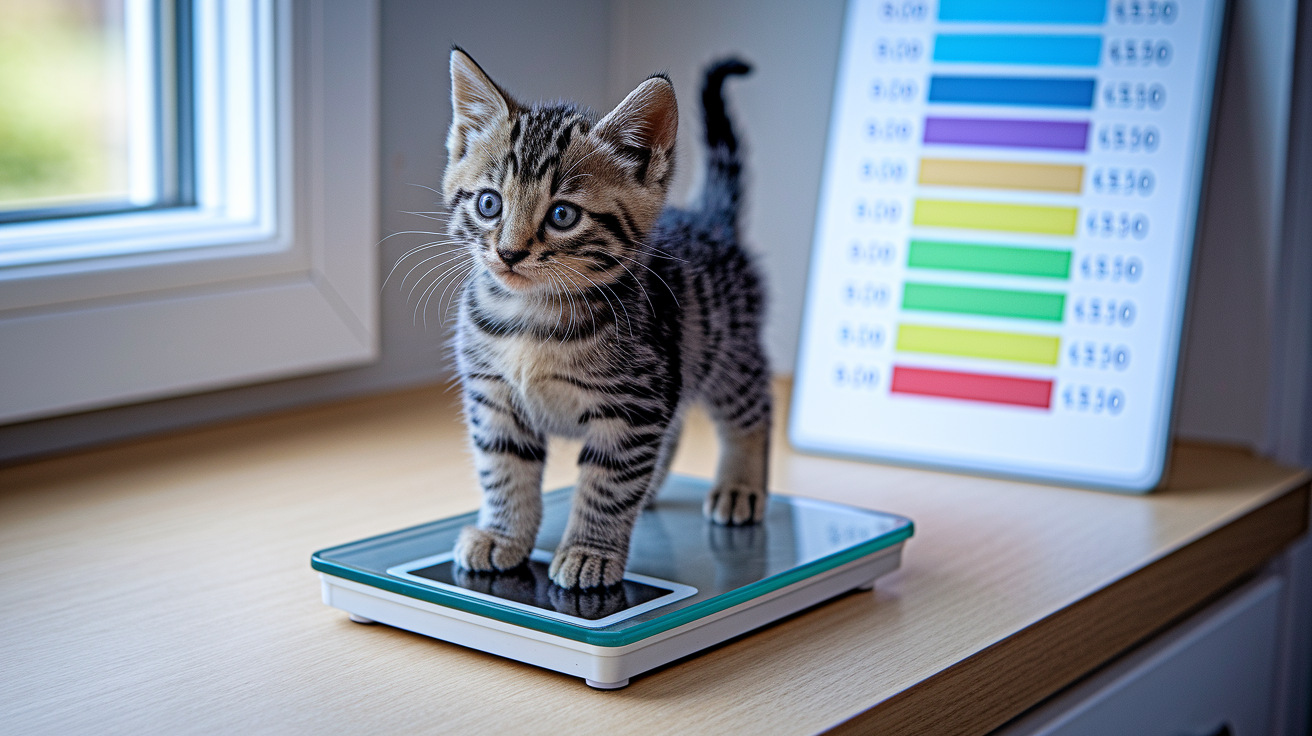
The easiest way to figure out how much food your kitten needs each day is to start with their weight. Kittens grow fast, and their daily portions need to keep up. A 2 pound kitten eats very differently than a 6 pound kitten. This chart gives you a solid starting point based on current weight, then you adjust as your kitten grows or if they start looking too round or too thin.
Use the chart as your guide, but remember every kitten is different. Activity level, metabolism, and even personality (some kittens are tiny food vacuums, others are picky grazers) all change how much they actually need. Weigh your kitten weekly, check their body condition, and shift portions up or down by small amounts if needed.
| Weight (lbs) | Daily Food Amount (grams) | Daily Food Amount (tablespoons) | Daily Calories | Age Range |
|---|---|---|---|---|
| 1.5 | 50–60 | 3–4 | 120–150 | 4–6 weeks |
| 2 | 60–70 | 4–5 | 150–180 | 6–8 weeks |
| 3 | 80–95 | 5–6 | 200–230 | 8–10 weeks |
| 4 | 110–130 | 7–8 | 280–320 | 3–4 months |
| 5 | 130–150 | 8–10 | 340–370 | 4–5 months |
| 6 | 140–170 | 9–11 | 380–420 | 5–6 months |
| 7 | 150–180 | 10–12 | 420–450 | 6–7 months |
| 8 | 160–190 | 10–12 | 440–480 | 7–9 months |
| 9 | 170–200 | 11–13 | 480–520 | 9–10 months |
| 10 | 180–210 | 12–14 | 520–560 | 10–12 months |
Once you have the daily amount, split it across the right number of meals for your kitten’s age. Younger kittens need smaller, more frequent meals. Older kittens can handle bigger portions spread across fewer feedings. If your kitten starts leaving food or looking pudgy, dial back by about 5 to 10 grams per day. If they’re acting hungry all the time or looking lean, bump it up by the same small amount and watch for a week. Gradual changes work better than big swings. Also keep in mind that these numbers assume typical kitten food with around 400 to 500 calories per cup for dry and 70 to 100 calories per 3 ounce can for wet. Always check the calorie content on your specific food label, because a dense formula means smaller portions and a lighter formula means you’ll scoop more.
Understanding Kitten Feeding Frequency

How often you feed matters just as much as how much. Kittens have tiny stomachs and sky high energy needs, so they do best with frequent small meals instead of one or two big ones. Spreading food across the day keeps their blood sugar steady, supports consistent growth, and helps avoid the post meal crashes or crazy zoomies that come from irregular feeding.
Frequency drops as kittens grow. A 4 week old kitten needs food every few hours. By 6 months, most kittens are comfortable with three or even two meals a day. The shift happens naturally as their stomachs get bigger and their metabolism evens out. You can watch your kitten’s energy and appetite to know when it’s time to cut back a meal.
Here’s a simple breakdown by age.
Birth to 4 weeks: nursing or bottle feeding every 2 to 4 hours, including overnight. Kittens this young can’t go long without food.
4 to 8 weeks: 4 to 5 meals per day as they wean onto solid food. Spacing meals about 4 to 5 hours apart works well.
8 weeks to 4 months: 3 to 4 meals per day. Most kittens handle 6 to 8 hours between feedings at this stage.
4 months to 12 months: 2 to 3 meals per day. By now their stomachs can hold enough for longer gaps, and many kittens settle into a morning and evening routine.
Consistent timing helps. Feed at roughly the same times each day so your kitten’s digestion stays on track and they’re not begging or acting frantic between meals. If you’re transitioning from four meals to three, move slowly. Drop one meal over a week or two and redistribute those calories across the remaining meals.
Kitten Caloric Needs Explained
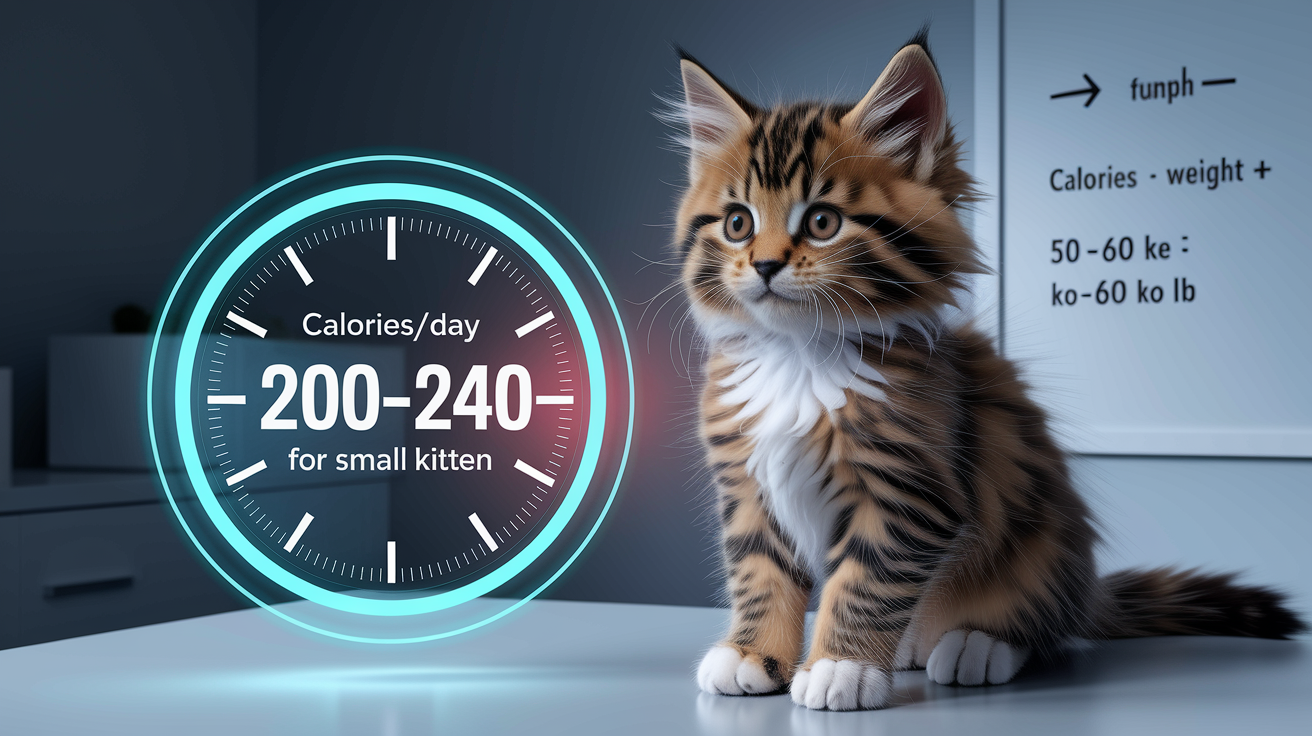
Calories are the real number that matters. Weight tells you roughly how much food to start with, but calories tell you whether that food will actually meet your kitten’s energy needs. A 5 pound kitten might need around 340 calories per day, but that total changes if they’re super active, indoors only, or going through a growth spurt.
Kitten food is more calorie dense than adult cat food because growing takes a lot of fuel. Most kitten formulas pack somewhere between 400 and 500 calories per cup of dry food, and around 70 to 100 calories per 3 ounce serving of wet food. If you’re feeding a mix of both, you need to add up the calories from each type to hit the daily target. That’s where a lot of people get tripped up. They eyeball portions without checking the label, and the kitten ends up underfed or overfed depending on the food’s density.
Here’s a simple way to calculate daily calories using body weight. Take your kitten’s weight in pounds and multiply by roughly 50 to 60 calories per pound during peak growth (around 2 to 6 months old). For example, a 4 pound kitten would need about 200 to 240 calories per day (4 lbs × 50 to 60 calories). Once you have that target, look at your food’s calorie content per cup or per can, then do the math to figure out how many cups or cans hit the number. If your dry food has 450 calories per cup and your kitten needs 225 calories, you’d feed half a cup per day, split across meals. If the wet food has 90 calories per 3 ounce can, the same kitten would need about 2.5 cans daily.
Wet vs. Dry Food for Kittens
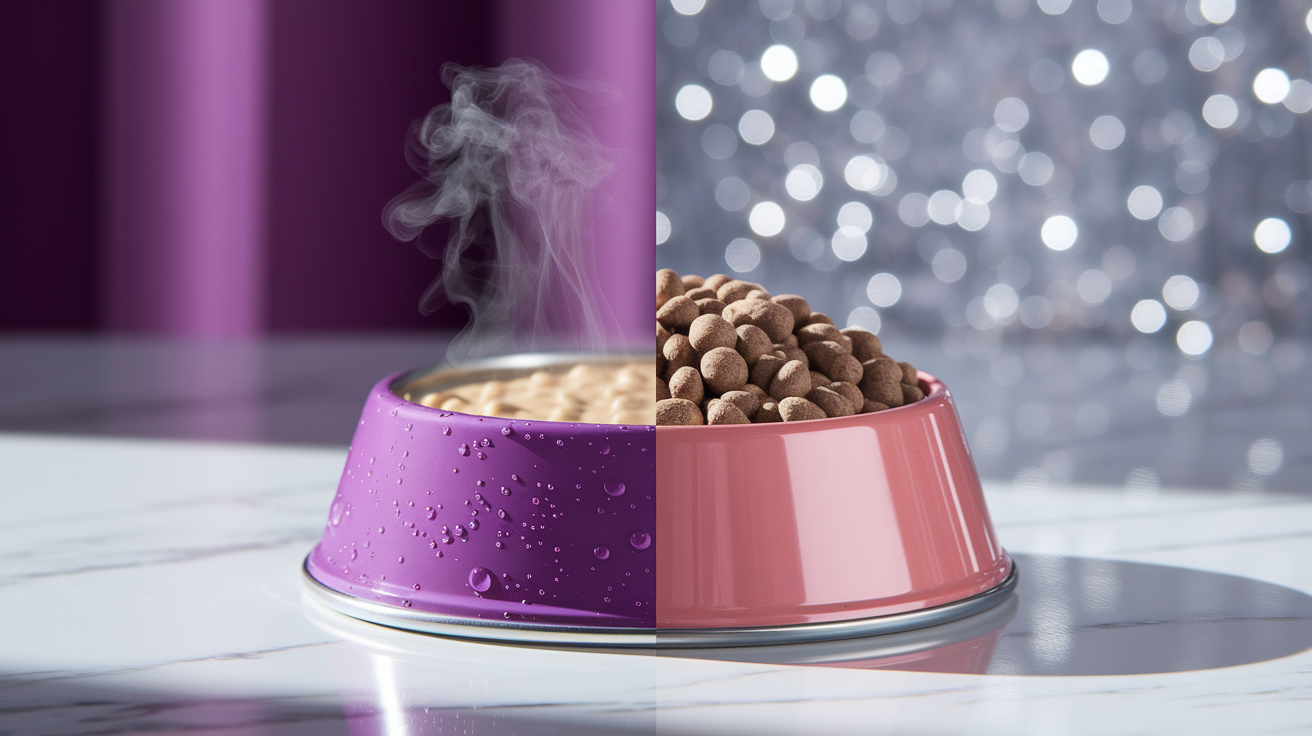
Wet food and dry food each have upsides, and plenty of kitten parents mix both. Wet food brings moisture, which helps kittens who don’t drink much water stay hydrated. It’s also usually more appealing to picky eaters or kittens recovering from illness. You can warm it slightly to release aroma, which works wonders for a kitten with a stuffy nose or low appetite. Wet food tends to be lower in carbs and closer to a cat’s natural prey diet, which some owners prefer.
Dry food is convenient and supports dental health through light abrasion as kittens chew. It’s easier to measure, store, and leave out for a few hours without spoiling. Dry kibble also tends to be more budget friendly and works well for food puzzles or training treats. Many kittens like the crunch, and it keeps their jaw muscles working.
Here’s a quick comparison.
Wet food: high moisture content (75 to 80%), supports hydration, highly palatable, easy to mix with supplements or medications, spoils faster once opened.
Dry food: convenient and shelf stable, promotes dental abrasion, more calorie dense per ounce (so portions look smaller), can be left out longer, less expensive per calorie.
Mixed feeding: combines benefits of both, lets you control calorie sources, adds variety, requires portion math to avoid overfeeding.
Texture preferences: some kittens prefer pâté, others like shreds or chunks in gravy. Dry kibble size and shape can matter for tiny mouths.
Special needs: kittens with dental issues or jaw injuries may need soft food only. Kittens prone to urinary issues benefit from extra moisture.
Whichever you choose, read the label to confirm it says “complete and balanced for growth” or “for all life stages.” Kitten food should meet AAFCO standards for growth, which means higher protein, fat, and specific nutrients like DHA for brain development. If you’re mixing wet and dry, calculate calories from each so the total daily intake stays on target. A common mistake is topping kibble with wet food without reducing the kibble amount, which can quietly add 50 to 100 extra calories per day and lead to a pudgy kitten.
Age Based Feeding Adjustments
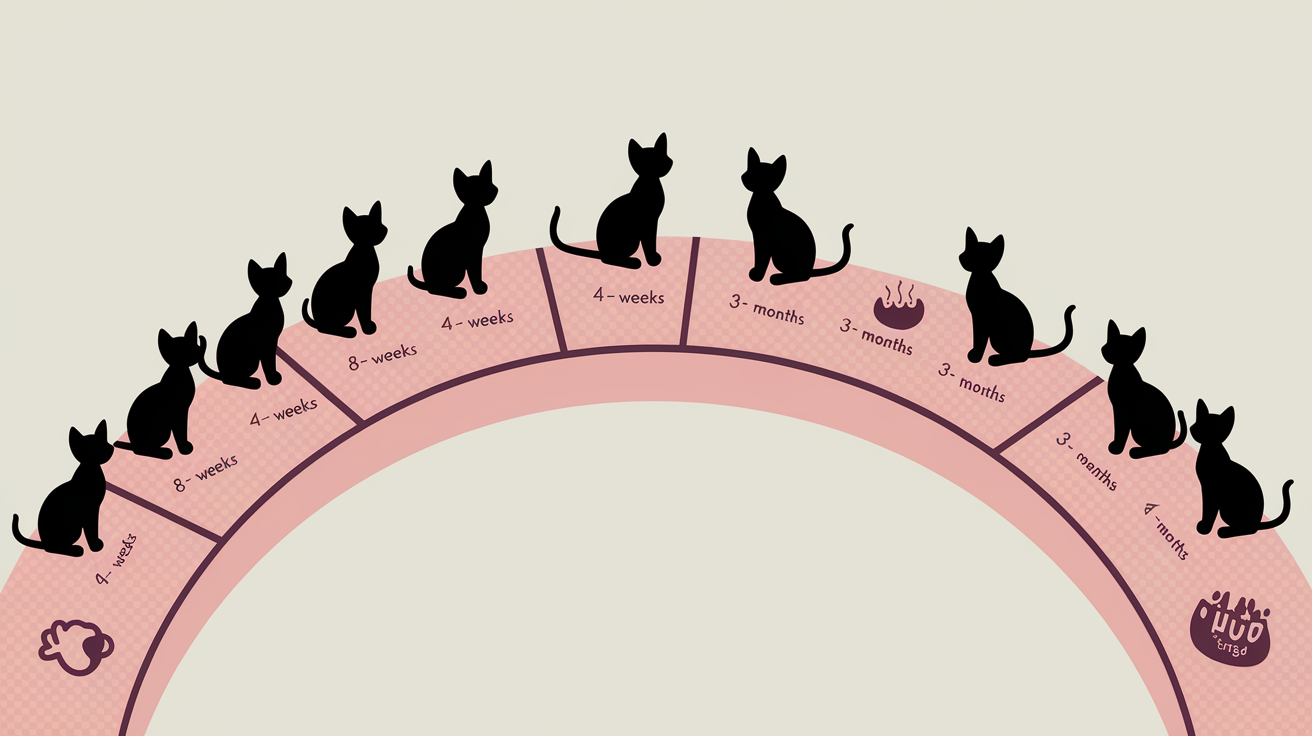
Feeding a newborn kitten looks nothing like feeding a 5 month old. Newborns rely entirely on mother’s milk or kitten milk replacer, fed every 2 to 4 hours around the clock. If you’re bottle feeding, use a proper kitten formula (never cow’s milk) and follow the package directions for mixing and amounts. Kittens this young need warmth, gentle stimulation to eliminate, and careful portion control to avoid aspiration or bloating.
At around 3 to 5 weeks, kittens begin weaning. You’ll start offering wet food in a shallow dish or moistened kibble mixed into a mushy paste with kitten milk replacer or warm water. They’ll lap and make a mess while still nursing. By 7 to 8 weeks, most kittens are fully weaned and eating solid food exclusively. At this stage they need about 8 to 10% of their body weight in food per day, split across four or five small meals. Growth is rapid, so weigh them weekly and adjust portions to keep up.
From 8 weeks to 4 months, kittens are in peak growth mode. Energy needs are high, and they’ll eat like tiny lions. This is when you’ll see the biggest portion increases week to week. Feed three to four meals a day, keep fresh water available, and watch their body condition. You should be able to feel their ribs easily but not see them prominently. A slight waist when viewed from above and a gentle tuck when viewed from the side are good signs.
Between 4 and 6 months, growth starts to slow but appetite stays strong. Many kittens drop to three meals per day during this window. Portions stay steady or increase slightly, depending on whether they’re filling out or still growing taller. This is also when a lot of kittens get spayed or neutered, which can drop their metabolism by up to 30%. After surgery, monitor weight closely and reduce portions by about 10 to 15% if they start gaining too fast. By 10 to 12 months, most kittens are ready to transition to adult food and a two meal per day schedule, though larger breeds like Maine Coons may stay on kitten food longer since they mature more slowly.
Warning Signs of Underfeeding or Overfeeding
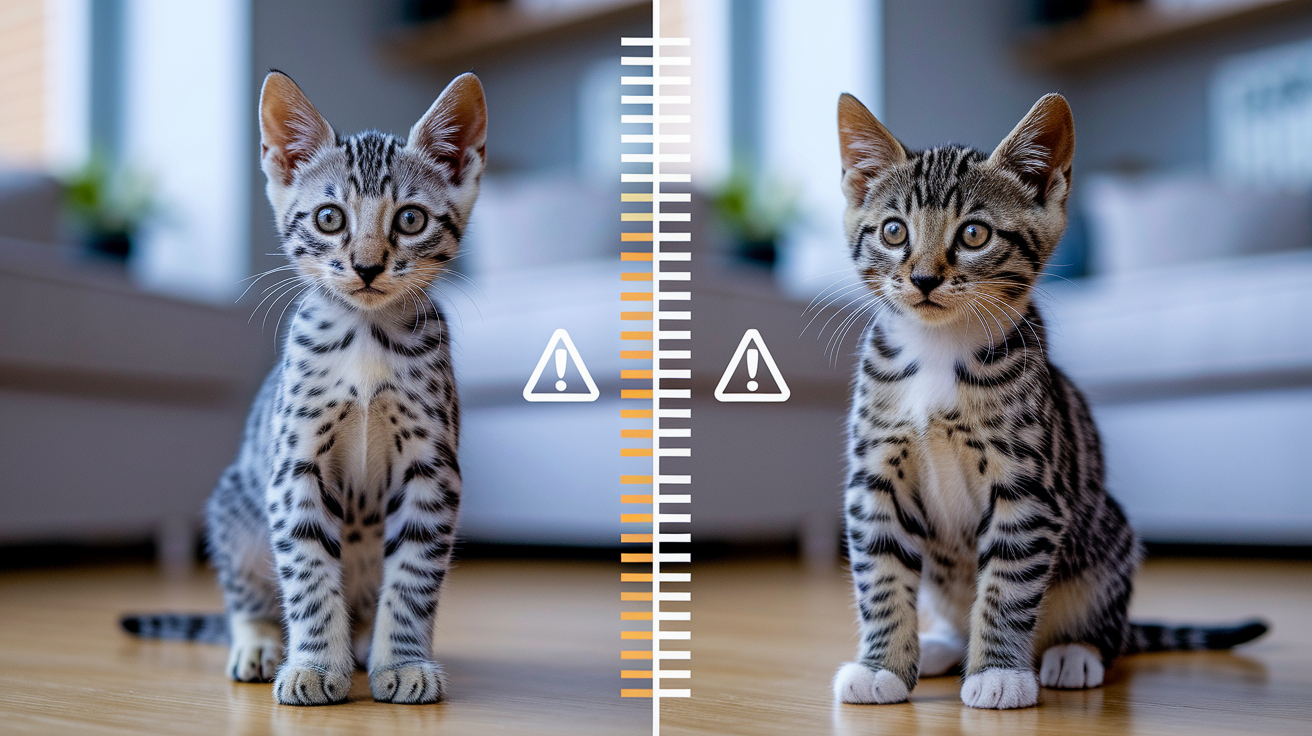
It’s not always obvious when portions are off. Some kittens act hungry no matter how much you feed them, and others are naturally lean or naturally round. That’s why weighing and body condition checks matter more than behavior alone. A well fed kitten should have steady energy, healthy coat, normal stool, and a body shape that’s neither bony nor pudgy.
Underfeeding shows up in a few clear ways. If you can see ribs, spine, or hip bones easily without pressing, that’s too lean. Kittens who aren’t getting enough food may also seem lethargic, sleep more than usual, or lack interest in play. Slow or stalled weight gain is another red flag, especially in young kittens who should be adding ounces every week. Dull coat, flaky skin, or persistent hunger despite regular meals can also point to portions that are too small or food that’s not nutrient dense enough.
Overfeeding is just as common. Signs to watch for include rapid weight gain (gaining more than expected for age, feeling heavy or thick when you pick them up), no visible waist (looking round or barrel shaped from above, with no taper between ribs and hips), distended belly (a firm, swollen abdomen after meals that doesn’t settle, or a saggy pouch that hangs when they walk, not the same as a normal post meal fullness that fades in an hour or two). Loose or frequent stools can happen because overfeeding overwhelms digestion, leading to softer, smellier, or more frequent poops. If a kitten stops finishing meals, it might mean portions are too big. Low activity is another sign. Overfed kittens may move less, sleep more, and show less interest in play because carrying extra weight is tiring.
Adjust portions in small steps. If your kitten looks too thin, increase daily food by about 5 to 10%, wait a week, and reassess. If they’re gaining too fast or looking round, cut back by the same small amount. Sudden changes in appetite, weight loss, vomiting, diarrhea, or refusal to eat for more than 24 hours all need a vet visit.
When to Consult a Veterinarian

Most kitten feeding tweaks you can handle at home with weekly weigh ins and portion adjustments. But some situations need professional eyes. If your kitten isn’t gaining weight week to week despite eating normally, something else might be going on, like parasites, illness, or poor nutrient absorption. Weight loss or failure to thrive in a young kitten can turn serious fast, so don’t wait.
Digestive issues that last more than a day or two also deserve a vet check. Occasional soft stool happens, especially during food transitions, but persistent diarrhea, vomiting, or blood in stool can signal infection, food intolerance, or other problems. Similarly, if your kitten refuses food for more than 24 hours or seems lethargic, weak, or in pain, get them seen. Kittens dehydrate quickly and can’t afford to skip meals the way adult cats sometimes do.
Here are four situations that require veterinary input.
No weight gain or weight loss over two consecutive weeks, especially in kittens under 4 months. Steady growth is expected.
Persistent vomiting or diarrhea. More than two episodes in 24 hours, or any episode with blood, severe lethargy, or dehydration signs (dry gums, sunken eyes).
Refusal to eat for 24 plus hours. Kittens need frequent fuel. Prolonged appetite loss can indicate illness or pain.
Suspected food intolerance or allergy. Chronic soft stool, skin issues, or excessive scratching and grooming despite proper portions and good quality food.
Your vet can also help if you’re unsure about portion sizes for a specific breed, activity level, or medical condition. Some kittens need therapeutic diets or adjusted feeding plans due to health issues like urinary crystals, sensitive stomachs, or developmental concerns. When in doubt, a quick weigh in and body condition check at the clinic can confirm whether you’re on track or need to shift course.
Final Words
We gave a simple, weight-based chart that shows daily grams, tablespoons, and calories so you can pick a starting portion right away.
You also learned how often kittens should eat by age, how to estimate calories, the pros and cons of wet vs. dry food, common adjustments, warning signs, and when to see a vet.
Use the chart, weigh your kitten weekly, and tweak portions based on stool, energy, and steady growth. Transition slowly and track treats.
Following this approach will make it clear how much to feed a kitten by weight and help your kitten thrive.
FAQ
Q: What is the 3-3-3 rule for kittens?
A: The 3-3-3 rule for kittens means 3 days to settle into a new home, 3 weeks to learn routines and litterbox habits, and about 3 months to feel fully comfortable and bonded.
Q: How much should a kitten eat a day by weight?
A: A kitten should eat about 8–10% of its body weight in food daily (food weight). Adjust for age, activity, and calorie density, and track growth and stool for fine-tuning.
Q: Is 2 meals enough for a kitten?
A: Two meals a day are not enough for young kittens; feed 4–6 small meals until around 3 months, 3–4 meals as they grow, then consider two meals after about six months.
Q: Do kittens stop eating when full?
A: Kittens don’t always stop eating when full; many will overeat if food’s available. Use measured meals rather than free-feeding, and watch body condition and stool to guide portions.