
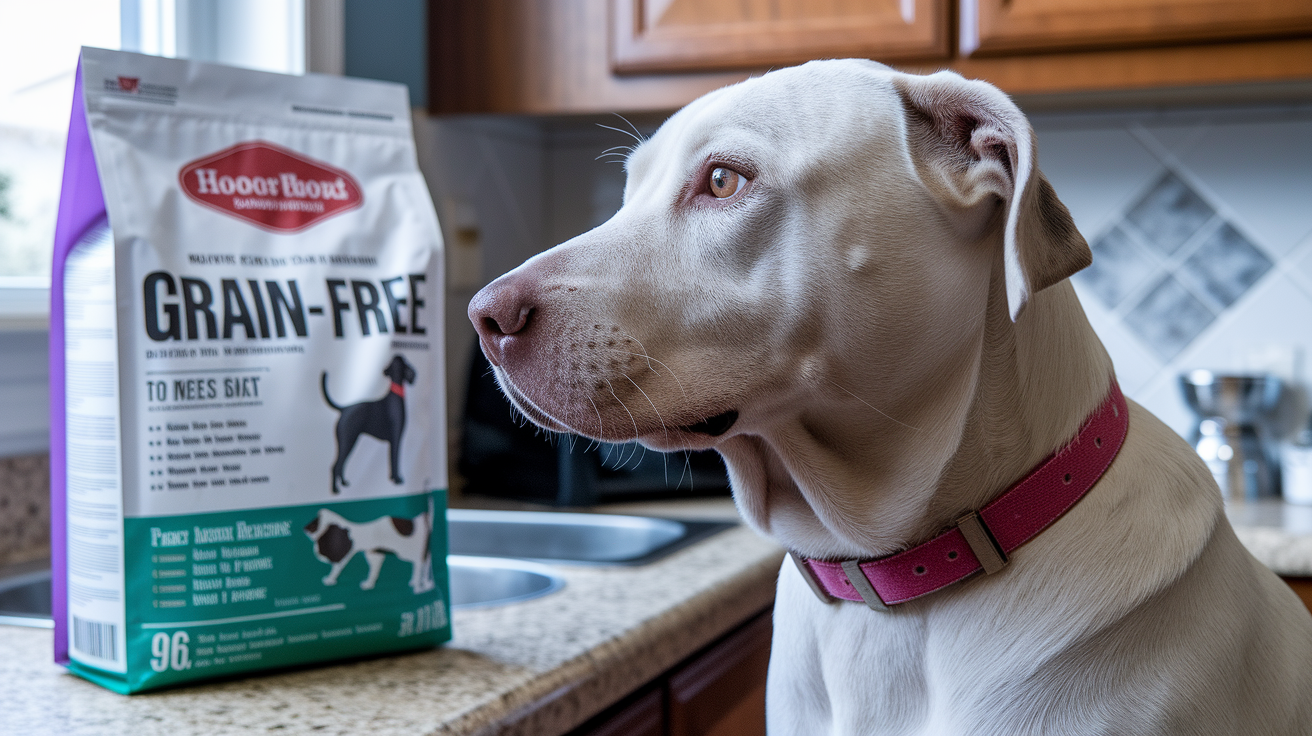
Think grain-free is the go-to fix for itchy dogs?
Not usually.
Grain allergies are actually rare—about 0.1 percent of dogs—so switching to grain-free only helps if wheat, corn, or rice are the real triggers.
Most dogs react to proteins like beef, chicken, dairy, or soy.
So here’s the simple thesis: try limited-ingredient or novel-protein (a protein your dog hasn’t eaten much) formulas first unless tests point to grains, and work with your vet while you change food slowly and watch stool and skin.
Identifying Whether Grain-Free Dog Food Helps With Allergies

Here’s the thing. Grain allergies in dogs? They’re actually pretty rare. Grain-free food only makes sense if grains (think wheat, corn, rice) are what’s actually causing the problem. And most dogs with food sensitivities? They’re reacting to proteins, not grains.
Before you make the switch, you should know that beef, chicken, dairy, and soy cause way more issues than wheat or corn ever will. If your dog’s symptoms don’t improve after going grain-free, there’s a good chance you need a limited-ingredient or novel-protein formula instead.
True food allergies happen when the immune system freaks out over something in the food. Usually a protein. That triggers stuff like red, itchy skin, chronic ear infections, or scratching that just won’t quit. Food intolerances are different though. They’re digestive problems, not immune reactions. Your dog’s system can’t break down a certain ingredient properly. Both can cause vomiting, diarrhea, bloating, gas, and general discomfort, which makes it really hard to tell them apart without a vet’s help.
Only about 0.1 percent of dogs have actual food allergies. Even though it feels like everyone’s dealing with it. The symptoms look the same whether it’s an allergy or intolerance. You’ll notice gastrointestinal upset (loose stool, frequent bathroom trips, gassiness) or skin issues (redness, constant licking, ear infections that keep coming back). Grain sensitivities do exist, especially wheat or gluten intolerance. But they’re not usually the culprit.
Most dogs react to these:
- Beef
- Chicken
- Dairy products
- Soy
- Wheat and corn (way less common than proteins)
If your dog’s been eating the same kibble for years and symptoms suddenly pop up, it’s often the protein source. Not the grains. Grains might be part of it if you’ve already ruled out the main proteins and your dog improves when you drop wheat or corn. But don’t assume grains are the problem until you’ve looked at the bigger picture.
Final Words
You now know grain allergies in dogs are rare and grain-free food only helps if grains are the confirmed trigger. Protein allergies are more common.
The post walked through the difference between true allergies (immune responses) and intolerances (digestive issues), listed typical symptoms, and explained how likely grains are to be the cause. We also flagged alternatives like limited-ingredient or novel-protein formulas.
If you suspect a problem, work with your vet, try a careful diet trial, and watch stool and skin. With a steady plan, you’ll find what helps—grain free dog food for allergies or another sensible option.
FAQ
Q: Can grain free dog food help with allergies?
A: Grain-free dog food can help only if grains are the confirmed trigger. True grain allergies are rare, and protein allergies are more common. Consider limited-ingredient or novel-protein formulas instead.
Q: What dog food is best for dogs with allergies?
A: The best dog food for dogs with allergies is a formula matched to the confirmed trigger and your dog’s age and weight; limited-ingredient, novel-protein, hydrolyzed, or prescription diets are common choices.
Q: Why do vets not recommend grain free?
A: Vets often don’t recommend grain-free diets because grains rarely cause allergies and some grain-free formulas have been linked to heart problems in some dogs; vets prefer evidence-based, balanced diets instead.
Q: What can I feed my dog if he’s allergic to grains?
A: If your dog is allergic to grains, feed limited-ingredient, novel-protein, hydrolyzed, or prescription grain-free diets; confirm with your vet and transition slowly while watching stool and skin.