
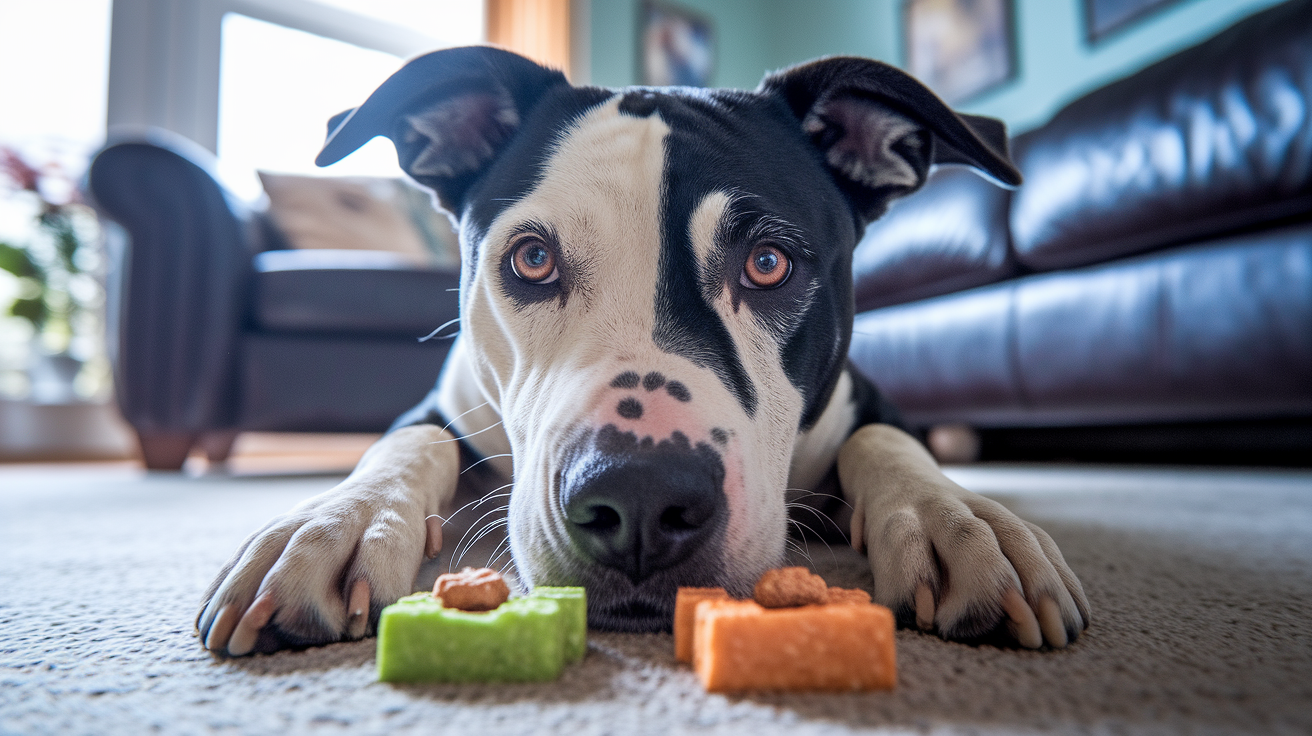
Think crunchy treats are better because they clean teeth? Not always.
Soft treats win when you need fast, tiny rewards for puppies, seniors, or high-speed training sessions.
Crunchy treats help with chewing time, calm focus, and a bit of dental scraping for adult dogs with healthy jaws.
The real answer isn’t which treat is best overall, but which fits your dog’s age, teeth, training pace, and calorie needs.
This post shows when to reach for soft versus crunchy so you can pick the right reward without second-guessing.
Key Differences in Soft Training Treats vs Crunchy Treats for Fast, Effective Training
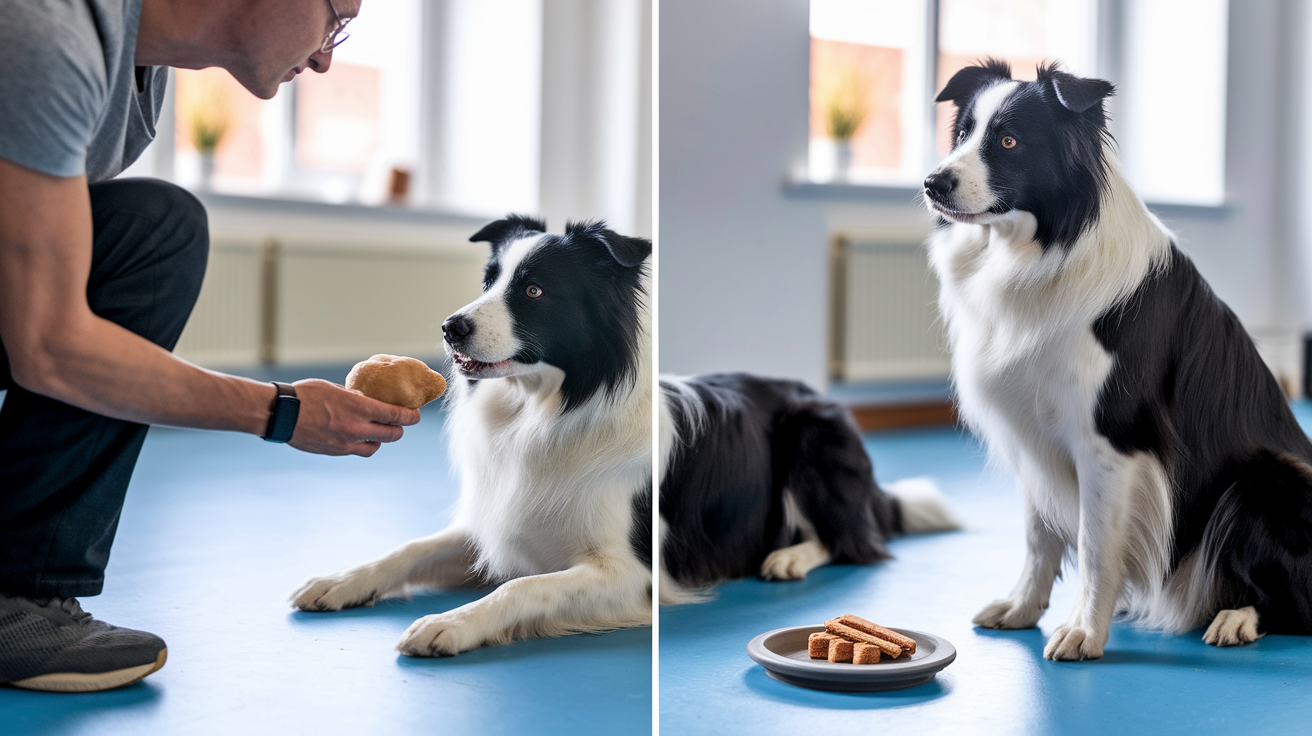
Soft training treats and crunchy treats do different jobs in your dog’s routine, and knowing when to use each one makes training work better. Soft treats are moist and chewy, easy to break into tiny pieces, which makes them perfect when you need fast rewards without killing your dog’s focus. Crunchy treats have that firm, biscuit texture that takes longer to chew, giving your dog something to think about while the mechanical scraping helps knock plaque and tartar off their teeth. The texture you pick changes how fast your dog finishes the treat, how motivated they stay, and whether the reward actually fits what you’re trying to teach or matches your dog’s age and dental situation.
Neither one’s always better. It depends on your dog’s needs, like age, dental health, how intense the training is, and breed size. Puppies with baby teeth and seniors with dental problems usually do better with soft treats that go easy on gums and don’t need much chewing. Adult dogs with healthy teeth can handle crunchy treats that give dental benefits through natural scraping as they chew. When you’re running high speed training where you’re marking behavior every few seconds, soft treats keep things moving because your dog eats them right away and looks back at you for the next cue. Crunchy treats take longer to finish, which can slow training down but works great for rewarding calm behavior or keeping a dog busy in their crate.
Calorie stuff varies too. Soft treats pack more calories because they’ve got moisture rich proteins like meat, liver, or cheese, but you can break them into tiny bits for constant rewards without overdoing it. Crunchy treats have less moisture and might have fillers, but their firm shape makes it harder to adjust portion size when you’re in the middle of a session. Safety matters too. Hard treats that are too big or too firm can be choking risks for small breeds or crack teeth in dogs with weak or damaged teeth. Matching treat texture to your dog’s size, chewing ability, and what you’re actually training keeps everything safe and productive.
Quick comparison points:
- Soft treats get eaten immediately and keep training flowing during fast behavior work
- Crunchy treats provide dental scraping and mental stimulation through longer chewing
- Puppies and seniors do better with soft textures that don’t hurt sensitive teeth and gums
- Adult dogs with healthy teeth get dental benefits from firm, rough surfaced crunchy treats
- Calorie control’s easier with soft treats because you can break them into micro portions for tons of rewards
Understanding Soft Training Treats: Composition and Moisture-Based Structure
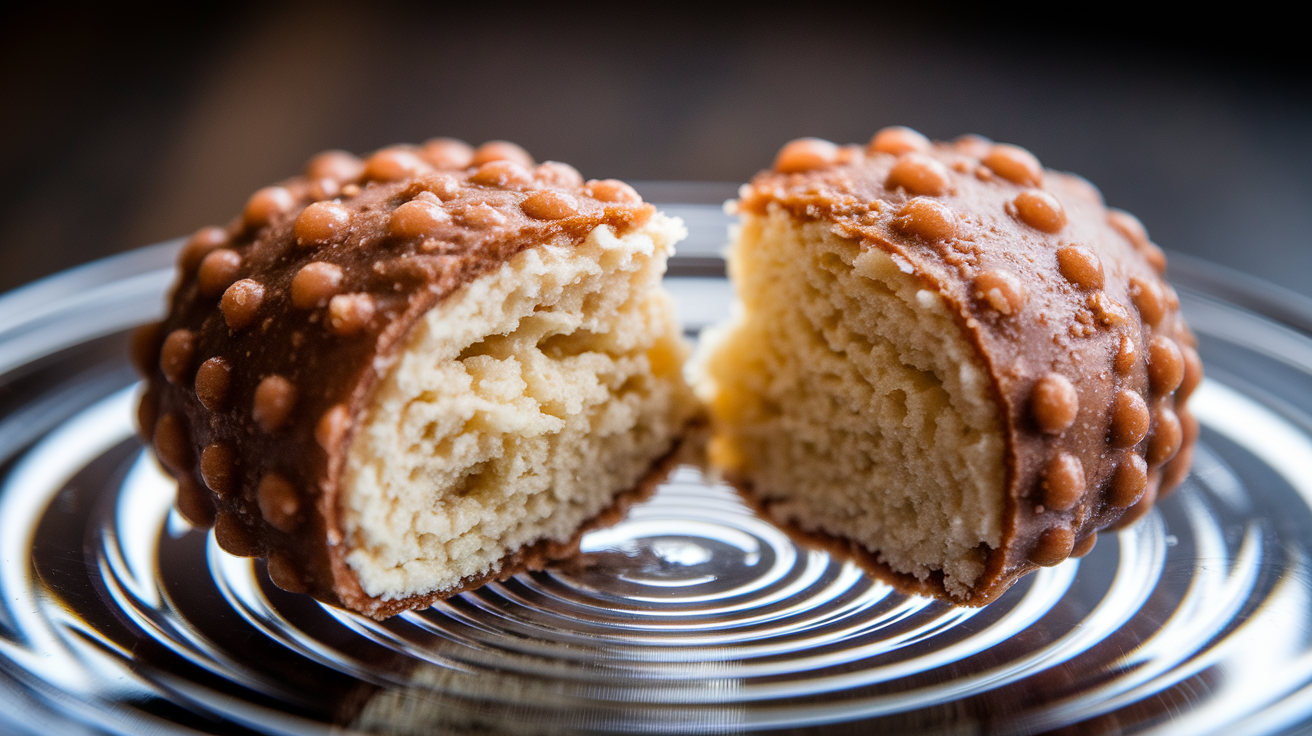
Soft training treats have way more moisture than crunchy ones, which changes their texture, how strong they smell, and how fast your dog can chew and swallow them. The moisture comes from stuff like fresh meat, fish, liver, cheese, or fruit and vegetable purees that create a chewy, bendy texture your dog can bite through without needing serious jaw pressure. This moisture also makes a stronger smell that travels farther and grabs your dog’s attention faster, especially outside or in busy places where competing smells make it harder to keep focus. Because soft treats don’t get baked at high temps for hours, they keep more of their natural flavor and scent, which is why so many dogs find them way more interesting than dry biscuits.
The soft structure lets you break these treats into smaller pieces with your fingers, giving you exact control over portion size during long training sessions. You can pinch off a pea sized reward for marking a quick sit, then break off a bigger chunk for rewarding something harder like staying put while another dog walks past. This breakability also means soft treats digest easier, which matters when you’re handing out dozens of rewards in one session and don’t want to mess up your dog’s stomach or interfere with their next meal. Dogs with sensitive digestion often handle soft treats better because the moisture and lower processing reduce strain on their system.
How moisture content affects soft treat performance:
- More moisture creates a chewy, tender texture that needs minimal chewing force
- Moisture rich ingredients make stronger scents that increase dog motivation and attention
- Soft structure allows easy breaking into micro portions for constant rewards without overfeeding
- Lower processing temps keep natural flavor compounds and digestibility intact
Benefits of Soft Training Treats for Puppies, Seniors, and High-Frequency Training
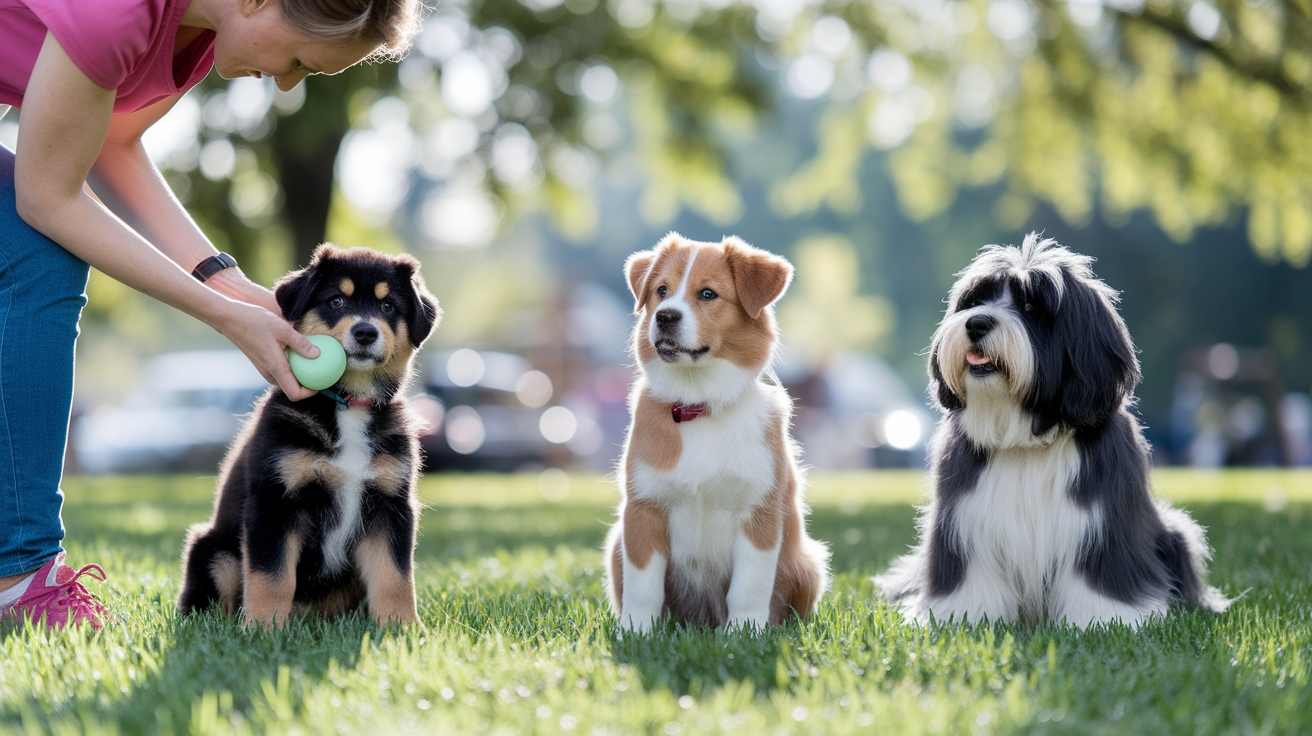
Soft treats fit specific training situations and life stages where speed, gentleness, and strong motivation matter more than long chewing or dental benefits. When you’re shaping new behaviors through positive reinforcement, especially early on where you’re marking correct actions every few seconds, soft treats keep the learning smooth because your dog finishes them instantly and refocuses on you for what’s next. This fast consumption cycle stops the common training mistake of losing momentum while your dog chews through a hard biscuit, which can blur the connection between the behavior you marked and the reward they finally get.
Age stuff makes soft treats really valuable for puppies and seniors who might struggle with harder textures. Puppies deal with teething discomfort between three and six months, and forcing them to crunch through hard biscuits can hurt or make them not want treats during training. Seniors often develop dental issues like gum recession, tooth loss, or jaw arthritis that makes chewing painful, and soft treats let them keep training and doing enrichment without hurting. After dental extractions, vets recommend soft foods and treats for three to four days to avoid irritating healing gums or messing up blood clots in extraction sites.
The high value nature of soft treats also fixes motivation problems with picky eaters or dogs training in distracting places. Because soft treats have moisture rich proteins and keep strong natural scents, they grab and hold your dog’s attention even when competing stuff like other dogs, wildlife, or interesting smells show up. This makes them super useful for outdoor training, recall practice, or working through fear based behaviors where your dog needs a powerful reason to override their natural instincts.
Easy and Gentle Chewing
Soft treats need minimal jaw force, which protects developing teeth in puppies and sensitive gums in seniors. The tender texture means dogs with missing teeth or dental disease can still enjoy rewards without pain or trouble, keeping training accessible through all life stages.
Faster Consumption for Continuous Learning
Dogs eat soft treats in one to two seconds, which keeps training momentum going during rapid behavior shaping sessions. This immediate finish time strengthens the connection between the marked behavior and the reward, making it easier for your dog to understand exactly what earned them the treat.
High-Value Aroma for Motivation
The moisture in soft treats releases stronger scent compounds that travel farther and grab attention faster than dry biscuits. This powerful smell increases motivation during challenging training situations and helps keep focus when your dog’s working through distractions or learning difficult behaviors.
What Makes Crunchy Dog Treats Unique: Manufacturing, Durability, and Shelf Stability
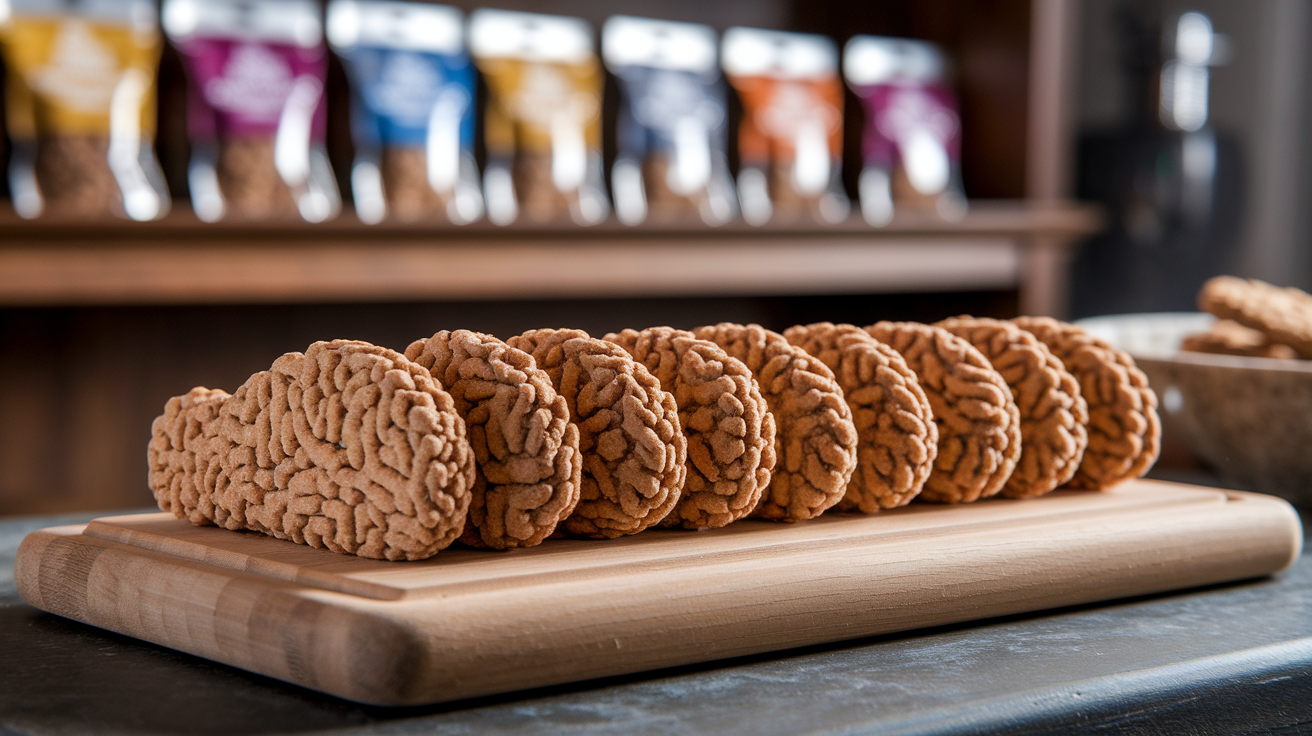
Crunchy treats go through a baking process that removes most moisture from the ingredients, creating a firm, shelf stable texture that won’t crumble and lasts longer in storage. Manufacturers mix dry ingredients like oats, wheat flour, or grain free alternatives with small amounts of liquid, then bake it at temps that cause starches to set into a hard, biscuit consistency. This low moisture environment stops bacterial growth and spoilage, which is why crunchy treats can sit in an open bag for weeks without losing freshness or growing mold, unlike soft treats that dry out or spoil within days of opening.
The firm texture gives crunchy treats a structural advantage during storage and transport. They don’t stick to your hands, create oily residue in treat pouches, or crumble into powder when you grab a handful for a walk. This durability makes them more practical for carrying in pockets or bags during outdoor training where you might not have access to airtight containers. The longer chewing time that crunchy treats need also means each treat provides more eating satisfaction, which can be useful when you want to keep your dog occupied during calm moments rather than deliver rapid fire rewards.
Manufacturing and storage characteristics:
- Baking removes moisture, creating a shelf stable product that won’t spoil for months
- Low moisture content stops bacterial growth without needing chemical preservatives
- Firm structure handles transport without breaking or creating mess
- Longer chewing time offers mental engagement and satisfaction beyond simple eating
Dental Health Advantages of Crunchy Treats and When They’re Most Effective

Crunchy treats provide mechanical cleaning when your dog chews them, with the firm texture creating friction against tooth surfaces that helps scrape away soft plaque before it hardens into tartar. This scraping effect works best with treats that have a rough surface texture rather than smooth biscuits, because the textured surface contacts more tooth area and applies more scraping force during each bite. The chewing motion itself also gets saliva flowing, which helps wash away food particles and bacteria that contribute to plaque.
The dental benefits depend heavily on matching treat size and hardness to your dog’s breed size and jaw strength. Treats that are too hard can crack teeth, especially in dogs with weakened enamel or existing dental disease, while treats that are too small get swallowed whole by large breeds without providing any chewing or cleaning. Small breeds need appropriately sized crunchy treats that require multiple chews to finish, giving the rough surface time to work against tooth enamel. Large breeds benefit from bigger, harder treats that don’t break down too fast and provide longer chewing sessions that maximize dental contact time.
Crunchy treats shouldn’t replace professional dental care or daily tooth brushing, but they can supplement your dental routine between vet cleanings. They’re most effective when given as daily snacks rather than training rewards, since the goal is extended chewing time rather than immediate eating. Skip hard treats for puppies with developing teeth, seniors with dental disease, or dogs recovering from dental procedures, as the force needed to break down crunchy textures can hurt or damage compromised teeth and gums.
| Texture | Dental Benefit | Risk Level |
|---|---|---|
| Firm, rough surfaced crunchy | Mechanical plaque scraping through rough contact with tooth enamel | Low for adult dogs with healthy teeth; high for puppies, seniors, or dogs with dental disease |
| Soft, chewy texture | No dental cleaning; gentle on sensitive teeth and gums | Minimal risk across all age groups and dental conditions |
Calorie Content, Portion Control, and Managing Weight With Both Treat Types
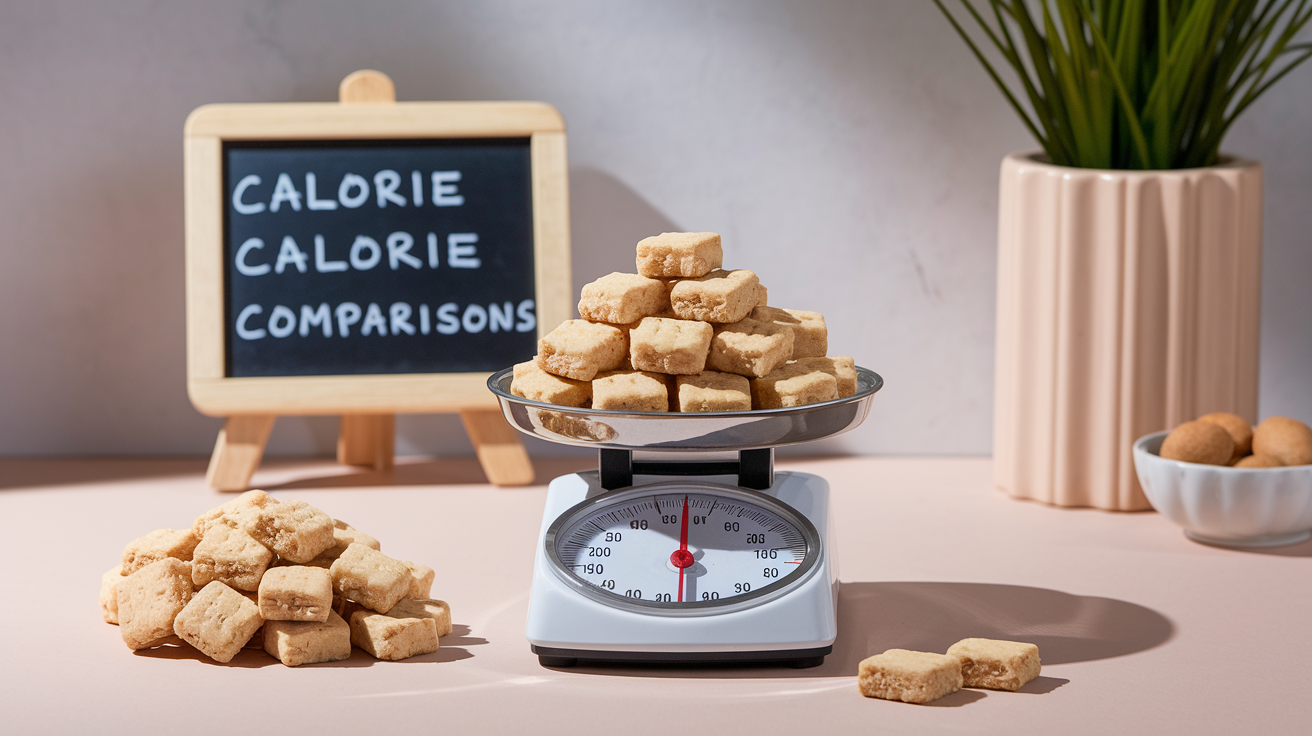
Soft treats often pack more calories per gram because their moisture rich protein ingredients like meat, liver, and cheese have more energy than the grain based fillers common in many crunchy treats. A small soft treat the size of your fingertip might have eight to twelve calories, while a similar sized crunchy biscuit might have five to eight calories, though these numbers bounce around based on brand and formula. This calorie difference matters during high frequency training where you might hand out thirty to fifty rewards in a single fifteen minute period, potentially adding one hundred fifty to six hundred calories to your dog’s daily intake without touching their regular meals.
The advantage of soft treats for calorie management is their easy breakability. You can pinch off pieces the size of a pea or even smaller, creating micro rewards that deliver flavor and motivation without excess calories. This portion flexibility means you can run longer training sessions without blowing your dog’s calorie budget, especially important for small breeds where even a few extra treats can represent a big chunk of their daily energy needs. Crunchy treats are harder to break into smaller portions without creating crumbs or losing the structure that provides dental benefits, which often leads to overfeeding when you’re trying to deliver frequent rewards.
Weight management requires counting treat calories as part of your dog’s total daily intake, not as extras on top of meals. If your dog needs eight hundred calories per day to maintain healthy weight, and you give two hundred calories in training treats, you need to cut their meal portions by two hundred calories to stay balanced. Lots of pet parents miss this adjustment and wonder why their dog gains weight despite feeding “the right amount” of food. The solution involves measuring both treat portions and meal portions, then adjusting based on your dog’s body condition over time.
Five steps for effective portion control with training treats:
- Calculate your dog’s daily calorie needs based on their ideal weight, not their current weight if they’re overweight
- Decide what percentage of daily calories can come from treats, usually ten to fifteen percent for most dogs
- Measure out your daily treat amount each morning and store it in a separate container so you know when you’ve hit your limit
- Break soft treats into smaller pieces to increase the number of rewards without increasing total calories
- Reduce meal portions proportionally on days when you use more treats during extended training or special events
Treat Texture Preferences: Breed Size, Chewing Style, and Picky Eaters
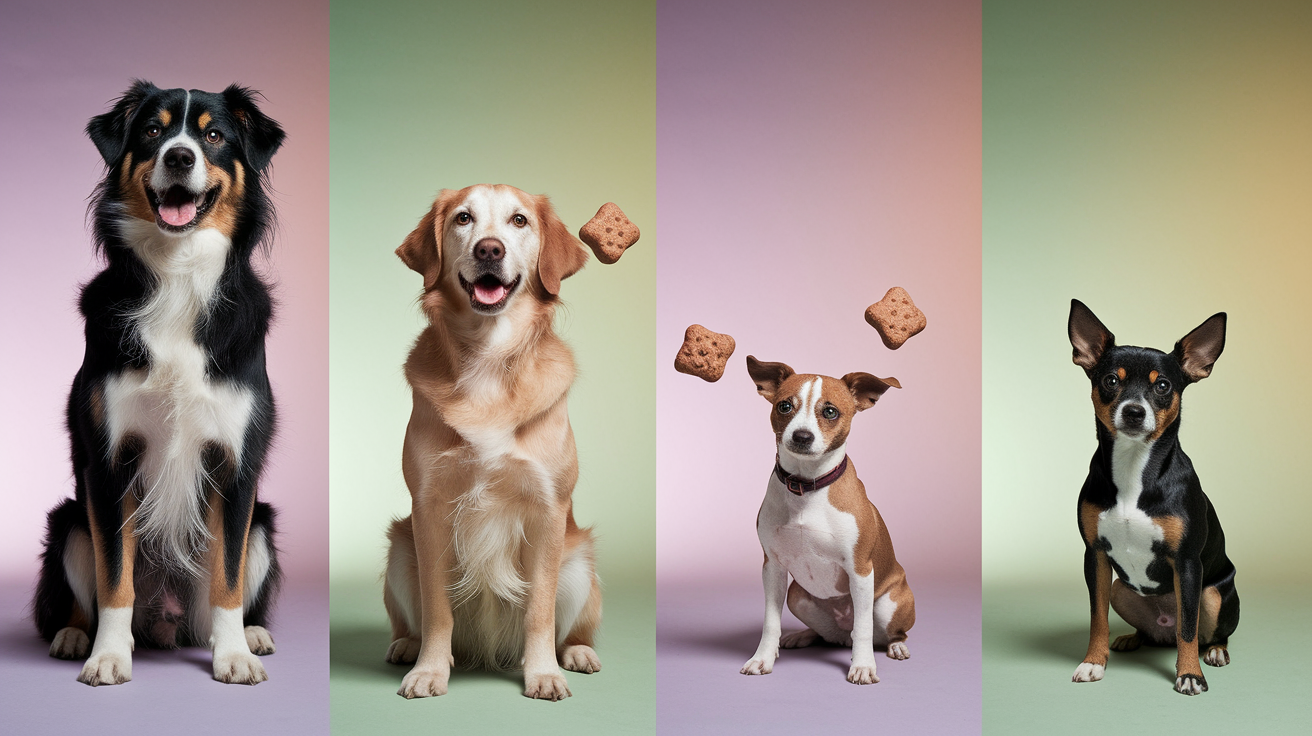
Breed size directly affects how your dog experiences different treat textures and whether they get any benefit beyond simple eating. Large breeds like Labrador Retrievers or German Shepherds often swallow small crunchy biscuits whole without chewing, which kills any dental benefit and increases choking risk if the treat gets stuck in their throat. These dogs need larger, harder treats that force multiple chews before breaking down, or they benefit more from soft treats during training where immediate eating actually serves the goal. Small breeds like Chihuahuas or Yorkshire Terriers may take ten to fifteen seconds to crunch through a single small biscuit, which works for slow rewards but messes up rapid training cycles where you need immediate treat delivery.
Chewing style varies even within size categories. Some dogs are “gulpers” who inhale food without enjoying it, treating every meal and treat like a race they need to win. These dogs get minimal benefit from crunchy treats because they don’t chew long enough for the scraping action to clean teeth, and they’re at higher risk for choking on pieces that didn’t break down. Other dogs are careful chewers who methodically break down every bite, taking their time with each treat regardless of texture. These dogs are perfect candidates for crunchy treats that provide extended engagement and dental benefits through thorough chewing.
Picky eaters respond better to soft treats because the stronger smell and more appealing texture overcome their reluctance to take rewards during training. If your dog turns their nose up at dry biscuits but enthusiastically accepts soft treats, you’re not spoiling them by working with this preference during training sessions where motivation matters more than dental benefits. Some dogs also experience texture fatigue when fed the same treat type day after day, losing interest even in previously high value rewards. Rotating between soft and crunchy treats keeps training interesting and prevents the diminishing returns that happen when your dog gets bored with their rewards.
Five factors influencing treat texture preference:
- Jaw size and bite force determine whether dogs can effectively chew hard treats or simply swallow them whole
- Individual chewing pace affects whether crunchy treats provide dental benefits or get gulped down without proper breakdown
- Scent sensitivity makes dogs with stronger smell receptors more motivated by aromatic soft treats than mild scented crunchy options
- Previous food experiences shape preferences, with dogs who ate primarily soft foods as puppies sometimes rejecting harder textures later
- Dental health status causes dogs with tooth pain or gum sensitivity to avoid hard textures that hurt during chewing
Practical Training Scenarios: When to Use Soft vs When to Use Crunchy Treats

Different training goals and environments call for specific treat textures that match the pace, focus level, and reward timing you’re trying to get. Understanding which texture serves each situation helps you pick treats that enhance learning rather than accidentally create obstacles that slow progress or reduce your dog’s motivation.
Rapid, High-Reward Sessions (Soft Treats)
Soft treats work best during initial behavior shaping, where you’re teaching a new skill and marking correct actions every few seconds to help your dog understand what you want. This rapid fire reward schedule needs treats your dog finishes instantly without interrupting their focus or the training flow. Outdoor training in parks, busy streets, or areas with wildlife also benefits from soft treats because their strong smell cuts through competing scents and helps maintain your dog’s attention when distractions are high. The powerful scent acts as a motivator that pulls your dog’s focus back to you even when something interesting appears in their peripheral vision.
Soft treats also shine during distraction training where you’re building your dog’s ability to ignore temptations like other dogs, people, or food on the ground. The high value nature of moist, protein rich treats gives you a tool that can compete with whatever environmental reward your dog finds appealing. If your dog normally loses focus when another dog walks by, a piece of soft liver treat delivered at the exact moment they choose to look at you instead helps reinforce that choice more effectively than a dry biscuit they barely notice.
Slower-Paced Reinforcement (Crunchy Treats)
Crunchy treats fit training situations where you want to reward your dog for calm behavior or give them something to occupy their attention during waiting periods. Crate training benefits from crunchy treats because the extended chewing time creates a positive association with entering the crate, and the mental engagement of working through a hard treat helps your dog settle rather than focus on the confinement. Rewarding your dog for lying quietly on their mat while you cook dinner or work at your desk also works better with crunchy treats that take time to finish, reinforcing the duration aspect of the calm behavior.
Place training and stay commands sometimes benefit from crunchy treats delivered after your dog holds the position for the full duration, where the treat serves as a jackpot reward rather than a rapid marker. The longer eating time also gives you a natural pause before asking for the next behavior, which can help prevent your dog from anticipating the next command and breaking position early. Mixing both textures throughout your training week keeps sessions interesting and gives you the right tool for each specific goal, whether that’s building duration, marking precise timing, or maintaining motivation in challenging environments.
Storage, Freshness, and Shelf Life Differences Between Soft and Crunchy Treats
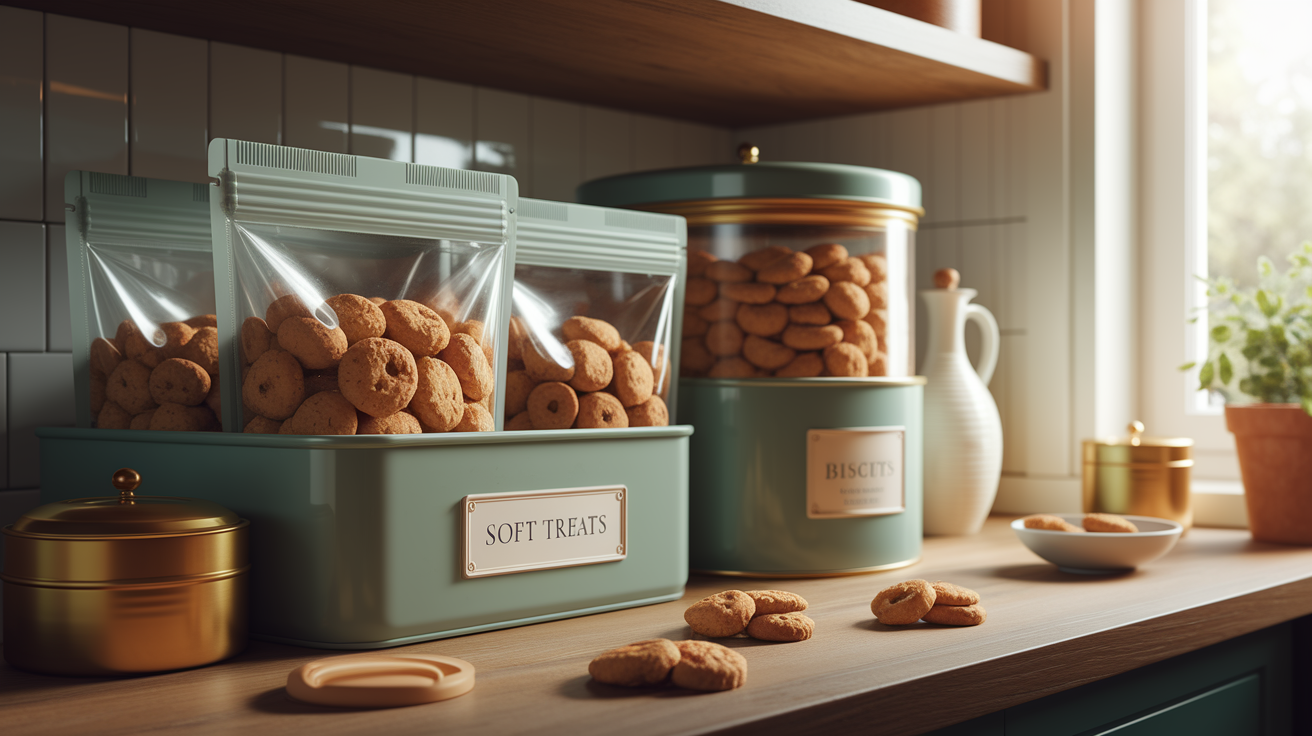
Soft treats need sealed storage in airtight containers or resealable bags to prevent moisture loss that turns them hard and gross within days of opening. The same moisture content that makes these treats chewy and aromatic also makes them vulnerable to drying out when exposed to air, creating a texture change that reduces palatability and makes them harder to break into small pieces. Room temperature storage works for most soft treats as long as the container maintains an airtight seal, but refrigeration extends freshness for treats with particularly high moisture or fat content, especially during summer when heat speeds up spoilage.
Crunchy treats are more forgiving because their low moisture content and baked structure resist staleness and spoilage for months, even when stored in containers that aren’t perfectly airtight. The lack of moisture creates an environment where bacteria and mold can’t thrive, which is why many crunchy treats contain no preservatives beyond vitamin E or rosemary extract for fat stabilization. You can keep crunchy treats in a cupboard, treat jar, or training pouch without worrying about immediate degradation, though they will eventually absorb moisture from humid environments and lose their crisp texture over time.
Four storage best practices for maintaining treat quality:
- Store soft treats in resealable bags or airtight containers immediately after opening to prevent moisture loss and maintain chewy texture
- Keep soft treats in the refrigerator if your home is warm or humid, or if the treats contain high levels of fresh meat or fish
- Check soft treat expiration dates carefully and toss any treats that develop an off smell, sticky surface film, or visible mold
- Store crunchy treats in cool, dry locations away from direct sunlight to prevent fat oxidation that creates rancid flavors
Ingredient Quality, Natural Options, and Allergies in Soft vs Crunchy Treats
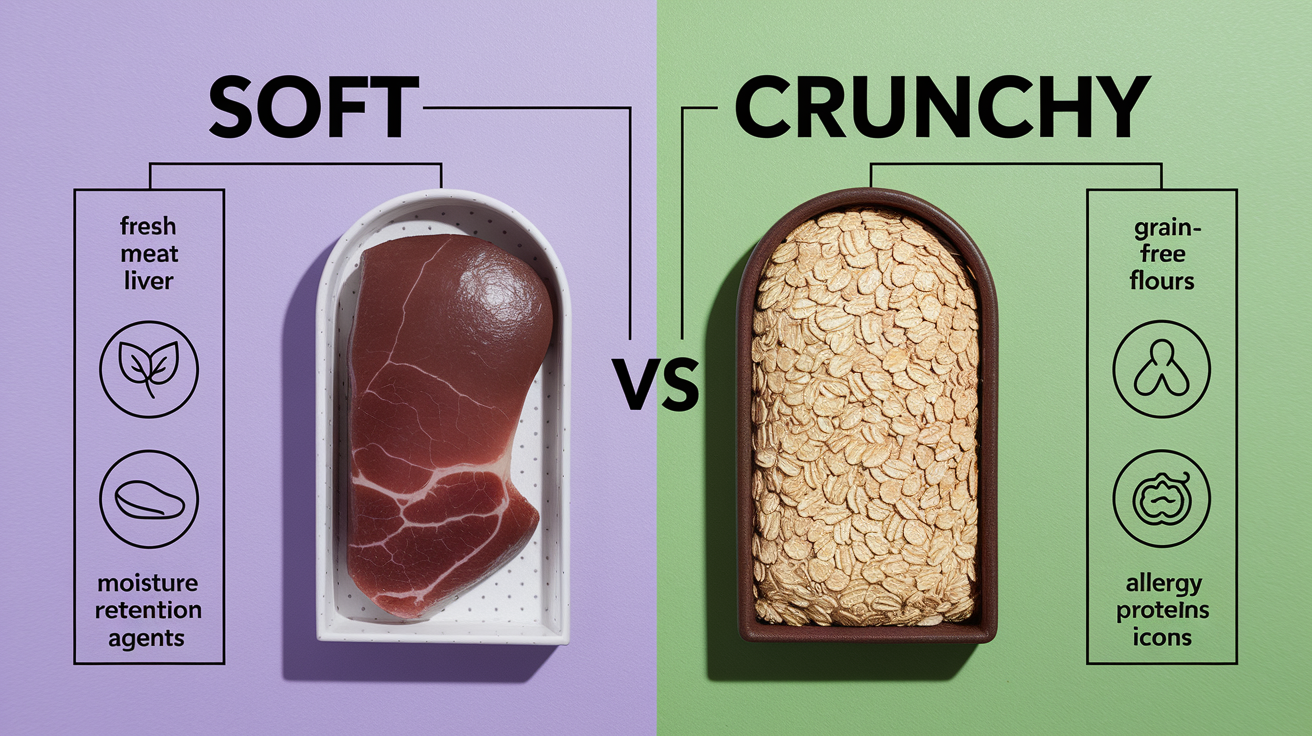
Soft treats typically feature meat forward ingredient lists with chicken, beef, lamb, fish, liver, or novel proteins like rabbit, venison, or duck as the first ingredient. These moisture rich proteins create the soft texture and strong smell that makes these treats super palatable, but they also mean soft treats often cost more per treat than grain based crunchy biscuits. Some soft treats include cheese, peanut butter, or yogurt for additional flavor and moisture, which can be problematic for dogs with dairy sensitivities or lactose intolerance. Reading ingredient labels helps you spot potential allergens before introducing new treats, especially if your dog has a history of food sensitivities or digestive upset.
Crunchy treats often contain fewer total ingredients and may use simpler formulas built around oats, sweet potatoes, or grain free alternatives like chickpea flour or lentils. The baking process lets manufacturers create shelf stable products without adding chemical preservatives, making natural crunchy treats easier to find than natural soft treats that need moisture retention agents. Some premium crunchy treats use limited ingredient recipes designed specifically for dogs with food allergies, featuring single protein sources like bison or trout paired with one or two carbohydrate sources and minimal additives.
Skip treats with artificial colors, flavors, or preservatives like BHA, BHT, or ethoxyquin, which offer no nutritional benefit and may cause bad reactions in sensitive dogs. Novel protein options help reduce allergy concerns for dogs who’ve developed sensitivities to common proteins like chicken or beef, giving you alternative reward options that don’t trigger itching, digestive upset, or other allergic symptoms. Grain free treats suit dogs with diagnosed grain allergies, though most dogs handle whole grains without issue and benefit from the fiber and nutrients they provide.
| Treat Type | Typical Ingredients | Allergy Consideration |
|---|---|---|
| Soft | Fresh meat (chicken, beef, fish), liver, cheese, sweet potato, pumpkin, moisture retention agents | Higher protein variety increases options for novel proteins; dairy ingredients may trigger sensitivities in lactose intolerant dogs |
| Crunchy | Oats, wheat flour, meat meal, sweet potato, chickpea flour, minimal preservatives (vitamin E, rosemary extract) | Simpler formulas reduce total allergen exposure; grain free options available for dogs with grain sensitivities |
Cost, Value, and Buying Strategy for Choosing Soft or Crunchy Dog Treats
Soft treats typically cost more per ounce than crunchy treats because they contain higher percentages of premium proteins like fresh meat, fish, and liver rather than grain based fillers. A twelve ounce bag of quality soft training treats might cost twelve to fifteen dollars, while a similar sized bag of crunchy biscuits costs eight to twelve dollars, though prices vary by brand and ingredient quality. The higher cost reflects both ingredient expense and the shorter shelf life that limits how long retailers can stock soft treats before they expire.
The cost per training session calculation depends on portion size rather than package price alone. Because you can break soft treats into tiny pieces, a twelve dollar bag might provide two hundred individual rewards if you portion carefully, bringing the cost per reward down to six cents. Crunchy treats that can’t be easily divided might provide only fifty to seventy five rewards from a ten dollar bag, making the cost per reward thirteen to twenty cents despite the lower package price. This math matters for frequent trainers who go through treats quickly, where portion flexibility of soft treats can actually save money over time despite higher upfront cost.
Bulk buying strategies differ by texture. Crunchy treats are safer to buy in larger quantities because their extended shelf life means you can store multiple bags without worrying about expiration dates. Soft treats require more careful planning, where buying one month’s supply at a time prevents waste from treats going bad before you use them. Some pet parents reduce costs by preparing homemade treats using dehydrated meat, baked sweet potato, or frozen pureed ingredients, though this requires time investment and proper food safety practices.
Four strategies for choosing cost effective treats:
- Calculate cost per reward rather than cost per bag by dividing package price by the realistic number of training portions you can create
- Buy crunchy treats in bulk when you find sales, since their shelf stability prevents waste from expiration
- Purchase soft treats in quantities you’ll use within two to four weeks to prevent spoilage and maintain freshness
- Reserve premium soft treats for challenging training situations where high motivation matters most, using less expensive crunchy treats for routine rewards and daily snacks
Final Words
Use soft treats for rapid-fire training and picky eaters; save crunchy biscuits for slower rewards and dental scraping.
Match treats to age, teeth, and calories. Measure portions, keep soft treats sealed, and rotate textures to keep your dog engaged.
No single winner—soft training treats vs crunchy treats both have clear roles. Pick what fits your dog, stick to a steady routine, and you’ll see better focus and healthier habits.
FAQ
Q: Are soft or crunchy treats better for dogs?
A: Soft or crunchy treats are better depending on your dog’s age, dental health, training goal, and taste. Use soft for fast, frequent rewards and sensitive teeth; crunchy for dental scraping and slower rewards.
Q: What is the 3-3-3 rule for dog training?
A: The 3-3-3 rule for dog training is three days for a new dog to settle, three weeks to build routine and basic skills, and three months for full adjustment and habit stability.
Q: What’s the difference between treats and training treats?
A: The difference between treats and training treats is purpose and form: training treats are small, soft, low-calorie, and quick to eat for repeat rewards, while regular treats are larger and meant for occasional enjoyment.
Q: What training treats do vets recommend?
A: Vets recommend training treats that are low-calorie, easy to break into tiny pieces, flavorful, and suitable for your dog’s age or health; choose limited-ingredient options for allergies and check with your vet for concerns.